Search Result
Results for "
cardiac+arrhythmia
" in MedChemExpress (MCE) Product Catalog:
2
Biochemical Assay Reagents
8
Isotope-Labeled Compounds
| Cat. No. |
Product Name |
Target |
Research Areas |
Chemical Structure |
-
- HY-B0573
-
|
|
Adrenergic Receptor
Bacterial
|
Cardiovascular Disease
Infection
Neurological Disease
Metabolic Disease
Cancer
|
|
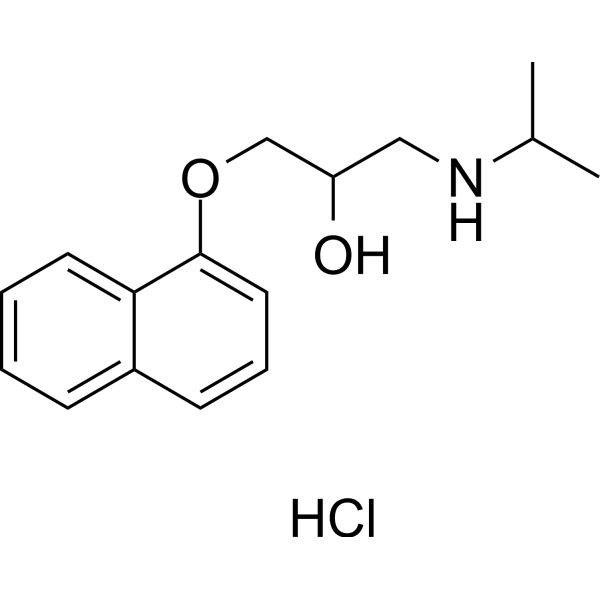
Propranolol hydrochloride is a nonselective and BBB-permeableβ-adrenergic receptor (βAR) antagonist, has high affinity for the β1AR and β2AR with Ki values of 1.8 nM and 0.8 nM, respectively. Propranolol hydrochloride inhibits [ 3H]-DHA binding to rat brain membrane preparation with an IC50 of 12 nM. Propranolol hydrochloride is used for study of hypertension, pheochromocytoma, myocardial infarction, cardiac arrhythmias, angina pectoris, and hypertrophic cardiomyopathy .
|
-
-
- HY-B0573B
-
Propranolol
Maximum Cited Publications
44 Publications Verification
|
Adrenergic Receptor
Bacterial
|
Cardiovascular Disease
Infection
Neurological Disease
Metabolic Disease
Cancer
|
|
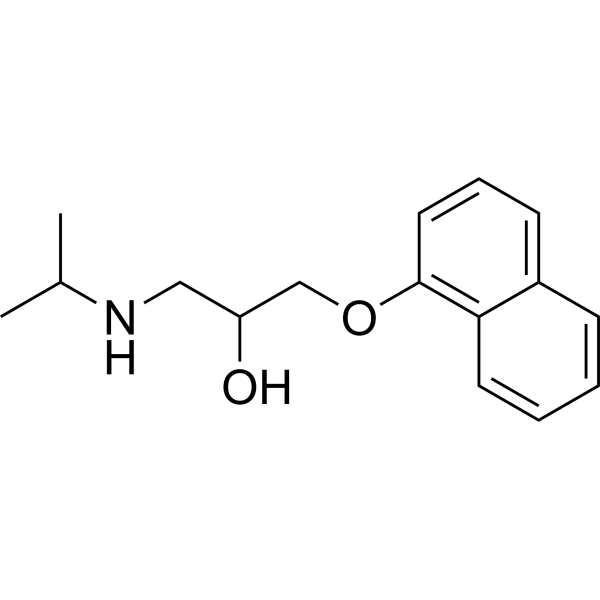
Propranolol is a nonselective and BBB-permeable β-adrenergic receptor (βAR) antagonist, has high affinity for the β1AR and β2AR with Ki values of 1.8 nM and 0.8 nM, respectively . Propranolol inhibits [ 3H]-DHA binding to rat brain membrane preparation with an IC50 of 12 nM . Propranolol is used for the study of hypertension, pheochromocytoma, myocardial infarction, cardiac arrhythmias, angina pectoris, and hypertrophic cardiomyopathy .
|
-
-
- HY-17417
-
|
|
Opioid Receptor
|
Neurological Disease
Cancer
|
|
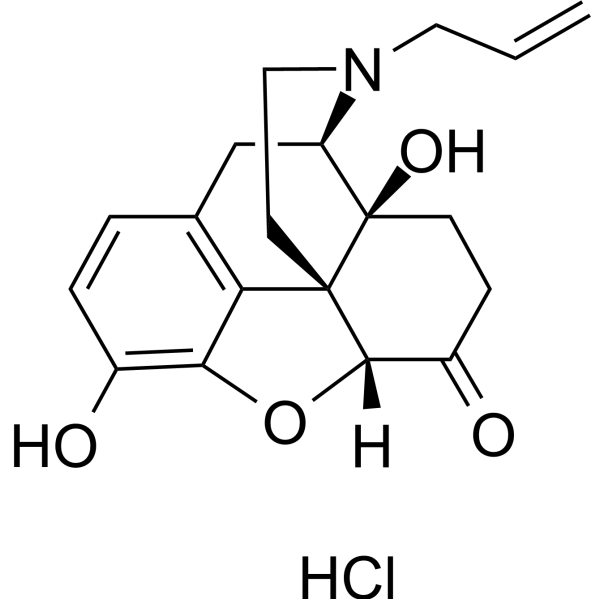
Naloxone hydrochloride is an antagonist of Opioid receptor. Naloxone hydrochloride alleviates opioid-overdose-induced respiratory depression. Naloxone hydrochloride may cause pulmonary edema and cardiac arrhythmias .
|
-
-
- HY-107754
-
|
|
Potassium Channel
|
Cardiovascular Disease
|
|
Cesium chloride is a blocker of potassium channel. Cesium chloride prevents the decrease of Na + transport produced by Alloxan . Cesium chloride has induced cardiac arrhythmias, including torsade de pointes in animal models .
|
-

-
- HY-B0632
-
|
|
Calcium Channel
|
Cardiovascular Disease
Cancer
|
|
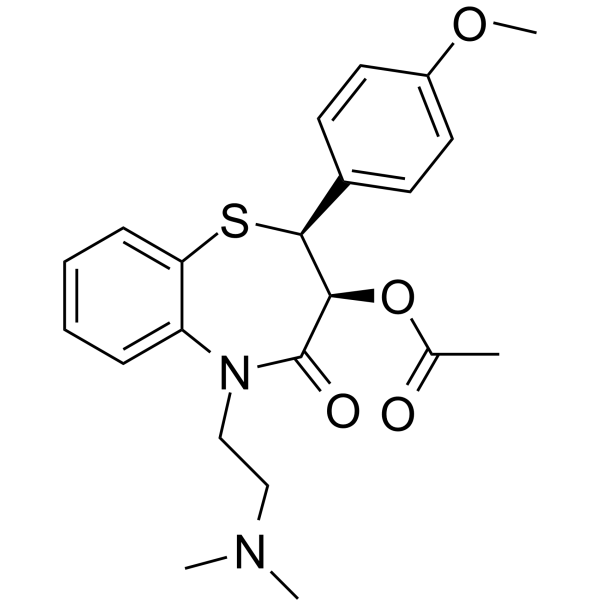
Diltiazem is an orally active L-type Ca 2+ channel blocker. Diltiazem shows antihypertensive and antiarrhythmic effects. Diltiazem can be used for the research of cardiac arrhythmia, hypertension, and angina pectoris .
|
-
-
- HY-B1030
-
|
|
Flavivirus
Dengue Virus
Autophagy
Enterovirus
|
Cardiovascular Disease
Cancer
|
|
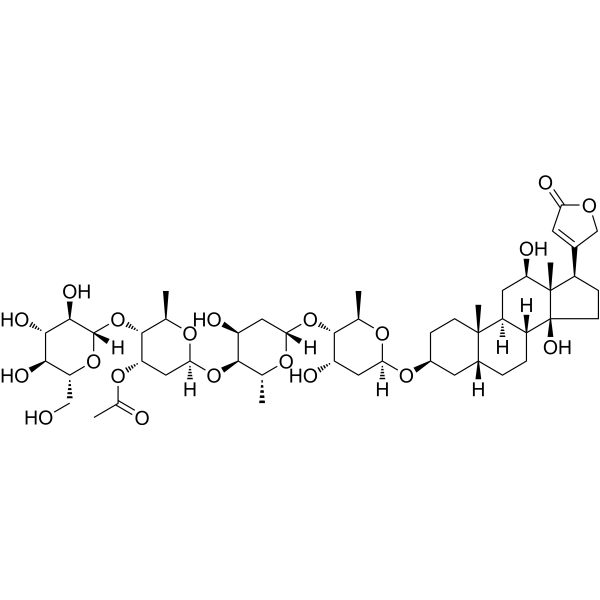
Lanatoside C is a cardiac glycoside, can be used in the treatment of congestive heart failure and cardiac arrhythmia.Lanatoside C has an IC50 of 0.19 μM for dengue virus infection in HuH-7 cells. Lanatoside C can effectively inhibit all four serotypes of dengue virus, flavivirus Kunjin, alphavirus Chikungunya, Sindbis virus and the human enterovirus 71 .
|
-
-
- HY-17417A
-
|
|
Opioid Receptor
|
Neurological Disease
Cancer
|
|
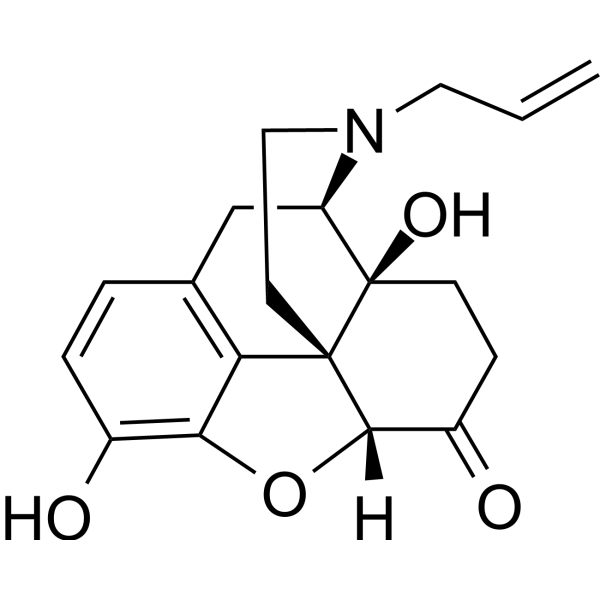
Naloxone is an antagonist of Opioid receptor. Naloxone alleviates opioid-overdose-induced respiratory depression. Naloxone may cause pulmonary edema and cardiac arrhythmias .
|
-
-
- HY-17497A
-
-
-
- HY-106225
-
|
ZP123
|
Gap Junction Protein
|
Cardiovascular Disease
|
|
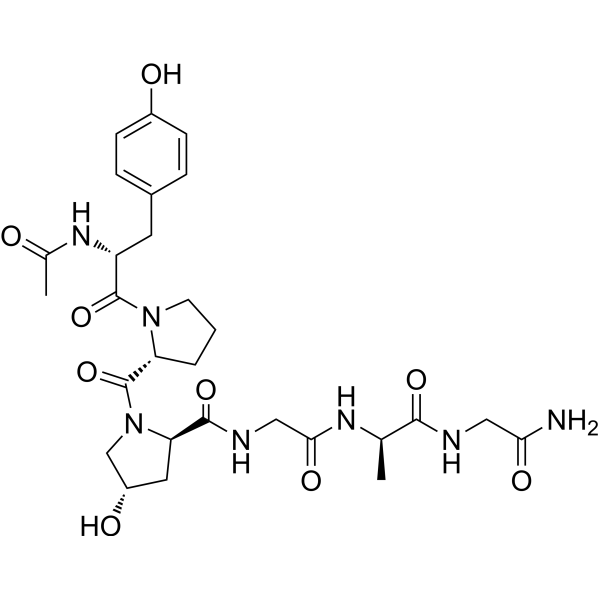
Rotigaptide (ZP123) is a novel and specific modulator of connexin 43 (Cx43). Rotigaptide prevents the uncoupling of Cx43-mediated gap junction communication and normalizes cell-to-cell communication during acute metabolic stress. Rotigaptide is a potent antiarrhythmic peptide (AAP) with improved stability and has the potential for the investigation of cardiac arrhythmias-specifically atrial fibrillation .
|
-
-
- HY-15292
-
S107
1 Publications Verification
|
Calcium Channel
|
Cardiovascular Disease
|
|
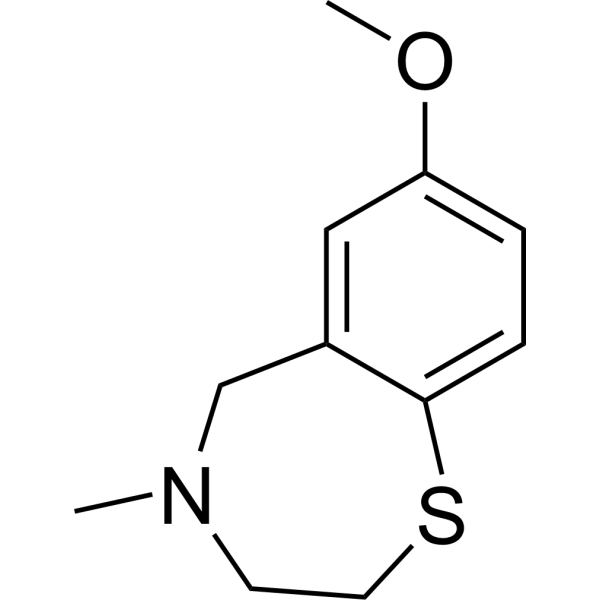
S107 is an orally available, blood brain barrier-permeable compound, which stabilizes RyR2 channels by enhancing the binding of calstabin 2 to the mutant Ryr2-R2474S channel. S107 inhibits Ca 2+ leakage from the sarcoplasmic reticulum (SR) and prevents cardiac arrhythmias and raises the seizure threshold .
|
-
-
- HY-145154
-
|
|
Na+/K+ ATPase
Drug Metabolite
|
Cardiovascular Disease
Metabolic Disease
|
|
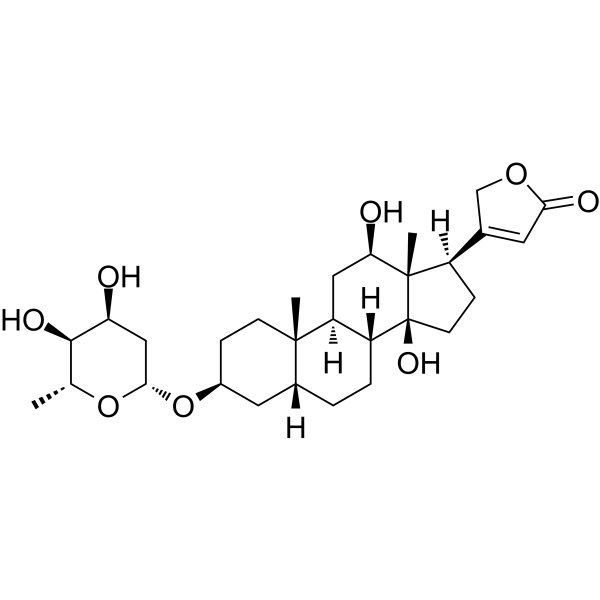
Digoxigenin monodigitoxoside, a metabolite of Digoxin (HY-B1049), belongs to the class of cardenolides. Digoxigenin monodigitoxoside exerts its function by inhibiting Na,K-ATPase. Digoxigenin monodigitoxoside is used for the research of cardiovascular diseases such as congestive heart failure and cardiac arrhythmias .
|
-
-
- HY-16738A
-
|
GS 6615 hydrochloride
|
Sodium Channel
Potassium Channel
|
Cardiovascular Disease
|
|
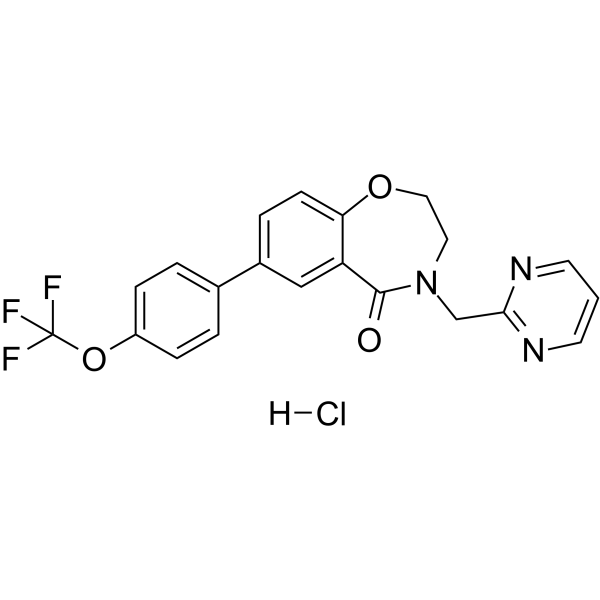
Eleclazine (GS 6615) hydrochloride is a selective cardiac late sodium current inhibitor and a weak inhibitor of potassium current with IC50 value of <1 μM and approximately 14.2 μM, respectively. Eleclazine hydrochloride shows concurrent protection against autonomically induced atrial premature beats, repolarization alternans and heterogeneity, and atrial fibrillation in porcine model. Eleclazine hydrochloride can be used to research cardiac arrhythmias .
|
-
-
- HY-17497
-
-
-
- HY-B0573S1
-
|
|
Adrenergic Receptor
|
Neurological Disease
Endocrinology
|
|
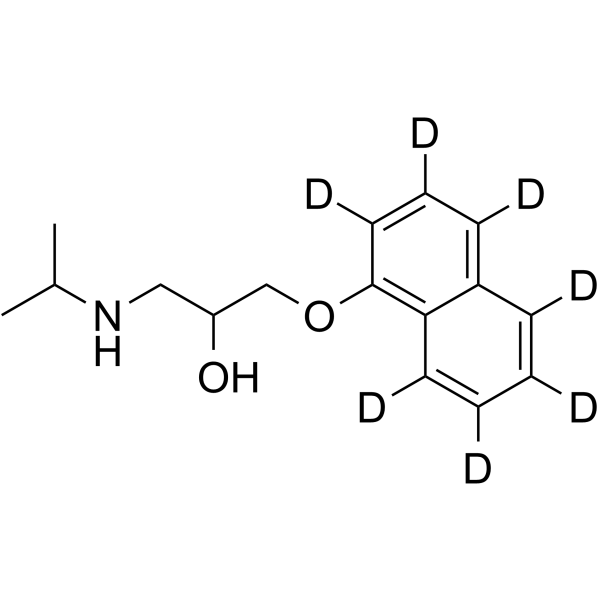
Propranolol-d7 (ring-d7) is the deuterium labeled Propranolol hydrochloride. Propranolol hydrochloride is a nonselective β-adrenergic receptor (βAR) antagonist, has high affinity for the β1AR and β2AR with Ki values of 1.8 nM and 0.8 nM, respectively . Propranolol hydrochloride inhibits [3H]-DHA binding to rat brain membrane preparation with an IC50 of 12 nM . Propranolol hydrochloride is used for study of hypertension, pheochromocytoma, myocardial infarction, cardiac arrhythmias, angina pectoris, and hypertrophic cardiomyopathy .
|
-
-
- HY-126028
-
|
(R)-Sotalol
|
Potassium Channel
|
Cardiovascular Disease
|
|
(-)-Sotalol ((R)-Sotalol) is the R-isomer of Sotalol. (-)-Sotalol is a hERG inhibitor, with a Kd of 0.60 μM. (-)-Sotalol can be used for the research of cardiac arrhythmias .
|
-

-
- HY-W001294
-
-
-
- HY-B0573BS
-
|
|
Adrenergic Receptor
|
Cardiovascular Disease
Neurological Disease
Endocrinology
|
|
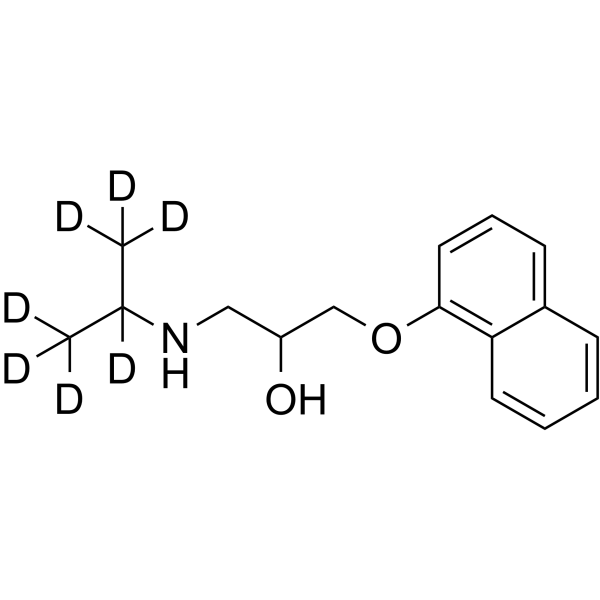
Propranolol-d7 is the deuterium labeled Propranolol. Propranolol is a nonselective β-adrenergic receptor (βAR) antagonist, has high affinity for the β1AR and β2AR with Ki values of 1.8 nM and 0.8 nM, respectively . Propranolol inhibits [3H]-DHA binding to rat brain membrane preparation with an IC50 of 12 nM . Propranolol is used for the study of hypertension, pheochromocytoma, myocardial infarction, cardiac arrhythmias, angina pectoris, and hypertrophic cardiomyopathy .
|
-
-
- HY-B0573S
-
|
|
Adrenergic Receptor
|
Cardiovascular Disease
Neurological Disease
Endocrinology
|
|
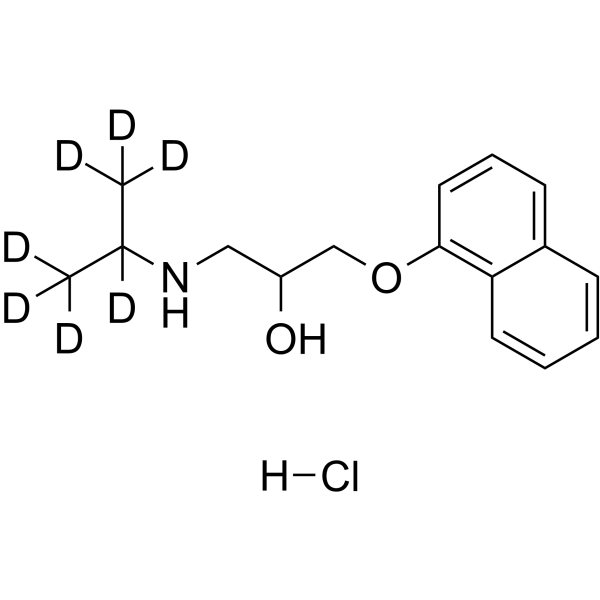
Propranolol-d7 (hydrochloride) is a deuterium labeled Propranolol hydrochloride. Propranolol hydrochloride is a nonselective β-adrenergic receptor (βAR) antagonist, has high affinity for the β1AR and β2AR with Ki values of 1.8 nM and 0.8 nM, respectively . Propranolol hydrochloride inhibits [3H]-DHA binding to rat brain membrane preparation with an IC50 of 12 nM . Propranolol hydrochloride is used for the study of hypertension, pheochromocytoma, myocardial infarction, cardiac arrhythmias, angina pectoris, and hypertrophic cardiomyopathy .
|
-
-
- HY-119802
-
-
-
- HY-103059
-
|
|
Calcium Channel
|
Cardiovascular Disease
|
|
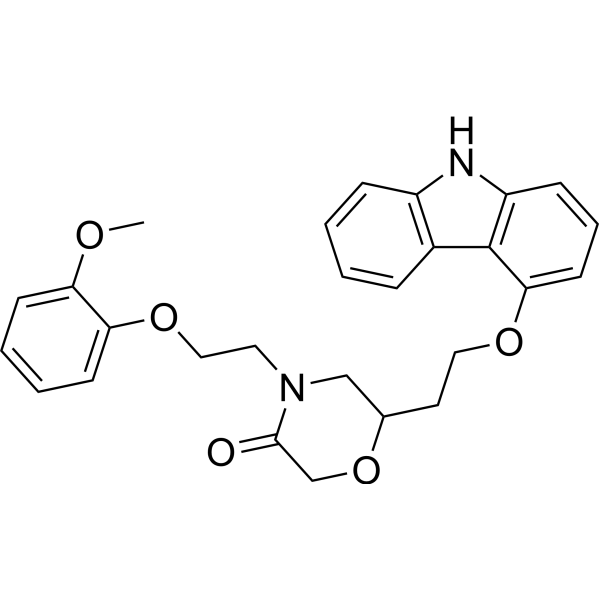
SOICR-IN-1 (compound 32) is a store-overload induced calcium release (SOICR) inhibitor with an IC50 value of 14.6 μM. SOICR-IN-1 can be used for the research of cardiac arrhythmias .
|
-
-
- HY-B0573R
-
|
|
Reference Standards
Adrenergic Receptor
Bacterial
|
Neurological Disease
Endocrinology
Cancer
|
|
Propranolol (hydrochloride) (Standard) is the analytical standard of Propranolol (hydrochloride). This product is intended for research and analytical applications. Propranolol hydrochloride is a nonselective β-adrenergic receptor (βAR) antagonist, has high affinity for the β1AR and β2AR with Ki values of 1.8 nM and 0.8 nM, respectively . Propranolol hydrochloride inhibits [ 3H]-DHA binding to rat brain membrane preparation with an IC50 of 12 nM . Propranolol hydrochloride is used for study of hypertension, pheochromocytoma, myocardial infarction, cardiac arrhythmias, angina pectoris, and hypertrophic cardiomyopathy .
|
-

-
- HY-17417R
-
|
|
Reference Standards
Opioid Receptor
|
Neurological Disease
Cancer
|
|
Naloxone (hydrochloride) (Standard) is the analytical standard of Naloxone (hydrochloride). This product is intended for research and analytical applications. Naloxone hydrochloride is an antagonist of Opioid receptor. Naloxone hydrochloride alleviates opioid-overdose-induced respiratory depression. Naloxone hydrochloride may cause pulmonary edema and cardiac arrhythmias .
|
-

-
- HY-108592
-
|
|
Potassium Channel
|
Cardiovascular Disease
Neurological Disease
|
|
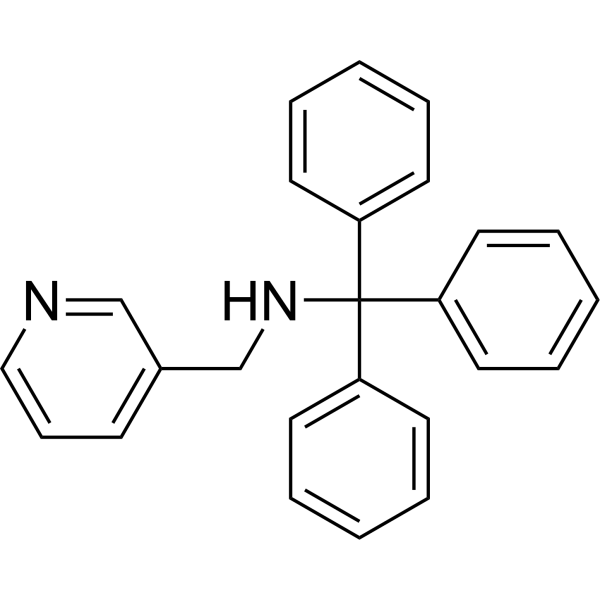
UCL 2077 is a potassium channel and slow afterhyperpolarization (sAHP) inhibitor. UCL 2077 selectively blocks sAHP channels without affecting L-type Ca 2+ currents. UCL 2077 blocks KCNQ1- and KCNQ2-containing K + channels, decreases erg current amplitude, increases erg deactivation rate. UCL 2077 can be used for the research of hippocampus-dependent memory retrieval deficit and cardiac arrhythmias .
|
-
-
- HY-16738
-
|
GS-6615
|
Sodium Channel
Potassium Channel
|
Cardiovascular Disease
|
|
Eleclazine (GS 6615) is a selective cardiac late sodium current inhibitor and a weak inhibitor of potassium current with IC50 of <1 μM and approximately 14.2 μM, respectively. Eleclazine shows concurrent protection against autonomically induced atrial premature beats, repolarization alternans and heterogeneity, and atrial fibrillation in porcine model. Eleclazine can be used to research cardiac arrhythmias .
|
-

-
- HY-177361
-
|
|
Sodium Channel
|
Cardiovascular Disease
|
|
Zocainone is an antiarrhythmic agent. Zocainone blocks sodium channels in cardiac tissue, stabilizing the cardiac action potential and reducing abnormal electrical activity. Zocainone is promising for research of cardiac arrhythmias .
|
-

-
- HY-B0632S
-
|
|
Isotope-Labeled Compounds
Calcium Channel
|
Cardiovascular Disease
|
|
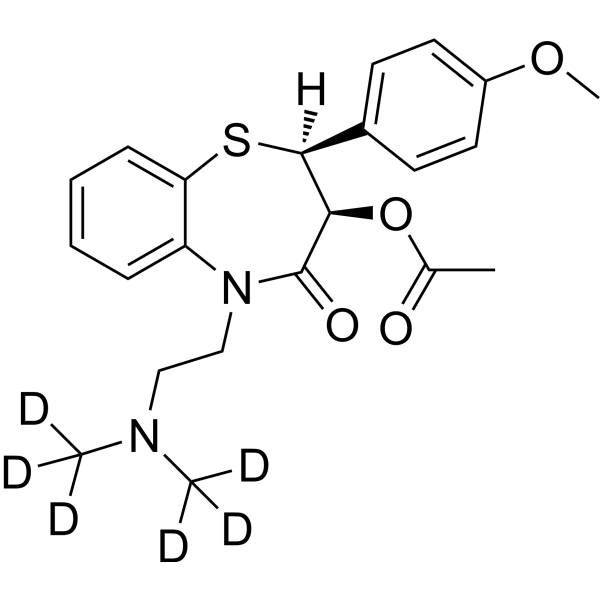
Diltiazem-d6 is the deuterium labeled Diltiazem. Diltiazem is an orally active L-type Ca2+ channel blocker, with antihypertensive and antiarrhythmic effects. Diltiazem can be used for the research of cardiac arrhythmia, hypertension, and angina pectoris .
|
-
-
- HY-113322
-
|
3-Hydroxyquinidine
|
Drug Metabolite
|
Cardiovascular Disease
|
|
3-Hydroxyquinine is a metabolite of Quinidine (HY-B1751). 3-Hydroxyquinine prevents ventricular fibrillation and ventricular tachycardia after coronary reperfusion in an isolated rat heart reperfusion arrhythmia model in a concentration-dependent manner. 3-Hydroxyquinine can be used in the study of cardiac arrhythmias .
|
-

-
- HY-106225R
-
|
ZP123 (Standard)
|
Reference Standards
Gap Junction Protein
|
Cardiovascular Disease
|
|
Rotigaptide (Standard) is the analytical standard of Rotigaptide. This product is intended for research and analytical applications. Rotigaptide (ZP123) is a novel and specific modulator of connexin 43 (Cx43). Rotigaptide prevents the uncoupling of Cx43-mediated gap junction communication and normalizes cell-to-cell communication during acute metabolic stress. Rotigaptide is a potent antiarrhythmic peptide (AAP) with improved stability and has the potential for the investigation of cardiac arrhythmias-specifically?atrial fibrillation .
|
-

-
- HY-B1030R
-
|
|
Dengue Virus
Flavivirus
Reference Standards
CHIKV
Autophagy
Enterovirus
|
Cardiovascular Disease
Cancer
|
|
Lanatoside C (Standard) is the analytical standard of Lanatoside C. This product is intended for research and analytical applications. Lanatoside C is a cardiac glycoside, can be used in the treatment of congestive heart failure and cardiac arrhythmia.Lanatoside C has an IC50 of 0.19 μM for dengue virus infection in HuH-7 cells. Lanatoside C can effectively inhibit all four serotypes of dengue virus, flavivirus Kunjin, alphavirus Chikungunya, Sindbis virus and the human enterovirus 71 .
|
-

-
- HY-A0084S
-
|
Procaine amide-d4 hydrochloride; SP 100-d4 hydrochloride
|
Isotope-Labeled Compounds
|
Cancer
|
|
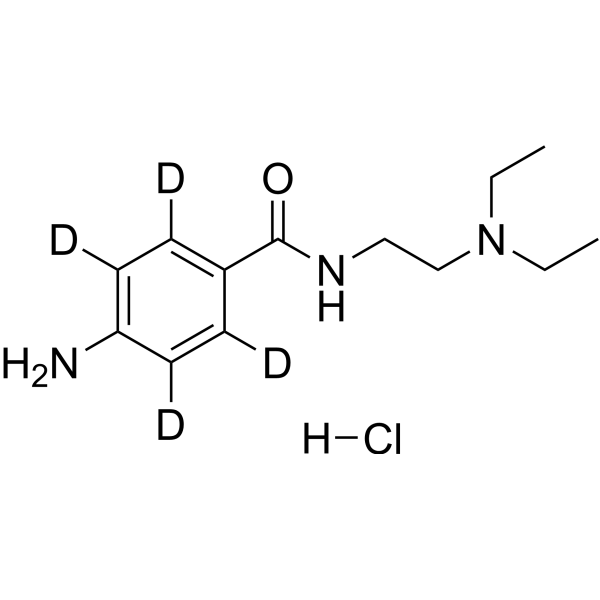
Procainamide-d4 hydrochloride is deuterated labeled Procainamide. Procainamide hydrochloride is an antiarrhythmic agent used in the study of cardiac arrhythmias.
|
-
-
- HY-117489
-
|
|
Drug Derivative
|
Cardiovascular Disease
|
|
Julibrine II is a pyridoxine derivative that can be isolated from the bark of the Albizzia julibrissin DURAZZ. Julibrine II has the ability to induce cardiac arrhythmias .
|
-

-
- HY-123127
-
-

-
- HY-17497S
-
-
-
- HY-119802S
-
-
-
- HY-B0632A
-
|
MK 793
|
Calcium Channel
|
Cardiovascular Disease
Cancer
|
|
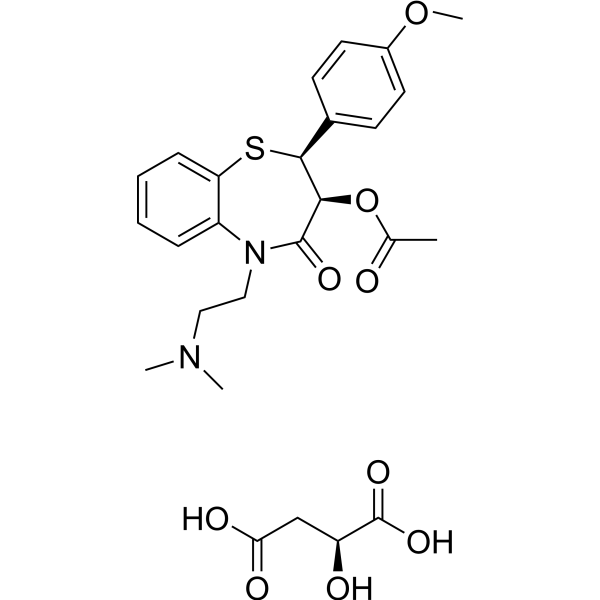
Diltiazem malate is a potent and orally active L-type calcium channel inhibitor. Diltiazem malate shows antihypertensive and antiarrhythmic effects. Diltiazem malate can be used for the research of cardiac arrhythmia, hypertension, and angina pectoris .
|
-
-
- HY-17417AR
-
|
|
Opioid Receptor
Reference Standards
|
Neurological Disease
Cancer
|
|
Naloxone (Standard) is the analytical standard of Naloxone. This product is intended for research and analytical applications. Naloxone is an antagonist of Opioid receptor. Naloxone alleviates opioid-overdose-induced respiratory depression. Naloxone may cause pulmonary edema and cardiac arrhythmias .
|
-

-
- HY-119802R
-
|
|
Reference Standards
Adrenergic Receptor
|
Cardiovascular Disease
|
|
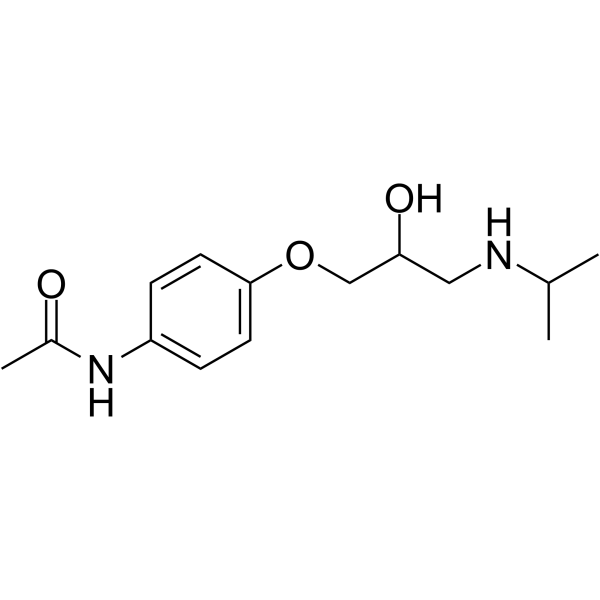
Practolol (Standard) is the analytical standard of Practolol. This product is intended for research and analytical applications. Practolol is a potent and selective β1-adrenergic receptor antagonist. Practolol can be used for the research of cardiac arrhythmias .
|
-

-
- HY-B0632S2
-
-

-
- HY-17497AR
-
|
|
Reference Standards
Adrenergic Receptor
|
Cardiovascular Disease
Endocrinology
|
|
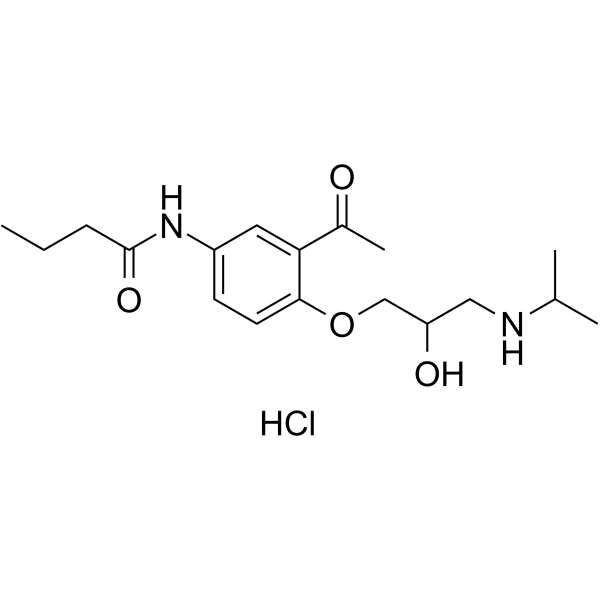
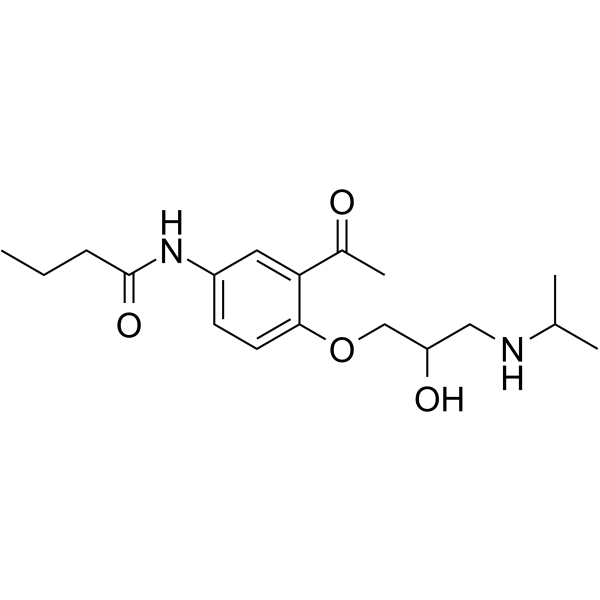
Acebutolol (hydrochloride) (Standard) is the analytical standard of Acebutolol (hydrochloride). This product is intended for research and analytical applications. Acebutolol hydrochloride is an orally active β1 adrenergic receptor (β1AR) antagonist. Acebutolol hydrochloride is used in the treatment of hypertension, angina pectoris and cardiac arrhythmias .
|
-

-
- HY-B0632R
-
|
|
Reference Standards
Calcium Channel
|
Cardiovascular Disease
Cancer
|
|
Diltiazem (Standard) is the analytical standard of Diltiazem. This product is intended for research and analytical applications. Diltiazem is an orally active L-type Ca 2+ channel blocker. Diltiazem shows antihypertensive and antiarrhythmic effects. Diltiazem can be used for the research of cardiac arrhythmia, hypertension, and angina pectoris .
|
-

-
- HY-19117
-
|
|
Potassium Channel
|
Cardiovascular Disease
|
|
BRL-32872 is a potent human ether-a-go-go-related gene (hERG) potassium channel blocker (IC50=241 nM in isolated cardiomyocytes; 19.8 nM in HEK293 cells). BRL-32872 is promising for research of cardiac arrhythmias (e.g., atrial/ventricular rhythms) .
|
-

-
- HY-B0632B
-
|
|
Calcium Channel
|
Cardiovascular Disease
|
|
(2R,3R)-Diltiazem hydrochloride is an isomer of Diltiazem (HY-B0632) hydrochloride. Diltiazem is an orally active L-type Ca 2+ channel blocker. Diltiazem shows antihypertensive and antiarrhythmic effects. Diltiazem can be used for the research of cardiac arrhythmia, hypertension, and angina pectoris .
|
-

-
- HY-149779
-
|
|
Calcium Channel
|
Cardiovascular Disease
|
|
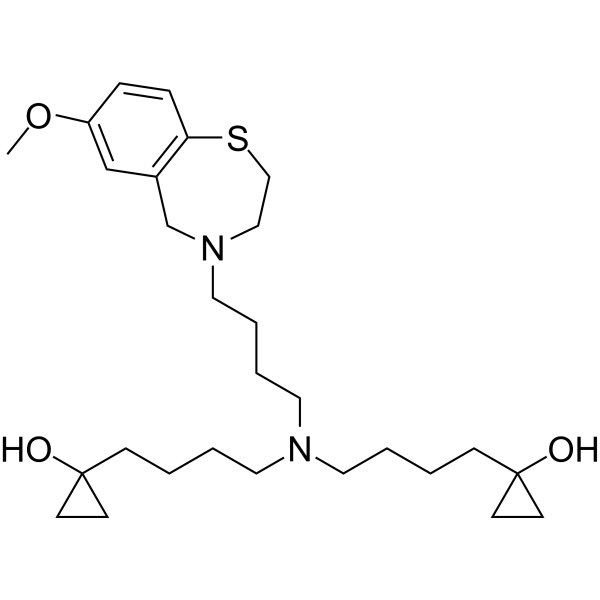
RyR2 stabilizer-1 (compound 12a) is a potent RyR2 stabilizer and SERCA2a activator with EC50s of 2.7 μM for RyR2 and 383 nM for SERCA2. RyR2 stabilizer-1 inhibits Ca 2+ leakage from the SR RyR2 while promoting SERCA2 to pump Ca 2+ back to SR, which make RyR2 stabilizer-1 possible to prevent cardiac arrhythmias .
|
-
-
- HY-15208A
-
|
HMR 1098 free base
|
Others
|
Others
|
|
Clamikalant (HMR 1098 free base) is a compound used to suppress cardiac arrhythmias. It prevents the reduction of the refractory period during ventricular fibrillation in dogs and also shows antiarrhythmic effects in a rabbit heart model.
|
-

-
- HY-115359
-
-

-
- HY-130456
-
|
|
Sodium Channel
|
Cardiovascular Disease
|
|
AHR 10718 is an antiarrhythmic agent that suppresses cardiac arrhythmias induced by digitalis intoxication and myocardial infarction in the intact dog. AHR 10718 also depresses membrane responsiveness and conduction, shortens the effective refractory period of specialized conducting fibers less than action potential duration .
|
-

-
- HY-103059R
-
|
|
Reference Standards
Calcium Channel
|
Cardiovascular Disease
|
|
SOICR-IN-1 (Standard) is the analytical standard of SOICR-IN-1 (HY-103059). This product is intended for research and analytical applications. SOICR-IN-1 (compound 32) is a store-overload induced calcium release (SOICR) inhibitor with an IC50 value of 14.6 μM. SOICR-IN-1 can be used for the research of cardiac arrhythmias .
|
-

-
- HY-165443
-
|
Nervocidine
|
Na+/K+ ATPase
|
Cardiovascular Disease
|
|
Cassaine (Nervocidine) is a Na +/K +-ATPase inhibitor. Cassaine stabilizes phosphorylated intermediates, slows spontaneous dephosphorylation and blocks potassium-stimulated dephosphorylation. Cassaine exhibits non-competitive inhibition with respect to K +, shows inhibition enhanced by Pi and antagonized by Na +. Cassaine induces positive inotropic effects in perfused hearts with faster inotropy offset. Cassaine can be used for research on cardiac arrhythmias .
|
-

-
- HY-106131
-
|
PD-123497
|
Sodium Channel
Opioid Receptor
|
Cardiovascular Disease
|
|
RSD-921 (PD-123497) is a potent Na + channel blocker with anti-arrhythmic activity. RSD-921 displays a low affinity for κ-opioid receptors and behaves as a weak κ-agonist in vitro. RSD 921 displays state-, time- and voltage-dependent block of the open state of cardiac, skeletal muscle and neuronal Na + channels expressed in Xenopus oocytes. RSD-921 can be used for cardiac arrhythmias research .
|
-

-
- HY-16738AR
-
|
GS 6615 hydrochloride (Standard)
|
Sodium Channel
Potassium Channel
Reference Standards
|
Cardiovascular Disease
|
|
Eleclazine (hydrochloride) (Standard) is the analytical standard of Eleclazine (hydrochloride). This product is intended for research and analytical applications. Eleclazine (GS 6615) hydrochloride is a selective cardiac late sodium current inhibitor and a weak inhibitor of potassium current with IC50 value of <1 μM and approximately 14.2 μM, respectively. Eleclazine hydrochloride shows concurrent protection against autonomically induced atrial premature beats, repolarization alternans and heterogeneity, and atrial fibrillation in porcine model. Eleclazine hydrochloride can be used to research cardiac arrhythmias .
|
-

- HY-W192276
-
|
N-Desisopropylpropranolol
|
Drug Metabolite
Adrenergic Receptor
|
Cardiovascular Disease
Neurological Disease
Endocrinology
Cancer
|
|
(±)-Desisopropylpropranolol (N-Desisopropylpropranolol) is a metabolite of Propranolol (HY-B0573B). Propranolol is a nonselective β-adrenergic receptor (βAR) antagonist, has high affinity for the β1AR and β2AR with Kis of 1.8 nM and 0.8 nM, respectively. Propranolol inhibits [ 3H]-DHA binding to rat brain membrane preparation with an IC50 of 12 nM. Propranolol is used for the study of hypertension, pheochromocytoma, myocardial infarction, cardiac arrhythmias, angina pectoris, and hypertrophic cardiomyopathy .
|
-

-
-
HY-L118
-
|
|
187 compounds
|
|
Sodium channels conduct sodium ions (Na+) through a cell's plasma membrane that are the source of excitatory currents for the nervous system and muscle. Na channels are classified according to the trigger that opens the channel for such ions, i.e. either a voltage-change (Voltage-gated, voltage-sensitive, or voltage-dependent sodium channel also called VGSCs or Nav channel) or a binding of a substance (a ligand) to the channel (ligand-gated sodium channels). Dysfunction in voltage-gated sodium channels correlates with neurological and cardiac diseases, including epilepsy, myopathies, pain and cardiac arrhythmias. Sodium channel blockers are used in the treatment of cardiac arrhythmia, pain and convulsion.
MCE offers a unique collection of 187 sodium channel blocker and antagonists, all of which have the identified inhibitory effect on sodium channels. MCE Sodium Channel Blocker Library can be used for neurological and cardiac diseases drug discovery and sodium channel research.
|
| Cat. No. |
Product Name |
Type |
-
- HY-107754
-
|
|
Biochemical Assay Reagents
|
|
Cesium chloride is a blocker of potassium channel. Cesium chloride prevents the decrease of Na + transport produced by Alloxan . Cesium chloride has induced cardiac arrhythmias, including torsade de pointes in animal models .
|
-
- HY-W001294
-
|
|
Biochemical Assay Reagents
|
|
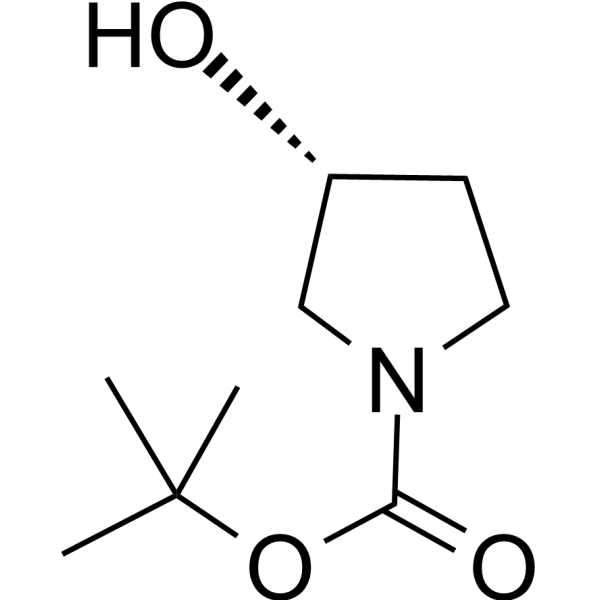
(R)-(-)-N-Boc-3-pyrrolidinol (Compound 22a) is a key intermediate for the preparation of Compound 18a and subsequent ion channel modulating compounds. (R)-(-)-N-Boc-3-pyrrolidinol can be used in the research of cardiac arrhythmia .
|
| Cat. No. |
Product Name |
Category |
Target |
Chemical Structure |
| Cat. No. |
Product Name |
Chemical Structure |
-
- HY-B0573S1
-
|
|
|
Propranolol-d7 (ring-d7) is the deuterium labeled Propranolol hydrochloride. Propranolol hydrochloride is a nonselective β-adrenergic receptor (βAR) antagonist, has high affinity for the β1AR and β2AR with Ki values of 1.8 nM and 0.8 nM, respectively . Propranolol hydrochloride inhibits [3H]-DHA binding to rat brain membrane preparation with an IC50 of 12 nM . Propranolol hydrochloride is used for study of hypertension, pheochromocytoma, myocardial infarction, cardiac arrhythmias, angina pectoris, and hypertrophic cardiomyopathy .
|
-
-
- HY-B0573BS
-
|
|
|
Propranolol-d7 is the deuterium labeled Propranolol. Propranolol is a nonselective β-adrenergic receptor (βAR) antagonist, has high affinity for the β1AR and β2AR with Ki values of 1.8 nM and 0.8 nM, respectively . Propranolol inhibits [3H]-DHA binding to rat brain membrane preparation with an IC50 of 12 nM . Propranolol is used for the study of hypertension, pheochromocytoma, myocardial infarction, cardiac arrhythmias, angina pectoris, and hypertrophic cardiomyopathy .
|
-
-
- HY-B0573S
-
|
|
|
Propranolol-d7 (hydrochloride) is a deuterium labeled Propranolol hydrochloride. Propranolol hydrochloride is a nonselective β-adrenergic receptor (βAR) antagonist, has high affinity for the β1AR and β2AR with Ki values of 1.8 nM and 0.8 nM, respectively . Propranolol hydrochloride inhibits [3H]-DHA binding to rat brain membrane preparation with an IC50 of 12 nM . Propranolol hydrochloride is used for the study of hypertension, pheochromocytoma, myocardial infarction, cardiac arrhythmias, angina pectoris, and hypertrophic cardiomyopathy .
|
-
-
- HY-B0632S
-
|
|
|
Diltiazem-d6 is the deuterium labeled Diltiazem. Diltiazem is an orally active L-type Ca2+ channel blocker, with antihypertensive and antiarrhythmic effects. Diltiazem can be used for the research of cardiac arrhythmia, hypertension, and angina pectoris .
|
-
-
- HY-A0084S
-
|
|
|
Procainamide-d4 hydrochloride is deuterated labeled Procainamide. Procainamide hydrochloride is an antiarrhythmic agent used in the study of cardiac arrhythmias.
|
-
-
- HY-17497S
-
|
|
|
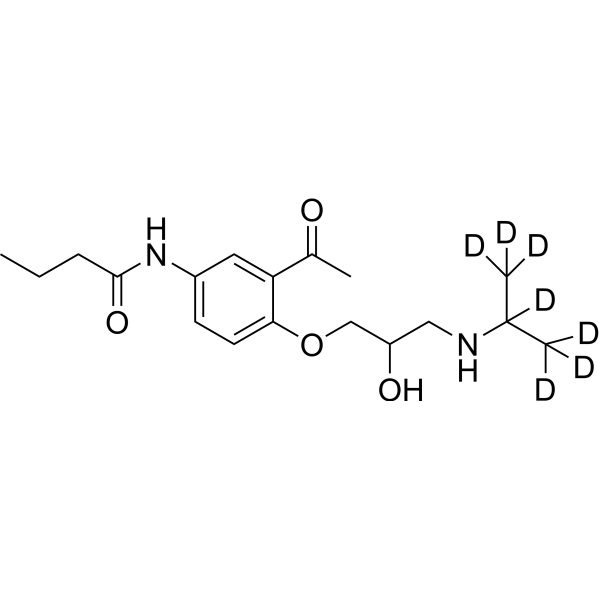
Acebutolol-d7 is a deuterium labeled Acebutolol. Acebutolol is a selective β1 adrenergic receptor antagonist used in the treatment of hypertension, angina pectoris and cardiac arrhythmias .
|
-
-
- HY-119802S
-
|
|
|
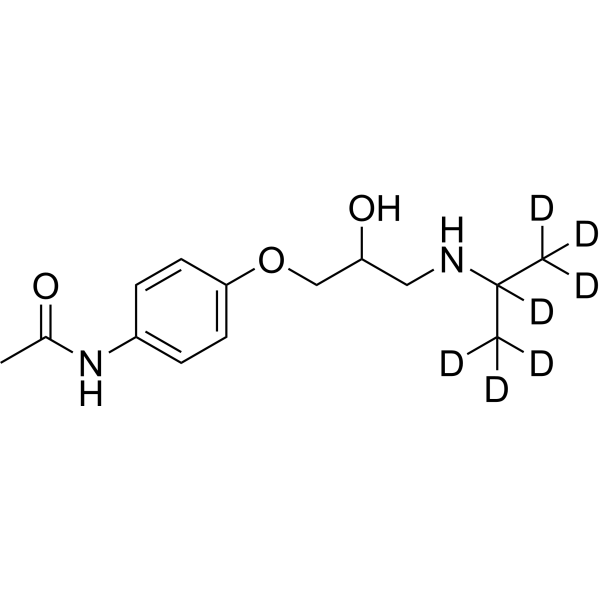
Practolol-d7 is the deuterium labeled Practolol. Practolol is a potent and selective β1-adrenergic receptor antagonist. Practolol can be used for the research of cardiac arrhythmias .
|
-
-
- HY-B0632S2
-
|
|
|
Diltiazem-d4 is deuterium labeled Diltiazem. Diltiazem is an orally active L-type Ca 2+ channel blocker. Diltiazem shows antihypertensive and antiarrhythmic effects. Diltiazem can be used for the research of cardiac arrhythmia, hypertension, and angina pectoris .
|
-
Your information is safe with us. * Required Fields.
Inquiry Information
- Product Name:
- Cat. No.:
- Quantity:
- MCE Japan Authorized Agent:








