
Search Result
Results for "
chronic obstructive lung disease
" in MedChemExpress (MCE) Product Catalog:
1
Isotope-Labeled Compounds
| Cat. No. |
Product Name |
Target |
Research Areas |
Chemical Structure |
-
- HY-119708
-
|
RPL-554
|
Phosphodiesterase (PDE)
|
Infection
Neurological Disease
Inflammation/Immunology
Cancer
|
|
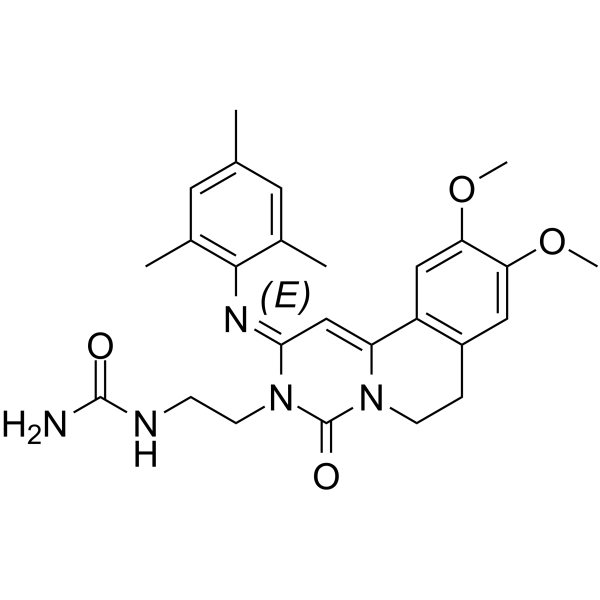
Ensifentrine (RPL-554) is an inhaled dual inhibitor of PDE3 and PDE4 with IC50s of 0.4 nM and 1479 nM, respectively. Ensifentrine blocks PDE3 and PDE4 enzymes, thereby increasing the levels of cyclic adenosine monophosphate (cAMP) and cyclic guanosine monophosphate (cGMP) in lung cells, dilating the bronchi, and inhibiting the activation and migration of inflammatory cells. Ensifentrine can be used in the research of chronic obstructive pulmonary disease (COPD) .
|
-
-
- HY-148096
-
|
|
STAT
|
Inflammation/Immunology
Cancer
|
|
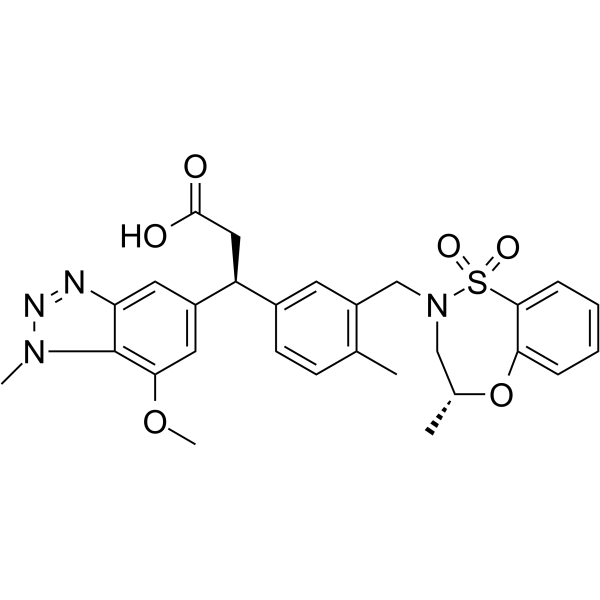
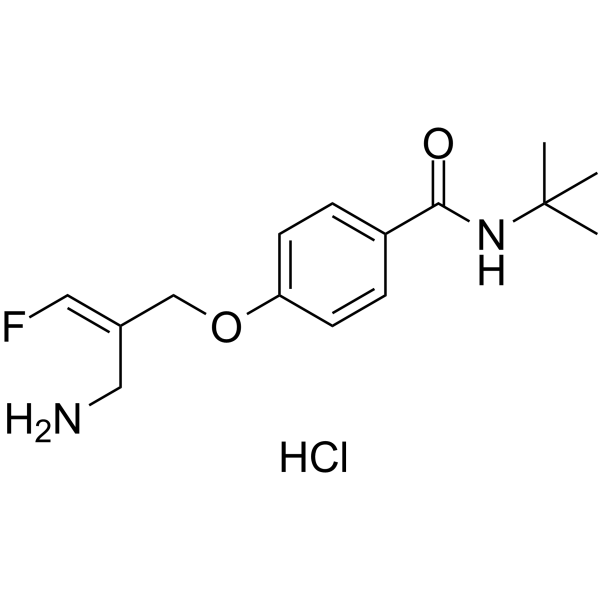
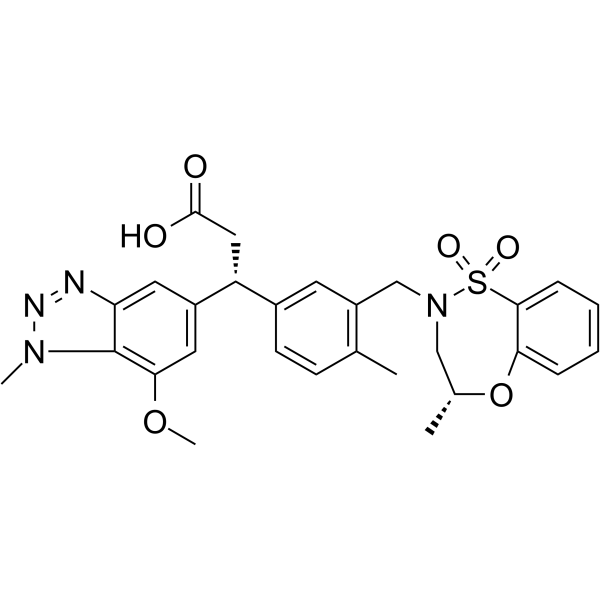
STAT6-IN-1 (Compound 19a) is a STAT6 inhibitor with a high affinity for the SH2 domain of STAT6 (IC50=0.028 µM). STAT6-IN-1 can be used in studies of allergic lung disease, allergic rhinitis, chronic obstructive pulmonary disease or cancer .
|
-
-
- HY-N2593
-
|
|
Carnitine Palmitoyltransferase (CPT)
Reactive Oxygen Species (ROS)
Autophagy
Apoptosis
NF-κB
PI3K
Akt
MMP
Keap1-Nrf2
|
Metabolic Disease
Inflammation/Immunology
Cancer
|
|
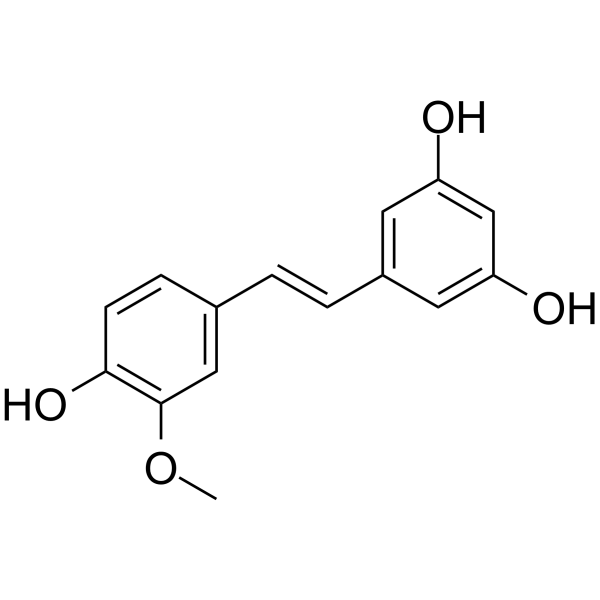
Isorhapontigenin is an orally active dietary polyphenol. Isorhapontigenin acts as a potent antioxidant that reduces the production of reactive oxygen species (ROS). Isorhapontigenin promotes the binding of JUN to the AP-1 site on the SESN2 promoter, induces SESN2 transcription, triggers MAPK8-dependent JUN activation, and upregulates the expression of PPAR-α, PGC-1α and CPT-1A to facilitate fatty acid oxidation. Isorhapontigenin induces autophagy, apoptosis and preadipocyte differentiation; it inhibits tumor growth, cell invasion, NF-κB transcriptional activity, the PI3K/Akt signaling pathway, STAT1 phosphorylation and MMP-2 expression. Isorhapontigenin alleviates oxidative stress, inflammatory cytokine release and triglyceride accumulation; it increases intracellular ATP levels and promotes Nrf2 nuclear translocation. Isorhapontigenin improves insulin sensitivity in adipose tissue and glucose tolerance, and reduces postprandial blood glucose, insulin and free fatty acid levels. Isorhapontigenin is applicable to research on bladder cancer, liver injury, chronic obstructive pulmonary disease, acute lung injury and type 2 diabetes .
|
-
-
- HY-14299
-
|
|
Adrenergic Receptor
|
Cardiovascular Disease
Endocrinology
Cancer
|
|
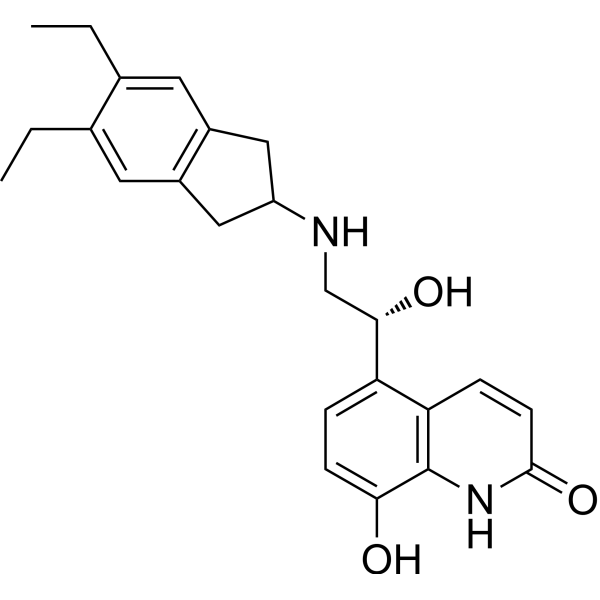
Indacaterol is an orally active ultra-long-acting β2 adrenergic receptor (ADRB2) agonist. Indacaterol inhibits NF-κB activity in a β-arrestin2-dependent manner, preventing further lung damage and improving lung function in COPD (chronic obstructive pulmonary disorder). Indacaterol can also be used in cardiovascular disease research .
|
-
-
- HY-14299A
-
|
QAB149
|
Adrenergic Receptor
|
Cardiovascular Disease
Endocrinology
Cancer
|
|
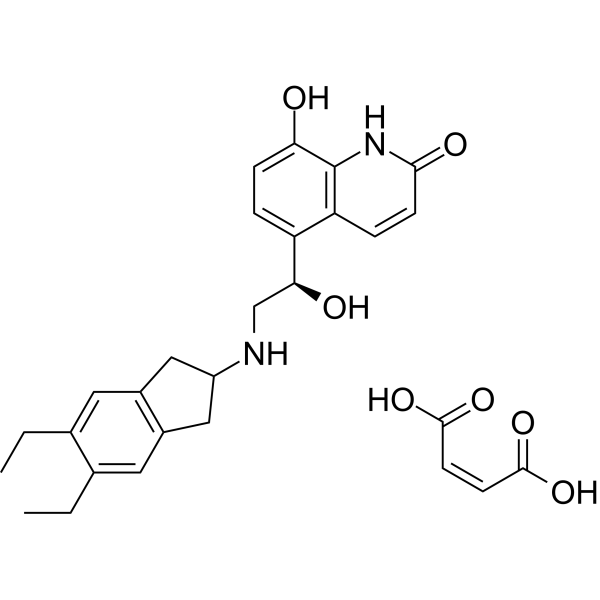
Indacaterol maleate (QAB149) is an orally active ultra-long-acting β2 adrenergic receptor (ADRB2) agonist. Indacaterol maleate inhibits NF-κB activity in a β-arrestin2-dependent manner, preventing further lung damage and improving lung function in COPD (chronic obstructive pulmonary disorder). Indacaterol maleate can also be used in cardiovascular disease research .
|
-
-
- HY-P99244
-
|
ILV 094
|
Interleukin Related
JAK
STAT
Caspase
Bcl-2 Family
|
Inflammation/Immunology
|
|
Fezakinumab (ILV 094) is an anti-IL-22 monoclonal antibody. Fezakinumab inhibits IL-22 signal transduction, and regulates the JAK1/STAT3 pathway as well as apoptotic proteins. Fezakinumab alleviates airway remodeling, alveolar enlargement and inflammatory cell infiltration in lung tissues. Fezakinumab reduces the levels of neutrophils, lymphocytes, eosinophils and macrophages in lung tissues. Fezakinumab can be used in the research of chronic obstructive pulmonary disease and skin diseases .
|
-
-
- HY-121246
-
|
AKF-PD
|
ACSL Family
NF-κB
ERK
TGF-beta/Smad
|
Inflammation/Immunology
Cancer
|
|
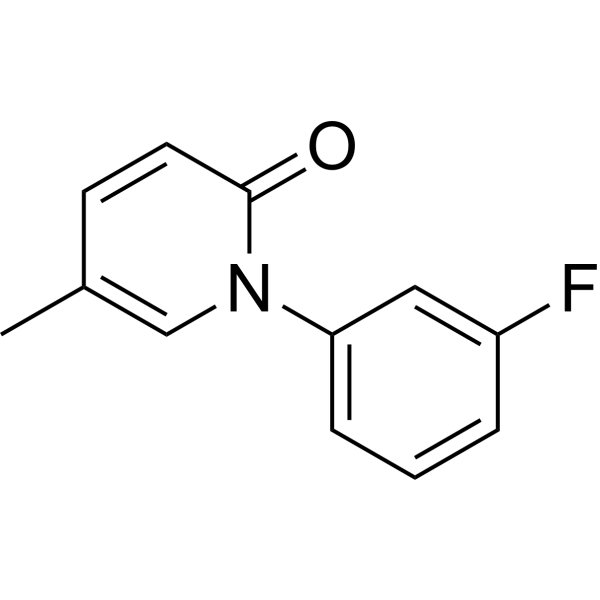
Fluorofenidone (AKF-PD) is an orally active compound with anti-fibrotic, antioxidant, and anti-inflammatory pharmacological effects. Fluorofenidone downregulates the expression of ACSL4, upregulates GPX4 expression and inhibits the NF-κB signaling pathway to alleviate inflammation and fibrosis. Fluorofenidone ameliorates cholestasis and fibrosis by inhibiting hepatic Erk/-Egr-1 signaling and Tgfβ1/Smad pathway in mice. Fluorofenidone demonstrates protective effects against chronic lung injury in mice. Fluorofenidone can be used for the study of chronic obstructive pulmonary disease (COPD), pulmonary interstitial fibrosis (PIF) and non-small cell lung cancer (NSCLC) .
|
-
-
- HY-148092
-
|
|
STAT
|
Inflammation/Immunology
Cancer
|
|
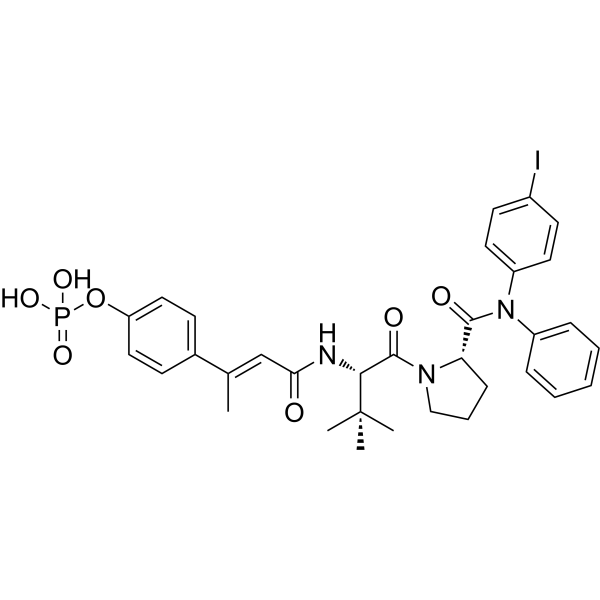
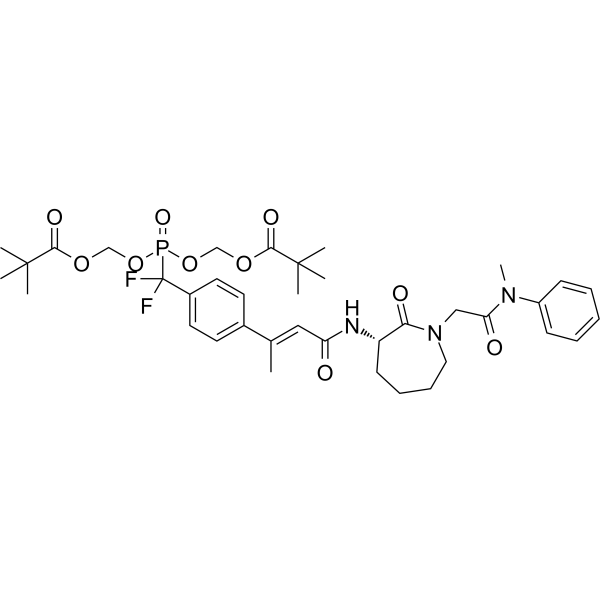
PM-43I is a potent STAT6 inhibitor and can reduce STAT6 phosphorylation level. PM-43I can be used in allergic lung disease, allergic rhinitis, chronic pulmonary obstructive disease and cancer research [1] sup>.
|
-
-
- HY-136239
-
|
Beclomethasone-17-monopropionate; 17-BMP
|
Glucocorticoid Receptor
Drug Metabolite
|
Inflammation/Immunology
|
|
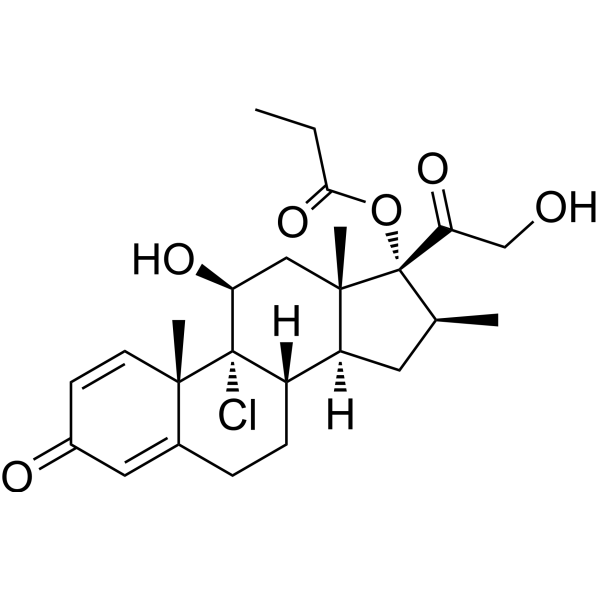
Beclomethasone 17-propionate (Beclomethasone-17-monopropionate), an active metabolite of Beclomethasone dipropionate (HY-13571), is a glucocorticoid receptor (GR) agonist. Beclomethasone 17-propionate exhibits greater affinity for GR than Beclomethasone dipropionate. Beclomethasone 17-propionate effectively suppresses cytokine production in chronic obstructive pulmonary disease (COPD) lung macrophages .
|
-
-
- HY-B0460
-
|
BA-679 BR monohydrate
|
mAChR
|
Inflammation/Immunology
|
|
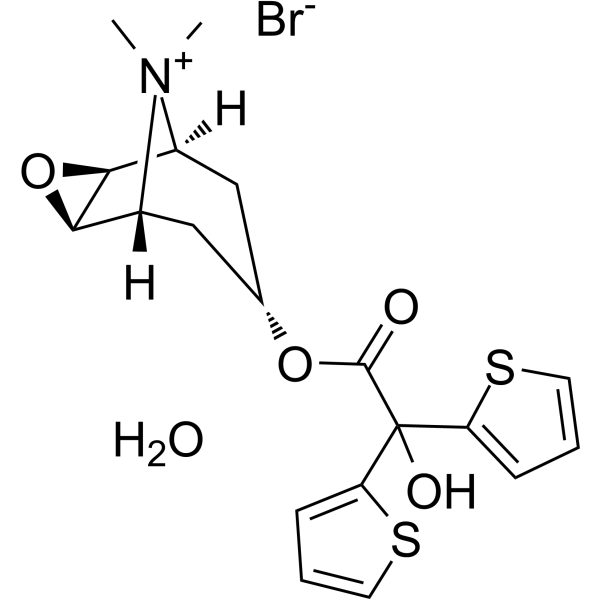
Tiotropium bromide monohydrate (BA-679 BR monohydrate) is a long-acting anticholinergic bronchodilator. Tiotropium bromide monohydrate blocks the action of acetylcholine at muscarinic M1, M2, and M3 receptors, prevents bronchoconstriction, and dilates bronchial airways. Tiotropium bromide monohydrate is applicable to research related to chronic obstructive pulmonary disease and asthma .
|
-
-
- HY-168973
-
|
AER-01; MUC-031
|
Mucin
|
Inflammation/Immunology
|
|
Fexlamose (AER-01) is a thiol-modified carbohydrate agent with mucolytic property. Fexlamose cleaves disulfides to cause mucolysis. Fexlamose can be used for researchs of chronic obstructive pulmonary disease (COPD) and muco-obstructive lung diseases (MOLD) .
|
-
-
- HY-148093
-
|
|
STAT
|
Inflammation/Immunology
Cancer
|
|
PM-81I is a potent STAT6 inhibitor (targeting the SH2 structural domain) that effectively reduces STAT6 phosphorylation levels. PM-81I can be used in studies of allergic lung disease, allergic rhinitis, chronic obstructive pulmonary disease or cancer [1] sup>.
|
-
-
- HY-137976
-
|
Penequinine hydrochloride
|
mAChR
NF-κB
Apoptosis
Autophagy
Akt
GSK-3
ERK
|
Cardiovascular Disease
Neurological Disease
Inflammation/Immunology
|
|
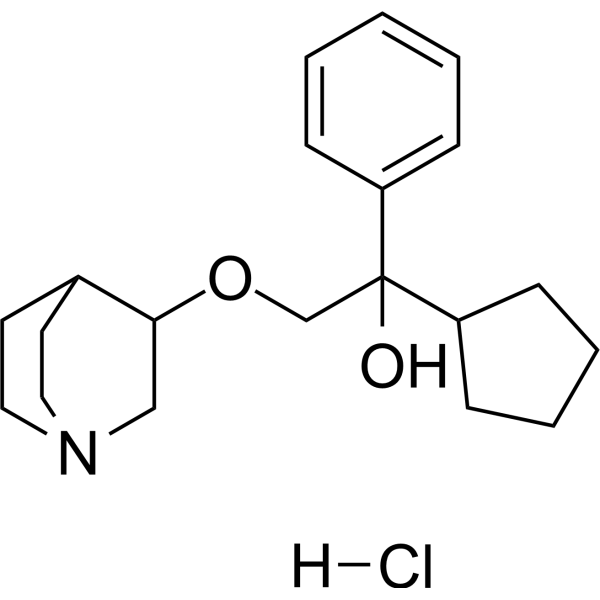
Penehyclidine (Penequinine) hydrochloride, a anticholinergic agent, is a selective antagonist of M1 and M3 receptors. Penehyclidine hydrochloride activates NF-kβ in lung tissue and inhibits the release of inflammatory factors. Penehyclidine hydrochloride can alleviate the pulmonary inflammatory response in rats with chronic obstructive pulmonary disease (COPD) undergoing mechanical ventilation .
|
-
-
- HY-12733
-
-
-
- HY-14299AR
-
|
QAB149 (Standard)
|
Reference Standards
Adrenergic Receptor
|
Cardiovascular Disease
Endocrinology
Cancer
|
|
Indacaterol (maleate) (Standard) is the analytical standard of Indacaterol (maleate). This product is intended for research and analytical applications. Indacaterol maleate (QAB149) is an orally active ultra-long-acting β2 adrenergic receptor (ADRB2) agonist. Indacaterol maleate inhibits NF-κB activity in a β-arrestin2-dependent manner, preventing further lung damage and improving lung function in COPD (chronic obstructive pulmonary disorder). Indacaterol maleate can also be used in cardiovascular disease research .
|
-
-
- HY-14299R
-
|
|
Reference Standards
Adrenergic Receptor
|
Cardiovascular Disease
Endocrinology
Cancer
|
|
Indacaterol (Standard) is the analytical standard of Indacaterol. This product is intended for research and analytical applications. Indacaterol is an orally active ultra-long-acting β2 adrenergic receptor (ADRB2) agonist. Indacaterol inhibits NF-κB activity in a β-arrestin2-dependent manner, preventing further lung damage and improving lung function in COPD (chronic obstructive pulmonary disorder). Indacaterol can also be used in cardiovascular disease research .
|
-
-
- HY-174383
-
|
|
Phosphodiesterase (PDE)
|
Inflammation/Immunology
|
|
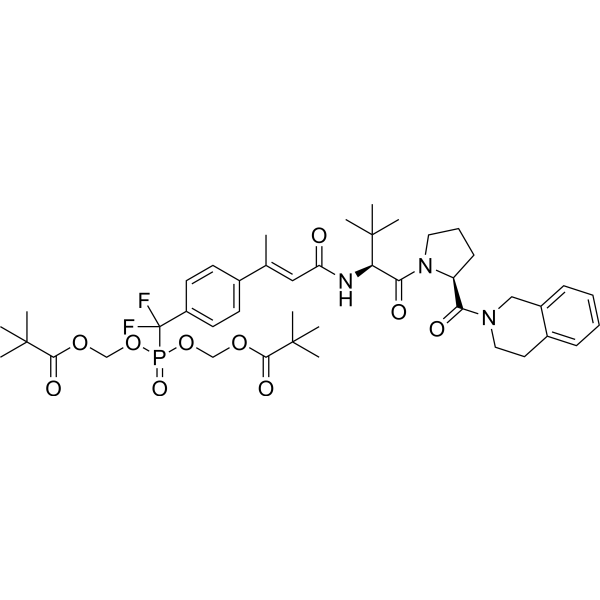
PDE3/4-IN-2 is a dual PDE3A and PDE4B1 inhibitor, with an IC50 of 0.13 nM against PDE3A and 50 nM against PDE4B1. PDE3/4-IN-2 exhibits higher systemic exposure and longer retention time in lung tissues in ICR mice. PDE3/4-IN-2 can be used in research on respiratory diseases such as asthma and chronic obstructive pulmonary disease, as well as autoimmune inflammation-related studies .
|
-
-
- HY-106293
-
|
|
Elastase
|
Inflammation/Immunology
|
|
ICI-200880 is a potent, selective and reversible human neutrophil elastase (HNE) inhibitor. ICI-200880 is promising for research of inflammatory lung diseases related to neutrophil elastase, such as chronic obstructive pulmonary disease (COPD) and cystic fibrosis (CF) .
|
-
-
- HY-109094
-
|
EC-18
|
Toll-like Receptor (TLR)
|
Inflammation/Immunology
|
|
Mosedipimod is a monoacetyldiaglyceride that can be isolated from Cervus nippon Temminck. Mosedipimod is an orally active Toll-Like Receptor signaling inhibitor. Mosedipimod attenuates airway infammation by reducing myeloperoxidase expression in lung tissue. Mosedipimod is used in chronic obstructive pulmonary disease research .
|
-
-
- HY-136705
-
|
MSACK
|
Elastase
|
Inflammation/Immunology
|
|
MeO-Suc-Ala-Ala-Pro-Ala-CMK (MSACK) is an inhibitor of human neutrophil elastase (HNE), with an IC50 of 20.3 μM. MeO-Suc-Ala-Ala-Pro-Ala-CMK can inhibit the hydrolysis of substrates such as elastin in lung tissue by HNE. MeO-Suc-Ala-Ala-Pro-Ala-CMK can be used in the research of related diseases such as chronic obstructive pulmonary disease (COPD) .
|
-
-
- HY-165407
-
|
|
Elastase
CFTR
|
Inflammation/Immunology
|
|
Neltenexine, a mucolytic agent, is an Elastase inhibitor. Neltenexine diminishes anion secretion in in bronchial epithelial cells by inhibiting the Cl− and HCO3- uptake via Na/K/2Cl++− and Na+/HCO3- cotransporter without blockade of the CFTR channel, and also diminishes anion secretion via stimulation of Cl−/HCO3- exchanger. Neltenexine significantly prevents pulmonary emphysema with a reduction of alveolar deformation in rat models induced by Elastase. Neltenexine can be used for lung diseases such as chronic obstructive pulmonary disease (COPD) research .
|
-
-
- HY-136239R
-
|
Beclomethasone-17-monopropionate (Standard); 17-BMP (Standard)
|
Reference Standards
Glucocorticoid Receptor
Drug Metabolite
|
Inflammation/Immunology
|
|
Beclomethasone 17-propionate (Standard) is the analytical standard of Beclomethasone 17-propionate. This product is intended for research and analytical applications. Beclomethasone 17-propionate (Beclomethasone-17-monopropionate), an active metabolite of Beclomethasone dipropionate (HY-13571), is a glucocorticoid receptor (GR) agonist. Beclomethasone 17-propionate exhibits greater affinity for GR than Beclomethasone dipropionate. Beclomethasone 17-propionate effectively suppresses cytokine production in chronic obstructive pulmonary disease (COPD) lung macrophages[1][2][3].
|
-
-
- HY-167891
-
|
|
Phosphodiesterase (PDE)
Apoptosis
|
Inflammation/Immunology
|
|
GPD-1116 is an orally active Phosphodiesterase (PDE) 4 and PDE1 inhibitor. GPD-1116 can reduce smoke-induced apoptosis of lung cells. GPD-1116 is effective in several disease models in animals, including emphysema, acute lung injury, chronic obstructive pulmonary disease (COPD), asthma and pulmonary hypertension .
|
-
-
- HY-172135
-
|
|
p38 MAPK
Phosphodiesterase (PDE)
|
Inflammation/Immunology
|
|
PDE4-IN-26 (Compound A5) is an orally active and highly selective PDE4 inhibitor. PDE4-IN-26 has anti-inflammatory activity and can inhibit the phosphorylation of p38 MAPK. In mouse models of acute lung injury and chronic obstructive pulmonary disease, PDE4-IN-26 can improve pulmonary inflammation, injury and fibrosis, promote sputum secretion and relieve cough in mice. PDE4-IN-26 can be used for the research of lung injury-related diseases .
|
-
-
- HY-15852
-
|
|
Drug Metabolite
|
Others
|
|
THRX-195518 is the major metabolite of Revefenacin (HY-15851), a lung-selective and long-acting muscarinic antagonist. THRX-195518 can be utilized in research related to chronic obstructive pulmonary disease .
|
-
-
- HY-159686
-
|
|
Adrenergic Receptor
|
Inflammation/Immunology
Endocrinology
|
|
Aclidinium is a long-acting muscarinic antagonist and long-acting β2-adrenoceptor (β2-AR) agonist with bronchodilator activity. Aclidinium can reduce hyperinflation of the lungs and increase lung function and exercise endurance time. Aclidinium is used in research on chronic obstructive pulmonary disease (COPD) .
|
-
-
- HY-142119
-
|
|
mAChR
NF-κB
|
Inflammation/Immunology
|
|
Penehyclidine, a anticholinergic agent, is a selective antagonist of M1 and M3 receptors. Penehyclidine activates NF-kβ in lung tissue and inhibits the release of inflammatory factors. Penehyclidine can alleviate the pulmonary inflammatory response in rats with chronic obstructive pulmonary disease (COPD) undergoing mechanical ventilation .
|
-
-
- HY-14299D
-
|
|
Adrenergic Receptor
|
Cardiovascular Disease
Endocrinology
Cancer
|
|
Indacaterol acetate is an orally active ultra-long-acting β2 adrenergic receptor (ADRB2) agonist. Indacaterol acetate inhibits NF-κB activity in a β-arrestin2-dependent manner, preventing further lung damage and improving lung function in COPD (chronic obstructive pulmonary disorder). Indacaterol acetate can also be used in cardiovascular disease research .
|
-
-
- HY-121246R
-
|
|
ACSL Family
Reference Standards
NF-κB
ERK
TGF-beta/Smad
|
Inflammation/Immunology
|
|
Fluorofenidone (Standard) is the analytical standard of Fluorofenidone (AKF-PD) (HY-121246). This product is intended for research and analytical applications. Fluorofenidone is an orally active compound with anti-fibrotic, antioxidant, and anti-inflammatory pharmacological effects. Fluorofenidone downregulates the expression of ACSL4, upregulates GPX4 expression and inhibits the NF-κB signaling pathway to alleviate inflammation and fibrosis. Fluorofenidone ameliorates cholestasis and fibrosis by inhibiting hepatic Erk/-Egr-1 signaling and Tgfβ1/Smad pathway in mice. Fluorofenidone demonstrates protective effects against chronic lung injury in mice. Fluorofenidone can be used for the study of chronic obstructive pulmonary disease (COPD), pulmonary interstitial fibrosis (PIF) and non-small cell lung cancer (NSCLC) .
|
-
-
- HY-121246S
-
|
AKF-PD-d3
|
Isotope-Labeled Compounds
ACSL Family
NF-κB
ERK
TGF-beta/Smad
|
Inflammation/Immunology
Cancer
|
|
Fluorofenidone-d3 (AKF-PD-d3) is deuterium labeled Fluorofenidone (AKF-PD) (HY-121246). Fluorofenidone is an orally active compound with anti-fibrotic, antioxidant, and anti-inflammatory pharmacological effects. Fluorofenidone downregulates the expression of ACSL4, upregulates GPX4 expression and inhibits the NF-κB signaling pathway to alleviate inflammation and fibrosis. Fluorofenidone ameliorates cholestasis and fibrosis by inhibiting hepatic Erk/-Egr-1 signaling and Tgfβ1/Smad pathway in mice. Fluorofenidone demonstrates protective effects against chronic lung injury in mice. Fluorofenidone can be used for the study of chronic obstructive pulmonary disease (COPD), pulmonary interstitial fibrosis (PIF) and non-small cell lung cancer (NSCLC) .
|
-
-
- HY-N2593R
-
|
|
Reference Standards
Carnitine Palmitoyltransferase (CPT)
Reactive Oxygen Species (ROS)
Autophagy
Apoptosis
NF-κB
PI3K
Akt
MMP
Keap1-Nrf2
|
Inflammation/Immunology
Cancer
|
|
Isorhapontigenin (Standard) is the analytical standard of Isorhapontigenin (HY-N2593). This product is intended for research and analytical applications. Isorhapontigenin is an orally active dietary polyphenol. Isorhapontigenin acts as a potent antioxidant that reduces the production of reactive oxygen species (ROS). Isorhapontigenin promotes the binding of JUN to the AP-1 site on the SESN2 promoter, induces SESN2 transcription, triggers MAPK8-dependent JUN activation, and upregulates the expression of PPAR-α, PGC-1α and CPT-1A to facilitate fatty acid oxidation. Isorhapontigenin induces autophagy, apoptosis and preadipocyte differentiation; it inhibits tumor growth, cell invasion, NF-κB transcriptional activity, the PI3K/Akt signaling pathway, STAT1 phosphorylation and MMP-2 expression. Isorhapontigenin alleviates oxidative stress, inflammatory cytokine release and triglyceride accumulation; it increases intracellular ATP levels and promotes Nrf2 nuclear translocation. Isorhapontigenin improves insulin sensitivity in adipose tissue and glucose tolerance, and reduces postprandial blood glucose, insulin and free fatty acid levels. Isorhapontigenin is applicable to research on bladder cancer, liver injury, chronic obstructive pulmonary disease, acute lung injury and type 2 diabetes.
|
-
-
- HY-119708A
-
|
RPL-554 tosylate
|
Phosphodiesterase (PDE)
|
Inflammation/Immunology
|
|
Ensifentrine (RPL-554) tosylate is an inhaled dual inhibitor of PDE3 and PDE4 with IC50s of 0.4 nM and 1479 nM, respectively. Ensifentrine tosylate blocks PDE3 and PDE4 enzymes, thereby increasing the levels of cyclic adenosine monophosphate (cAMP) and cyclic guanosine monophosphate (cGMP) in lung cells, dilating the bronchi, and inhibiting the activation and migration of inflammatory cells. Ensifentrine tosylate can be used in the research of chronic obstructive pulmonary disease (COPD) .
|
-
-
- HY-181646
-
|
|
Phosphodiesterase (PDE)
TNF Receptor
|
Inflammation/Immunology
|
|
PDE4-IN-34 is a phosphodiesterase 4 (PDE4) inhibitor, with IC50 values of 19 pM and 14 pM against PDE4B1 and PDE4D2, respectively. PDE4-IN-34 shows weak inhibitory activity against PDE8A1, with an IC50 value of 4.092 μM, and exhibits significant selectivity over other subtypes (IC50 > 10 μM). PDE4-IN-34 improves pulmonary function, reduces inflammatory responses and alleviates lung tissue damage in a rat model induced by cigarette smoke combined with LPS (HY-D1056). PDE4-IN-34 can be used for research related to chronic obstructive pulmonary disease .
|
-
-
- HY-D3153
-
|
|
Apoptosis
Caspase
Microtubule/Tubulin
|
Inflammation/Immunology
|
|
PbQ is a tubulin inhibitor (with an IC50 of 5 μM against goat tubulin) and a fluorescent probe for cuprous ions Cu (I). PbQ can penetrate the membrane of peripheral blood mononuclear cells, form a stable 1:1 complex with Cu + ions, and exhibits low toxicity and good biocompatibility toward macrophage cell lines. In addition, PbQ promotes tubulin degradation and disrupts the microtubule network in lung epithelial cells without affecting actin. PbQ also possesses genotoxicity by forming DNA base adducts, and it can activate caspase-3 and apoptosis-related genes, induce loss of mitochondrial membrane potential, and trigger cell apoptosis. PbQ can be used in studies related to chronic obstructive pulmonary disease .
|
-
-
- HY-179503
-
|
|
Phosphodiesterase (PDE)
TRP Channel
NOD-like Receptor (NLR)
NF-κB
TNF Receptor
Interleukin Related
|
Inflammation/Immunology
|
|
PDE/TRPA1/CHIT1-IN-1 is a phosphodiesterases (PDEs), TRPA1, and hCHIT1 (KD of 37.7 μM) inhibitor. PDE/TRPA1/CHIT1-IN-1 is a broad-spectrum PDE inhibitor, potently targeting key isoforms including PDE4B, PDE7A, PDE3A, and PDE8A with IC50s of 15.54, 15.15, 8.39 and 16.46 μM. PDE/TRPA1/CHIT1-IN-1 suppresses NLRP3 inflammasome activation and inhibits NF-κB phosphorylation, downregulating the expression of pro-inflammatory genes (TNF-α and IL-6) in vivo. PDE/TRPA1/CHIT1-IN-1 can be used for chronic obstructive pulmonary disease (COPD) and related inflammatory lung disorders research .
|
-
| Cat. No. |
Product Name |
Type |
-
- HY-D3153
-
|
|
Fluorescent Dyes
|
|
PbQ is a tubulin inhibitor (with an IC50 of 5 μM against goat tubulin) and a fluorescent probe for cuprous ions Cu (I). PbQ can penetrate the membrane of peripheral blood mononuclear cells, form a stable 1:1 complex with Cu + ions, and exhibits low toxicity and good biocompatibility toward macrophage cell lines. In addition, PbQ promotes tubulin degradation and disrupts the microtubule network in lung epithelial cells without affecting actin. PbQ also possesses genotoxicity by forming DNA base adducts, and it can activate caspase-3 and apoptosis-related genes, induce loss of mitochondrial membrane potential, and trigger cell apoptosis. PbQ can be used in studies related to chronic obstructive pulmonary disease .
|
| Cat. No. |
Product Name |
Target |
Research Area |
Image |
-
- HY-P99244
-
|
ILV 094
|
Interleukin Related
JAK
STAT
Caspase
Bcl-2 Family
|
Inflammation/Immunology
|
|
Fezakinumab (ILV 094) is an anti-IL-22 monoclonal antibody. Fezakinumab inhibits IL-22 signal transduction, and regulates the JAK1/STAT3 pathway as well as apoptotic proteins. Fezakinumab alleviates airway remodeling, alveolar enlargement and inflammatory cell infiltration in lung tissues. Fezakinumab reduces the levels of neutrophils, lymphocytes, eosinophils and macrophages in lung tissues. Fezakinumab can be used in the research of chronic obstructive pulmonary disease and skin diseases .
|
-
(5)
| Cat. No. |
Product Name |
Category |
Target |
Chemical Structure |
-
- HY-N2593
-
|
|
Structural Classification
Stilbenes
Classification of Application Fields
Gnetum cleistostachyum C. Y. Cheng
Phenols
Polyphenols
Gnetaceae
Plants
Inflammation/Immunology
Disease Research Fields
Source Classification
|
Carnitine Palmitoyltransferase (CPT)
Reactive Oxygen Species (ROS)
Autophagy
Apoptosis
NF-κB
PI3K
Akt
MMP
Keap1-Nrf2
|
|
Isorhapontigenin is an orally active dietary polyphenol. Isorhapontigenin acts as a potent antioxidant that reduces the production of reactive oxygen species (ROS). Isorhapontigenin promotes the binding of JUN to the AP-1 site on the SESN2 promoter, induces SESN2 transcription, triggers MAPK8-dependent JUN activation, and upregulates the expression of PPAR-α, PGC-1α and CPT-1A to facilitate fatty acid oxidation. Isorhapontigenin induces autophagy, apoptosis and preadipocyte differentiation; it inhibits tumor growth, cell invasion, NF-κB transcriptional activity, the PI3K/Akt signaling pathway, STAT1 phosphorylation and MMP-2 expression. Isorhapontigenin alleviates oxidative stress, inflammatory cytokine release and triglyceride accumulation; it increases intracellular ATP levels and promotes Nrf2 nuclear translocation. Isorhapontigenin improves insulin sensitivity in adipose tissue and glucose tolerance, and reduces postprandial blood glucose, insulin and free fatty acid levels. Isorhapontigenin is applicable to research on bladder cancer, liver injury, chronic obstructive pulmonary disease, acute lung injury and type 2 diabetes .
|
-
-
- HY-N2593R
-
|
|
Structural Classification
Stilbenes
Gnetum cleistostachyum C. Y. Cheng
Phenols
Polyphenols
Gnetaceae
Plants
Source Classification
|
Reference Standards
Carnitine Palmitoyltransferase (CPT)
Reactive Oxygen Species (ROS)
Autophagy
Apoptosis
NF-κB
PI3K
Akt
MMP
Keap1-Nrf2
|
|
Isorhapontigenin (Standard) is the analytical standard of Isorhapontigenin (HY-N2593). This product is intended for research and analytical applications. Isorhapontigenin is an orally active dietary polyphenol. Isorhapontigenin acts as a potent antioxidant that reduces the production of reactive oxygen species (ROS). Isorhapontigenin promotes the binding of JUN to the AP-1 site on the SESN2 promoter, induces SESN2 transcription, triggers MAPK8-dependent JUN activation, and upregulates the expression of PPAR-α, PGC-1α and CPT-1A to facilitate fatty acid oxidation. Isorhapontigenin induces autophagy, apoptosis and preadipocyte differentiation; it inhibits tumor growth, cell invasion, NF-κB transcriptional activity, the PI3K/Akt signaling pathway, STAT1 phosphorylation and MMP-2 expression. Isorhapontigenin alleviates oxidative stress, inflammatory cytokine release and triglyceride accumulation; it increases intracellular ATP levels and promotes Nrf2 nuclear translocation. Isorhapontigenin improves insulin sensitivity in adipose tissue and glucose tolerance, and reduces postprandial blood glucose, insulin and free fatty acid levels. Isorhapontigenin is applicable to research on bladder cancer, liver injury, chronic obstructive pulmonary disease, acute lung injury and type 2 diabetes.
|
-
| Cat. No. |
Product Name |
Chemical Structure |
-
- HY-121246S
-
|
|
|
Fluorofenidone-d3 (AKF-PD-d3) is deuterium labeled Fluorofenidone (AKF-PD) (HY-121246). Fluorofenidone is an orally active compound with anti-fibrotic, antioxidant, and anti-inflammatory pharmacological effects. Fluorofenidone downregulates the expression of ACSL4, upregulates GPX4 expression and inhibits the NF-κB signaling pathway to alleviate inflammation and fibrosis. Fluorofenidone ameliorates cholestasis and fibrosis by inhibiting hepatic Erk/-Egr-1 signaling and Tgfβ1/Smad pathway in mice. Fluorofenidone demonstrates protective effects against chronic lung injury in mice. Fluorofenidone can be used for the study of chronic obstructive pulmonary disease (COPD), pulmonary interstitial fibrosis (PIF) and non-small cell lung cancer (NSCLC) .
|
-
Your information is safe with us. * Required Fields.
Inquiry Information
- Product Name:
- Cat. No.:
- Quantity:
- MCE Japan Authorized Agent:

