1. Search Result
Search Result
Results for "

derivatization

" in MedChemExpress (MCE) Product Catalog:

88

阻害剤およびアゴニスト

2

スクリーニングライブラリ

9

蛍光色素

6

生化学アッセイ試薬

3

ペプチド

2

天然物

4

クリックケミストリー

1

オリゴヌクレオチド

製品番号 製品名 Target 研究分野 構造式
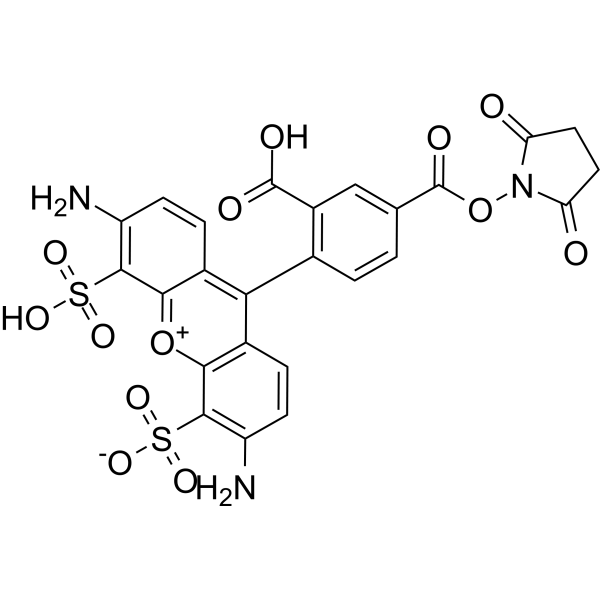
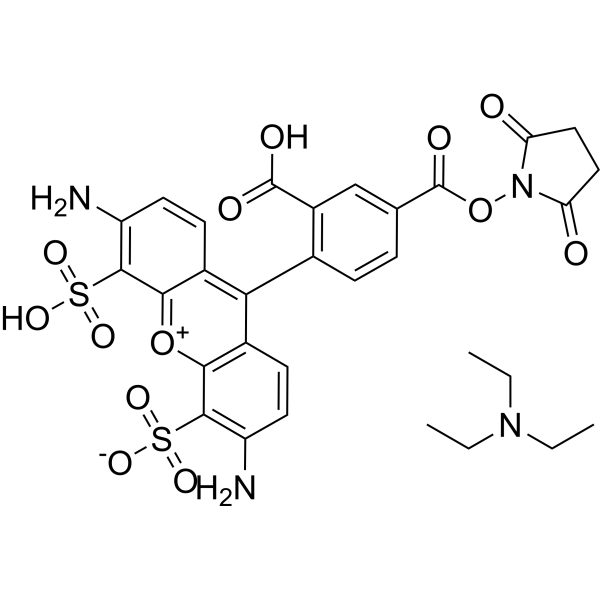
  • HY-D1730
    AF488 NHS ester
    1 Publications Verification

    Fluorescent Dye Others
    AF488 NHS ester is an amine specific fluorescence probe (Em=525 nm). AF488 NHS ester reacts with sulfhydryl groups and amines in aqueous and biological samples then change their chemical structure and fluorescence properties after derivatization .
    AF488 NHS ester
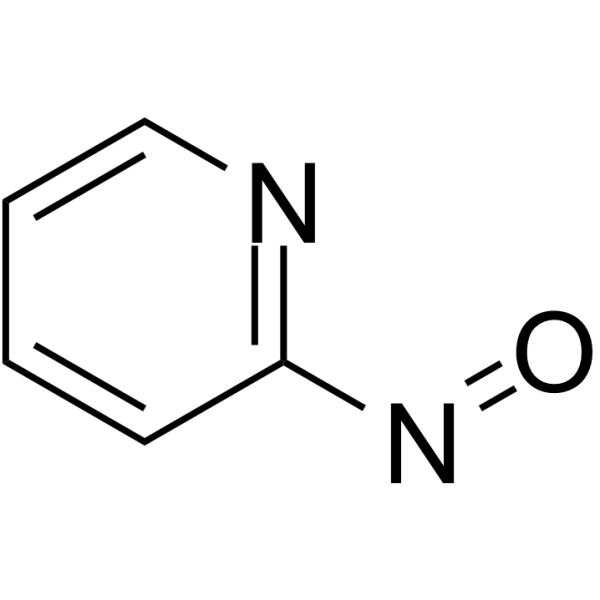
  • HY-136590
    2-Nitrosopyridine
    1 Publications Verification

    Biochemical Assay Reagents Others
    2-Nitrosopyridine is a nitroso compound that can be used to synthesize antibiotics. 2-Nitrosopyridine can be used as a Click or Diels-Alder derivatization reagent and an excellent dienophile .
    2-Nitrosopyridine
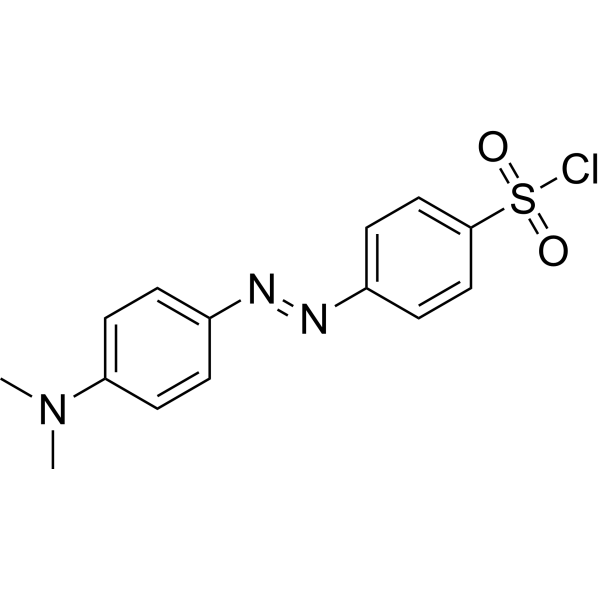
  • HY-101890
    Dabsyl chloride
    2 Publications Verification

    DABS-Cl

    Fluorescent Dye Others
    Dabsyl chloride is an amine derivatizing agent, able to give rise to stable products that can be easily monitored spectrophotometrically at 460 nm; Dabsyl chloride also used for labeling amino acids.
    Dabsyl chloride
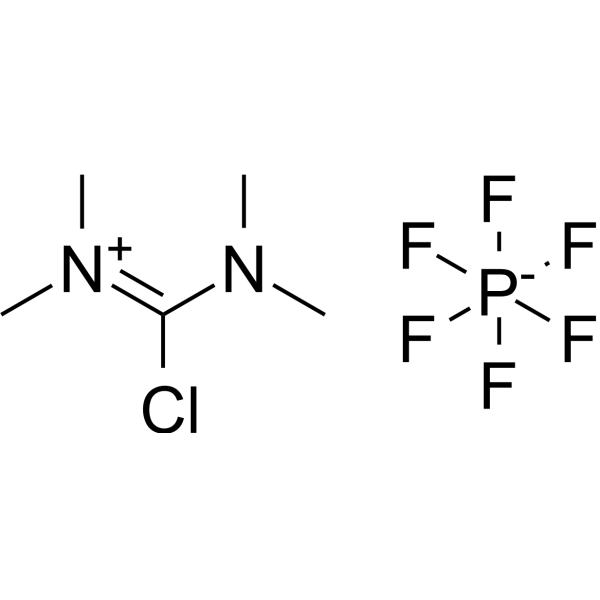
  • HY-W011556

    TCFH

    Drug Isomer Cancer
    N,N,N',N'-Tetramethylchloroformamidinium hexafluorophosphate (TCFH) is a powerful coupling and derivatizing reagent for ester prodrug synthesis. N,N,N',N'-Tetramethylchloroformamidinium hexafluorophosphate can be used for antitumor drugs before medicine research .
    N,N,N',N'-Tetramethylchloroformamidinium hexafluorophosphate
  • HY-W089645

    N-Methyl-n-trimethylsilyltrifluoroacetamide

    Biochemical Assay Reagents Cancer
    2,2,2-Trifluoro-N-methyl-N-(trimethylsilyl)acetamide (N-Methyl-n-trimethylsilyltrifluoroacetamide) is an ester product commonly used for silylation reactions in analyticalchemistry. 2,2,2-Trifluoro-N-methyl-N-(trimethylsilyl)acetamide can be used in the derivatization step of metabolomics analysis with gas chromatography/mass spectrometry (GC/MS) or as a derivatization reagent in GC with flame ionization detection analysis. 2,2,2-Trifluoro-N-methyl-N-(trimethylsilyl)acetamide can be used in research for studying Tamoxifen (HY-13757A) resistant breast cancer cells and other disease pathways .
    2,2,2-Trifluoro-N-methyl-N-(trimethylsilyl)acetamide
  • HY-D1730A
    AF488 NHS ester TEA
    1 Publications Verification

    Fluorescent Dye Others
    AF488 NHS ester TEA is an amine specific fluorescence probe (λem=525 nm=525 nm). AF488 NHS ester reacts with sulfhydryl groups and amines in aqueous and biological samples then change their chemical structure and fluorescence properties after derivatization. AF488 exhibits the λem and λex wavelength of 520 nm and 470 nm, respectively .
    AF488 NHS ester TEA
  • HY-W016288
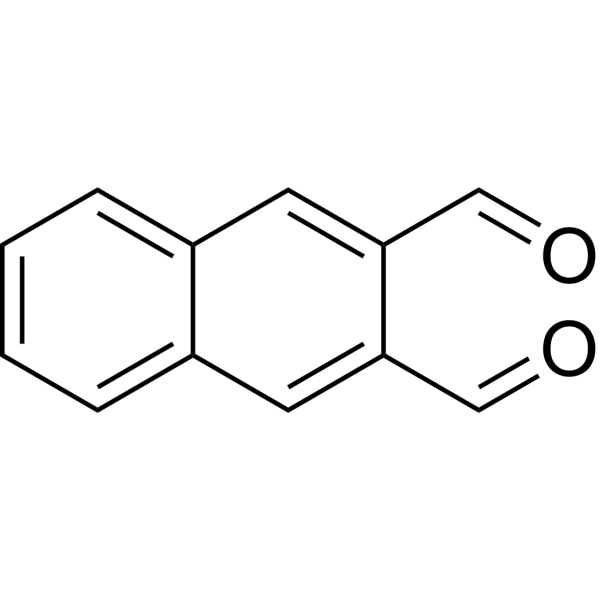
    Naphthalene-2,3-dicarboxaldehyde
    1 Publications Verification

    2,3-Naphthalenedicarboxaldehyde; Naphthalene-2,3-dialdehyde

    Fungal Infection
    Naphthalene-2,3-dicarboxaldehyde (NDA) is an effective inhibitor of Candida albicans aspartate semialdehyde dehydrogenase (ASADH), with a Ki value of 45 μM. Naphthalene-2,3-dicarboxaldehyde targets ASADH in the aspartate biosynthetic pathway of Candida albicans. Naphthalene-2,3-dicarboxaldehyde reacts with primary amines to generate highly fluorescent and stable derivatives. Naphthalene-2,3-dicarboxaldehyde serves as a fungistatic agent and a fluorogenic derivatization reagent. Naphthalene-2,3-Dicarboxaldehyde can be used for the research of candidiasis .
    Naphthalene-2,3-dicarboxaldehyde
  • HY-W998680

    5-FITC-Maleimide

    Fluorescent Dye Others
    Fluorescein-maleimide (5-FITC-Maleimide) is a thiol-reactive fluorescent derivatization reagent and non-specific protein labeling reagent. Fluorescein-maleimide covalently binds to protein thiol groups for protein labeling. Fluorescein-maleimide covalently binds to protein amino and imidazole groups under neutral pH conditions. Fluorescein-maleimide is used for fluorescent labeling of proteins, nucleic acids or other molecules containing one or more thiol groups (Ex/Em = 494/519 nm) .
    Fluorescein-maleimide
  • HY-W074541

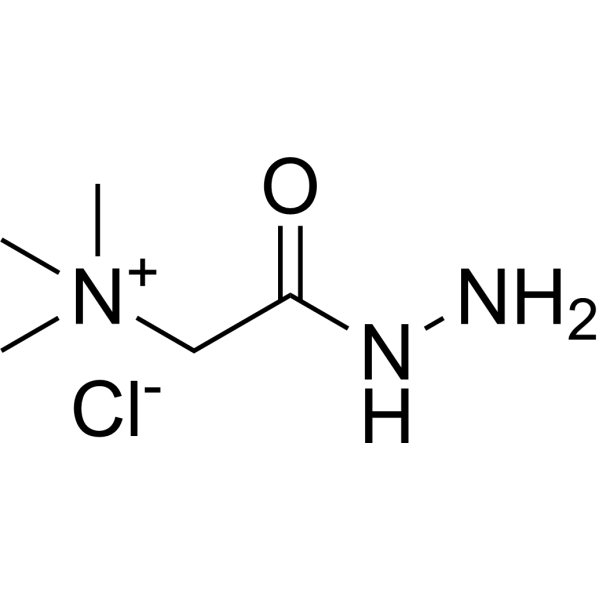
    Trimethylacetohydrazideammonium chloride

    Biochemical Assay Reagents Others
    Girard's reagent T is often used in analytical chemistry as a derivatizing agent for carbonyl compounds. Girard's reagent T reacts with ketones and aldehydes to form stable hydrazones that can be readily analyzed by various techniques including chromatography and spectrophotometry. In addition, Girard's Reagent T has been used in the synthesis of a variety of organic compounds, including pharmaceuticals and agrochemicals.
    Girard’s reagent T
  • HY-32876

    Biochemical Assay Reagents Others
    Pyridine-3-sulfonyl chloride belongs to the substituted sulfonyl chloride class. Due to its high proton affinity, it can be used as a derivatizing agent .
    Pyridine-3-sulfonyl chloride
  • HY-Y0469
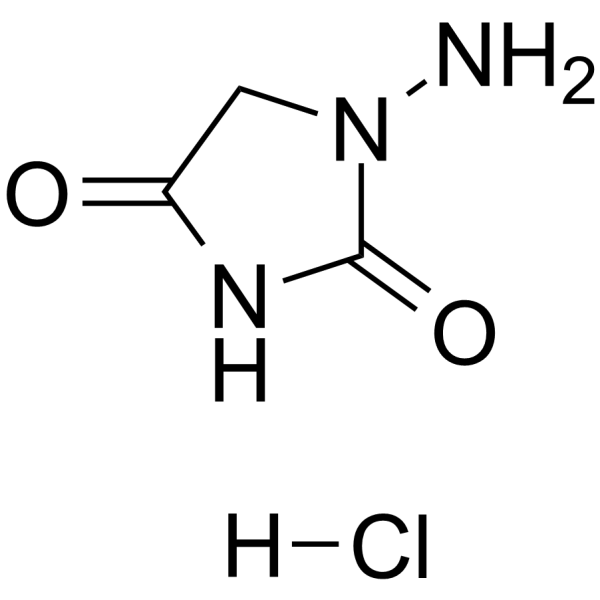
    1-Aminohydantoin hydrochloride
    1 Publications Verification

    Drug Metabolite Others
    1-Aminohydantoin hydrochloride is a major metabolite of nitrofurantoin in animal tissues and can be used as a standard for the determination of residues of veterinary agents in meat, milk et.al. 1-Aminohydantoin hydrochloride covalently binds to tissue proteins and is released from the tissues under slightly acidic conditions and derivatized with 2-nitrobenzaldehyde to form nitrophenyl derivatives of AHD before detection .
    1-Aminohydantoin hydrochloride
  • HY-W014815

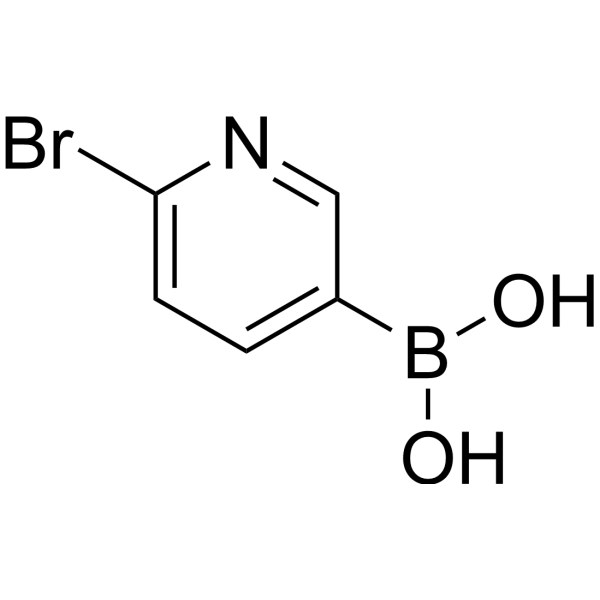
    2-Bromopyridine-5-boronic acid

    Biochemical Assay Reagents Others
    BPBA (2-Bromopyridine-5-boronic acid) is a new labeling reagent. BPBA is used to derivatize brassinosteroids (BRs). BPBA is used for biomarker analysis of exposure to environmental pollutants such as styrene and 1,3-butadiene .
    BPBA
  • HY-W012971

    Biochemical Assay Reagents Others
    5-Amino-1-pentanol is a linker containing a hydroxyl group and amine group. The hydroxyl group enables further derivatization or replacement with other reactive functional groups. The amine group is reactive with carboxylic acids, activated NHS esters, carbonyls (ketone, aldehyde) etc.
    5-Amino-1-pentanol
  • HY-W460072

    Biochemical Assay Reagents Others
    tert-Butyl 7-hydroxyheptanoate is a linker with a hydroxyl group and a t-butyl ester. The hydroxyl group allows for further derivatization or replacement with many other reactive functional groups. The t-butyl protected carboxyl group can be deprotected under acidic conditions.
    tert-Butyl 7-hydroxyheptanoate
  • HY-P3580A

    Human N-acetyl GIP TFA

    Insulin Receptor Metabolic Disease Endocrinology
    Acetyl Gastric Inhibitory Peptide (human) TFA is a fatty acid derivatized analog of glucose-dependent insulinotropic polypeptide with improved antihyperglycaemic and insulinotropic properties. Acetyl Gastric Inhibitory Peptide (human) TFA can be used for research of diabetes, insulin resistance and obesity .
    Acetyl Gastric Inhibitory Peptide (human) TFA
  • HY-137025

    Amino Acid Derivatives Others
    (S)-NIFE is a chiral derivatizing agent for proteinogenic amino acid analysis .
    (S)-NIFE
  • HY-151682

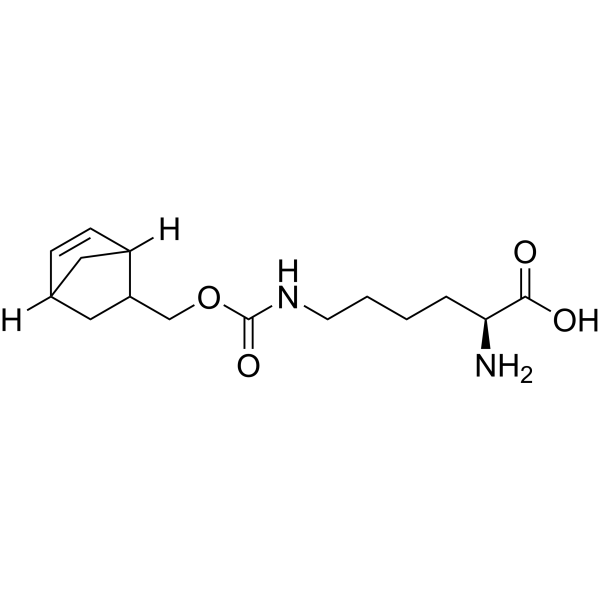
    Amino Acid Derivatives Others
    H-L-Lys(Norbornene-methoxycarbonyl)-OH is a Norbornene (HY-W013021)-derivatized lysine that can be click-functionalized. H-L-Lys(Norbornene-methoxycarbonyl)-OH can be used for the mild and selective modification of proteins in a copper-free click reaction .
    H-L-Lys(Norbornene-methoxycarbonyl)-OH
  • HY-W016455

    Biochemical Assay Reagents Others
    6-Bromo-1-hexanol posesses a terminal bromine and hydroxylic group. The bromine is a very good leaving group for nucleophilic substitution reactions. The hydroxyl group enables further derivatization or replacement with other reactive functional groups.
    6-Bromo-1-hexanol
  • HY-D1254

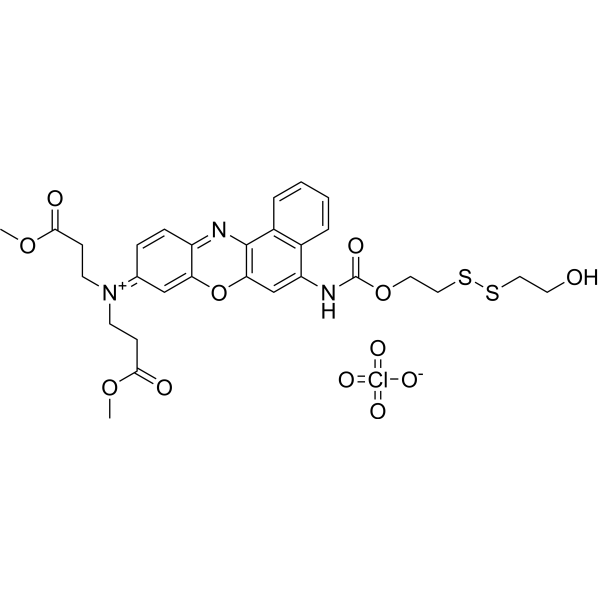
    NBL-SS perchlorate

    Fluorescent Dye Others
    Trx-red (NBL-SS perchlorate) is a red-emitting fluorescent probe derivatized from the nile blue fluorophore. Trx-red is used for selectively imaging thioredoxin (Trx) in live cells and in vivo (λex=615 nm, λem=661 nm) .
    Trx-red
  • HY-W039729

    Biochemical Assay Reagents Others
    5-(Boc-amino)-1-pentanol is a linker containing a hydroxyl group and Boc-protected amino group. The hydroxyl group enables further derivatization or replacement with other reactive functional groups. The Boc group can be deprotected under mild acidic conditions to form the free amine.
    5-(Boc-amino)-1-pentanol
  • HY-161242A

    Bcl-2 Family Cancer
    CBI1 formic is a covalent BAX inhibitor. CBI1 formic selectively derivatizes BAX at C126 and inhibits BAX activation by triggering ligands or point mutagenesis. CBI1 formic blocks t-2-hex lipidation and oligomerization of BAX. CBI1 formic inhibits BAX activation induced by BH3 ligands, F116A mutagenesis or t-2-hex .
    CBI1 formic
  • HY-W688732

    Biochemical Assay Reagents Others
    2-Chloro-4,4,5,5-tetramethyl-1,3,2-dioxaphospholane is a biochemical reagent. 2-Chloro-4,4,5,5-tetramethyl-1,3,2-dioxaphospholane serves as a phosphorylation reagent for alcohols and heteroatoms, which is used in the synthesis of glycosyl donors and ligands, and also applied in the analytical research of derivatized lignin samples. 2-Chloro-4,4,5,5-tetramethyl-1,3,2-dioxaphospholane acts as a catalyst in copper oxide/titanium dioxide-catalyzed lignin oxidation studies .
    2-Chloro-4,4,5,5-tetramethyl-1,3,2-dioxaphospholane
  • HY-W010221

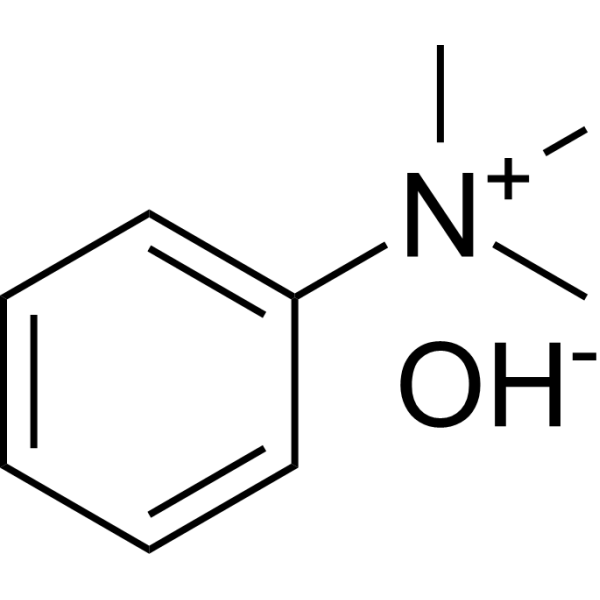
    Trimethylanilinium hydroxide (ca. 8.5% in Methanol)

    Biochemical Assay Reagents Others
    Phenyltrimethylammonium hydroxide (Trimethylanilinium hydroxide (ca. 8.5% in Methanol)) is a derivatization reagent. Phenyltrimethylammonium hydroxide converts phenolic compounds including pentachlorophenol herbicides into methyl ethers .
    Phenyltrimethylammonium hydroxide
  • HY-141464

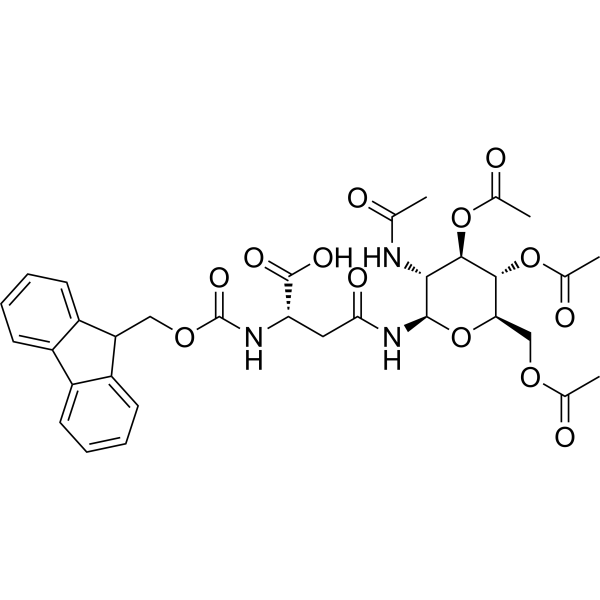
    Fmoc-Asn(Ac3AcNH-beta-Glc)-OH

    Amino Acid Derivatives Cancer
    Fmoc-L-Asn(beta-D-GlcNAc(Ac)3)-OH (Fmoc-Asn(Ac3AcNH-beta-Glc)-OH) can be used in the synthesis of silicon-fluoride acceptor (SiFA) derivatized octreotate derivatives. SiFA-octreotate analogues, as tumor imaging agents, are useful tool for the research of positron emission tomography (PET) .
    Fmoc-L-Asn(beta-D-GlcNAc(Ac)3)-OH
  • HY-W016288R

    2,3-Naphthalenedicarboxaldehyde (Standard); Naphthalene-2,3-dialdehyde (Standard)

    Fungal Reference Standards Infection
    Naphthalene-2,3-dicarboxaldehyde (Standard) is the analytical standard for Naphthalene-2,3-dicarboxaldehyde (HY-W016288). This product is for research and analytical applications. Naphthalene-2,3-dicarboxaldehyde (NDA) is an effective inhibitor of Candida albicans aspartate semialdehyde dehydrogenase (ASADH), with a Ki value of 45 μM. Naphthalene-2,3-dicarboxaldehyde targets ASADH in the aspartate biosynthetic pathway of Candida albicans. Naphthalene-2,3-dicarboxaldehyde reacts with primary amines to generate highly fluorescent and stable derivatives. Naphthalene-2,3-dicarboxaldehyde serves as a fungistatic agent and a fluorogenic derivatization reagent. Naphthalene-2,3-Dicarboxaldehyde can be used for the research of candidiasis .
    Naphthalene-2,3-dicarboxaldehyde (Standard)
  • HY-118469

    11925 C; Entronon

    Biochemical Assay Reagents Others
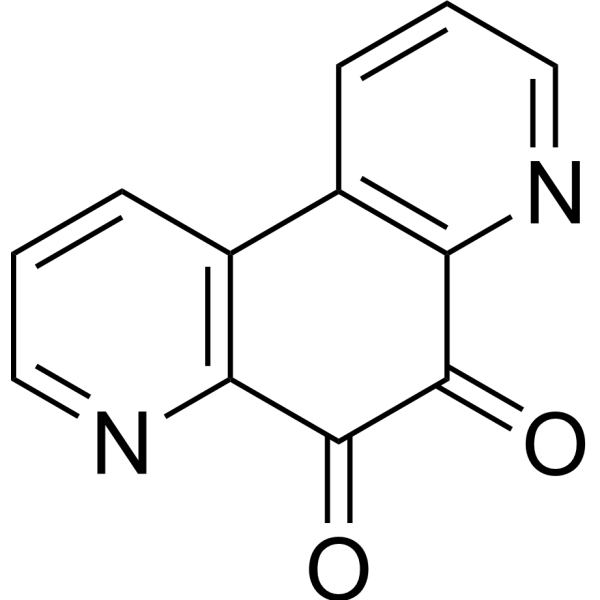
    Phanquone (11925 C; Entronon) derives from a hydride of a 4,7-phenanthroline. Phanquone is applied as an original precolumn derivatization reagent for amino acids .
    Phanquinone
  • HY-W190921

    Biochemical Assay Reagents Others
    t-Butyl 3-(hydroxypropoxyl)-propanoate contains reactive hydroxyl and t-butyl protected carboxyl moieties. The hydroxyl group can react to further derivatize the compound. The t-butyl carbonyl group can be deprotected under acidic conditions.
    t-Butyl 3-(hydroxypropoxyl)-propanoate
  • HY-P3580

    Human N-acetyl GIP

    Insulin Receptor Metabolic Disease Endocrinology
    Acetyl Gastric Inhibitory Peptide (human) is a fatty acid derivatized analog of glucose-dependent insulinotropic polypeptide with improved antihyperglycaemic and insulinotropic properties. Acetyl Gastric Inhibitory Peptide (human) can be used for research of diabetes, insulin resistance and obesity .
    Acetyl Gastric Inhibitory Peptide (human)
  • HY-W451405

    Biochemical Assay Reagents Others
    2,5-Dioxopyrrolidin-1-yl hept-6-ynoate is an amine reactive four carbon reagent that can be used for derivatizing peptides, antibodies, amine coated surfaces etc. The alkyne group reacts with azide-bearing compounds or biomolecules in copper catalyzed Click Chemistry reactions.
    2,5-Dioxopyrrolidin-1-yl hept-6-ynoate
  • HY-151704

    Fluorescent Dye Cancer
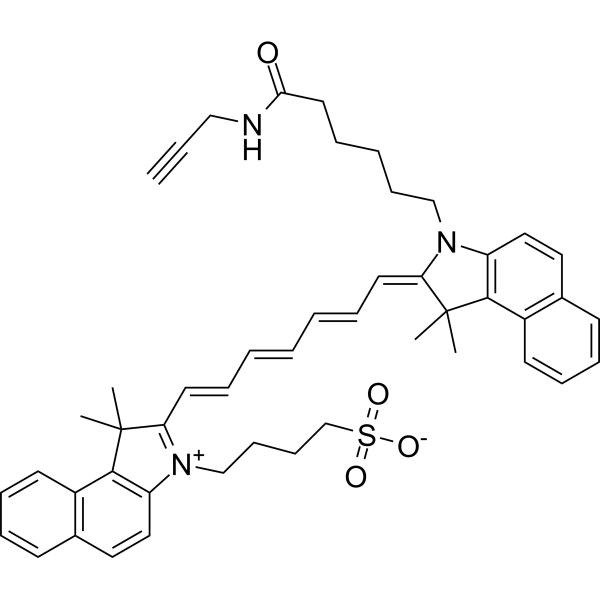
    ICG-alkyne is a short-wave infrared (SWIR)-emitting cyanine fluorescent probe based on alkyne-derivatized indocyanine green. ICG-alkyne can undergo click chemistry reaction to conjugate with antibody molecules via binding to the azide groups introduced into antibodies. ICG-alkyne enables SWIR fluorescent molecular imaging of breast tumors in living mice. ICG-alkyne can be used in breast cancer-related research .
    ICG-alkyne
  • HY-35556

    Fluorescent Dye Cardiovascular Disease Metabolic Disease
    9-Aminophenanthrene is a type of polycyclic aromatic amine compound, which can be used as a fluorescent labeling reagent for free fatty acids (FFA) .
    9-Aminophenanthrene
  • HY-W102335

    Amino Acid Derivatives Inflammation/Immunology Cancer
    (Rac)-Threonine (Compound 19) is an amino acid derivative that can be found in the methanol (MeOH) extract of Rumex roseus L. The MeOH extract containing (Rac)-Threonine exhibits antioxidant and cytotoxic properties .
    (Rac)-Threonine
  • HY-W320397

    Fluorescent Dye Others
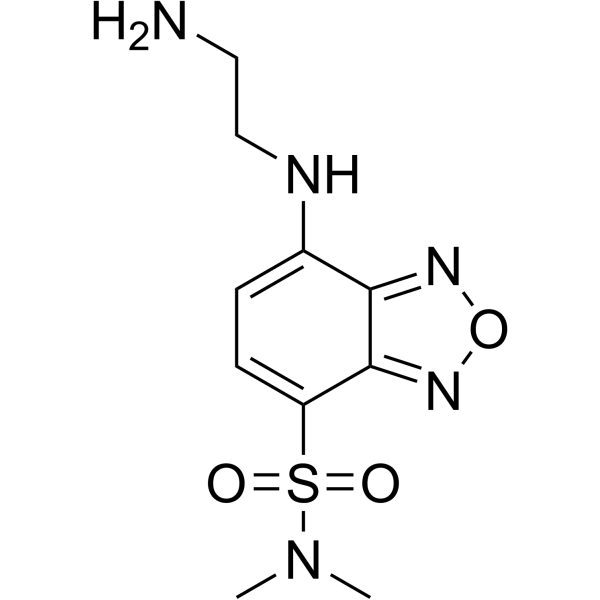
    4-(2-Aminoethylamino)-7-(N,N-dimethylsulfamoyl)benzofurazan is a precolumn fluorescence derivatization reagent.
    4-(2-Aminoethylamino)-7-(N,N-dimethylsulfamoyl)benzofurazan
  • HY-D0035

    Fluorescent Dye Others
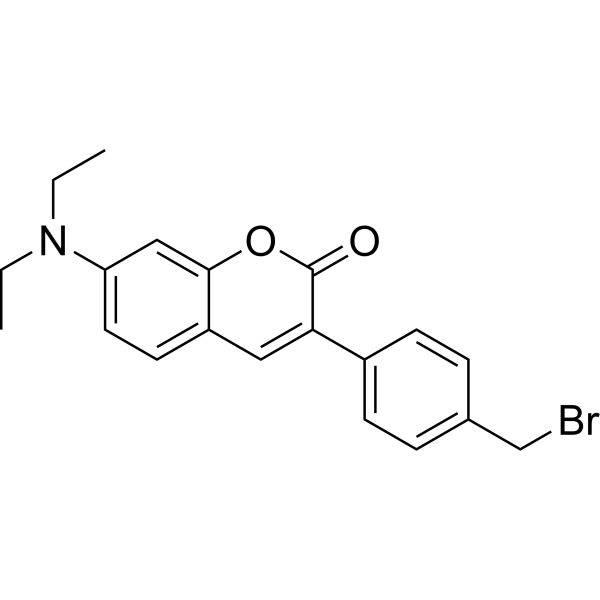
    MPAC-Br is a highly sensitive fluorescent derivatization reagent for carboxylic acids in HPLC .
    MPAC-Br
  • HY-147232

    Fluorescent Dye Others
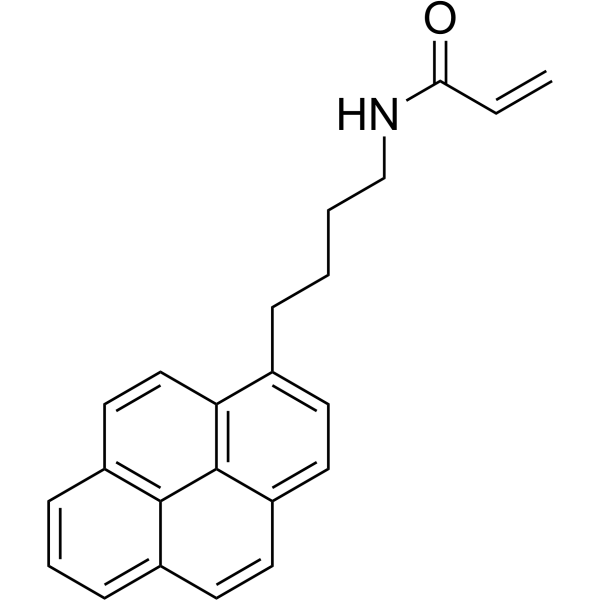
    N-Acryloyl-1-pyrenebutylamine is a potent fluorescent derivatization agent. N-Acryloyl-1-pyrenebutylamine combines with an alkyl-acrylamide side-chain to give fluorescence function on the polymer. .
    N-Acryloyl-1-pyrenebutylamine
  • HY-138064

    Biochemical Assay Reagents Others
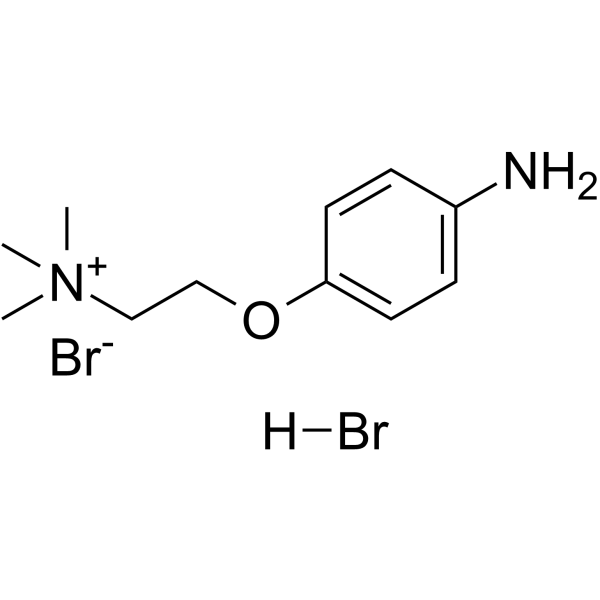
    4-APC hydrobromide is a highly sensitive and selective derivatization agent for aldehydes. 4-APC hydrobromide possesses an aniline moiety for a fast selective reaction with aliphatic aldehydes as well as a quaternary ammonium group for improved MS sensitivity. 4-APC hydrobromide allows highly sensitive and selective MS detection of aldehydes .
    4-APC hydrobromide
  • HY-131125

    Biochemical Assay Reagents Others
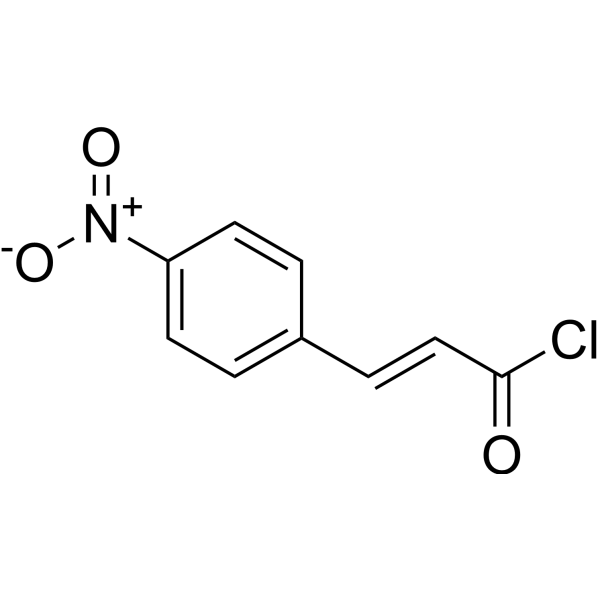
    trans-4-Nitrocinnamoyl chloride is used as derivatization reagent .
    trans-4-Nitrocinnamoyl chloride
  • HY-156559

    Biochemical Assay Reagents Others
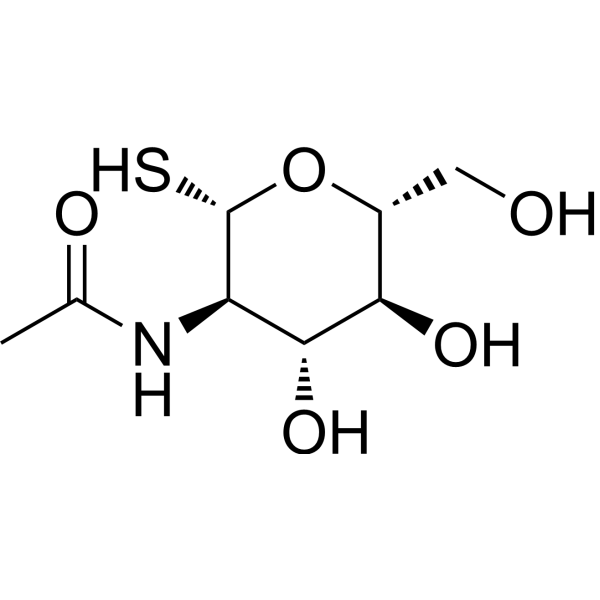
    GlcNAc-SH is a thiol-derivatized saccharide that can be used to label Dha to generate glycoprotein mimics .
    GlcNAc-SH
  • HY-W800822

    Lauryl lactate

    Biochemical Assay Reagents Others
    Lactic acid dodecyl ester (Lauryl lactate) is a lipid with a terminal hydroxyl group at the head. The hydroxyl group enables further derivatization or replacement with other reactive functional groups.
    Lactic acid dodecyl ester
  • HY-W250446

    Biochemical Assay Reagents Others
    (R)-Methyl 3-hydroxydecanoate is an enantiomerically pure hydroxylated fatty acid methyl ester. The hydroxyl group enables further derivatization or replacement with other reactive functional groups.
    (R)-Methyl 3-hydroxydecanoate
  • HY-W586821

    Ligands for E3 Ligase Cancer
    Thalidomide-1-Me-5-NH2 is an aminated Thalidomide analogue. E3 Ligase activators such as this may be used in the design of PROTAC molecules via derivatization at its amine.
    Thalidomide-1-Me-5-NH2
  • HY-P2493

    HIV Others
    (Cys47)-HIV-1 tat Protein (47-57) has membrane translocation function and can be used to derivatize the surface of magnetic pharmaceuticals and substantially facilitated their uptake into target cells .
    (Cys47)-HIV-1 tat Protein (47-57)
  • HY-161071

    Fungal Infection Cancer
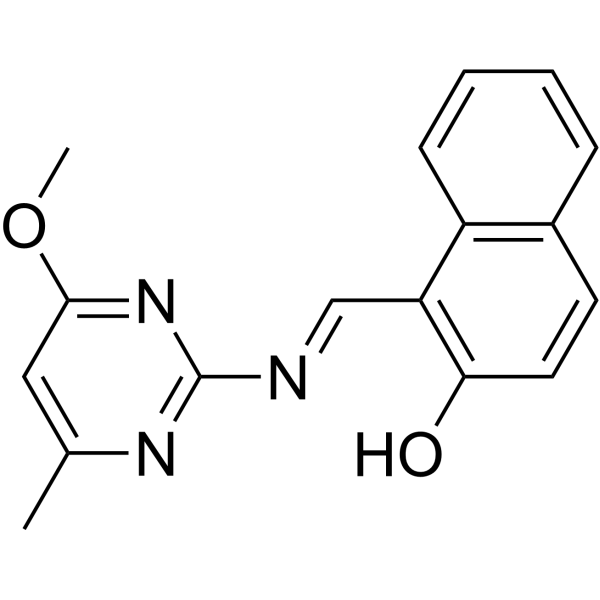
    Antioxidant/anticancer agent 1 (compound 5) is a pyrimidine-derivatized Schiff base based on pyrimidine hydroxy-1-naphthaldehyde and has antibacterial, antioxidant, antifungal, and anticancer properties. Antioxidant/anticancer agent 1 .
    Antioxidant/anticancer agent 1
  • HY-W174661

    Biochemical Assay Reagents Others
    tert-Butyl 6-hydroxyhexanoate is a linker with a hydroxyl group and a t-butyl ester. The hydroxyl group allows for further derivatization or replacement with many other reactive functional groups. The t-butyl protected carboxyl group can be deprotected under acidic conditions.
    tert-Butyl 6-hydroxyhexanoate
  • HY-W440891

    Biochemical Assay Reagents Others
    DSPE-PEG1000-OH is a hydroxyl terminated phospholipid PEG polymer. The hydrophobic tails allow for the encapsulation and congregation of other hydrophobic drugs. The polymer can be used to prepare liposomes or lipid nanoparticles. Hydroxyl terminal can further derivatize the compound.
    DSPE-PEG1000-OH
  • HY-W190939

    Biochemical Assay Reagents Others
    C11-PEG9-alcohol is a linker with an aliphatic carbon chain and a PEG chain. The hydrophilic PEG chain increases the water solubility of the compounds in the aqueous media. The hydroxyl group enables further derivatization or replacement with other reactive functional groups.
    C11-PEG9-alcohol
  • HY-149872

    Biochemical Assay Reagents Others
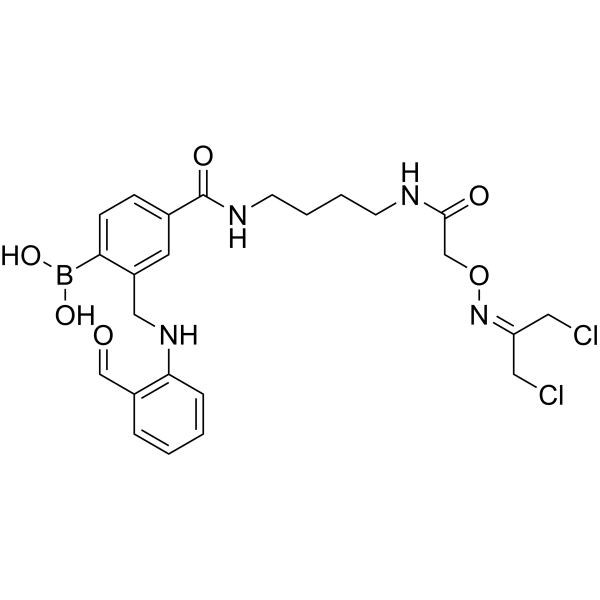
    DCA-RMR1 is a cross-linker. DCA-RMR1 elicits facile bicyclization of native peptides via N-terminus Cys-Cys cross-linking. DCA-RMR1 derivatizes RMR1 with 1,3-dichloroacetone (DCA) .
    DCA-RMR1
  • HY-W591962

    1-Pentanol, 5-azido-

    Biochemical Assay Reagents Others
    5-Azidopentan-1-ol (1-Pentanol, 5-azido-) is a linker containing an azide group and a terminal hydroxyl group. The azide group can react with alkyne, BCN, DBCO via Click Chemistry to yield a stable triazole linkage. The hydroxyl group enables further derivatization or replacement with other reactive functional groups.
    5-Azidopentan-1-ol
  • HY-W190941

    3,6,9,12,15-Pentaoxahexacosan-1-ol

    Biochemical Assay Reagents Others
    C11-PEG6-alcohol (3,6,9,12,15-Pentaoxahexacosan-1-ol) is a linker with an aliphatic carbon chain and a PEG chain. The hydrophilic PEG chain increases the water solubility of the compounds in the aqueous media. The hydroxyl group enables further derivatization or replacement with other reactive functional groups.
    C11-PEG6-alcohol
  • HY-161242

    Bcl-2 Family Cancer
    CBI1 is a covalent BAX inhibitor. CBI1 selectively derivatizes BAX at C126 and inhibits BAX activation by triggering ligands or point mutagenesis. CBI1 blocks t-2-hex lipidation and oligomerization of BAX. CBI1 inhibits BAX activation induced by BH3 ligands, F116A mutagenesis or t-2-hex .
    CBI1

オンラインお問い合わせ

入力情報は安全に管理されます. 必須入力項目.

タイトル


国或いは地域 *

お名前 *


組纖名 *

デパートメント *


メールアドレス *


製品名 *

製品番号


カスタマ需要量 *

電話番号 *


必ず会社名を記載ください。個人への返信は行いません。

備考

バルクお問い合わせ

Inquiry Information

製品名:
製品番号:
数量:
MCE 日本正規代理店: