Search Result
Results for "
enzymatic specificity
" in MedChemExpress (MCE) Product Catalog:
5
Biochemical Assay Reagents
4
Isotope-Labeled Compounds
| Cat. No. |
Product Name |
Target |
Research Areas |
Chemical Structure |
-
- HY-145953
-
|
|
Acetyl-CoA Carboxylase
|
Cancer
|
|
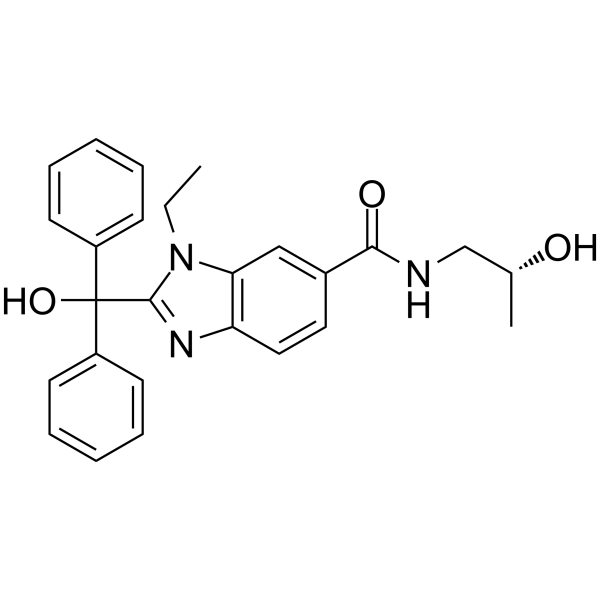
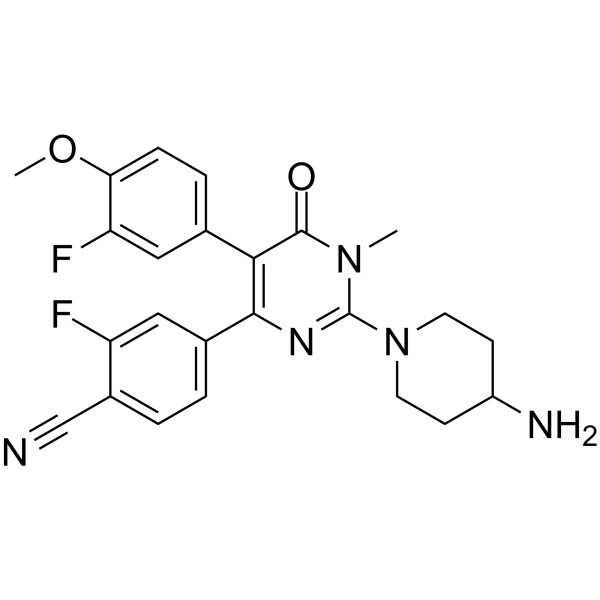
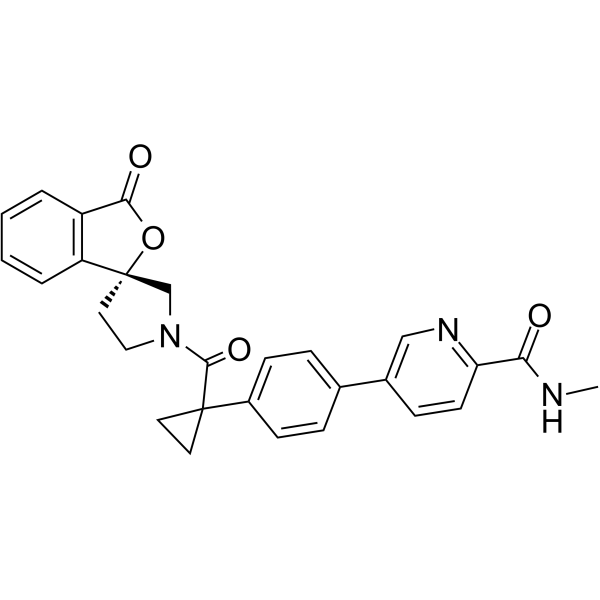
VY-3-135 is a potent, orally active, and stable ACSS2 inhibitor with an IC50 value of 44 nM. VY-3-135 is specific to ACSS2 among the AcCoA synthetase family of enzymes. VY-3-135 does not inhibit ACSS1 or ACSS3 enzymatic activity. VY-3-135 can be used for the research of breast cancer .
|
-
-
- HY-B0504S
-
|
NSC13123-d3
|
Isotope-Labeled Compounds
Endogenous Metabolite
iGluR
GABA Receptor
|
Metabolic Disease
Cancer
|
|
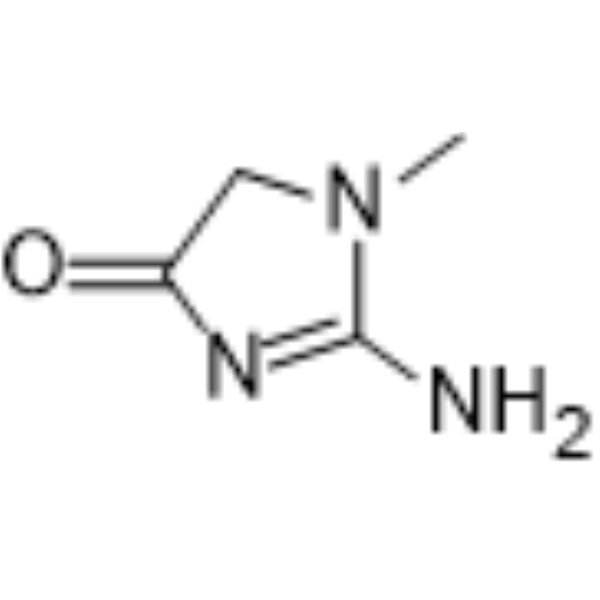
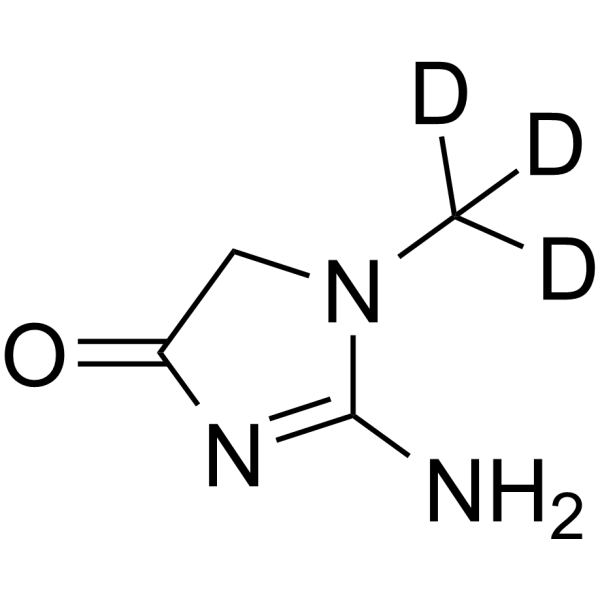
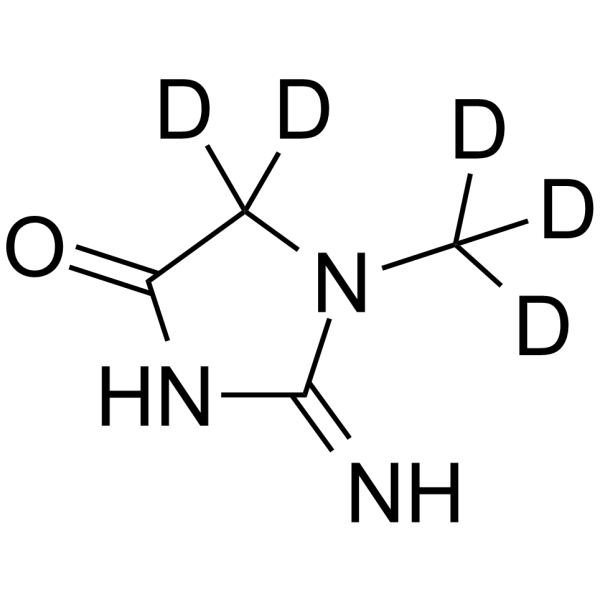
Creatinine-d3 is a deuterium labeled Creatinine. Creatinine (NSC13123) is an orally active, blood-brain barrier-permeable modulator of GABAA and NMDA receptors, with activities of antioxidation and metabolic regulation. Creatinine is generated via non-enzymatic conversion of creatine and phosphocreatine in muscle. Creatinine serum levels correlate with muscle mass, glomerular filtration rate, and extrarenal clearance, serving as an evaluation biomarker for renal function, muscle mass, and clinical outcomes, and used for perioperative renal risk assessment. In addition, Creatinine can induce specific Cryptococcus species to produce creatinine deiminase and act as their nitrogen source, while it can be secreted via renal tubules. Creatinine is widely used in research related to various diseases such as neurodegenerative diseases, psychiatric disorders, acute kidney injury, chronic kidney disease, and renal failure .
|
-
-
- HY-129388B
-
|
CC-90011 benzenesulfonate; LSD1-IN-7 benzenesulfonate
|
Histone Demethylase
|
Inflammation/Immunology
Cancer
|
|
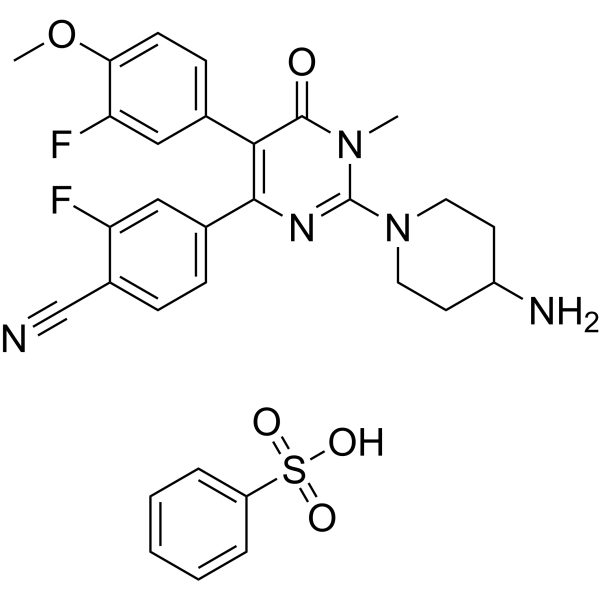
Pulrodemstat (CC-90011) benzenesulfonate is a potent, selective, reversible and orally active inhibitor of lysine specific demethylase-1 (LSD1) with an IC50 of 0.25 nM. Pulrodemstat benzenesulfonate is less enzymatic inhibition against LSD2, MAO-A, and MAO-B. Pulrodemstat benzenesulfonate induces acute myeloid leukemia (AML) and small cell lung cancer (SCLC) cells differentiation and has potent anticancer activity .
|
-
-
- HY-B0504
-
|
NSC13123
|
Endogenous Metabolite
GABA Receptor
iGluR
|
Infection
Neurological Disease
Metabolic Disease
Cancer
|
|
Creatinine (NSC13123) is an orally active, blood-brain barrier-permeable modulator of GABAA and NMDA receptors, with activities of antioxidation and metabolic regulation. Creatinine is generated via non-enzymatic conversion of creatine and phosphocreatine in muscle. Creatinine serum levels correlate with muscle mass, glomerular filtration rate, and extrarenal clearance, serving as an evaluation biomarker for renal function, muscle mass, and clinical outcomes, and used for perioperative renal risk assessment. In addition, Creatinine can induce specific Cryptococcus species to produce creatinine deiminase and act as their nitrogen source, while it can be secreted via renal tubules. Creatinine is widely used in research related to various diseases such as neurodegenerative diseases, psychiatric disorders, acute kidney injury, chronic kidney disease, and renal failure .
|
-
-
- HY-P4931
-
|
|
MMP
|
Cancer
|
|
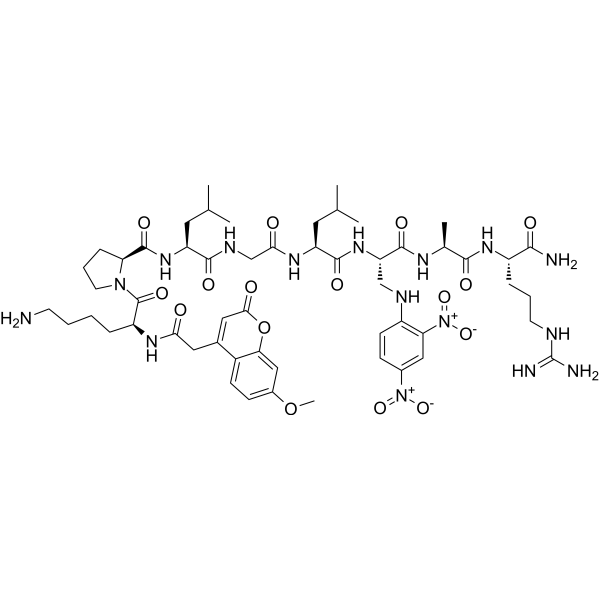
Mca-Lys-Pro-Leu-Gly-Leu-Dap(Dnp)-Ala-Arg-NH2 (FS-6) is a fluorescent peptide that is a quenched MMP peptide substrate. Mca-Lys-Pro-Leu-Gly-Leu-Dap(Dnp)-Ala-Arg-NH2 can be used for real-time quantification of MMP enzymatic activity. Mca-Lys-Pro-Leu-Gly-Leu-Dap(Dnp)-Ala-Arg-NH2 is an elongated peptide of MMP substrate (FS-1) and is active against collagenases (MMP-1, MMP-8, MMP-13 ) and MT1-MMP with higher specificity constants than FS-1 . (Ex/Em=325 nm/400 nm)
|
-
-
- HY-164899
-
|
2-aminopyridine-3-carboxylic acid imidazolide
|
Transmembrane Glycoprotein
|
Cancer
|
|
2A3 (2-aminopyridine-3-carboxylic acid imidazolide) is a T cell activator that specifically binds to CEACAM6 and CEACAM5. 2A3 exhibits enzymatic activity that catalyzes the glucuronidation of specific substrates (e.g., 1-naphthol), and possesses significant cytotoxic activity. When integrated into CAR T cells or used alone, 2A3 acts by inducing cytokine release, degranulation, and direct cytotoxicity. 2A3 kills pancreatic and breast cancer cells with high target antigen expression in vitro, and significantly inhibits the growth of pancreatic cancer xenografts in vivo. 2A3 broadly targets malignant tumors with overexpressed CEACAM5, CEACAM6, or co-expressed both, and shows high expression mainly in tissues such as the liver and colon. 2A3 serves as an important research tool for the immunotherapy of pancreatic and breast cancer . 2A3 is a novel SHAPE reagent, which can be used for the analysis of RNA structure both in vitro and in vivo . 2A3 is an electrophilic chemical probe that acylates the 2'-OH in the RNA backbone. 2A3 can be used for RNA SHAPE-MaP experiments and is capable of analyzing the RNA secondary structures at single nucleotide resolution.
|
-
-
- HY-156443
-
|
|
Aldehyde Dehydrogenase (ALDH)
|
Cancer
|
|
YG1702 is a potent ALDH18A1-specific inhibitor. YG1702 attenuates the growth of MYCN-amplified NB and down-regulates MYCN. YG1702 physically interacts with ALDH18A1 with a high affinity and might potentially affect its enzymatic activity .
|
-
-
- HY-B0504S2
-
|
NSC13123-d5
|
Isotope-Labeled Compounds
Endogenous Metabolite
iGluR
GABA Receptor
|
Metabolic Disease
|
|
Creatinine-d5 is the deuterium labeled Creatinine. Creatinine (NSC13123) is an orally active, blood-brain barrier-permeable modulator of GABAA and NMDA receptors, with activities of antioxidation and metabolic regulation. Creatinine is generated via non-enzymatic conversion of creatine and phosphocreatine in muscle. Creatinine serum levels correlate with muscle mass, glomerular filtration rate, and extrarenal clearance, serving as an evaluation biomarker for renal function, muscle mass, and clinical outcomes, and used for perioperative renal risk assessment. In addition, Creatinine can induce specific Cryptococcus species to produce creatinine deiminase and act as their nitrogen source, while it can be secreted via renal tubules. Creatinine is widely used in research related to various diseases such as neurodegenerative diseases, psychiatric disorders, acute kidney injury, chronic kidney disease, and renal failure .
|
-
-
- HY-13297
-
|
|
E1/E2/E3 Enzyme
|
Cancer
|
|
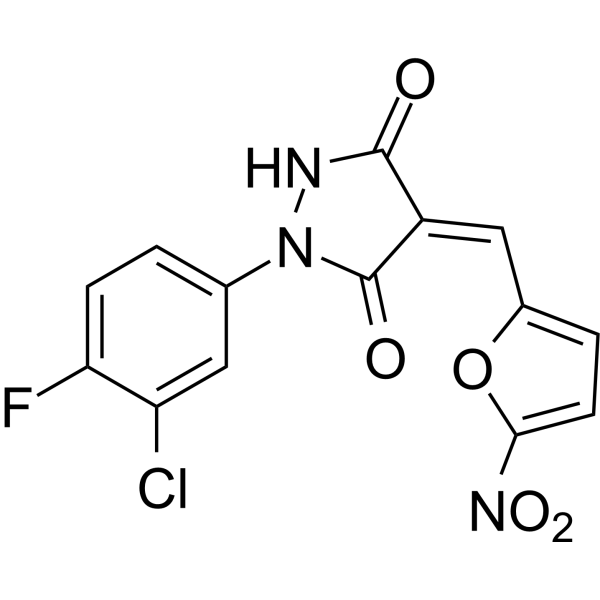
PYZD-4409 is a specific inhibitor of the ubiquitin-activating enzyme UBA1 with an IC50 of 20 μM (cell-free enzymatic assay). PYZD-4409 induces cell death in malignant cells and preferentially inhibits the clonogenic growth of primary acute myeloid leukemia cells .
|
-
-
- HY-112624H
-
|
Dextran 2; Dextran D2; Dextran T2(MW 1600-2400)
|
Biochemical Assay Reagents
|
Others
|
|
Dextran T2 (Dextran 2; Dextran T2(MW 1600-2400)) is a natural high molecular weight polysaccharide, the glycosidic bonds in its structure can be recognized by endo-dextranase and exo-dextranase. Dextran T2 (MW 2,000) breaks the glycosidic bonds in the enzymatic hydrolysis mechanism, releasing products such as D-glucose, Isomaltose (IM2), and Isomaltotriose (IM3). Dextran T2 (MW 2,000) can be used as a model substrate to characterize the catalytic properties of dextranase (such as optimal pH, temperature and product specificity), and to study enzymatic mechanism research and polysaccharide degradation pathways in glycobiology. The Dextran series of compounds are also a natural polysaccharide drug carrier, which can be connected to drugs through covalent bonding methods such as ester bonds, amide bonds or click chemistry, or self-assembled to form carriers such as nanoparticles and hydrogels. Dextran is biodegradable and biocompatible, and can achieve targeted delivery and controlled release of drugs. Dextran derivatives can prolong drug half-life, increase local concentration and reduce immune clearance activity .
|
-
-
- HY-B0504R
-
|
NSC13123 (Standard)
|
Reference Standards
Endogenous Metabolite
iGluR
GABA Receptor
|
Metabolic Disease
Cancer
|
|
Creatinine (Standard) is the analytical standard of Creatinine. This product is intended for research and analytical applications. Creatinine (NSC13123) is an orally active, blood-brain barrier-permeable modulator of GABAA and NMDA receptors, with activities of antioxidation and metabolic regulation. Creatinine is generated via non-enzymatic conversion of creatine and phosphocreatine in muscle. Creatinine serum levels correlate with muscle mass, glomerular filtration rate, and extrarenal clearance, serving as an evaluation biomarker for renal function, muscle mass, and clinical outcomes, and used for perioperative renal risk assessment. In addition, Creatinine can induce specific Cryptococcus species to produce creatinine deiminase and act as their nitrogen source, while it can be secreted via renal tubules. Creatinine is widely used in research related to various diseases such as neurodegenerative diseases, psychiatric disorders, acute kidney injury, chronic kidney disease, and renal failure .
|
-
-
- HY-P5990
-
|
|
PSMA
|
Cancer
|
|
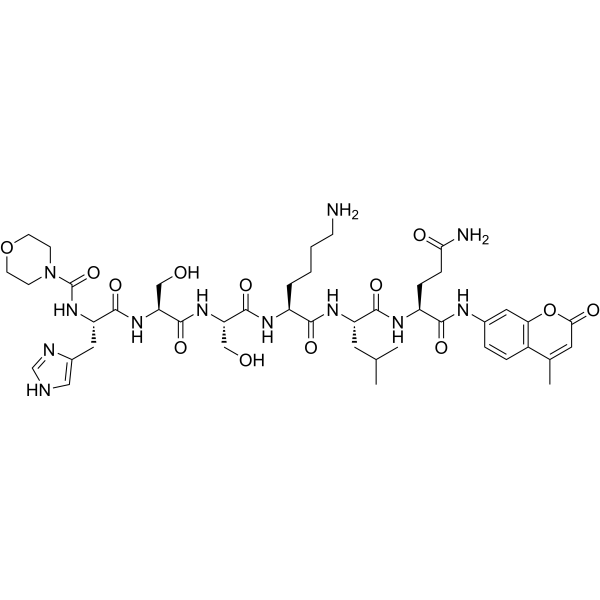
Prostate Specific Antigen Substrate is a highly specific fluorescent peptide substrate can be used for measuring prostate-specific antigen (PSA) enzymatic activity .
|
-
-
- HY-131920A
-
|
Polyuridylic acid potassium
|
DNA/RNA Synthesis
|
Others
|
|
Polyuridylic acid potassium is a polynucleotide. In protein synthesis systems based on active mammalian ribosomes, Polyuridylic acid potassium acts as a specific messenger to induce the biosynthesis of polyphenylalanine, with no effect on the incorporation of non-phenylalanine amino acids. Polyuridylic acid potassium serves as a template to promote the non-enzymatic synthesis of oligoadenylates .
|
-
-
- HY-116284
-
|
Methyl β-D-glucoside
|
Drug Intermediate
|
Others
|
|
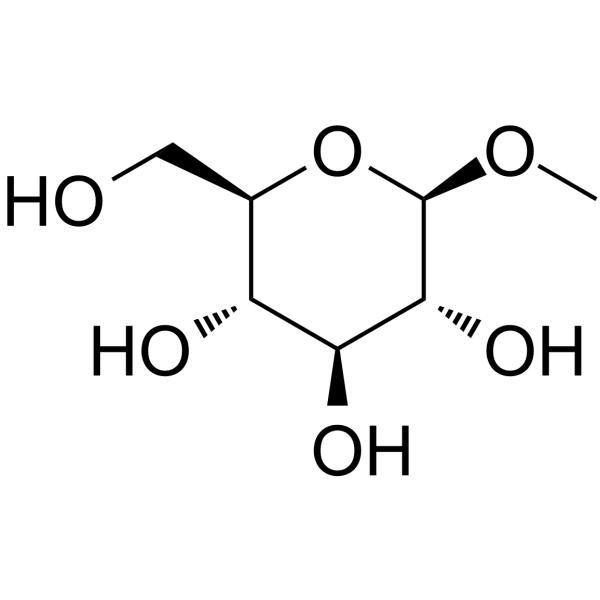
Methyl β-D-glucopyranoside (Methyl β-D-glucoside) is a model glycosyl acceptor for enzymatic glycosylation reactions. Methyl β-D-glucopyranoside participates in glycoside synthesis and can react with acyl donors such as caffeic acid esters under the catalysis of specific enzymes (such as Lipozyme TL IM) to achieve acylation modification. Methyl β-D-glucopyranoside can generate biologically active derivatives (such as 6-O-caffeoyl glucoside). Methyl β-D-glucopyranoside can be used in organic synthesis and biocatalysis research, especially the efficient enzymatic preparation of medicinal glycosides (such as Robustaside B (HY-N2720), 6-O-caffeoyl salidroside) .
|
-
-
- HY-B0504S1
-
|
NSC13123-13C
|
Isotope-Labeled Compounds
Endogenous Metabolite
iGluR
GABA Receptor
|
Metabolic Disease
|
|
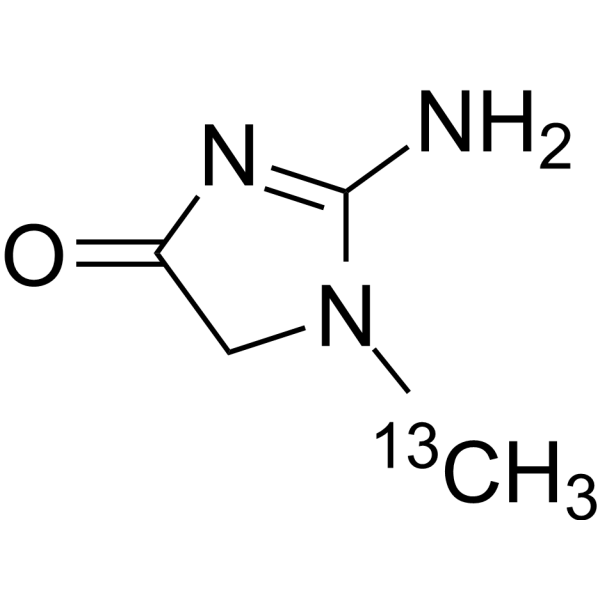
Creatinine- 13C is the 13C-labeled Creatinine. Creatinine (NSC13123) is an orally active, blood-brain barrier-permeable modulator of GABAA and NMDA receptors, with activities of antioxidation and metabolic regulation. Creatinine is generated via non-enzymatic conversion of creatine and phosphocreatine in muscle. Creatinine serum levels correlate with muscle mass, glomerular filtration rate, and extrarenal clearance, serving as an evaluation biomarker for renal function, muscle mass, and clinical outcomes, and used for perioperative renal risk assessment. In addition, Creatinine can induce specific Cryptococcus species to produce creatinine deiminase and act as their nitrogen source, while it can be secreted via renal tubules. Creatinine is widely used in research related to various diseases such as neurodegenerative diseases, psychiatric disorders, acute kidney injury, chronic kidney disease, and renal failure .
|
-
-
- HY-150701
-
|
|
Glucocorticoid Receptor
Mineralocorticoid Receptor
11β-HSD
|
Metabolic Disease
|
|
INCB13739 is an orally active, potent, selective and tissue-specific11β-HSD1 (11β-hydroxysteroid dehydrogenase 1) inhibitor, with IC50 values of 3.2 nM (11β-HSD1 enzymatic) and 1.1 nM (11β-HSD1 PBMC), respectively. INCB13739 can be used for type 2 diabetes mellitus (T2DM) and obesity research .
|
-
-
- HY-134420
-
|
PNP α-L-Fuc
|
Glycosidase
|
Others
|
|
p-Nitrophenyl α-L-fucoside (PNP α-L-Fuc) is a specific substrate of Pecten maximus α-L-fucosidase, with a Km value of 650 µM. p-Nitrophenyl α-L-fucoside serves as a substrate for ClAgl29A and ClAgl29B. Enzymatic hydrolysis of p-Nitrophenyl α-L-fucoside releases p-nitrophenol and α-L-fucose, where the latter undergoes mutarotation over time to form β-L-fucose. p-Nitrophenyl α-L-fucoside is not the preferred substrate for ClAgl29A and ClAgl29B .
|
-
-
- HY-129388A
-
|
CC-90011; LSD1-IN-7
|
Histone Demethylase
|
Inflammation/Immunology
Cancer
|
|
Pulrodemstat (CC-90011) is a potent, selective, reversible and orally active inhibitor of lysine specific demethylase-1 (LSD1) with an IC50 of 0.25 nM. Pulrodemstat is less enzymatic inhibition against LSD2, MAO-A, and MAO-B. Pulrodemstat induces acute myeloid leukemia (AML) and small cell lung cancer (SCLC) cells differentiation and has potent anticancer activity .
|
-
-
- HY-177808
-
|
A9g aptamer sodium
|
PSMA
|
Cancer
|
|
A9g sodium is an RNA aptamer that inhibits the enzymatic activity of prostate-specific membrane antigen (PSMA).
|
-
-
- HY-137421
-
-
-
- HY-160841
-
|
|
DNA Stain
DNA/RNA Synthesis
|
Others
|
|
Biotin-16-dCTP is a biotinylated deoxycytidine triphosphate that serves as an important DNA labeling substrate. Biotin-16-dCTP can be enzymatically incorporated into the 3' end of DNA probes via terminal deoxynucleotidyl transferase, forming a 1-3 nucleotide-long tail to achieve biotinylation of the probes. Biotin-16-dCTP enhances chemiluminescent detection of low-abundance targets such as specific tRNA isoacceptors through Northern blotting. Biotin-16-dCTP can also replace conventional dCTP to be integrated into single-stranded DNA generated by asymmetric polymerase chain reaction, which is applicable for bioconjugation or pull-down assays. Repeated freeze-thaw cycles of Biotin-16-dCTP should be avoided to prevent degradation of its function for probe biotinylation .
|
-
-
- HY-B0504S5
-
|
NSC13123-15N
|
Isotope-Labeled Compounds
Endogenous Metabolite
iGluR
GABA Receptor
|
Metabolic Disease
Cancer
|
|
Creatinine- 15N (NSC13123- 15N) is the 15N-labeled Creatinine (HY-B0504). Creatinine (NSC13123) is an orally active, blood-brain barrier-permeable modulator of GABAA and NMDA receptors, with activities of antioxidation and metabolic regulation. Creatinine is generated via non-enzymatic conversion of creatine and phosphocreatine in muscle. Creatinine serum levels correlate with muscle mass, glomerular filtration rate, and extrarenal clearance, serving as an evaluation biomarker for renal function, muscle mass, and clinical outcomes, and used for perioperative renal risk assessment. In addition, Creatinine can induce specific Cryptococcus species to produce creatinine deiminase and act as their nitrogen source, while it can be secreted via renal tubules. Creatinine is widely used in research related to various diseases such as neurodegenerative diseases, psychiatric disorders, acute kidney injury, chronic kidney disease, and renal failure .
|
-
-
- HY-P3733
-
|
|
Endothelin Receptor
|
Cardiovascular Disease
|
|
Big Endothelin-1 (22-38), human is derived from human, is the 22-38 fragment of Big Endothelin-1 (ET-1) (1-38). Big ET-1 (1-38) is a propeptide of ET-1, which has potent and long-lasting vasoconstrictor effects, equips a specific enzymatic cleavage of the 38 amino acid chain to form ET-1 (1-21) and the C-terminal fragment Big ET-1 (22-38) .
|
-
-
- HY-129388C
-
|
CC-90011 hydrochloride; LSD1-IN-7 hydrochloride
|
Histone Demethylase
|
Inflammation/Immunology
Cancer
|
|
Pulrodemstat (CC-90011) hydrochloride is a potent, selective, reversible and orally active inhibitor of lysine specific demethylase-1 (LSD1) with an IC50 value of 0.25 nM. Pulrodemstat hydrochloride is less enzymatic inhibition against LSD2, MAO-A, and MAO-B. Pulrodemstat hydrochloride induces acute myeloid leukemia (AML) and small cell lung cancer (SCLC) cells differentiation and has potent anticancer activity .
|
-
-
- HY-N12962
-
|
|
Others
|
Others
|
|
11S(12R)-EET is a dominant enantiomer of epoxytrienoic acid (EET) that is metabolized at a higher rate in rat organs. It shows enantiomeric-dependent reaction selectivity in hydration, especially in the case of 11,12-EET, where water addition is non-regioselective, while in 8,9-EET, water addition occurs mainly at the C9 position. In addition, 11S(12R)-EET generates diol products with specific stereochemistry through enzymatic hydration reactions, which are affected by the selective recognition of epoxidases, reaction conversion rates, and substrate binding parameters .
|
-
-
- HY-113225B
-
|
GTP tritris
|
Endogenous Metabolite
Exosomes
|
Cancer
|
|
Guanosine triphosphate tritris (GTP tritris) serves as a vital enhancer of myogenic cell differentiation and plays a critical role in modulating miRNA-myogenic regulator factors. It also facilitates the release of exosomes enriched with guanosine and guanosine-derived molecules, and is regarded as an activated precursor for RNA synthesis. In mitochondrial function, GTP participates in the import of proteins into the matrix, which is essential for various regulated pathways, and is involved in initiating peptide synthesis through the binding of formylmethionyl-tRNA to the ribosome, as well as polypeptide chain elongation. Additionally, GTP acts as a phosphate and pyrophosphate carrier that channels chemical energy into specific biosynthetic pathways. It activates signal transducing G proteins that regulate cellular processes such as proliferation and differentiation, and its hydrolysis by small GTPases, including Ras and Rho, is integral to both proliferation and apoptosis. Furthermore, the small GTPase Rab is instrumental in vesicle docking, fusion, and formation. Beyond signal transduction, GTP is an energy-rich precursor in the enzymatic biosynthesis of DNA and RNA.
|
-
-
- HY-115747
-
|
|
Histone Demethylase
|
Cancer
|
|
Namoline, a γ-pyrone, is a selective and reversible Lysine-specific demethylase 1 (LSD1) inhibitor with an IC50 of 51 μM in a HRP-coupled enzymatic assay. Namoline impairs LSD1 demethylase activity and blocks cell proliferation. Namoline has the potential for androgen-dependent prostate cancer research .
|
-
-
- HY-150978
-
|
|
Fluorescent Dye
|
Others
|
|
DDAO-C6 is a cridone ester derivative, highly specific fluorescence for detecting human serum albumin (HSA). DDAO-C6 acts as an enzymatic activatable near-infrared fluorescent probe in visually sensing endogenous lipase from gut microbes (Ex/Em=600/658 nm) .
|
-
-
- HY-117798
-
|
|
Thrombin
|
Cardiovascular Disease
|
|
LY 806303 is a potent and selective inhibitor of human α-thrombin. LY 806303 specifically acylates Ser-205 within the catalytic triad of α-thrombin on the heavy chain and a key site involved in the enzymatic activity of thrombin. The mechanism of action of LY 806303 as an enzyme inhibitor is through the specific acylation of this catalytic serine residue .
|
-
-
- HY-167820
-
|
|
Biochemical Assay Reagents
|
|
|
3-Ketosphingosine trifluoroacetate is a chemically modified sphingomyelin analog with specific enzymatic pathway research activity. It is mainly used to explore the functions of sphingomyelin kinases and lyases in sphingomyelin metabolism. 3-Ketosphingosine trifluoroacetate has important application value in the study of cell signal transduction and related diseases. The study of 3-Ketosphingosine trifluoroacetate helps to deepen the understanding of sphingomyelin-related biological processes.
|
-
-
- HY-N16070
-
|
|
Endogenous Metabolite
|
Others
|
|
1-PP-myo-InsP5 is an inositol pyrophosphate. 1-PP-myo-InsP5, as a signaling molecule in mammals, can transmit signals by binding to specific receptors or through non-enzymatic transphosphorylation. 1-PP-myo-InsP5 can be involved in various biological processes such as insulin signaling and telomere length regulation .
|
-
-
- HY-129388
-
|
CC-90011 Methylbenzenesulfonate; LSD1-IN-7 Methylbenzenesulfonate
|
Histone Demethylase
|
Inflammation/Immunology
Cancer
|
|
Pulrodemstat (CC-90011) Methylbenzenesulfonate is a potent, selective, reversible and orally active inhibitor of lysine specific demethylase-1 (LSD1) with an IC50 of 0.25 nM. Pulrodemstat Methylbenzenesulfonate is less enzymatic inhibition against LSD2, MAO-A, and MAO-B. Pulrodemstat Methylbenzenesulfonate induces acute myeloid leukemia (AML) and small cell lung cancer (SCLC) cells differentiation and has potent anticancer activity .
|
-
-
- HY-W127719
-
|
|
Biochemical Assay Reagents
|
Others
|
|
Photobiotin (acetate)It is a biological probe used to study biochemical processes such as protein interactions and enzymatic reactions. It is a molecule containing a photosensitive group, which can be combined with specific target molecules (such as proteins, nucleic acids, etc.) through photochemical cross-linking technology, so as to realize the labeling and detection of these molecules. During the photosensitive crosslinking process, Photobiotin (acetate)Can participate in the formation of covalent bonds and form stable compounds. In addition, the compound also has high biocompatibility and biological activity, so it is widely used in the field of biomedical research, such as enzymatic research, proteomics, western blotting and other aspects. Photobiotin (acetate) is a click chemistry reagent, it contains an Azide group and can undergo copper-catalyzed azide-alkyne cycloaddition reaction (CuAAc) with molecules containing Alkyne groups. It can also undergo strain-promoted alkyne-azide cycloaddition (SPAAC) reactions with molecules containing DBCO or BCN groups.
|
-
-
- HY-138111
-
|
p-Nitopheyl β-D-cellotetaoside
|
Fluorescent Dye
|
Others
|
|
4-Nitrophenyl β-D-cellotetraoside (p-Nitopheyl β-D-cellotetaoside) is a small molecule cellulose mimetic consisting of a tetramer of D-glucose units linked by β-1-4 glycosidic bonds. The fragmentation pattern of 4-Nitrophenyl β-D-cellotetraoside after enzymatic hydrolysis can be analyzed by TLC or by the release of 4-nitrophenol, which has a strong absorbance at 395 nm in alkaline solutions. 4-Nitrophenyl β-D-cellotetraoside can be used in cellulose degradation studies to determine the specificity of cellulases .
|
-
-
- HY-135167
-
|
|
CaMK
|
Neurological Disease
|
|
HOCPCA is a compound with neuroprotective activity that improves sensorimotor function in mice after experimental stroke. HOCPCA selectively binds to the CaMKIIα hub domain, modulates signaling of different CaMKII pools, and alleviates abnormal CaMKII signaling after cerebral ischemia. HOCPCA promotes hippocampal neuronal activity and enhances working memory. HOCPCA also normalizes Thr286 autophosphorylation in the cytoplasm after ischemia and downregulates ischemia-specific expression of active CaMKII enzymatic cleavage fragments. HOCPCA binds to the GHB binding site with 27-fold higher affinity than GHB and has good blood-brain barrier penetration ability .
|
-
-
- HY-W782635
-
|
|
Biochemical Assay Reagents
|
Others
|
|
DL-5-Indolylmethylhydantoin can be used as a substrate for the enzymatic production of L-tryptophan in some specific bacteria .
|
-
-
- HY-116284A
-
|
Methyl β-D-glucoside hemihydrate
|
Drug Intermediate
|
Others
|
|
Methyl β-D-glucopyranoside (Methyl β-D-glucoside) hemihydrate is a model glycosyl acceptor for enzymatic glycosylation reactions. Methyl β-D-glucopyranoside hemihydrate participates in glycoside synthesis and can react with acyl donors such as caffeic acid esters under the catalysis of specific enzymes (such as Lipozyme TL IM) to achieve acylation modification. Methyl β-D-glucopyranoside hemihydrate can be used in organic synthesis and biocatalysis research, especially the efficient enzymatic preparation of medicinal glycosides (such as Robustaside B (HY-N2720), 6-O-caffeoyl salidroside) .
|
-
-
- HY-W665456
-
|
|
Drug Intermediate
|
Others
|
|
Fmoc‑PNA‑U‑OH is a peptide nucleic acid monomer that can be used for the synthesis of peptide nucleic acids (PNAs). Fmoc‑PNA‑U‑OH exhibits specific binding to adenine, resistance to enzymatic degradation, and strong hybridization properties. Fmoc‑PNA‑U‑OH can be applied in research fields such as gene diagnosis, molecular biology, and antisense therapy.
|
-
-
- HY-119159
-
|
|
NAMPT
Caspase
Apoptosis
|
Cancer
|
|
AS1604498 is a highly specific competitive inhibitor of human NAMPT, with an IC50 of 44.4 nM. AS1604498 functionally inhibits NAMPT enzymatic activity, reduces nicotinamide mononucleotide production, decreases intracellular NAD levels, activates caspase 3/7 and induces cancer cell apoptosis. AS1604498 is applicable to research related to chronic myeloid leukemia .
|
-
-
- HY-116284R
-
|
Methyl β-D-glucoside (Standard)
|
Reference Standards
Drug Intermediate
|
Others
|
|
Methyl β-D-glucopyranoside (Methyl β-D-glucoside) (Standard) is the analytical standard of Methyl β-D-glucopyranoside. This product is intended for research and analytical applications. Methyl β-D-glucopyranoside is a model glycosyl acceptor for enzymatic glycosylation reactions. Methyl β-D-glucopyranoside participates in glycoside synthesis and can react with acyl donors such as caffeic acid esters under the catalysis of specific enzymes (such as Lipozyme TL IM) to achieve acylation modification. Methyl β-D-glucopyranoside can be used in organic synthesis and biocatalysis research, especially the efficient enzymatic preparation of medicinal glycosides (such as Robustaside B (HY-N2720), 6-O-caffeoyl salidroside).
|
-
-
- HY-P11427
-
-
-
- HY-181928
-
|
|
c-Met/HGFR
PARP
Apoptosis
|
Cancer
|
|
PARP1/c-Met-IN-3 (Compound L19) is a selective c-Met and PARP1 inhibitor, with an IC50 of 5.4 nM against c-Met and an IC50 of 3.7 nM against PARP1. PARP1/c-Met-IN-3 inhibits PARP2 enzymatic activity with an IC50 of 4.52 nM, and shows no specificity for PARP1 and PARP2. PARP1/c-Met-IN-3 induces cell cycle arrest and apoptosis. PARP1/c-Met-IN-3 exhibits anti-tumor activity against triple-negative breast cancer .
|
-
-
- HY-180557
-
|
|
Folate Receptor (FR)
|
Cancer
|
|
4A-BFA-11 is a folate-targeted PEG-MMAE conjugate that exhibits specific binding affinity for the folate receptor α (FR-α) (KD = 106.7 nM). 4A-BFA-11 achieves tumor enrichment by combining PEG-mediated long circulation (EPR effect) and folate receptor targeting. 4A-BFA-11 undergoes enzymatic cleavage at the tumor site to release the active payload, enabling precise action. 4A-BFA-11 sefficiently carries, targets, and controls the release of MMAE in tumor tissues in a HeLa mouse model. 4A-BFA-11 can be used for cervical cancer, ovarian cancer, and lung cancer research .
|
-
-
- HY-180467
-
|
|
ADC Linker
|
Cancer
|
|
Neu5Ac-2Galβ1-3Glc-oxazoline-(2)Me (Compound G12) is a disaccharide linker. Neu5Ac-2Galβ1-3Glc-oxazoline-(2)Me can be efficiently recognized by the endo-glycosidase Endo-S2 and can be directedly transferred to the conserved N-glycosylation site (Asn297 position) of the antibody's Fc domain through enzymatic catalytic reactions, thereby achieving site-specific modification of the antibody. Neu5Ac-2Galβ1-3Glc-oxazoline-(2)Me can be used for for the synthesis of antibody-conjugated drugs (ADCs) .
|
-
-
-
HY-L214
-
|
|
191 compounds
|
|
Liposomes are spherical or multilayered spherical vesicles formed by the self-assembly of diacyl chain phospholipids (lipid bilayers) in aqueous solutions, which can be made from natural or synthetic phospholipids and exhibit good biocompatibility and low toxicity. They can serve as delivery carriers for various bioactive substances (such as drugs, proteins, nucleic acids, etc.) and are widely used in biomedical and chemical research. The main advantages of liposomes include 1) Protective effect: Their bilayer structure can protect encapsulated molecules from enzymatic degradation, oxidation, and other influences, extending stability and activity; 2) Active targeting: Surface modifications enable active targeting, enhancing the concentration of drugs or molecules in specific tissues or cells; 3) Customizability: The composition and structure of liposomes can be adjusted according to needs, such as altering phospholipid types or adding targeting ligands. These properties make liposomes highly valuable in developing novel drug delivery systems, serving as nucleic acid carriers for gene transfection, studying cellular uptake mechanisms and drug release kinetics, as well as developing functional food additives to improve the bioavailability of nutritional components.
MCE contains 191 liposome compounds, which is a good tool for lipidomic-related studies.
|
| Cat. No. |
Product Name |
Type |
-
- HY-150978
-
|
|
Fluorescent Dyes
|
|
DDAO-C6 is a cridone ester derivative, highly specific fluorescence for detecting human serum albumin (HSA). DDAO-C6 acts as an enzymatic activatable near-infrared fluorescent probe in visually sensing endogenous lipase from gut microbes (Ex/Em=600/658 nm) .
|
-
- HY-138111
-
|
p-Nitopheyl β-D-cellotetaoside
|
Fluorescent Dyes
|
|
4-Nitrophenyl β-D-cellotetraoside (p-Nitopheyl β-D-cellotetaoside) is a small molecule cellulose mimetic consisting of a tetramer of D-glucose units linked by β-1-4 glycosidic bonds. The fragmentation pattern of 4-Nitrophenyl β-D-cellotetraoside after enzymatic hydrolysis can be analyzed by TLC or by the release of 4-nitrophenol, which has a strong absorbance at 395 nm in alkaline solutions. 4-Nitrophenyl β-D-cellotetraoside can be used in cellulose degradation studies to determine the specificity of cellulases .
|
| Cat. No. |
Product Name |
Type |
-
- HY-112624H
-
|
Dextran 2; Dextran D2; Dextran T2(MW 1600-2400)
|
Biochemical Assay Reagents
|
|
Dextran T2 (Dextran 2; Dextran T2(MW 1600-2400)) is a natural high molecular weight polysaccharide, the glycosidic bonds in its structure can be recognized by endo-dextranase and exo-dextranase. Dextran T2 (MW 2,000) breaks the glycosidic bonds in the enzymatic hydrolysis mechanism, releasing products such as D-glucose, Isomaltose (IM2), and Isomaltotriose (IM3). Dextran T2 (MW 2,000) can be used as a model substrate to characterize the catalytic properties of dextranase (such as optimal pH, temperature and product specificity), and to study enzymatic mechanism research and polysaccharide degradation pathways in glycobiology. The Dextran series of compounds are also a natural polysaccharide drug carrier, which can be connected to drugs through covalent bonding methods such as ester bonds, amide bonds or click chemistry, or self-assembled to form carriers such as nanoparticles and hydrogels. Dextran is biodegradable and biocompatible, and can achieve targeted delivery and controlled release of drugs. Dextran derivatives can prolong drug half-life, increase local concentration and reduce immune clearance activity .
|
-
- HY-131920A
-
|
Polyuridylic acid potassium
|
Biochemical Assay Reagents
|
|
Polyuridylic acid potassium is a polynucleotide. In protein synthesis systems based on active mammalian ribosomes, Polyuridylic acid potassium acts as a specific messenger to induce the biosynthesis of polyphenylalanine, with no effect on the incorporation of non-phenylalanine amino acids. Polyuridylic acid potassium serves as a template to promote the non-enzymatic synthesis of oligoadenylates .
|
-
- HY-134420
-
|
PNP α-L-Fuc
|
Biochemical Assay Reagents
|
|
p-Nitrophenyl α-L-fucoside (PNP α-L-Fuc) is a specific substrate of Pecten maximus α-L-fucosidase, with a Km value of 650 µM. p-Nitrophenyl α-L-fucoside serves as a substrate for ClAgl29A and ClAgl29B. Enzymatic hydrolysis of p-Nitrophenyl α-L-fucoside releases p-nitrophenol and α-L-fucose, where the latter undergoes mutarotation over time to form β-L-fucose. p-Nitrophenyl α-L-fucoside is not the preferred substrate for ClAgl29A and ClAgl29B .
|
-
- HY-167820
-
|
|
Biochemical Assay Reagents
|
|
3-Ketosphingosine trifluoroacetate is a chemically modified sphingomyelin analog with specific enzymatic pathway research activity. It is mainly used to explore the functions of sphingomyelin kinases and lyases in sphingomyelin metabolism. 3-Ketosphingosine trifluoroacetate has important application value in the study of cell signal transduction and related diseases. The study of 3-Ketosphingosine trifluoroacetate helps to deepen the understanding of sphingomyelin-related biological processes.
|
-
- HY-W127719
-
|
|
Biochemical Assay Reagents
|
|
Photobiotin (acetate)It is a biological probe used to study biochemical processes such as protein interactions and enzymatic reactions. It is a molecule containing a photosensitive group, which can be combined with specific target molecules (such as proteins, nucleic acids, etc.) through photochemical cross-linking technology, so as to realize the labeling and detection of these molecules. During the photosensitive crosslinking process, Photobiotin (acetate)Can participate in the formation of covalent bonds and form stable compounds. In addition, the compound also has high biocompatibility and biological activity, so it is widely used in the field of biomedical research, such as enzymatic research, proteomics, western blotting and other aspects. Photobiotin (acetate) is a click chemistry reagent, it contains an Azide group and can undergo copper-catalyzed azide-alkyne cycloaddition reaction (CuAAc) with molecules containing Alkyne groups. It can also undergo strain-promoted alkyne-azide cycloaddition (SPAAC) reactions with molecules containing DBCO or BCN groups.
|
| Cat. No. |
Product Name |
Target |
Research Area |
-
- HY-P4931
-
|
|
MMP
|
Cancer
|
|
Mca-Lys-Pro-Leu-Gly-Leu-Dap(Dnp)-Ala-Arg-NH2 (FS-6) is a fluorescent peptide that is a quenched MMP peptide substrate. Mca-Lys-Pro-Leu-Gly-Leu-Dap(Dnp)-Ala-Arg-NH2 can be used for real-time quantification of MMP enzymatic activity. Mca-Lys-Pro-Leu-Gly-Leu-Dap(Dnp)-Ala-Arg-NH2 is an elongated peptide of MMP substrate (FS-1) and is active against collagenases (MMP-1, MMP-8, MMP-13 ) and MT1-MMP with higher specificity constants than FS-1 . (Ex/Em=325 nm/400 nm)
|
-
- HY-P5990
-
|
|
PSMA
|
Cancer
|
|
Prostate Specific Antigen Substrate is a highly specific fluorescent peptide substrate can be used for measuring prostate-specific antigen (PSA) enzymatic activity .
|
-
- HY-P3733
-
|
|
Endothelin Receptor
|
Cardiovascular Disease
|
|
Big Endothelin-1 (22-38), human is derived from human, is the 22-38 fragment of Big Endothelin-1 (ET-1) (1-38). Big ET-1 (1-38) is a propeptide of ET-1, which has potent and long-lasting vasoconstrictor effects, equips a specific enzymatic cleavage of the 38 amino acid chain to form ET-1 (1-21) and the C-terminal fragment Big ET-1 (22-38) .
|
-
- HY-W665456
-
|
|
Drug Intermediate
|
Others
|
|
Fmoc‑PNA‑U‑OH is a peptide nucleic acid monomer that can be used for the synthesis of peptide nucleic acids (PNAs). Fmoc‑PNA‑U‑OH exhibits specific binding to adenine, resistance to enzymatic degradation, and strong hybridization properties. Fmoc‑PNA‑U‑OH can be applied in research fields such as gene diagnosis, molecular biology, and antisense therapy.
|
-
- HY-P11427
-
| Cat. No. |
Product Name |
Category |
Target |
Chemical Structure |
-
- HY-B0504
-
|
NSC13123
|
Infection
Structural Classification
Natural Products
Classification of Application Fields
Disease markers
Endocrine diseases
Metabolic Disease
Nervous System Disorder
Endogenous metabolite
Disease Research Fields
Source Classification
|
Endogenous Metabolite
GABA Receptor
iGluR
|
|
Creatinine (NSC13123) is an orally active, blood-brain barrier-permeable modulator of GABAA and NMDA receptors, with activities of antioxidation and metabolic regulation. Creatinine is generated via non-enzymatic conversion of creatine and phosphocreatine in muscle. Creatinine serum levels correlate with muscle mass, glomerular filtration rate, and extrarenal clearance, serving as an evaluation biomarker for renal function, muscle mass, and clinical outcomes, and used for perioperative renal risk assessment. In addition, Creatinine can induce specific Cryptococcus species to produce creatinine deiminase and act as their nitrogen source, while it can be secreted via renal tubules. Creatinine is widely used in research related to various diseases such as neurodegenerative diseases, psychiatric disorders, acute kidney injury, chronic kidney disease, and renal failure .
|
-
-
- HY-B0504R
-
|
NSC13123 (Standard)
|
Infection
Structural Classification
Natural Products
Microorganisms
Disease markers
Endocrine diseases
Nervous System Disorder
Endogenous metabolite
Source Classification
|
Reference Standards
Endogenous Metabolite
iGluR
GABA Receptor
|
|
Creatinine (Standard) is the analytical standard of Creatinine. This product is intended for research and analytical applications. Creatinine (NSC13123) is an orally active, blood-brain barrier-permeable modulator of GABAA and NMDA receptors, with activities of antioxidation and metabolic regulation. Creatinine is generated via non-enzymatic conversion of creatine and phosphocreatine in muscle. Creatinine serum levels correlate with muscle mass, glomerular filtration rate, and extrarenal clearance, serving as an evaluation biomarker for renal function, muscle mass, and clinical outcomes, and used for perioperative renal risk assessment. In addition, Creatinine can induce specific Cryptococcus species to produce creatinine deiminase and act as their nitrogen source, while it can be secreted via renal tubules. Creatinine is widely used in research related to various diseases such as neurodegenerative diseases, psychiatric disorders, acute kidney injury, chronic kidney disease, and renal failure .
|
-
-
- HY-N12962
-
|
|
Ketones, Aldehydes, Acids
Endogenous metabolite
Source Classification
|
Others
|
|
11S(12R)-EET is a dominant enantiomer of epoxytrienoic acid (EET) that is metabolized at a higher rate in rat organs. It shows enantiomeric-dependent reaction selectivity in hydration, especially in the case of 11,12-EET, where water addition is non-regioselective, while in 8,9-EET, water addition occurs mainly at the C9 position. In addition, 11S(12R)-EET generates diol products with specific stereochemistry through enzymatic hydration reactions, which are affected by the selective recognition of epoxidases, reaction conversion rates, and substrate binding parameters .
|
-
-
- HY-N16070
-
|
|
Natural Products
Endogenous metabolite
Source Classification
|
Endogenous Metabolite
|
|
1-PP-myo-InsP5 is an inositol pyrophosphate. 1-PP-myo-InsP5, as a signaling molecule in mammals, can transmit signals by binding to specific receptors or through non-enzymatic transphosphorylation. 1-PP-myo-InsP5 can be involved in various biological processes such as insulin signaling and telomere length regulation .
|
-
| Cat. No. |
Product Name |
Chemical Structure |
-
- HY-B0504S
-
5 Publications Verification
|
|
Creatinine-d3 is a deuterium labeled Creatinine. Creatinine (NSC13123) is an orally active, blood-brain barrier-permeable modulator of GABAA and NMDA receptors, with activities of antioxidation and metabolic regulation. Creatinine is generated via non-enzymatic conversion of creatine and phosphocreatine in muscle. Creatinine serum levels correlate with muscle mass, glomerular filtration rate, and extrarenal clearance, serving as an evaluation biomarker for renal function, muscle mass, and clinical outcomes, and used for perioperative renal risk assessment. In addition, Creatinine can induce specific Cryptococcus species to produce creatinine deiminase and act as their nitrogen source, while it can be secreted via renal tubules. Creatinine is widely used in research related to various diseases such as neurodegenerative diseases, psychiatric disorders, acute kidney injury, chronic kidney disease, and renal failure .
|
-
-
- HY-B0504S2
-
|
|
|
Creatinine-d5 is the deuterium labeled Creatinine. Creatinine (NSC13123) is an orally active, blood-brain barrier-permeable modulator of GABAA and NMDA receptors, with activities of antioxidation and metabolic regulation. Creatinine is generated via non-enzymatic conversion of creatine and phosphocreatine in muscle. Creatinine serum levels correlate with muscle mass, glomerular filtration rate, and extrarenal clearance, serving as an evaluation biomarker for renal function, muscle mass, and clinical outcomes, and used for perioperative renal risk assessment. In addition, Creatinine can induce specific Cryptococcus species to produce creatinine deiminase and act as their nitrogen source, while it can be secreted via renal tubules. Creatinine is widely used in research related to various diseases such as neurodegenerative diseases, psychiatric disorders, acute kidney injury, chronic kidney disease, and renal failure .
|
-
-
- HY-B0504S1
-
|
|
|
Creatinine- 13C is the 13C-labeled Creatinine. Creatinine (NSC13123) is an orally active, blood-brain barrier-permeable modulator of GABAA and NMDA receptors, with activities of antioxidation and metabolic regulation. Creatinine is generated via non-enzymatic conversion of creatine and phosphocreatine in muscle. Creatinine serum levels correlate with muscle mass, glomerular filtration rate, and extrarenal clearance, serving as an evaluation biomarker for renal function, muscle mass, and clinical outcomes, and used for perioperative renal risk assessment. In addition, Creatinine can induce specific Cryptococcus species to produce creatinine deiminase and act as their nitrogen source, while it can be secreted via renal tubules. Creatinine is widely used in research related to various diseases such as neurodegenerative diseases, psychiatric disorders, acute kidney injury, chronic kidney disease, and renal failure .
|
-
-
- HY-B0504S5
-
|
|
|
Creatinine- 15N (NSC13123- 15N) is the 15N-labeled Creatinine (HY-B0504). Creatinine (NSC13123) is an orally active, blood-brain barrier-permeable modulator of GABAA and NMDA receptors, with activities of antioxidation and metabolic regulation. Creatinine is generated via non-enzymatic conversion of creatine and phosphocreatine in muscle. Creatinine serum levels correlate with muscle mass, glomerular filtration rate, and extrarenal clearance, serving as an evaluation biomarker for renal function, muscle mass, and clinical outcomes, and used for perioperative renal risk assessment. In addition, Creatinine can induce specific Cryptococcus species to produce creatinine deiminase and act as their nitrogen source, while it can be secreted via renal tubules. Creatinine is widely used in research related to various diseases such as neurodegenerative diseases, psychiatric disorders, acute kidney injury, chronic kidney disease, and renal failure .
|
-
| Cat. No. |
Product Name |
|
Classification |
-
- HY-W127719
-
|
|
|
Azide
|
|
Photobiotin (acetate)It is a biological probe used to study biochemical processes such as protein interactions and enzymatic reactions. It is a molecule containing a photosensitive group, which can be combined with specific target molecules (such as proteins, nucleic acids, etc.) through photochemical cross-linking technology, so as to realize the labeling and detection of these molecules. During the photosensitive crosslinking process, Photobiotin (acetate)Can participate in the formation of covalent bonds and form stable compounds. In addition, the compound also has high biocompatibility and biological activity, so it is widely used in the field of biomedical research, such as enzymatic research, proteomics, western blotting and other aspects. Photobiotin (acetate) is a click chemistry reagent, it contains an Azide group and can undergo copper-catalyzed azide-alkyne cycloaddition reaction (CuAAc) with molecules containing Alkyne groups. It can also undergo strain-promoted alkyne-azide cycloaddition (SPAAC) reactions with molecules containing DBCO or BCN groups.
|
| Cat. No. |
Product Name |
|
Classification |
-
- HY-177808
-
|
A9g aptamer sodium
|
|
Aptamers
|
|
A9g sodium is an RNA aptamer that inhibits the enzymatic activity of prostate-specific membrane antigen (PSMA).
|
Your information is safe with us. * Required Fields.
Inquiry Information
- Product Name:
- Cat. No.:
- Quantity:
- MCE Japan Authorized Agent:

