
Search Result
Results for "
heterogeneity
" in MedChemExpress (MCE) Product Catalog:
2
Isotope-Labeled Compounds
| Cat. No. |
Product Name |
Target |
Research Areas |
Chemical Structure |
-
- HY-W019033
-
|
|
Nucleoside Antimetabolite/Analog
|
Others
|
|
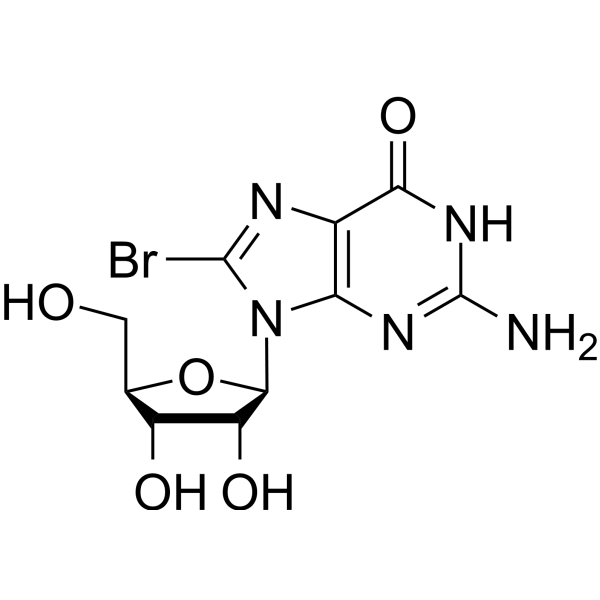
8-Bromoguanosine is a purine nucleoside, a brominated derivative of guanosine. 8-Bromoguanosine can reduce the conformational heterogeneity of RNA to enhance its function .
|
-
-
- HY-16738A
-
|
GS 6615 hydrochloride
|
Sodium Channel
Potassium Channel
|
Cardiovascular Disease
|
|
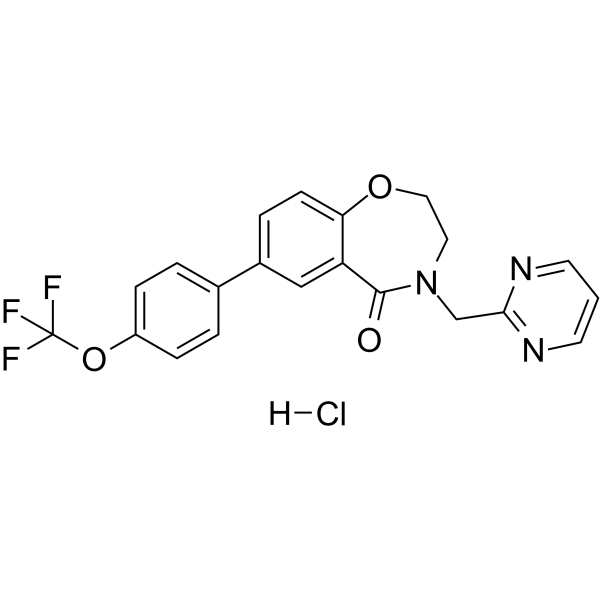
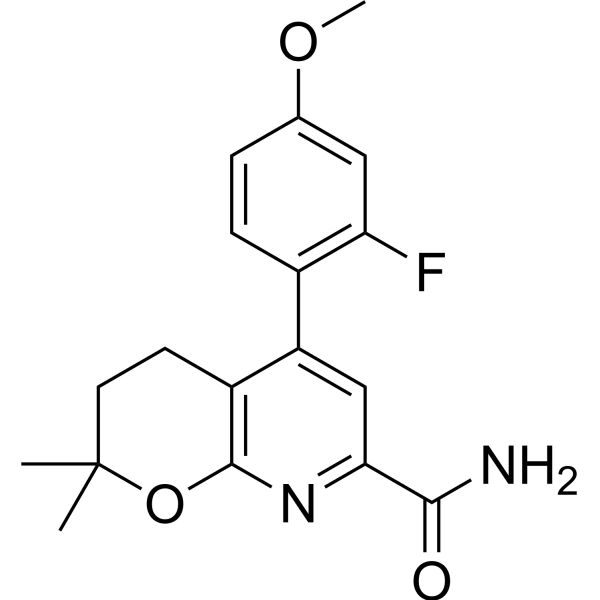
Eleclazine (GS 6615) hydrochloride is a selective cardiac late sodium current inhibitor and a weak inhibitor of potassium current with IC50 value of <1 μM and approximately 14.2 μM, respectively. Eleclazine hydrochloride shows concurrent protection against autonomically induced atrial premature beats, repolarization alternans and heterogeneity, and atrial fibrillation in porcine model. Eleclazine hydrochloride can be used to research cardiac arrhythmias .
|
-
-
- HY-P99047
-
|
AB 0024; GS 6624
|
Monoamine Oxidase
|
Cardiovascular Disease
Inflammation/Immunology
|
|
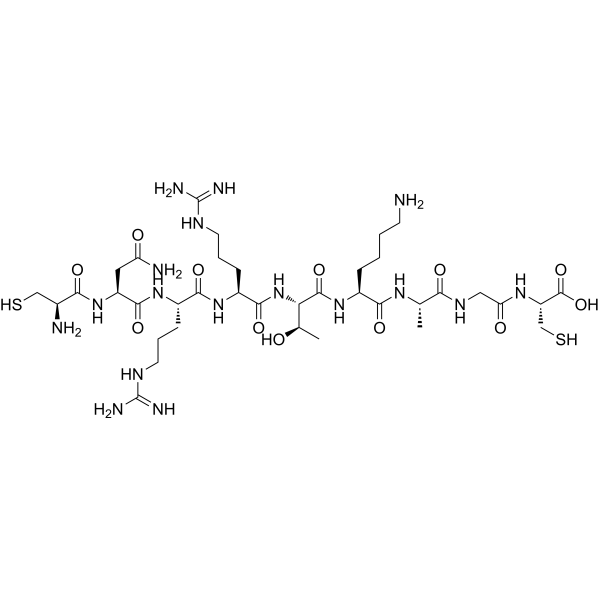
Simtuzumab (AB 0024; GS 6624) is a monoclonal antibody directed against Lysyl oxidase like-2 (LOXL2). Simtuzumab non-competitively blocks collagen cross-linking, reduces LOXL2 protein expression and attenuates extracellular matrix changes. Simtuzumab reduces myocardial fibrosis and prevents cardiac dysfunction. Simtuzumab lowers Myh7 and Nppa gene expression, reduces contraction heterogeneity, and cuts COL1A1 deposition. Simtuzumab can be used for the research of LMNA mutation-induced dilated cardiomyopathy, idiopathic pulmonary fibrosis, and primary sclerosing cholangitis .
|
-
-
- HY-171978
-
|
|
Adrenergic Receptor
|
Cardiovascular Disease
|
|
LM-189 is a β2-adrenergic receptor (β2AR) ligand and G protein-biased modulator with a human β2AR Ki of 0.063 nM.LM-189 promotes β2AR coupling to Gαs and Gαi heterotrimers, stabilizes distinct β2AR conformations including a TM6 outward state, and increases β2AR ICL2 dynamics.LM-189 restricts β2AR ligand-binding pocket conformational heterogeneity, stabilizes polar ligand-receptor interaction networks, and exhibits bias toward Gαi signaling over Gαs signaling.LM-189 enabled cryo-EM structural characterization of the β2AR-Gi complex.LM-189 can be used for the research of congestive heart failure .
|
-
-
- HY-122817
-
|
|
Antibiotic
Parasite
|
Infection
|
|
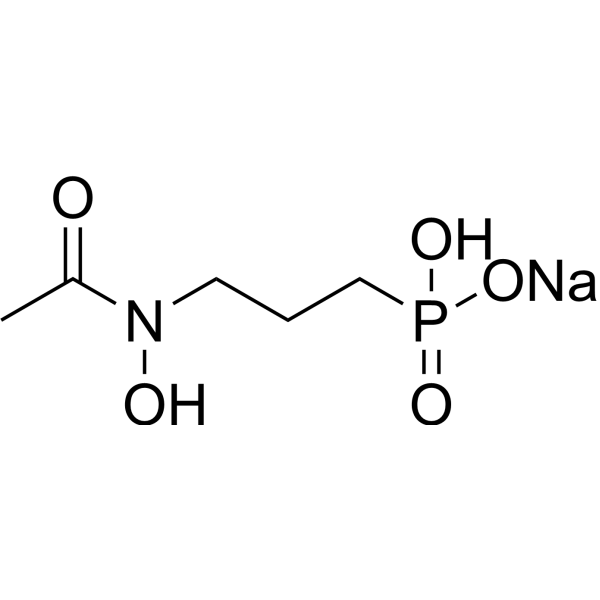
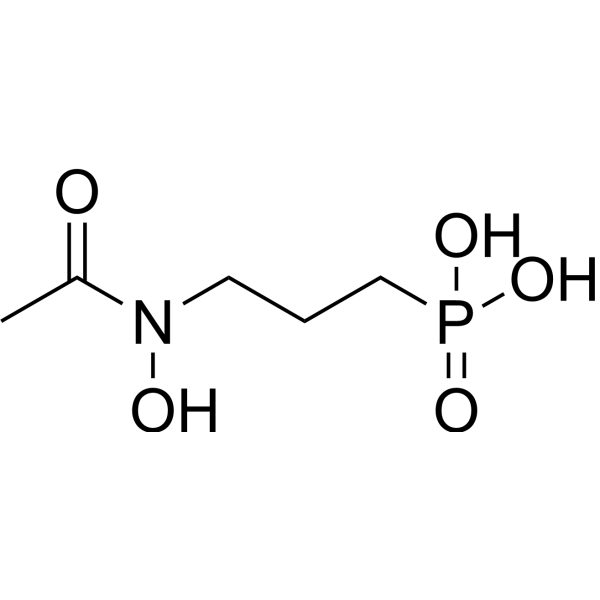
FR900098 sodium is an antimalarial agent that inhibits 1-deoxy-d-xylulose-5-phosphate (DXP) reductoisomerase. FR900098 sodium has no significant acute toxicity or genotoxicity, and does not have the ability to cause chromosome breakage or heterogeneity. FR900098 sodium has no effect on bone marrow red blood cells in NMRI mice .
|
-
-
- HY-16738
-
|
GS-6615
|
Sodium Channel
Potassium Channel
|
Cardiovascular Disease
|
|
Eleclazine (GS 6615) is a selective cardiac late sodium current inhibitor and a weak inhibitor of potassium current with IC50 of <1 μM and approximately 14.2 μM, respectively. Eleclazine shows concurrent protection against autonomically induced atrial premature beats, repolarization alternans and heterogeneity, and atrial fibrillation in porcine model. Eleclazine can be used to research cardiac arrhythmias .
|
-
-
- HY-P10978
-
|
|
PD-1/PD-L1
|
Cancer
|
|
NK224 is a peptide-based radiotracer targeting human PD-L1, with dual-radionuclide ( 68Ga and 18F) labeling compatibility enabled by the NOTA chelator. NK224 exhibits high binding affinity to PD-L1, with an IC50 value of 2.45 nM. NK224 visualizes intrapatient tumor heterogeneity and dynamically monitors PD-L1 target occupancy during immunotherapy. NK224 can be used for the study of non-small cell lung cancer (NSCLC) .
|
-
-
- HY-152901
-
|
|
Fluorescent Dye
|
Others
|
|
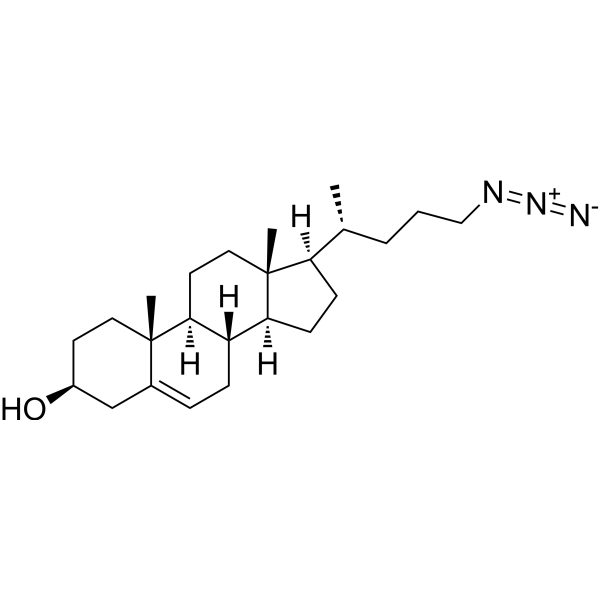
Chol-N3 is a bioorthogonal-based chol probe. Chol-N3 can combine with super-resolution fluorescence microscopy (SRM), providing direct visualization of nanoscale lipid heterogeneity in the cell surface of resting living cells . Chol-N3 is a click chemistry reagent, it contains an Azide group and can undergo copper-catalyzed azide-alkyne cycloaddition reaction (CuAAc) with molecules containing Alkyne groups. It can also undergo strain-promoted alkyne-azide cycloaddition (SPAAC) reactions with molecules containing DBCO or BCN groups.
|
-
-
- HY-157998
-
|
|
mGluR
Src
|
Others
|
|
mG2N001 is a negative allosteric modulator (NAM) (IC50: 93 nM) of the metabotropic glutamate receptor mGluR2 and binds to mGluR2 as an antagonist (Ki: 63 nM). mG2N001 is microparticle- and plasma-stable, and its radioisotope [11C]mG2N001 can be used in PET imaging. [11C]mG2N001 has good brain heterogeneity and brain penetration, and can selectively accumulate in mGluR2-rich regions, producing high-contrast brain images .
|
-
-
- HY-134081
-
|
|
mAChR
|
Others
|
|
Desiodomethyl 4-DAMP is a muscarinic receptor antagonist .
|
-
-
- HY-118200
-
|
|
Adrenergic Receptor
|
Neurological Disease
|
BRL-41992 is a selective α₂B-adrenergic receptor antagonist. BRL-41992 exhibits 94-fold higher selectivity for the α₂B-receptor than for the α₂A-receptor with Kᵢ values in neonatal rat lung tissue (expressing the α₂B-receptor) and in human platelet membranes (expressing the α₂A-receptor) of 1.1 and 103.3 nM. BRL-41992 can be used to verify the functional differences of α₂ receptor subtypes .
|
-
-
- HY-W795264
-
|
|
Parasite
|
Infection
|
|
FR900098 is an antimalarial agent that inhibits 1-deoxy-d-xylulose-5-phosphate (DXP) reductoisomerase. FR900098 has no significant acute toxicity or genotoxicity, and does not have the ability to cause chromosome breakage or heterogeneity. FR900098 has no effect on bone marrow red blood cells in NMRI mice .
|
-
-
- HY-N12033
-
|
|
Others
|
Cancer
|
|
4'-Demethylpodophyllotoxone is an intermediate product of the biotransformation of Alternaria alternata S-f6. After 4'-Demethylpodophyllotoxone is modified with 4-(2,3,5,6-tetramethylpyrazine-1) (4-TMP), the resulting novel compound can strongly inhibit the growth of human gastric cancer cell line (BGC-823) .
|
-
-
- HY-W747965
-
|
|
Isotope-Labeled Compounds
Nucleoside Antimetabolite/Analog
|
Others
|
|
8-Bromoguanosine- 13C2, 15N is the 13C- and 15N-labeled 8-Bromoguanosine (HY-W019033). 8-Bromoguanosine is a purine nucleoside, a brominated derivative of guanosine. 8-Bromoguanosine can reduce the conformational heterogeneity of RNA to enhance its function .
|
-
-
- HY-W767371
-
|
|
Isotope-Labeled Compounds
Nucleoside Antimetabolite/Analog
|
Others
|
|
8-Bromoguanosine- 13C, 15N2 is the 13C- and 15N-labeled 8-Bromoguanosine (HY-W019033). 8-Bromoguanosine is a purine nucleoside, a brominated derivative of guanosine. 8-Bromoguanosine can reduce the conformational heterogeneity of RNA to enhance its function .
|
-
-
- HY-P11314
-
|
|
Amyloid-β
|
Cardiovascular Disease
Neurological Disease
|
|
ABri, 34 amino acids long, is an Amyloid subunit with certain degree of N- and C-terminal heterogeneity and no sequence identity to any known amyloid protein. ABri is devoid of glycine, methionine, proline, aspartic acid, tryptophane, tyrosine and glutamine, featuring pyroglutamate at its N-terminus. ABri can be used for cerebral hemorrhages, ischemic infarction and Alzheimer disease research .
|
-
-
- HY-N2274
-
|
12-Oleanene-3β,16β,23,28-tetrol; 3β,16β-12-Oleanene-3, 16,23,28-tetrol
|
Others
|
Cancer
|
|
23-Hydroxylongispinogenin (12-Oleanene-3β,16β,23,28-tetrol) is extracted from Lysimachia heterogenea Klatt. Lysimachia heterogenea Klatt is a perennial herb, which is used as a folk medicine in subduing swelling and detoxicating in China. The effective fraction LH-1 of L. heterogene has antitumor activity .
|
-
-
- HY-137173
-
|
|
Endogenous Metabolite
|
Others
|
|
Laidlomycin propionate is a feed additive with the activity of improving weight gain rate and feed conversion efficiency. Laidlomycin propionate can significantly increase daily weight gain, feed intake and carcass weight of beef cattle. The use of Laidlomycin propionate can effectively reduce production costs and improve the economic benefits of the cattle industry. Laidlomycin propionate has shown different effects in multiple studies in North America, and there is also significant heterogeneity between studies .
|
-
-
- HY-19227
-
|
|
PPAR
|
Cardiovascular Disease
|
|
BM 170249 is a peroxisome proliferator, particularly in the perivenous region of the central acini in the liver. BM 170249 significantly reduces serum triglyceride and cholesterol levels in rats. BM 170249 strongly induces the activity of key enzymes in the peroxisome fatty acid β-oxidation system (such as acyl-CoA oxidase AOX, multifunctional enzyme PH, and thiolase PT), but leads to decreased activity of catalase and uricase in peroxisome components. BM 170249 could be used in lipid-lowering studies .
|
-
-
- HY-175076
-
|
|
Endogenous Metabolite
|
Metabolic Disease
Inflammation/Immunology
|
|
Globotriaosylceramide (non-hydroxy) (porcine RBC) is a glycosphingolipid found in the cell membranes of mammals. Globotriaosylceramide (non-hydroxy) (porcine RBC) is the core pathogenic molecule of Fabry disease, and its level can be downregulated by supplementing α-galactosidase A. Globotriaosylceramide (non-hydroxy) (porcine RBC) amplifies B-cell receptor signals by regulating the localization of co-receptor CD19, and can be used as a vaccine adjuvant, capable of guiding the generation of broad-spectrum and cross-protective antibody responses. Globotriaosylceramide (non-hydroxy) (porcine RBC) promotes wound healing and reduces scar formation by regulating fibroblast heterogeneity .
|
-
-
- HY-P11742
-
|
Ac-GWW(LA)8LWWA-NH2
|
Biochemical Assay Reagents
|
Others
|
|
WALP23 is a synthetic model peptide. WALP23 induces heterogeneity in lipid bilayers, forming stripe-like microdomains in DPPC bilayers. WALP23 can be used to study protein-membrane interactions. WALP23 is also used as a model peptide to determine helical orientation during the association process .
|
-
-
- HY-16738AR
-
|
GS 6615 hydrochloride (Standard)
|
Sodium Channel
Potassium Channel
Reference Standards
|
Cardiovascular Disease
|
|
Eleclazine (hydrochloride) (Standard) is the analytical standard of Eleclazine (hydrochloride). This product is intended for research and analytical applications. Eleclazine (GS 6615) hydrochloride is a selective cardiac late sodium current inhibitor and a weak inhibitor of potassium current with IC50 value of <1 μM and approximately 14.2 μM, respectively. Eleclazine hydrochloride shows concurrent protection against autonomically induced atrial premature beats, repolarization alternans and heterogeneity, and atrial fibrillation in porcine model. Eleclazine hydrochloride can be used to research cardiac arrhythmias .
|
-
-
- HY-186083
-
|
|
mAChR
|
Cardiovascular Disease
|
|
Propylbenzilylcholine mustard (PrBCM) is an irreversible, covalently binding selective antagonist targeting rat cardiac muscarinic receptors, with a preference for muscarinic receptor subtypes that show low affinity for agonists. Propylbenzilylcholine mustard inactivates such receptors in a dose- and time-dependent manner in vitro, and its receptor selectivity remains stable across different ionic strengths and in GTP-containing buffer systems. Propylbenzilylcholine mustard can be applied to basic pharmacological studies on the structure and function of muscarinic receptors, especially focusing on the heterogeneity of cardiac muscarinic receptors and related cardiovascular pharmacological research .
|
-
-
- HY-180306
-
|
|
Estrogen Receptor/ERR
Radionuclide-Drug Conjugates (RDCs)
|
Cancer
|
Fluoroestradiol is an Estrogen receptor PET imaging tracer precursor. Fluoroestradiol, when radiolabeled with 18F, can be used as an Estrogen receptor PET imaging tracer. 18F-Fluoroestradiol exhibits the highest uptake selectivity and target-to-background ratio among several 18F-labeled estrogens. 18F-Fluoroestradiol has demonstrated Estrogen receptor expression in normal brain tissues and in meningiomas. 18F-Fluoroestradiol can quantify regional Estrogen receptor expression in breast cancer. 18F-Fluoroestradiol has potential applications in assessing and monitoring heterogeneity in ovarian cancer .
|
-
-
- HY-D3391
-
|
|
Bacterial
|
Infection
|
|
RMR-Tre is a fluorescent probe targeting the mycobacterial acyltransferase Ag85. Under the catalysis of Ag85, RMR-Tre undergoes 6-position mycoloylation and anchors to the mycobacterial membrane, while achieving fluorescence activation by inhibiting the intramolecular twisted charge transfer state transition. RMR-Tre can distinguish live mycobacteria from dead ones through metabolism-driven labeling, enabling rapid, wash-free, low-background detection of viable bacteria. RMR-Tre reports the drug resistance of Mycobacterium tuberculosis via the trehalose catalytic shift activity readout associated with TreS. In addition, RMR-Tre can be combined with flow cytometry or high-content imaging techniques to visualize and quantitatively analyze the metabolic heterogeneity of Mycobacterium tuberculosis related to persistence and drug resistance. RMR-Tre is widely used in tuberculosis-related research .
|
-
-
-
HY-L169
-
|
|
639 compounds
|
|
Resistance refers to the decrease in the effectiveness of drugs in treating diseases or symptoms. Due to the increasing global antibiotic resistance, it may threaten our ability to treat common infectious diseases. Drug resistance is also the main cause of chemotherapy failure in malignant tumors. In approximately 50% of cases, drug resistance exists even before chemotherapy begins. There are many mechanisms of anticancer drug resistance, including increased protein expression that leads to drug removal, mutations in drug binding sites, recovery of tumor protein production, and pre-existing genetic heterogeneity in tumor cell populations. In addition, the issue of drug resistance seems to have affected the development of new anticancer drugs. Drug resistance may be caused by various conditions, such as mutations, epigenetic modifications, and upregulation of drug efflux protein expression. Overcoming multidrug resistance in cancer treatment is becoming increasingly important.
MCE designs a unique collection of 639 anti-drug-resistant compounds. It is a good tool to be used for research on cancer and other diseases.
|
| Cat. No. |
Product Name |
Type |
-
- HY-D3391
-
|
|
Fluorescent Dyes
|
|
RMR-Tre is a fluorescent probe targeting the mycobacterial acyltransferase Ag85. Under the catalysis of Ag85, RMR-Tre undergoes 6-position mycoloylation and anchors to the mycobacterial membrane, while achieving fluorescence activation by inhibiting the intramolecular twisted charge transfer state transition. RMR-Tre can distinguish live mycobacteria from dead ones through metabolism-driven labeling, enabling rapid, wash-free, low-background detection of viable bacteria. RMR-Tre reports the drug resistance of Mycobacterium tuberculosis via the trehalose catalytic shift activity readout associated with TreS. In addition, RMR-Tre can be combined with flow cytometry or high-content imaging techniques to visualize and quantitatively analyze the metabolic heterogeneity of Mycobacterium tuberculosis related to persistence and drug resistance. RMR-Tre is widely used in tuberculosis-related research .
|
| Cat. No. |
Product Name |
Target |
Research Area |
-
- HY-P4088
-
|
|
Peptides
|
Cancer
|
|
LyP-2 is a peptide that homes to tumor lymphatics. LyP2 homes to lymphatics of C8161 melanomas and cervical carcinomas and K14-HPV16 skin, but not to MDA-MB435 tumors, showing heterogeneity in the molecular markers of tumor cells and lymphatics .
|
-
- HY-P10978
-
|
|
PD-1/PD-L1
|
Cancer
|
|
NK224 is a peptide-based radiotracer targeting human PD-L1, with dual-radionuclide ( 68Ga and 18F) labeling compatibility enabled by the NOTA chelator. NK224 exhibits high binding affinity to PD-L1, with an IC50 value of 2.45 nM. NK224 visualizes intrapatient tumor heterogeneity and dynamically monitors PD-L1 target occupancy during immunotherapy. NK224 can be used for the study of non-small cell lung cancer (NSCLC) .
|
-
- HY-P11314
-
|
|
Amyloid-β
|
Cardiovascular Disease
Neurological Disease
|
|
ABri, 34 amino acids long, is an Amyloid subunit with certain degree of N- and C-terminal heterogeneity and no sequence identity to any known amyloid protein. ABri is devoid of glycine, methionine, proline, aspartic acid, tryptophane, tyrosine and glutamine, featuring pyroglutamate at its N-terminus. ABri can be used for cerebral hemorrhages, ischemic infarction and Alzheimer disease research .
|
-
- HY-P11742
-
|
Ac-GWW(LA)8LWWA-NH2
|
Biochemical Assay Reagents
|
Others
|
|
WALP23 is a synthetic model peptide. WALP23 induces heterogeneity in lipid bilayers, forming stripe-like microdomains in DPPC bilayers. WALP23 can be used to study protein-membrane interactions. WALP23 is also used as a model peptide to determine helical orientation during the association process .
|
-
- HY-K6141
-
|
|
|
MCE Human Brain Organoid (Expansion) Kit contains Human Brain Organoid Expansion Basal Medium and Human Brain Organoid Expansion Culture Supplements. This kit enables the efficient in vitro generation of human forebrain organoids (hFBs). Within this culture system, human brain tissue can spontaneously form organoid structures that faithfully recapitulate key features of in vivo cellular heterogeneity and complex tissue organization.
|
-
- HY-K6143
-
|
|
|
MCE Mouse Fetal Brain Organoid (Expansion) Kit contains Mouse Fetal Brain Organoid Expansion Basal Medium and Mouse Fetal Brain Organoid Expansion Culture Supplement
. This kit enables the efficient in vitro generation of mouse fetal brain organoids (mFBs). Within this culture system, mouse fetal brain tissue can spontaneously form organoid structures that faithfully recapitulate key features of in vivo cellular heterogeneity and complex tissue organization.
|
| Cat. No. |
Product Name |
Target |
Research Area |
Image |
-
- HY-P99047
-
|
AB 0024; GS 6624
|
Monoamine Oxidase
|
Cardiovascular Disease
Inflammation/Immunology
|
|
Simtuzumab (AB 0024; GS 6624) is a monoclonal antibody directed against Lysyl oxidase like-2 (LOXL2). Simtuzumab non-competitively blocks collagen cross-linking, reduces LOXL2 protein expression and attenuates extracellular matrix changes. Simtuzumab reduces myocardial fibrosis and prevents cardiac dysfunction. Simtuzumab lowers Myh7 and Nppa gene expression, reduces contraction heterogeneity, and cuts COL1A1 deposition. Simtuzumab can be used for the research of LMNA mutation-induced dilated cardiomyopathy, idiopathic pulmonary fibrosis, and primary sclerosing cholangitis .
|
-
(5)
| Cat. No. |
Product Name |
Category |
Target |
Chemical Structure |
-
- HY-N12033
-
-
-
- HY-N2274
-
|
12-Oleanene-3β,16β,23,28-tetrol; 3β,16β-12-Oleanene-3, 16,23,28-tetrol
|
Triterpenes
Classification of Application Fields
Terpenoids
Asclepiadaceae
Lysimachia heterogenea Klatt
Plants
Primulaceae
Disease Research Fields
Gymnema sylvestre (Retz.) Schult.
Source Classification
Cancer
|
Others
|
|
23-Hydroxylongispinogenin (12-Oleanene-3β,16β,23,28-tetrol) is extracted from Lysimachia heterogenea Klatt. Lysimachia heterogenea Klatt is a perennial herb, which is used as a folk medicine in subduing swelling and detoxicating in China. The effective fraction LH-1 of L. heterogene has antitumor activity .
|
-
| Cat. No. |
Product Name |
Chemical Structure |
-
- HY-W747965
-
|
|
|
8-Bromoguanosine- 13C2, 15N is the 13C- and 15N-labeled 8-Bromoguanosine (HY-W019033). 8-Bromoguanosine is a purine nucleoside, a brominated derivative of guanosine. 8-Bromoguanosine can reduce the conformational heterogeneity of RNA to enhance its function .
|
-
-
- HY-W767371
-
|
|
|
8-Bromoguanosine- 13C, 15N2 is the 13C- and 15N-labeled 8-Bromoguanosine (HY-W019033). 8-Bromoguanosine is a purine nucleoside, a brominated derivative of guanosine. 8-Bromoguanosine can reduce the conformational heterogeneity of RNA to enhance its function .
|
-
| Cat. No. |
Product Name |
|
Classification |
-
- HY-152901
-
|
|
|
Azide
Labeling and Fluorescence Imaging
|
|
Chol-N3 is a bioorthogonal-based chol probe. Chol-N3 can combine with super-resolution fluorescence microscopy (SRM), providing direct visualization of nanoscale lipid heterogeneity in the cell surface of resting living cells . Chol-N3 is a click chemistry reagent, it contains an Azide group and can undergo copper-catalyzed azide-alkyne cycloaddition reaction (CuAAc) with molecules containing Alkyne groups. It can also undergo strain-promoted alkyne-azide cycloaddition (SPAAC) reactions with molecules containing DBCO or BCN groups.
|
| Cat. No. |
Product Name |
|
Classification |
-
- HY-W019033
-
|
|
|
Nucleoside Analogs
Guanosine
|
|
8-Bromoguanosine is a purine nucleoside, a brominated derivative of guanosine. 8-Bromoguanosine can reduce the conformational heterogeneity of RNA to enhance its function .
|
Your information is safe with us. * Required Fields.
Inquiry Information
- Product Name:
- Cat. No.:
- Quantity:
- MCE Japan Authorized Agent:

