Search Result
Results for "
high+density
" in MedChemExpress (MCE) Product Catalog:
1
Biochemical Assay Reagents
| Cat. No. |
Product Name |
Target |
Research Areas |
Chemical Structure |
-
- HY-116767
-
BLT-1
Maximum Cited Publications
11 Publications Verification
Block lipid transport-1
|
HCV
|
Metabolic Disease
Inflammation/Immunology
|
|
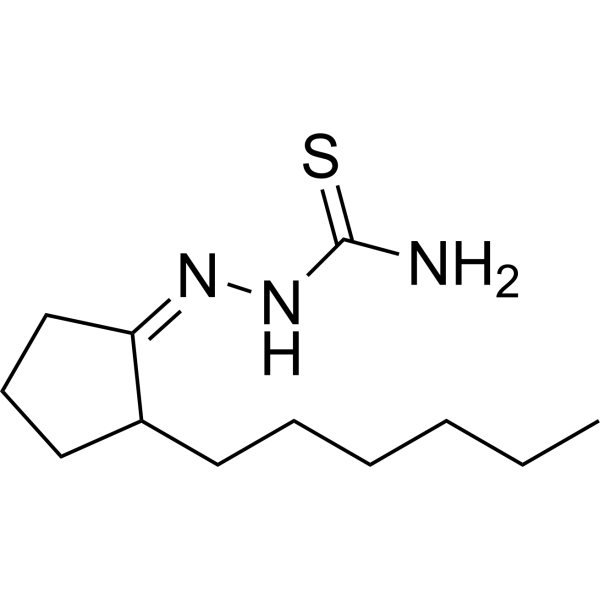
BLT-1, a thiosemicarbazone copper chelator, is a selective scavenger receptor B, type 1 (SR-BI) inhibitor. BLT-1 inhibits the transfer of lipids between high-density lipoproteins (HDL) and cells mediated by SR-BI. BLT-1 is a potent HCV entry inhibitor .
|
-
-
- HY-P99391
-
|
ABT-700; ABBV-400 Antibody
|
c-Met/HGFR
Apoptosis
|
Cancer
|
|
Telisotuzumab (ABT-700) is a bivalent humanized IgG1 anti-c-Met monoclonal antibody. Telisotuzumab binds cellular c-Met and disrupts its productive dimerization and activation induced by HGF or by the high density of c-Met on the cell surface independent of ligand. Telisotuzumab induces apoptosis. Telisotuzumab can be used for the study of cancers harboring amplified MET, such as gastric and lung cancers .
|
-

-
- HY-NP203
-
|
HDL (human)
|
Apolipoprotein
NO Synthase
LPL Receptor
Akt
PI3K
p38 MAPK
|
Neurological Disease
Metabolic Disease
Inflammation/Immunology
Cancer
|
|
High density lipoprotein (human) (HDL (human)) is a human-derived high-density lipoprotein. High density lipoprotein can cross the blood-brain barrier, and partially acts on endothelial nitric oxide synthase (eNOS) by activating surface receptors such as SR-B1 and S1P3R, as well as intracellular signaling cascades involving Akt, PI3K and MAPK, thereby inducing the production of NO in endothelial cells. High density lipoprotein (human) can be used in research related to type 2 diabetes, Alzheimer's disease, cancer and atherosclerosis .
|
-

-
- HY-P6306
-
CS-6253
1 Publications Verification
|
Apolipoprotein
Amyloid-β
|
Neurological Disease
Metabolic Disease
|
|
CS-6253 is an agonist of ABCA1. CS-6253 can regulate lipoprotein metabolism, promote high-density lipoprotein biogenesis, and cellular cholesterol efflux. CS-6253 also has certain neuroprotective effects and can clear Aβ from the brain. CS-6253 can be used for research on cholesterol metabolism and diseases such as Alzheimer’s disease .
|
-

-
- HY-126573
-
-
-
- HY-153491
-
|
ISIS 678354; IONIS-APOCIII-LRx; AKCEA-APOCIII-LRx
|
Apolipoprotein
|
Cardiovascular Disease
|
|
Olezarsen (ISIS 678354;IONIS-APOCIII-LRx) is a GalNAc-modified antisense oligonucleotide. Olezarsen binds to APOC3 mRNA and induces its degradation via ribonuclease H1-mediated sense strand cleavage, thereby reducing hepatic apolipoprotein C-III (apoC-III) synthesis. Olezarsen reduces plasma triglyceride, apolipoprotein B and non-high-density lipoprotein cholesterol levels. Olezarsen is applicable to research related to familial chylomicronemia syndrome, hypertriglyceridemia and atherosclerotic cardiovascular disease .
|
-

-
- HY-117549
-
|
NO-1886
|
Lipase
|
Cardiovascular Disease
|
|
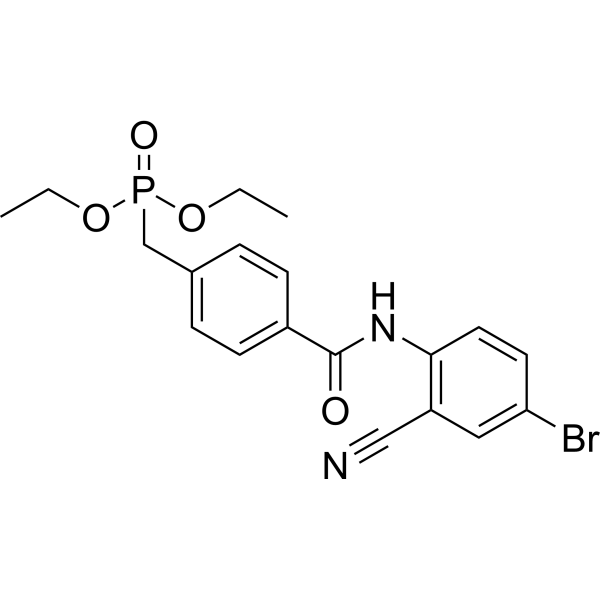
Ibrolipim (NO-1886) is an orally active lipoprotein lipase (LPL)-promoting agent. Ibrolipim decreases plasma triglycerides, increases high-density lipoprotein cholesterol levels. Ibrolipim has renoprotective and hypolipidemic effects .
|
-
-
- HY-109567
-
|
PD-72953
|
LDLR
|
Metabolic Disease
Inflammation/Immunology
|
|
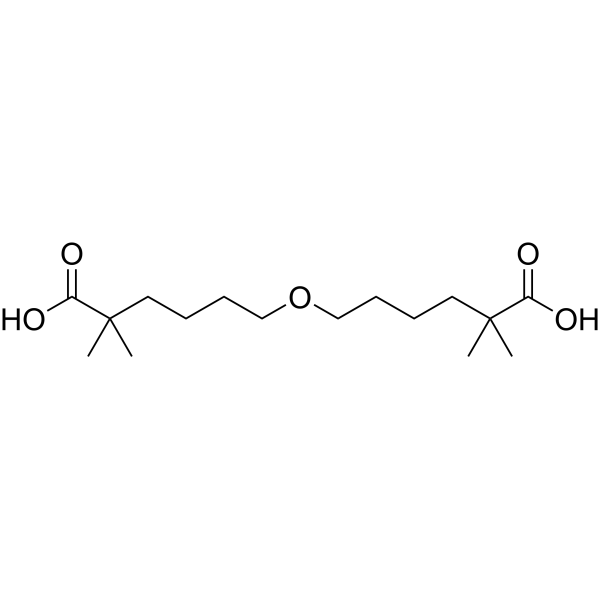
Gemcabene (PD-72953), a first-in-class lipid-lowering agent, lowers low-density lipoprotein cholesterol (LDL-C), decreases triglycerides, and raises high-density lipoprotein cholesterol (HDL-C) and lowers pro-inflammatory acute-phase protein, C-reactive protein (CRP), exerting anti-inflammatory activity .
|
-
-
- HY-D1837
-
|
VF 488 Tyramide
|
Fluorescent Dye
|
Others
|
|
Vari Fluor 488 TSA(200×) (VF 488 Tyramide) is a fluorescent probe belonging to the Vari Fluor TSA series. Vari Fluor TSA series fluorescent probes can be used for high-density in situ labeling of target antigens using horseradish peroxidase (HRP) assays, which are widely used in ELISA, IF, IHC and other techniques with high detection sensitivity .
|
-

-
- HY-P99822
-
|
SHR-1209
|
PCSK9
|
Metabolic Disease
|
|
Recaticimab (SHR-1209) is a humanized IgG1 mAb that selectively targets PCSK9. Recaticimab reduces low-density lipoprotein cholesterol (LDL-C), non-high-density lipoprotein cholesterol (non-HDL-C), apolipoprotein B (ApoB), triglyceride (TG), and lipoprotein(a) levels. Recaticimab can be used for hyperlipidemia research .
|
-

-
- HY-153491A
-
|
ISIS 678354 sodium; IONIS-APOCIII-LRx sodium; AKCEA-APOCIII-LRx sodium
|
Apolipoprotein
|
Cardiovascular Disease
|
|
Olezarsen (ISIS 678354;IONIS-APOCIII-LRx) sodium is a GalNAc-modified antisense oligonucleotide. Olezarsen sodium binds to APOC3 mRNA and induces its degradation via ribonuclease H1-mediated sense strand cleavage, thereby reducing hepatic apolipoprotein C-III (apoC-III) synthesis. Olezarsen sodium reduces plasma triglyceride, apolipoprotein B and non-high-density lipoprotein cholesterol levels. Olezarsen sodium is applicable to research related to familial chylomicronemia syndrome, hypertriglyceridemia and atherosclerotic cardiovascular disease .
|
-

-
- HY-126359
-
|
SLPC; 18:0-18:2 PC
|
Endogenous Metabolite
|
Cardiovascular Disease
Metabolic Disease
|
|
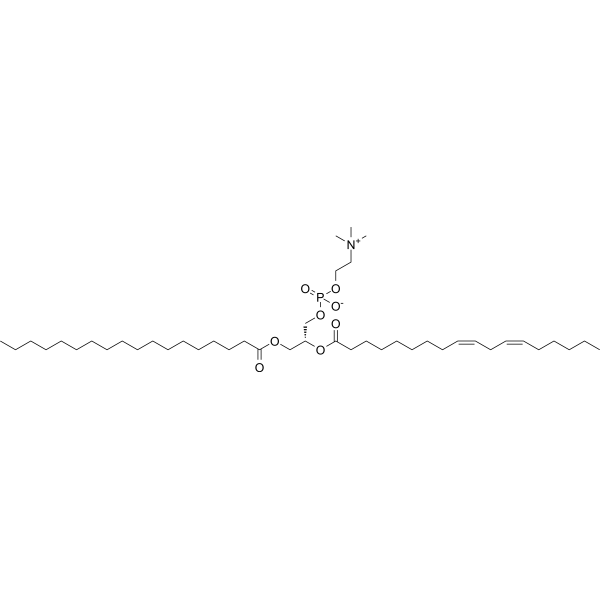
1-Stearoyl-2-linoleoyl-sn-glycero-3-phosphocholine (SLPC; 18:0-18:2 PC) is an endogenous phospholipid marker molecule in the glycerophospholipid metabolic pathway. 1-Stearoyl-2-linoleoyl-sn-glycero-3-phosphocholine is a core component of the phospholipid bilayer of biological membranes and a key responsive lipid for radiation injury and cardiometabolic diseases. 1-Stearoyl-2-linoleoyl-sn-glycero-3-phosphocholine constitutes the phospholipid bilayers of cell membranes and high-density lipoprotein (HDL), and regulates the core activity of lipoprotein functional homeostasis. The content of 1-Stearoyl-2-linoleoyl-sn-glycero-3-phosphocholine in mouse serum shows a significant dose-dependent decrease with increasing ionizing radiation dose, and its level in human HDL also decreases significantly in metabolic syndrome. 1-Stearoyl-2-linoleoyl-sn-glycero-3-phosphocholine can serve as a biological dosimeter marker for ionizing radiation injury, and is used for rapid and accurate assessment of radiation absorbed dose in exposed individuals. 1-Stearoyl-2-linoleoyl-sn-glycero-3-phosphocholine can also act as a lipidomics research target for cardiometabolic diseases such as lipid metabolic syndrome and early-onset coronary heart disease .
|
-
-
- HY-P6365B
-
|
D-4F
|
Apolipoprotein
|
Cardiovascular Disease
|
|
APP-018 (D-4F) is 18 D-amino acids peptide that mimics apolipoprotein A-I (apoA-I). APP-018 improves the anti-inflammatory activity of high-density lipoprotein (HDL). APP-018 can be used in researches of cardiovascular diseases .
|
-

-
- HY-P6365
-
|
L-4F TFA
|
Apolipoprotein
|
Cardiovascular Disease
|
|
APL180 TFA (L-4F) is an apolipoprotein AI mimetic peptide that enhances the anti-inflammatory activity of high-density lipoprotein (HDL). APL180 can be used in the study of cardiovascular diseases.
|
-

-
- HY-D1835
-
|
VF 594 Tyramide
|
Fluorescent Dye
|
Others
|
|
Vari Fluor 594 TSA (200×) (VF 594 Tyramide) is a fluorescent probe belonging to the Vari Fluor TSA series. Vari Fluor TSA series fluorescent probes can be used for high-density in situ labeling of target antigens using horseradish peroxidase (HRP) assays, which are widely used in ELISA, IF, IHC and other techniques with high detection sensitivity .
|
-

-
- HY-100469
-
|
|
LXR
|
Inflammation/Immunology
|
|
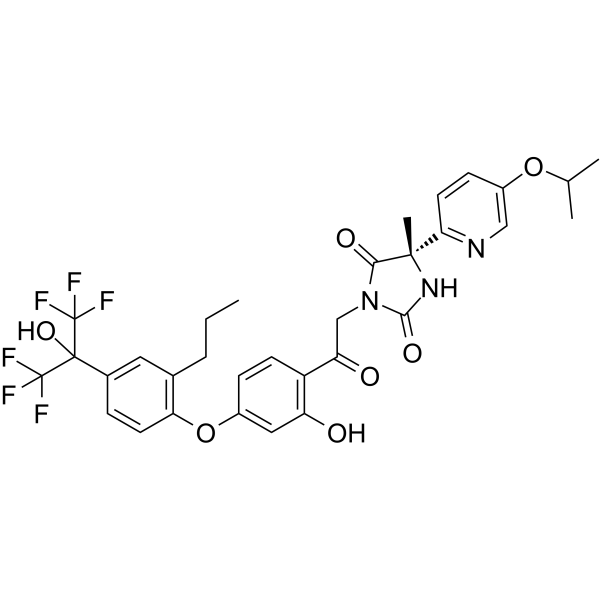
LXRβ agonist-2 is an orally active and selective LXRβ agonist. LXRβ agonist-2 increases high-density lipoprotein cholesterol levels without elevating plasma triglyceride levels. LXRβ agonist-2 decreases lipid accumulation area in the aortic arch. LXRβ agonist-2 can be used for the research of atherosclerosis .
|
-
-
- HY-D1836
-
|
VF 555 Tyramide
|
Fluorescent Dye
|
Others
|
|
Vari Fluor 555 TSA (200x) , also know as VF 555 Tyramide. Vari Fluor 555 TSA (200x) is one of Vari Fluor TSA series fluorescent probes, which can be used for high-density in situ labeling assays. Vari Fluor TSA series target antigens via horseradish peroxidase (HRP), which are widely used in ELISA, IF, IHC and other techniques with high detection sensitivity .
|
-

-
- HY-132187
-
|
|
TGF-beta/Smad
TRP Channel
Apoptosis
PAI-1
|
Cardiovascular Disease
Neurological Disease
Metabolic Disease
Inflammation/Immunology
Cancer
|
|
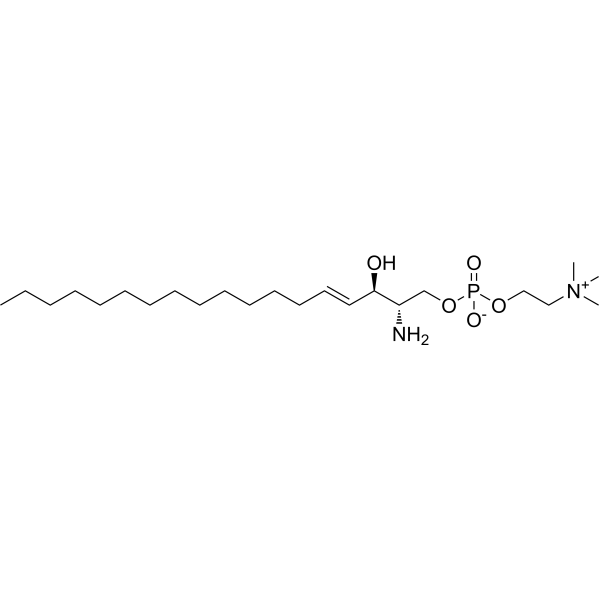
Sphingosylphosphorylcholine is a bioactive lipid and a major component of plasma high-density lipoprotein that binds to OGR1 with a Kd of 33.3 nM. Sphingosylphosphorylcholine triggers delayed phosphorylation of Smad2, upregulates α-SMA expression, and activates TRPM3. Sphingosylphosphorylcholine reduces Apoptosis and upregulates the expression of uPA and its receptor uPA-R. Sphingosylphosphorylcholine exerts anti-apoptotic, anti-cardiac hypertrophy and pro-wound healing effects. Sphingosylphosphorylcholine induces scratching behavior in mice. Sphingosylphosphorylcholine is used in studies related to atopic dermatitis, promyelocytic leukemia, heart failure, myocardial ischemia/reperfusion injury, ovarian cancer, breast cancer, pancreatic cancer, and skin wound healing disorders in genetically impaired healing diabetes .
|
-
-
- HY-121212
-
|
|
LDLR
|
Metabolic Disease
Inflammation/Immunology
|
|
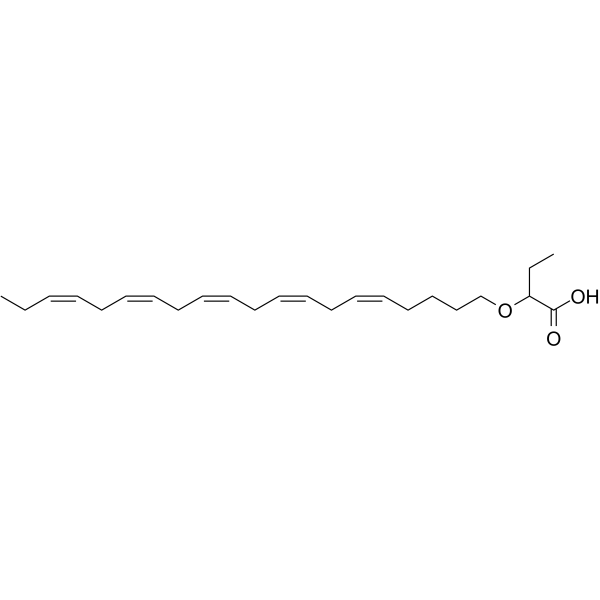
Icosabutate, an orally active ω-3 polyunsaturated fatty acid, is an aeicosapentaenoic acid (EPA) derivative. Icosabutate overcomes the drawbacks of unmodified EPA for liver targeting and improves insulin sensitivity, hepatic inflammation and fibrosis . Icosabutate is well tolerated, and efficacious in lowering non-high-density lipoprotein cholesterol (non-HDL-C) levels in persistent hypertriglyceridemia .
|
-
-
- HY-D1832
-
|
VF 532 Tyramide
|
Fluorescent Dye
|
Others
|
|
Vari Fluor 532 TSA (200×) (VF 532 Tyramide) is a fluorescent probe belonging to the Vari Fluor TSA series. Vari Fluor TSA series fluorescent probes can be used for high-density in situ labeling of target antigens using horseradish peroxidase (HRP) assays, which are widely used in ELISA, IF, IHC and other techniques with high detection sensitivity .
|
-

-
- HY-D1833
-
|
VF 680 Tyramide
|
Fluorescent Dye
|
Others
|
|
Vari Fluor 680 TSA (200×) (VF 680 Tyramide) is a fluorescent probe belonging to the Vari Fluor TSA series. Vari Fluor TSA series fluorescent probes can be used for high-density in situ labeling of target antigens using horseradish peroxidase (HRP) assays, which are widely used in ELISA, IF, IHC and other techniques with high detection sensitivity .
|
-

-
- HY-D1831
-
|
VF 620 Tyramide
|
Fluorescent Dye
|
Others
|
|
Vari Fluor 620 TSA (200×) (VF 620 Tyramide) is a fluorescent probe belonging to the Vari Fluor TSA series. Vari Fluor TSA series fluorescent probes can be used for high-density in situ labeling of target antigens using horseradish peroxidase (HRP) assays, which are widely used in ELISA, IF, IHC and other techniques with high detection sensitivity .
|
-

-
- HY-P991574
-
|
REG-101
|
ATGL
|
Cardiovascular Disease
|
|
MEDI-5884 is a humanized IgG4Pκ neutralizing monoclonal antibody targeting Endothelial lipase (EL). MEDI-5884 inhibits EL and increases quantity (particularly phosphatidylinositols and cholesteryl esters) and function of high-density lipoproteins (HDL). MEDI-5884 can be used for cardiovascular disease like coronary artery disease (CAD) research .
|
-

-
- HY-D1834
-
|
VF 640 Tyramide
|
Fluorescent Dye
|
Others
|
|
Vari Fluor 640 TSA(200×) (VF 640 Tyramide) is a fluorescent probe belonging to the Vari Fluor TSA series. Vari Fluor TSA series fluorescent probes can be used for high-density in situ labeling of target antigens using horseradish peroxidase (HRP) assays, which are widely used in ELISA, IF, IHC and other techniques with high detection sensitivity .
|
-

-
- HY-P6306A
-
|
|
Apolipoprotein
Amyloid-β
|
Neurological Disease
Metabolic Disease
|
|
CS-6253 TFA is an agonist of ABCA1. CS-6253 TFA can regulate lipoprotein metabolism, promote high-density lipoprotein biogenesis, and cellular cholesterol efflux. CS-6253 TFA also has certain neuroprotective effects and can clear Aβ from the brain. CS-6253 TFA can be used for research on cholesterol metabolism and diseases such as Alzheimer’s disease .
|
-

-
- HY-165061
-
|
Sciadonic acid
|
Apolipoprotein
|
Inflammation/Immunology
|
|
5(Z),11(Z),14(Z)-Eicosatrienoic acid (Sciadonic acid), a polyunsaturated fatty acid sourced from maritime pine seed oil, gymnospermae leaves and seeds, and freshwater gastropods, has been shown to reduce high-density lipoprotein and ApoA1 levels in transgenic mice expressing human ApoA1 when included in their diet. In vitro studies indicate that it diminishes cholesterol efflux, and when applied topically in its methyl ester form, it alleviates inflammatory processes, likely by displacing arachidonic acid from phospholipid pools and lowering concentrations of downstream inflammatory mediators such as prostaglandin E2 and leukotrienes.
|
-

-
- HY-139007
-
|
|
LXR
|
Metabolic Disease
|
|
BLT-4 is a specific, reversible inhibitor of scavenger receptor, class B, type I (SR-BI). BLT-4 inhibits the transfer of lipids between high-density lipoproteins (HDL) and cells mediated by SR-BI. .
|
-

-
- HY-19852
-
|
|
PPAR
|
Metabolic Disease
|
|
KRP-105 is a potent, highly selective, and orally effective PPAR alpha (EC50 = 8 nM) agonist. KRP-105 can significantly reduce serum triglyceride, total cholesterol, and non high density lipoprotein cholesterol levels. KRP-105 can be used for research on metabolic diseases such as dyslipidemia .
|
-

-
- HY-P2996B
-
|
|
Others
|
Others
|
|
Nitrate Reductase (NAD[P]H), Pichia pastoris (recombinant) is a simplified version of nitrate reductase S-NaR1 expressed and purified by Pichia pastoris. Nitrate Reductase (NAD[P]H), Pichia Pastoris (recombinant) contains sites binding molybdenum-molybdenopyridine (Mo-MPT) and nitrate reduction active sites and only contains two domains instead of the five domains of the complete NaR. This simplified form of nitrate reductase was expressed in high density in P. pastoris and purified to homogeneity in one step by fixed metal affinity chromatography (IMAC). Nitrate Reductase (NAD[P]H), Pichia Pastoris (recombinant) can be used in the development of biosensors and environmental monitoring .
|
-
![Nitrate Reductase (NAD[P]H), Pichia Pastoris (recombinant)](//file.medchemexpress.com/product_pic/hy-p2996b.gif)
-
- HY-123039
-
|
|
CETP
|
Metabolic Disease
|
|
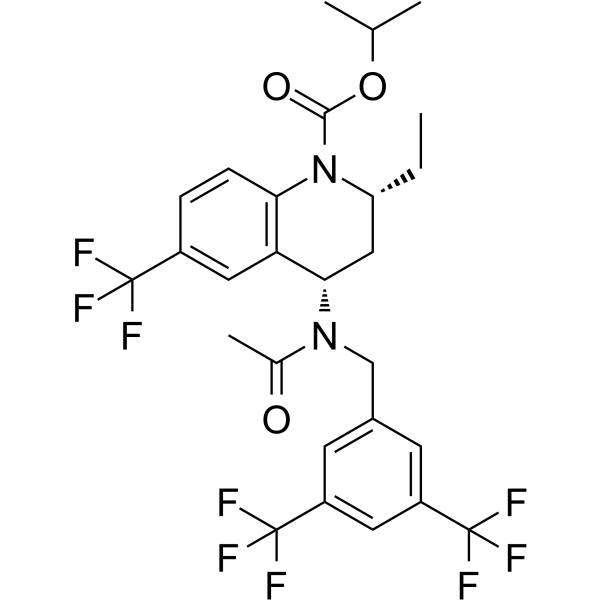
CP-532623 is a CETP inhibitor and elevates high-density lipoprotein cholesterolion. CP-532623 is a close structural analogue of Torcetrapib. CP-532623 has highly lipophilic properties .
|
-
-
- HY-P6365A
-
|
L-4F
|
Apolipoprotein
|
Cardiovascular Disease
|
|
APL180 (L-4F) is an apolipoprotein A-I mimic peptide, that improves the anti-inflammatory activity of high-density lipoprotein (HDL). APL180 can be used in researches of cardiovascular diseases .
|
-

-
- HY-105316
-
|
|
CETP
|
Metabolic Disease
|
|
CP-800569 is an orally active cholesteryl ester transfer protein (CETP) inhibitor. CP-800569 can decrease low-density lipoprotein and postprandial triglyceride and increase high-density lipoprotein. CP-800569 can be used for the research of metabolic disease .
|
-

-
- HY-176817
-
|
|
GPR109A
|
Cardiovascular Disease
Metabolic Disease
|
|
GPR109 receptor agonist-3 is an orally active GPR109 receptor agonist, with an IC50 of 310 nM.
GPR109 receptor agonist-3 retains the antioxidation and cytoprotection of Lipoic acid (HY-18733). GPR109 receptor agonist-3 reduces total cholesterol (TC), triglyceride (TG), low-density lipoprotein cholesterol (LDL-C) and increases high-density lipoprotein cholesterol (HDL-C) in high-fat diet-fed rats. GPR109 receptor agonist-3 can be used for the study of atherosclerosis .
|
-

-
- HY-100902
-
|
|
Cytochrome P450
|
Metabolic Disease
|
|
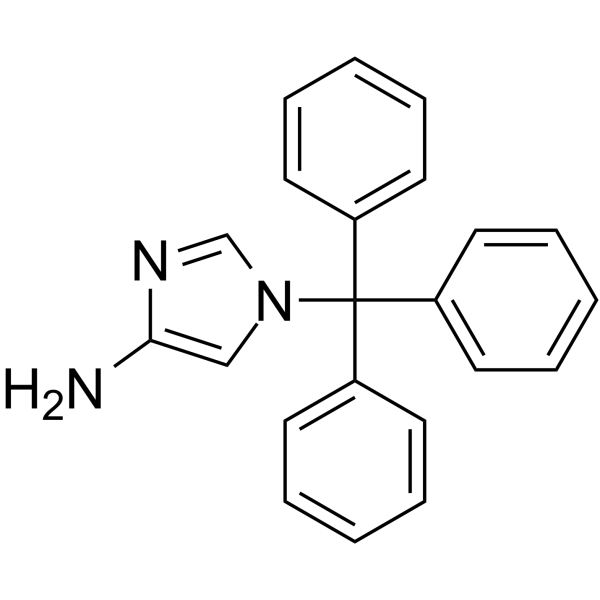
CDD3506 is used for elevating high density lipoprotein cholesterol (HDL) by inducing hepatic cytochrome P450IIIA (CYP3A) activity.
|
-
-
- HY-P99391A
-
|
ABT-700 (powder)
|
c-Met/HGFR
Apoptosis
|
Cancer
|
|
Telisotuzumab (ABT-700) (powder) is a bivalent humanized IgG1 anti-c-Met monoclonal antibody. Telisotuzumab (powder) binds cellular c-Met and disrupts its productive dimerization and activation induced by HGF or by the high density of c-Met on the cell surface independent of ligand. Telisotuzumab (powder) induces apoptosis. Telisotuzumab (powder) can be used for the study of cancers harboring amplified MET, such as gastric and lung cancers .
|
-

-
- HY-169723
-
|
|
CETP
|
Metabolic Disease
|
|
CP 524515 is a potent inhbitor of cholesteryl ester transfer protein (CETP) that leads to elevated high-density lipoprotein cholesterol levels .
|
-

-
- HY-W719862
-
|
|
Liposome
|
Others
|
|
16:0 PDP PE belongs to a class of head group modified functionalized lipids. 16:0 PDP PE has been used in preparation of rhodamine high-density lipoprotein nanoparticle (Rh-HDL NP) synthesis.
|
-

-
- HY-N13235
-
|
|
Bacterial
Antibiotic
|
Cardiovascular Disease
|
|
Garlic Extract is a garlic extract, and its components include: Allicin. Garlic Extract is beneficial to cardiovascular disease and has the potential to reduce the risk of cardiovascular disease. Garlic Extract can effectively reduce total cholesterol, low-density lipoprotein levels and improve high-density lipoprotein levels. .
|
-

-
- HY-132303
-
|
|
CETP
|
Cardiovascular Disease
Metabolic Disease
|
|
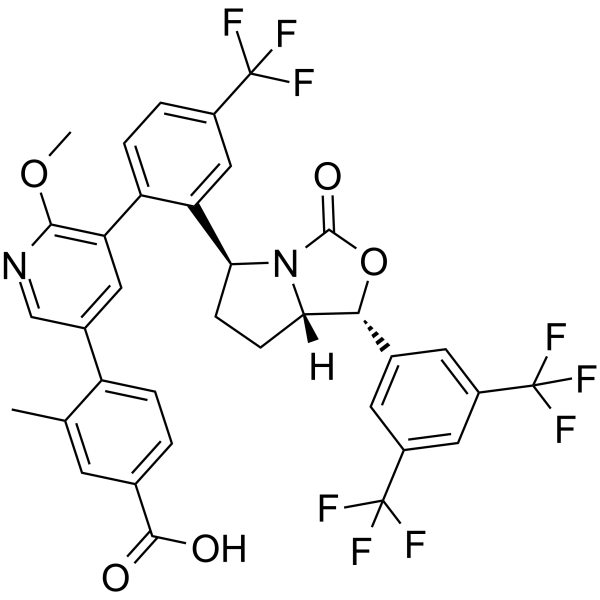
MK-8262 is an orally active and potent cholesteryl ester transfer protein (CETP) inhibitor with an IC50 of 53 nM and a log D of 5.3. MK-8262, a bistrifluoromethyl analogue, has the potential for coronary heart disease (CHD) correlated high-density lipoprotein (HDL) and low-density lipoprotein (LDL) research .
|
-
-
- HY-109567A
-
|
PD-72953 calcium
|
LDLR
|
Metabolic Disease
Inflammation/Immunology
|
|
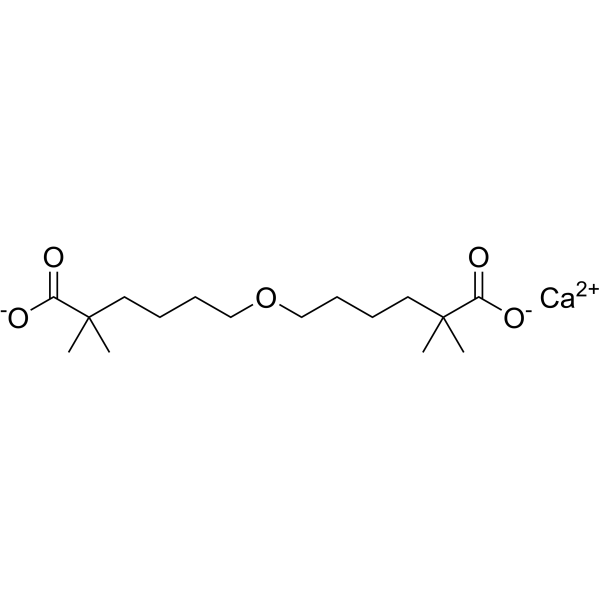
Gemcabene calcium (PD-72953 calcium), a first-in-class lipid-lowering agent, lowers low-density lipoprotein cholesterol (LDL-C), decreases triglycerides, and raises high-density lipoprotein cholesterol (HDL-C) and lowers pro-inflammatory acute-phase protein, C-reactive protein (CRP), exerting anti-inflammatory activity .
|
-
-
- HY-115914
-
|
|
LDLR
|
Others
|
|
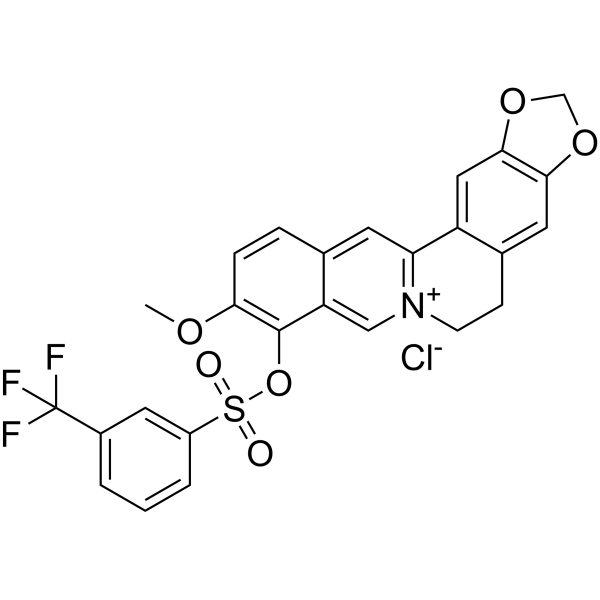
Lipid-lowering agent-1 is a potent lipid-lowering agent. Lipid-lowering agent-1 has significant pharmacological effects on the inhibition of low-density lipoprotein cholesterol (LDLC) and promotion of high-density lipoprotein cholesterol (HDLC) production. Lipid-lowering agent-1 shows potent hypolipidemic effect in high-fat diet rats .
|
-
-
- HY-D1838
-
|
VF 350 Tyramide
|
Fluorescent Dye
|
Others
|
|
Vari Fluor 350 TSA(200×) (VF 350 Tyramide) is a fluorescent probe belonging to the Vari Fluor TSA series. Vari Fluor TSA series fluorescent probes can be used for high-density in situ labeling of target antigens using horseradish peroxidase (HRP) assays, which are widely used in ELISA, IF, IHC and other techniques with high detection sensitivity .
|
-

-
- HY-106278A
-
|
|
PPAR
|
Metabolic Disease
|
|
GW 590735 sodium is a potent and selective PPARα agonist with activity in regulating lipid metabolism. GW 590735 significantly increased high-density lipoprotein (HDL) cholesterol, decreased low-density lipoprotein (LDL) and very low-density lipoprotein (VLDL) cholesterol, and significantly reduced triglycerides. The maximum increases in HDL cholesterol for GW 590735 were 37%, 53% and 84%, respectively, compared with bezafibrate, torcetrapib and GW 590735 .
|
-

-
- HY-D0968B
-
|
Cyanine3 triethylamine
|
Fluorescent Dye
|
Others
|
|
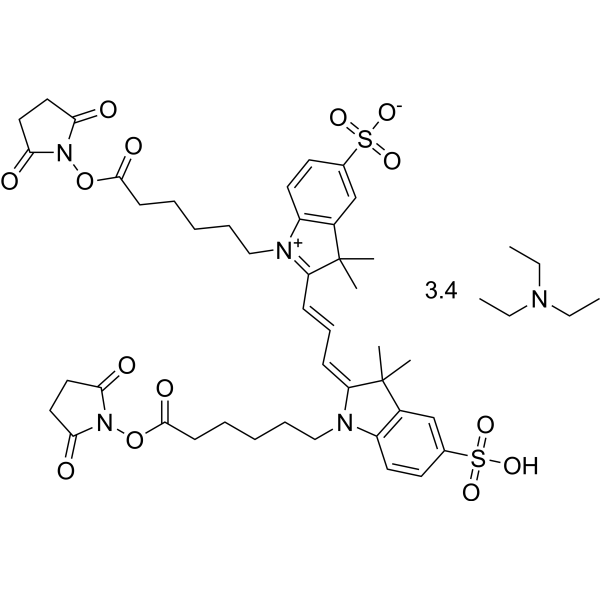
Cy 3 Non-Sulfonated (Cyanine3) triethylamine is a cyanine (Cy) dye, and a fluorescent label with green channel for protein and nucleic acid. Cy 3 Non-Sulfonated triethylamine is a fluorescent photoproduct of Cyanine5 via photoconversion upon photoexcitation. Cy 3 Non-Sulfonated triethylamine can be used to high-density single-particle tracking in a living cell without using UV illumination and cell-toxic additives (Ex=470 nm; Em=515 nm and 565 nm nm) .
|
-
-
- HY-100901
-
|
|
Cytochrome P450
|
Metabolic Disease
|
|
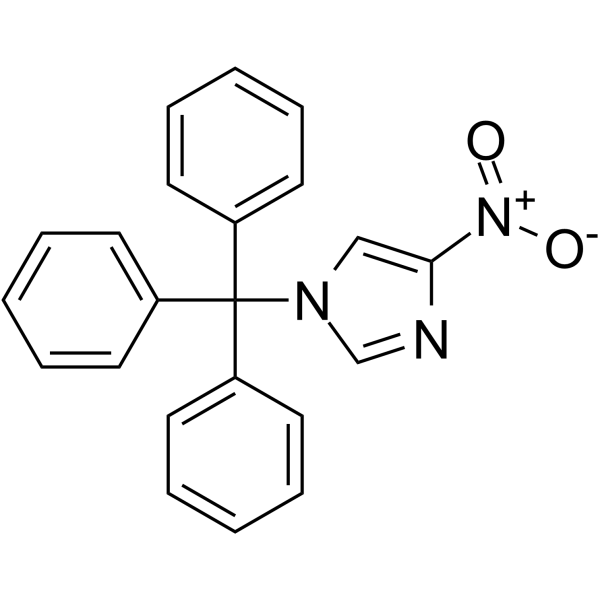
CDD3505 is used for elevating high density lipoprotein cholesterol (HDL) by inducing hepatic cytochrome P450IIIA (CYP3A) activity.
|
-
-
- HY-121776
-
|
|
Drug Derivative
|
Cardiovascular Disease
|
|
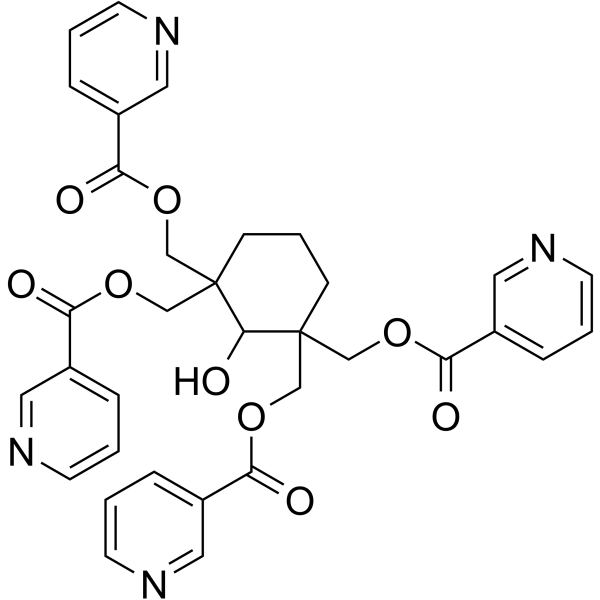
Nicomol is an orally active hypolipidemic agent that can increase the high density lipoprotein cholesterol (HDL-C) level. Nicomol inhibits the rapid rise of plasma free fatty acids .
|
-
-
- HY-121776R
-
|
|
Drug Derivative
Reference Standards
|
Cardiovascular Disease
|
|
Nicomol (Standard) is the analytical standard of Nicomol. This product is intended for research and analytical applications. Nicomol is an orally active hypolipidemic agent that can increase the high density lipoprotein cholesterol (HDL-C) level. Nicomol inhibits the rapid rise of plasma free fatty acids .
|
-

-
- HY-115399A
-
|
3-Oxo-C16-AHL
|
Bacterial
|
Infection
|
|
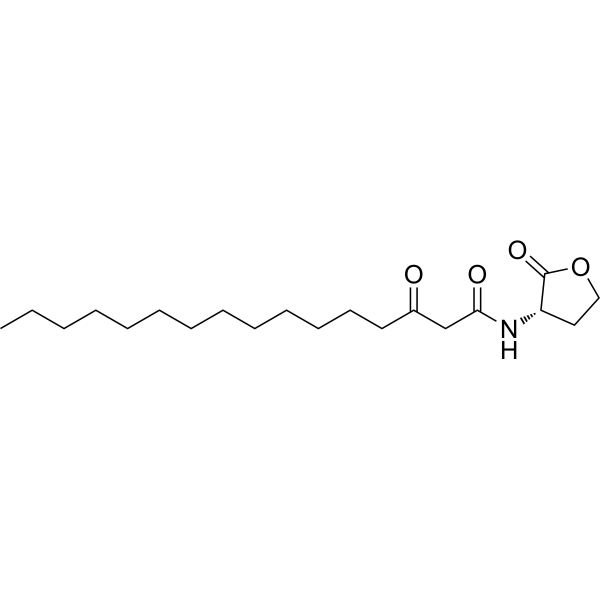
N-3-Oxo-hexadecanoyl-L-Homoserine lactone (3-Oxo-C16-AHL) is a signaling molecule to coordinate group behaviors at high densities in many bacteria. N-3-Oxo-hexadecanoyl-L-Homoserine lactone adsorbs to and promotes the remodeling of lipid membranes in ways that could underpin cell-cell or host-cell interactions .
|
-
-
- HY-165425
-
|
|
Angiotensin Receptor
|
Cardiovascular Disease
|
|
KR31173 is an AT1 antagonist with an IC50 of 3.27 nM. KR31173 can be used as a positron emission tomography (PET) tracer after being labeled with 11C isotope. KR31173 shows promising biodistribution and pharmacological properties in mice. KR31173 selectively binds to organs known to contain a high density of AT1 angiotensin receptors in CD-1 mice .
|
-

-
- HY-117459
-
|
|
PPAR
|
Metabolic Disease
|
|
E-3030 free acid is a potent dual activator of peroxisome proliferator-activated receptor (PPAR) alpha and PPARgamma, exhibiting significant antidiabetic and lipid-modulating effects. E-3030 decreases blood glucose, triglyceride, non-esterified fatty acids, and insulin levels, while increasing blood adiponectin levels. E-3030 improves glucose tolerance and shows remarkable triglyceride- and non-high-density lipoprotein cholesterol-lowering effects in animal models.
|
-

- HY-120984
-
|
|
Endogenous Metabolite
|
Metabolic Disease
|
|
AcylCoA:cholesterol acyltransferase (ACAT) is an intracellular cholesteryl ester synthase tied closely to the absorption of dietary cholesterol.1 Oleic acid-2,6-diisopropylanilide is an inhibitor of acylCoA:cholesterol acyltransferase with an IC50 of 7 nM.2 When co-administered to rabbits or rats fed a high fat, high cholesterol diet, oleic acid-2,6-diisopropylanilide decreased low density lipoproteins and elevated high density lipoprotein levels when administered at 0.05%.
|
-

- HY-P5169
-
|
|
Apolipoprotein
Amino Acid Derivatives
|
Inflammation/Immunology
|
|
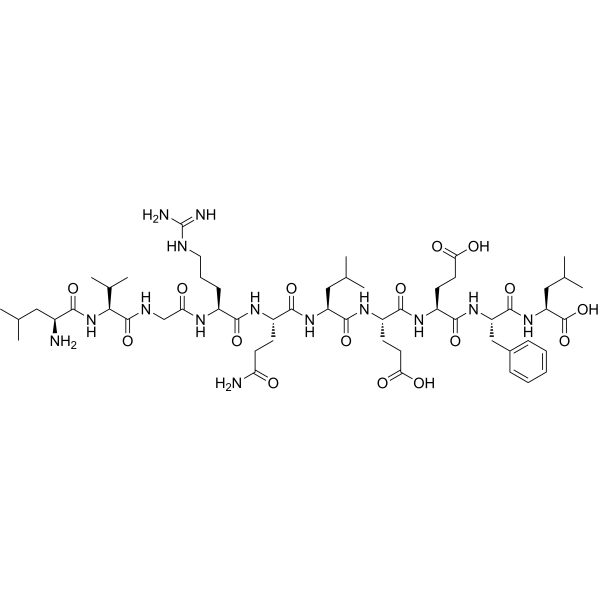
LVGRQLEEFL (mouse) can be named as G * peptide, corresponding to amino acids 113 to 122 in apolipoprotein J ([113,122] apoJ)}. LVGRQLEEFL (mouse) exhibits anti-inflammatory and anti-atherogenic properties. LVGRQLEEFL (mouse) can be added to an apoJ mimetic, to form HM-10/10 peptide, which is a mimetic peptide and a novel chimeric high density lipoprotein. HM-10/10 peptide protects retinal pigment epithelium (RPE) and photoreceptors from oxidant induced cell death .
|
-
- HY-P5169A
-
|
|
Apolipoprotein
Amino Acid Derivatives
|
Inflammation/Immunology
|
|
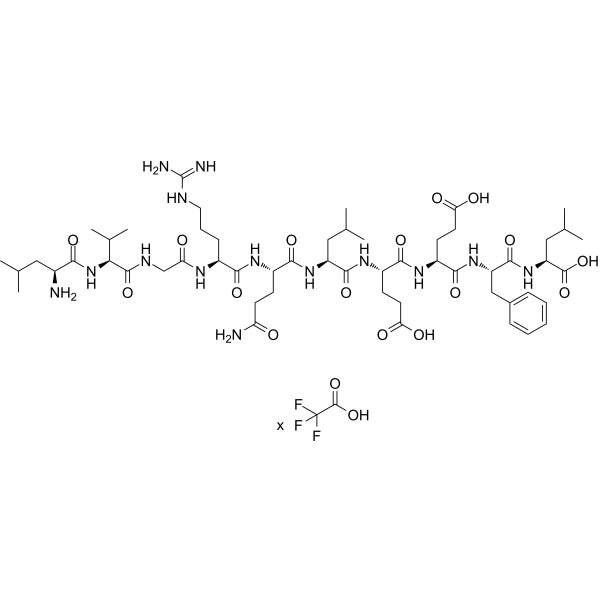
LVGRQLEEFL (mouse) TFA can be named as G * peptide, corresponding to amino acids 113 to 122 in apolipoprotein J ([113,122] apoJ)}. LVGRQLEEFL (mouse) TFA exhibits anti-inflammatory and anti-atherogenic properties. LVGRQLEEFL (mouse) TFA can be added to an apoJ mimetic, to form HM-10/10 peptide, which is a mimetic peptide and a novel chimeric high density lipoprotein. HM-10/10 peptide protects retinal pigment epithelium (RPE) and photoreceptors from oxidant induced cell death .
|
-
- HY-W706341
-
|
|
Drug Derivative
|
Others
|
|
7,7-Azo-3-α,12-α-dihydroxycholanic acid is a photoinactive (photopolymerization) derivative of Cholic acid (HY-N0324), and it has a relatively low affinity for high-density lipoprotein (HDL) .
|
-

- HY-42680A
-
|
|
Biochemical Assay Reagents
|
Metabolic Disease
|
|
Tagatose is a low-calorie sugar substitute. Tagatose exhibits beneficial effects on postprandial hyperglycaemia and hyperinsulinaemia. Tagatose can induce weight loss and raise high-density lipoprotein cholesterol. Tagatose has antioxidant activity. Tagatose can be studied in research on type 2 diabetes and obesity .
|
-

- HY-182320
-
|
|
CETP
|
Cardiovascular Disease
|
|
DRL-17822 is a selective cholesteryl ester transfer protein (CETP) inhibitor. DRL-17822 increases high-density lipoprotein levels. The exposure of DRL-17822 nanocrystal formulation increases significantly after a high-fat breakfast. The exposure of DRL-17822 in the fasted state is higher than that of its nanocrystal formulation. DRL-17822 can be used in the research of type II hyperlipidemia and atherosclerotic cardiovascular disease .
|
-

- HY-109567R
-
|
PD-72953 (Standard)
|
Others
Reference Standards
|
Metabolic Disease
Inflammation/Immunology
|
|
Gemcabene (Standard) is the analytical standard of Gemcabene. This product is intended for research and analytical applications. Gemcabene (PD-72953), a first-in-class lipid-lowering agent, lowers low-density lipoprotein cholesterol (LDL-C), decreases triglycerides, and raises high-density lipoprotein cholesterol (HDL-C) and lowers pro-inflammatory acute-phase protein, C-reactive protein (CRP), exerting anti-inflammatory activity .
|
-

- HY-P2752A
-
|
|
Endogenous Metabolite
|
Metabolic Disease
|
|
Lipoprotein lipase, Bovine (EC 3.1.1.34) belongs to the lipase gene family and is a water-soluble enzyme that hydrolyzes triglycerides in lipoproteins (such as those in chylomicrons and very low-density lipoproteins (VLDL)) into two free fatty acid molecules and one monoacylglycerol molecule. Lipoprotein also participates in promoting cellular uptake of chylomicron remnants, cholesterol-rich lipoproteins, and free fatty acids. Lipoprotein requires ApoC-II as a cofactor. Lipoprotein attaches to the luminal surface of capillary endothelial cells via glycosylphosphatidylinositol high-density lipoprotein-binding protein 1 (GPIHBP1) and heparan sulfate proteoglycan.
|
-

- HY-P2752B
-
|
|
Endogenous Metabolite
|
Metabolic Disease
|
|
Lipoprotein Lipase, Burkholderia sp. (EC 3.1.1.34) belongs to the lipase gene family and is a water-soluble enzyme that hydrolyzes triglycerides in lipoproteins (such as those in chylomicrons and very low-density lipoproteins (VLDL)) into two free fatty acid molecules and one monoacylglycerol molecule. Lipoprotein also participates in promoting cellular uptake of chylomicron remnants, cholesterol-rich lipoproteins, and free fatty acids. Lipoprotein requires ApoC-II as a cofactor. Lipoprotein attaches to the luminal surface of capillary endothelial cells via glycosylphosphatidylinositol high-density lipoprotein-binding protein 1 (GPIHBP1) and heparan sulfate proteoglycan.
|
-

- HY-N8353
-
|
|
Others
|
Metabolic Disease
|
|
Stachybotramide is a natural fungal metabolite with the property of modulating the activity of cholesteryl ester transfer protein (CETP). Stachybotramide stimulates the transfer of cholesteryl esters (CE) from high-density lipoprotein (HDL) to very-low-density lipoprotein (VLDL) and low-density lipoprotein (LDL), increasing the transfer efficiency by 1.3- to 1.5-fold. Stachybotramide slightly reduced the transfer of cholesteryl esters from LDL and VLDL to HDL at 0.5 mM. The effect of Stachybotramide on the transfer of triglycerides (TG) from HDL was not significant. By these results, Stachybotramide was shown to preferentially stimulate the CETP-mediated transfer of cholesteryl esters from HDL to VLDL and LDL .
|
-

- HY-100901R
-
|
|
Cytochrome P450
Reference Standards
|
Metabolic Disease
|
|
CDD3505 (Standard) is the analytical standard of CDD3505 (HY-100901). This product is intended for research and analytical applications. CDD3505 is used for elevating high density lipoprotein cholesterol (HDL) by inducing hepatic cytochrome P450IIIA (CYP3A) activity.
|
-

| Cat. No. |
Product Name |
Type |
-
- HY-D1837
-
|
VF 488 Tyramide
|
Fluorescent Dye
|
|
Vari Fluor 488 TSA(200×) (VF 488 Tyramide) is a fluorescent probe belonging to the Vari Fluor TSA series. Vari Fluor TSA series fluorescent probes can be used for high-density in situ labeling of target antigens using horseradish peroxidase (HRP) assays, which are widely used in ELISA, IF, IHC and other techniques with high detection sensitivity .
|
-
- HY-D1835
-
|
VF 594 Tyramide
|
Fluorescent Dye
|
|
Vari Fluor 594 TSA (200×) (VF 594 Tyramide) is a fluorescent probe belonging to the Vari Fluor TSA series. Vari Fluor TSA series fluorescent probes can be used for high-density in situ labeling of target antigens using horseradish peroxidase (HRP) assays, which are widely used in ELISA, IF, IHC and other techniques with high detection sensitivity .
|
-
- HY-D1836
-
|
VF 555 Tyramide
|
Fluorescent Dye
|
|
Vari Fluor 555 TSA (200x) , also know as VF 555 Tyramide. Vari Fluor 555 TSA (200x) is one of Vari Fluor TSA series fluorescent probes, which can be used for high-density in situ labeling assays. Vari Fluor TSA series target antigens via horseradish peroxidase (HRP), which are widely used in ELISA, IF, IHC and other techniques with high detection sensitivity .
|
-
- HY-D1832
-
|
VF 532 Tyramide
|
Fluorescent Dye
|
|
Vari Fluor 532 TSA (200×) (VF 532 Tyramide) is a fluorescent probe belonging to the Vari Fluor TSA series. Vari Fluor TSA series fluorescent probes can be used for high-density in situ labeling of target antigens using horseradish peroxidase (HRP) assays, which are widely used in ELISA, IF, IHC and other techniques with high detection sensitivity .
|
-
- HY-D1833
-
|
VF 680 Tyramide
|
Fluorescent Dye
|
|
Vari Fluor 680 TSA (200×) (VF 680 Tyramide) is a fluorescent probe belonging to the Vari Fluor TSA series. Vari Fluor TSA series fluorescent probes can be used for high-density in situ labeling of target antigens using horseradish peroxidase (HRP) assays, which are widely used in ELISA, IF, IHC and other techniques with high detection sensitivity .
|
-
- HY-D1831
-
|
VF 620 Tyramide
|
Fluorescent Dye
|
|
Vari Fluor 620 TSA (200×) (VF 620 Tyramide) is a fluorescent probe belonging to the Vari Fluor TSA series. Vari Fluor TSA series fluorescent probes can be used for high-density in situ labeling of target antigens using horseradish peroxidase (HRP) assays, which are widely used in ELISA, IF, IHC and other techniques with high detection sensitivity .
|
-
- HY-D1834
-
|
VF 640 Tyramide
|
Fluorescent Dye
|
|
Vari Fluor 640 TSA(200×) (VF 640 Tyramide) is a fluorescent probe belonging to the Vari Fluor TSA series. Vari Fluor TSA series fluorescent probes can be used for high-density in situ labeling of target antigens using horseradish peroxidase (HRP) assays, which are widely used in ELISA, IF, IHC and other techniques with high detection sensitivity .
|
-
- HY-D1838
-
|
VF 350 Tyramide
|
Fluorescent Dye
|
|
Vari Fluor 350 TSA(200×) (VF 350 Tyramide) is a fluorescent probe belonging to the Vari Fluor TSA series. Vari Fluor TSA series fluorescent probes can be used for high-density in situ labeling of target antigens using horseradish peroxidase (HRP) assays, which are widely used in ELISA, IF, IHC and other techniques with high detection sensitivity .
|
-
- HY-D0968B
-
|
Cyanine3 triethylamine
|
Fluorescent Dye
|
|
Cy 3 Non-Sulfonated (Cyanine3) triethylamine is a cyanine (Cy) dye, and a fluorescent label with green channel for protein and nucleic acid. Cy 3 Non-Sulfonated triethylamine is a fluorescent photoproduct of Cyanine5 via photoconversion upon photoexcitation. Cy 3 Non-Sulfonated triethylamine can be used to high-density single-particle tracking in a living cell without using UV illumination and cell-toxic additives (Ex=470 nm; Em=515 nm and 565 nm nm) .
|
| Cat. No. |
Product Name |
Type |
-
- HY-NP203
-
|
HDL (human)
|
Biochemical Assay Reagents
|
|
High density lipoprotein (human) (HDL (human)) is a human-derived high-density lipoprotein. High density lipoprotein can cross the blood-brain barrier, and partially acts on endothelial nitric oxide synthase (eNOS) by activating surface receptors such as SR-B1 and S1P3R, as well as intracellular signaling cascades involving Akt, PI3K and MAPK, thereby inducing the production of NO in endothelial cells. High density lipoprotein (human) can be used in research related to type 2 diabetes, Alzheimer's disease, cancer and atherosclerosis .
|
| Cat. No. |
Product Name |
Target |
Research Area |
-
- HY-P6306
-
CS-6253
1 Publications Verification
|
Apolipoprotein
Amyloid-β
|
Neurological Disease
Metabolic Disease
|
|
CS-6253 is an agonist of ABCA1. CS-6253 can regulate lipoprotein metabolism, promote high-density lipoprotein biogenesis, and cellular cholesterol efflux. CS-6253 also has certain neuroprotective effects and can clear Aβ from the brain. CS-6253 can be used for research on cholesterol metabolism and diseases such as Alzheimer’s disease .
|
-
- HY-P6365B
-
|
D-4F
|
Apolipoprotein
|
Cardiovascular Disease
|
|
APP-018 (D-4F) is 18 D-amino acids peptide that mimics apolipoprotein A-I (apoA-I). APP-018 improves the anti-inflammatory activity of high-density lipoprotein (HDL). APP-018 can be used in researches of cardiovascular diseases .
|
-
- HY-P6365
-
|
L-4F TFA
|
Apolipoprotein
|
Cardiovascular Disease
|
|
APL180 TFA (L-4F) is an apolipoprotein AI mimetic peptide that enhances the anti-inflammatory activity of high-density lipoprotein (HDL). APL180 can be used in the study of cardiovascular diseases.
|
-
- HY-P6306A
-
|
|
Apolipoprotein
Amyloid-β
|
Neurological Disease
Metabolic Disease
|
|
CS-6253 TFA is an agonist of ABCA1. CS-6253 TFA can regulate lipoprotein metabolism, promote high-density lipoprotein biogenesis, and cellular cholesterol efflux. CS-6253 TFA also has certain neuroprotective effects and can clear Aβ from the brain. CS-6253 TFA can be used for research on cholesterol metabolism and diseases such as Alzheimer’s disease .
|
-
- HY-P6365A
-
|
L-4F
|
Apolipoprotein
|
Cardiovascular Disease
|
|
APL180 (L-4F) is an apolipoprotein A-I mimic peptide, that improves the anti-inflammatory activity of high-density lipoprotein (HDL). APL180 can be used in researches of cardiovascular diseases .
|
-
- HY-P10258
-
|
|
Peptides
|
Cardiovascular Disease
Inflammation/Immunology
|
|
KRES peptide is an apolipoprotein with 4 amino acid residues. KRES peptide interacts with lipids, reduces lipoprotein lipid hydroperoxides (LOOH), activates antioxidant enzymes associated with high-density lipoprotein. KRES peptide exhibits anti-inflammatory and anti-atherogenic properties. KRES peptide is orally active .
|
-
- HY-P5169
-
|
|
Apolipoprotein
Amino Acid Derivatives
|
Inflammation/Immunology
|
|
LVGRQLEEFL (mouse) can be named as G * peptide, corresponding to amino acids 113 to 122 in apolipoprotein J ([113,122] apoJ)}. LVGRQLEEFL (mouse) exhibits anti-inflammatory and anti-atherogenic properties. LVGRQLEEFL (mouse) can be added to an apoJ mimetic, to form HM-10/10 peptide, which is a mimetic peptide and a novel chimeric high density lipoprotein. HM-10/10 peptide protects retinal pigment epithelium (RPE) and photoreceptors from oxidant induced cell death .
|
-
- HY-P5169A
-
|
|
Apolipoprotein
Amino Acid Derivatives
|
Inflammation/Immunology
|
|
LVGRQLEEFL (mouse) TFA can be named as G * peptide, corresponding to amino acids 113 to 122 in apolipoprotein J ([113,122] apoJ)}. LVGRQLEEFL (mouse) TFA exhibits anti-inflammatory and anti-atherogenic properties. LVGRQLEEFL (mouse) TFA can be added to an apoJ mimetic, to form HM-10/10 peptide, which is a mimetic peptide and a novel chimeric high density lipoprotein. HM-10/10 peptide protects retinal pigment epithelium (RPE) and photoreceptors from oxidant induced cell death .
|
-
- HY-K3013A
-
|
|
|
MCE Bi-27 Serum-free Supplement (50×) can be used to support the low- or high-density growth and short- or long-term viability of embryonic. This product is formulated with basal culture medium. The 10 mL is defined as the base specification. All larger sizes correspond to incremental volumes of this base.
|
-
- HY-K3014A
-
|
|
|
MCE Bi-27 Serum-free Supplement (50×), Vitamin A-Free can be used to support the low- or high-density growth and short- or long-term viability of embryonic. This product is formulated with basal culture medium. The 10 mL is defined as the base specification. All larger sizes correspond to incremental volumes of this base.
|
-
- HY-K3013
-
|
|
|
This product is the serum-free B-27 Supplement, the most widely cited neuronal culture supplement. It is an optimized formulation designed to support both low- and high-density growth, as well as short- and long-term viability of embryonic neurons. This product is formulated with water-for-injection. The 10 mL is defined as the base specification. All larger sizes correspond to incremental volumes of this base.
|
-
- HY-K3014
-
|
|
|
This product is serum-free and vitamin A-free.It is a customized variant of the standard Bi-27 formulation with vitamin A removed as a supplement for neuronal cell culture to support the low- or high-density growth and short- or long-term viability of embryonic. This product is formulated with water-for-injection. The 10 mL is defined as the base specification. All larger sizes correspond to incremental volumes of this base.
|
-
- HY-KD1004A
-
|
|
|
Multiplex immunohistochemistry is also known as Tyramide Signal Amplification (TSA, Tyramide dignal amplification). It has been used for more than 20 years as an enzymatic assay for high-density in situ labelling of target proteins or nucleic acids by horseradish peroxidase (HRP). The method is based on multiple cis-immunostaining with tyramide signal amplification, which allows the detection of multiple target sites in cell or tissue samples in situ, and elucidation of their interaction mechanism through the study of the combination and positional relationship of these target sites.
|
| Cat. No. |
Product Name |
Target |
Research Area |
Image |
-
- HY-P99391
-
|
ABT-700; ABBV-400 Antibody
|
c-Met/HGFR
Apoptosis
|
Cancer
|
|
Telisotuzumab (ABT-700) is a bivalent humanized IgG1 anti-c-Met monoclonal antibody. Telisotuzumab binds cellular c-Met and disrupts its productive dimerization and activation induced by HGF or by the high density of c-Met on the cell surface independent of ligand. Telisotuzumab induces apoptosis. Telisotuzumab can be used for the study of cancers harboring amplified MET, such as gastric and lung cancers .
|
-

(5)
-
- HY-P99822
-
|
SHR-1209
|
PCSK9
|
Metabolic Disease
|
|
Recaticimab (SHR-1209) is a humanized IgG1 mAb that selectively targets PCSK9. Recaticimab reduces low-density lipoprotein cholesterol (LDL-C), non-high-density lipoprotein cholesterol (non-HDL-C), apolipoprotein B (ApoB), triglyceride (TG), and lipoprotein(a) levels. Recaticimab can be used for hyperlipidemia research .
|
-
(5)
-
- HY-P991574
-
|
REG-101
|
ATGL
|
Cardiovascular Disease
|
|
MEDI-5884 is a humanized IgG4Pκ neutralizing monoclonal antibody targeting Endothelial lipase (EL). MEDI-5884 inhibits EL and increases quantity (particularly phosphatidylinositols and cholesteryl esters) and function of high-density lipoproteins (HDL). MEDI-5884 can be used for cardiovascular disease like coronary artery disease (CAD) research .
|
-
(5)
-
- HY-P99391A
-
|
ABT-700 (powder)
|
c-Met/HGFR
Apoptosis
|
Cancer
|
|
Telisotuzumab (ABT-700) (powder) is a bivalent humanized IgG1 anti-c-Met monoclonal antibody. Telisotuzumab (powder) binds cellular c-Met and disrupts its productive dimerization and activation induced by HGF or by the high density of c-Met on the cell surface independent of ligand. Telisotuzumab (powder) induces apoptosis. Telisotuzumab (powder) can be used for the study of cancers harboring amplified MET, such as gastric and lung cancers .
|
-
(5)
| Cat. No. |
Product Name |
Category |
Target |
Chemical Structure |
-
- HY-126573
-
-
-
- HY-126359
-
|
SLPC; 18:0-18:2 PC
|
Structural Classification
Classification of Application Fields
Metabolic Disease
Endogenous metabolite
Disease Research Fields
Lipid
Source Classification
|
Endogenous Metabolite
|
|
1-Stearoyl-2-linoleoyl-sn-glycero-3-phosphocholine (SLPC; 18:0-18:2 PC) is an endogenous phospholipid marker molecule in the glycerophospholipid metabolic pathway. 1-Stearoyl-2-linoleoyl-sn-glycero-3-phosphocholine is a core component of the phospholipid bilayer of biological membranes and a key responsive lipid for radiation injury and cardiometabolic diseases. 1-Stearoyl-2-linoleoyl-sn-glycero-3-phosphocholine constitutes the phospholipid bilayers of cell membranes and high-density lipoprotein (HDL), and regulates the core activity of lipoprotein functional homeostasis. The content of 1-Stearoyl-2-linoleoyl-sn-glycero-3-phosphocholine in mouse serum shows a significant dose-dependent decrease with increasing ionizing radiation dose, and its level in human HDL also decreases significantly in metabolic syndrome. 1-Stearoyl-2-linoleoyl-sn-glycero-3-phosphocholine can serve as a biological dosimeter marker for ionizing radiation injury, and is used for rapid and accurate assessment of radiation absorbed dose in exposed individuals. 1-Stearoyl-2-linoleoyl-sn-glycero-3-phosphocholine can also act as a lipidomics research target for cardiometabolic diseases such as lipid metabolic syndrome and early-onset coronary heart disease .
|
-
-
- HY-132187
-
|
|
Structural Classification
Natural Products
Endogenous metabolite
Source Classification
|
TGF-beta/Smad
TRP Channel
Apoptosis
PAI-1
|
|
Sphingosylphosphorylcholine is a bioactive lipid and a major component of plasma high-density lipoprotein that binds to OGR1 with a Kd of 33.3 nM. Sphingosylphosphorylcholine triggers delayed phosphorylation of Smad2, upregulates α-SMA expression, and activates TRPM3. Sphingosylphosphorylcholine reduces Apoptosis and upregulates the expression of uPA and its receptor uPA-R. Sphingosylphosphorylcholine exerts anti-apoptotic, anti-cardiac hypertrophy and pro-wound healing effects. Sphingosylphosphorylcholine induces scratching behavior in mice. Sphingosylphosphorylcholine is used in studies related to atopic dermatitis, promyelocytic leukemia, heart failure, myocardial ischemia/reperfusion injury, ovarian cancer, breast cancer, pancreatic cancer, and skin wound healing disorders in genetically impaired healing diabetes .
|
-
-
- HY-N8353
-
|
|
Natural Products
Microorganisms
Source Classification
|
Others
|
|
Stachybotramide is a natural fungal metabolite with the property of modulating the activity of cholesteryl ester transfer protein (CETP). Stachybotramide stimulates the transfer of cholesteryl esters (CE) from high-density lipoprotein (HDL) to very-low-density lipoprotein (VLDL) and low-density lipoprotein (LDL), increasing the transfer efficiency by 1.3- to 1.5-fold. Stachybotramide slightly reduced the transfer of cholesteryl esters from LDL and VLDL to HDL at 0.5 mM. The effect of Stachybotramide on the transfer of triglycerides (TG) from HDL was not significant. By these results, Stachybotramide was shown to preferentially stimulate the CETP-mediated transfer of cholesteryl esters from HDL to VLDL and LDL .
|
-
| Cat. No. |
Compare |
Product Name |
Species |
Source |
Image |
Compare Products
|
| Products |
|
| Cat. No. |
|
| Species |
|
| Source |
|
| Tag |
|
| Accession |
|
| Gene ID |
|
| Molecular Weight |
|
| Purity |
|
| Endotoxin Level |
|
| Biological Activity |
|
| Appearance |
|
| Formulation |
|
| Storage & Stability |
|
| Shipping |
|
| Free Sample |
Yes
No
|
| Size |
* This product has been "discontinued".
Optimized version of product available:
|
| Cat. No. |
Product Name |
|
Classification |
-
- HY-126573
-
|
|
|
Fillers
|
|
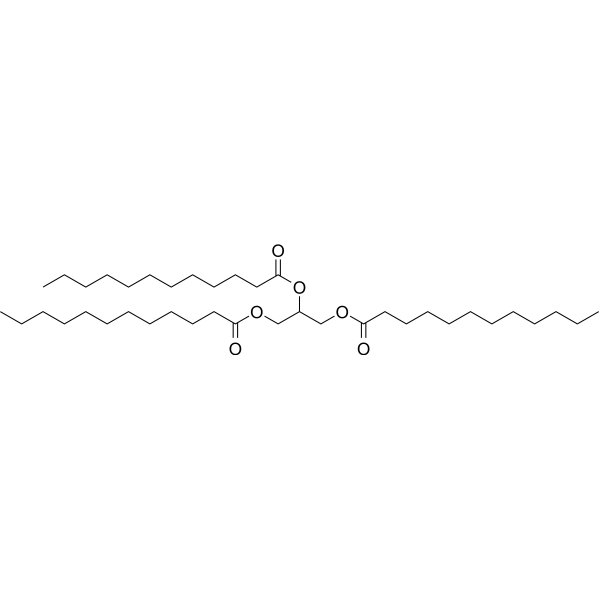
Trilaurin is an orally active triglyceride. Trilaurin inhibits DMBA-induced, croton oil-promoted skin tumor formation in Swiss Webster mice. Trilaurin increases plasma high-density lipoprotein cholesterol and apolipoprotein A-I concentrations. Trilaurin is used as an occlusive skin conditioning agent and/or non-aqueous thickener in cosmetics .
|
-
- HY-153491
-
|
ISIS 678354; IONIS-APOCIII-LRx; AKCEA-APOCIII-LRx
|
|
Antisense Oligonucleotides
|
|
Olezarsen (ISIS 678354;IONIS-APOCIII-LRx) is a GalNAc-modified antisense oligonucleotide. Olezarsen binds to APOC3 mRNA and induces its degradation via ribonuclease H1-mediated sense strand cleavage, thereby reducing hepatic apolipoprotein C-III (apoC-III) synthesis. Olezarsen reduces plasma triglyceride, apolipoprotein B and non-high-density lipoprotein cholesterol levels. Olezarsen is applicable to research related to familial chylomicronemia syndrome, hypertriglyceridemia and atherosclerotic cardiovascular disease .
|
-
- HY-153491A
-
|
ISIS 678354 sodium; IONIS-APOCIII-LRx sodium; AKCEA-APOCIII-LRx sodium
|
|
Antisense Oligonucleotides
|
|
Olezarsen (ISIS 678354;IONIS-APOCIII-LRx) sodium is a GalNAc-modified antisense oligonucleotide. Olezarsen sodium binds to APOC3 mRNA and induces its degradation via ribonuclease H1-mediated sense strand cleavage, thereby reducing hepatic apolipoprotein C-III (apoC-III) synthesis. Olezarsen sodium reduces plasma triglyceride, apolipoprotein B and non-high-density lipoprotein cholesterol levels. Olezarsen sodium is applicable to research related to familial chylomicronemia syndrome, hypertriglyceridemia and atherosclerotic cardiovascular disease .
|
-
- HY-W719862
-
|
|
|
Cationic Lipids
|
|
16:0 PDP PE belongs to a class of head group modified functionalized lipids. 16:0 PDP PE has been used in preparation of rhodamine high-density lipoprotein nanoparticle (Rh-HDL NP) synthesis.
|
Your information is safe with us. * Required Fields.
Inquiry Information
- Product Name:
- Cat. No.:
- Quantity:
- MCE Japan Authorized Agent:





![Nitrate Reductase (NAD[P]H), Pichia Pastoris (recombinant)](http://file.medchemexpress.com/product_pic/hy-p2996b.gif)








