1. Search Result
Search Result
Results for "

intraperitoneal injection

" in MedChemExpress (MCE) Product Catalog:

21

Inhibitors & Agonists

1

Biochemical Assay Reagents

7

Natural
Products

1

Isotope-Labeled Compounds

Cat. No. Product Name Target Research Areas Chemical Structure
  • HY-100685
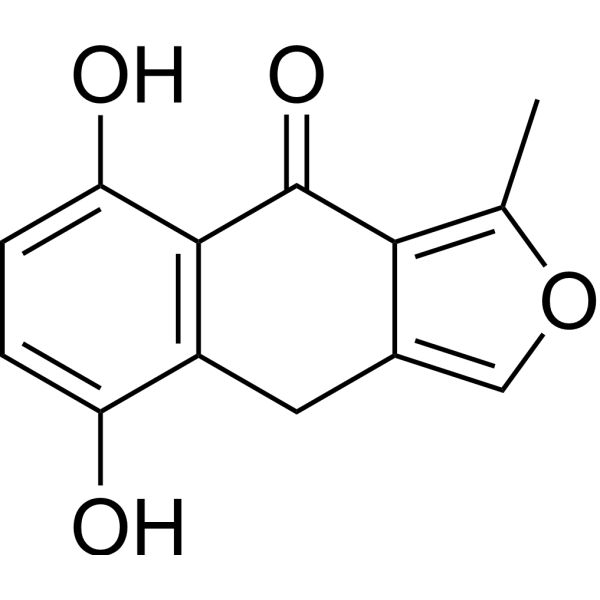
    MS-444
    2 Publications Verification

    BE-34776

    HuR Apoptosis COX Neurological Disease Cancer
    MS-444 (BE-34776) is a HuR (ELAVL1) inhibitor that blocks the cytoplasmic translocation of HuR and inhibits its dimerization. MS-444 reduces cytoplasmic HuR levels by preventing the binding of HuR to ARE-mRNA, without altering the total expression of HuR. MS-444 induces apoptosis, inhibits cell growth, angiogenesis and invasion, and also regulates immune function and microbiota. MS-444 effectively alters the number, size and invasiveness of tumors in various cancer models. MS-444 is tolerable to intraperitoneal injection in vivo and can be applied to research related to colorectal cancer, familial adenomatous polyposis, colitis-associated cancer and glioblastoma .
    MS-444
  • HY-W020012

    22-NBD Cholesterol

    Fluorescent Dye Metabolic Disease
    Fluoresterol (22-NBD Cholesterol) is a cholesterol-specific fluorescent probe with cholesterol-mimicking binding properties. Fluoresterol is ineffective orally and does not cross the blood-brain barrier. Fluoresterol specifically binds to cholesterol transport-related proteins (such as ABCA1 and ABCG1) and is primarily used in cholesterol metabolism research, particularly for the visualization and quantitative analysis of cholesterol absorption, efflux, intracellular transport efficiency, and reverse cholesterol transport (RCT) processes. The commonly used concentration of Fluoresterol in in vitro experiments is 0.1-10 μM, and the commonly used dose in in vivo experiments is 5-20 mg/kg (gavage or intraperitoneal injection), with excitation/emission wavelengths of 472/540 nm. Fluoresterol can be applied to the study of cholesterol metabolism mechanisms related to hyperlipidemia, atherosclerosis, and non-alcoholic fatty liver disease (NAFLD) .
    Fluoresterol
  • HY-14608R

    Reference Standards Endogenous Metabolite iGluR Ferroptosis Apoptosis Neurological Disease
    L-Glutamic acid (Standard) is the analytical standard of L-Glutamic acid. This product is intended for research and analytical applications. L-Glutamic acid is an excitatory amino acid neurotransmitter that acts as an agonist for all subtypes of glutamate receptors (metabolic rhodophylline, NMDA, and AMPA). L-Glutamic acid has an agonist effect on the release of DA from dopaminergic nerve endings. L-Glutamic acid can be used in the study of neurological diseases . IC50 & Target:DA . In Vitro: L-Glutamic acid (120, 500, 750, 1000 mg/dL) can reduce the harmful effect of lithium on the embryonic development of Xenopus Xenopus .
    L-Glutamic acid (2, 5, 10, 20 mM, 24-48 h) can induce neuroexcitotoxicity in neuroblastoma .
    In Vivo: L-Glutamic acid (3 g/kg, subcutaneous injection) can promote excitotoxic degeneration of retinal ganglion cells in mice .
    L-Glutamic acid (750 mg/kg, intraperitoneal injection) can reduce and inhibit oxidative stress induced by chlorpyrifos (CPF) in rats .
    L-Glutamic acid (Standard)
  • HY-N2542
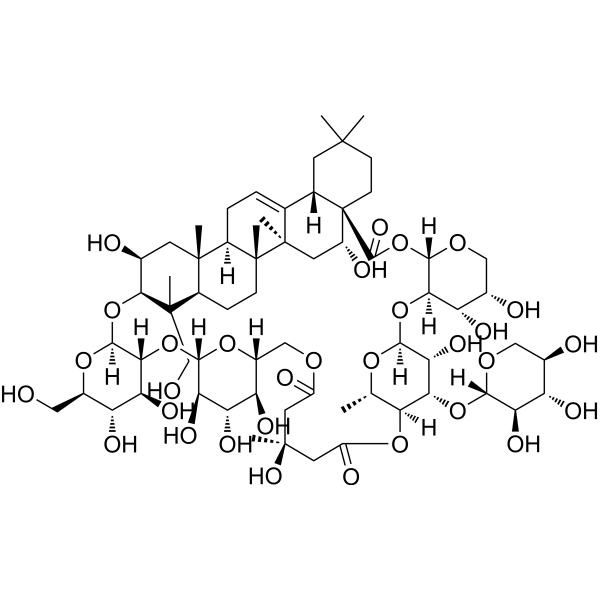
    Tubeimoside III
    2 Publications Verification

    Interleukin Related NO Synthase Metabolic Disease Inflammation/Immunology Cancer
    Tubeimoside III is a triterpenoid saponin. Tubeimoside III has anti-inflammatory and antitumor effects. Tubeimoside III has an LD50 of 15 mg/kg by intraperitoneal injection in ICR mice. Tubeimoside III can be used for the research of tumors and inflammatory diseases .
    Tubeimoside III
  • HY-N4031

    Anaplastic lymphoma kinase (ALK) METTL3 Inflammation/Immunology
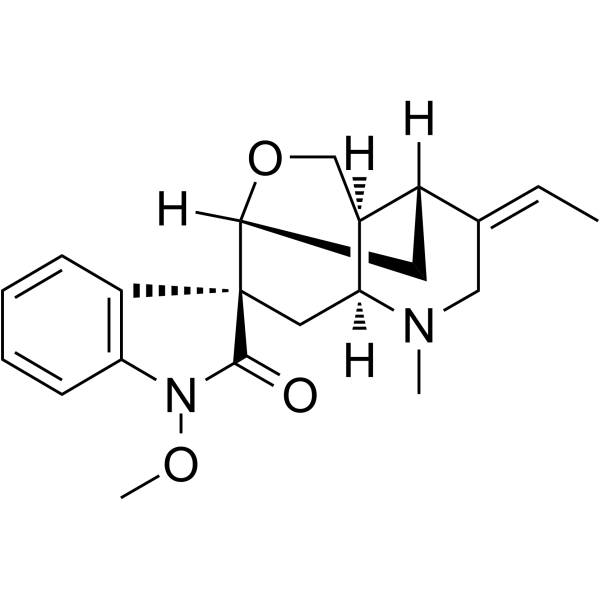
    Humantenine is a highly toxic indole alkaloid from Gelsemium elegans (Gardn. & Champ.) Benth. that binds to RNA m6A modification regulatory proteins (ALKBH5, METTL). Humantenine stably binds via hydrogen bonding and hydrophobic interactions and disrupts the m6A methylation level of target genes, thereby impairing the expression of intestinal epithelial cell tight junction and cytoskeleton-related genes, causing intestinal barrier dysfunction and significant intestinal cytotoxicity. The intraperitoneal injection LD50 values of Humantenine are <1 mg/kg in mice, 1.2 mg/kg in male rats and 1.5 mg/kg in female rats, respectively. Species differences exist in the metabolism of Humantenine in human, porcine, goat and rat liver microsomes, and demethylation, dehydrogenation and oxidation occur in liver microsomes .
    Humantenine
  • HY-103101

    5-HT Receptor Others
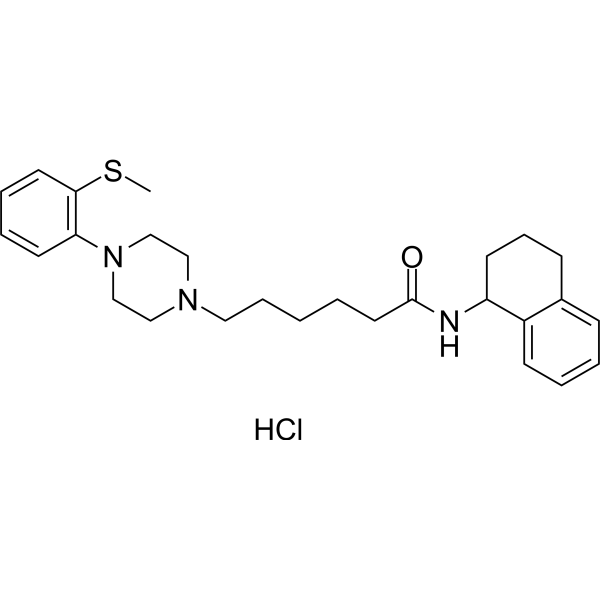
    LP44 (hydrochloride) is a selective 5-HT7 agonist with Ki of 0.22 nM. LP44 (hydrochloride) induces hypothermic effect in a dose-dependent manner by intracerebroventricular injection. LP44 (hydrochloride) not causes considerable hypothermic response by intraperitoneal administration .
    LP44 hydrochloride
  • HY-125290

    CDK DYRK Cancer
    MU1210 (compound 12f), a chemical probe, is an inhibitor of CDC-like kinases Clk1, Clk2, and Clk4 (with IC50 values of 8, 20, and 12 nM respectively), with IC50 for HIPK1 and DYRK2 are 187 and 1309 nM. MU1210 also has favorable pharmacokinetic characteristics (in mice, 10 mg/kg, intraperitoneal injection: Cmax=1.24 μM, T1/2=58 minutes; no acute toxicity observed) .
    MU1210
  • HY-W276164

    Sodium stearyl sulfate

    Biochemical Assay Reagents Others
    Sodium octadecyl sulfate (Sodium stearyl sulfate) is a long-chain alkyl sodium sulfate that functions as an emulsifier, crosslinking agent, and regulator. Sodium octadecyl sulfate has high safety, with a LD50 greater than 3.00 Gm./Kg for both intraperitoneal injection in mice and oral administration in rats. Sodium octadecyl sulfate enhances continuous contraction of the gastrocnemius muscle in frogs and boosts intestinal smooth muscle activity in albino rats. However, Sodium octadecyl sulfate exerts no significant effect on isolated tortoise myocardium and does not alter the conduction function of frog sciatic nerves. Sodium octadecyl sulfate can also be used to coat the surface of starch aggregates, promote crosslinking and increase aggregate size through hydrophobic and electrostatic interactions, and further form a coexistent B-V type crystalline structure with acid-hydrolyzed gelatinized starch, thereby effectively modifying the structure and surface properties of high-starch systems .
    Sodium octadecyl sulfate
  • HY-167709

    20.25-Diazacholesterol

    Xanthine Oxidase Neurological Disease
    Azacosterol (20.25-Diazacholesterol), also known as Diazasterol, acts as a DHCR24 inhibitor and initiates a cascade of reactions in cortical neurons after being administered orally or via intraperitoneal injection.
    Azacosterol
  • HY-N14880

    Antibiotic Bacterial Infection Cardiovascular Disease
    Oudenone is an oxygen-containing heterocyclic antibiotic. Oudenone has weak antibacterial and fungal activity. Oudenone has antihypertensive effect on spontaneous hypertension in rats by intraperitoneal injection or oral administration .
    Oudenone
  • HY-125721

    Fungal Bacterial Antibiotic Infection
    Tetranactin is an orally active antibiotic that has insecticidal properties and can inhibit the growth of Gram-positive bacteria and plant pathogenic fungal in vitro. Tetranactin LD50 for intraperitoneal injection in mice is greater than 300 mg/kg, and the LD50 is greater than 15,000 mg/kg .
    Tetranactin
  • HY-W129441

    N-Ac-4-S-CAP

    DNA/RNA Synthesis Tyrosinase Thymidylate Synthase Others
    N-Acetyl-4-S-mercaptoaminophenol (N-Ac-4-S-CAP) is a compound that is selectively cytotoxic to melanocytes of black mouse hair follicles. It can cause 98% depigmentation of black mouse hair follicles. N-Ac-4-S-CAP can produce visible changes in hair follicle melanocytes 4 hours after intraperitoneal injection, including aggregation of melanin granules and nuclear condensation. Electron microscopy observations showed that it caused progressive destruction of melanocytes, including swelling of membranous organelles, nuclear condensation, and cytoplasmic vacuolation, ultimately leading to complete cell necrosis. N-Ac-4-S-CAP has a specific cytotoxic effect on melanocytes that actively produce eumelanin, but may not affect precursor or dormant melanocytes. These properties suggest that N-Ac-4-S-CAP may have potential application value in the treatment of melanoma or skin whitening.
    N-Acetyl-4-S-cysteaminylphenol
  • HY-126835

    Amino Acid Derivatives Cancer
    A 924 is an amino acid derivative-based, orally active antitumor agent. A 924 is effective in inhibiting ascites tumors in rat models by intraperitoneal injection or oral administration. The LD50 of A 924 in mice is >1.5 g/kg and >4.5 g/kg by intraperitoneal injection or oral administration, respectively. A 924 does not cause teratogenicity or adverse reactions in normal or pregnant mice .
    A924
  • HY-105498

    Sodium Channel Neurological Disease
    ADD-196022 is an orally active antiepileptic and anticonvulsant agent. ADD-196022 shows ED50 values of 26.2 mg/kg and 5.79 mg/kg for intraperitoneal injection in mice and orally administration in rats. ADD-196022 can be used for the research of neurological disease .
    ADD-196022
  • HY-N2542R

    Reference Standards Interleukin Related NO Synthase Metabolic Disease Inflammation/Immunology Cancer
    Tubeimoside III (Standard) is the analytical standard of Tubeimoside III (HY-N2542). This product is intended for research and analytical applications. Tubeimoside III is a triterpenoid saponin. Tubeimoside III has anti-inflammatory and antitumor effects. Tubeimoside III has an LD50 of 15 mg/kg by intraperitoneal injection in ICR mice. Tubeimoside III can be used for the research of tumors and inflammatory diseases .
    Tubeimoside III (Standard)
  • HY-173182

    Microtubule/Tubulin P-glycoprotein Cancer
    Antitumor agent-200 (Compound 2g) is a microtubule synthesis inhibitor. By binding to the colchicine site of tubulin, it causes G2/M cell cycle arrest and generates reactive oxygen species (ROS). Antitumor agent-200 exhibits significant inhibitory activity against MCF7/ADR and KBV200 cell lines with overexpression of P-glycoprotein (P-gp), with drug resistance indices (DRI) of 0.83 and 0.58 respectively. In the MCF-7 xenograft model, Antitumor agent-200 (25 mg/kg, intraperitoneal injection) can achieve a tumor growth inhibition rate of 57.2%. Antitumor agent-200 can be used in the research of the anti-cancer field .
    Antitumor agent-200
  • HY-118030

    Calcium Channel Neurological Disease
    RQ-00311651 is a T-type calcium channel blocker that specifically targets the Cav3.2 isoform with a role in neuropathic and visceral pain. RQ-00311651 significantly inhibits T currents in HEK293 cells expressing human Cav3.1 or Cav3.2. RQ-00311651 also inhibited high potassium-induced calcium signaling. RQ-00311651 also inhibits antiallergic properties in rats and mice with neuropathic pain induced by spinal nerve injury or Paclitaxel (HY-B0015). Oral and intraperitoneal injection (10-20 mg/kg) inhibits Cerulein (HY-A0190)-induced acute pancreatitis and cyclophosphamide-induced cystitis in mice .
    RQ-00311651
  • HY-103101R

    Reference Standards 5-HT Receptor Others
    LP44 hydrochloride (Standard) is the analytical standard of LP44 hydrochloride (HY-103101). This product is intended for research and analytical applications. LP44 hydrochloride is a selective 5-HT7 agonist with Ki of 0.22 nM. LP44 hydrochloride induces hypothermic effect in a dose-dependent manner by intracerebroventricular injection. LP44 hydrochloride not causes considerable hypothermic response by intraperitoneal administration .
    LP44 hydrochloride (Standard)
  • HY-N17985

    Others Metabolic Disease Inflammation/Immunology
    Kalopanaxsaponin H is an hederagenin glycoside (saponin) with no hypoglycemic activity upon intraperitoneal injection. Kalopanaxsaponin H can be metabolized by human intestinal bacteria into Kalopanaxsaponin I, Kalopanaxsaponin A, hederagenin 3-O-α-L-arabinopyranoside and hederagenin, among which Kalopanaxsaponin I and hederagenin are the main metabolites. Kalopanaxsaponin H is isolated from the stem bark of Kalopanax pictus and is used in diabetes-related research .
    Kalopanaxsaponin H
  • HY-175991S

    Sodium stearyl sulfate sulfate-d37

    Isotope-Labeled Compounds Biochemical Assay Reagents Others
    Sodium octadecyl sulfate-d37 (Sodium stearyl sulfate-d37) is the deuterium labeled Sodium octadecyl sulfate (HY-W276164). Sodium octadecyl sulfate (Sodium stearyl sulfate) is a long-chain alkyl sodium sulfate that functions as an emulsifier, crosslinking agent, and regulator. Sodium octadecyl sulfate has high safety, with a LD50 greater than 3.00 Gm./Kg for both intraperitoneal injection in mice and oral administration in rats. Sodium octadecyl sulfate enhances continuous contraction of the gastrocnemius muscle in frogs and boosts intestinal smooth muscle activity in albino rats. However, Sodium octadecyl sulfate exerts no significant effect on isolated tortoise myocardium and does not alter the conduction function of frog sciatic nerves. Sodium octadecyl sulfate can also be used to coat the surface of starch aggregates, promote crosslinking and increase aggregate size through hydrophobic and electrostatic interactions, and further form a coexistent B-V type crystalline structure with acid-hydrolyzed gelatinized starch, thereby effectively modifying the structure and surface properties of high-starch systems .
    Sodium octadecyl sulfate-d37
  • HY-184245

    Topoisomerase HSP Apoptosis Cancer
    Hsp90-IN-48 is an orally active Hsp90 inhibitor with an IC50 of 19.4 nM. Hsp90-IN-48 improves tumor-cell uptake and intracellular active-component release, and suppresses tumor metastasis. Hsp90-IN-48 induces G2/M phase cell cycle arrest and tumor cell apoptosis whlie simultaneously inhibits Top1/Top2 activity. Hsp90-IN-48 inhibits tumor growth and can be used for colon cancer research .
    Hsp90-IN-48

Inquiry Online

Your information is safe with us. * Required Fields.

Salutation


Country or Region *

Applicant Name *


Organization Name *

Department *


Email Address *


Product Name *

Cat. No.


Requested quantity *

Phone Number *


Remarks

Inquiry Online

Inquiry Information

Product Name:
Cat. No.:
Quantity:
MCE Japan Authorized Agent:

