1. Search Result
Search Result
Results for "

kidney failure

" in MedChemExpress (MCE) Product Catalog:

42

Inhibitors & Agonists

3

Screening Libraries

1

Peptides

1

Inhibitory Antibodies

3

Natural
Products

9

Isotope-Labeled Compounds

2

Oligonucleotides

Cat. No. Product Name Target Research Areas Chemical Structure
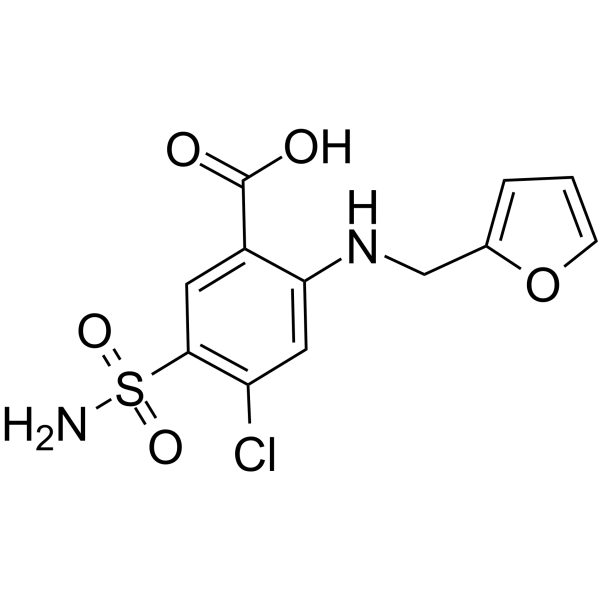
  • HY-B0135
    Furosemide
    Maximum Cited Publications
    8 Publications Verification

    NKCC GABA Receptor Cardiovascular Disease Metabolic Disease Cancer
    Furosemide is a potent and orally active inhibitor of Na +/K +/2Cl - (NKCC) cotransporter, NKCC1 and NKCC2 . Furosemide is also a GABAA receptors antagonist and displays 100-fold selectivity for α6-containing receptors than α1-containing receptors. Furosemide acts as a loop diuretic and used for the study of congestive heart failure, hypertension and edema .
    Furosemide
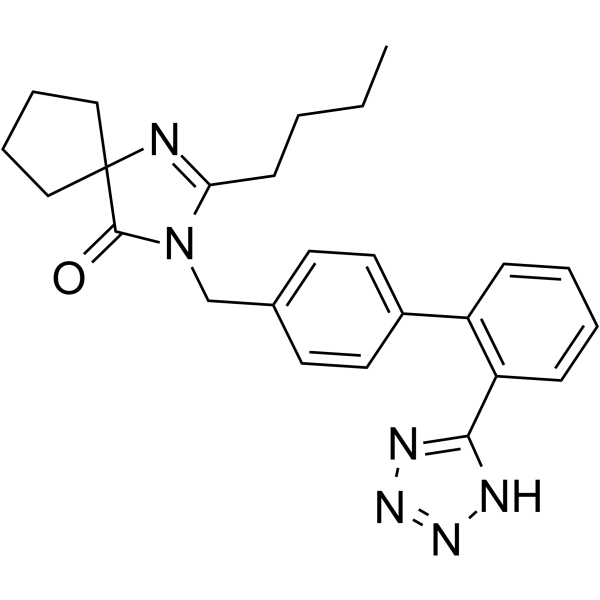
  • HY-B0202
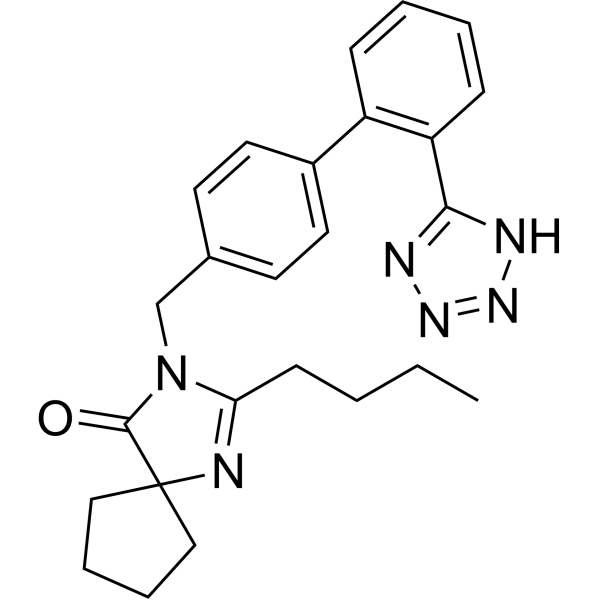
    Irbesartan
    Maximum Cited Publications
    8 Publications Verification

    SR-47436; BMS-186295

    Angiotensin Receptor Apoptosis Cardiovascular Disease Endocrinology
    Irbesartan (SR-47436) is an orally active Ang II type 1 (AT1) receptor blocker (ARB). Irbesartan can relax the blood vessels, low blood pressure and increase the supply of blood and oxygen to the heart. Irbesartan can be used for the research of high blood pressure, heart failure, and diabetic kidney disease .
    Irbesartan
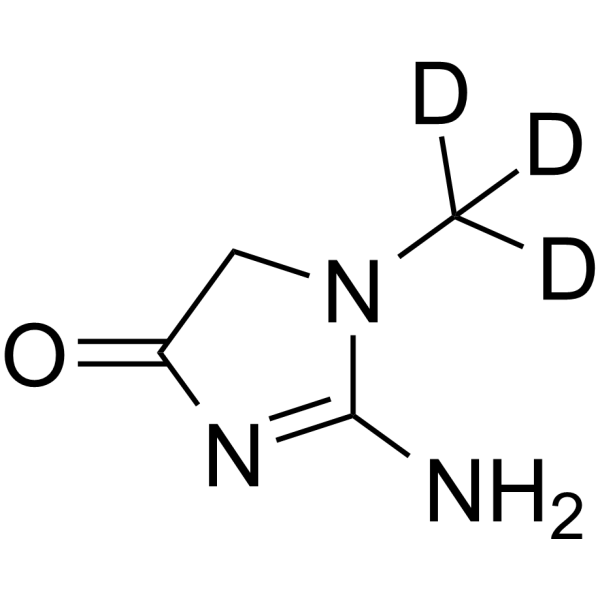
  • HY-B0504S
    Creatinine-d3
    5 Publications Verification

    NSC13123-d3

    Isotope-Labeled Compounds Endogenous Metabolite iGluR GABA Receptor Metabolic Disease Cancer
    Creatinine-d3 is a deuterium labeled Creatinine. Creatinine (NSC13123) is an orally active, blood-brain barrier-permeable modulator of GABAA and NMDA receptors, with activities of antioxidation and metabolic regulation. Creatinine is generated via non-enzymatic conversion of creatine and phosphocreatine in muscle. Creatinine serum levels correlate with muscle mass, glomerular filtration rate, and extrarenal clearance, serving as an evaluation biomarker for renal function, muscle mass, and clinical outcomes, and used for perioperative renal risk assessment. In addition, Creatinine can induce specific Cryptococcus species to produce creatinine deiminase and act as their nitrogen source, while it can be secreted via renal tubules. Creatinine is widely used in research related to various diseases such as neurodegenerative diseases, psychiatric disorders, acute kidney injury, chronic kidney disease, and renal failure .
    Creatinine-d3
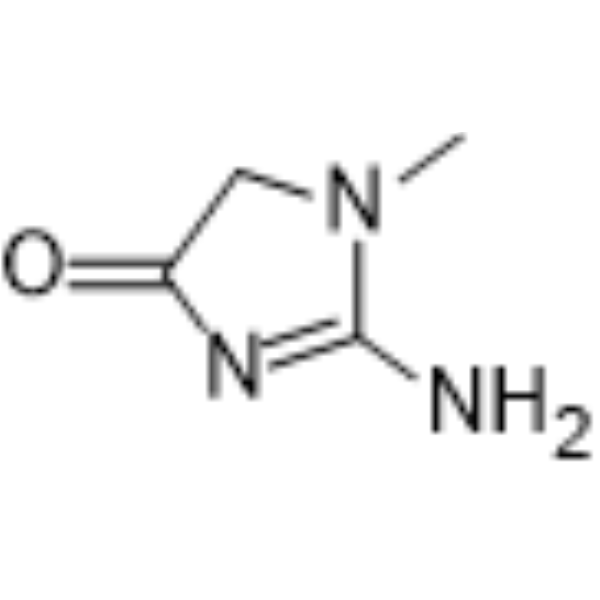
  • HY-B0504
    Creatinine
    5+ Cited Publications

    NSC13123

    Endogenous Metabolite GABA Receptor iGluR Infection Neurological Disease Metabolic Disease Cancer
    Creatinine (NSC13123) is an orally active, blood-brain barrier-permeable modulator of GABAA and NMDA receptors, with activities of antioxidation and metabolic regulation. Creatinine is generated via non-enzymatic conversion of creatine and phosphocreatine in muscle. Creatinine serum levels correlate with muscle mass, glomerular filtration rate, and extrarenal clearance, serving as an evaluation biomarker for renal function, muscle mass, and clinical outcomes, and used for perioperative renal risk assessment. In addition, Creatinine can induce specific Cryptococcus species to produce creatinine deiminase and act as their nitrogen source, while it can be secreted via renal tubules. Creatinine is widely used in research related to various diseases such as neurodegenerative diseases, psychiatric disorders, acute kidney injury, chronic kidney disease, and renal failure .
    Creatinine
  • HY-132588

    ALN-G01

    Small Interfering RNA (siRNA) Glycolate Oxidase Metabolic Disease
    Lumasiran (ALN-G01), a siRNA product, reduces hepatic oxalate production by targeting glycolate oxidase. By silencing the gene encoding glycolate oxidase, Lumasiran depletes glycolate oxidase and thereby inhibits the synthesis of oxalate, which is the toxic metabolite that is directly associated with the clinical manifestations of Primary hyperoxaluria type 1 (PH1) .
    Lumasiran
  • HY-13995A
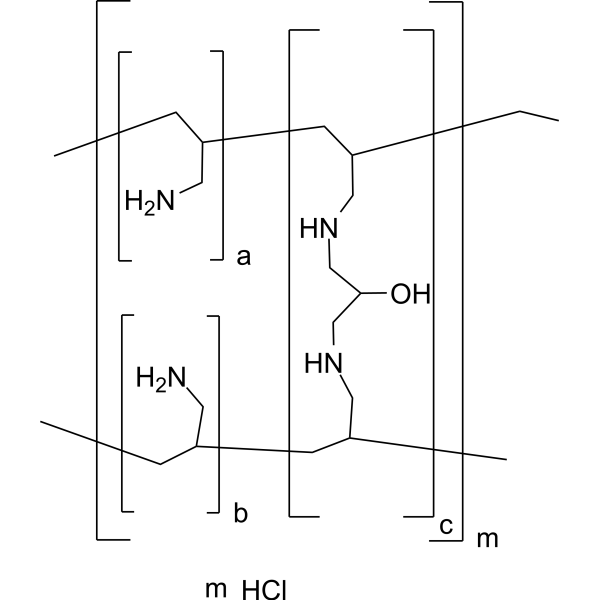
    Sevelamer (hydrochloride)
    1 Publications Verification

    FXR Autophagy Metabolic Disease Endocrinology
    Sevelamer hydrochloride is an orally active polymeric phosphate binder and bile acid sequestrant. Sevelamer hydrochloride binds dietary phosphate in the gastrointestinal tract, reducing phosphate absorption and serum phosphorus levels, and reduces urinary phosphate excretion. Sevelamer hydrochloride binds polyanion bile acids, increases bile acid faecal excretion, and reduces total cholesterol and LDL cholesterol levels. Sevelamer hydrochloride can be used for the research of hyperphosphataemia, hyperparathyroidism, chronic renal failure, kidney disease, and type 2 diabetes .
    Sevelamer (hydrochloride)
  • HY-B0504S2

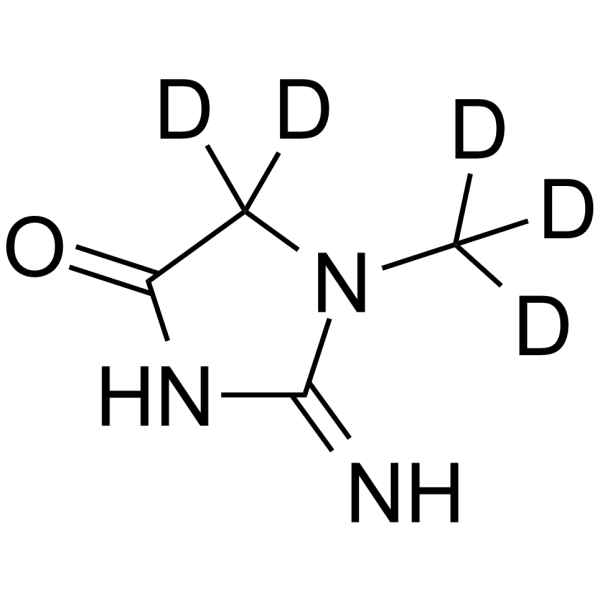
    NSC13123-d5

    Isotope-Labeled Compounds Endogenous Metabolite iGluR GABA Receptor Metabolic Disease
    Creatinine-d5 is the deuterium labeled Creatinine. Creatinine (NSC13123) is an orally active, blood-brain barrier-permeable modulator of GABAA and NMDA receptors, with activities of antioxidation and metabolic regulation. Creatinine is generated via non-enzymatic conversion of creatine and phosphocreatine in muscle. Creatinine serum levels correlate with muscle mass, glomerular filtration rate, and extrarenal clearance, serving as an evaluation biomarker for renal function, muscle mass, and clinical outcomes, and used for perioperative renal risk assessment. In addition, Creatinine can induce specific Cryptococcus species to produce creatinine deiminase and act as their nitrogen source, while it can be secreted via renal tubules. Creatinine is widely used in research related to various diseases such as neurodegenerative diseases, psychiatric disorders, acute kidney injury, chronic kidney disease, and renal failure .
    Creatinine-d5
  • HY-132613

    Small Interfering RNA (siRNA) Glycolate Oxidase Metabolic Disease
    Lumasiran sodium, an investigational RNA interference (RNAi) therapeutic agent, reduces hepatic oxalate production by targeting glycolate oxidase. Lumasiran sodium reduces urinary oxalate excretion, the cause of progressive kidney failure in primary hyperoxaluria type 1 (PH1) .
    Lumasiran sodium
  • HY-120274

    AZD9977

    Mineralocorticoid Receptor Cardiovascular Disease Metabolic Disease
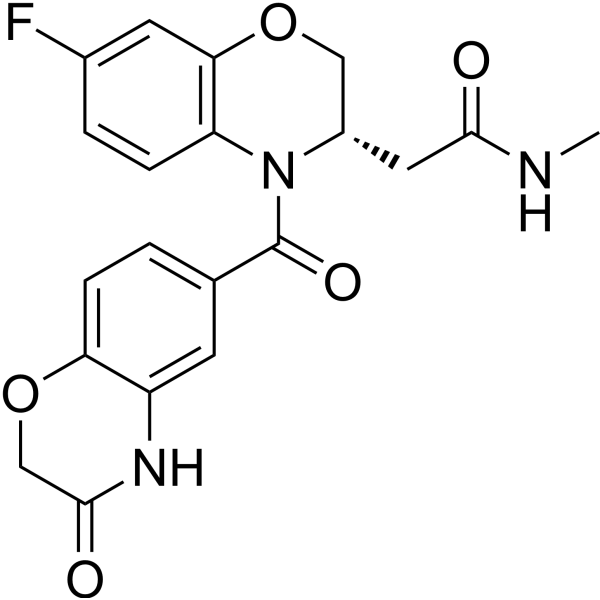
    Balcinrenone (AZD9977) is a potent, selective, and orally active mineralocorticoid receptor (MR) modulator. Balcinrenone is used for heart failure, and chronic kidney disease research .
    Balcinrenone
  • HY-163689

    BI 690517

    Mineralocorticoid Receptor Cardiovascular Disease Metabolic Disease
    Vicadrostat (BI 690517) is an orally active aldosterone synthase (aldosterone synthase) inhibitor, with IC50 values of 19 nM, 16 nM, and 18 μM against human, cynomolgus monkey, and rat aldosterone synthase, respectively. Vicadrostat has an in vivo IC50 of 25 nM for aldosterone synthesis. Vicadrostat exhibits high selectivity for cortisol synthase; it reduces aldosterone production and decreases plasma aldosterone levels. Vicadrostat can be used in the research of chronic kidney disease, heart failure, and hypertension .
    Vicadrostat
  • HY-13995B
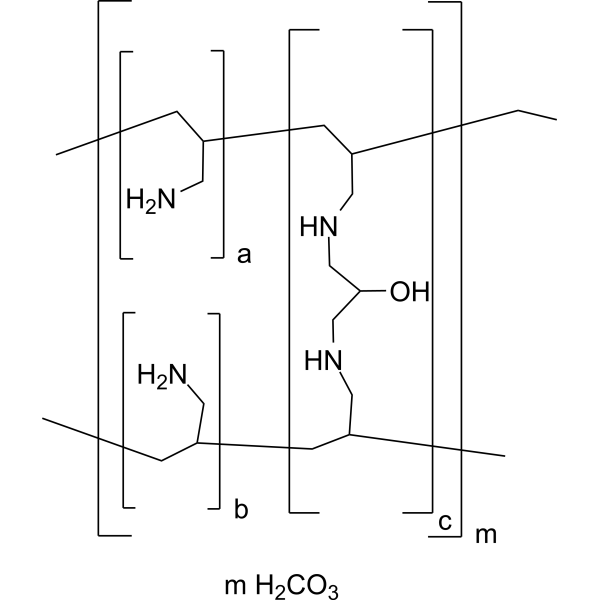
    Sevelamer carbonate
    1 Publications Verification

    FXR Metabolic Disease Endocrinology
    Sevelamer carbonate is an orally active polymeric phosphate binder and bile acid sequestrant. Sevelamer carbonate binds dietary phosphate in the gastrointestinal tract, reducing phosphate absorption and serum phosphorus levels, and reduces urinary phosphate excretion. Sevelamer carbonate binds polyanion bile acids, increases bile acid faecal excretion, and reduces total cholesterol and LDL cholesterol levels. Sevelamer carbonate can be used for the research of hyperphosphataemia, hyperparathyroidism, chronic renal failure, kidney disease, and type 2 diabetes .
    Sevelamer carbonate
  • HY-B0135A
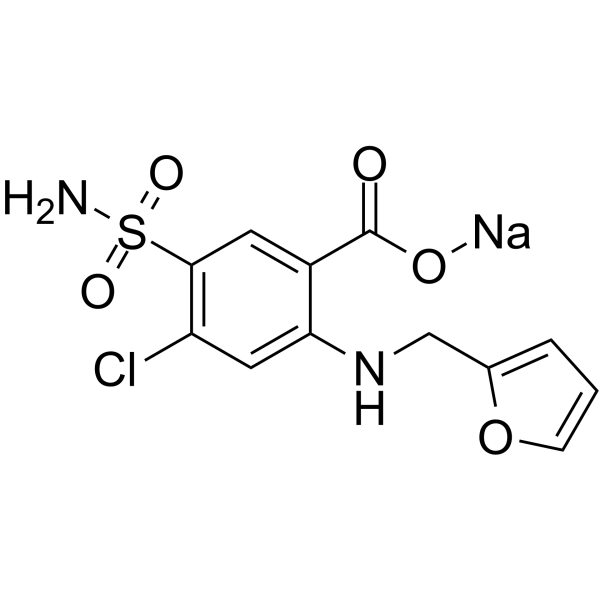
    Furosemide sodium
    Maximum Cited Publications
    8 Publications Verification

    NKCC GABA Receptor Cardiovascular Disease Metabolic Disease Cancer
    Furosemide sodium is a potent and orally active inhibitor of Na +/K +/2Cl - (NKCC) cotransporter, NKCC1 and NKCC2 . Furosemide sodium is also a GABAA receptors antagonist and displays 100-fold selectivity for α6-containing receptors than α1-containing receptors. Furosemide sodium acts as a loop diuretic and used for the study of congestive heart failure, hypertension and edema .
    Furosemide sodium
  • HY-B0504R

    NSC13123 (Standard)

    Reference Standards Endogenous Metabolite iGluR GABA Receptor Metabolic Disease Cancer
    Creatinine (Standard) is the analytical standard of Creatinine. This product is intended for research and analytical applications. Creatinine (NSC13123) is an orally active, blood-brain barrier-permeable modulator of GABAA and NMDA receptors, with activities of antioxidation and metabolic regulation. Creatinine is generated via non-enzymatic conversion of creatine and phosphocreatine in muscle. Creatinine serum levels correlate with muscle mass, glomerular filtration rate, and extrarenal clearance, serving as an evaluation biomarker for renal function, muscle mass, and clinical outcomes, and used for perioperative renal risk assessment. In addition, Creatinine can induce specific Cryptococcus species to produce creatinine deiminase and act as their nitrogen source, while it can be secreted via renal tubules. Creatinine is widely used in research related to various diseases such as neurodegenerative diseases, psychiatric disorders, acute kidney injury, chronic kidney disease, and renal failure .
    Creatinine (Standard)
  • HY-109136
    Runcaciguat
    1 Publications Verification

    BAY 1101042

    Guanylate Cyclase Cardiovascular Disease Metabolic Disease
    Runcaciguat (BAY 1101042) is a selective, orally active, allosteric activator of soluble guanylate cyclase (sGC) that specifically targets its oxidized and heme-free form. Runcaciguat binds to sGC in a histidine-dependent manner and restores cyclic guanosine monophosphate (cGMP) production under oxidative stress, independent of nitric oxide (NO) or heme. Runcaciguat exhibits renoprotective and cardioprotective activities, such as reduced proteinuria and improved renal function. Runcaciguat is primarily being studied in chronic kidney disease (CKD) associated with hypertension, diabetes, and metabolic disorders, as well as potential cardiovascular indications such as heart failure with preserved ejection fraction (HFpEF) .
    Runcaciguat
  • HY-112961

    JAK Interleukin Related STAT Metabolic Disease
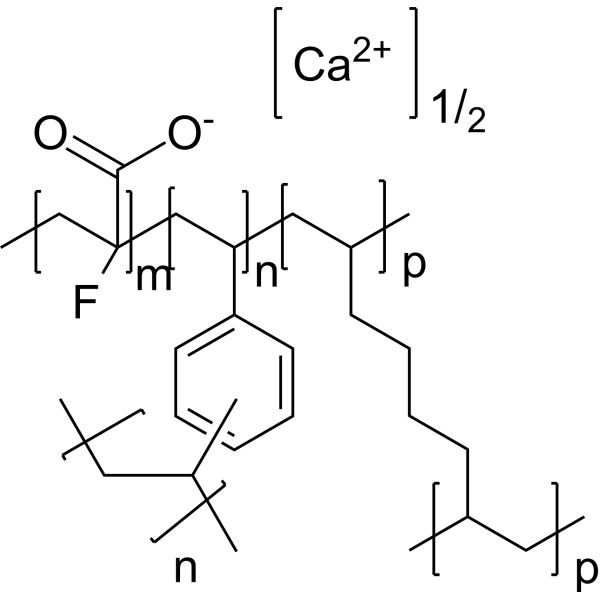
    Patiromer is an orally active, selective and non-absorbable intestinal potassium (K +) polymer binder that reversibly binds potassium ions in exchange for calcium (Ca 2+). Patiromer can rapidly and continuously reduce serum potassium levels, maintain a normal blood potassium state, and reduce serum aldosterone levels. Patiromer also increases fecal potassium excretion. Patiromer is mainly used in the study of hyperkalemia associated with diseases such as chronic kidney disease, diabetes, and heart failure, and is particularly suitable for improving renin-angiotensin-aldosterone system inhibitor (RAASi) therapy .
    Patiromer
  • HY-B0504S1

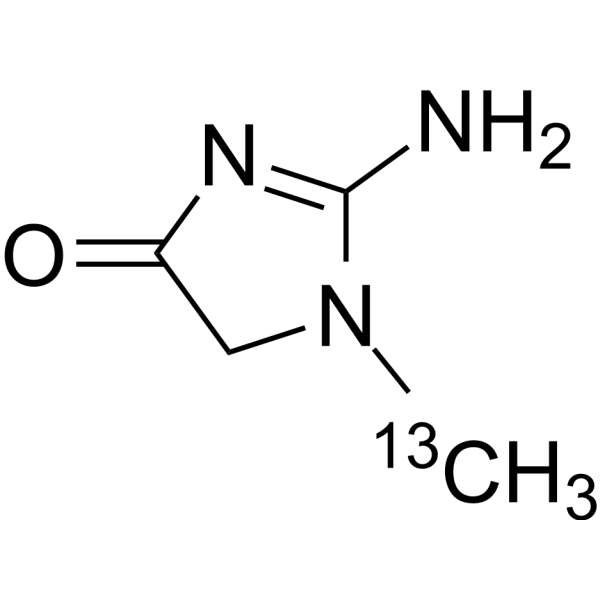
    NSC13123-13C

    Isotope-Labeled Compounds Endogenous Metabolite iGluR GABA Receptor Metabolic Disease
    Creatinine- 13C is the 13C-labeled Creatinine. Creatinine (NSC13123) is an orally active, blood-brain barrier-permeable modulator of GABAA and NMDA receptors, with activities of antioxidation and metabolic regulation. Creatinine is generated via non-enzymatic conversion of creatine and phosphocreatine in muscle. Creatinine serum levels correlate with muscle mass, glomerular filtration rate, and extrarenal clearance, serving as an evaluation biomarker for renal function, muscle mass, and clinical outcomes, and used for perioperative renal risk assessment. In addition, Creatinine can induce specific Cryptococcus species to produce creatinine deiminase and act as their nitrogen source, while it can be secreted via renal tubules. Creatinine is widely used in research related to various diseases such as neurodegenerative diseases, psychiatric disorders, acute kidney injury, chronic kidney disease, and renal failure .
    Creatinine-13C
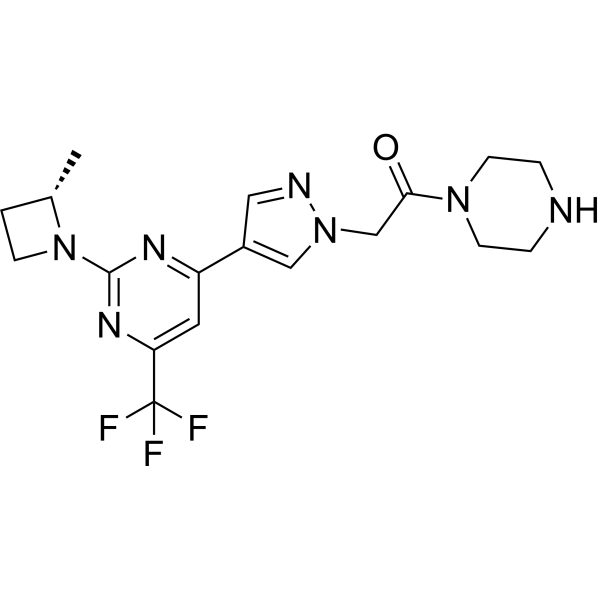
  • HY-149987

    KHK-IN-3

    Ketohexokinase Cardiovascular Disease Metabolic Disease Inflammation/Immunology
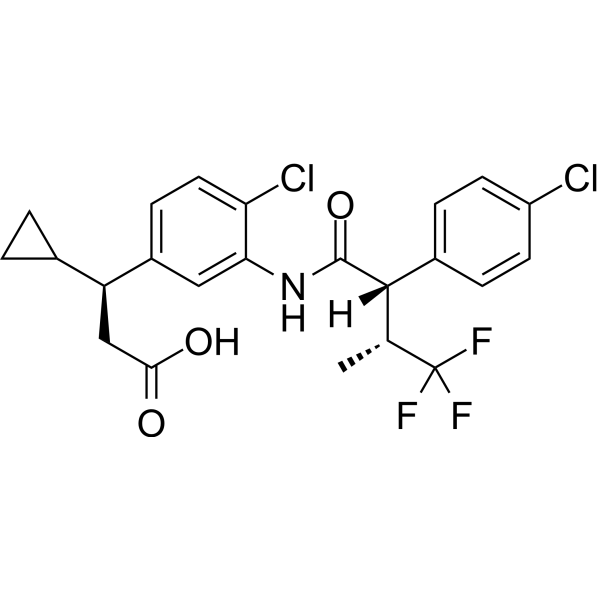
    KHK-IN-3 (Example 1) is a ketohexokinase (KHK) inhibitor. KHK-IN-3 can be used in the study of kidney disease, nonalcoholic steatohepatitis (NASH), diabetes and heart failure. KHK is a rate-limiting enzyme and fructokinase involved in fructose metabolism. KHK catalyzes the phosphorylation of fructose to fructose-1-phosphate (FIP) at the expense of ATP. The lack of feedback inhibition of fructose metabolism triggers the accumulation of downstream intermediates such as lipogenesis, gluconeogenesis, and oxidative phosphorylation .
    LY3522348
  • HY-129242

    4-Oxo-Tempo

    SOD Others
    Tempone (4-Oxo-Tempo) is a stable water-soluble nitro radical. Tempone is widely used as a contrast agent for metabolic activity and hypoxic sensitivity in electron spin resonance spectroscopy, magnetic resonance imaging and dynamic nuclear polarization. Tempone reduces superoxide radicals by mimicking the activity of superoxide dismutase (SOD), thereby reducing the formation of hydroxyl radicals and peroxynitrites. Tempone can be used in the study of ischemia-reperfusion injury and acute renal failure .
    Tempone
  • HY-139725
    CDK5-IN-1
    1 Publications Verification

    CDK Metabolic Disease
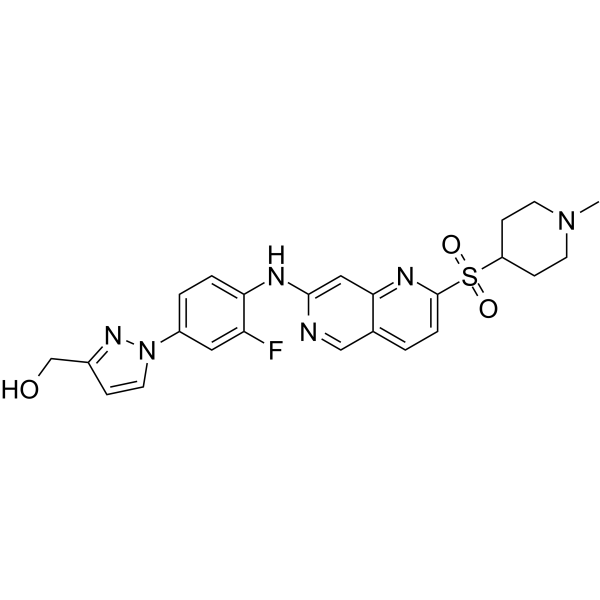
    CDK5-IN-1 is a potent CDK5 inhibitor with an IC50 less than 10 nM. CDK5-IN-1 is greater than 100-fold more active against CDK5 than CDK2. CDK5-IN-1 is used for kidney diseases research .
    CDK5-IN-1
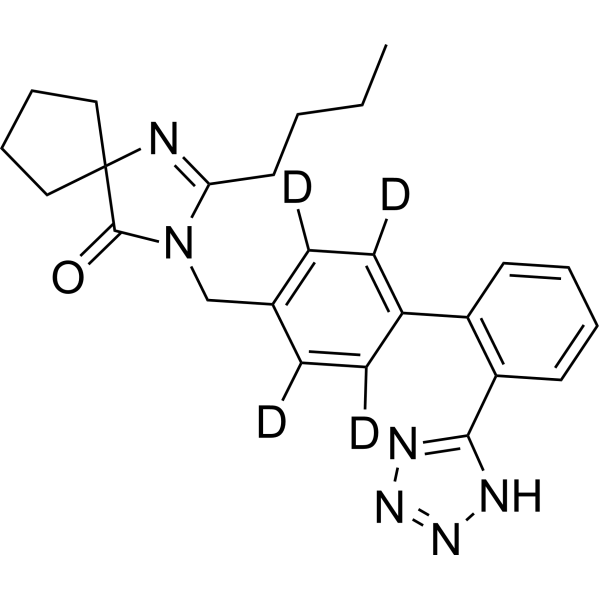
  • HY-B0202S

    SR-47436-d4; BMS-186295-d4

    Angiotensin Receptor Cardiovascular Disease Endocrinology
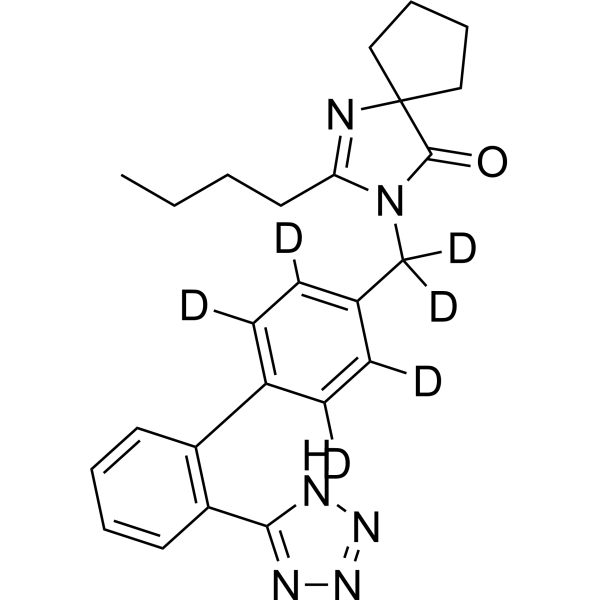
    Irbesartan-d4 (SR-47436-d4) is the deuterium labeled Irbesartan Irbesartan (HY-B0202). Irbesartan (SR-47436) is an orally active Ang II type 1 (AT1) receptor blocker (ARB). Irbesartan can relax the blood vessels, low blood pressure and increase the supply of blood and oxygen to the heart. Irbesartan can be used for the research of high blood pressure, heart failure, and diabetic kidney disease.
    Irbesartan-d4
  • HY-B0504S5

    NSC13123-15N

    Isotope-Labeled Compounds Endogenous Metabolite iGluR GABA Receptor Metabolic Disease Cancer
    Creatinine- 15N (NSC13123- 15N) is the 15N-labeled Creatinine (HY-B0504). Creatinine (NSC13123) is an orally active, blood-brain barrier-permeable modulator of GABAA and NMDA receptors, with activities of antioxidation and metabolic regulation. Creatinine is generated via non-enzymatic conversion of creatine and phosphocreatine in muscle. Creatinine serum levels correlate with muscle mass, glomerular filtration rate, and extrarenal clearance, serving as an evaluation biomarker for renal function, muscle mass, and clinical outcomes, and used for perioperative renal risk assessment. In addition, Creatinine can induce specific Cryptococcus species to produce creatinine deiminase and act as their nitrogen source, while it can be secreted via renal tubules. Creatinine is widely used in research related to various diseases such as neurodegenerative diseases, psychiatric disorders, acute kidney injury, chronic kidney disease, and renal failure .
    Creatinine-15N
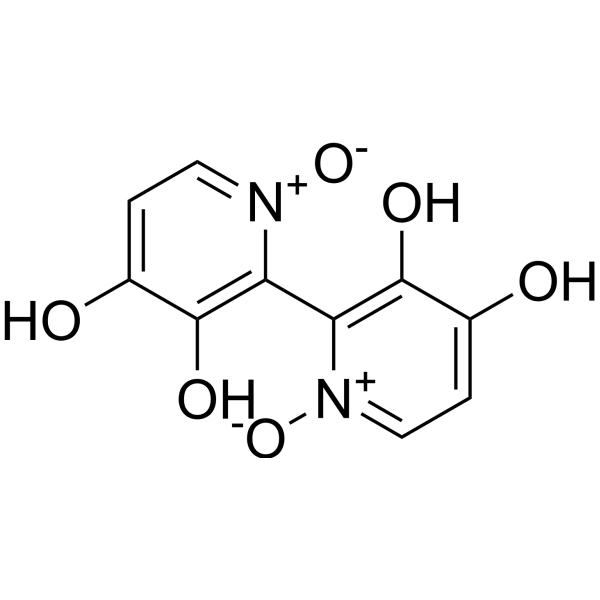
  • HY-W661499

    Phosphatase Apoptosis Reactive Oxygen Species (ROS) Caspase Cancer
    Orellanine, a nephrotoxic alkaloid found in Cortinarius orellanus, is an orally active and selective non-competitive inhibitor of alkaline phosphatase. Orellanine chelates iron, generates reactive oxygen species (ROS), induces DNA scission, forms ortho-semiquinone radicals, downregulates antioxidant defenses, and inhibits mitochondrial function. Orellanine induces caspase 8/9-mediated apoptosis. Orellanine inhibits synthesis of proteins, RNA, DNA, and mitochondrial protein synthesis, with metabolic activation required for cell-free protein synthesis inhibition. Orellanine can be used for the research of metastatic clear cell renal cell carcinoma, acute renal failure, chronic renal insufficiency, and kidney damage .
    Orellanine
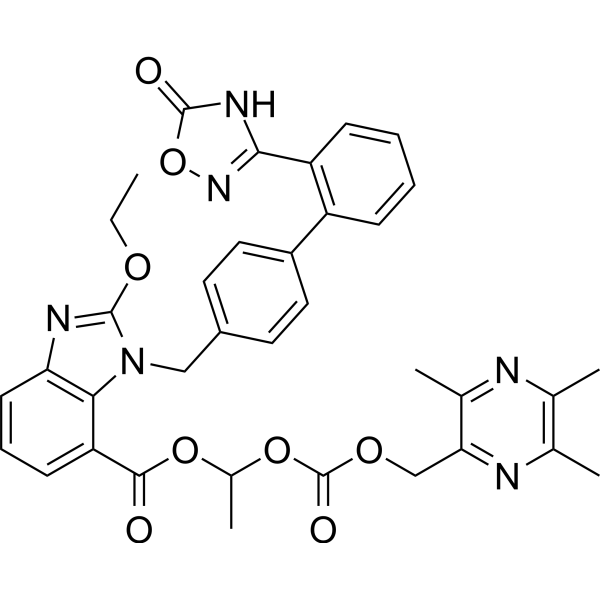
  • HY-145552

    QR-01019

    Angiotensin Receptor Cardiovascular Disease
    Azilsartan mepixetil is the antagonist of angiotensin II receptor. Azilsartan mepixetil has stronger and longer blood pressure effect, more abvious and longer lasting heart rate lowering effect and high safety. Azilsartan mepixetil achieves ideal protective effect for heart and kidney functions. Azilsartan mepixetil has the potential for the research of hypertension, chronic heart failure and diabetic nephropathy (extracted from patent CN107400122A) .
    Azilsartan mepixetil
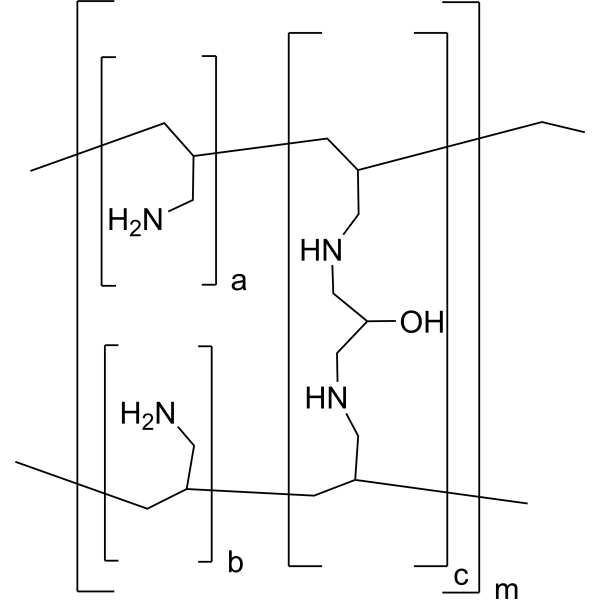
  • HY-13995

    FXR Metabolic Disease Endocrinology
    Sevelamer is an orally active polymeric phosphate binder and bile acid sequestrant. Sevelamer binds dietary phosphate in the gastrointestinal tract, reducing phosphate absorption and serum phosphorus levels, and reduces urinary phosphate excretion. Sevelamer binds polyanion bile acids, increases bile acid faecal excretion, and reduces total cholesterol and LDL cholesterol levels. Sevelamer can be used for the research of hyperphosphataemia, hyperparathyroidism, chronic renal failure, kidney disease, and type 2 diabetes .
    Sevelamer
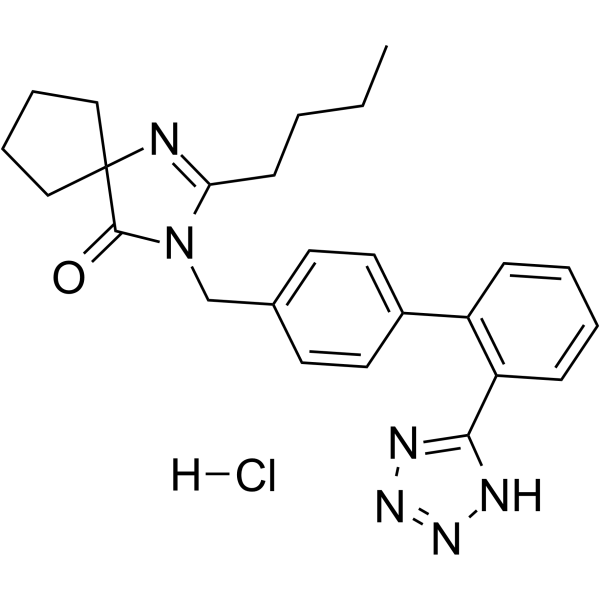
  • HY-B0202A

    SR-47436 hydrochloride; BMS-186295 hydrochloride

    Angiotensin Receptor Apoptosis Cardiovascular Disease Neurological Disease Metabolic Disease
    Irbesartan (SR-47436) hydrochloride is an orally active Ang II type 1 (AT1) receptor blocker (ARB). Irbesartan hydrochloride can relax the blood vessels, low blood pressure and increase the supply of blood and oxygen to the heart. Irbesartan hydrochloride can be used for the research of high blood pressure, heart failure, and diabetic kidney disease .
    Irbesartan hydrochloride
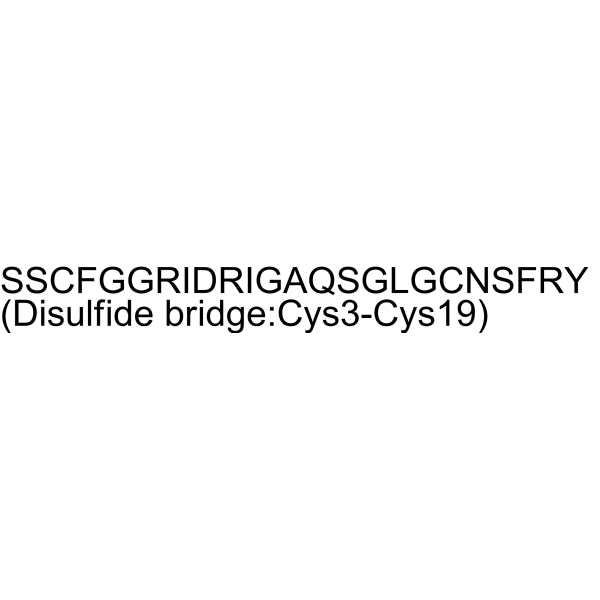
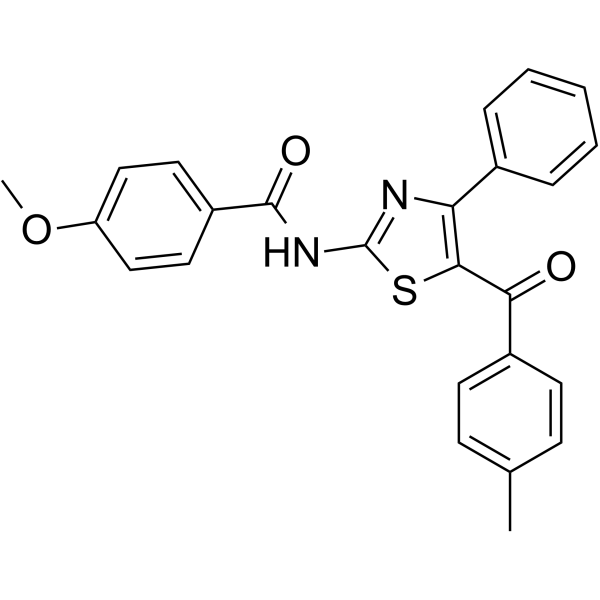
  • HY-P99133

    TNF Receptor Inflammation/Immunology Cancer
    Anti-Mouse Fas Ligand Antibody (MFL3) is an anti-mouse Fas Ligand IgG antibody inhibitor derived from host Armenian Hamster. Anti-Mouse Fas Ligand Antibody (MFL3) can block Fas Ligand (FasL). Anti-Mouse Fas Ligand Antibody (MFL3) can be used for the researches of cancer and immunology .
    Anti-Mouse Fas Ligand Antibody (MFL3)
  • HY-W019720

    Endogenous Metabolite Inflammation/Immunology
    1-Methylguanidine hydrochloride is a uremic toxin, which accumulate in dogs with renal failure and chronic kidney disese. 1-Methylguanidine hydrochloride enhances the oxidative metabolism and induces apoptosis in neutrophils .
    1-Methylguanidine hydrochloride
  • HY-146478

    Adenosine Receptor Neurological Disease Inflammation/Immunology
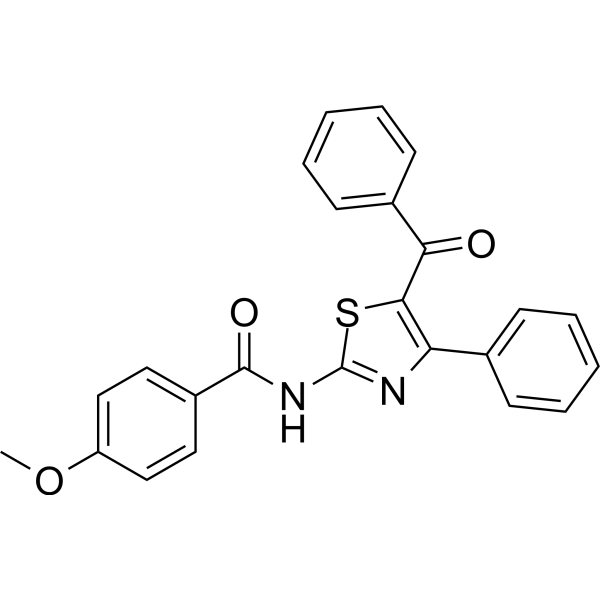
    A1/A3 AR antagonist 1 (compound 10) is a potent adenosine 1 (A1) and adenosine 3 (A3) receptor dual antagonist with Kis of 36.7 nM, 25.4 nM and 1.47 nM for human A1, human A3 and rat A1, respectively. A1/A3 AR antagonist 1 can be used for researching kidney failure, inflammatory pulmonary diseases, and Alzheimer’s disease .
    A1/A3 AR antagonist 1
  • HY-B0202AS

    SR-47436-d7 hydrochloride; BMS-186295-d7 hydrochloride

    Apoptosis Angiotensin Receptor Isotope-Labeled Compounds Neurological Disease Metabolic Disease
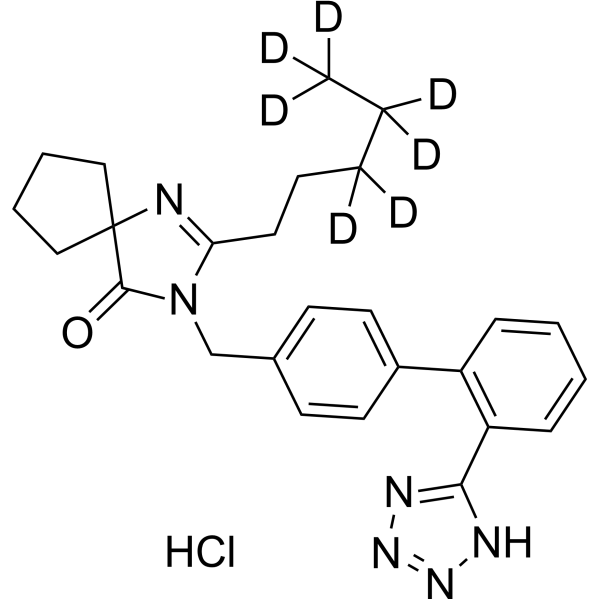
    Irbesartan-d7 hydrochloride is deuterated labeled Irbesartan hydrochloride (HY-B0202A). Irbesartan (SR-47436) hydrochloride is an orally active Ang II type 1 (AT1) receptor blocker (ARB). Irbesartan hydrochloride can relax the blood vessels, low blood pressure and increase the supply of blood and oxygen to the heart. Irbesartan hydrochloride can be used for the research of high blood pressure, heart failure, and diabetic kidney disease .
    Irbesartan-d7 hydrochloride
  • HY-B0202S3

    SR-47436-d7; BMS-186295-d7

    Apoptosis Angiotensin Receptor Isotope-Labeled Compounds Cardiovascular Disease Endocrinology
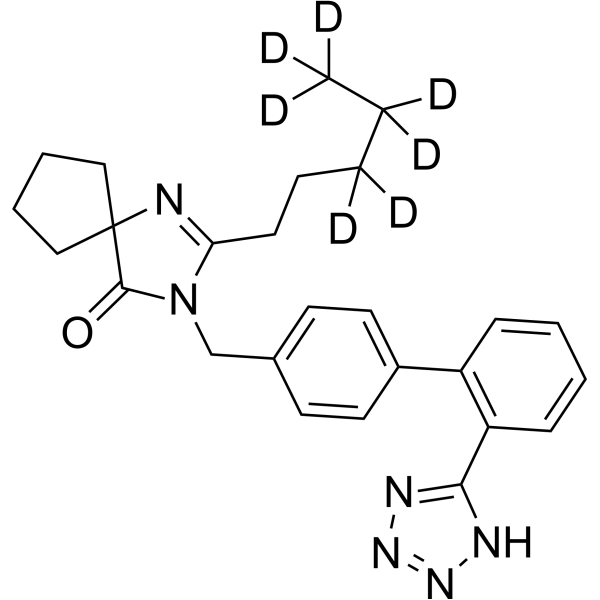
    Irbesartan-d7 is deuterated labeled Irbesartan (HY-B0202). Irbesartan (SR-47436) is an orally active Ang II type 1 (AT1) receptor blocker (ARB). Irbesartan can relax the blood vessels, low blood pressure and increase the supply of blood and oxygen to the heart. Irbesartan can be used for the research of high blood pressure, heart failure, and diabetic kidney disease .
    Irbesartan-d7
  • HY-E70413

    Endogenous Metabolite Cardiovascular Disease Metabolic Disease
    Amino acid arylamidase, hog kidney is a metalloprotease that can hydrolyze proteins or peptides containing free α-amino or α-imino groups, playing a crucial role in amino acid metabolism and protein digestion. Its hydrolytic activity can be blocked by acetylation of the N-terminus. Amino acid arylamidase, hog kidney can be used in research on hepatic diseases, biliary diseases, and heart failure .
    Amino acid arylamidase, hog kidney
  • HY-P5978

    ANP 127-150 (rat)

    Natriuretic Peptide Receptor (NPR) Cardiovascular Disease
    Atriopeptin III (ANP 127-150) (rat), a 24-amino acid atrial peptide, is a potent vasodilator and natriuretic/diuretic agent. Atriopeptin III (rat) improves renal functions and decreases blood pressure in a ureter-obstructed rat kidney model. Atriopeptin III (rat) can be used for research of chronic renal failure .
    Atriopeptin III (rat)
  • HY-146456

    Adenosine Receptor Neurological Disease
    A1AR antagonist 3 (compound 13) is a selective adenosine 1 (A1) receptor antagonist with Kis of 9.69 nM and 0.529 nM for human A1 and rat A1, respectively. A1AR antagonist 3 can be used for researching neurological diseases .
    A1AR antagonist 3
  • HY-B0202R

    SR-47436 (Standard); BMS-186295 (Standard)

    Reference Standards Angiotensin Receptor Apoptosis Cardiovascular Disease Endocrinology
    Irbesartan (Standard) is the analytical standard of Irbesartan. This product is intended for research and analytical applications. Irbesartan (SR-47436) is an orally active Ang II type 1 (AT1) receptor blocker (ARB). Irbesartan can relax the blood vessels, low blood pressure and increase the supply of blood and oxygen to the heart. Irbesartan can be used for the research of high blood pressure, heart failure, and diabetic kidney disease .
    Irbesartan (Standard)
  • HY-B0202S2

    Apoptosis Angiotensin Receptor Cardiovascular Disease
    Irbesartan-d6-1 is the deuterium labeled Irbesartan . Irbesartan (SR-47436) is an orally active Ang II type 1 (AT1) receptor blocker (ARB). Irbesartan can relax the blood vessels, low blood pressure and increase the supply of blood and oxygen to the heart. Irbesartan can be used for the research of high blood pressure, heart failure, and diabetic kidney disease .
    Irbesartan-d6-1
  • HY-B0135AR

    NKCC GABA Receptor Reference Standards Cardiovascular Disease Metabolic Disease Cancer
    Furosemide (sodium) (Standard) is the analytical standard of Furosemide (sodium). This product is intended for research and analytical applications. Furosemide sodium is a potent and orally active inhibitor of Na+/K+/2Cl- (NKCC) cotransporter, NKCC1 and NKCC2 . Furosemide sodium is also a GABAA receptors antagonist and displays 100-fold selectivity for α6-containing receptors than α1-containing receptors. Furosemide sodium acts as a loop diuretic and used for the study of congestive heart failure, hypertension and edema .
    Furosemide sodium (Standard)
  • HY-105271

    S-(+)-S-312-d

    Calcium Channel Others
    S-312-d (S-(+)-S-312-d) is a calcium channel blocker with the activity of protecting the kidney from ischemic acute renal failure. S-312-d (0.01-0.1mg/kg b.wt. iv) administered before ischemia has a dose-dependent protective effect on ischemia-induced renal damage, improves the survival rate of ischemic rats, and reduces renal cortical edema and the increase in renal tissue calcium content.
    S-312-d
  • HY-145552S

    QR-01019-d-d5

    Isotope-Labeled Compounds Angiotensin Receptor Cardiovascular Disease
    Azilsartan mepixetil-d5 (QR-01019-d5) is deuterium labeled Azilsartan mepixetil. Azilsartan mepixetil is the antagonist of angiotensin II receptor. Azilsartan mepixetil has stronger and longer blood pressure effect, more abvious and longer lasting heart rate lowering effect and high safety. Azilsartan mepixetil achieves ideal protective effect for heart and kidney functions. Azilsartan mepixetil has the potential for the research of hypertension, chronic heart failure and diabetic nephropathy (extracted from patent CN107400122A) .
    Azilsartan mepixetil-d5
  • HY-113581

    Calcium Channel 5-HT Receptor Metabolic Disease
    Levemopamil is a calcium channel blocker and 5-HT2 receptor antagonist. Levemopamil exerts renoprotective effects against ischemic acute kidney injury. Levemopamil is applicable to research related to ischemic acute renal failure .
    Levemopamil
  • HY-105931

    RS-82856

    Phosphodiesterase (PDE) Cardiovascular Disease Endocrinology
    Lixazinone (RS-82856) is a selective inhibitor of cGMP-inhibited phosphodiesterase (PDE3) with an IC50 value of 22 nM. Lixazinone exhibits positive inotropic effects, afterload reduction and antithrombotic properties. Lixazinone increases cyclic adenosine monophosphate (cAMP) levels in human platelets, inhibits thrombin-induced aggregation of human platelets, and blocks the photolabeling of PDE3 active sites by [ 32P]cGMP. Lixazinone can be used in the research of polycystic kidney disease and congestive heart failure .
    Lixazinone
  • HY-167681

    Ro 12-4713

    Endogenous Metabolite Cardiovascular Disease
    Carprazidil (Ro 12-4713) is a potent vasodilator with activity in suppressing severe hypertension and mild heart failure. The use of carprazidil may lead to sodium retention and increased heart rate, requiring increased doses of diuretics or beta-blockers in some cases. Carprazidil and mecycline may both cause hirsutism, limiting their long-term use in women. Carprazidil did not cause adverse side effects on hematological parameters, liver, or kidney function .
    Carprazidil
  • HY-113822

    RS-82856 hydrogensulfate

    Phosphodiesterase (PDE) Cardiovascular Disease Endocrinology
    Lixazinone (RS-82856) hydrogensulfate is a selective inhibitor of cGMP-inhibited phosphodiesterase (PDE3) with an IC50 value of 22 nM. Lixazinone hydrogensulfate exhibits positive inotropic effects, afterload reduction and antithrombotic properties. Lixazinone hydrogensulfate increases cyclic adenosine monophosphate (cAMP) levels in human platelets, inhibits thrombin-induced aggregation of human platelets, and blocks the photolabeling of PDE3 active sites by [ 32P]cGMP. Lixazinone hydrogensulfate can be used in the research of polycystic kidney disease and congestive heart failure .
    Lixazinone hydrogensulfate

Inquiry Online

Your information is safe with us. * Required Fields.

Salutation


Country or Region *

Applicant Name *


Organization Name *

Department *


Email Address *


Product Name *

Cat. No.


Requested quantity *

Phone Number *


Remarks

Inquiry Online

Inquiry Information

Product Name:
Cat. No.:
Quantity:
MCE Japan Authorized Agent: