1. Search Result
Search Result
Results for "

malaria+parasites

" in MedChemExpress (MCE) Product Catalog:

31

Inhibitors & Agonists

2

Fluorescent Dyes

2

Peptides

8

Natural
Products

Cat. No. Product Name Target Research Areas Chemical Structure
  • HY-143218
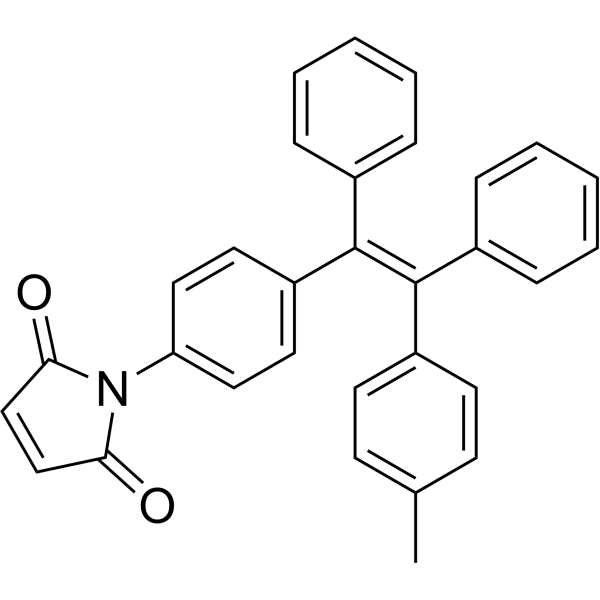
    TPE-MI
    10+ Cited Publications

    Tetraphenylethene maleimide

    Huntingtin Parasite Infection Neurological Disease
    TPE-MI (Tetraphenylethene maleimide) is a thiol probe for measuring unfolded protein load and proteostasis in cells (the excitation wavelength is 350 nm and the emission wavelength is 470 nm). TPE-MI can report imbalances in proteostasis in induced pluripotent stem cell models of Huntington disease, as well as cells transfected with mutant Huntington exon 1 before the formation of visible aggregates. TPE-MI also detects protein damage following dihydroartemisinin research of the malaria parasites Plasmodium falciparum .
    TPE-MI
  • HY-N0281
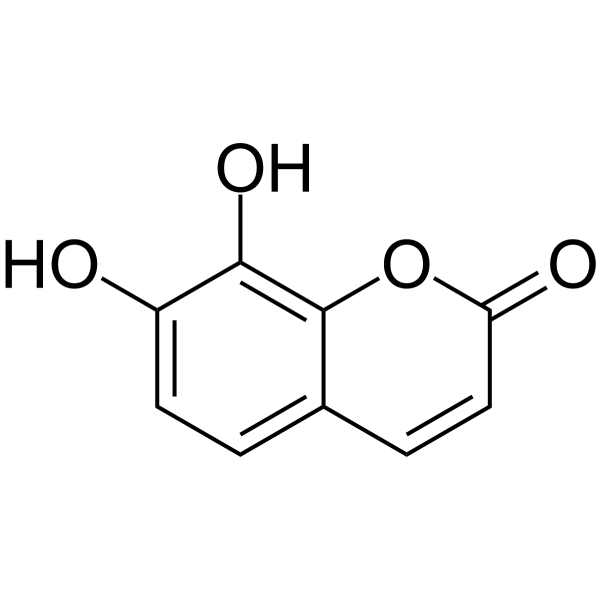
    Daphnetin
    5+ Cited Publications

    7,8-Dihydroxycoumarin

    EGFR PKA PKC Autophagy Apoptosis AMPK Akt mTOR Reactive Oxygen Species (ROS) Caspase Bcl-2 Family PARP Parasite Cardiovascular Disease Inflammation/Immunology Cancer
    Daphnetin (7,8-dihydroxycoumarin), one coumarin derivative can be found in plants of the Genus Daphne, is a potent, oral active protein kinase inhibitor, with IC50s of 7.67 μM, 9.33 μM and 25.01 μM for EGFR, PKA and PKC in vitro, respectively. Daphnetin triggers ROS-induced cell apoptosis and induces cytoprotective autophagy by modulating the AMPK/Akt/mTOR pathway. Daphnetin has anti-inflammation activitity and inhibits TNF-α, IL-1β, ROS, and MDA production. Daphnetin has schizontocidal activity against malaria parasites. Daphnetin can be used for rheumatoid arthritis , cancer and anti-malarian research .
    Daphnetin
  • HY-103397
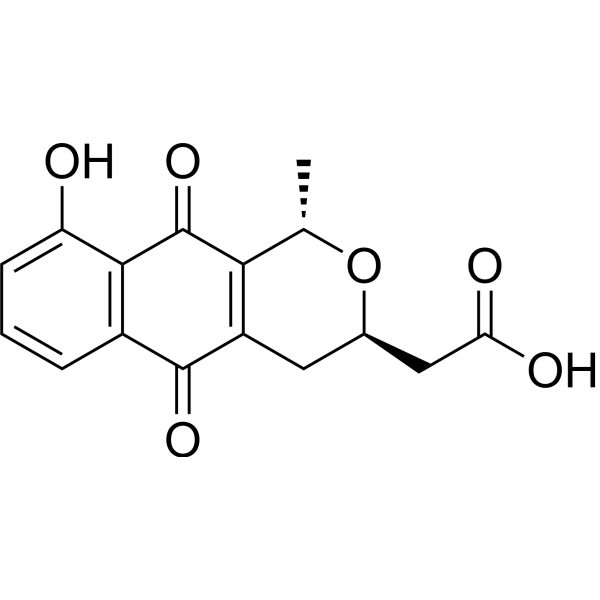
    Nanaomycin A
    4 Publications Verification

    Antibiotic DNA Methyltransferase Parasite Infection Cancer
    Nanaomycin A is the first selective DNMT3B inhibitor with an IC50 of 500 nM. Nanaomycin A, a quinone antibiotics, reactivates silenced tumor suppressor genes in human cancer cells . Nanaomycin A inhibits in vitro growth of the human malaria parasite Plasmodium falciparum with an IC80 value of 33.1 nM .
    Nanaomycin A
  • HY-103353
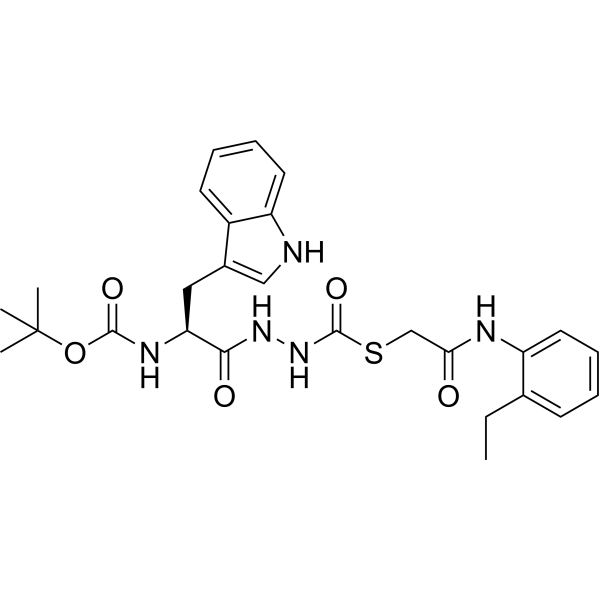
    SID 26681509
    5 Publications Verification

    Cathepsin Parasite Infection Cancer
    SID 26681509 is a potent, reversible, competitive, and selective inhibitor of human cathepsin L with an IC50 of 56 nM. SID 26681509 inhibits in vitro propagation of malaria parasite Plasmodium falciparum and inhibits Leishmania major with IC50s of 15.4 μM and 12.5 μM, respectively. SID 26681509 shows no inhibitory activity against cathepsin G .
    SID 26681509
  • HY-151561

    Parasite Infection
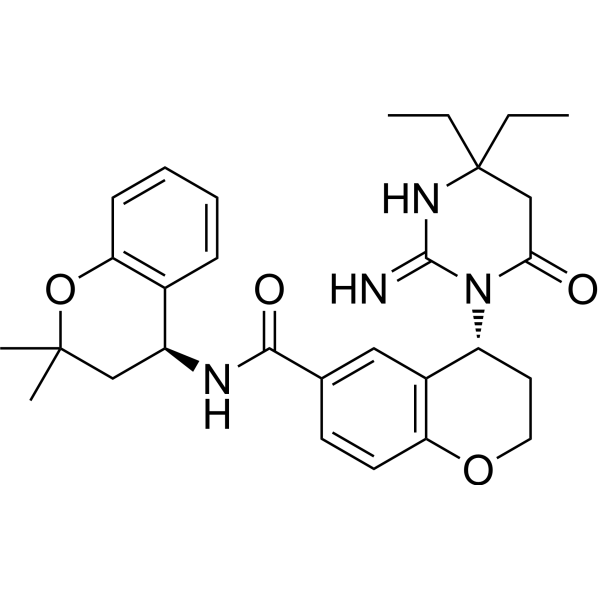
    WM382 is an orally active and potent dual plasmepsin IX/X (PMIX/X) inhibitor with IC50 values of 1.4 nM and 0.03 nM, respectively. WM382 has robust in vivo efficacy at multiple stages of the malaria parasite life cycle and an excellent resistance profile .
    WM382
  • HY-129476

    Parasite Endogenous Metabolite Infection Cancer
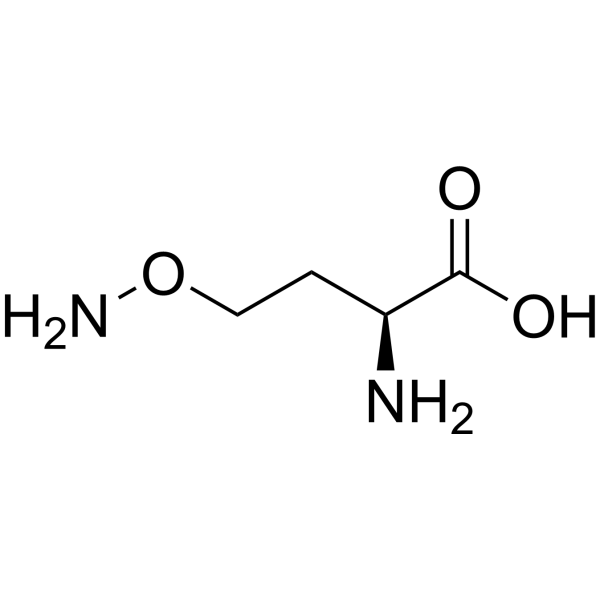
    L-Canaline is a nonprotein amino acid stored in many leguminous plants. L-Canaline is a cytotoxic metabolite catalyzed by L-canavanine and its arginase. L-Canaline is a potent and irreversible inhibitor of ornithine aminotransferase. L-Canaline inhibits the growth of the malaria parasite Plasmodium falciparum with an IC50 of 297 nM. L-Canaline has anticancer and antiproliferative effects .
    L-Canaline
  • HY-125728

    Bacterial Parasite HCV Infection
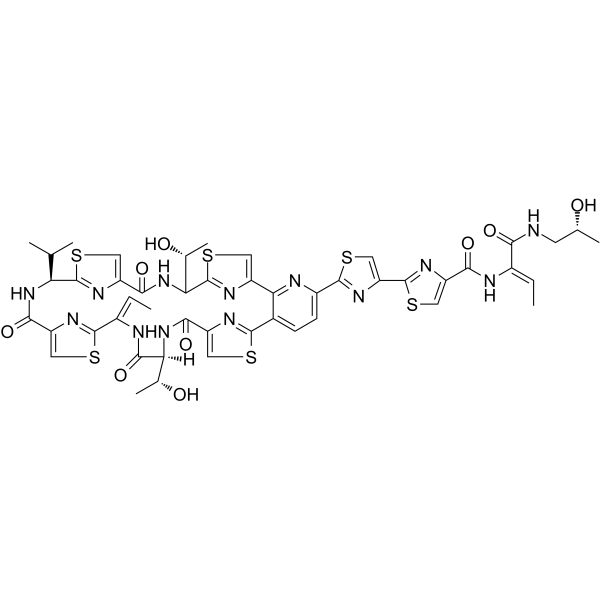
    Micrococcin P1 is a macrocyclic peptide antibiotic and is a potent hepatitis C virus (HCV) inhibitor with an EC50 range of 0.1-0.5 μM . Micrococcin P1 has in vitro antibacterial activity against Gram-positive bacterial strains. The MIC values of Micrococcin P1 against S. aureus 1974149, E. faecalis 1674621 and S. pyogenes 1744264 are 2 μg/mL, 1 μg/mL and 1 μg/mL, respectively . Micrococcin P1 is also a potent inhibitor of the malaria parasite Plasmodium falciparum .
    Micrococcin P1
  • HY-117015

    Parasite Infection
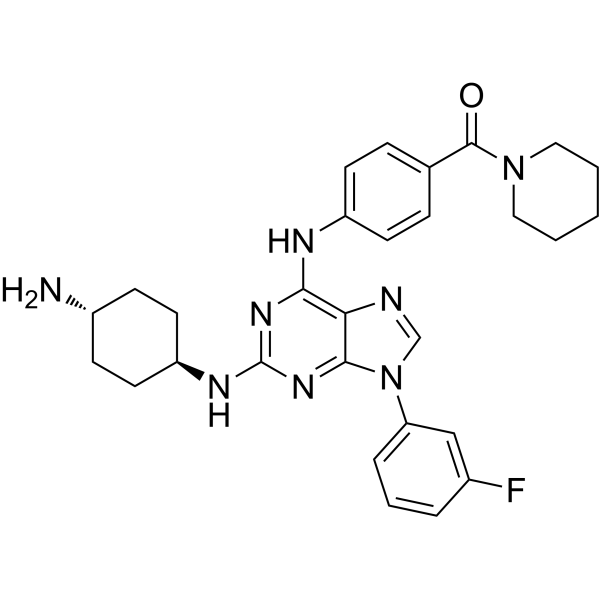
    Purfalcamine is an orally active, selective Plasmodium falciparum calcium-dependent protein kinase 1 (PfCDPK1) inhibitor with an IC50 of 17 nM and an EC50 of 230 nM. Purfalcamine has antimalarial activity and causes malaria parasites developmental arrest at the schizont stage .
    Purfalcamine
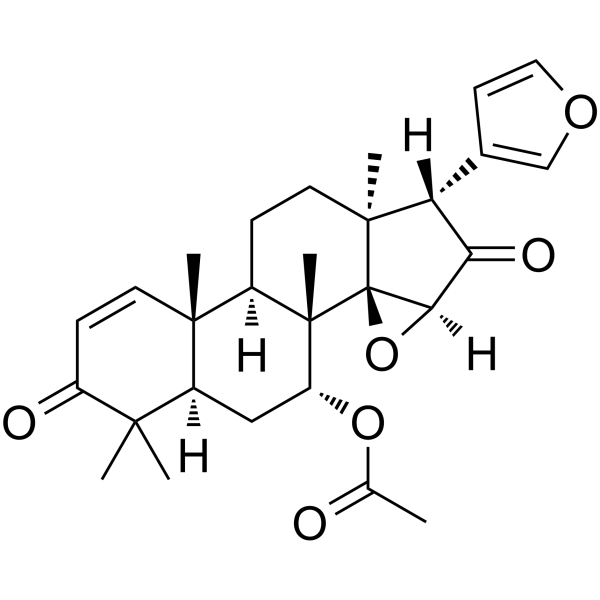
  • HY-N10096

    Parasite Infection
    Epoxyazadiradione is a limonoid purified from neem (Azadirachta indica) fruits. Epoxyazadiradione inhibits the tautomerase activity of MIF of both human (huMIF) and malaria parasites (Plasmodium falciparum (PfMIF) and Plasmodium yoelii (PyMIF)) non-competitively in a reversible fashion (Ki, 2.11-5.23 μM). Epoxyazadiradione has the potential against proinflammatory reactions induced by MIF of both malaria parasites and human .
    Epoxyazadiradione
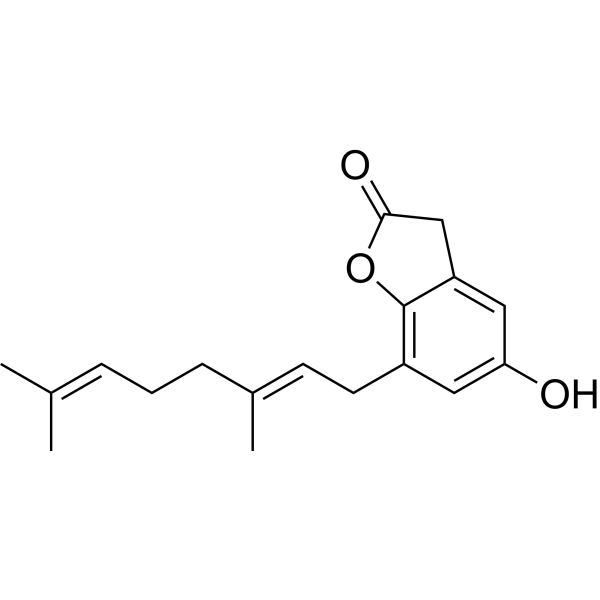
  • HY-N10928

    Parasite Infection
    Lettowienolide, a geranylbenzoquinonoid, exhibits mild in vitro activity against the Plasmodium falciparum malaria parasite (IC50~20 μg/mL) .
    Lettowienolide
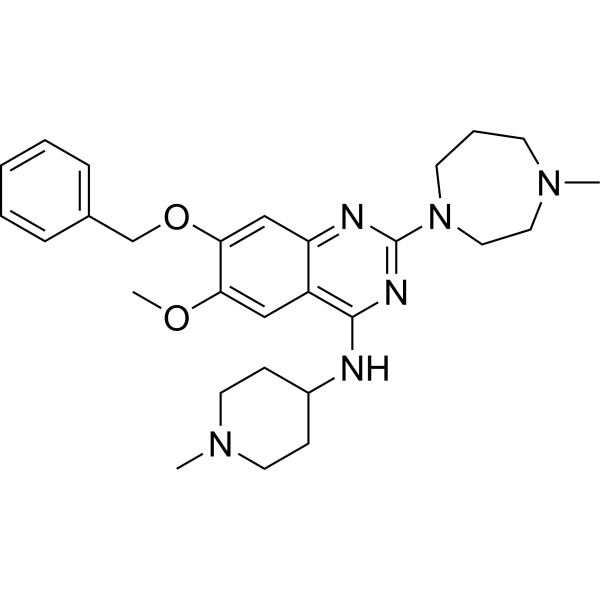
  • HY-121493

    Histone Methyltransferase Parasite Infection
    TM2-115 inhibits malaria parasite histone methyltransferases, resulting in rapid and irreversible parasite death .
    TM2-115
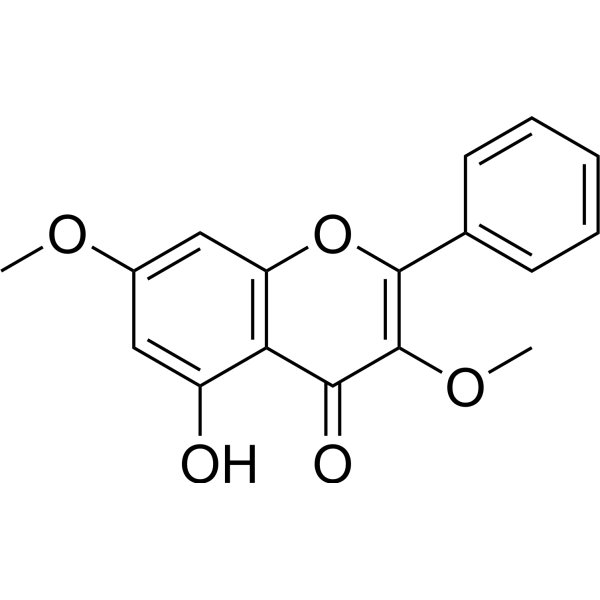
  • HY-N9991

    Parasite Others
    5-Hydroxy-3,7-dimethoxyflavone (compound 1) can be isolated from Kaempferia parviflora, but has no significant toxicity to malaria parasites, fungi, and bacteria .
    5-Hydroxy-3,7-dimethoxyflavone
  • HY-103397R

    Antibiotic Reference Standards DNA Methyltransferase Parasite Infection Cancer
    Nanaomycin A (Standard) is the analytical standard of Nanaomycin A. This product is intended for research and analytical applications. Nanaomycin A is the first selective DNMT3B inhibitor with an IC50 of 500 nM. Nanaomycin A, a quinone antibiotics, reactivates silenced tumor suppressor genes in human cancer cells[1]. Nanaomycin A inhibits in vitro growth of the human malaria parasite Plasmodium falciparum with an IC80 value of 33.1 nM[2].
    Nanaomycin A (Standard)
  • HY-N0281R

    7,8-Dihydroxycoumarin (Standard)

    Reference Standards EGFR PKA PKC Autophagy Apoptosis AMPK Akt mTOR Reactive Oxygen Species (ROS) Caspase Bcl-2 Family PARP Parasite Inflammation/Immunology Cancer
    Daphnetin (Standard) is the analytical standard of Daphnetin. This product is intended for research and analytical applications. Daphnetin (7,8-dihydroxycoumarin), one coumarin derivative can be found in plants of the Genus Daphne, is a potent, oral active protein kinase inhibitor, with IC50s of 7.67 μM, 9.33 μM and 25.01 μM for EGFR, PKA and PKC in vitro, respectively. Daphnetin triggers ROS-induced cell apoptosis and induces cytoprotective autophagy by modulating the AMPK/Akt/mTOR pathway. Daphnetin has anti-inflammation activitity and inhibits TNF-α, IL-1 , ROS, and MDA production. Daphnetin has schizontocidal activity against malaria parasites. Daphnetin can be used for rheumatoid arthritis , cancer and anti-malarian research .
    Daphnetin (Standard)
  • HY-173567

    Parasite Infection
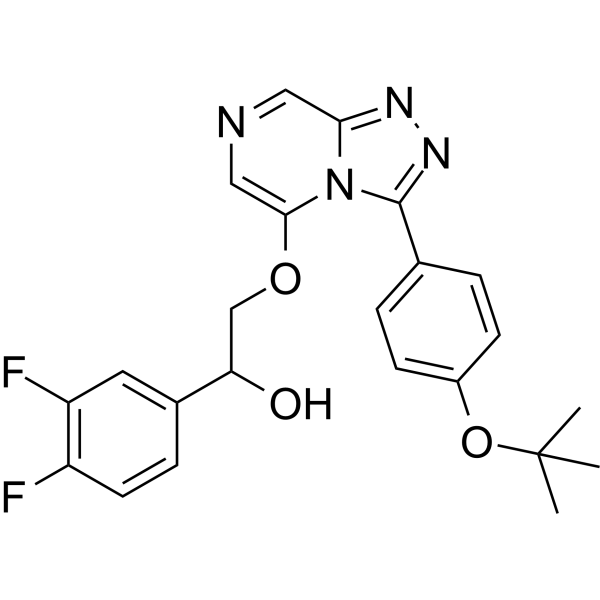
    WJM664 is a potent Plasmodium falciparum PfATP4 inhibitor. WJM664 shows strong activity against malaria parasites. WJM664 blocks gamete development and transmission to mosquitoes by inhibiting PfATP4-mediated Na +-dependent ATPase activity, and acts on multiple stages of the malaria parasite life cycle .
    WJM664
  • HY-132930

    Parasite Infection
    TCMDC-136230 is a novel disruptor of the malaria parasite calcium dynamics but minimally inhibits heme crystallization.
    TCMDC-136230
  • HY-132929

    Parasite Infection
    TCMDC-125431 is a novel disruptor of the malaria parasite calcium dynamics but minimally inhibits heme crystallization.
    TCMDC-125431
  • HY-N8513

    Parasite Infection
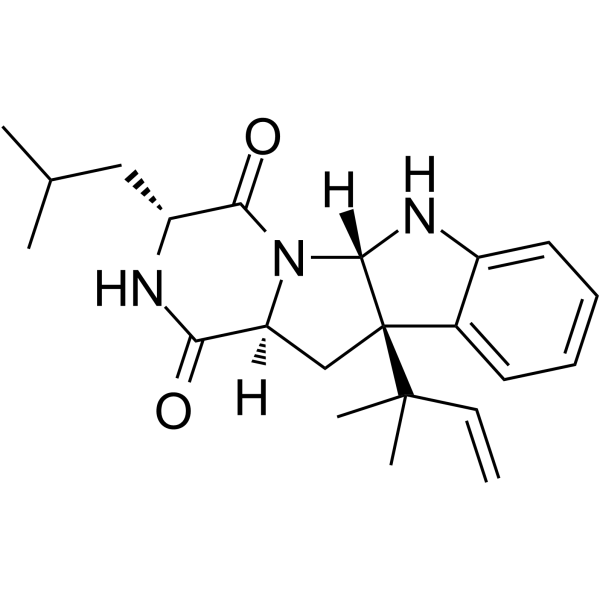
    Brevicompanine B, a diketopiperazine alkaloid, is an antiplasmodial agent. Brevicompanine B is active against the malaria parasite Plasmodium falciparum 3D7 IC50 of 35 mg/mL .
    Brevicompanine B
  • HY-D1532

    Parasite Others
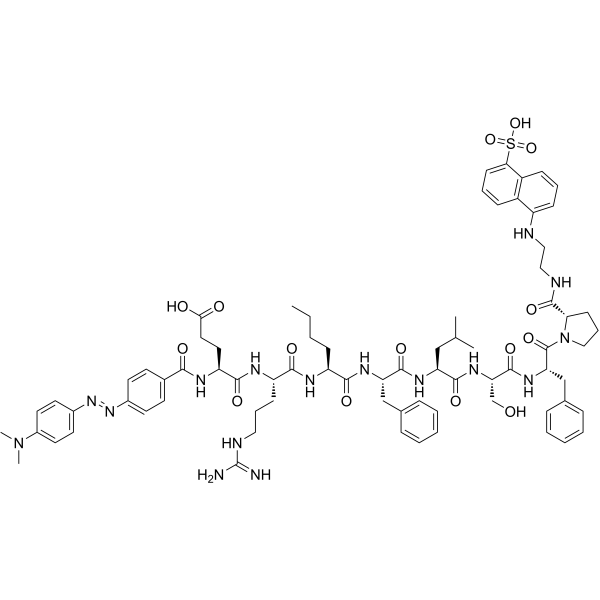
    DABCYL-Glu-Arg-Nle-Phe-Leu-Ser-Phe-Pro-EDANS is a fluorescent dye, and can be applied in a fluorogenic substrate for an aspartyl proteinase from human malaria parasite .
    DABCYL-Glu-Arg-Nle-Phe-Leu-Ser-Phe-Pro-EDANS
  • HY-145327

    Na+/K+ ATPase Parasite Infection
    Antimalarial agent 7 is a potent inhibitor of PfATP4. PfATP4 is an essential ion pump on the parasite surface. Antimalarial agent 7 has the potential for the research of human malaria parasite, Plasmodium falciparum .
    Antimalarial agent 7
  • HY-A0148B

    (-)-SKF-102886 free base; (-)-WR-171669

    Parasite Infection
    (-)-Halofantrine ((-)-SKF-102886 free base; (-)-WR-171669) is an inhibitor of the malignant malaria parasite (P. falciparum) and targets multidrug-resistant P. falciparum. The pharmacokinetic parameters of (-)-Halofantrine in rats vary depending on the route of administration, distinguishing it from other isomers .
    (-)-Halofantrine
  • HY-N10624

    Parasite Infection
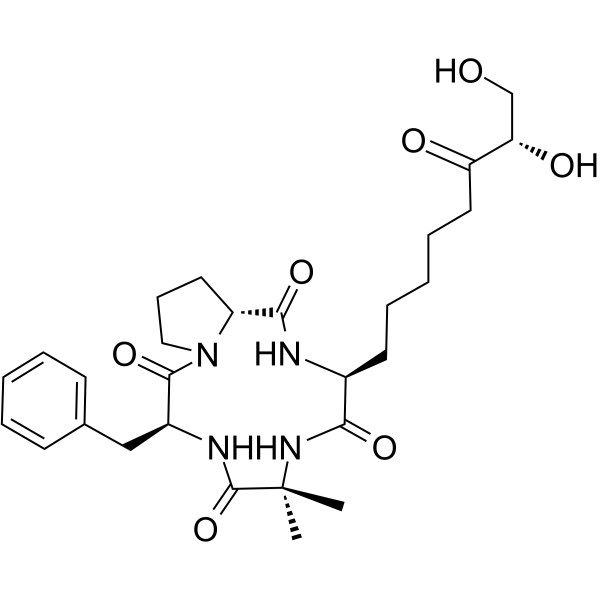
    Koshidacin B is an antiplasmodial cyclic tetrapeptide with antiplasmodial activity against P. falciparum FCR3 and K1 strain with IC50 values of 0.89 and 0.83 μM, respectively. Koshidacin B suppresses malaria parasites in vivo, it can be used for the research of parasites infection .
    Koshidacin B
  • HY-179118

    Parasite Infection
    Antimalarial agent 53 (compound 31) is an antimalarial agent. Antimalarial agent 53 blocks protein synthesis by inhibiting the cytoplasmic ribosomes of malaria parasites, exhibiting potent antimalarial activity (IC50 = 3.9 nM) and good selectivity. Antimalarial agent 53 has no cross resistance and good safety. Antimalarial agent 53 can be used for research on malaria .
    Antimalarial agent 53
  • HY-103353A
    SID 26681509 quarterhydrate
    5 Publications Verification

    Cathepsin Parasite Infection Cancer
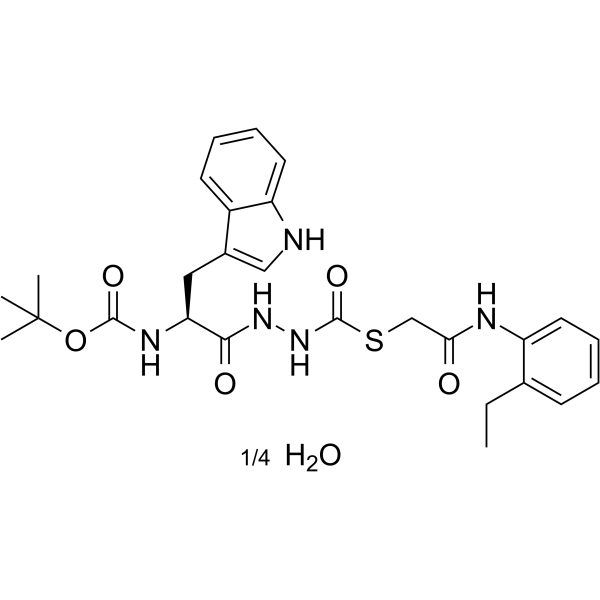
    SID 26681509 quarterhydrate is a potent, reversible, competitive, and selective inhibitor of human cathepsin L with an IC50 of 56 nM. SID 26681509 quarterhydrate inhibits in vitro propagation of malaria parasite Plasmodium falciparum and inhibits Leishmania major with IC50s of 15.4 μM and 12.5 μM, respectively. SID 26681509 quarterhydrate shows no inhibitory activity against cathepsin G .
    SID 26681509 quarterhydrate
  • HY-P5344

    Fluorigenic PEXEL peptide

    Parasite Others
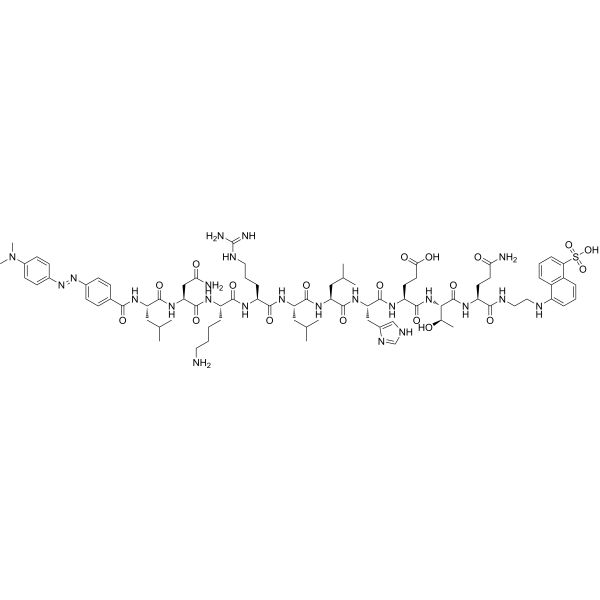
    Dabcyl-LNKRLLHETQ-Edans (Fluorigenic PEXEL peptide) is a biological active peptide. (This FRET substrate peptide for Plasmepsin V (PMV) is derived from the conserved Plasmodium Export Element (PEXEL) motif of Histidine-Rich Protein II (HRPII). PMV is an ER aspartic protease that recognizes and cleaves the RXL sequence within the PEXEL motif of proteins exported by human malaria parasite Plasmodium falciparum, allowing them to translocate into host erythrocytes.)
    Dabcyl-LNKRLLHETQ-Edans
  • HY-116535A

    Parasite Infection
    DL-threo-PPMP hydrochloride is an inhibitor of sphingosine synthetase in Plasmodium falciparum. DL-threo-PPMP hydrochloride inhibits the activity of sphingosine synthetase (sphingosine synthetase) by binding to a substrate that mimics sphingosine. This inhibition leads to a rapid decline in sensitive sphingomyelin synthase (SSS) activity, selectively disrupting the interconnected tubular network of TVM in the cytoplasm of the host cell, and this inhibition also blocks the proliferation of the parasite. DL-threo-PPMP hydrochloride can be used in the study of malaria parasite biology and the search for new antimalarial strategies .
    DL-threo-PPMP hydrochloride
  • HY-171215

    Parasite Aminoacyl-tRNA Synthetase Infection
    ML901 is an antimalarial agent with an IC50 value of 2 nM against the malaria parasite. ML901 specifically inhibits the tyrosine tRNA synthetase of the malaria parasite (PfYRS) through "receptor hijacking". ML901 exhibits full life-cycle killing activity in the malaria mouse model. ML901 can be used for studying malaria parasite infection .
    ML901
  • HY-180945

    Paraptosis Infection
    Antimalarial agent 54 (Compound 23) is a potent antimalarial agent that mainly kills the late-stage trophozoites of the malaria parasite. Antimalarial agent 54 can inhibit the formation of hemozoin in the malaria parasite, resulting in the accumulation of free hemoglobin within the malaria parasite. Antimalarial agent 54 shows IC50 values of 0.14 and 0.19 μM against P. falciparum NF54 and Dd2 parasite. Antimalarial agent 54 can be used for research of malaria .
    Antimalarial agent 54
  • HY-182309

    DNA Methyltransferase Parasite Infection
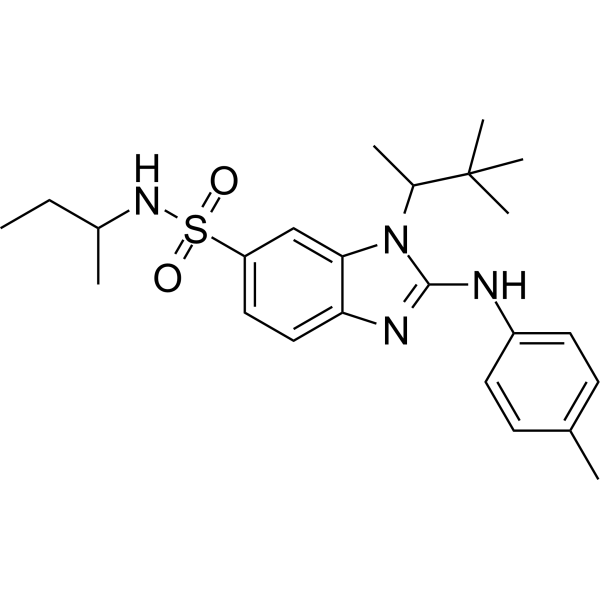
    SC83288 is a Plasmodium falciparum PfDNMT2 inhibitor with an IC50 of 7 μM. SC83288 disrupts the epigenetic regulation of malaria parasites, blocks DNA replication and nuclear division, arrests the development of the asexual blood stage, induces the formation of pyknotic morphology in malaria parasites, and does not affect cytokinesis after nuclear division or parasite egress. SC83288 is applicable to malaria-related research .
    SC83288
  • HY-181108

    PDGFR Parasite Infection
    GSK190937 is a type II platelet-derived growth factor receptor alpha (PDGFRA) human kinase inhibitor with antimalarial activity. GSK190937 can inhibit the formation of hemozoin in the malaria parasite, resulting in the accumulation of free hemoglobin within the malaria parasite. GSK190937 shows IC50 values of 0.22, 0.59 and 0.25 μM against P. falciparum NF54, K1 and Dd2 parasite. GSK190937 shows an IC50 of 25 μM for CHO cells. GSK190937 can be used for research of malaria .
    GSK190937
  • HY-182685

    Acetyl-CoA synthetase Parasite Infection
    MMV693183 is an orally active inhibitor of Plasmodium falciparum acetyl-CoA synthetase (AcAS), with an IC50 of 300 nM against Plasmodium falciparum. MMV693183 exhibits potent inhibitory activity against clinical isolates of malaria parasites, including Artemisinin (HY-B0094)-resistant strains. MMV693183 is metabolized in vivo into the active antimetabolite CoA-MMV693183, which exerts effects of killing asexual blood-stage parasites and blocking transmission to Anopheles mosquitoes by binding to and inhibiting the function of acetyl-CoA synthetase, thereby reducing the levels of acetyl-CoA and 4'-phosphopantetheine. In humanized mouse models, MMV693183 shows favorable in vivo efficacy, drug-like properties, and no significant cytotoxicity or off-target activity against human cells. MMV693183 is widely used in malaria-related research as a parasiticide and metabolic disruptor .
    MMV693183

Inquiry Online

Your information is safe with us. * Required Fields.

Salutation


Country or Region *

Applicant Name *


Organization Name *

Department *


Email Address *


Product Name *

Cat. No.


Requested quantity *

Phone Number *


Remarks

Inquiry Online

Inquiry Information

Product Name:
Cat. No.:
Quantity:
MCE Japan Authorized Agent: