Search Result
Results for "
pancreatic ductal adenocarcinoma tumors
" in MedChemExpress (MCE) Product Catalog:
1
Biochemical Assay Reagents
| Cat. No. |
Product Name |
Target |
Research Areas |
Chemical Structure |
-
- HY-145928
-
|
GDC-6036
|
Ras
|
Cancer
|
|
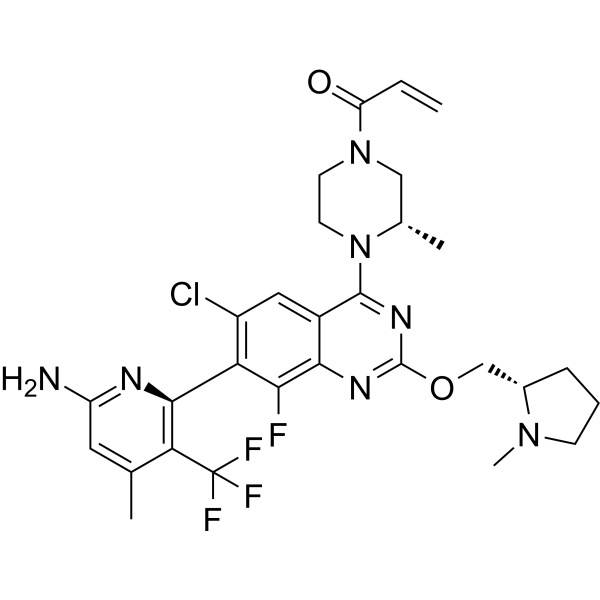
Divarasib (GDC-6036) is an orally active, selective KRAS G12C inhibitor with an IC50 of <0.01 μM. Divarasib covalently binds Cys12 in GDP-bound KRAS G12C, occupies the switch II pocket, blocks GTP binding and SOS-mediated reactivation, and inhibits oncogenic KRAS signaling. Divarasib induces tumor shrinkage and robust tumor growth inhibition in KRAS G12C-positive models and cancer cells. Divarasib can be used for the research of non-small cell lung cancer, colorectal adenocarcinoma, pancreatic ductal adenocarcinoma, and other KRAS G12C-mutated solid tumors .
|
-
-
- HY-101194
-
|
Tin-protoporphyrin IX; Sn-Protoporphyrin; SnPPIX
|
Reactive Oxygen Species (ROS)
|
Cancer
|
|
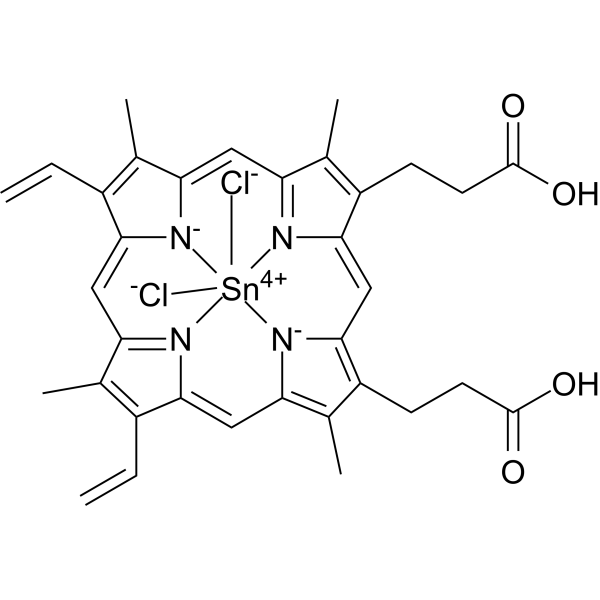
Tin protoporphyrin IX dichloride (SnPPIX) is a potent Heme oxygenase-1 (HO-1) inhibitor. Tin protoporphyrin IX dichloride sensitizes pancreatic ductal adenocarcinoma (PDAC) tumors to chemotherapy in mice model .
|
-
-
- HY-148808
-
|
RXC007
|
ROCK
|
Cancer
|
|
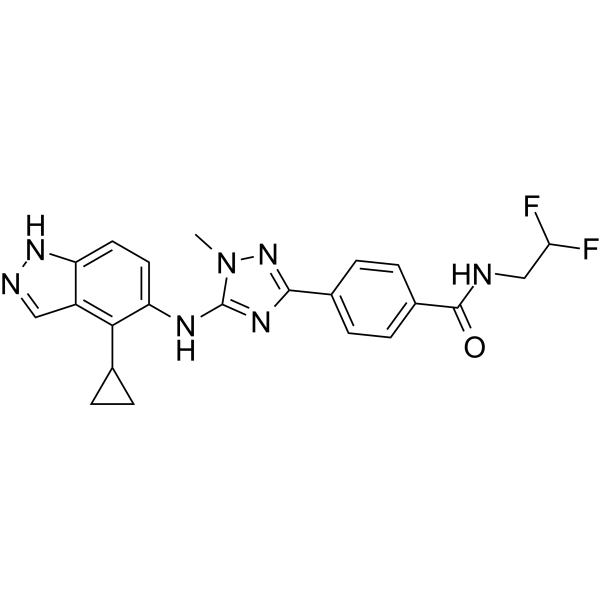
Zelasudil (RXC007) is an orally active, highly selective small molecule Rho-associated coiled-coil containing protein kinase 2 (ROCK2) inhibitor with anti-fibrotic efficacy. Zelasudil elicits positive immunomodulatory effects in metastatic pancreatic tumors with increase of CD8+ and CD4+ T cell infiltrate into the tumor cortex and reduction in immunosuppressive FOXP3+ regulatory T cells at the tumor border. Zelasudil is promising for research of pancreatic ductal adenocarcinoma .
|
-
-
- HY-173629
-
|
|
Ras
Apoptosis
|
Cancer
|
|
RMC-5127 is a small molecule inhibitor that binds to GTP-targeted KRAS G12V, with oral bioavailability and blood-brain barrier permeability. RMC-5127 inhibits the activities of the RAS and MAPK pathways, suppresses the proliferation of KRAS G12V-mutant cancer cells and induces their apoptosis. RMC-5127 can be used for the research of KRAS G12V-mutant non-small cell lung cancer, pancreatic ductal adenocarcinoma, colorectal cancer and intracranial KRAS G12V tumors .
|
-

-
- HY-70006
-
|
TOK-001; VN-124-1
|
Molecular Glues
Androgen Receptor
MNK
Cytochrome P450
Apoptosis
|
Cancer
|
|
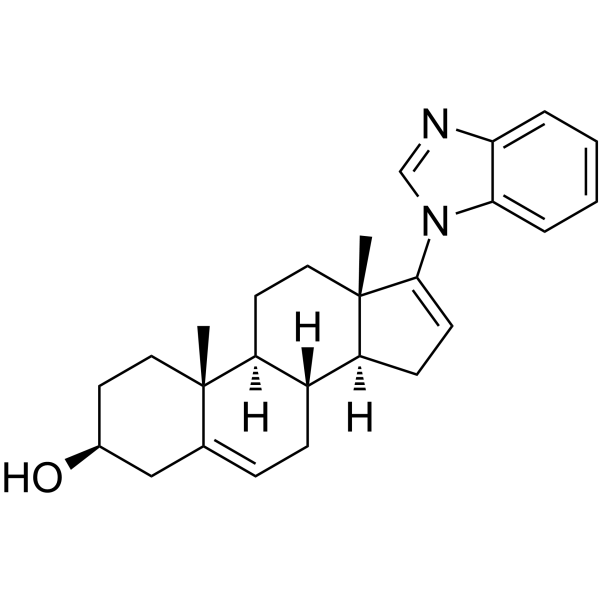
Galeterone (TOK-001) is a potent, orally active molecular glue degrader, which degrades androgen receptor (AR) and its splice variants (AR-Vs) and MAP kinase-interacting serine/threonine protein kinase Mnk1/2. Galeterone also functions as a CYP17 inhibitor (IC50 = 47 nM). Galeterone induces cell apoptosis. Galeterone inhibits tumor growth in human prostate cancer xenograft mouse models. Galeterone can be used for castration resistant prostate cancer (CRPC) and pancreatic ductal adenocarcinoma (PDAC) research [1][2].
|
-
-
- HY-103019
-
|
(+)-BAY-1251152; (+)-VIP152; (S)-Enitociclib
|
Drug Isomer
CDK
Apoptosis
DNA/RNA Synthesis
|
Inflammation/Immunology
Cancer
|
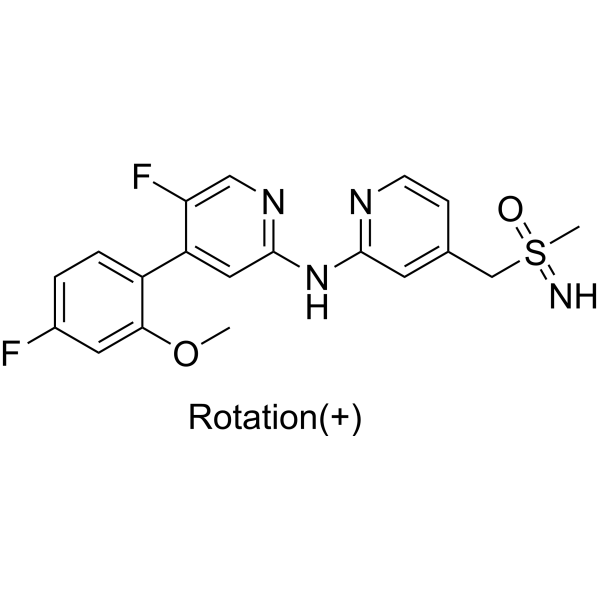
Enitociclib ((+)-BAY-1251152; (+)-VIP152) is a selective CDK9 inhibitor (IC50=3 nM) that inhibits transcriptional elongation by blocking Ser2/Ser5 phosphorylation of RNA polymerase II. Enitociclib specifically depletes key short-lived proteins such as c-MYC, MCL-1 and induces tumor cell apoptosis. Enitociclib also interferes with the production of enhancer RNAs (eRNA) and enhancer-promoter interactions, and downregulates oncogene expression at the epigenetic level. Enitociclib exerts synergistic effects with agents including Bortezomib (HY-10227), Lenalidomide (HY-A0003), Pomalidomide (HY-10984), Venetoclax (HY-15531) and Paclitaxel (HY-B0015), and even reverses paclitaxel resistance. Enitociclib serves as a vital research tool for various malignancies such as double-hit diffuse large B-cell lymphoma, multiple myeloma and pancreatic ductal adenocarcinoma .
|
-
-
- HY-40146
-
|
N-Boc-3-azetidinone
|
Drug Intermediate
PROTAC Linkers
|
Infection
Cancer
|
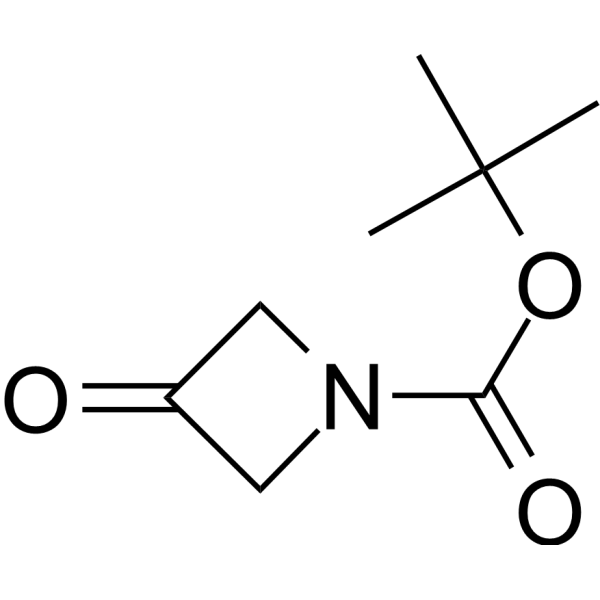
tert-Butyl 3-oxoazetidine-1-carboxylate is a synthetic intermediate. tert-Butyl 3-oxoazetidine-1-carboxylate can be used in compound research and development targeting cancer and tuberculosis .
|
-
-
- HY-148409
-
|
|
Ferroptosis
Apoptosis
Autophagy
MDM-2/p53
|
Cancer
|
|
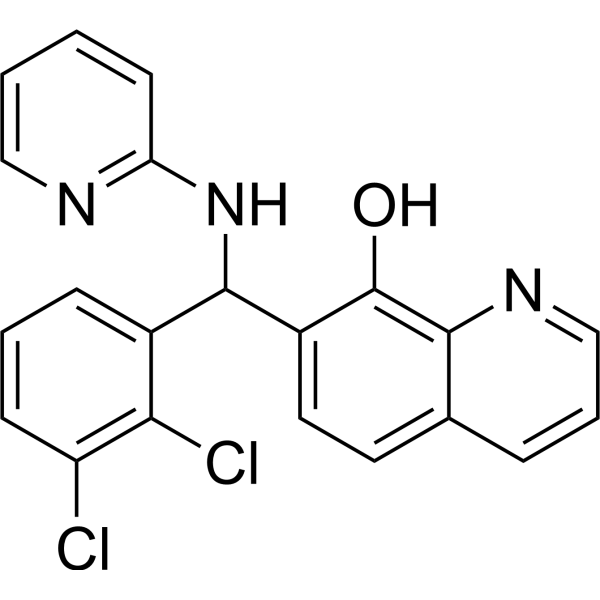
MMRi62, a ferroptosis inducer targeting MDM2-MDM4 (negative regulators of tumor suppressor p53). MMRi62 shows a P53-independent pro-apoptotic activity against pancreatic ductal adenocarcinoma (PDAC) cells and induce autophagy. MMRi62 inducesferroptosis, resulting in a increase of reactive oxygen and lysosomal degradation of ferritin heavy chain (FTH1). MMRi62 also leads to proteasomal degradation of mutant p53, also inhibits orthotopic xenograft PDAC mouse model in vivo with high frequency mutation characteristics of KRAS and TP53.12 .
|
-
-
- HY-P99943
-
|
KN-046
|
PD-1/PD-L1
CTLA-4
|
Cancer
|
|
Erfonrilimab (KN-046) is a monoclonal antibody targeting PD-L1/CTLA-4. Erfonrilimab blocks the PD-L1 and CTLA-4 pathways, thereby regulating T cell function. Erfonrilimab enhances the secretion of IL-2 in superantigen-stimulated peripheral blood mononuclear cells. Erfonrilimab inhibits tumor growth in xenograft and double gene knock-in mouse models. Erfonrilimab can be used in research related to a variety of advanced solid tumors, including non-small cell lung cancer and nasopharyngeal carcinoma.
|
-

-
- HY-147008
-
|
|
Epigenetic Reader Domain
|
Cancer
|
|
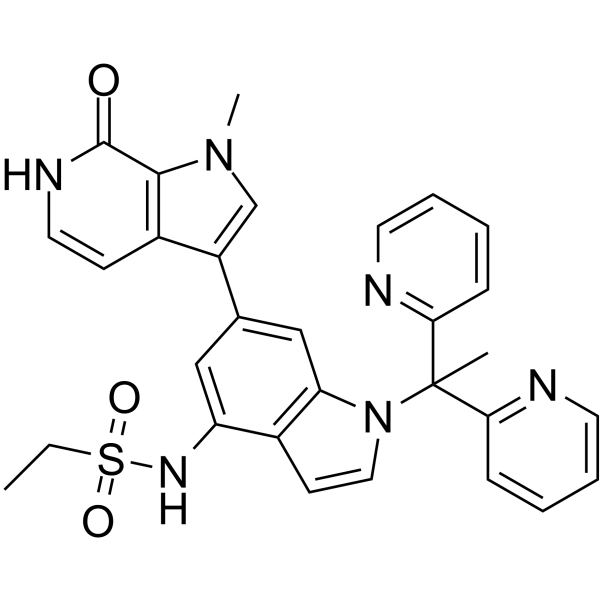
XP-524 is a potent BET and EP300 inhibitor. XP-524 shows great tumoricidal activity in vivo. XP-524 prevents KRAS-induced, neoplastic transformation in vivo and extends survival in two transgenic mouse models of aggressive PDAC. XP-524 also enhances the presentation of self-peptide and tumor recruitment of cytotoxic T lymphocytes. XP-524 has the potential for the research of pancreatic ductal adenocarcinoma (PDAC) .
|
-
-
- HY-160777
-
|
Galeterone 3β-imidazole
|
Molecular Glues
Androgen Receptor
MNK
Apoptosis
|
Cancer
|
|
VNPP433-3β (Galeterone 3β-imidazole) is an orally active molecular glue degrader, which degrades androgen receptor (AR) and its splice variants (AR-Vs) and MAP kinase-interacting serine/threonine protein kinase Mnk1/2. VNPP433-3β induces cell apoptosis. VNPP433-3β inhibits tumor growth in the CWR22Rv1 xenograft mouse model. VNPP433-3β can be used for the study of castration resistant prostate cancer (CRPC) and pancreatic ductal adenocarcinoma (PDAC) .
|
-

-
- HY-P991481
-
|
|
CCR
|
Inflammation/Immunology
Cancer
|
|
S-531011 is a high-affinity, selective, and reversible CCR8 ligand with antibody-dependent cellular cytotoxicity (ADCC) against CCR8-expressing cells. S-531011 induces the death of tumor-infiltrating CCR8 + regulatory T cells while preserving regulatory T cells in peripheral blood, thereby reinvigorating anti-tumor immunity. The combination of S-531011 with anti-PD-1 antibody effectively inhibits tumor growth, and S-531011 can be used for research on advanced solid tumors and various cancers including non-small cell lung cancer, ovarian cancer, colon cancer, breast cancer, and pancreatic ductal adenocarcinoma .
|
-

-
- HY-P990009
-
|
NIS-793
|
TGF-beta/Smad
TGF-β Receptor
|
Cancer
|
|
Nisevokitug (NIS-793) is a humanized IgG2λ monoclonal antibody and an inhibitor of the TGF-β signaling pathway. Nisevokitug blocks the binding of TGF-β to the membrane-bound TGF-βR1/TGF-βR2 receptors, inhibits both Smad-dependent and Smad-independent downstream cascade signaling, downregulates fibrosis-related genes, and reverses the TGF-β-mediated immunosuppressive microenvironment. Nisevokitug can be used in the research of diseases such as pancreatic ductal adenocarcinoma, colorectal cancer, myelofibrosis, and myelodysplastic syndrome .
|
-

-
- HY-175202
-
|
|
Discoidin Domain Receptor
Apoptosis
Caspase
Interleukin Related
PERK
|
Cancer
|
|
CIDD-8633 is a potent DDR2 inhibitor with an IC50 of 6.105 μM. CIDD-8633 inhibits cell migration and halts the cell cycle and induces apoptosis, significantly suppressing pancreatic ductal adenocarcinoma (PDAC) tumor growth. CIDD-8633 can be used for the study of pancreatic cancer such as PDAC .
|
-

-
- HY-165245
-
|
|
Transmembrane Glycoprotein
|
Cancer
|
|
SBI-183 is an orally active inhibitor of QSOX1 (Kd: 20 μM). SBI-183 suppresses the proliferative and invasive phenotype of renal cancer cell lines, including triple negative breast cancer cell line, lung adenocarcinoma cell line and pancreatic ductal adenocarcinoma. SBI-183 inhibits tumor growth in two human xenograft mouse models of renal cell carcinoma in vivo .
|
-

-
- HY-145928B
-
|
GDC-6036 adipate
|
Ras
|
Cancer
|
|
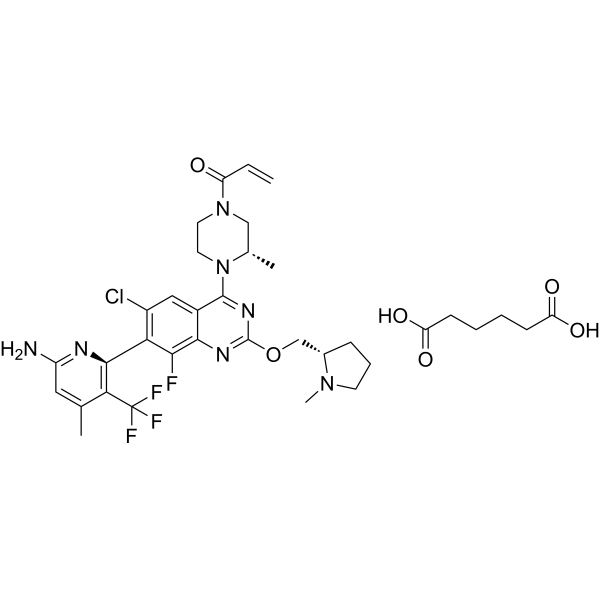
Divarasib (GDC-6036) adipate is an orally active, selective KRASG12C inhibitor with an IC50 of <0.01 μM. Divarasib adipate covalently binds Cys12 in GDP-bound KRASG12C, occupies the switch II pocket, blocks GTP binding and SOS-mediated reactivation, and inhibits oncogenic KRAS signaling. Divarasib adipate induces tumor shrinkage and robust tumor growth inhibition in KRASG12C-positive models and cancer cells. Divarasib adipate can be used for the research of non-small cell lung cancer, colorectal adenocarcinoma, pancreatic ductal adenocarcinoma, and other KRASG12C-mutated solid tumors .
|
-
-
- HY-N6237
-
|
|
Aminotransferases (Transaminases)
Apoptosis
|
Cancer
|
|
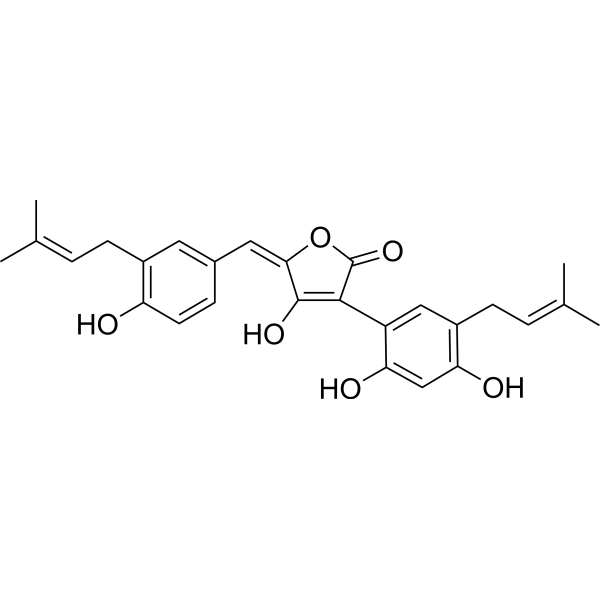
Aspulvinone O is a selective inhibitor of glutamate oxaloacetate aminotransferase GOT1. Aspulvinone O inhibits glutamine metabolism and reduces NADPH production, thereby inducing oxidative stress and apoptosis in pancreatic ductal adenocarcinoma (PDAC) cells. Aspulvinone O inhibits PDAC cell proliferation in vitro and tumor growth in xenograft models .
|
-
-
- HY-70006A
-
|
TOK-001 hydrochloride; VN-124-1 hydrochloride
|
Molecular Glues
Androgen Receptor
MNK
Cytochrome P450
Apoptosis
|
Cancer
|
|
Galeterone (TOK-001) hydrochloride is a potent, orally active molecular glue degrader, which degrades androgen receptor (AR) and its splice variants (AR-Vs) and MAP kinase-interacting serine/threonine protein kinase Mnk1/2. Galeterone hydrochloride also functions as a CYP17 inhibitor (IC50 = 47 nM). Galeterone hydrochloride induces cell apoptosis. Galeterone hydrochloride inhibits tumor growth in human prostate cancer xenograft mouse models. Galeterone hydrochloride can be used for castration resistant prostate cancer (CRPC) and pancreatic ductal adenocarcinoma (PDAC) research [1][2].
|
-

-
- HY-160045
-
|
|
Cholecystokinin Receptor
|
Cancer
|
|
AP1153 aptamer sodium is a DNA aptamer that specifically binds to the cholecystokinin receptor CCKBR (Kd: ~15 pM), but does not activate CCKBR-related signaling pathways. AP1153 aptamer sodium is internalized by pancreatic ductal adenocarcinoma (PDAC) cells in a receptor-mediated manner. AP1153 aptamer sodium can bioconjugate to the surface of fluorescent nanoparticles to facilitate nanoparticle delivery to PDAC tumors in vivo .
|
-
-
- HY-18652A
-
|
Ro 5126766 potassium; CH5126766 potassium
|
Raf
MEK
|
Cancer
|
|
Avutometinib (CH5126766) (potassium) is a RAF/MEK clamp that potently inhibits RAF/MEK kinase activity and induces dominant negative RAF-MEK complexes preventing phosphorylation of MEK by ARAF, BRAF and CRAF. Avutometinib (potassium) shows anti-proliferative potency across tumor cell lines carrying KRAS mutations including PDAC cell lines. Avutometinib (potassium) induces tumor inhibition and increases survival in a KRAS/p53 pancreatic cancer mouse model. Avutometinib (potassium) is promising for research of low-grade-serous-ovarian-carcinoma (LGSOC), ovarian cancer and pancreatic ductal adenocarcinoma (PDAC) .
|
-

-
- HY-148260
-
|
|
Ras
|
Cancer
|
|
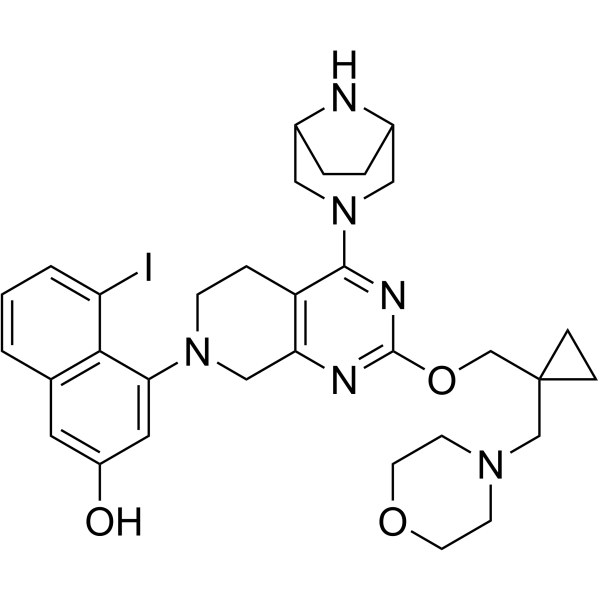
KRAS G12D inhibitor 16 is a KRAS G12D inhibitor. KRAS G12D inhibitor 16 has inhibitory activity against KRAS G12D and KRAS G12D mutation with IC50 value of 0.7 nM and 0.35 μM, respectively. KRAS G12D inhibitor 16 can be used for the research of many malignant tumor, such as pancreatic ductal adenocarcinomas (PDAC), colon and rectal carcinomas (CRC), non-small cell lung carcinomas (NSCLC) .
|
-
-
- HY-155222
-
|
|
Epigenetic Reader Domain
HDAC
|
Cancer
|
|
TW9 is a potent dual inhibitor simultaneously targeting BET and HDAC proteins with KDs of 0.069 μM, 0.231 μM for BRD4(1), BRD4(2), and an IC50 of 0.29 μM for HDAC1, respectively. TW9 is a newly generated adduct of the BET inhibitor (+)-JQ1 (HY-13030) and class I HDAC inhibitor CI994 (HY-50934). TW9 shows high potency in suppressing tumor growth in pancreatic ductal adenocarcinoma (PDAC). TW9 improves the efficacy of the chemotherapeutic agent Gemcitabine (HY-17026) .
|
-

-
- HY-160777A
-
|
Galeterone 3β-imidazole dihydrochloride
|
Molecular Glues
Androgen Receptor
MNK
Apoptosis
|
Cancer
|
|
VNPP433-3β (Galeterone 3β-imidazole) dihydrochloride is an orally active molecular glue degrader, which degrades androgen receptor (AR) and its splice variants (AR-Vs) and MAP kinase-interacting serine/threonine protein kinase Mnk1/2. VNPP433-3β dihydrochloride induces cell apoptosis. VNPP433-3β dihydrochloride inhibits tumor growth in the CWR22Rv1 xenograft mouse model. VNPP433-3β dihydrochloride can be used for the study of castration resistant prostate cancer (CRPC) and pancreatic ductal adenocarcinoma (PDAC) .
|
-

-
- HY-160777B
-
|
Galeterone 3β-imidazole hydrochloride
|
Molecular Glues
Androgen Receptor
MNK
Apoptosis
|
Cancer
|
|
VNPP433-3β (Galeterone 3β-imidazole) hydrochloride is an orally active molecular glue degrader, which degrades androgen receptor (AR) and its splice variants (AR-Vs) and MAP kinase-interacting serine/threonine protein kinase Mnk1/2. VNPP433-3β hydrochloride induces cell apoptosis. VNPP433-3β hydrochloride inhibits tumor growth in the CWR22Rv1 xenograft mouse model. VNPP433-3β hydrochloride can be used for the study of castration resistant prostate cancer (CRPC) and pancreatic ductal adenocarcinoma (PDAC) .
|
-

-
- HY-P11849
-
|
|
Radionuclide-Drug Conjugates (RDCs)
|
Cancer
|
|
NOTA-PTP is an aggregation agent and imaging agent targeting Plectin-1. NOTA-PTP achieves targeted accumulation in Plectin-1-expressing cells and tumors. NOTA-PTP accumulates in a time-dependent manner in pancreatic ductal adenocarcinoma cells. NOTA-PTP serves as a precursor for the synthesis of [ 68Ga]Ga-NOTA-PTP, a Plectin-1-targeted positron emission tomography radiotracer for pancreatic ductal adenocarcinoma imaging. NOTA-PTP can be used in studies related to pancreatic ductal adenocarcinoma .
|
-

-
- HY-129085
-
|
C5OH
|
Drug Derivative
Apoptosis
NF-κB
|
Cancer
|
|
5-Methyl cromolyn (C5OH) disodium, an analog of Cromolyn (HY-B1619), is a S100P inhibitor. 5-Methyl cromolyn disodium inhibits the binding of S100P to its receptor RAGE, NF-κB activity and cell proliferation, and promotes Gemcitabine (HY-17026)-induced apoptosis. 5-Methyl cromolyn disodium reduces tumor growth and metastasis, and prolongs survival in mouse models of syngeneic PDAC. 5-Methyl cromolyn disodium can be used for pancreatic cancer like pancreatic ductal adenocarcinoma (PDAC) research .
|
-

-
- HY-168718
-
|
|
FAK
JAK
Aurora Kinase
PI3K
Akt
Apoptosis
|
Cancer
|
|
FAK-IN-22 (Compound 26) is an inhibitor of FAK, JAK3, and Aurora B, with IC50 values of 50.94 nM, 9.99 nM, and 0.49 nM, respectively, effectively inhibiting tumor occurrence and metastasis in pancreatic ductal adenocarcinoma (PDAC). FAK-IN-22 effectively inhibits the proliferation of PANC-1 cells, with an IC50 value of 0.15 μM. FAK-IN-22 induces apoptosis and G2/M phase arrest in PANC-1 cells by inhibiting the FAK/PI3K/Akt signaling pathway .
|
-

-
- HY-P11850
-
|
|
Radionuclide-Drug Conjugates (RDCs)
|
Cancer
|
|
PTP peptide is a specific Plectin-1 binder. PTP peptide can serve as a component of imaging agents; when conjugated with magnetofluorescent nanoparticles, it enables the detection of small pancreatic ductal adenocarcinomas and precancerous lesions via in vivo confocal microscopy and MRI. When conjugated with imaging agents, PTP peptide specifically targets pancreatic ductal adenocarcinoma cells, and can be used for tumor visualization and compound delivery. PTP peptide is applicable to research related to pancreatic ductal adenocarcinoma .
|
-

-
- HY-10459A
-
|
VS-6062 mesylate
|
FAK
Pyk2
|
Neurological Disease
Cancer
|
|
PF-562271 mesylate (VS-6062 mesylate) is an orally active, ATP-competitive, reversible FAK/Pyk2 inhibitor, with an IC50 of 1.5 nM for FAK and 13 nM for Pyk2. PF-562271 mesylate induces tumor regression, and inhibits tumor growth, invasion and metastasis. PF-562271 mesylate exerts no effect on tumor necrosis, angiogenesis or apoptosis in an orthotopic mouse model of pancreatic ductal adenocarcinoma. When combined with Sunitinib (HY-10255A), PF-562271 mesylate reduces tumor vascularization, decreases serum alpha-fetoprotein levels and improves cachexia. PF-562271 mesylate can be used in research related to prostate cancer, breast cancer, pancreatic cancer, colon cancer, glioblastoma, lung cancer, pancreatic ductal adenocarcinoma and hepatocellular carcinoma .
|
-

-
- HY-P992379
-
|
BAG3-H2L4
|
Bcl-2 Family
|
Cancer
|
|
IB001 is a humanized anti-BAG3 antibody that inhibits BAG3, with a KD value of 14.4 nM for human BAG3. IB001 blocks BAG3-dependent monocyte/macrophage activation, interferes with the interaction between BAG3 and IFITM-2, and disrupts tumor microenvironment signaling pathways. IB001 inhibits tumor growth, reduces α-SMA-positive fibroblasts, and blocks BAG3-dependent IL-6 release. IB001 accumulates in a time-dependent manner in pancreatic ductal adenocarcinoma tumors. IB001 can be used for research related to pancreatic ductal adenocarcinoma .
|
-

-
- HY-120825
-
|
|
Apoptosis
DNA/RNA Synthesis
Reactive Oxygen Species (ROS)
Keap1-Nrf2
|
Cancer
|
|
QD 232 is a quinazolinedione-based ROS inducer and an apoptosis inducer with cytotoxicity and redox regulatory activity. QD 232 promotes ROS accumulation, activates the NRF2-mediated oxidative stress response and unfolded protein response pathways, and upregulates downstream antioxidant and stress response genes. QD 232 inhibits mtDNA transcription driven by HSP2 and LSP promoters, and impairs mitochondrial oxidative phosphorylation function. QD 232 induces apoptosis of pancreatic ductal adenocarcinoma cells and exerts cytotoxicity against gemcitabine (HY-17026)-resistant pancreatic ductal adenocarcinoma cells. QD 232 delays tumor growth in a mouse pancreatic cancer xenograft model .
|
-

-
- HY-P991973
-
|
|
Enolase
|
Cancer
|
|
HuL001 is a specific monoclonal antibody targeting ENO1. HuL001 remodels the tumor microenvironment by inhibiting cancer-associated fibroblasts, thereby suppressing the progression of multiple myeloma. HuL001 can be used for research on cancers such as colorectal cancer, pancreatic ductal adenocarcinoma, and myeloma .
|
-

-
- HY-P11596
-
|
|
Integrin
|
Cancer
|
|
NOTA-Asp2-αvβ6L is an integrin αvβ6 binder with selective accumulation in αvβ6-positive pancreatic cancer cells and tumors. NOTA-Asp2-αvβ6L can be used as a PET/CT tracer for imaging pancreatic ductal adenocarcinoma (PDAC) .
|
-

-
- HY-184148
-
|
|
Phosphatase
|
Cancer
|
|
PFKFB3-IN-3 is a selective PFKFB3 inhibitor with a Ki value of 0.09 μM. PFKFB3-IN-3 reduces cancer cell viability, inhibits tumor growth in xenograft models, and acts as a chemosensitizer to exert synergistic effects with chemotherapeutic agents. The limited cellular activity of PFKFB3-IN-3 restricts its application as a chemical probe, but it demonstrates that the Cys154 residue of PFKFB3 is druggable. PFKFB3-IN-3 can be used for the research of pancreatic ductal adenocarcinoma .
|
-

-
- HY-183098
-
|
|
PROTACs
IKK
Apoptosis
|
Cancer
|
|
UNC8209 is a selective PROTAC-based TANK-binding kinase 1 (TBK1) degrader. UNC8209 recruits cereblon (CRBN) to mediate ubiquitin-proteasome pathway-dependent TBK1 degradation and reduces AAK1, GAK, and AURKA abundance. UNC8209 suppresses tumor cell proliferation, impairs in vivo tumor growth, inhibits colony and clonogenic growth and enhances tumor cell sensitivity to TNFα or IFN-γ. UNC8209 modulates cell cycle and induces mild apoptosis. UNC8209 can be used for the research of clear cell renal cell carcinoma, non-small cell lung cancer, pancreatic ductal adenocarcinoma .
|
-

-
- HY-180200
-
|
|
Ras
ERK
|
Cancer
|
|
RNK08954 is an orally active KRASG12D inhibitor with a Kd of 0.0395 nM. RNK08954 selectively binds the inactive GDP-bound KRASG12D form, suppresses downstream KRAS-mediated signaling pathways p-ERK1/2 experssion. RNK08954 inhibits KRASG12D-mutant cell proliferation, induces G0-G1 cell cycle arrest, and inhibits tumor growth in mouse xenograft models. RNK08954 can be used for the research of non-small cell lung cancer, pancreatic ductal adenocarcinoma .
|
-

-
- HY-181965
-
|
|
Ras
ERK
p38 MAPK
|
Cancer
|
|
KRAS G12C-IN-78 is a selective SWII-binding KRASG12C dual inhibitor targeting both inactive and active states. KRAS G12C-IN-78 rapidly inhibits ERK1/2 phosphorylation, induces covalent adduct formation with endogenous KRASG12C, suppresses MAPK pathway gene expression, and inhibits cellular proliferation in KRASG12C mutant cells. KRAS G12C-IN-78 can be used for the research of KRASG12C mutant solid tumors, including pancreatic ductal adenocarcinoma and non-small cell lung cancer .
|
-

-
- HY-P11785
-
|
|
Claudin
|
Cancer
|
|
Cpe30 MT2 is a short peptide that binds tightly junction protein Claudin‑4 (CLDN4) with high affinity, with a Kd value of 1.97 nM. Cpe30 MT2 can be used for the synthesis of PET molecular imaging probes targeting pancreatic cancer .
|
-

-
- HY-181964
-
|
|
|
Cancer
|
|
KRAS G12C-IN-77 is an orally active and selective KRAS G12C covalent dual-state inhibitor that binds with high affinity to both GDP-bound (inactive state) and GTP-bound (active state) KRAS G12C (IC50 = 133 nM). KRAS G12C-IN-77 rapidly inhibits ERK1/2 phosphorylation, induces the formation of covalent adducts with endogenous KRAS G12C, suppresses the expression of MAPK pathway genes, and inhibits the proliferation of KRAS G12C-mutant cells. KRAS G12C-IN-77 is applicable to research related to KRAS G12C-mutant solid tumors, including pancreatic ductal adenocarcinoma and non-small cell lung cancer .
|
-

-
- HY-184173
-
-

-
- HY-103019R
-
|
(+)-BAY-1251152 (Standard); (+)-VIP152 (Standard); (S)-Enitociclib (Standard)
|
Reference Standards
Drug Isomer
Apoptosis
DNA/RNA Synthesis
CDK
|
Cancer
|
|
Enitociclib (Standard) is the analytical standard of Enitociclib (HY-103019). This product is intended for research and analytical applications. Enitociclib ((+)-BAY-1251152; (+)-VIP152) is a selective CDK9 inhibitor (IC50=3 nM) that inhibits transcriptional elongation by blocking Ser2/Ser5 phosphorylation of RNA polymerase II. Enitociclib specifically depletes key short-lived proteins such as c-MYC, MCL-1 and induces tumor cell apoptosis. Enitociclib also interferes with the production of enhancer RNAs (eRNA) and enhancer-promoter interactions, and downregulates oncogene expression at the epigenetic level. Enitociclib exerts synergistic effects with agents including Bortezomib (HY-10227), Lenalidomide (HY-A0003), Pomalidomide (HY-10984), Venetoclax (HY-15531) and Paclitaxel (HY-B0015), and even reverses paclitaxel resistance. Enitociclib serves as a vital research tool for various malignancies such as double-hit diffuse large B-cell lymphoma, multiple myeloma and pancreatic ductal adenocarcinoma .
|
-

| Cat. No. |
Product Name |
Type |
-
- HY-40146
-
|
N-Boc-3-azetidinone
|
Biochemical Assay Reagents
|
tert-Butyl 3-oxoazetidine-1-carboxylate is a synthetic intermediate. tert-Butyl 3-oxoazetidine-1-carboxylate can be used in compound research and development targeting cancer and tuberculosis .
|
| Cat. No. |
Product Name |
Target |
Research Area |
-
- HY-P11849
-
|
|
Radionuclide-Drug Conjugates (RDCs)
|
Cancer
|
|
NOTA-PTP is an aggregation agent and imaging agent targeting Plectin-1. NOTA-PTP achieves targeted accumulation in Plectin-1-expressing cells and tumors. NOTA-PTP accumulates in a time-dependent manner in pancreatic ductal adenocarcinoma cells. NOTA-PTP serves as a precursor for the synthesis of [ 68Ga]Ga-NOTA-PTP, a Plectin-1-targeted positron emission tomography radiotracer for pancreatic ductal adenocarcinoma imaging. NOTA-PTP can be used in studies related to pancreatic ductal adenocarcinoma .
|
-
- HY-P11850
-
|
|
Radionuclide-Drug Conjugates (RDCs)
|
Cancer
|
|
PTP peptide is a specific Plectin-1 binder. PTP peptide can serve as a component of imaging agents; when conjugated with magnetofluorescent nanoparticles, it enables the detection of small pancreatic ductal adenocarcinomas and precancerous lesions via in vivo confocal microscopy and MRI. When conjugated with imaging agents, PTP peptide specifically targets pancreatic ductal adenocarcinoma cells, and can be used for tumor visualization and compound delivery. PTP peptide is applicable to research related to pancreatic ductal adenocarcinoma .
|
-
- HY-P11596
-
|
|
Integrin
|
Cancer
|
|
NOTA-Asp2-αvβ6L is an integrin αvβ6 binder with selective accumulation in αvβ6-positive pancreatic cancer cells and tumors. NOTA-Asp2-αvβ6L can be used as a PET/CT tracer for imaging pancreatic ductal adenocarcinoma (PDAC) .
|
-
- HY-P11851
-
|
|
Peptides
|
Others
|
|
PTP-Cys is a conjugate of the targeting peptide PTP and Cys. PTP specifically binds to Palladin .
|
-
- HY-P11785
-
|
|
Claudin
|
Cancer
|
|
Cpe30 MT2 is a short peptide that binds tightly junction protein Claudin‑4 (CLDN4) with high affinity, with a Kd value of 1.97 nM. Cpe30 MT2 can be used for the synthesis of PET molecular imaging probes targeting pancreatic cancer .
|
| Cat. No. |
Product Name |
Target |
Research Area |
Image |
-
- HY-P99943
-
|
KN-046
|
PD-1/PD-L1
CTLA-4
|
Cancer
|
|
Erfonrilimab (KN-046) is a monoclonal antibody targeting PD-L1/CTLA-4. Erfonrilimab blocks the PD-L1 and CTLA-4 pathways, thereby regulating T cell function. Erfonrilimab enhances the secretion of IL-2 in superantigen-stimulated peripheral blood mononuclear cells. Erfonrilimab inhibits tumor growth in xenograft and double gene knock-in mouse models. Erfonrilimab can be used in research related to a variety of advanced solid tumors, including non-small cell lung cancer and nasopharyngeal carcinoma.
|
-

(5)
-
- HY-P991481
-
|
|
CCR
|
Inflammation/Immunology
Cancer
|
|
S-531011 is a high-affinity, selective, and reversible CCR8 ligand with antibody-dependent cellular cytotoxicity (ADCC) against CCR8-expressing cells. S-531011 induces the death of tumor-infiltrating CCR8 + regulatory T cells while preserving regulatory T cells in peripheral blood, thereby reinvigorating anti-tumor immunity. The combination of S-531011 with anti-PD-1 antibody effectively inhibits tumor growth, and S-531011 can be used for research on advanced solid tumors and various cancers including non-small cell lung cancer, ovarian cancer, colon cancer, breast cancer, and pancreatic ductal adenocarcinoma .
|
-
(5)
-
- HY-P990009
-
|
NIS-793
|
TGF-beta/Smad
TGF-β Receptor
|
Cancer
|
|
Nisevokitug (NIS-793) is a humanized IgG2λ monoclonal antibody and an inhibitor of the TGF-β signaling pathway. Nisevokitug blocks the binding of TGF-β to the membrane-bound TGF-βR1/TGF-βR2 receptors, inhibits both Smad-dependent and Smad-independent downstream cascade signaling, downregulates fibrosis-related genes, and reverses the TGF-β-mediated immunosuppressive microenvironment. Nisevokitug can be used in the research of diseases such as pancreatic ductal adenocarcinoma, colorectal cancer, myelofibrosis, and myelodysplastic syndrome .
|
-
(5)
-
- HY-P992379
-
|
BAG3-H2L4
|
Bcl-2 Family
|
Cancer
|
|
IB001 is a humanized anti-BAG3 antibody that inhibits BAG3, with a KD value of 14.4 nM for human BAG3. IB001 blocks BAG3-dependent monocyte/macrophage activation, interferes with the interaction between BAG3 and IFITM-2, and disrupts tumor microenvironment signaling pathways. IB001 inhibits tumor growth, reduces α-SMA-positive fibroblasts, and blocks BAG3-dependent IL-6 release. IB001 accumulates in a time-dependent manner in pancreatic ductal adenocarcinoma tumors. IB001 can be used for research related to pancreatic ductal adenocarcinoma .
|
-
(5)
-
- HY-P991973
-
|
|
Enolase
|
Cancer
|
|
HuL001 is a specific monoclonal antibody targeting ENO1. HuL001 remodels the tumor microenvironment by inhibiting cancer-associated fibroblasts, thereby suppressing the progression of multiple myeloma. HuL001 can be used for research on cancers such as colorectal cancer, pancreatic ductal adenocarcinoma, and myeloma .
|
-
(5)
| Cat. No. |
Product Name |
Category |
Target |
Chemical Structure |
| Cat. No. |
Product Name |
|
Classification |
-
- HY-180200
-
|
|
|
Alkynes
|
|
RNK08954 is an orally active KRASG12D inhibitor with a Kd of 0.0395 nM. RNK08954 selectively binds the inactive GDP-bound KRASG12D form, suppresses downstream KRAS-mediated signaling pathways p-ERK1/2 experssion. RNK08954 inhibits KRASG12D-mutant cell proliferation, induces G0-G1 cell cycle arrest, and inhibits tumor growth in mouse xenograft models. RNK08954 can be used for the research of non-small cell lung cancer, pancreatic ductal adenocarcinoma .
|
| Cat. No. |
Product Name |
|
Classification |
-
- HY-160045
-
|
|
|
Aptamers
|
|
AP1153 aptamer sodium is a DNA aptamer that specifically binds to the cholecystokinin receptor CCKBR (Kd: ~15 pM), but does not activate CCKBR-related signaling pathways. AP1153 aptamer sodium is internalized by pancreatic ductal adenocarcinoma (PDAC) cells in a receptor-mediated manner. AP1153 aptamer sodium can bioconjugate to the surface of fluorescent nanoparticles to facilitate nanoparticle delivery to PDAC tumors in vivo .
|
Your information is safe with us. * Required Fields.
Inquiry Information
- Product Name:
- Cat. No.:
- Quantity:
- MCE Japan Authorized Agent:








