

1. Search Result
Search Result
Results for "

respiratory system

" in MedChemExpress (MCE) Product Catalog:

33

Inhibitors & Agonists

2

Fluorescent Dyes

1

Biochemical Assay Reagents

2

Peptides

1

Inhibitory Antibodies

2

Natural
Products

1

Oligonucleotides

Targets Recommended:
Cat. No. Product Name Target Research Areas Chemical Structure
  • HY-D0085
    DiSC3(5)
    10+ Cited Publications

    Fluorescent Dye Cancer
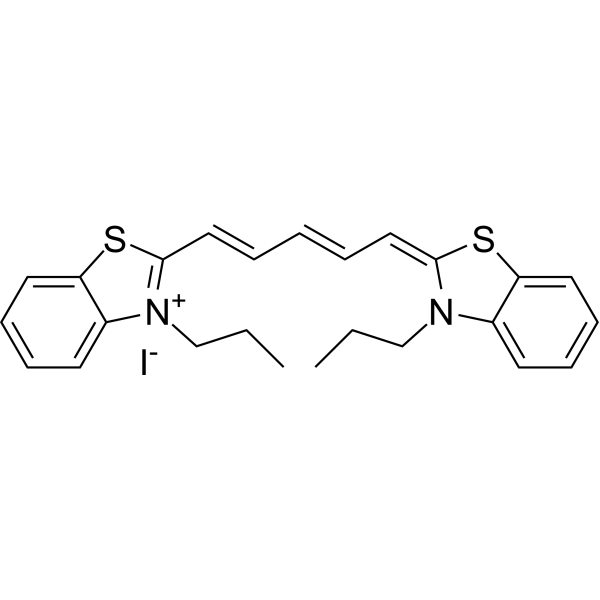
    DiSC3(5) is a fluorescent probe commonly used as a tracer dye to evaluate mitochondrial membrane potential. The excitation/emission wavelength of DiSC3(5) is up to 622/670 nm. DiSC3(5) can inhibit the respiratory system associated with mitochondrial NAD, and the IC50 value is 8 μM. DiSC3(5) in the presence of Na +/K +-ATPase inhibitor ouabain 2 can induce membrane hyperpolarization of Ehrlich ascites tumor cells .
    DiSC3(5)
  • HY-NP004

    CVF

    Complement System Inflammation/Immunology
    Cobra Venom Factor (CVF) is a selective activator targeting complement components C3, C5, and factor B in the complement system. After binding to factor B, Cobra Venom Factor is cleaved by factor D, forming a stable C3/C5 convertase resistant to regulatory proteins H and I. This continuously hydrolyzes C3 and C5, depleting serum complement while inducing neutrophil migration, vascular leakage, and increased TNF-α levels. Cobra Venom Factor can be used to deplete complement and mimic complement activation-related pathological states, and is applied in animal models of complement-mediated diseases such as acute respiratory distress syndrome (ARDS), sepsis, and shock. Cobra Venom Factor can be isolated from the venom of cobras (e.g., Naja atra, Naja melanoleuca, Naja kaouthia, etc.) .
    Cobra Venom Factor
  • HY-109035
    Inarigivir soproxil
    1 Publications Verification

    SB9200; GS-9992

    HCV HBV Infection
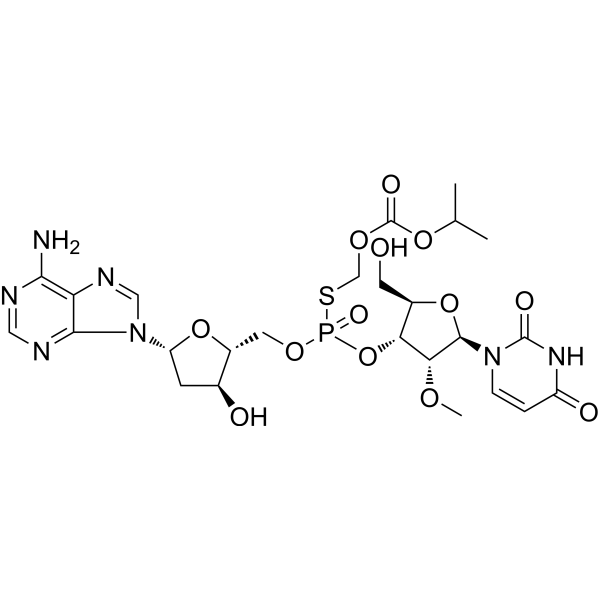
    Inarigivir soproxil (SB9200) is an agonist of innate immunity and shows potent antiviral activity against resistant HCV variants, with EC50s of 2.2 and 1.0 μM for HCV 1a/1b in cells of genotype 1 HCV replicon systems. Inarigivir soproxil, an orally bioavailable proagent of SB 9000, has broad-spectrum antiviral activity against RNA viruses including HCV, norovirus, respiratory syncytial virus and influenza and HBV .
    Inarigivir soproxil
  • HY-105283

    Sodium Channel Neurological Disease
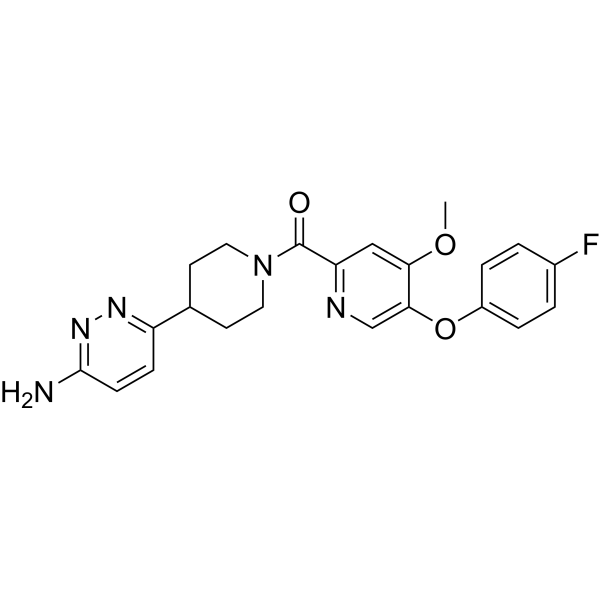
    PF 04531083 is an orally active and selective NaV1.8 blocker with an IC50 of 0.7 μM. PF 04531083 is a blood-brain barrier (BBB) penetrant compound. PF 04531083 can be used for the research of respiratory system and neuropathic/inflammatory pain .
    PF 04531083
  • HY-B1113
    Diazinon
    2 Publications Verification

    Dimpylate

    Environmental Pollutants Parasite Infection
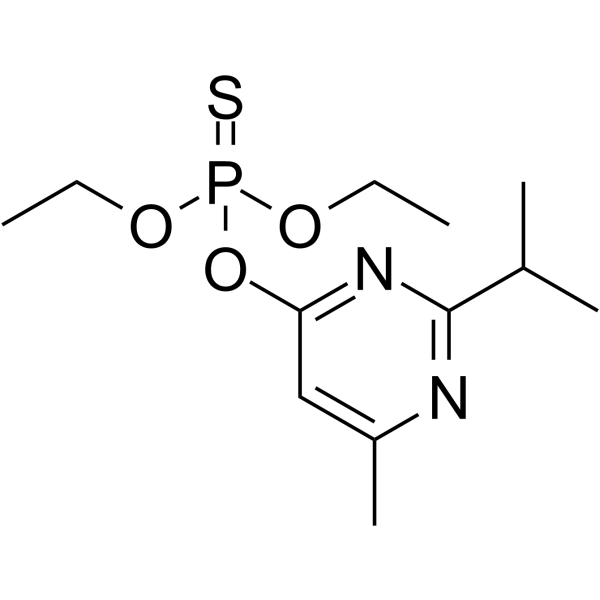
    Diazinon is an orally active, irreversible AChE inhibitor and insecticide that can be absorbed through the digestive system, skin or respiratory tract. Diazinon inhibits AChE, leading to accumulation of acetylcholine, which in turn overstimulates ACh receptors and affects the nervous system. Diazinon also produces reactive oxygen species (ROS), which induce oxidative stress in various tissues. Diazinon is mainly used in the agricultural field as an insecticide and may have potential effects on human and animal health .
    Diazinon
  • HY-176949

    STAT Inflammation/Immunology
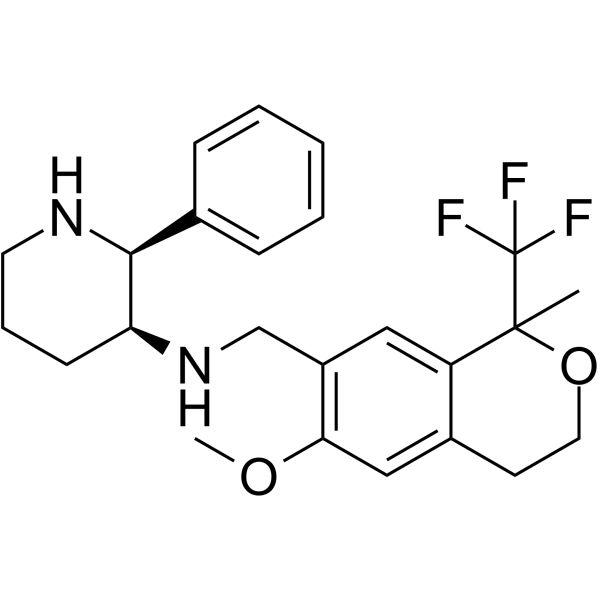
    STAT6-IN-10 is a STAT6 (signal transducer and activator of transcription 6) inhibitor with an EC50 of 2 nM. STAT6-IN-10 can inhibit the secretion of CCL17 in human peripheral whole blood. STAT6-IN-10 can be used in the research of dermatological and respiratory system diseases .
    STAT6-IN-10
  • HY-P991504

    Anaplastic lymphoma kinase (ALK) TGF-β Receptor TGF-beta/Smad Metabolic Disease Cancer
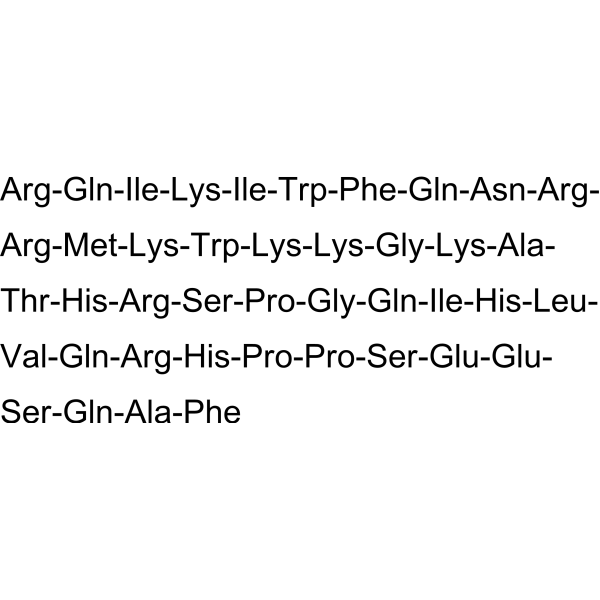
    LAE-102 is the selective anti-ActRIIA (activin receptor type IIA or ACVR2) monoclonal antibody. LAE-102 increases muscle mass and reduces fat mass. LAE102 can increase serum activin A levels in vivo. LAE-102 is promising for research of obesity .
    LAE-102
  • HY-164027

    E1/E2/E3 Enzyme Metabolic Disease Cancer
    MyoMed 205 is an orally active muscle ring finger protein 1 (MuRF1) inhibitor. MyoMed-205 reduces ubiquitination and subsequent proteasomal degradation of muscle proteins by inhibiting MuRF1 activity. MyoMed 205 augments muscle performance, attenuates muscle weight loss and alleviates disease-induced weight loss. MyoMed 205 can be used for the research of cancer cachexia, type 2 diabetes mellitus, and heart failure with preserved ejection fraction .
    MyoMed 205
  • HY-B1032

    (±)-Dropropizine; UCB-196

    Histamine Receptor Neurological Disease
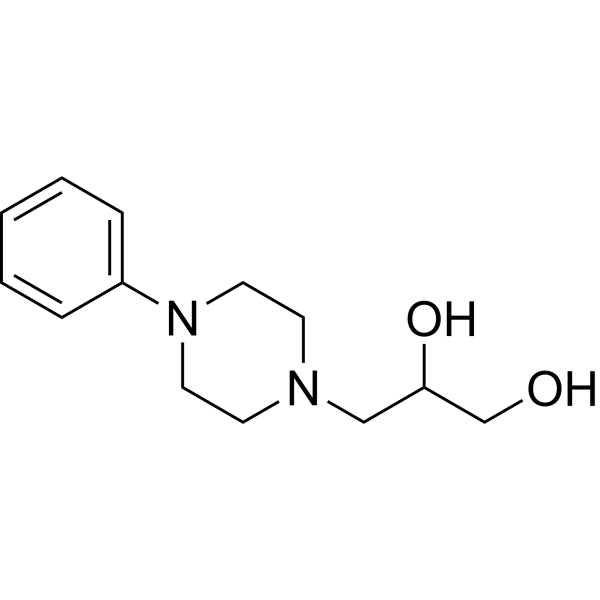
    Dropropizine ((±)-Dropropizine; UCB-196) is an orally effective, peripherally selective antitussive that inhibits the activity of peripheral receptors and afferent nerves in the respiratory tract. Dropropizine acts on the cough reflex pathway, does not pass the blood-brain barrier, and has no central nervous system side effects. Dropropizine mainly regulates the level of sensory neuropeptides and inhibits the afferent signal transmission of the cough reflex, thereby alleviating the symptoms of dry cough, and has both mild local anesthetic and antihistamine activity. Dropropizine is mainly used for symptomatic research on dry cough caused by respiratory diseases .
    Dropropizine
  • HY-P4371

    Biochemical Assay Reagents Inflammation/Immunology
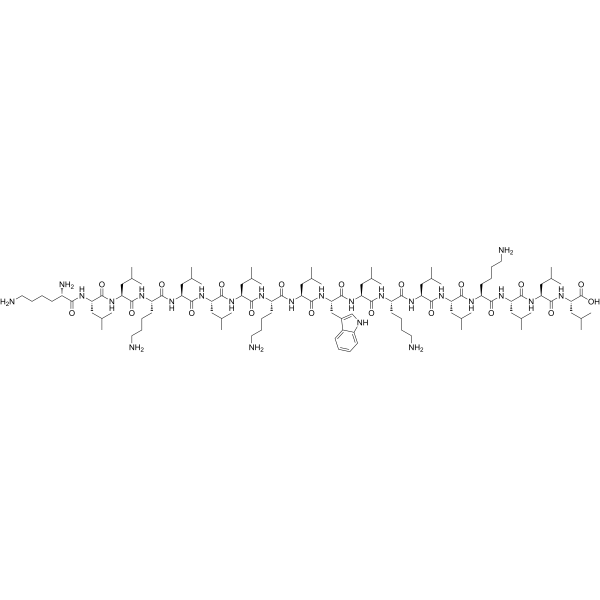
    Hel 13-5 is a monomeric, lipophilic, basic amphipathic α-helical synthetic peptide composed of 18 amino acid residues. Hel 13-5 is designed as a substitute for proteins in artificial pulmonary surfactants, and it mimics the interaction between the N-terminal fragment of human pulmonary surfactant protein B and lipids. Hel 13-5 can bind to phospholipids for the development of pulmonary surfactant model systems. Hel 13-5 can be used in studies related to respiratory distress syndrome .
    Hel 13-5
  • HY-W075770

    Nickel monoxide

    Environmental Pollutants Apoptosis Reactive Oxygen Species (ROS) Caspase TGF-beta/Smad p38 MAPK Akt PI3K Infection Metabolic Disease Cancer
    Nickel(II) oxide (nickel monoxide) is a chemical warfare agent that can enter the body through the respiratory tract and other routes, distributing to organs such as the lungs and testes. The nanoparticle form of nickel(II) oxide (NiO NPs) exhibits antibacterial, anti-leishmanial, anti-diabetic, and anti-cancer activities. NiO NPs can be activated by ultraviolet and visible light, generating reactive oxygen species (ROS). Nickel(II) oxide induces oxidative stress by generating reactive oxygen species, activating the TGF-β1-mediated MAPK and PI3K/AKT pathways, disrupting the MMPs/TIMPs balance, and upregulating the expression of inflammatory factors (IL-1β, IL-6) and apoptosis-related molecules (Bax, caspase-3, p53), while inhibiting the activity of the anti-apoptotic molecule Bcl-2. Nickel(II) oxide induces cytotoxicity, promotes fibrosis, triggers inflammatory responses, and causes apoptosis. Nickel(II) oxide can be applied in research on the safety assessment of nanomaterials, such as in the context of pulmonary fibrosis and reproductive system toxicity .
    Nickel(II) oxide
  • HY-136394
    Diafenthiuron
    2 Publications Verification

    Environmental Pollutants Mitochondrial Metabolism Oxidative Phosphorylation Parasite Others
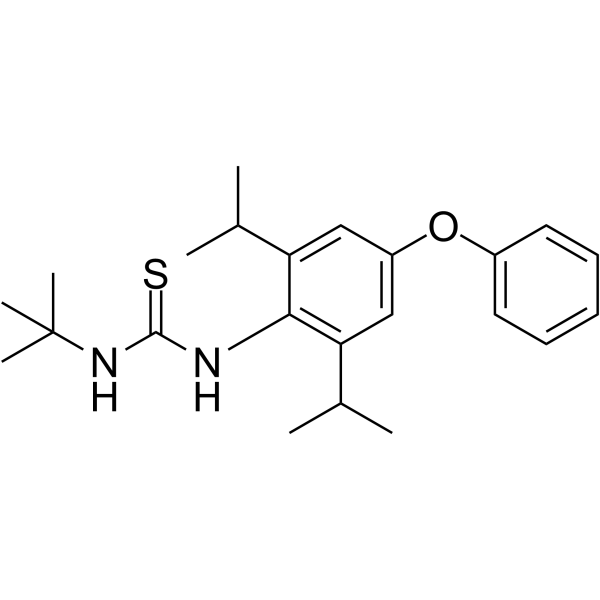
    Diafenthiuron is a thiourea compound commonly used a broad-spectrum insecticide and acaricide. Diafenthiuron disturbs the insect respiratory system by inhibiting the oxidative phosphorylation and mitochondrial ATP synthesis .
    Diafenthiuron
  • HY-148129

    TRPC6-IN-3

    TRP Channel Cardiovascular Disease
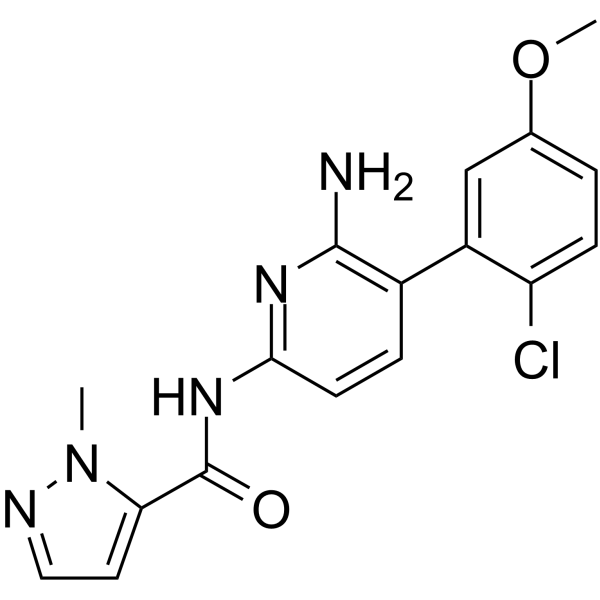
    Apecotrep (TRPC6-IN-3) (compound 17) is a potent, orally active transient receptor potential C6 ion channel (TRPC6) inhibitor. Apecotrep modulates not only intracellular calcium concentration, but also membrane potential by modulating the flux of cations including calcium and sodium ions. Apecotrep can be used in research of respiratory system .
    Apecotrep
  • HY-DY1021

    Fluorescent Dye Others
    DiSC3 (5) (solution) is a fluorescent probe commonly used as a tracer dye to evaluate mitochondrial membrane potential. The excitation/emission wavelength of DiSC3 (5) is up to 622/670 nm. DiSC3 (5) can inhibit the respiratory system associated with mitochondrial NAD, and the IC50 value is 8 μM. DiSC3 (5) in the presence of Na +/K +-ATPase inhibitor ouabain 2 can induce membrane hyperpolarization of Ehrlich ascites tumor cells .
    Solvent and concentration: DMSO: 1 mM
    The 1 mL volume is defined as the base specification. All larger sizes correspond to incremental volumes of this base.
    DiSC3(5) (solution)
  • HY-U00382

    Neurokinin Receptor Neurological Disease Inflammation/Immunology
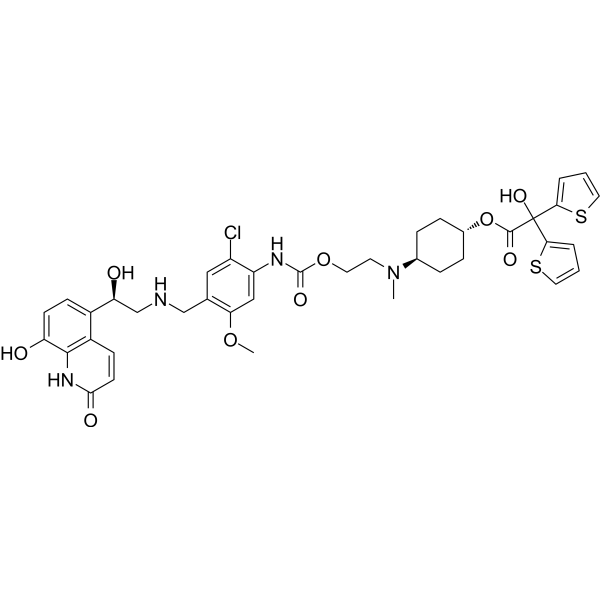
    Substance P Receptor Antagonist 1 has the potential function in central nervous system disorders, respiratory, inflammatory diseases and gastrointestinal disorders.
    Substance P Receptor Antagonist 1
  • HY-W250580

    Biochemical Assay Reagents Others
    Dimethicone is an orally active biochemical assay reagents consisting of a fully methylated linear siloxane polymer whose ends are blocked by trimethylsiloxane units. Dimethicone can lubricate hair and physically block the respiratory system of lice to remove lice. Dimethicone has potential applications in cosmetics and daily cleaning products .
    Dimethicone
  • HY-B1574

    Butethamate; HH105

    Others Inflammation/Immunology
    Butetamate (HH105) is an anti-inflammatory agent. Butetamate can be used to prepare thin film formulations for research on respiratory system conditions .
    Butetamate
  • HY-P10093

    PI3K Others
    Penetratin-PI3Kγ(126-150) is a peptide inhibitor of ΡI3Κγ that plays an important role in respiratory system diseases .
    Penetratin-PI3Kγ(126-150)
  • HY-165363

    Drug Derivative Lactate Dehydrogenase ATP Synthase Cardiovascular Disease
    AK-135 hydrochloride is a Menadione (HY-B0332) derivative. AK-135 hydrochloride restores the electron flow in defective respiratory chain systems. AK-135 hydrochloride decreases LDH release, increases the amount of ATP. AK-135 hydrochloride has a protective effect against myocardial injury .
    AK-135 hydrochloride
  • HY-163982

    NF-κB FOXO Inflammation/Immunology
    FOXJ1 agonist 1 (compound 16c) is an orally effective small molecule that can effectively enhance the expression of FOXJ1. Foxj1-IN-1 acts on the mammalian airway system composed of multiciliated cells (MCC) to prevent the development and onset of chronic obstructive pulmonary disease (COPD). Foxj1-IN-1 can induce the production of motile cilia in the respiratory system of zebrafish and mammals, and inhibit elastase-induced COPD mouse models. Foxj1-IN-1 has good liver microsomal stability, in vivo PK curve and AUC; it has no significant inhibition of CYP and hERG, and does not have significant cytotoxicity .
    FOXJ1 agonist 1
  • HY-N1474R

    Reference Standards Cholinesterase (ChE) Interleukin Related PGE synthase NF-κB COX Inflammation/Immunology
    Picfeltarraenin IA (Standard) is the analytical standard of Picfeltarraenin IA (HY-N1474). This product is intended for research and analytical applications. Picfeltarraenin IA is an Acetylcholinesterase inhibitor. Picfeltarraenin IA can be extracted from the plant Picria fel-terrae Lour. Picfeltarraenin IA reduces the production of IL-8 and PGE2. Picfeltarraenin IA inhibits COX2 via the NF-κB pathway. Picfeltarraenin IA can be used in the research of respiratory system diseases .
    Picfeltarraenin IA (Standard)
  • HY-151276A

    SARS-CoV Infection
    SARS-CoV-2-IN-29 disodium is a two-armed diphosphate ester with benzene system and molecular tweezers. SARS-CoV-2-IN-29 disodium exhibits antiviral activity with IC50s of 1.5 μM and 1.6 μM against SARS-CoV-2 activity and the spike pseudoparticle transduction, respectively. SARS-CoV-2-IN-29 disodium induces liposomal membrane disruption with an EC50 value of 3.0 μM .
    SARS-CoV-2-IN-29 disodium
  • HY-151278

    SARS-CoV Infection
    SARS-CoV-2-IN-30 is a two-armed diphosphate ester with benzene system and molecular tweezers. SARS-CoV-2-IN-30 exhibits antiviral activity with IC50s of 0.6 μM and 6.9 μM against SARS-CoV-2 activity and the spike pseudoparticle transduction, respectively. SARS-CoV-2-IN-30 induces liposomal membrane disruption with an EC50 value of 6.9 μM .
    SARS-CoV-2-IN-30
  • HY-151276

    SARS-CoV Infection
    SARS-CoV-2-IN-29 is a two-armed diphosphate ester with benzene system and molecular tweezers. SARS-CoV-2-IN-29 exhibits antiviral activity with IC50s of 1.5 μM and 1.6 μM against SARS-CoV-2 activity and the spike pseudoparticle transduction, respectively. SARS-CoV-2-IN-29 induces liposomal membrane disruption with an EC50 value of 3.0 μM .
    SARS-CoV-2-IN-29
  • HY-151278A

    SARS-CoV Infection
    SARS-CoV-2-IN-30 disodium is a two-armed diphosphate ester with benzene system and molecular tweezers. SARS-CoV-2-IN-30 disodium exhibits antiviral activity with IC50s of 0.6 μM and 6.9 μM against SARS-CoV-2 activity and the spike pseudoparticle transduction, respectively. SARS-CoV-2-IN-30 disodium induces liposomal membrane disruption with an EC50 value of 6.9 μM .
    SARS-CoV-2-IN-30 disodium
  • HY-N15754

    Drug Metabolite Metabolic Disease Inflammation/Immunology Endocrinology Cancer
    3-Hydroxy-2-methylglutaric acid is a carboxylic acid metabolite. 3-Hydroxy-2-methylglutaric acid can be isolated from the flower Veronica incana L. 3-Hydroxy-2-methylglutaric acid can be used for upper respiratory tract diseases, malignant neoplasms, gastrointestinal tract and genitourinary system disorders and diabetes mellitus research .
    3-Hydroxy-2-methylglutaric acid
  • HY-169852

    Drug Derivative Drug Intermediate Neurological Disease
    Doxapram intermediate-1 (Compound II) is a pyrrolidinone derivative with pronounced central nervous system (CXS) and respiratory stimulation in the dog usually accompanied by varying degrees of pressor activity .
    Doxapram intermediate-1
  • HY-W683409

    1064 Th

    Adrenergic Receptor Cardiovascular Disease Neurological Disease
    Dimorpholamine (1064 Th) is a central nervous system stimulant. Dimorpholamine can increase the excitatory and inhibitory junction potentials at the neuromuscular junctions of crayfish. Dimorpholamine can also exert epinephrine-like pressor effects by promoting the release of catecholamines (mainly epinephrine) from the adrenal medulla. Dimorpholamine can be used in the research of respiratory failure as well as neurological and cardiovascular system diseases .
    Dimorpholamine
  • HY-19080

    Lipoxygenase Inflammation/Immunology
    SC-45662 is a 5-lipoxygenase inhibitor. SC-45662 inhibits the response of monocytes to phytohemagglutinin (PHA). SC-45662 inhibits superoxide production in neutrophils. SC-45662 slows early changes in lung mechanics and pulmonary hypertension in a sheep model of impaired lung function. SC-45662 can be used in research on diseases of the immune system, respiratory system, etc .
    SC-45662
  • HY-125995

    Keap1-Nrf2 Quinone Reductase Inflammation/Immunology
    NFE2L2 activator 3 (Compound 3) is a NFE2L2/NRF2 activator. NFE2L2 activator 3 specifically activates the NAD(P)H:quinone oxidoreductase (NQO1) enzyme, with its EC50 < 1 nM. NFE2L2 activator 3 can be used for research on respiratory system diseases such as chronic obstructive pulmonary disease .
    NFE2L2 activator 3
  • HY-105283R

    Reference Standards Sodium Channel Neurological Disease
    PF 04531083 (Standard) is the analytical standard of PF 04531083 (HY-105283). This product is intended for research and analytical applications. PF 04531083 is an orally active and selective NaV1.8 blocker with an IC50 of 0.7 μM. PF 04531083 is a blood-brain barrier (BBB) penetrant compound. PF 04531083 can be used for the research of respiratory system and neuropathic/inflammatory pain .
    PF 04531083 (Standard)
  • HY-W714853

    Akt Src STAT EGFR Drug Isomer Neurological Disease Inflammation/Immunology
    (+)-Theta-cypermethrin is a stereoisomer of Cypermethrin (HY-B0829) that possesses blood-brain barrier penetration ability and binds to AKT1, SRC, STAT3 and EGFR with high affinity. (+)-Theta-cypermethrin reduces the amplitude of delayed rectifier potassium channel currents, shifts the steady-state activation curve to negative potentials, and shifts the steady-state inactivation curve to negative potentials at higher concentrations. (+)-Theta-cypermethrin induces abnormal electrical activity in rat hippocampal neurons. (+)-Theta-cypermethrin causes chronic respiratory system damage and exhibits neurotoxicity .
    (+)-Theta-cypermethrin
  • HY-182803

    NOD-like Receptor (NLR) Inflammation/Immunology
    NLRP3-IN-90 (Compound 1) is a NLRP3 inflammasome inhibitor. NLRP3-IN-90 is applicable for inflammation research .
    NLRP3-IN-90

Inquiry Online

Your information is safe with us. * Required Fields.

Salutation


Country or Region *

Applicant Name *


Organization Name *

Department *


Email Address *


Product Name *

Cat. No.


Requested quantity *

Phone Number *


Remarks

Inquiry Online

Inquiry Information

Product Name:
Cat. No.:
Quantity:
MCE Japan Authorized Agent:

