1. Cell Cycle/DNA Damage Vitamin D Related/Nuclear Receptor Metabolic Enzyme/Protease Immunology/Inflammation NF-κB Stem Cell/Wnt JAK/STAT Signaling Apoptosis
  2. PPAR Reactive Oxygen Species (ROS) STAT NF-κB Apoptosis
  3. Astaxanthin

アスタキサンチン  (Synonyms: Astaxanthin)

製品番号: HY-B2163 純度: 98.0%
COA 取扱説明書 Technical Support

Astaxanthin, the red dietary carotenoid, is an orally effective and potent antioxidant. Astaxanthin inhibits NF-κB and down-regulates VEGF in blood glucose. Astaxanthin exerts anti-cancer cell proliferation, increases apoptosis, impairs migration and invasion by activating PPARγ and reducing the expression of STAT3. Astaxanthin also has neuroprotective and anti-inflammatory activity and can be used in studies of cancer, diabetic retinopathy, cardiovascular disease, and in the coloring of animal feed.

商品は「研究用試薬」です。人や動物の医療用・臨床診断用・食品用の製品ではありません。
研究用途以外に使用した場合、当社は一切の責任を負いかねます。

CAS 番号 : 472-61-7

容量 価格(税別) 在庫状況 数量
>無料サンプル (0.1 - 0.2 mg)   今すぐ申し込む  
5 mg $55 在庫あり
10 mg $77 在庫あり
25 mg $120 在庫あり
50 mg $168 在庫あり
100 mg $235 在庫あり
200 mg   お問い合わせ  
500 mg   お問い合わせ  

* アイテムを追加する前、数量をご選択ください

This product is a controlled substance and not for sale in your territory.

カスタマーレビュー

Based on 18 publication(s) in Google Scholar

Other Forms of Astaxanthin:

Top Publications Citing Use of Products

    Astaxanthin purchased from MedChemExpress. Usage Cited in: J Hazard Mater. 2025 Dec 8:501:140750.  [Abstract]

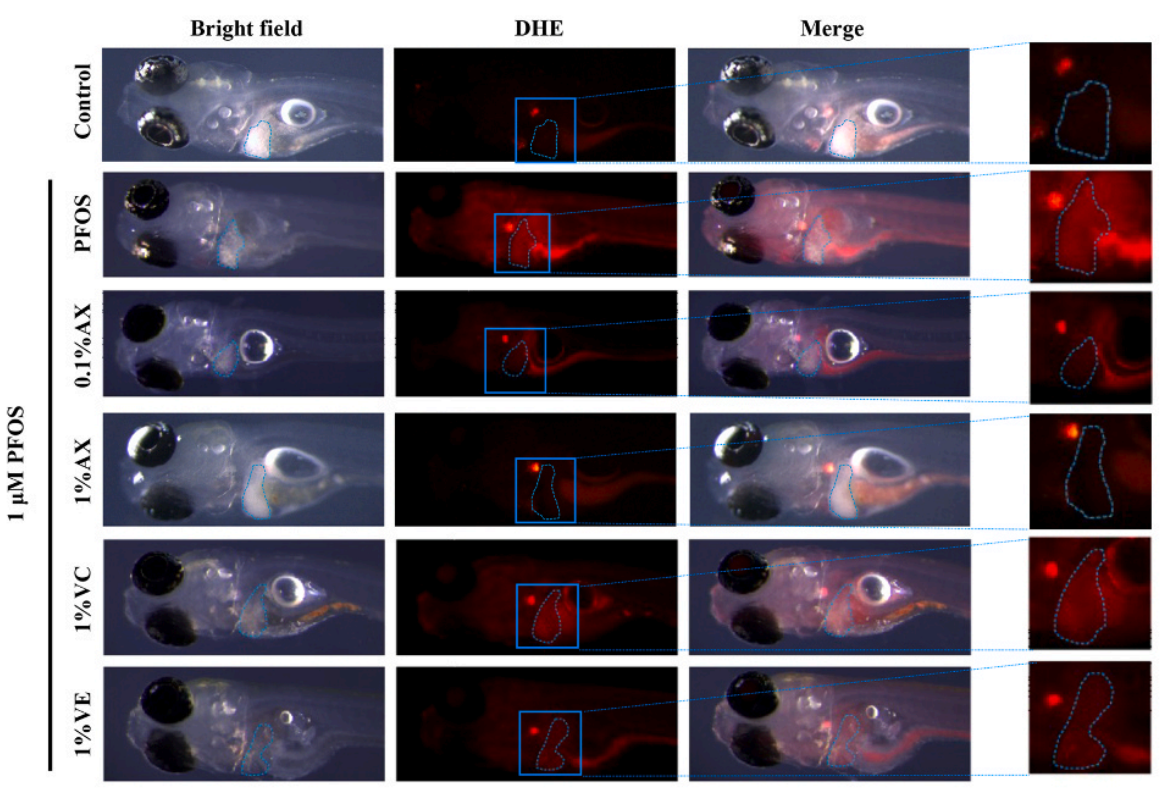
    Typical DHE fluorescence in zebrafish larvae exposed to PFOS and treated with vitamin C, vitamin E, and Astaxanthin. The results showed that Astaxanthin (AX, 1% w/w in fodder; 0.1 mg/larva/day and 10 mg/adult/day for 4 weeks), when supplemented to the fodder as an antioxidant, scavenged the overload of superoxide induced by PFOS in the liver.

    Astaxanthin purchased from MedChemExpress. Usage Cited in: J Hazard Mater. 2025 Dec 8:501:140750.  [Abstract]

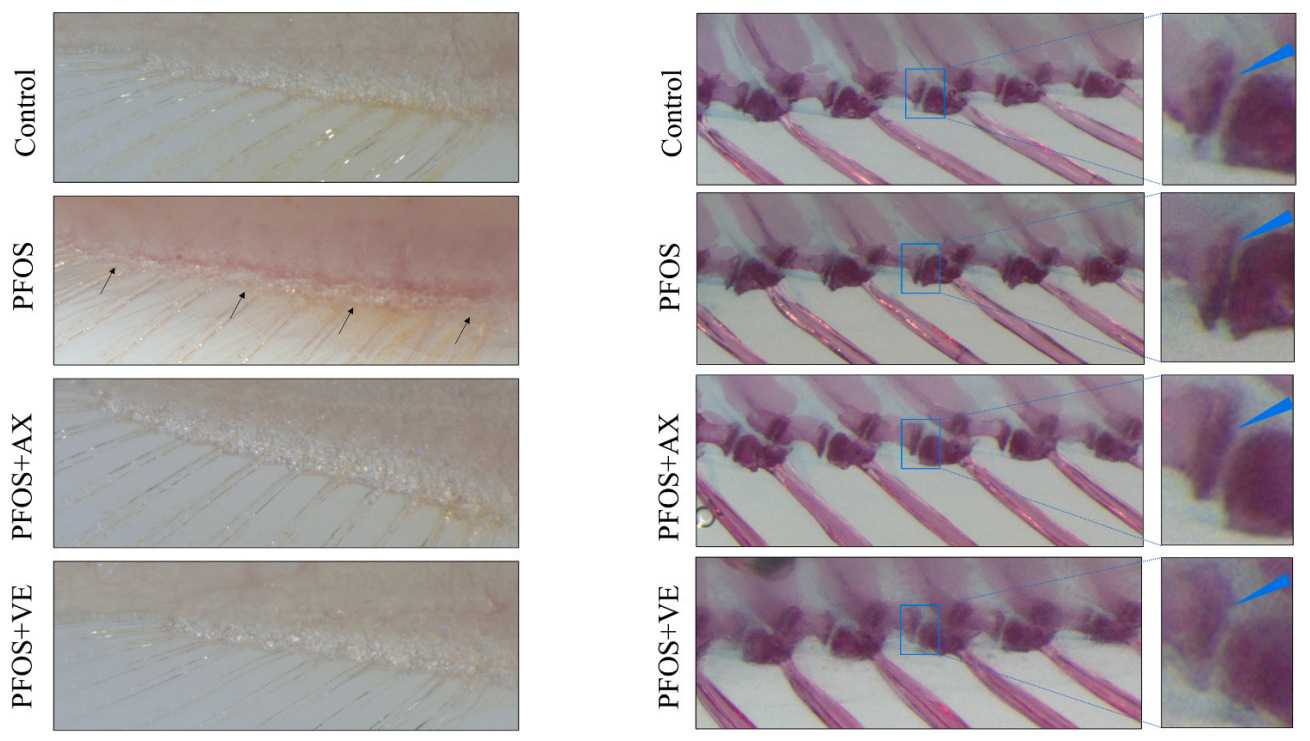
    Panels show typical images of hyperemia and Alcian blue–Alizarin red staining in the zebrafish anal fin, respectively. The zebrafish were exposed to 3 μM PFOS for two weeks. Astaxanthin or vitamin E was incorporated into the fodder during the second week of PFOS exposure. Black arrows indicate areas of hyperemia. The results showed that Astaxanthin (AX, 1% w/w in fodder; 0.1 mg/larva/day and 10 mg/adult/day for 4 weeks) significantly reversed the hyperemia around the anal fin joints and narrowed intraarticular space induced by PFOS.

    Astaxanthin purchased from MedChemExpress. Usage Cited in: Free Radic Biol Med. 2025 Mar 16:230:294-308.  [Abstract]

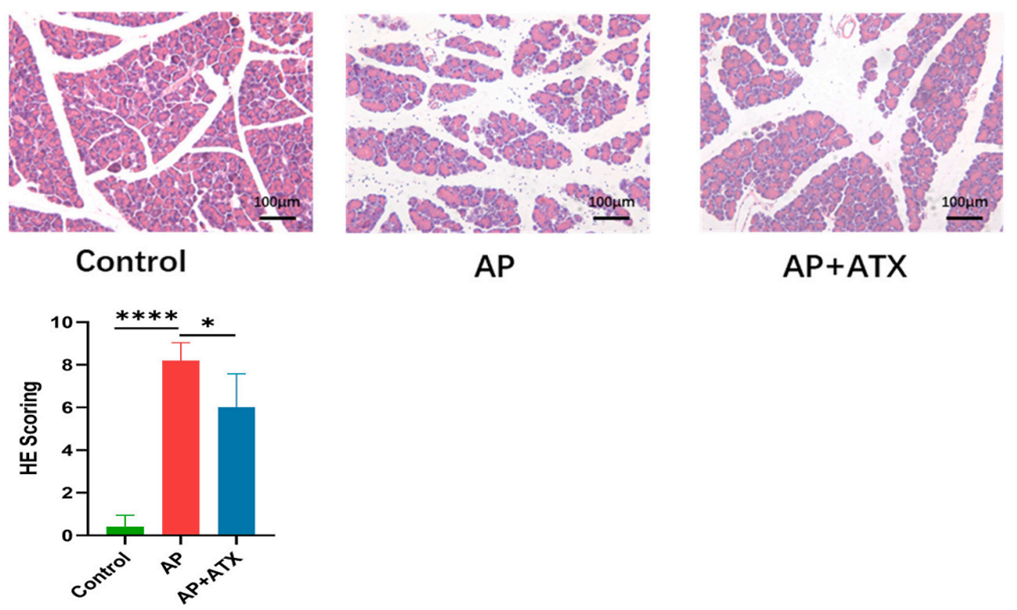
    Representative images of mouse pancreatic tissues collected from the control, AP, and AP + Astaxanthin (ATX) groups (stained with H&E), and their pathology scores. H&E staining revealed that activation of Nrf2 by Astaxanthin (ATX, 40 mg/kg; single dose) significantly alleviated edema and inflammatory cell infiltration in mouse pancreatic tissue, and also markedly reduced the pathological scores of the pancreas.

    Astaxanthin purchased from MedChemExpress. Usage Cited in: Free Radic Biol Med. 2025 Mar 16:230:294-308.  [Abstract]

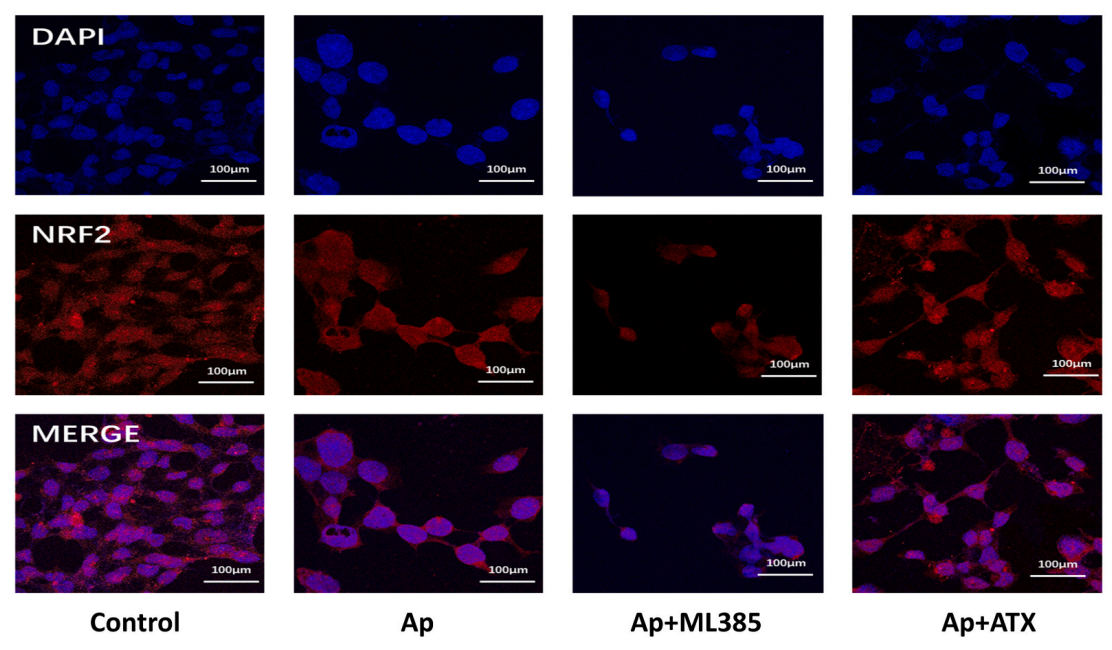
    Fluorescent expression of Nrf2 in pancreatic tissues of the control, AP, AP + ML385, and AP + Astaxanthin (ATX; 10 μM; 1 h) groups. The results showed that Nrf2 expression decreased in the AP + ML385 group and increased in the AP + Astaxanthin group, in which nucleation was also favored.

    Astaxanthin purchased from MedChemExpress. Usage Cited in: Free Radic Biol Med. 2025 Mar 16:230:294-308.  [Abstract]

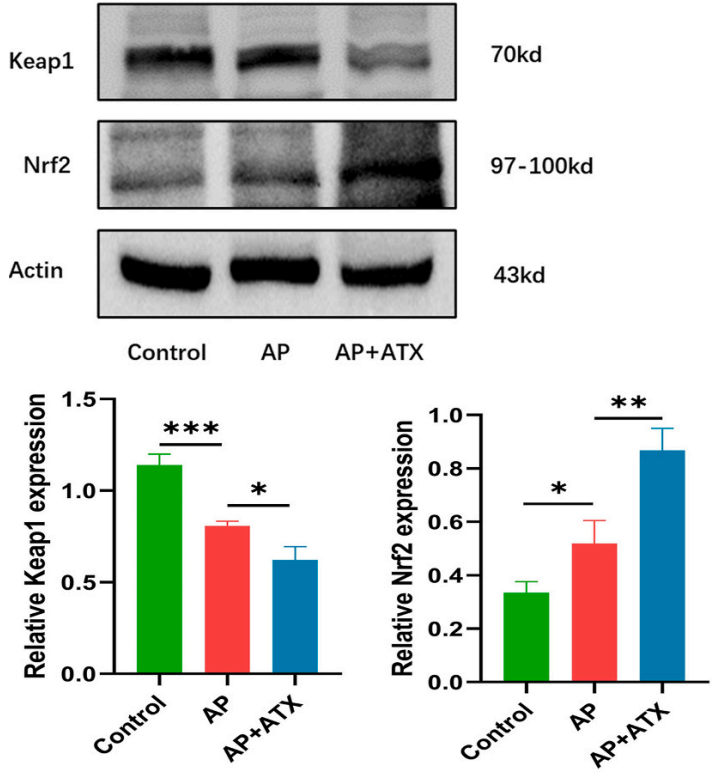
    Astaxanthin (ATX, 40 mg/kg; single dose) activated Nrf2 expression in mouse pancreatic tissue via the Keap1/Nrf2 axis.

    Astaxanthin purchased from MedChemExpress. Usage Cited in: Exp Biol Med. 2023 Feb;248(4):293-301.  [Abstract]

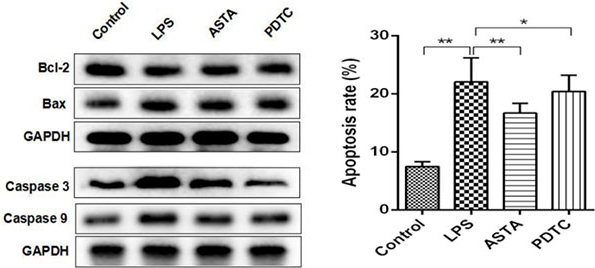
    Astaxanthin (ASTA) decreases levels of caspase 3 and caspase 9 in MLE-12 cells, which reveals that ASTA prevents apoptosis stimulated by LPS in MLE-12 cells.

    Astaxanthin purchased from MedChemExpress. Usage Cited in: Exp Biol Med. 2023 Feb;248(4):293-301.  [Abstract]

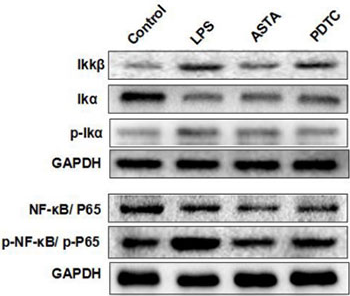
    Astaxanthin (ASTA) inhibits apoptosis by targeting NF-κB signal pathway in MLE-12 cells.

    PPAR アイソフォーム固有の製品をすべて表示:

    STAT アイソフォーム固有の製品をすべて表示:

    NF-κB アイソフォーム固有の製品をすべて表示:

    • 生物活性

    • 純度とドキュメンテーション

    • 参考文献

    • カスタマーレビュー

    製品説明

    Astaxanthin, the red dietary carotenoid, is an orally effective and potent antioxidant. Astaxanthin inhibits NF-κB and down-regulates VEGF in blood glucose. Astaxanthin exerts anti-cancer cell proliferation, increases apoptosis, impairs migration and invasion by activating PPARγ and reducing the expression of STAT3. Astaxanthin also has neuroprotective and anti-inflammatory activity and can be used in studies of cancer, diabetic retinopathy, cardiovascular disease, and in the coloring of animal feed[1][2][3][4][5].

    IC50 & Target[1][2][3][4]

    PPARγ


    STAT3


    体外実験

    Astaxanthin (50, 100, 150, 200 μM; 48 h) inhibits the proliferation of DU145 cells (IC50<200 μM)[1].
    Astaxanthin (200 μM; 24 h) reduces the expression of STAT3 and the related pathway proteins (at both protein and mRNA levels) by inhibiting proliferation, increasing apoptosis and weakening migration and invasion[1]
    Astaxanthin protects RPE cells from abnormal activation and oxidative stress (induced by high glucose) by down-regulating VEGF in high glucose at protein levels[2].
    Astaxanthin (1-50 μM; 72 h) upregulates protein expression of PPARγ in time- and dose-dependent manners in K562 cells[3].

    MedChemExpress (MCE) has not independently confirmed the accuracy of these methods. They are for reference only.

    Apoptosis Analysis[1]

    Cell Line: DU145 cells
    Concentration: 200 µM (pre-incubation)
    Incubation Time: 24 h
    Result: Increased the percentage of apoptotic cells from 8.5% to 13.1% (compared to blank control).

    Cell Migration Assay [1]

    Cell Line: DU145 cells
    Concentration: 200 µM
    Incubation Time: 24 h
    Result: Decreased the migration and invasion of DU145 cells (about 41% of cells could not pass from one chamber to another, and 36% cells could not pass through the transwell membrane as compared to the control group).

    Cell Proliferation Assay[2]

    Cell Line: ARPE-19 cells
    Concentration: 50 µM (pre-incubation)
    Incubation Time: 7 days
    Result: Significantly decreased cell proliferation exposed to high glucose.

    Western Blot Analysis[1]

    Cell Line: DU145 cells
    Concentration: 200 µM
    Incubation Time: 24 h
    Result: Reduced the expression of STAT3 at both protein and mRNA levels (downregulated the protein expression of JAK2, BCL-2 and NF-κB and upregulated the protein expression of BAX, Caspase3 and Caspase9).

    Western Blot Analysis[3]

    Cell Line: K562 cells
    Concentration: 1-50 µM
    Incubation Time: 72 h
    Result: Significantly promoted PPARγ protein expression in time- and dose-dependent manners.
    体内実験

    Astaxanthin (200 mg/kg; intragastric administration; once daily for 3 weeks) inhibits the growth of DU145 tumor xenografts in nude mice[1].
    Astaxanthin (125 or 500 mg/kg; in animal feedings; 7 days) provides significant cardioprotection and reduces oxidative stress in rats[4].

    MedChemExpress (MCE) has not independently confirmed the accuracy of these methods. They are for reference only.

    Animal Model: Nude mice (approximately 20 g; DU145 tumor xenografts model)[1].
    Dosage: 200 mg/kg
    Administration: Intragastric administration; once daily for 3 weeks.
    Result: Exerted a significant inhibitory effect on tumor growth.
    Animal Model: Female C57BL/6 mice (7 weeks old)[4].
    Dosage: 125 or 500 mg/kg
    Administration: In animal feedings; 7 days.
    Result: Significantly reduced mean infarct size in the two treated groups (125 and 500 mg/kg) to 45.1% and 39.1%, respectively.
    Exhibited myocardial salvage of 26 and 36% for 125 and 500 mg/kg groups, respectively.
    Significantl reduced level of 9-HETE in a dose-dependent manner. 9-HETE is a regioisomer oxidation product of arachidonic acid believed to be a product of free radical-mediated oxidation.
    臨床実験
    分子量

    596.84

    分子式

    C40H52O4

    CAS 番号
    Appearance

    Solid

    Color

    Dark purple to black

    SMILES

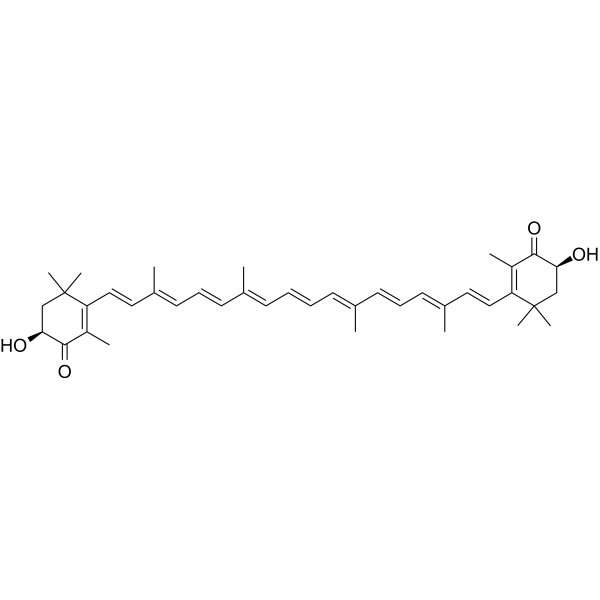
    CC(/C=C/C(C(C)(C[C@H](O)C1=O)C)=C1C)=C\C=C\C(C)=C\C=C\C=C(C)\C=C\C=C(C)\C=C\C(C(C)(C[C@H](O)C2=O)C)=C2C

    Structure Classification
    Initial Source

    Haematococcus pluvialis

    輸送条件

    Room temperature in continental US; may vary elsewhere.

    保管条件

    -20°C, protect from light, stored under nitrogen

    *The compound is unstable in solutions, freshly prepared is recommended.

    溶剤 & 溶解度
    体外: 

    THF : 5 mg/mL (8.38 mM; ultrasonic and warming and heat to 60°C)

    DMSO : 2 mg/mL (3.35 mM; ultrasonic and warming and heat to 60°C; Hygroscopic DMSO has a significant impact on the solubility of product, please use newly opened DMSO)

    DMSO : Acetone mixture (1:1) : 2 mg/mL (3.35 mM; ultrasonic and warming and heat to 60°C)

    Acetone : < 1 mg/mL (insoluble)

    *Astaxanthin is usually formulated as a suspension.

    Preparing
    Stock Solutions
    Concentration Solvent Mass 1 mg 5 mg 10 mg
    1 mM 1.6755 mL 8.3775 mL 16.7549 mL
    5 mM 0.3351 mL 1.6755 mL 3.3510 mL
    10 mM --- --- ---
    View the Complete Stock Solution Preparation Table

    * Please refer to the solubility information to select the appropriate solvent. The compound is unstable in solutions, freshly prepared is recommended.

    • Molarity Calculator

    • Dilution Calculator

    Mass (g) = Concentration (mol/L) × Volume (L) × Molecular Weight (g/mol)

    Mass
    =
    Concentration
    ×
    Volume
    ×
    Molecular Weight *

    Concentration (start) × Volume (start) = Concentration (final) × Volume (final)

    一般には略語で表示されます:C1V1 = C2V2

    濃度 (開始)

    C1

    ×
    体積 (開始)

    V1

    =
    濃度 (終了)

    C2

    ×
    体積 (終了)

    V2

    体内:

    For the following dissolution methods, please prepare the working solution directly. It is recommended to prepare fresh solutions and use them promptly within a short period of time.
    The percentages shown for the solvents indicate their volumetric ratio in the final prepared solution. If precipitation or phase separation occurs during preparation, heat and/or sonication can be used to aid dissolution.

    • Protocol 1

      Add each solvent one by one:  0.5% CMC-Na/saline water

      Solubility: 3.33 mg/mL (5.58 mM); Suspended solution; Need ultrasonic and warming

    • Protocol 2

      Add each solvent one by one:  20% HP-β-CD in Saline

      Solubility: 3.33 mg/mL (5.58 mM); Suspended solution; Need ultrasonic and warming

    In Vivo Dissolution Calculator
    Please enter the basic information of animal experiments:

    Dosage

    mg/kg

    Animal weight
    (per animal)

    g

    Dosing volume
    (per animal)

    μL

    Number of animals

    Recommended: Prepare an additional quantity of animals to account for potential losses during experiments.
    Calculation results:
    Working solution concentration: mg/mL
    純度とドキュメンテーション

    純度: ≥98.0%

    参考文献

    Complete Stock Solution Preparation Table

    * Please refer to the solubility information to select the appropriate solvent. The compound is unstable in solutions, freshly prepared is recommended.

    Optional Solvent Concentration Solvent Mass 1 mg 5 mg 10 mg 25 mg
    DMSO / DMSO : Acetone mixture (1:1) / THF 1 mM 1.6755 mL 8.3775 mL 16.7549 mL 41.8873 mL
    THF 5 mM 0.3351 mL 1.6755 mL 3.3510 mL 8.3775 mL
    • No file chosen (Maximum size is: 1024 Kb)
    • If you have published this work, please enter the PubMed ID.
    • Your name will appear on the site.
    • Molarity Calculator

    • Dilution Calculator

    The molarity calculator equation

    Mass (g) = Concentration (mol/L) × Volume (L) × Molecular Weight (g/mol)

    質量   濃度   体積   分子量 *
    = × ×

    The dilution calculator equation

    Concentration (start) × Volume (start) = Concentration (final) × Volume (final)

    一般には略語で表示されます:C1V1 = C2V2

    濃度 (開始) × 体積 (開始) = 濃度 (終了) × 体積 (終了)
    × = ×
    C1   V1   C2   V2
    Help & FAQs
    • Do most proteins show cross-species activity?

      Species cross-reactivity must be investigated individually for each product. Many human cytokines will produce a nice response in mouse cell lines, and many mouse proteins will show activity on human cells. Other proteins may have a lower specific activity when used in the opposite species.

    最近チェックした製品:

    オンラインお問い合わせ

    Your information is safe with us. * Required Fields.

    製品名


    カスタマ需要量 *

    お名前 *


    タイトル

    メールアドレス *


    電話番号 *

    デパートメント


    組纖名 *

    市区町村

    都道府県

    国或いは地域 *


    必ず会社名を記載ください。個人への返信は行いません。

    備考

    バルクお問い合わせ

    Inquiry Information

    製品名:
    Astaxanthin
    製品番号:
    HY-B2163
    数量:
    MCE 日本正規代理店: