



Iridoids
-
Iridoids (266)

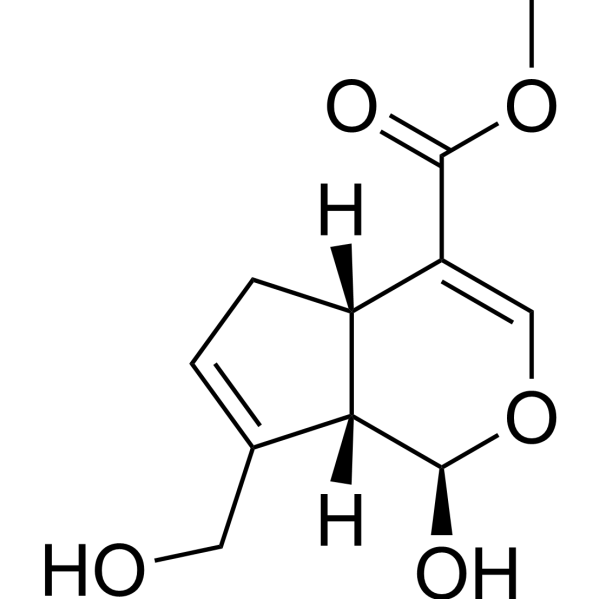
- Formula: C11H14O5
- Molecular Weight: 226.23
Genipin ((+)-Genipin) is a natural crosslinking reagent derived from Gardenia jasminoides Ellis fruits. Genipin inhibits UCP2 (uncoupling protein 2) in cells. Genipin has a variety of bioactivities, including modulation on proteins, antitumor, anti-inflammation, immunosuppression, antithrombosis, and protection of hippocampal neurons. Genipin also can be used for type 2 diabetes research.
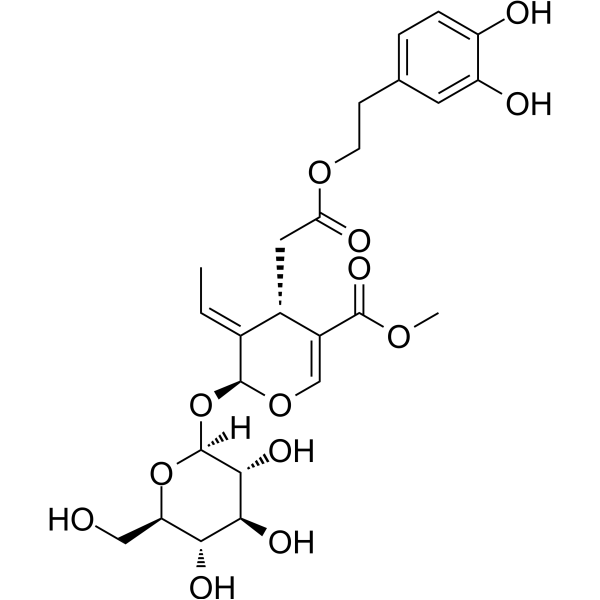
- Formula: C25H32O13
- Molecular Weight: 540.51
Oleuropein, found in olive leaves and oil, exerts antioxidant, anti-inflammatory and anti-atherogenic effects through direct inhibition of PPARγ transcriptional activity. Oleuropein induces apoptosis in breast cancer cells via the p53-dependent pathway and through the regulation of Bax and Bcl2 genes. Oleuropein also inhibits aromatase.
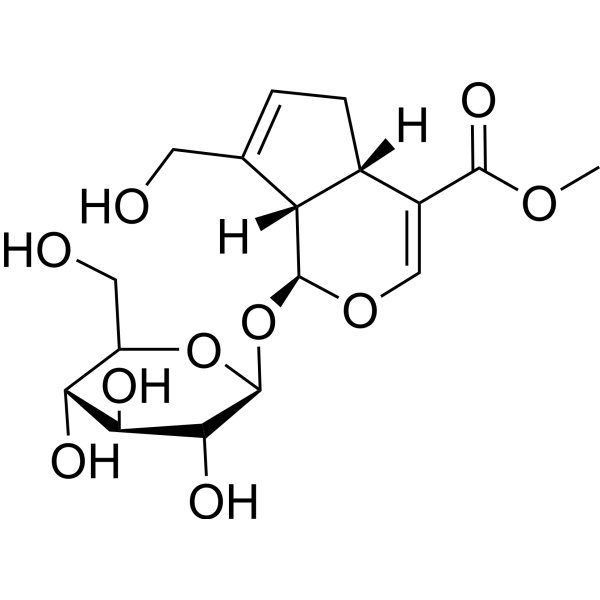
- Formula: C17H24O10
- Molecular Weight: 388.37
Geniposide is an iridoid glucoside extracted from Gardenia jasminoidesEllis fruits; exhibits a varity of biological activities such as anti-diabetic, antioxidative, antiproliferative and neuroprotective activities.
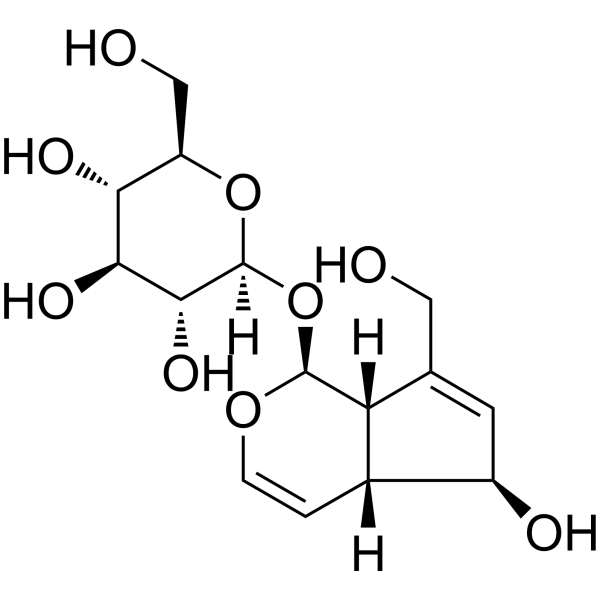
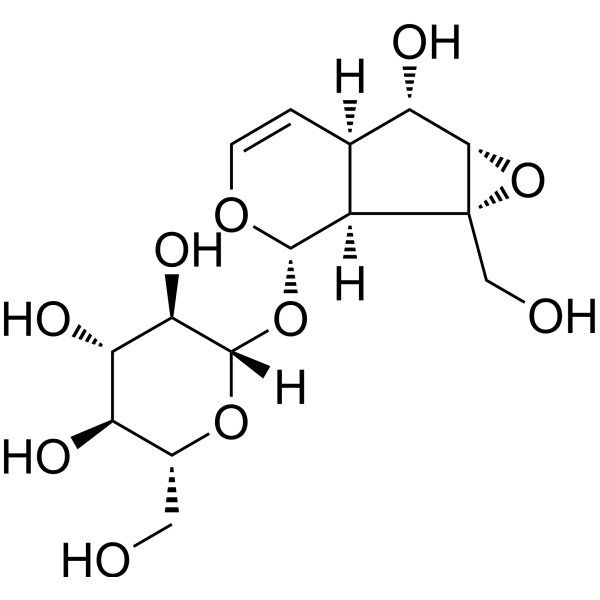
- Formula: C15H22O9
- Molecular Weight: 346.33
Aucubin is an iridoid glycoside component that acn be found in E. ulmoides. Aucubin can cross the blood-brain barrier (BBB) and has anti-anxiety, antidepressive and anti-neuroinflammatory effects. Aucubin has many biological activities, such as antioxidant, anti-aging, anti-inflammatory, antimicrobial, anti-fibrotic, anti-cancer, hepatoprotective, neuroprotective and osteoprotective effects.

- Formula: C26H30O13
- Molecular Weight: 550.51

- Formula: C10H20O
- Molecular Weight: 156.27
(±)-rel-Neomenthol is an alcohol component and isomer of (+)-Neomenthol (HY-135286A). (±)-rel-Neomenthol is derived from the essential oils of Mentha arvensis var. piperascens and the Mentha arvensis × Mentha crispa F1 hybrid.

- Formula: C34H44O19
- Molecular Weight: 756.70
6''-O-trans-Sinapoylgenipin gentiobioside is an iridoid glycoside that can be found in Zhuyeqing Liquor.
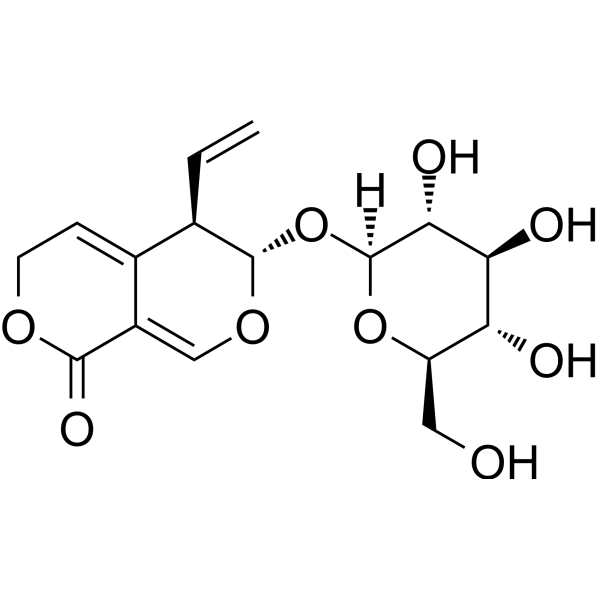
- Formula: C16H20O9
- Molecular Weight: 356.32
Gentiopicroside, a naturally occurring iridoid glycoside, inhibits P450 activity, with an IC50 and a Ki of 61 μM and 22.8 μM for CYP2A6; Gentiopicroside has anti-inflammatoryand antioxidative effects.
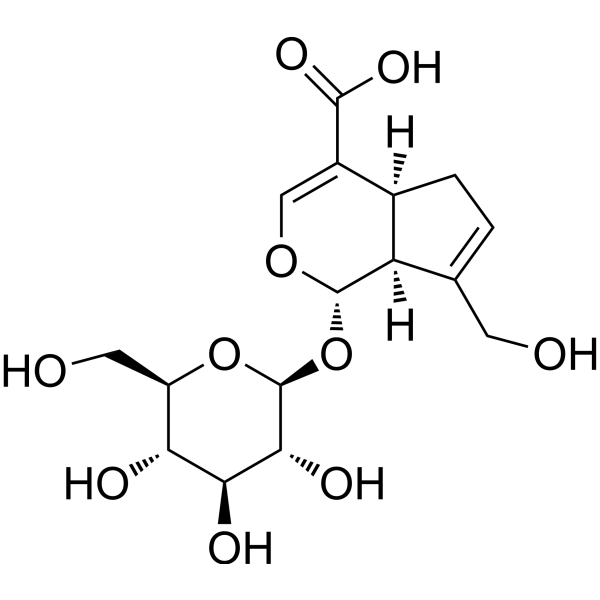
- Formula: C16H22O10
- Molecular Weight: 374.34
Geniposidic acid is an orally active FXR modulator and SIRT6 activator. Geniposidic acid binds to the Ser332 and His447 sites on the FXR ligand-binding domain, thereby driving nuclear translocation, coactivator recruitment, and transcription of downstream bile acid and cholesterol metabolism-related genes. Geniposidic acid improves metabolic dysfunction-related fatty liver disease by activating the SIRT6 signaling pathway. Geniposidic acid inhibits inflammation and modulates gut microbiota to alleviate colitis. Geniposidic acid can be used in research on drug-induced liver injury, inflammatory bowel disease, metabolic dysfunction-related fatty liver disease, and metabolic dysfunction-related steatohepatitis.
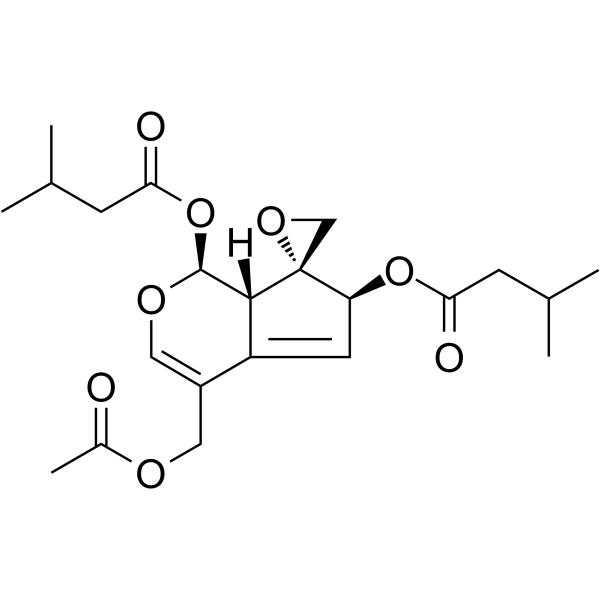
- Formula: C22H30O8
- Molecular Weight: 422.47
Valepotriate can be isolated from Valeriana jatamansi Jones, has anti-epileptic and anti-cancer activities.
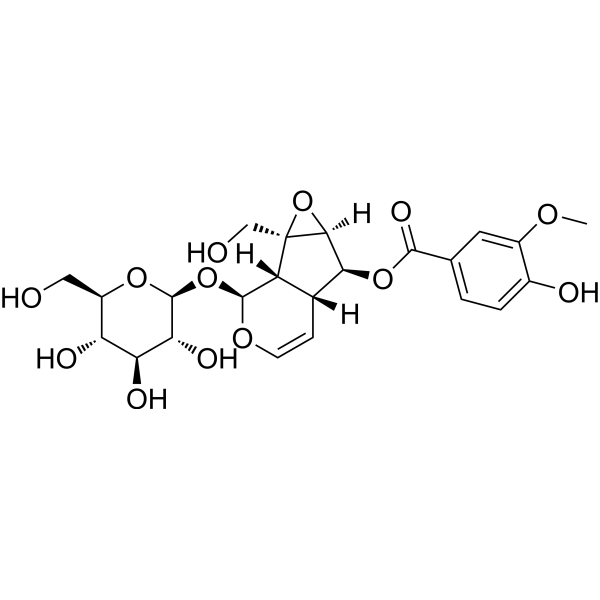
- Formula: C23H28O13
- Molecular Weight: 512.46
Picroside II is an antioxidant with oral activity that can reduce the production of ROS and protect the blood-brain barrier (BBB) after CI/R injury, offering neuroprotective effects. Picroside II has antioxidant, immune-regulating, antiviral properties, and inhibits apoptosis. Picroside II alleviates the inflammatory response in sepsis by suppressing the activation of the NLRP3 inflammasome and NF-κB pathways.
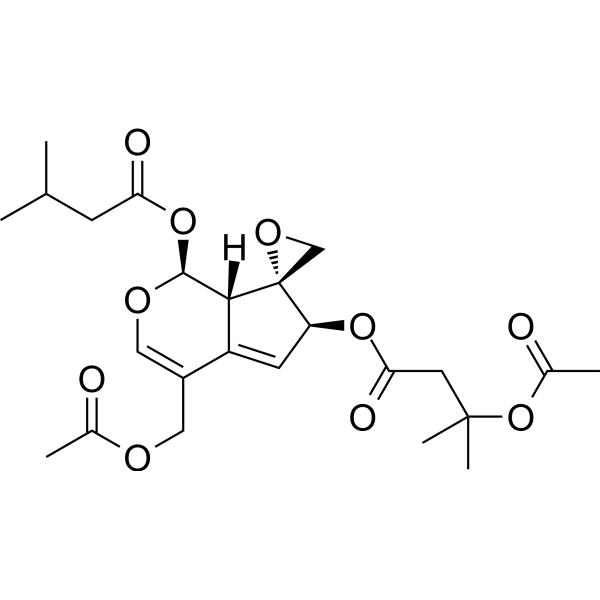
- Formula: C24H32O10
- Molecular Weight: 480.50
Acevaltrate inhibits the Na+/K+-ATPase activity in the rat kidney and brain hemispheres with IC50s of 22.8 μM and 42.3 μM, respectively.
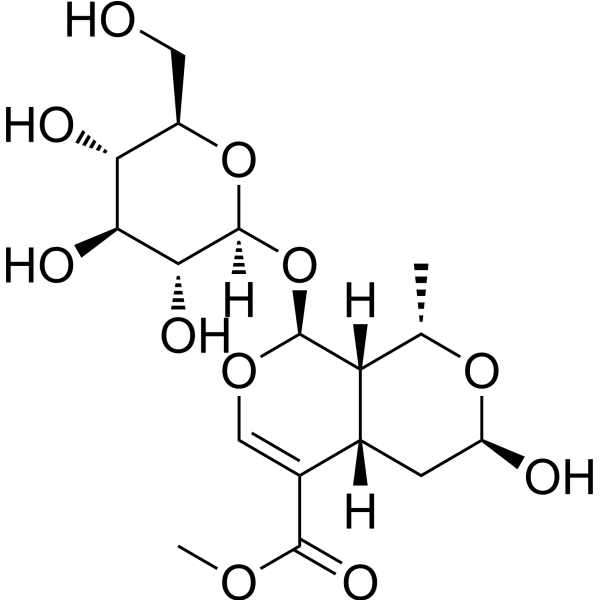
- Formula: C17H26O11
- Molecular Weight: 406.38
Morroniside has neuroprotective effect by inhibiting neuron apoptosis and MMP2/9 expression.
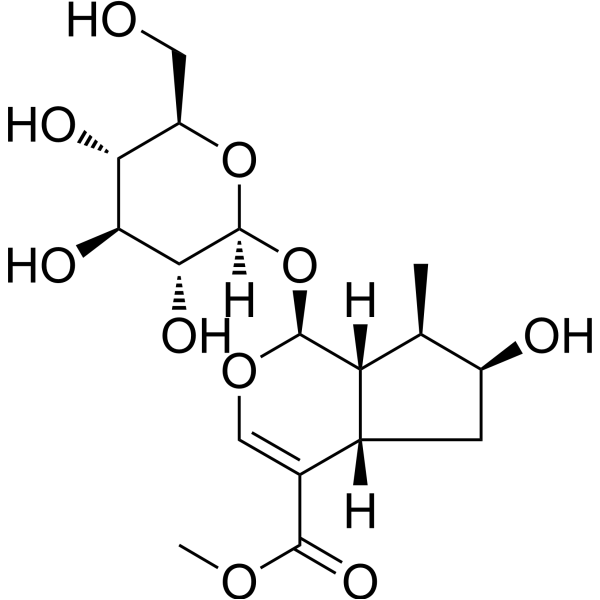
- Formula: C17H26O10
- Molecular Weight: 390.38
Loganin is a type of iridoid glycoside compound that possesses anti-inflammatory, antioxidant, and antitumor properties, and offers protective effects against acute lung injury and pulmonary fibrosis. Loganin exerts its protective effects against LPS (HY-D1056)-mediated inflammation and oxidative stress by upregulating the Nrf2/HO-1 signaling pathway, and it reduces neuroinflammation caused by spinal cord injury (SCI).
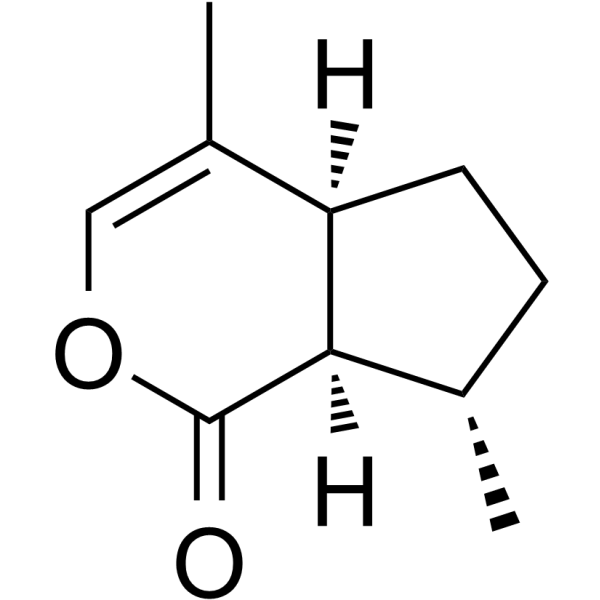
- Formula: C10H14O2
- Molecular Weight: 166.22
4aα,7α,7aα-Nepetalactone is an iridoid compound, a TRPA1 agonist, a repellent, and an attractant. 4aα,7α,7aα-Nepetalactone can be isolated from the oil of N. crispa. 4aα,7α,7aα-Nepetalactone induces repellent responses in three sap-sucking pests (Chinese psyllid, Asian citrus psyllid, and western flower thrips) via PKCα. Nepetalactone attracts two predatory lady beetles (Harmonia axyridis and Propylea japonica) through CaMKII. 4aα,7α,7aα-Nepetalactone causes mortality in Pogonomyrmex sp. ants. 4aα,7α,7aα-Nepetalactone can be used in studies related to bacterial infections and mandibulate pest infestations.
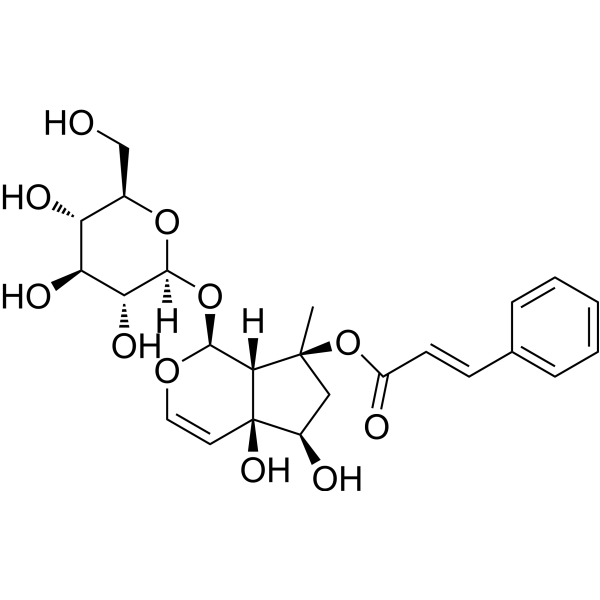
- Formula: C24H30O11
- Molecular Weight: 494.49
Harpagoside can be obtained by Harpagophytum procumbens, which has anti-inflammatory, anti-cancer, protective activity, and efficacy. Harpagoside has an inhibitory effect on COX-1 and COX-2 active, and suppresses NO production. Harpagoside inhibits HepG2 cell lipid polysaccharide, which is a protein that is expressed horizontally and selectively, and has anti-inflammatory and latent pain effects. Harpagoside has the ability to protect the body, and has a degenerative effect on the β-oxidation (Aβ).
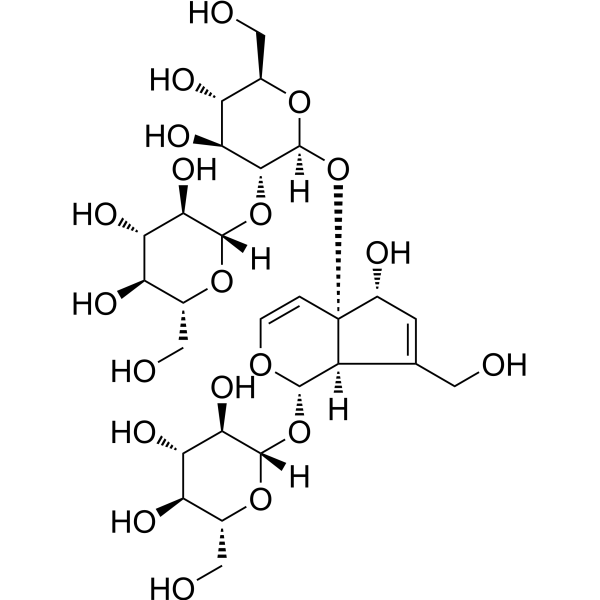
- Formula: C27H42O20
- Molecular Weight: 686.61
Rehmannioside D is an orally active Sirt7 modulator. Rehmannioside D upregulates Sirt7 expression, inhibits the level of acetylated p53, and blocks the activation of the p53 signaling pathway. Rehmannioside D alleviates liver injury, inflammatory response, collagen deposition and hepatocyte apoptosis. Rehmannioside D is applicable to research related to liver fibrosis.
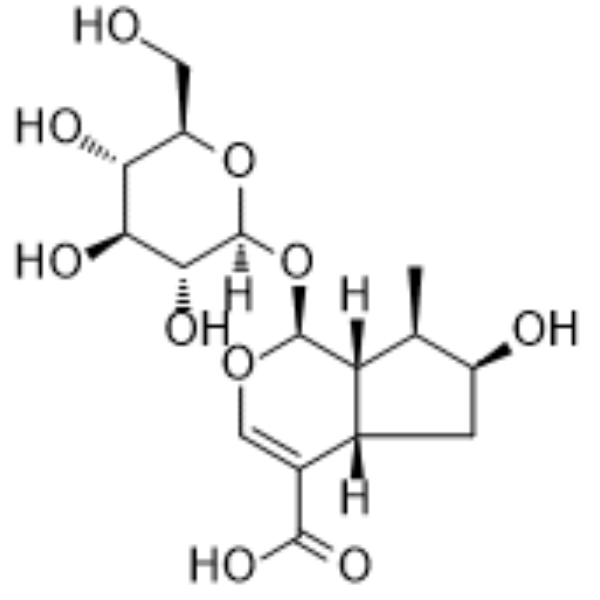
- Formula: C16H24O10
- Molecular Weight: 376.36
Loganic acid is an iridoid isolated from cornelian cherry fruits. Loganic acid inhibits NF-κB signaling pathway, activates Nrf2 signaling pathway, exhibits anti-inflammatory activity. Loganic acid can modulate diet-induced atherosclerosis and redox status. Loganic acid has strong free radical scavenging activity and remarkable cyto-protective effect against heavy metal mediated toxicity. Loganic acid is orally active.
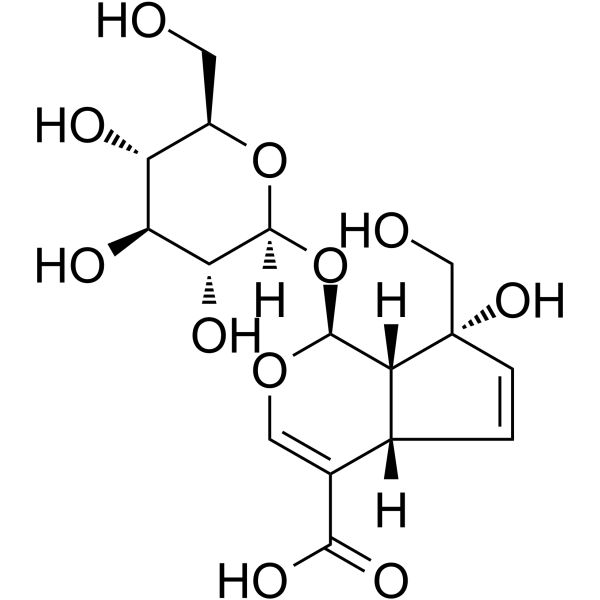
- Formula: C16H22O11
- Molecular Weight: 390.34
Monotropein is an iridoid glycoside that can be isolated from the roots of Morinda officinalis. Monotropein inhibits the expression of inflammatory mediators in dextran sulfate sodium (DSS)-induced colitis mouse model. Monotropein exerts protective effects against IL-1β-induced apoptosis and catabolic responses on osteoarthritis chondrocytes. Monotropein has cartilage protective activity. Monotropein can alleviate Cisplatin (HY-17394)-induced acute kidney injury by inhibiting oxidative damage, inflammation and apoptosis through activation of Nrf2/HO-1 pathway and inhibition of NF-κB signaling. Monotropein can be studied in research for osteoarthritis, acute kidney injury and acute lung injury.



