



Sophora flavescens Aiton
-
Sophora flavescens Aiton (53)

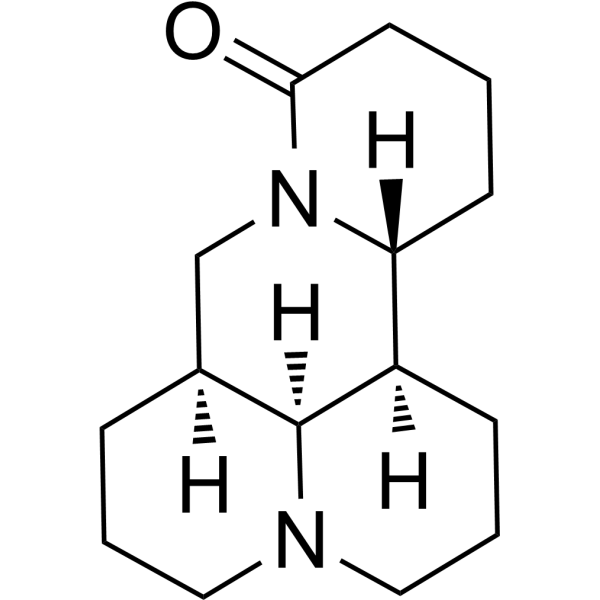
- Formula: C15H24N2O
- Molecular Weight: 248.36
Matrine (Matridin-15-one) is an alkaloid found in plants from the Sophora genus that can act as a kappa opioid receptor and u-receptor agonist. Matrine has a variety of pharmacological effects, including anti-cancer, anti-oxidative stress, anti-inflammation and anti-apoptosis effects. Matrine is potential in the research of disease like human non-small cell lung cancer, hepatoma, papillary thyroid cancer and acute kidney injury (AKI).
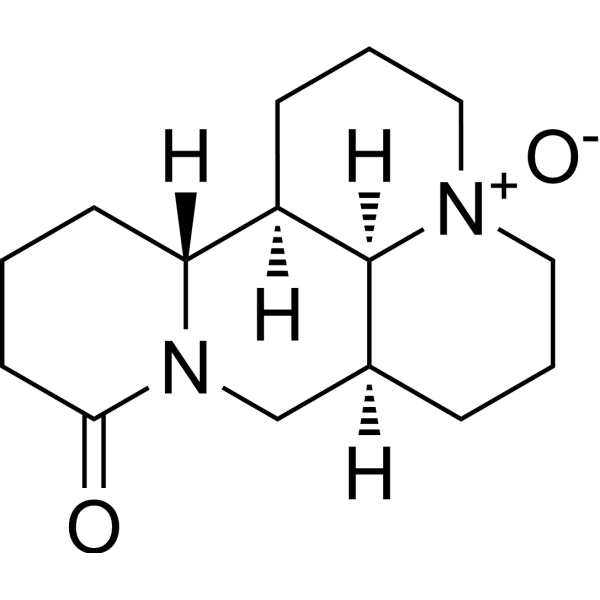
- Formula: C15H24N2O2
- Molecular Weight: 264.37
Oxymatrine, an alkaloid from Sophora flavescens Alt. with anti-inflammatory, antifibrosis, and antitumor effects, inhibits the iNOS expression and TGF-β/Smad pathway. Oxymatrine inhibits bocavirus minute virus of canines (MVC) replication, reduces viral gene expression and decreases apoptosis induced by viral infection.
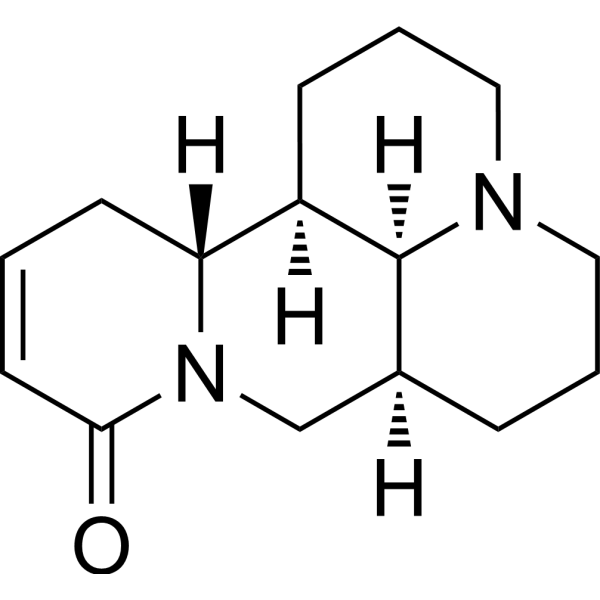
- Formula: C15H22N2O
- Molecular Weight: 246.35
Sophocarpine is a PTEN activator and an inhibitor of PI3K/Akt, MEK/ERK, and NF-κB signaling pathways. Sophocarpine upregulates PTEN expression and inhibits PI3K/Akt phosphorylation, arrests tumor cell cycle and induces apoptosis. Sophocarpine inhibits MEK/ERK phosphorylation and VEGF secretion, reducing tumor cell migration. Sophocarpine can also inhibit NF-κB activation and p38 and JNK phosphorylation, reduce the expression of inflammatory factors such as iNOS and COX-2, and activate the Nrf2/HO-1 pathway to reduce oxidative stress. Sophocarpine has anti-tumor, anti-inflammatory, antioxidant and anti-apoptotic effects, and can be used in the research of cancers such as glioblastoma and colorectal cancer, inflammation-related diseases, and Doxorubicin (HY-15142A)-induced cardiac damage.
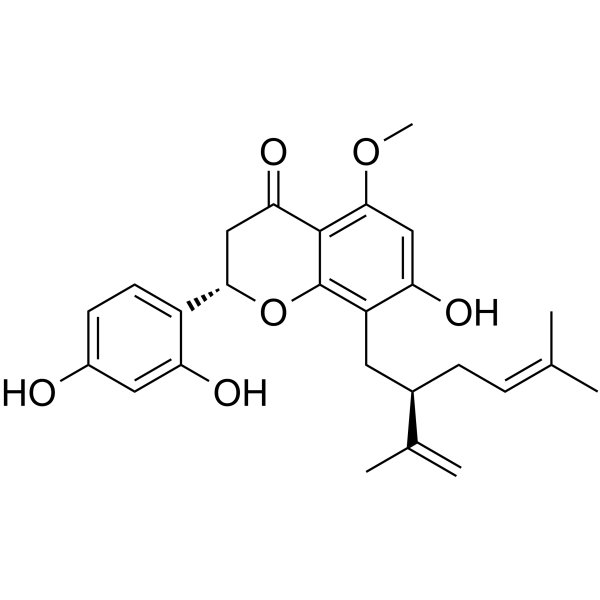
- Formula: C26H30O6
- Molecular Weight: 438.51
Kurarinone is an orally active flavonoid isolated from matrine that inhibits the pathogenesis of experimental autoimmune encephalomyelitis by inhibiting cell differentiation of Th1 and Th17. Kurarinone has antitumor and anti-inflammatory activity.
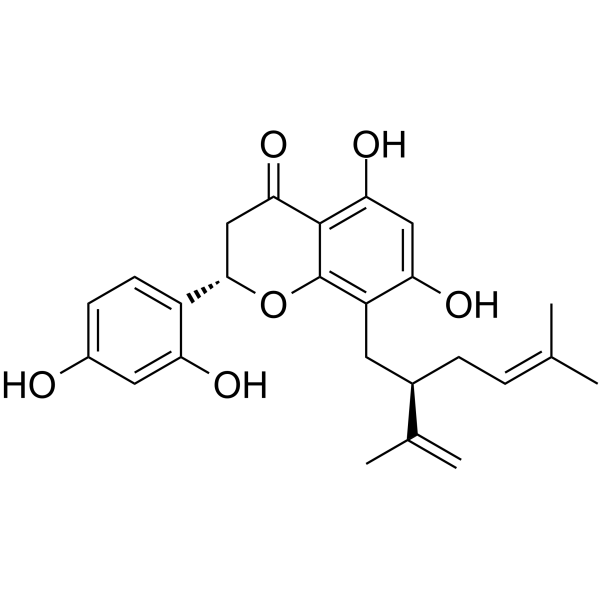
- Formula: C25H28O6
- Molecular Weight: 424.49
Sophoraflavanone G (Kushenol F) is iaolated from Sophora flavescens and shows anti-tumor and anti-inflammatory properties.? Sophoraflavanone G (Kushenol F) induces MDA-MB-231 and HL-60 cells apoptosis through suppression of MAPK-related pathways.
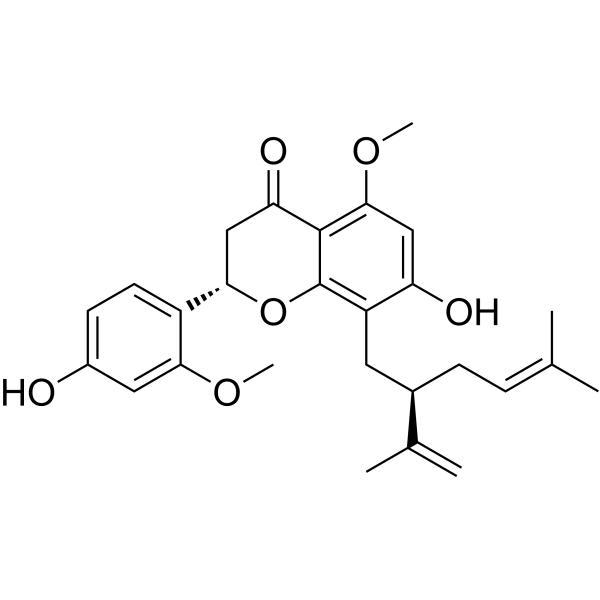
- Formula: C27H32O6
- Molecular Weight: 452.54
(2S)-2'-Methoxykurarinone (2'-O-Methylkurarinone) is a flavanone natural product found in the roots of Sophora flavescens, possessing anti-sepsis, inhibitory effects on osteoclast differentiation and bone resorption, anti-inflammatory, and anti-Plasmodium activities. (2S)-2'-Methoxykurarinone exhibits an EC50 = 2.4 μM against the FCR-3 strain of Plasmodium falciparum. In sepsis models, (2S)-2'-Methoxykurarinone modulates immune cell function and inhibits inflammation and oxidative stress. In bone-related models, (2S)-2'-Methoxykurarinone blocks osteoclast differentiation and bone resorption, and inhibits RANKL-mediated Akt, p38, and JNK signaling pathways. In skin inflammation models, (2S)-2'-Methoxykurarinone inhibits NF-κB pathway activation, upregulates HO-1 expression, and suppresses CCL27 chemokine production in HaCaT cells. (2S)-2'-Methoxykurarinone is useful for research on osteoporosis, sepsis, inflammatory skin diseases (such as atopic dermatitis and allergic contact dermatitis), and malaria.

- Formula: C15H24N2O
- Molecular Weight: 248.36
Sophoridine (Standard) is the analytical standard of Sophoridine. This product is intended for research and analytical applications. Sophoridine is a quinolizidine alkaloid isolated from Leguminous plant Sophora flavescens. Sophoridine induces apoptosis. Sophoridine has the potential to be a novel, potent and selective antitumor agent candidate for pancreatic cancer with well-tolerated toxicity.
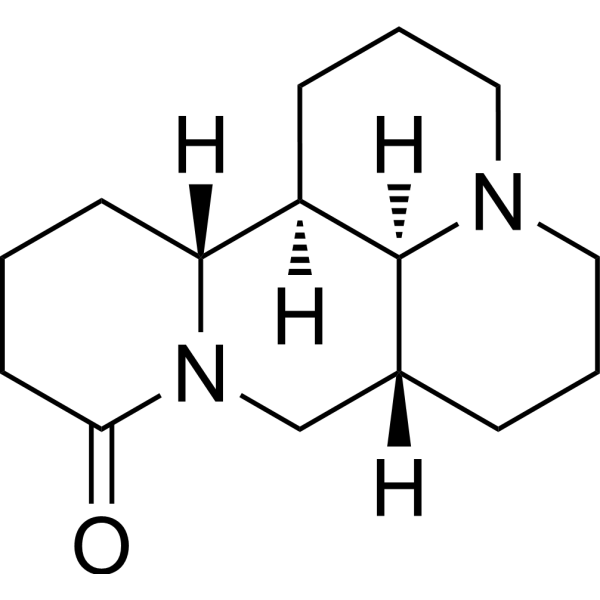
- Formula: C15H24N2O
- Molecular Weight: 248.37
Sophoridine is a quinolizidine alkaloid isolated from Leguminous plant Sophora flavescens. Sophoridine induces apoptosis. Sophoridine has the potential to be a novel, potent and selective antitumor agent candidate for pancreatic cancer with well-tolerated toxicity.
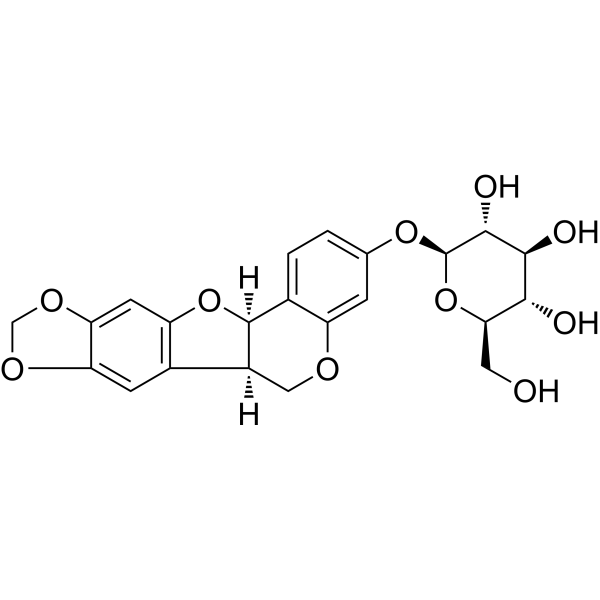
- Formula: C22H22O10
- Molecular Weight: 446.40
Trifolirhizin is a pterocarpan flavonoid found in the roots of Sophora flavescens. Trifolirhizin is a tyrosinase inhibitor with an IC50 value of 506.77 μM. Trifolirhizin reduces intracellular melanin production and modulates multiple signaling pathways including NFκB-MAPK, AMPK/mTOR, PI3K/Akt, MAPK-NFATc1 and EGFR-MAPK. Trifolirhizin targets biological molecules including PTK6 and COX-2, inhibits the activities of hyaluronidase, collagenase and elastase, induces apoptosis, autophagy and cell cycle arrest, and suppresses the proliferation, migration and invasion of cancer cells. Trifolirhizin exerts diverse pharmacological effects including anti-inflammatory, anti-asthmatic, bone-protective, renoprotective, antibacterial, antifungal, hepatoprotective, antiplatelet, estrogenic and wound-healing activities. Trifolirhizin can be used to investigate a broad range of malignant, inflammatory, metabolic and infectious disorders.

- Formula: C22H22O10
- Molecular Weight: 446.40
Trifolirhizin (Standard) is the analytical standard of Trifolirhizin. This product is intended for research and analytical applications. Trifolirhizin is a pterocarpan flavonoid isolated from the roots of Sophora flavescens. Trifolirhizin possesses potent tyrosinase inhibitory activity with an IC50 of 506 μM. Trifolirhizin exhibits potential anti-inflammatory and anticancer activities.
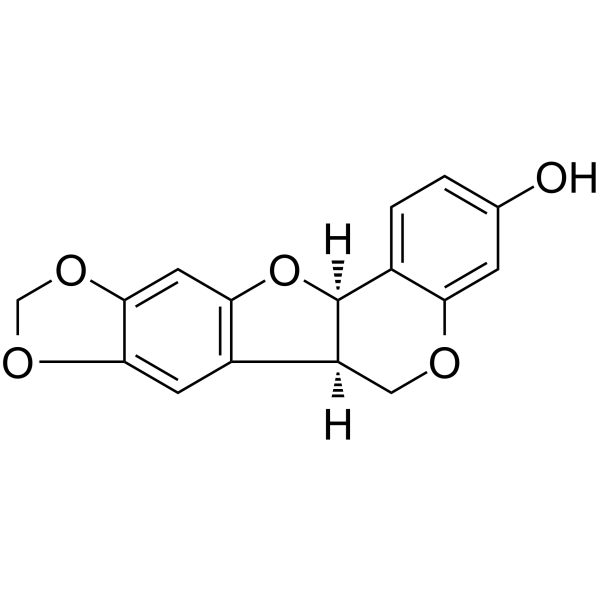
- Formula: C16H12O5
- Molecular Weight: 284.27
(-)-Maackiain is a pterocarpan phytoalexin produced from Sophora flavescens. (-)-Maackiain is toxic to several genera of fungal pathogens of legume and non legume hosts. (-)-Maackiain enhances the activation of NLRP3 inflammasome, inhibits the activation of NF-κB pathway, exhibiting thereby immunostimulatory and anti-inflammatory activities. (-)-Maackiain is orally active.
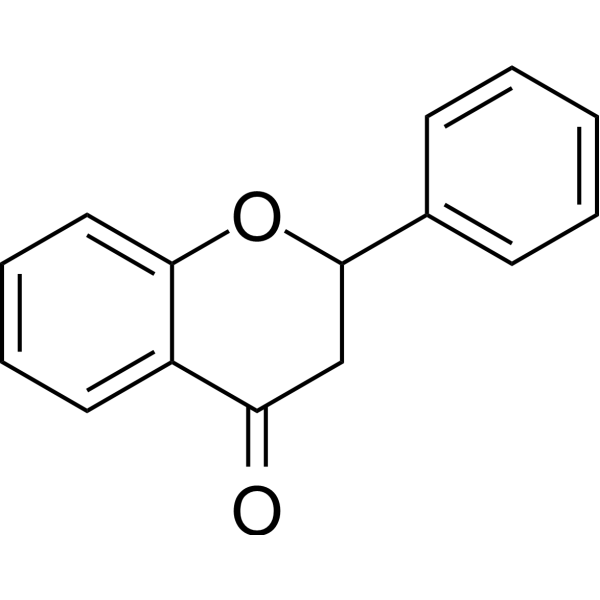
- Formula: C15H12O2
- Molecular Weight: 224.26
Flavanone is a naturally occurring flavone. Flavanone has inhibitory activity for human estrogen synthetase (aromatase). Flavanone is the inhibitor for ERK/p38/NF-κB signaling pathway. Flavanone exhibits oral activity and antitumor efficacy.
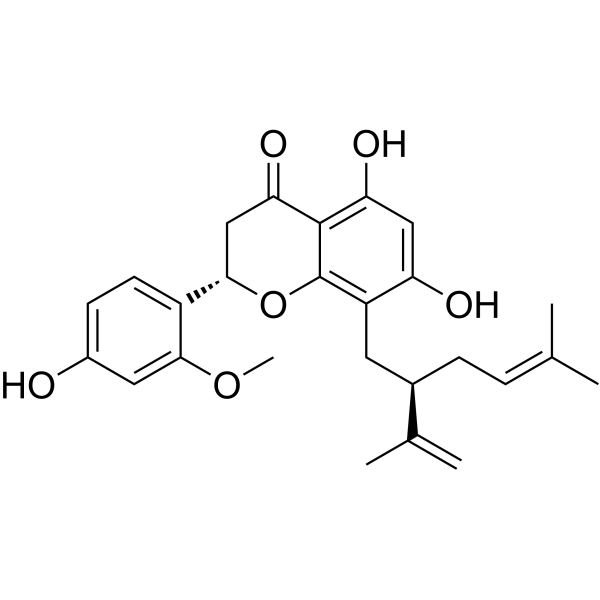
- Formula: C26H30O6
- Molecular Weight: 438.51
Leachianone A, isolated from Radix Sophorae, has anti-malarial, anti-inflammatory, and cytotoxic potent. Leachianone A induces apoptosis involved both extrinsic and intrinsic pathways.
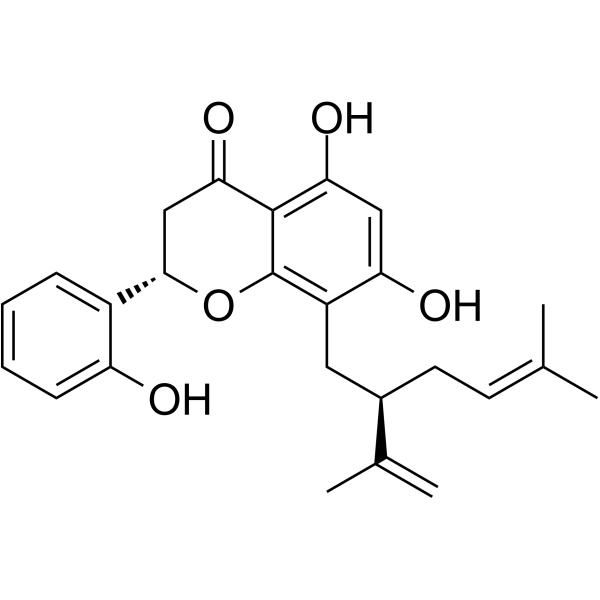
- Formula: C25H28O5
- Molecular Weight: 408.49
Kushenol A (Leachianone E) is isolated from the root of Sophora flavescent. Kushenol A is a non-competitive tyrosinase inhibitor to block the conversion of L-tyrosine to L-DOPA, shows IC50 and Kivalues of 1.1 μM and 0.4 μM, respectively. Kushenol A is a flavonoid antioxidant, has inhibitory effects on alpha-glucosidase (IC50: 45 μM; Ki: 6.8 μM) and β-amylase. Kushenol A is confirmed as potential inhibitors of enzymes targeted by cosmetics for skin whitening and aging.
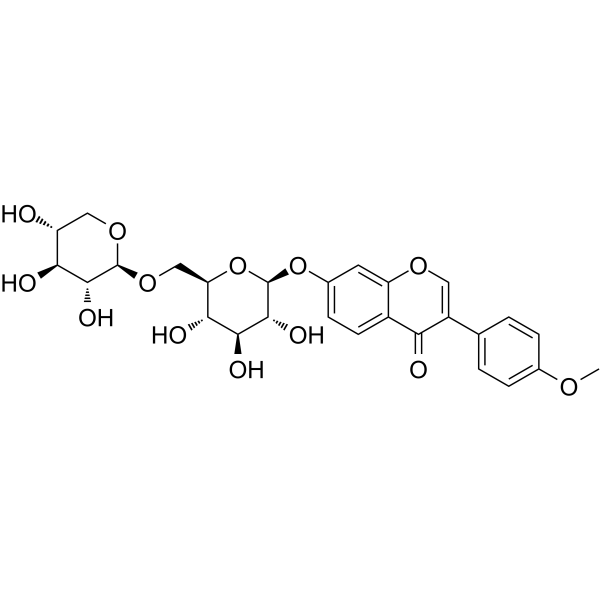
- Formula: C27H30O13
- Molecular Weight: 562.52
Kushenol O is a flavonoid compound.
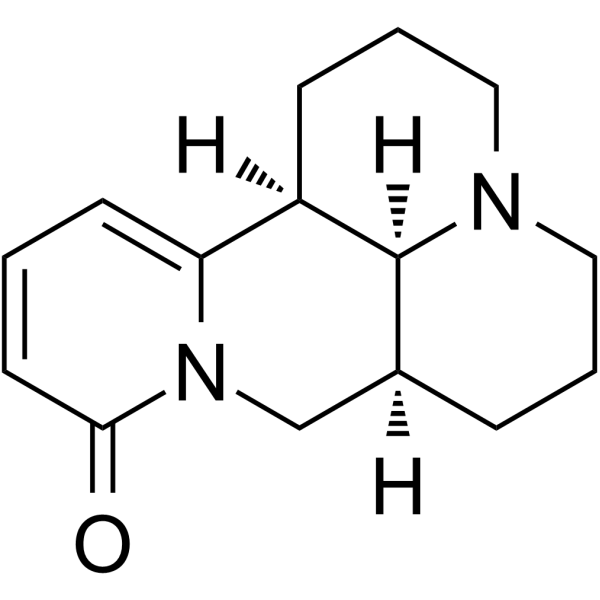
- Formula: C15H20N2O
- Molecular Weight: 244.33
Sophoramine ((-)-Sophoramine) is a prejunctional α2-adrenoceptor inhibitor that can be found in the seeds of Sophora alopecuroides. Sophoramine inhibits prejunctional α2-adrenoceptors to facilitate norepinephrine release from adrenergic nerves. Sophoramine shows cytotoxic activity against human cancer cells, positive inotropic activity, and activity in rodent arrhythmia models. Sophoramine can be used for the research of arrhythmias.
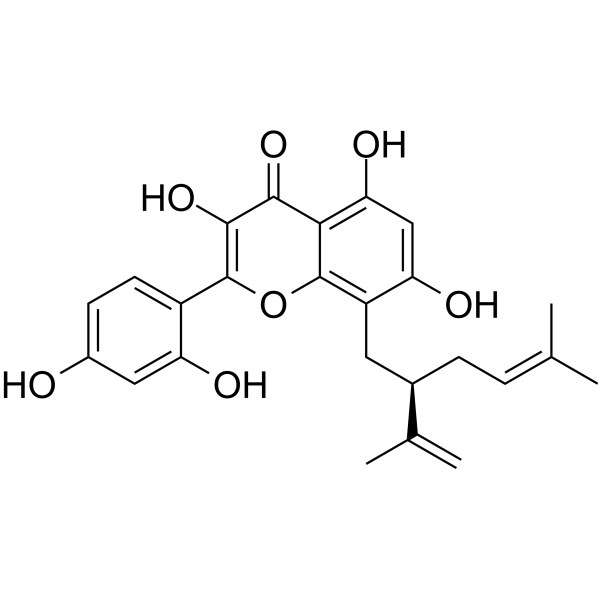
- Formula: C25H26O7
- Molecular Weight: 438.47
Kushenol C, isolated from the roots of Sophora flavescens, shows anti-Inflammatory and anti-oxidative stress activities. Kushenol C inhibits BACE1 (β-site APP cleaving enzyme 1) with an IC50 of 5.45 µM.
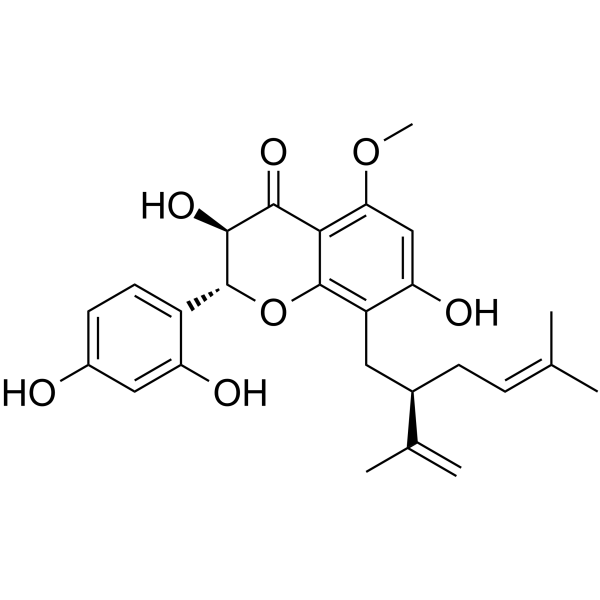
- Formula: C26H30O7
- Molecular Weight: 454.51
Kushenol I is a natural compound isolated from the roots of Sophora flavescens.
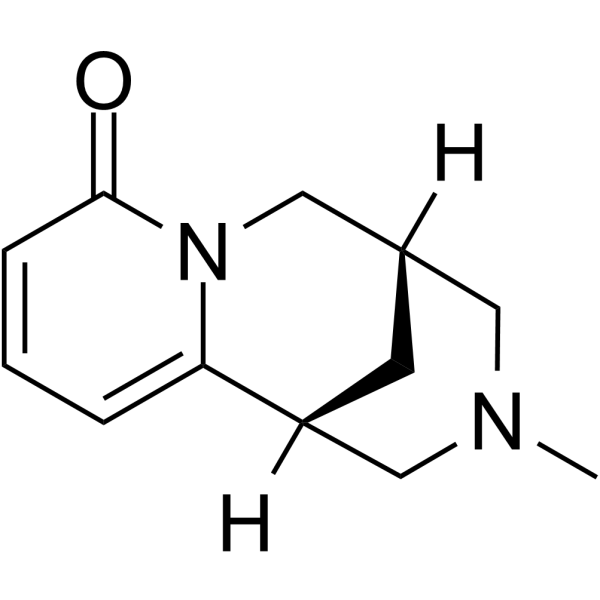
- Formula: C12H16N2O
- Molecular Weight: 204.27
N-Methylcytisine (Caulophylline), a tricyclic quinolizidine alkaloid, exerts hypoglycaemic, analgesic and anti-inflammatory activities. N-methylcytisine is a selective ligand of nicotinic receptors of acetylcholine in the central nervous system and has a high affinity (Kd = 50 nM) to nicotinic acetylcholine receptors (nAChR) from squid optical ganglia.
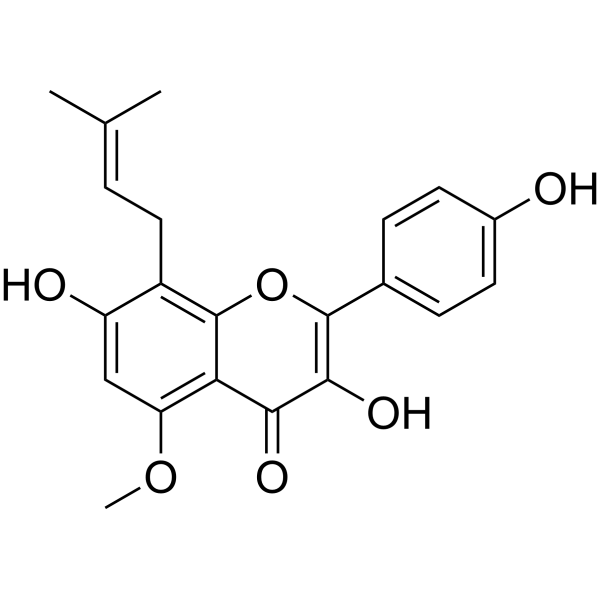
- Formula: C21H20O6
- Molecular Weight: 368.38
Sophoflavescenol is a prenylated flavonol, which shows great inhibitory activity with IC50 of 0.013 μM against Phosphodiesterase 5 (PDE5), and also inhibits RLAR, HRAR, AGE, BACE1, AChE and BChE with IC50s of 0.30 μM, 0.17 μM, 17.89 μg/mL, 10.98 μM, 8.37 μM and 8.21 μM, respectively.



