Infection
-
Infection Related Products (18788)
Related Products (18788)

-
Antibodies (22)
-
Tetramisole hydrochloride
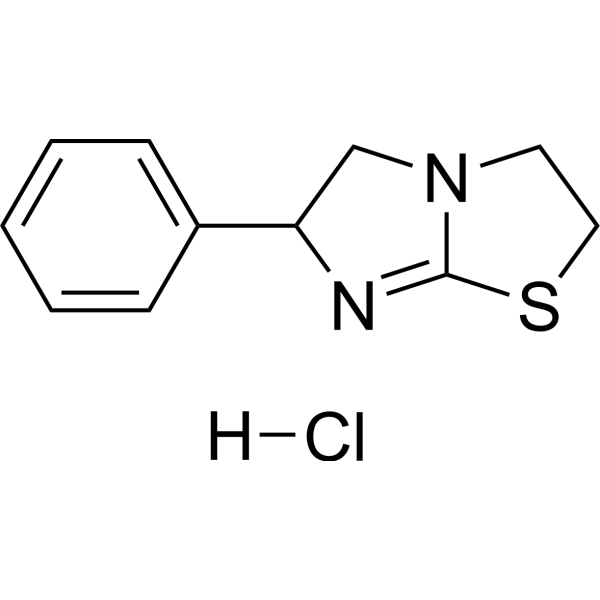 0 ImagesSynonyms: (±)-Tetramisole hydrochloride; DL-Tetramisole hydrochloride; R-829
Tetramisole hydrochloride is an orally active, selective inward rectifier potassium channel agonist with an EC50 of approximately 30 μM for the Kir2.1 subunit. Tetramisole hydrochloride is also an anti-nematode agent that blocks neuromuscular transmission by non-competitive depolarization. Tetramisole hydrochloride promotes the forward transport of Kir2.1 channels, hyperpolarizes the resting potential (RP), shortens the action potential duration (APD), inhibits intracellular calcium overload and the PKA signaling pathway, and exerts anti-arrhythmic and anti-myocardial remodeling activities. Tetramisole hydrochloride can be used in cardiac electrophysiology research and research related to myocardial ischemia and heart failure.
-
2′-Deoxy-2′-fluoroadenosine
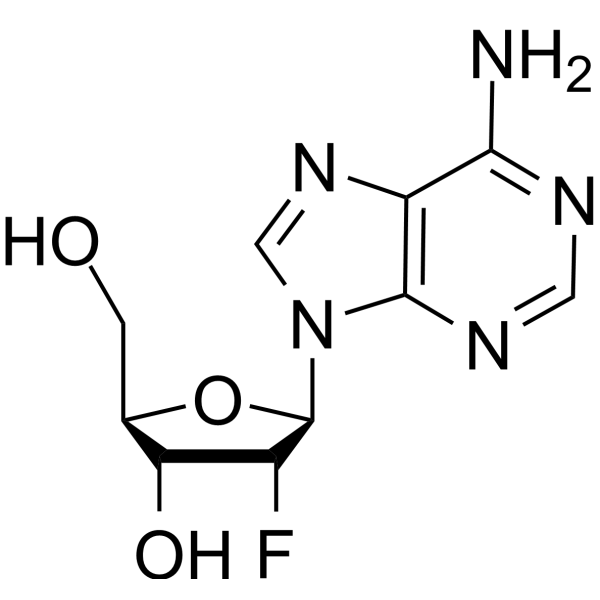 0 Images
2′-Deoxy-2′-fluoroadenosine is a fluorinated deoxyadenosine with antitumor and antiviral activity, able to interfere with viral or cancer cell replication by being incorporated into DNA. 2′-Deoxy-2′-fluoroadenosine can be used for the synthesis of 2′-Deoxy-2′-fluoro-modified oligonucleotides hybridized with RNA. 2′-Deoxy-2′-fluoroadenosine can be cleaved efficiently by E. coli purine nucleoside phosphorylase (PNP) to the toxic agent 2-fluoroadenine (FAde). 2′-Deoxy-2′-fluoroadenosine shows excellent in vivo activity against tumors expressing E. coli PNP.
-
Ceforanide
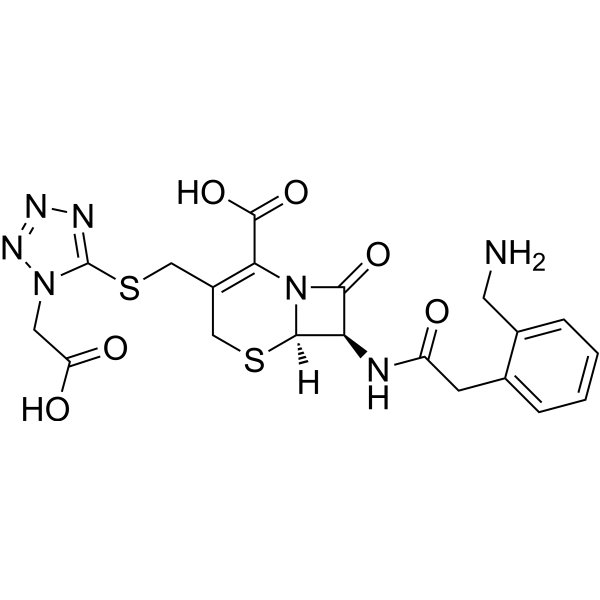 0 Images
Ceforanide is a semisynthetic parental cephalosporin antibiotic, derived from 7-aminocephalosporanic acid. Ceforanide has antibacterial activity and is a potent inhibitor of most species of streptococci, excluding enterococci.
-
BpV(phen) trihydrate
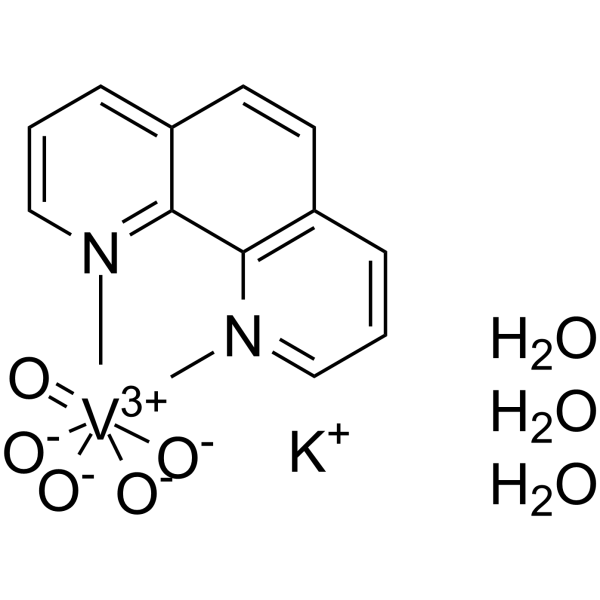 0 ImagesSynonyms: Bisperoxovanadium(phen) trihydrate
BpV(phen) trihydrate, a insulin-mimetic agent, is a potent protein tyrosine phosphatase (PTP) and PTEN inhibitor with IC50s of 38 nM, 343 nM and 920 nM for PTEN, PTP-β and PTP-1B, respectively. BpV(phen) trihydrate inhibits proliferation of the protozoan parasite Leishmania in vitro. bpV(phen) trihydrate strongly induces the secretion of a large number of chemokines and pro-inflammatory cytokines, and it activates a Th1-type pathway (IL-12, IFNγ). BpV(phen) trihydrate can also induce cell apoptosis, and has anti-angiogenic and anti-tumor activity.
-
VCH-916
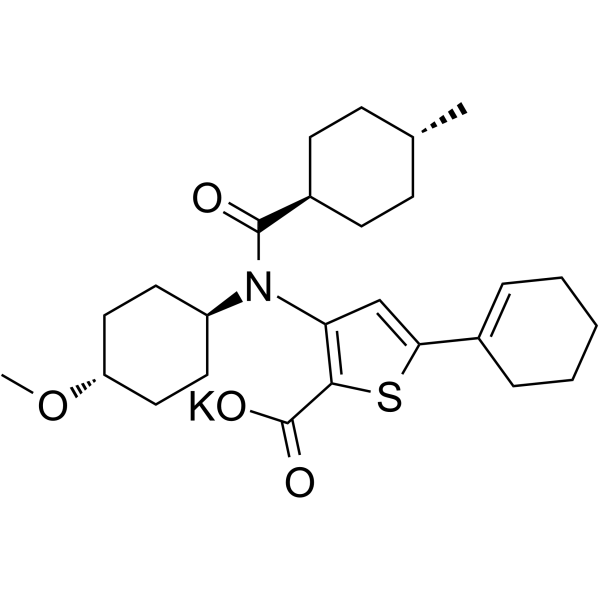 0 Images
VCH-916 is a thiophene derivative and non-nucleoside inhibitor of HCV NS5B polymerase. VCH-916 binds to Thumb Site II. VCH-916 can be used for the research of hepatitis c virus (hcv) infection.
-
Stem bromelain
 0 ImagesCat. No.: HY-P2970CAS No.: 37189-34-7
Stem bromelain (EC 3.4.22.32) is a cysteine protease and antibacterial agent. Stem bromelain can be isolated from the stem of the pineapple (Ananas comosus). Stem bromelain induces dose-dependent secretion of IL-12p70, and IL-6, induces Apoptosis, causes cleavage of full-length PARP protein, Caspase 3, and Caspase 9, increases Bax, and decreases Bcl-2. Stem bromelain possesses various fibrinolytic, antiedema, antithrombotic, and anti-inflammatory activities. Stem bromelain also exhibits in vivo antitumor and antileukemic activities, as well as antimetastatic effects. Stem bromelain has antimycobacterial activity. Stem bromelain provides protection against lead poisoning.
-
Dehydroabietic acid
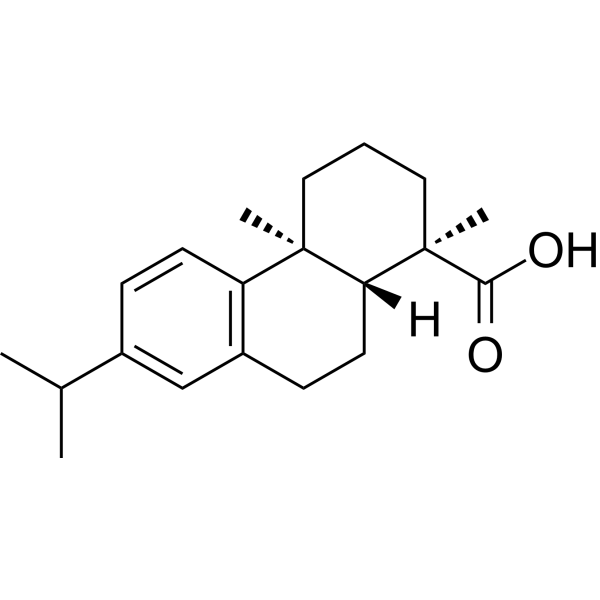 0 Images
Dehydroabietic acid is a diterpene resin acid that can be isolated from Pinus and Picea. Dehydroabietic acid has anti-bacterial, anti-fungal, anti-inflammatory, and anticancer activities. Dehydroabietic acid is a dual PPAR-α/γ agonist and PPAR-γ partial agonist, which can attenuate insulin resistance (IR) and hepatic steatosis induced by HFD-consumption in mice.
-
BIO-acetoxime
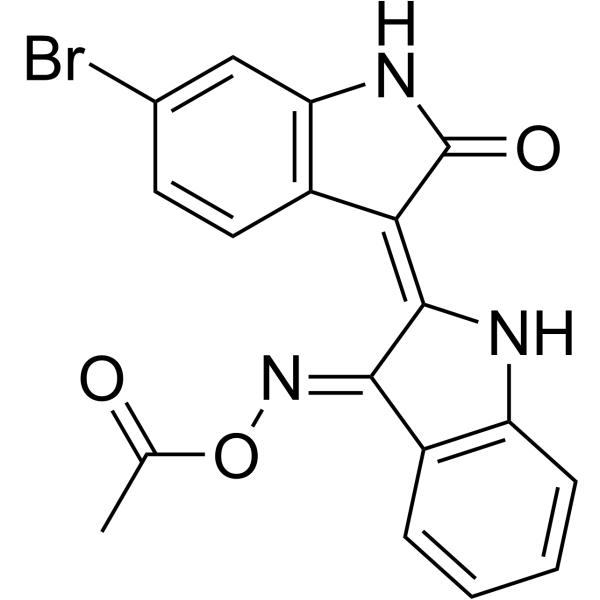 0 ImagesSynonyms: BIA
BIO-acetoxime (BIA) is a potent and selective GSK-3 inhibitor, with IC50s of both 10 nM for GSK-3α/β. BIO-acetoxime has anticonvulsant and anti-infection activity.
-
Alizarin complexone
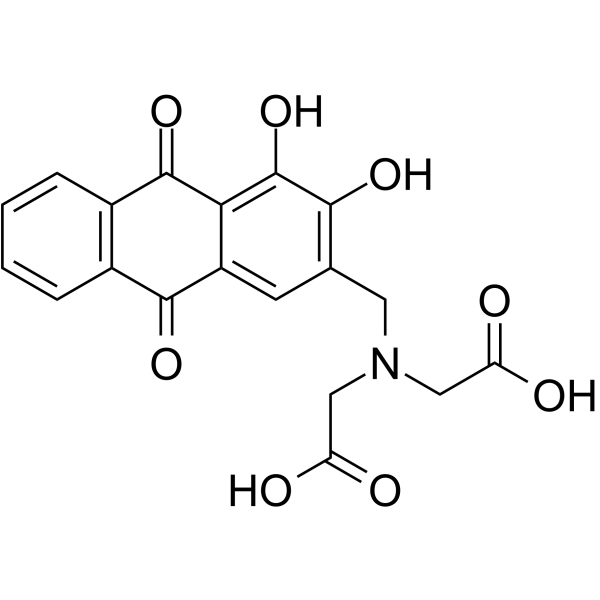 0 Images
Alizarin complexone is a calcium-binding fluorescent dye. Alizarin complexone stains mineralized areas of bone by binding to calcium crystals. Alizarin complexone inhibits the reverse transcriptase activity of RAV-2, HIV-1, and RSV with IC50 values of 3.8 μg/mL, 45 μg/mL, and 100 μg/mL, respectively. Alizarin complexone exhibits antiviral activity against HIV-1 and RSV. Alizarin complexone delays RSV-induced tumor induction in chickens.
-
Vasculotide TFA
 0 ImagesCat. No.: HY-P10580APurity: 99.88%
Vasculotide TFA is a blood-brain barrier (BBB)-penetrant Tie2 agonist. Vasculotide TFA binds to a unique domain of Tie2, induces receptor clustering to drive phosphorylation, activates downstream PI3K/Akt and eNOS pathways, enhances inter-endothelial cell junctions (such as VE-cadherin and claudin-5), and inhibits inflammatory adhesion molecules, ultimately stabilizing the vascular endothelial barrier and reducing its permeability. Vasculotide TFA alleviates pulmonary microvascular leakage and microcirculatory dysfunction caused by cardiopulmonary bypass, acts as an adjuvant radioprotective agent to reduce acute radiation dermatitis, and promotes BBB recovery after focused ultrasound (FUS). Combination of Vasculotide TFA with antibiotics reduces lung injury.
-
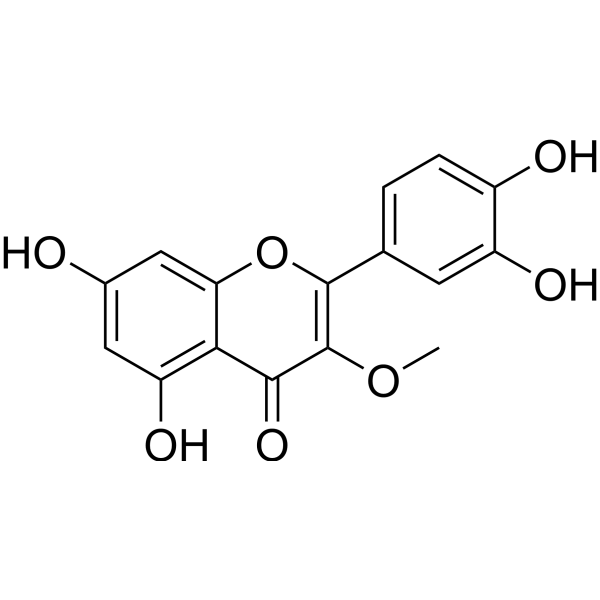
3-O-Methylquercetin
 0 Images
3-O-Methylquercetin is an inhibitor of cAMP and CGMP-phosphodiesterase (PDE) with IC50 at 13.8 μM and 14.3 μM, respectively. 3-O-Methylquercetin is an inhibitor of β-secretase with an IC50 of 6.5 μM. 3-O-Methylquercetin has a neuroprotective effect against neuronal death caused by oxidative damage. 3-O-Methylquercetin has strong antiviral activity against poliovirus, coxsackie virus and human rhinovirus. 3-O-Methylquercetin has anti-inflammatory and trachea-relaxing effects and can be used in the study of inflammatory diseases and asthma.
-
Trifloxystrobin
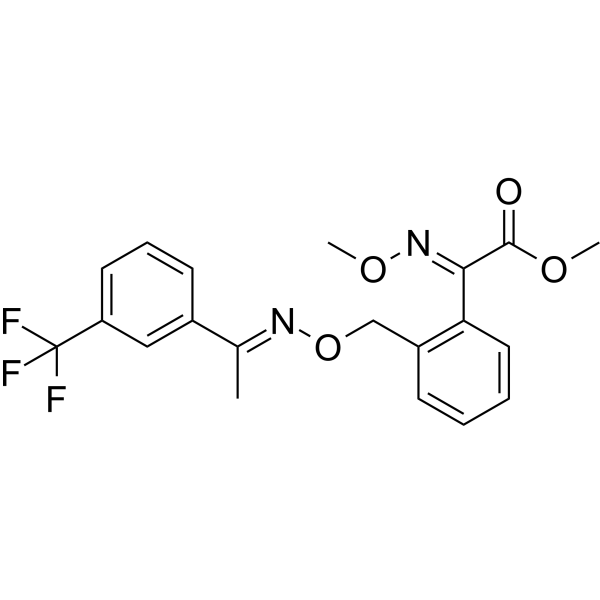 0 ImagesSynonyms: CGA 279202
-
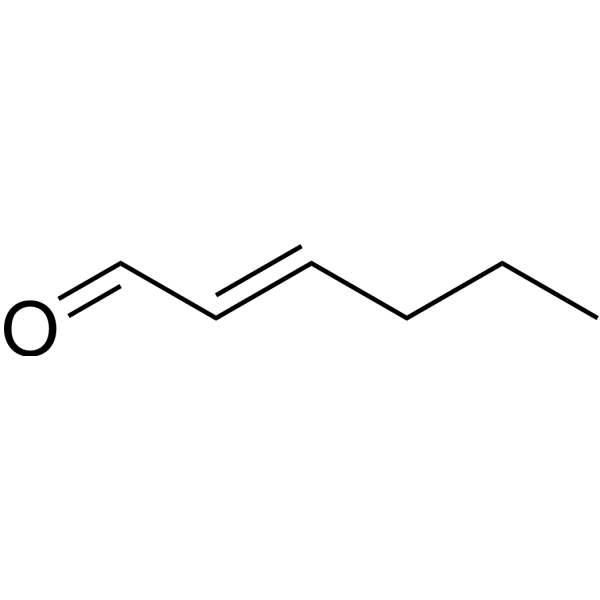
trans-2-Hexenal
 0 Images
trans-2-Hexenal ((E)-2-Hexenal) is a volatile compound widely present in fresh plants, vegetables, and fruits, with a unique leafy aroma. trans-2-Hexenal has antifungal activity and can also inhibit the germination of soybean seeds and the growth of seedlings. In addition, trans-2-Hexenal can be used to determine low-molecular-weight carbonyl compounds that are reactive with biological nucleophiles in biological samples.
-
Poacic acid
 0 ImagesCat. No.: HY-163462CAS No.: 160097-32-5
Poacic Acid is a plant-derived stilbenoid with an antifungal activity. Poacic Acid localizes to the yeast cell wall and disrupts the production and assembly of β-1,3-glucan in the fungal cell walls. Poacic Acid exhibits fungicidal activity to Saccharomyces cerevisiae and plasma membrane-compromised Candida albicans mutants.
-
RA-0002034
 0 ImagesSynonyms: RA-2034
-
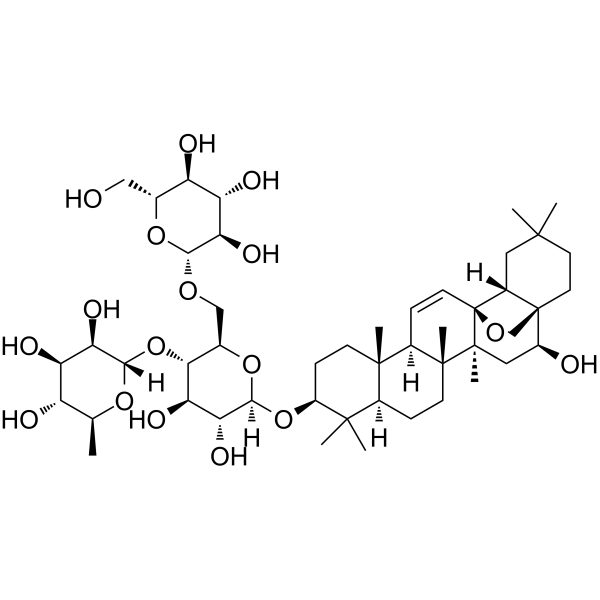
Saikosaponin C
 0 Images
Saikosaponin C is an orally active MMP-2 inducer. Saikosaponin C induces the survival, growth, migration and capillary tube formation of endothelial cells. Saikosaponin C inhibits the early stage of hepatitis C virus infection. Saikosaponin C can be used in research related to ischemic tissue diseases, chronic kidney diseases and hepatitis C virus infection.
-
N-p-trans-Coumaroyltyramine
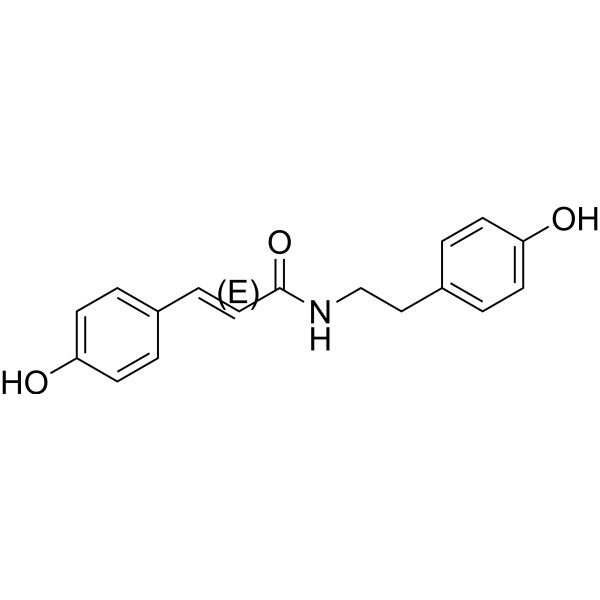 0 Images
N-p-trans-Coumaroyltyramine is a natural phenolic amide compound and an inhibitor of AChE (IC50: 122 μM) and α-glucosidase (IC50: 2.7 μM). N-p-trans-Coumaroyltyramine also has anti-trypanosomal activity, with an IC50 of 13.3 µM against T. brucei rhodesiense. N-p-trans-Coumaroyltyramine can be used in the research of diseases such as Alzheimer's disease.
-
1-Butyl-3-methylimidazolium bis(trifluoromethylsulfonyl)imide
 0 ImagesSynonyms: BMIM-TFSI; BMI-TFSI
1-Butyl-3-methylimidazolium bis(trifluoromethylsulfonyl)imide (BMIM-TFSI; BMI-TFSI) is an HIV-1 integrase inhibitor. 1-Butyl-3-methylimidazolium bis(trifluoromethylsulfonyl)imide weakly inhibits recombinant HIV-1 integrase 3'-processing or strand transfer activity. 1-Butyl-3-methylimidazolium bis(trifluoromethylsulfonyl)imide can be used for the research of HIV-1.
-
Pneumocandin B0
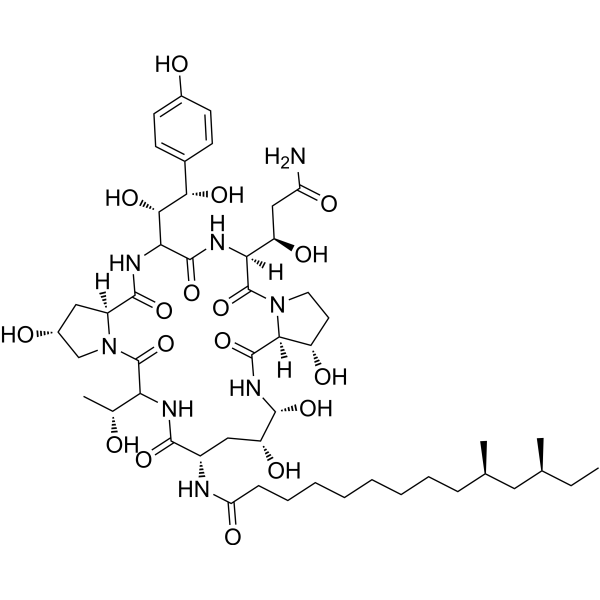 0 ImagesCat. No.: HY-17578CAS No.: 135575-42-7Synonyms: L-688786
Pneumocandin B0 (L-688786) is the precursor of the synthetic antifungal agent Cancidas (Caspofungin acetate) (HY-17006). Pneumocandin B0 can be isolated from fungus Glarea lozoyensis.