



Apoptosis
Apoptosis
Apoptosis is a distinctive form of cell death exhibiting specific morphological and biochemical characteristics, including cell membrane blebbing, chromatin condensation, genomic DNA fragmentation, and exposure of specific phagocytosis signaling molecules on the cell surface. Cells undergoing apoptosis differ from those dying through necrosis. Necrotic cells are usually recognized by the immune system as a danger signal and, thus, resulting in inflammation; in contrast, apoptotic death is quiet and orderly.
There are two major pathways of apoptotic cell death induction: The intrinsic pathway, also called the Bcl-2-regulated or mitochondrial pathway, is activated by various developmental cues or cytotoxic insults, such as viral infection, DNA damage and growth-factor deprivation, and is strictly controlled by the BCL-2 family of proteins. The extrinsic or death-receptor pathway is triggered by ligation of death receptors (members of the tumor necrosis factor (TNF) receptor family, such as Fas or TNF receptor-1 (TNFR1)) that contain an intracellular death domain, which can recruit and activate caspase-8 through the adaptor protein Fas-associated death domain (FADD; also known as MORT1) at the cell surface. This recruitment causes subsequent activation of downstream (effector) caspases, such as caspase-3, -6 or -7, without any involvement of the BCL-2 family.
Studies suggest that alterations in cell survival contribute to the pathogenesis of a number of human diseases, including cancer, viral infections, autoimmune diseases, neurodegenerative disorders, and AIDS (acquired immunodeficiency syndrome). Treatments designed to specifically alter the apoptotic threshold may have the potential to change the natural progression of some of these diseases.
All Product Categories
-
Apoptosis Inhibitors
(904)
View all products
-
Apoptosis Agonists
(7)
View all products
-
Apoptosis Antagonists
(9)
View all products
-
Apoptosis Activators
(363)
View all products
-
Apoptosis Modulators
(60)
View all products
-
Apoptosis Inducers
(7944)
View all products
-
Apoptosis Degrader
(1)
View all products
-
Apoptosis Controls
(33)
View all products
-
Apoptosis Related Products (9888)
Related Products (9888)

-
Antibodies (120)
-
Salubrinal
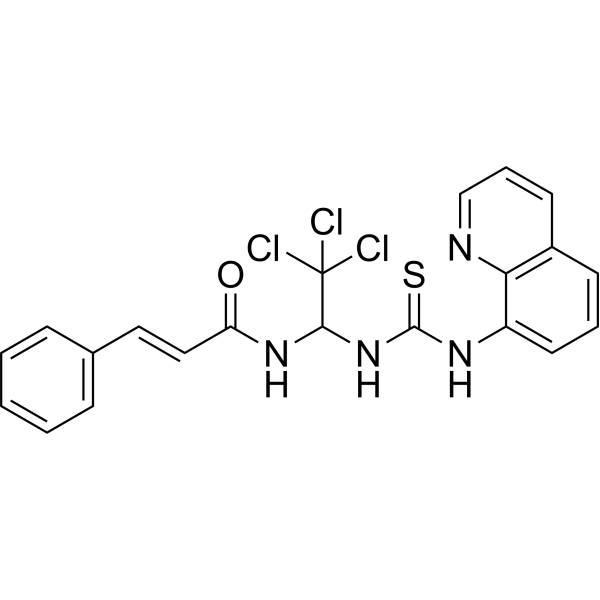 0 ImagesSalubrinal is a cell-permeable and selective inhibitor of eIF2α dephosphorylation. Salubrinal acts as a dual-specificity phosphatase 2 (Dusp2) inhibitor and suppresses inflammation in anti-collagen antibody-induced arthritis. Salubrinal has antiviral activity against HSV-1 and inhibits dephosphorylation of eIF2α mediated by the HSV-1 protein ICP34.5.
-
L-Asparaginase
 0 ImagesL-Asparaginase (L-ASNase) is a deamidating enzyme that catalyses the hydrolysis of L-asparagine and L-glutamine, and can be used for the research of acute lymphoblastic leukemia. L-Asparaginase depletes L-asparagine from plasma resulting in inhibition of RNA and DNA synthesis with the subsequent blastic cell apoptosis.
-
Dextran sulfate sodium salt (MW 5000)
 0 ImagesDextran sulfate sodium salt (DSS) (MW 5000) is a polymer of dehydrated glucose with a molecular weight of approximately 5000. Dextran sulfate sodium salt (DSS) with different molecular weights exhibits different biological activities. Dextran sulfate sodium salt (MW 5000) is an inhibitor of complement and coagulation pathways, and belongs to the glycosaminoglycans (GAG) family. Dextran sulfate sodium salt (MW 5000) acts as an anticoagulant, antiviral, and anti-lipemic agent. Dextran sulfate sodium salt (DSS) stops HIV-1 virus adsorption to host cells. Dextran sulfate sodium salt (MW 5000) prevents NK cell-mediated cytotoxicity. Dextran sulfate sodium salt (MW 5000) inhibits instant blood-mediated inflammatory reaction (IBMIR).
-
Floxuridine
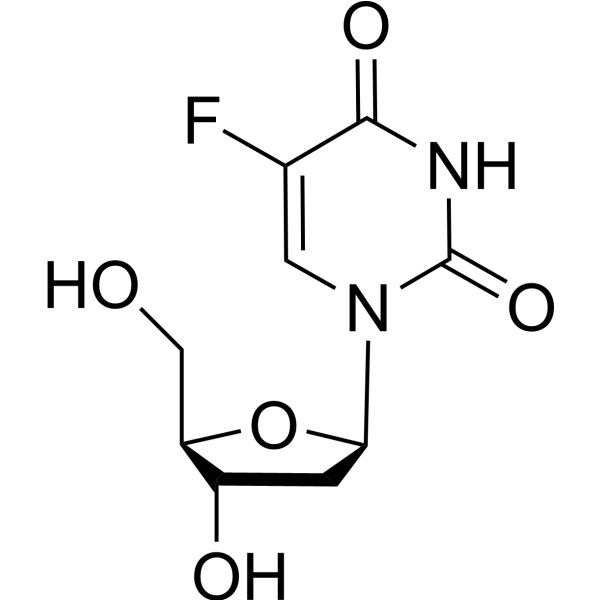 0 ImagesFloxuridine (5-Fluorouracil 2'-deoxyriboside) is a pyrimidine analog and known as an oncology antimetabolite. Floxuridine inhibits Poly(ADP-Ribose) polymerase and induces DNA damage by activating the ATM and ATR checkpoint signaling pathways in vitro. Floxuridine is a extreamly potent inhibitor for S. aureus infection and induces cell apoptosis. Floxuridine has antiviral effects against HSV and CMV.
-
Glycochenodeoxycholic acid
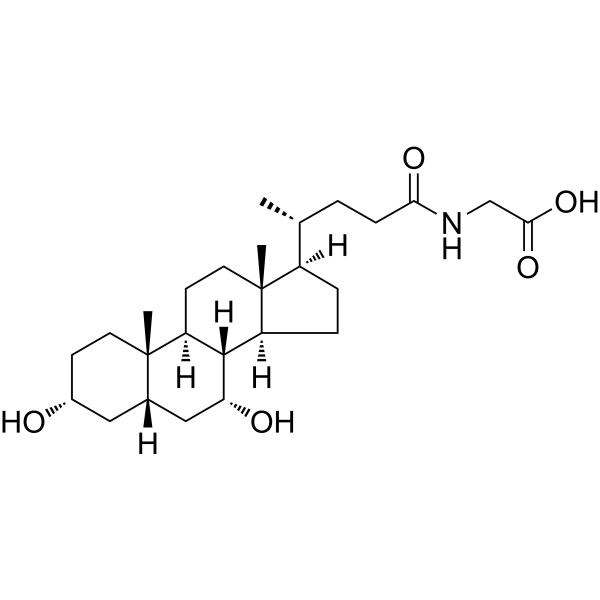 0 ImagesGlycochenodeoxycholic acid (Chenodeoxycholylglycine) is a relatively toxic bile salt generated in the liver from chenodeoxycholic acid and glycine. Glycochenodeoxycholic acid inhibits Autophagosome formation and impairs lysosomal function by inhibiting lysosomal proteolysis and increasing lysosomal pH in human normal liver cells, leading to the Apoptosis of human hepatocyte cells. Glycochenodeoxycholic acid induces stemness and chemoresistance via activating STAT3 signaling pathway in hepatocellular carcinoma cells (HCC). Glycochenodeoxycholic acid is promising for research in the field of cholestasis desease, hepatocellular carcinoma and primary sclerosing cholangitis (PSC).
-
Pentagalloylglucose
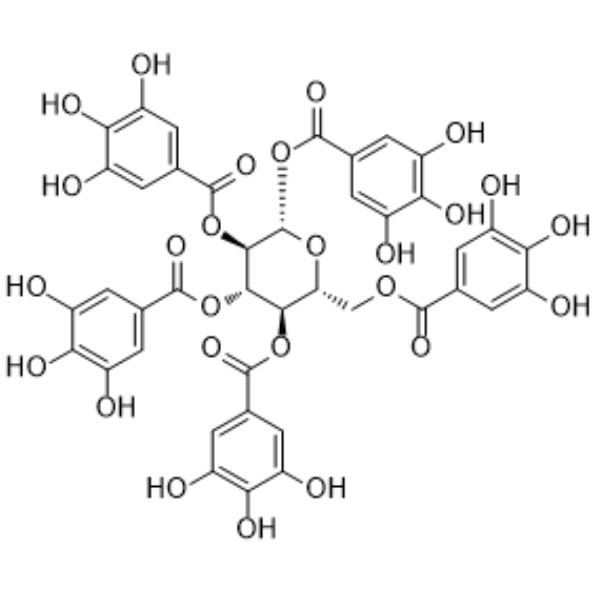 0 ImagesSynonyms: Penta-O-galloyl-β-D-glucose; 1,2,3,4,6-Pentagalloyl glucosePentagalloylglucose (Penta-O-galloyl-β-D-glucose) is an orally active gallic tannin compound and an inducer of apoptosis and autophagy. Pentagalloglucose induces cell apoptosis and autophagy through the GSK3β/β-catenin pathway. Pentagalloylglucose inhibits UBE2T-mediated p53 ubiquitination, upregulates p53, downregulates RRM1/RRM2 in pancreatic cancer organoids. Pentagalloglucose has antioxidant, anti mutagenic, anti-inflammatory, anticonvulsant, cardioprotective, anti allergic, cholesterol lowering, and anti-tumor activities.
-
Prednisone
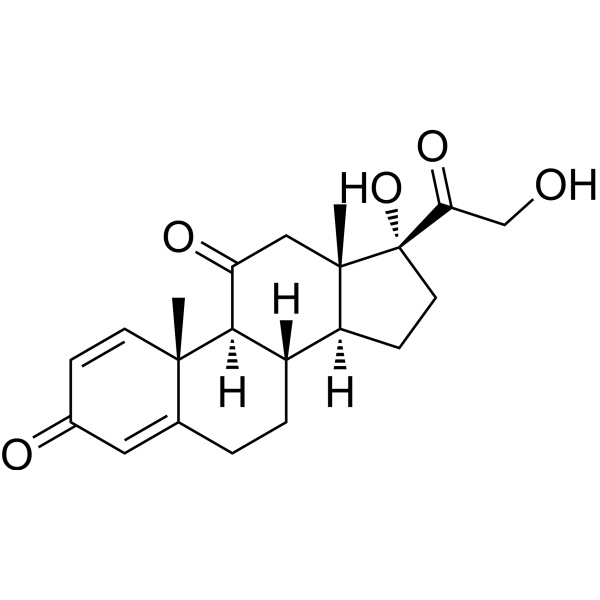 0 ImagesPrednisone (Adasone) is a corticosteroid agent with anti-inflammatory and immunosuppressive effects that can be used to study diseases related to systemic lupus erythematosus.
-
Iberdomide
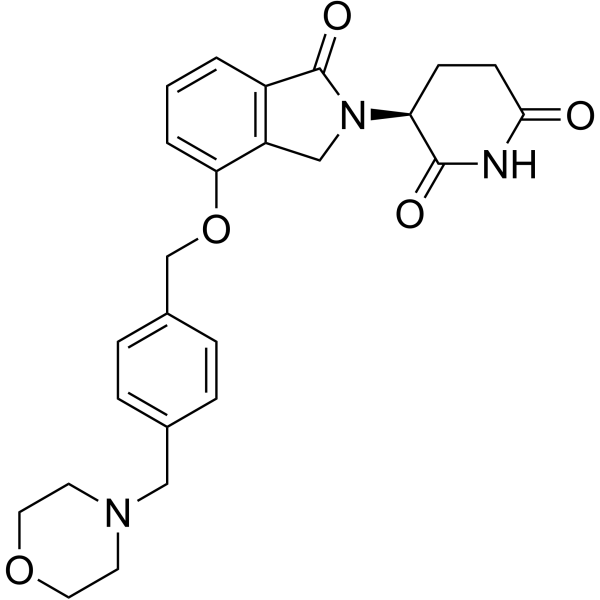 0 ImagesSynonyms: CC-220Iberdomide (CC-220) is an orally active and potent cereblon (CRBN) E3 ligase modulator (CELMoD) with an IC50 of ~150 nM for cereblon-binding affinity. Iberdomide, a derivative of Thalidomide (HY-14658), has antitumor and immunostimulatory activities.
-
Sildenafil
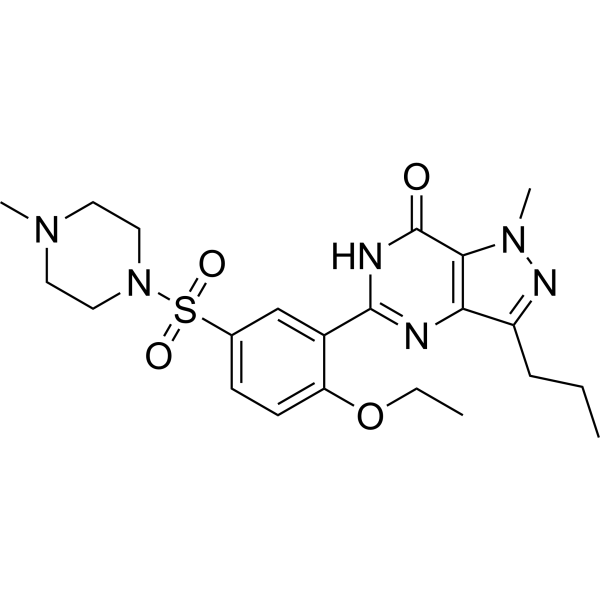 0 ImagesSynonyms: UK-92480Sildenafil (UK-92480) is a potent phosphodiesterase type 5 (PDE5) inhibitor with an IC50 of 5.22 nM.
-
Eragidomide
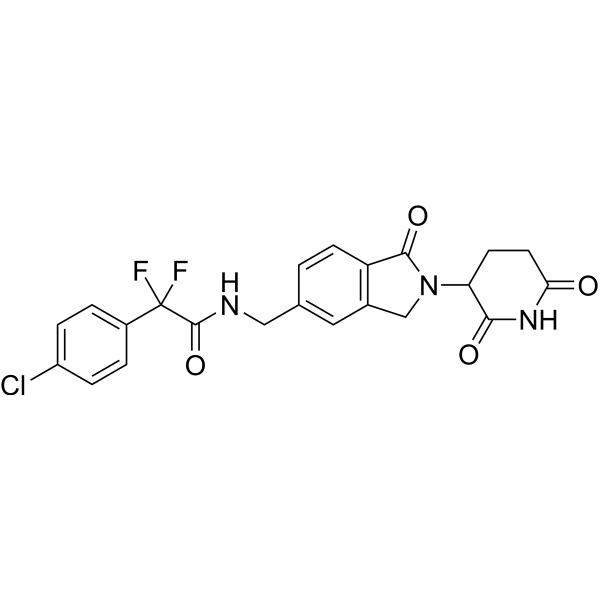 0 ImagesSynonyms: CC-90009Eragidomide (CC-90009) is a GSPT1 Molecular Glue degrader. Eragidomide exhibits antiproliferative and pro-apoptotic (apoptosis) activities against acute myeloid leukemia cells. Eragidomide recruits the CRL4CRBN E3 ubiquitin ligase complex to selectively target GSPT1 for ubiquitination and proteasomal degradation. Eragidomide reduces leukemia cell engraftment and eliminates leukemia stem cells. Eragidomide promotes the activation of the GCN1/GCN2/ATF4 pathway and the integrated stress response pathway, inhibits global protein translation, promotes preferential translation of ATF4, and induces the accumulation of ATF4, CHOP and ATF3. The response to Eragidomide is regulated by the ILF2/ILF3 heterodimer complex, the mTOR signaling pathway and the integrated stress response. Eragidomide can be used in research related to acute myeloid leukemia and relapsed/refractory acute myeloid leukemia.
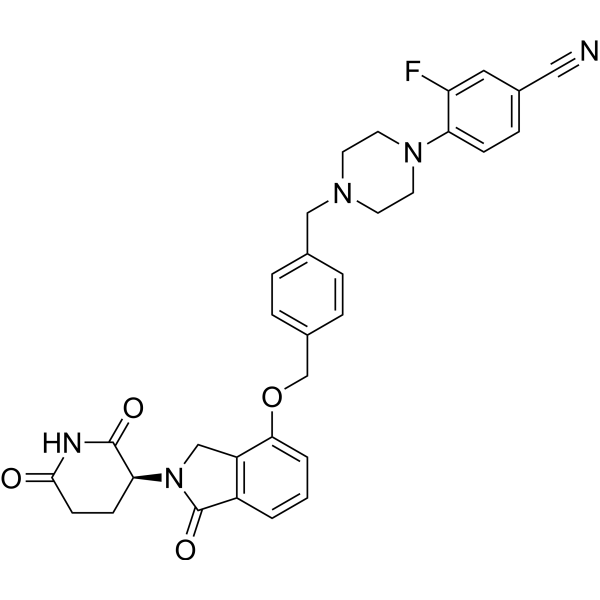
-
Tauroursodeoxycholate sodium
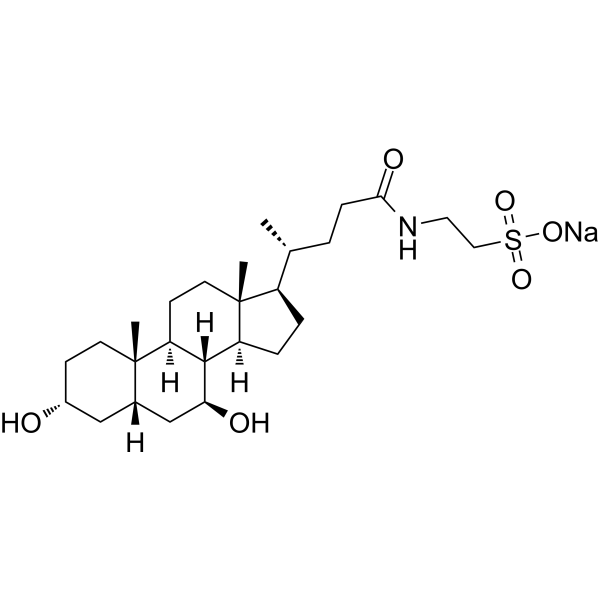 0 ImagesSynonyms: Tauroursodeoxycholic acid sodium; TUDCA sodium; UR 906 sodium
-
ODN 1826 sodium
 0 ImagesCat. No.: HY-146245CPurity: 99.51%Synonyms: CpG 1826 sodiumODN 1826 sodium is a class B CpG ODN (oligodeoxynucleotide) and TLR9 agonist. ODN 1826 sodium induces NO and iNOS production and enhances Apoptosis. ODN 1826 sodium enhances immune surveillance. ODN 1826 sodium increases aortic atherosclerotic plaque size. ODN 1826 sodium has antitumor activity against lung cancer, glioma and melanoma.
-
FB23-2
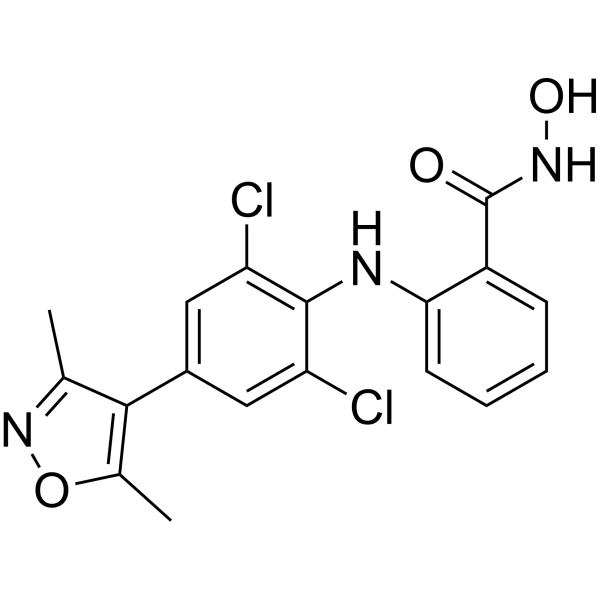 0 ImagesFB23-2 is a potent and selective inhibitor of mRNA N6-methyladenosine (m6A) demethylase FTO, with an IC50 of 2.6 μM. FB23-2 has anti-proliferation activity. FB23-2 can be used for the research of acute myeloid leukemia (AML).
-
DT2216
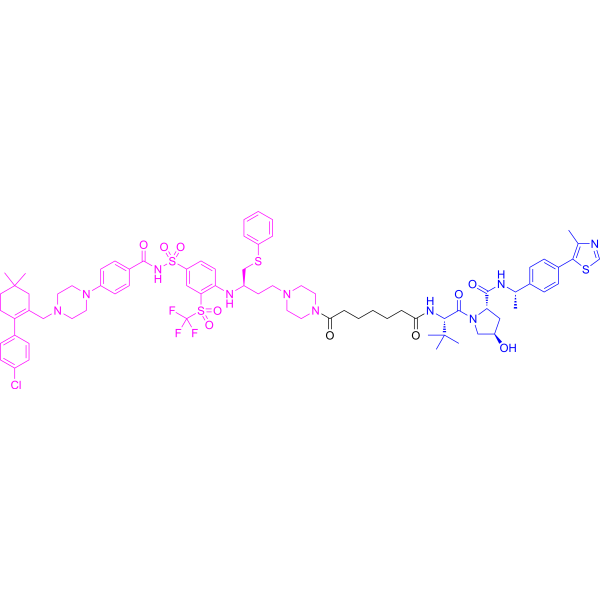 0 ImagesDT2216 is a potent and selective BCL-XL (Bcl-2 family member) degrader based on PROTAC technology. DT2216 causes effective degradation of BCL-XL protein by recruiting Von Hippel-Lindau (VHL) E3 ubiquitin ligase. DT2216 inhibits various BCL-XL-dependent leukemia and cancer cells but considerably less toxic to platelets.
-
AKT inhibitor VIII
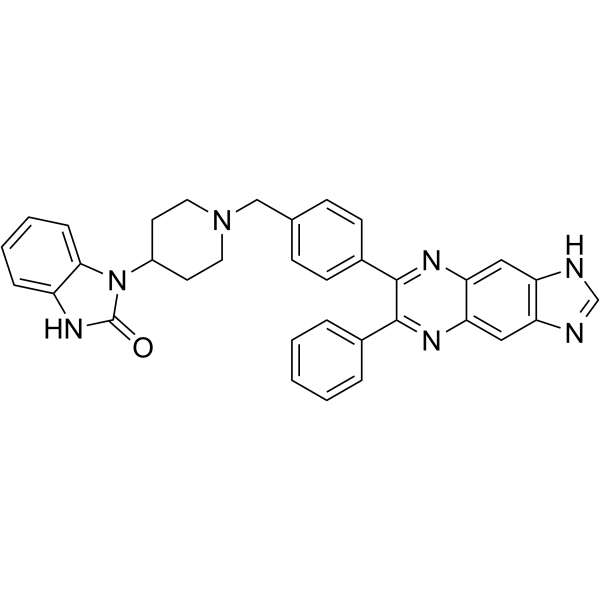 0 ImagesSynonyms: AKTi-1/2AKT inhibitor VIII (AKTi-1/2) is a cell-permeable quinoxaline compound that has been shown to potently, selectively, allosterically, and reversibly inhibit Akt1, Akt2, and Akt3 activity with IC50s of 58 nM, 210 nM, and 2119 nM, respectively.




