



Epoxomicin
Based on 31 publication(s) in Google Scholar
Epoxomicin (BU-4061T) is an epoxyketone-containing natural product and a potent, selective and irreversible proteasome inhibitor. Epoxomicin covalently binds to the LMP7, X, MECL1, and Z catalytic subunits of the proteasome and potently inhibits primarily the chymotrypsin-like activity. Epoxomicin can cross the blood-brain barrier. Epoxomicin has strongly antitumor and anti-inflammatory activity.
For research use only. We do not sell to patients.
- Purity : 99.60%
- CAS No.: 134381-21-8
- Formula: C28H50N4O7
- Molecular Weight:554.72
-
Storage:Powder -20°C, 3 years , 4°C, 2 years ; In solvent -80°C, 2 years , -20°C, 1 year

To place orders, for customer services and technical support, please contact: MedChemExpress USA
Tel: 609-228-6898 E-mail: [email protected] [email protected]


-
 Biological Activity
-
Chemical Information
-
Solvent & Solubility
- Protocols
- Purity & Documentation
- References
-
 Help & FAQs


-
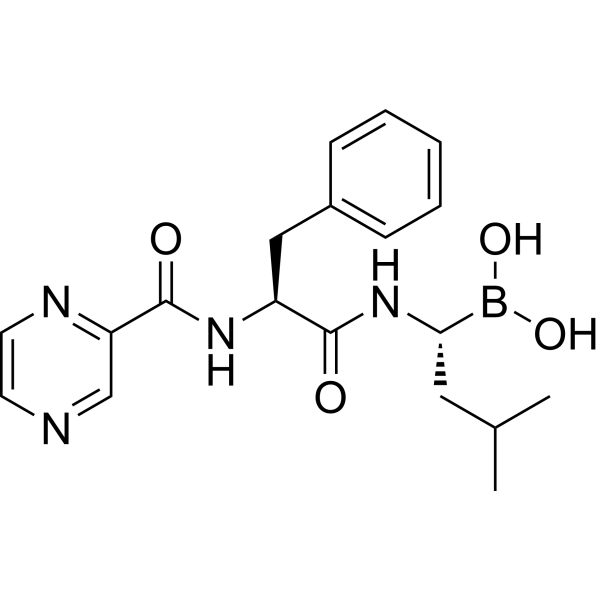
HY-10227
BortezomibProteasome Inhibitor -
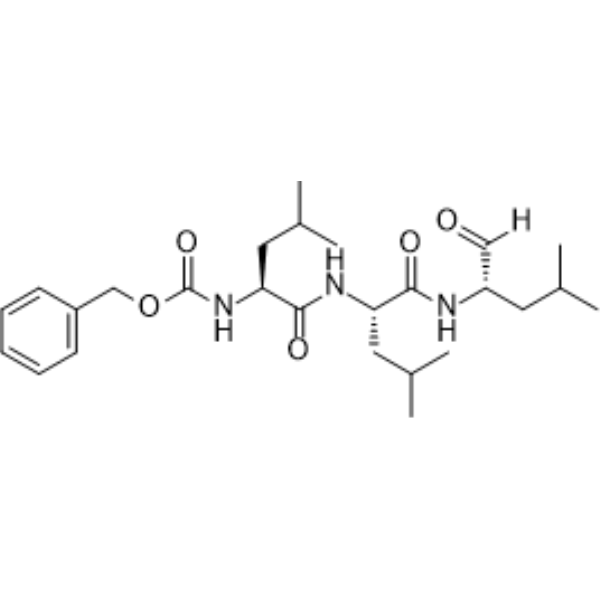
HY-13259
MG-132Proteasome Inhibitor -
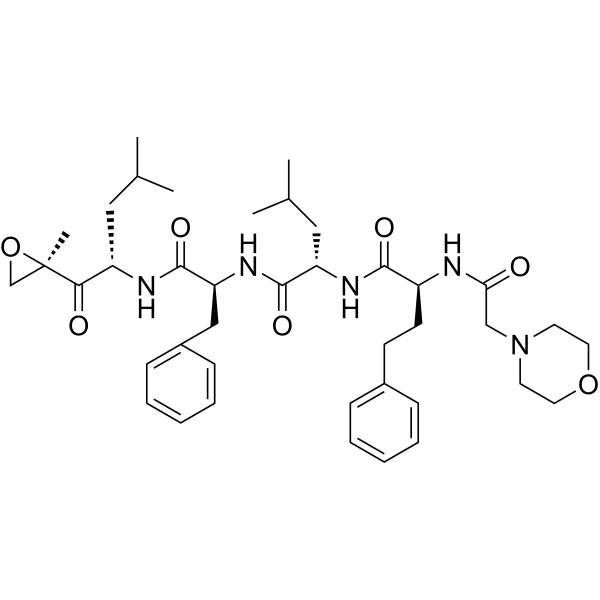
HY-10455
CarfilzomibProteasome Inhibitor -
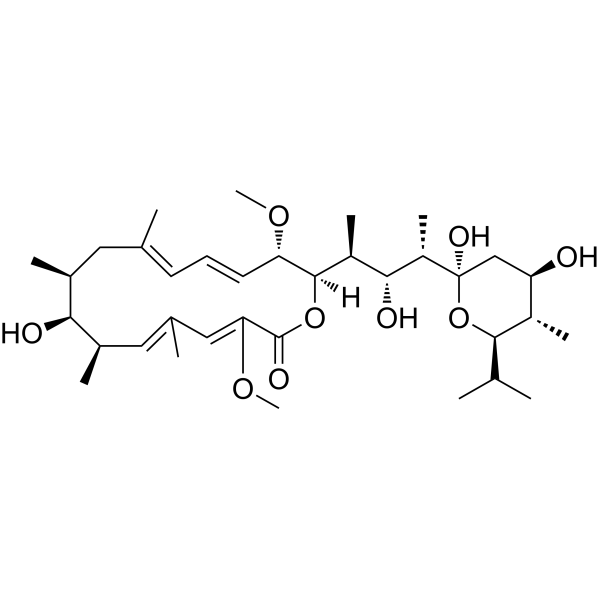
HY-100558
Bafilomycin A1V-ATPase Inhibitor -
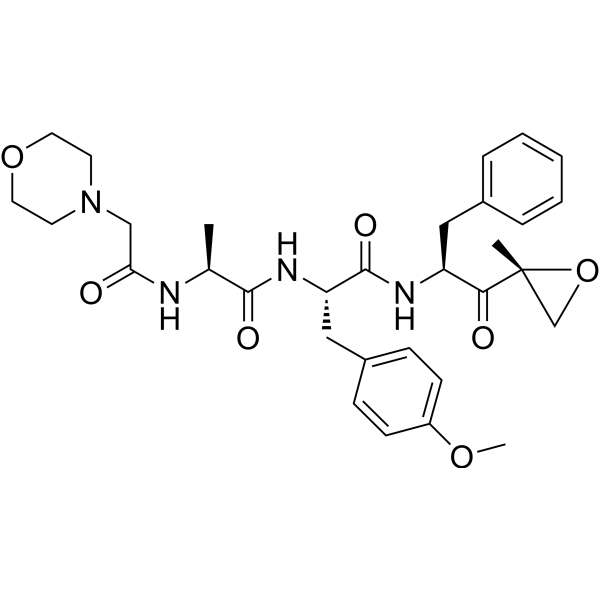
HY-13207
ONX-0914Proteasome Inhibitor -
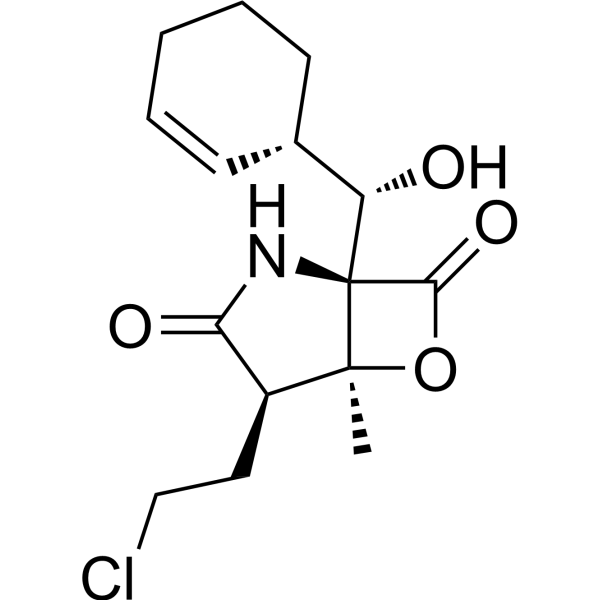
HY-10985
MarizomibProteasome Inhibitor -
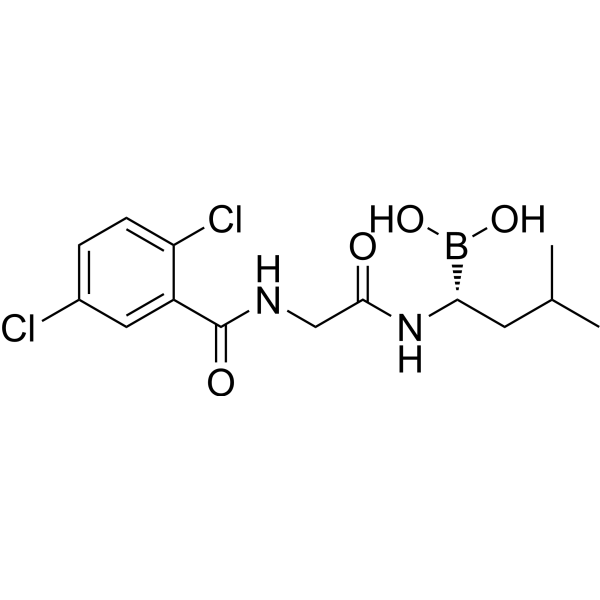
HY-10453
IxazomibProteasome Inhibitor -
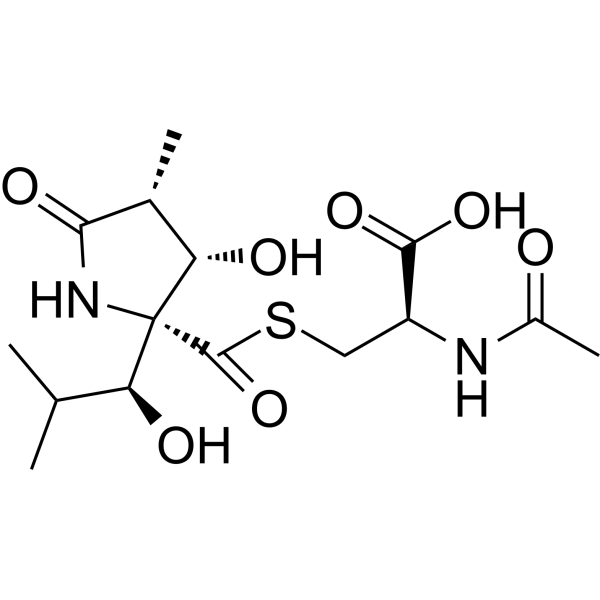
HY-16594
LactacystinProteasome Inhibitor -
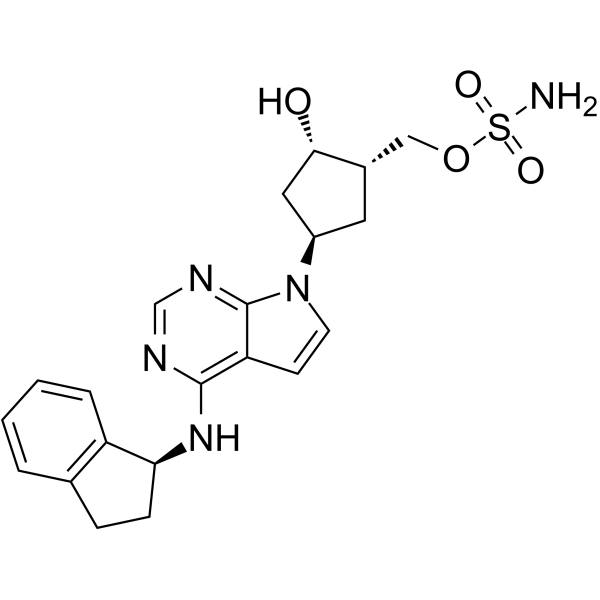
HY-70062
PevonedistatNAE Inhibitor -
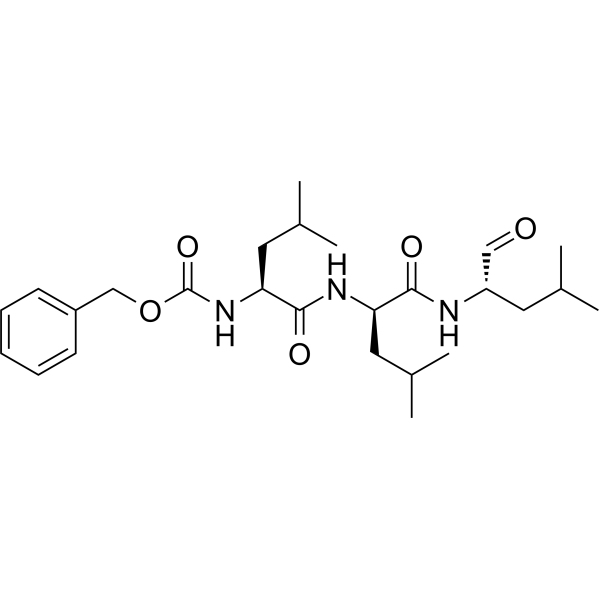
HY-13259C
(R)-MG-132Proteasome Inhibitor -
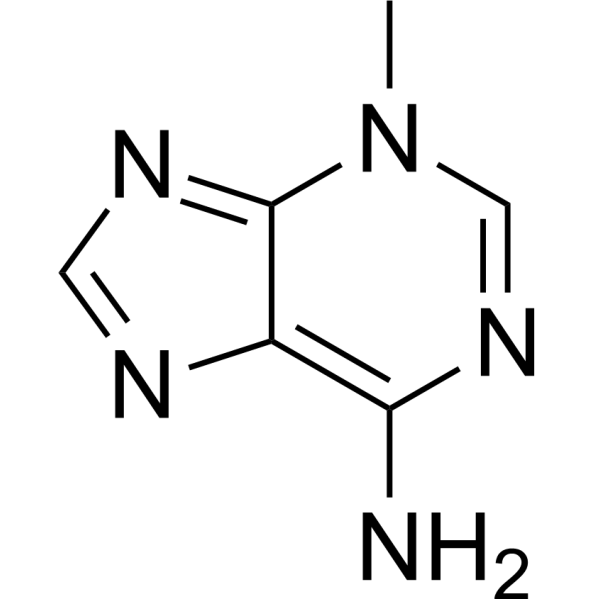
HY-19312
3-MethyladenineAutophagy/PI3K Inhibitor -
HY-100487
TAK-243UAE/E1 Inhibitor
Publications Citing Use of MedChemExpress (MCE) Epoxomicin
More- Signal Transduct Target Ther. 2025 Dec 15;10(1):406. [Abstract]
- Signal Transduct Target Ther. 2025 Sep 26;10(1):310. [Abstract]
- Nat Metab. 2022 Sep;4(9):1202-1213. [Abstract]
- Cancer Res. 2025 Apr 17. [Abstract]
- Nat Commun. 2025 Jul 11;16(1):6327. [Abstract]
- Nat Commun. 2021 Feb 19;12(1):1172. [Abstract]
- J Am Chem Soc. 2026 Sep 17.
- Redox Biol. 2023 Jun:62:102706. [Abstract]
- Adv Sci (Weinh). 2026 Jan 20:e16355. [Abstract]
- Cell Death Discov. 2025 Jul 24;11(1):339. [Abstract]
- Cell Death Discov. 2024 Oct 26;10(1):453. [Abstract]
- EMBO J. 2025 Apr 7. [Abstract]
- Aging Cell. 2024 Dec;23(12):e14312. [Abstract]
- J Med Chem. 2026 Jun 25;69(12):14236-14254. [Abstract]
- J Med Chem. 2024 May 9;67(9):7620-7634. [Abstract]
- Front Cell Infect Microbiol. 2026 Jul 1:16:1809263.
- Mol Plant Pathol. 2018 Dec;19(12):2623-2634. [Abstract]
- Sci Rep. 2024 Dec 28;14(1):31310. [Abstract]
- FEBS J. 2026 Aug 29.
- Antimicrob Agents Chemother. 2025 Dec 10;69(12):e0089325. [Abstract]
- RSC Chem Biol. 2026 Sep 21.
- RSC Chem Biol. 2026 Feb 4;7(3):433-443. [Abstract]
- bioRxiv. 2026 Mar 30:2026.03.28.714855. [Abstract]
- Biomed Pharmacother. 2025 Aug:189:118296. [Abstract]
- bioRxiv. 2024 July 05.
- bioRxiv. 2024 May 22.
- bioRxiv. 2024 May 14.
- Norwegian University of Science and Technology. 2021 Oct.
- Norwegian University of Science and Technology. 2021 Oct.
- Oxid Med Cell Longev. 2021 Aug 2;2021:9993240. [Abstract]
- Oxid Med Cell Longev. 2020 Nov 26:2020:4830418. [Abstract]
 Customer Validation & Images

-
WB
-
In Vivo Efficacy Study

-
Histological Imaging/Staining

-
IF
-
RT-PCR


Biological Activity
Description
IC50 & Target
Proteasome[1]
Cellular Effect
|
Cell Line

|
Type | Value | Description | References |
|---|---|---|---|---|
| DLD-1 | IC50 |
0.006 μM
Compound: Epoxomicin
|
Inhibition of chymotrypsin-like activity of 20S proteasome in human DLD1 cells transfected with 4Ub-Luc gene using Succinyl-Leu-Leu-Val-Tyr-AMC as substrate after 6 hrs by spectrofluorometric analysis
Inhibition of chymotrypsin-like activity of 20S proteasome in human DLD1 cells transfected with 4Ub-Luc gene using Succinyl-Leu-Leu-Val-Tyr-AMC as substrate after 6 hrs by spectrofluorometric analysis
|
[PMID: 22206869] |
| DLD-1 | IC50 |
0.06 μM
Compound: Epoxomicin
|
Inhibition of peptide-glutamyl-peptide-hydrolyzing activity of 20S proteasome in human DLD1 cells transfected with 4Ub-Luc gene using Z-Leu-Leu-Glu-AMC as substrate after 6 hrs by spectrofluorometric analysis
Inhibition of peptide-glutamyl-peptide-hydrolyzing activity of 20S proteasome in human DLD1 cells transfected with 4Ub-Luc gene using Z-Leu-Leu-Glu-AMC as substrate after 6 hrs by spectrofluorometric analysis
|
[PMID: 22206869] |
| HEK293 | IC50 |
0.026 μM
Compound: Epoxomicin
|
Inhibition of chymotrypsin-like activity of proteasome beta-5 subunit in HEK293 cells using Suc-LLVY-Glo as substrate incubated for 2 hrs prior to substrate addition measured after 10 mins by cell-based proteasome-Glo beta5 assay
Inhibition of chymotrypsin-like activity of proteasome beta-5 subunit in HEK293 cells using Suc-LLVY-Glo as substrate incubated for 2 hrs prior to substrate addition measured after 10 mins by cell-based proteasome-Glo beta5 assay
|
[PMID: 23540790] |
| HEK293 | IC50 |
0.3 μM
Compound: Epoxomicin
|
Inhibition of postacid activity of 20s proteasome beta-1 subunit in HEK293 cells using Z-nLPnLD-Glo as substrate incubated for 2 hrs prior to substrate addition measured after 10 mins by cell-based proteasome-Glo beta1 assay
Inhibition of postacid activity of 20s proteasome beta-1 subunit in HEK293 cells using Z-nLPnLD-Glo as substrate incubated for 2 hrs prior to substrate addition measured after 10 mins by cell-based proteasome-Glo beta1 assay
|
[PMID: 23540790] |
| Hepatocyte | IC50 |
3.95 μM
Compound: Epoximicin
|
Antimicrobial activity against Plasmodium yoelii 265 liver infected in mammalian hepatocytes after 48 hrs
Antimicrobial activity against Plasmodium yoelii 265 liver infected in mammalian hepatocytes after 48 hrs
|
[PMID: 18212104] |
| Hepatocyte | IC50 |
3.95 x 10³ nM
Compound: Epoximicin
|
Antimicrobial activity against Plasmodium yoelii 265 liver infected in mammalian hepatocytes after 48 hrs
Antimicrobial activity against Plasmodium yoelii 265 liver infected in mammalian hepatocytes after 48 hrs
|
[PMID: 18212104] |
| PC-3 | IC50 |
1 nM
Compound: 2
|
Antiproliferative activity against human PC3 cell line
Antiproliferative activity against human PC3 cell line
|
[PMID: 16686537] |
| RPMI-8226 | IC50 |
0.011 μM
Compound: Epoxomicin
|
Cytotoxicity against human RPMI8226 cells after 72 hrs by CellTiter 96 AQueous one solution cell proliferation assay
Cytotoxicity against human RPMI8226 cells after 72 hrs by CellTiter 96 AQueous one solution cell proliferation assay
|
[PMID: 30964987] |
| WM 266-4 | IC50 |
0.0048 μM
Compound: Epoxomicin
|
Cytotoxicity against human WM266.4 cells after 72 hrs by ATPlite assay
Cytotoxicity against human WM266.4 cells after 72 hrs by ATPlite assay
|
[PMID: 22206869] |
In Vitro
Epoxomicin shows quite potent cytotoxicities against all of the cells tested. Epoxomicin inhibits the cells growth of B16-F10, HCT116, Moser, P388 and K562 cells of IC50 values of 0.002 μg/mL, 0.005 μg/mL, 0.044 μg/mL, 0.002 μg/mL and 0.037 μg/mL[1].
Epoxomicin has antiproliferative activity with an IC50 of 4 nM in EL4 lymphoma cells[2].
MedChemExpress (MCE) has not independently confirmed the accuracy of these methods. They are for reference only.
In Vivo
Epoxomicin also effectively inhibits NF-κB activation in vitro and potently blocks in vivo inflammation in the murine ear edema assay[3].
Epoxomicin is injected into adult rats over a period of 2 weeks. After a latency of 1 to 2 weeks, animals developed progressive Parkinsonism with bradykinesia, rigidity, tremor, and an abnormal posture. Postmortem analyses shows striatal dopamine depletion and dopaminergic cell death with apoptosis in the substantia nigra pars compacta[4].
MedChemExpress (MCE) has not independently confirmed the accuracy of these methods. They are for reference only.
-
Animal Model:Male BDFX mice with B16 melanoma[1]
-
Dosage:0.063 mg/kg, 0.13 mg/kg, 0.25 mg/kg, 0.5 mg/kg, 1 mg/kg
-
Administration:Intraperitoneal injection; once daily; for 9 days
-
Result:Exhibited strong therapeutic activity against B16 melanoma.


Chemical Information
-
CAS No. 134381-21-8
-
Appearance Solid
-
Molecular Weight 554.72
-
Formula C28H50N4O7
-
Color White to off-white
-
SMILES
O=C([C@@H](NC([C@H]([C@@H](C)O)NC([C@@H](NC([C@H]([C@@H](C)CC)N(C)C(C)=O)=O)[C@@H](C)CC)=O)=O)CC(C)C)[C@@]1(C)CO1
-
Synonyms
BU-4061T
-
Structure Classification
-
Initial Source
actinomycete strain NumberQ996-17
-
Shipping
Room temperature in continental US; may vary elsewhere.
-
Storage
Powder -20°C 3 years 4°C 2 years In solvent -80°C 2 years -20°C 1 year


Publications (31)
-
Journal Impact Factor
-
Most Recent
-
Signal Transduct Target Ther
Selective depletion of tumor-associated SAMHD1 enhances chemotherapeutic efficacy and antitumor immune responses. [Abstract]2025 Dec 15;10(1):406. PMID: 41392286 -
Signal Transduct Target Ther
Reprogramming of cancer metabolism via photoresponsive nano-PROTAC enhances pyroptosis-mediated immunotherapy. [Abstract]2025 Sep 26;10(1):310. PMID: 40998785 -
Nat Metab
2022 Sep;4(9):1202-1213. PMID: 36131205 -
Cancer Res
Antigen Cross-Presentation by Type-2 Innate Lymphoid Cells Facilitates the Activation of Antitumor CD8+ T Cells. [Abstract]2025 Apr 17. PMID: 40245114 -
Nat Commun
2025 Jul 11;16(1):6327. PMID: 40645931
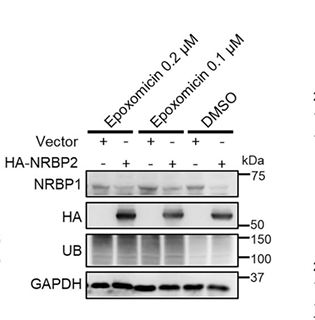
Epoxomicin purchased from MedChemExpress. Usage Cited in: Nat Commun. 2025 Jul 11;16(1):6327. [Abstract]
Epoxomicin treatment (0.1 µM or 0.2 µM, 16 h) did not restore the reduced NRBP1 protein levels resulting from NRBP2 overexpression in HeLa cells.
-
Nat Commun
2021 Feb 19;12(1):1172. PMID: 33608523 -
-
Redox Biol
MK-886 protects against cardiac ischaemia/reperfusion injury by activating proteasome-Keap1-NRF2 signalling. [Abstract]2023 Jun:62:102706. PMID: 37098317
Epoxomicin purchased from MedChemExpress. Usage Cited in: Redox Biol. 2023 Jun:62:102706. [Abstract]
Male mice were pretreated with MK-886 (20 mg/kg) and epoxomicin (Epox, 1 mg/kg) at 2 and 24 h before I/R-mediated cardiac injury. Echocardiographic images of the left ventricle (left). Scale bar: 0.2 s. Quantification of EF% and FS% (right, n = 6).
Epoxomicin purchased from MedChemExpress. Usage Cited in: Redox Biol. 2023 Jun:62:102706. [Abstract]
Male mice were pretreated with MK-886 (20 mg/kg) and epoxomicin (Epox, 1 mg/kg) at 2 and 24 h before I/R-mediated cardiac injury. Images of Evans blue and TTC staining (left) for infarct size analysis, with quantification of the infarction area/left ventricular (LV) area and area at risk (AAR)/LV area ratios (right; n = 6).
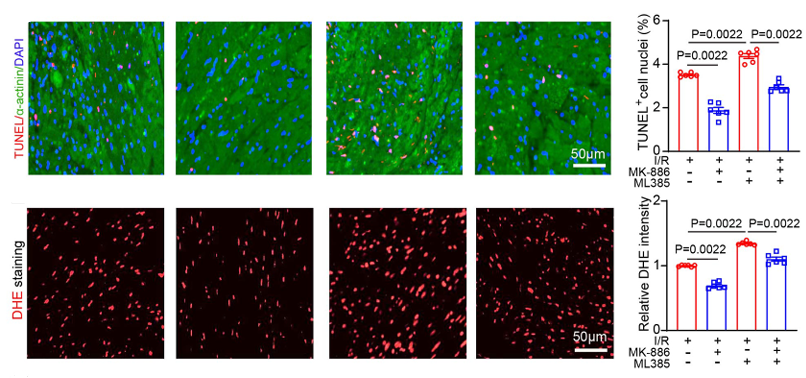
Epoxomicin purchased from MedChemExpress. Usage Cited in: Redox Biol. 2023 Jun:62:102706. [Abstract]
Male mice were pretreated with MK-886 (20 mg/kg) and epoxomicin (Epox, 1 mg/kg) at 2 and 24 h before I/R-mediated cardiac injury. Images of TUNEL (red), α-actinin (green), and DAPI (blue) staining of cardiac slices (left) and the percentage of TUNEL+ nuclei (right; n = 6).
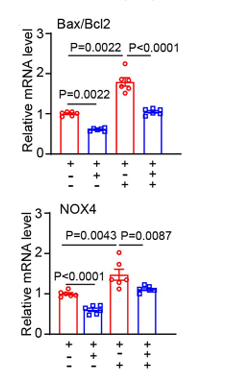
Epoxomicin purchased from MedChemExpress. Usage Cited in: Redox Biol. 2023 Jun:62:102706. [Abstract]
Male mice were pretreated with MK-886 (20 mg/kg) and epoxomicin (Epox, 1 mg/kg) at 2 and 24 h before I/R-mediated cardiac injury. qPCR analysis of Bax and Bcl-2 mRNA levels in the border zone of the ischemic heart (n = 6) and quantification of the relative Bax/Bcl-2 ratio.
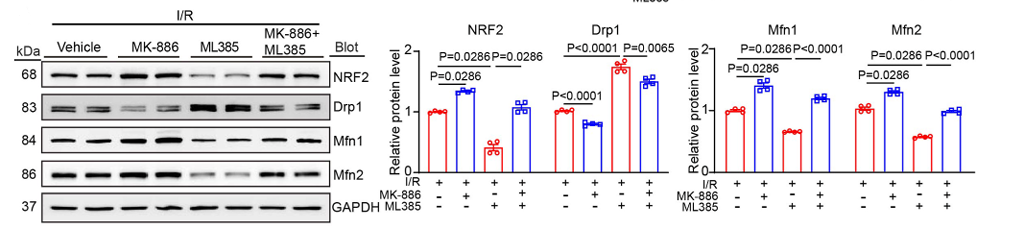
Epoxomicin purchased from MedChemExpress. Usage Cited in: Redox Biol. 2023 Jun:62:102706. [Abstract]
Male mice were pretreated with MK-886 (20 mg/kg) and epoxomicin (Epox, 1 mg/kg) at 2 and 24 h before I/R-mediated cardiac injury. Images of TUNEL (red), α-actinin (green), and DAPI (blue) staining of cardiac slices (left) and the percentage of TUNEL+ nuclei (right; n = 6).
-
Adv Sci (Weinh)
OTUD6A in Airway Epithelial Cells Exacerbates Allergic Asthma by Promoting Airway Inflammation and Airway Remodeling Through Deubiquitination of hResistin/mRELMα. [Abstract]2026 Jan 20:e16355. PMID: 41560298 -
Cell Death Discov
The RNF8/OPTN/KDM6A axis controls macrophage polarization to maintain testicular microenvironment homeostasis. [Abstract]2025 Jul 24;11(1):339. PMID: 40707433 -
Cell Death Discov
CDK4/6 inhibition initiates cell cycle arrest by nuclear translocation of RB and induces a multistep molecular response. [Abstract]2024 Oct 26;10(1):453. PMID: 39461947 -
EMBO J
Interferon-induced PARP14-mediated ADP-ribosylation in p62 bodies requires the ubiquitin-proteasome system. [Abstract]2025 Apr 7. PMID: 40195501 -
Aging Cell
Analysis of the senescence-associated cell surfaceome reveals potential senotherapeutic targets. [Abstract]2024 Dec;23(12):e14312. PMID: 39228130 -
J Med Chem
Development of TSSK1 and TSSK2 Targeted Degraders Reveals Sperm Machinery for Protein Degradation and Potential for Nonhormonal Male Contraception. [Abstract]2026 Jun 25;69(12):14236-14254. PMID: 42228803 -
J Med Chem
Discovery of a Meisoindigo-Derived PROTAC as the ATM Degrader: Revolutionizing Colorectal Cancer Therapy via Synthetic Lethality with ATR Inhibitors. [Abstract]2024 May 9;67(9):7620-7634. PMID: 38634707 -
-
Mol Plant Pathol
Phytoplasma effector SWP1 induces witches' broom symptom by destabilizing the TCP transcription factor BRANCHED1. [Abstract]2018 Dec;19(12):2623-2634. PMID: 30047227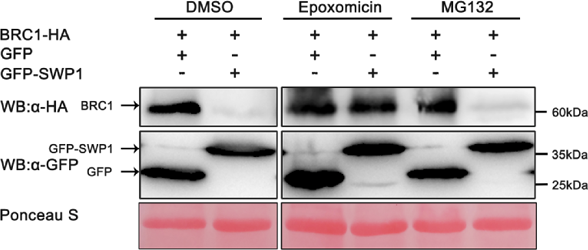
Epoxomicin purchased from MedChemExpress. Usage Cited in: Mol Plant Pathol. 2018 Dec;19(12):2623-2634. [Abstract]
Destabilization of BRC1 mediated by SWP1 is inhibited by proteasome inhibitors Epoxomicin and MG132.
-
Sci Rep
VPS28 regulates triglyceride synthesis via ubiquitination in bovine mammary epithelial cells. [Abstract]2024 Dec 28;14(1):31310. PMID: 39732879 -
-
Antimicrob Agents Chemother
Inhibitors of the 20S proteasome β5 subunit as potent and selective agents against Trichomonas vaginalis. [Abstract]2025 Dec 10;69(12):e0089325. PMID: 41218108 -
-
RSC Chem Biol
Covalent targeting of PSMD14 by Eupalinolide B induces oncoprotein degradation and apoptosis in acute promyelocytic leukemia cells. [Abstract]2026 Feb 4;7(3):433-443. PMID: 41647277 -
bioRxiv
2026 Mar 30:2026.03.28.714855. PMID: 41959534 -
Biomed Pharmacother
Proteasome-activating peptide 1 attenuates cardiac ischaemia/reperfusion-induced ferroptosis through the β5i-p53-SLC7A11 axis. [Abstract]2025 Aug:189:118296. PMID: 40580875 -
-
-
-
-
-
Oxid Med Cell Longev
Recombinant High-Mobility Group Box 1 (rHMGB1) Promotes NRF2-Independent Mitochondrial Fusion through CXCR4/PSMB5-Mediated Drp1 Degradation in Endothelial Cells. [Abstract]2021 Aug 2;2021:9993240. PMID: 34394840 -
Oxid Med Cell Longev
The Nrf2/PGC1 α Pathway Regulates Antioxidant and Proteasomal Activity to Alter Cisplatin Sensitivity in Ovarian Cancer. [Abstract]2020 Nov 26:2020:4830418. PMID: 33294122


Solvent & Solubility
In Vitro:
DMSO : 100 mg/mL (180.27 mM; Need ultrasonic; Hygroscopic DMSO has a significant impact on the solubility of product, please use newly opened DMSO)
Please refer to the solubility information to select the appropriate solvent. Once prepared, please aliquot and store the solution to prevent product inactivation from repeated freeze-thaw cycles.
Storage method and period of stock solution: -80°C, 2 years; -20°C, 1 year. When stored at -80°C, please use it within 2 years. When stored at -20°C, please use it within 1 year.
Please refer to the solubility information to select the appropriate solvent. Once prepared, please aliquot and store the solution to prevent product inactivation from repeated freeze-thaw cycles.
Storage method and period of stock solution: -80°C, 2 years; -20°C, 1 year. When stored at -80°C, please use it within 2 years. When stored at -20°C, please use it within 1 year.
Concentration (start) × Volume (start) = Concentration (final) × Volume (final)
In Vivo:
Select the appropriate dissolution method based on your experimental animal and administration route.
- For the following dissolution methods, please ensure to first prepare a clear stock solution using an In Vitro approach and then sequentially add co-solvents:
- To ensure reliable experimental results, the clarified stock solution can be appropriately stored based on storage conditions. As for the working solution for In Vivo experiments, it is recommended to prepare freshly and use it on the same day.
- The percentages shown for the solvents indicate their volumetric ratio in the final prepared solution. If precipitation or phase separation occurs during preparation, heat and/or sonication can be used to aid dissolution.
Add each solvent one by one: 10% DMSO 40% PEG300 5% Tween-80 45% Saline
Solubility: ≥ 2.5 mg/mL (4.51 mM); Clear solution
This protocol yields a clear solution of ≥ 2.5 mg/mL (saturation unknown).
Taking 1 mL working solution as an example, add 100 μL DMSO stock solution (25.0 mg/mL) to 400 μL PEG300, and mix evenly; then add 50 μL Tween-80 and mix evenly; then add 450 μL Saline to adjust the volume to 1 mL.
Preparation of Saline: Dissolve 0.9 g sodium chloride in ddH₂O and dilute to 100 mL to obtain a clear Saline solution.
Add each solvent one by one: 10% DMSO 90% (20% SBE-β-CD in Saline)
Solubility: ≥ 2.5 mg/mL (4.51 mM); Clear solution
This protocol yields a clear solution of ≥ 2.5 mg/mL (saturation unknown).
Taking 1 mL working solution as an example, add 100 μL DMSO stock solution (25.0 mg/mL) to 900 μL 20% SBE-β-CD in Saline, and mix evenly.
Preparation of 20% SBE-β-CD in Saline (4°C, storage for one week): 2 g SBE-β-CD powder is dissolved in 10 mL Saline, completely dissolve until clear.
In Vivo Dissolution Calculator
Please enter the basic information of animal experiments:
-
-
-
-
Recommended: Prepare an additional quantity of animals to account for potential losses during experiments.
Please enter your animal formula composition:
-
%DMSO +
Recommended: Keep the proportion of DMSO in working solution below 2% if your animal is weak.
-
%+
-
+%Tween-80 + +
-
%Saline +
The co-solvents required include: DMSO, . All of co-solvents are available by MedChemExpress (MCE). , Tween 80. All of co-solvents are available by MedChemExpress (MCE).
Working solution concentration: 0.22 mg/mL
Method for preparing stock solution: mg drug dissolved in μL DMSO. Stock solution concentration: mg/mL.
1. Take μL DMSO stock solution;
2. Add μL .
μL , mix evenly;
3. Then add μL Tween 80, mix evenly;
4. Then add μL
Please ensure that the stock solution in the first step is dissolved to a clear state, and add co-solvents in sequence. You can use ultrasonic heating (ultrasonic cleaner, recommended frequency 20-40 kHz), vortexing, etc. to assist dissolution.


Purity & Documentation
-
Data Sheet (282 KB)
-
SDS (252 KB)
- English - EN (252 KB)
- Français - FR (252 KB)
- Deutsch - DE (252 KB)
- Norwegian - NO (252 KB)
- Español - ES (252 KB)
- Swedish - SV (252 KB)
- Italian - IT (252 KB)
- Korean - KR (252 KB)
- Portuguese - PT (252 KB)
-
Handling Instructions (2659 KB)
References
[1]. Hanada M, et al. Epoxomicin, a new antitumor agent of microbial origin. J Antibiot (Tokyo). 1992 Nov;45(11):1746-52. [Content Brief]
[2]. Kim KB, et al. Proteasome inhibition by the natural products epoxomicin and dihydroeponemycin: insights into specificity and potency. Bioorg Med Chem Lett. 1999 Dec 6;9(23):3335-40. [Content Brief]
[3]. Meng L, et al. Epoxomicin, a potent and selective proteasome inhibitor, exhibits in vivo antiinflammatory activity. Proc Natl Acad Sci U S A. 1999 Aug 31;96(18):10403-8. [Content Brief]
[4]. McNaught KS, et al. Systemic exposure to proteasome inhibitors causes a progressive model of Parkinson's disease. Ann Neurol. 2004 Jul;56(1):149-62. [Content Brief]
[5]. Garrett IR, et al. Selective inhibitors of the osteoblast proteasome stimulate bone formation in vivo and in vitro. J Clin Invest. 2003 Jun;111(11):1771-82. [Content Brief]


Complete Stock Solution Preparation Table
Please refer to the solubility information to select the appropriate solvent. Once prepared, please aliquot and store the solution to prevent product inactivation from repeated freeze-thaw cycles.
Storage method and period of stock solution: -80°C, 2 years; -20°C, 1 year. When stored at -80°C, please use it within 2 years. When stored at -20°C, please use it within 1 year.
| Optional Solvent | Concentration Solvent Mass | 1 mg | 5 mg | 10 mg | 25 mg |
|---|---|---|---|---|---|
| DMSO | 1 mM | 1.8027 mL | 9.0136 mL | 18.0271 mL | 45.0678 mL |
| 5 mM | 0.3605 mL | 1.8027 mL | 3.6054 mL | 9.0136 mL | |
| 10 mM | 0.1803 mL | 0.9014 mL | 1.8027 mL | 4.5068 mL | |
| 15 mM | 0.1202 mL | 0.6009 mL | 1.2018 mL | 3.0045 mL | |
| 20 mM | 0.0901 mL | 0.4507 mL | 0.9014 mL | 2.2534 mL | |
| 25 mM | 0.0721 mL | 0.3605 mL | 0.7211 mL | 1.8027 mL | |
| 30 mM | 0.0601 mL | 0.3005 mL | 0.6009 mL | 1.5023 mL | |
| 40 mM | 0.0451 mL | 0.2253 mL | 0.4507 mL | 1.1267 mL | |
| 50 mM | 0.0361 mL | 0.1803 mL | 0.3605 mL | 0.9014 mL | |
| 60 mM | 0.0300 mL | 0.1502 mL | 0.3005 mL | 0.7511 mL | |
| 80 mM | 0.0225 mL | 0.1127 mL | 0.2253 mL | 0.5633 mL | |
| 100 mM | 0.0180 mL | 0.0901 mL | 0.1803 mL | 0.4507 mL |


Epoxomicin Related Classifications
HY-13821 Related Classifications
 Powered by Bioz