



Apoptosis
Apoptosis
Apoptosis is a distinctive form of cell death exhibiting specific morphological and biochemical characteristics, including cell membrane blebbing, chromatin condensation, genomic DNA fragmentation, and exposure of specific phagocytosis signaling molecules on the cell surface. Cells undergoing apoptosis differ from those dying through necrosis. Necrotic cells are usually recognized by the immune system as a danger signal and, thus, resulting in inflammation; in contrast, apoptotic death is quiet and orderly.
There are two major pathways of apoptotic cell death induction: The intrinsic pathway, also called the Bcl-2-regulated or mitochondrial pathway, is activated by various developmental cues or cytotoxic insults, such as viral infection, DNA damage and growth-factor deprivation, and is strictly controlled by the BCL-2 family of proteins. The extrinsic or death-receptor pathway is triggered by ligation of death receptors (members of the tumor necrosis factor (TNF) receptor family, such as Fas or TNF receptor-1 (TNFR1)) that contain an intracellular death domain, which can recruit and activate caspase-8 through the adaptor protein Fas-associated death domain (FADD; also known as MORT1) at the cell surface. This recruitment causes subsequent activation of downstream (effector) caspases, such as caspase-3, -6 or -7, without any involvement of the BCL-2 family.
Studies suggest that alterations in cell survival contribute to the pathogenesis of a number of human diseases, including cancer, viral infections, autoimmune diseases, neurodegenerative disorders, and AIDS (acquired immunodeficiency syndrome). Treatments designed to specifically alter the apoptotic threshold may have the potential to change the natural progression of some of these diseases.
All Product Categories
-
Apoptosis Inhibitors
(903)
View all products
-
Apoptosis Agonists
(7)
View all products
-
Apoptosis Antagonists
(9)
View all products
-
Apoptosis Activators
(362)
View all products
-
Apoptosis Modulators
(60)
View all products
-
Apoptosis Inducers
(7899)
View all products
-
Apoptosis Degrader
(1)
View all products
-
Apoptosis Controls
(33)
View all products
-
Apoptosis Related Products (9835)
Related Products (9835)

-
Antibodies (120)
-
Nortriptyline hydrochloride (Standard)
 0 ImagesSynonyms: Desmethylamitriptyline hydrochloride (Standard); Desitriptilina hydrochloride (Standard)Nortriptyline (hydrochloride) (Standard) is the analytical standard of Nortriptyline (hydrochloride). This product is intended for research and analytical applications. Nortriptyline (Desmethylamitriptyline) hydrochloride, the main active metabolite of Amitriptyline, is a tricyclic antidepressant. Nortriptyline hydrochloride is a potent autophagy inhibitor and has anticancer effects.
-
1,2-Dipalmitoleoyl-sn-glycero-3-phosphoethanolamine
 0 ImagesSynonyms: 16:1 PE1,2-Dipalmitoleoyl-sn-glycero-3-phosphoethanolamine (16:1 PE) is a phosphatidylethanolamine that can enhance PP2A and PTP1B activities in malignant pleural mesothelioma cells. 1,2-Dipalmitoleoyl-sn-glycero-3-phosphoethanolamine induces apoptosis of NCI-H28 malignant pleural mesothelioma cells.
-
Ro 48-8071 free base
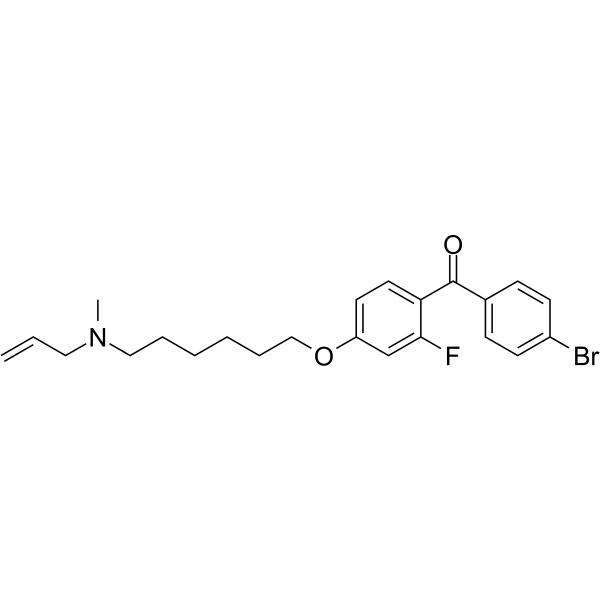 0 ImagesCat. No.: HY-18630CAS No.: 161582-11-2Ro 48-8071 is an inhibitor of OSC (Oxidosqualene cyclase) with IC50 of appr 6.5 nM.
-
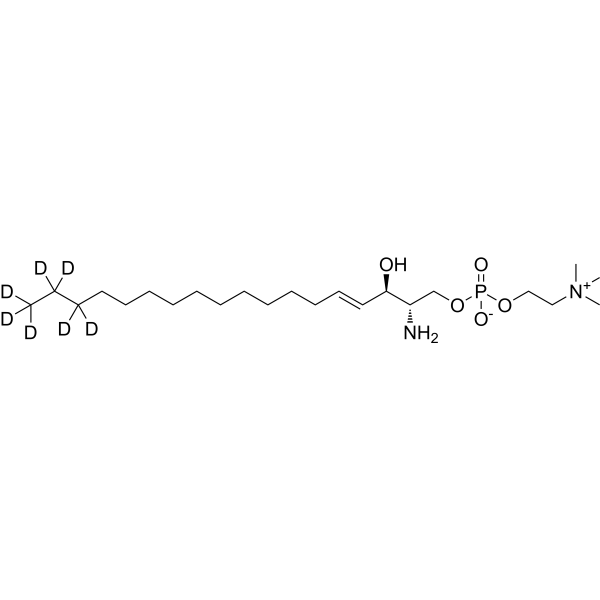
3′-Hydroxyflavanone
 0 ImagesCat. No.: HY-W285243CAS No.: 92496-65-63′-Hydroxyflavanone is a cyclized flavanone. 3′-Hydroxyflavanone induces apoptosis in HeLa cells. 3′-Hydroxyflavanone possesses antitumor activity.
-
Macitentan (Standard)
 0 ImagesSynonyms: ACT-064992 (Standard)Macitentan (Standard) is the analytical standard of Macitentan. This product is intended for research and analytical applications. Macitentan (ACT-064992) is an orally active, non-peptide dual ETA and ETB (endothelin receptor) antagonist. Macitentan has the potential for idiopathic pulmonary fibrosis (IPF) and pulmonary arterial hypertension (PAH).
-
Pevonedistat (Standard)
 0 ImagesSynonyms: MLN4924 (Standard)Pevonedistat (Standard) is the analytical standard of Pevonedistat. This product is intended for research and analytical applications. Pevonedistat (MLN4924) is a potent and selective NEDD8-activating enzyme (NAE) inhibitor with an IC50 of 4.7 nM. Pevonedistat induces the deregulation of S-phase DNA synthesis, thereby disrupting protein turnover mediated by cullin-RING ligase, leading to apoptosis of human tumor cells. Pevonedistat suppresses the growth of human tumour xenografts in mice.
-
Benzylurea
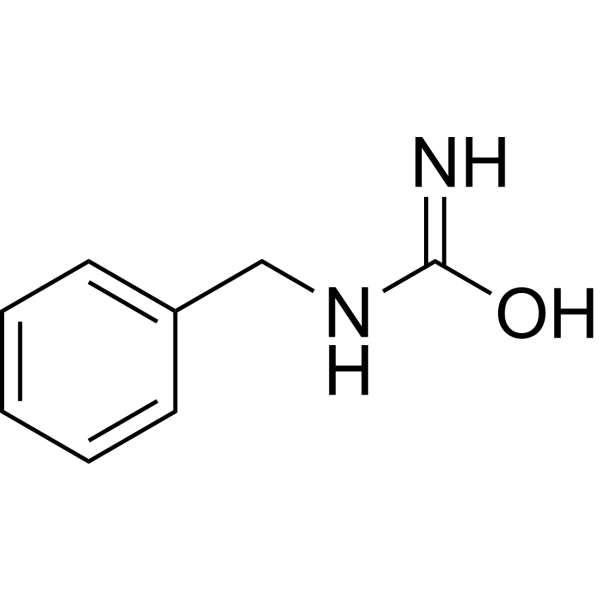 0 ImagesBenzylurea is an anti-inflammatory agent. Benzylurea inhibits LPS (HY-D1056)-induced upregulation of MTCH2 expression and regulates pathways associated with mitochondrial function, inflammation and cell survival. Benzylurea alleviates LPS-induced proliferation inhibition and apoptosis of periodontal ligament fibroblasts, as well as the release of proinflammatory cytokines. Benzylurea can be used in studies related to periodontitis.
-
Propyl paraben-13C6
 0 ImagesCat. No.: HY-W654020CAS No.: 2075718-26-0Synonyms: Propyl parahydroxybenzoate-13C6; Propyl 4-hydroxybenzoate-13C6Propyl paraben-13C6 (Propyl parahydroxybenzoate-13C6) is 13C labeled Propylparaben. Propylparaben (Propyl parahydroxybenzoate) is an antibacterial preservative that can be produced by plants and bacteria. Propylparaben is commonly used in cosmetics, pharmaceuticals and foods. Propylparaben disrupts follicular growth and steroidogenic function by altering cell cycle, apoptosis and steroidogenic pathways. Propylparaben also reduced sperm count and motility in rats.
-
Pictilisib (Standard)
 0 ImagesSynonyms: GDC-0941 (Standard)Pictilisib (Standard) is the analytical standard of Pictilisib. This product is intended for research and analytical applications. Pictilisib (GDC-0941) is a potent inhibitor of PI3Kα/δ with an IC50 of 3 nM, with modest selectivity against p110β (11-fold) and p110γ (25-fold).
-
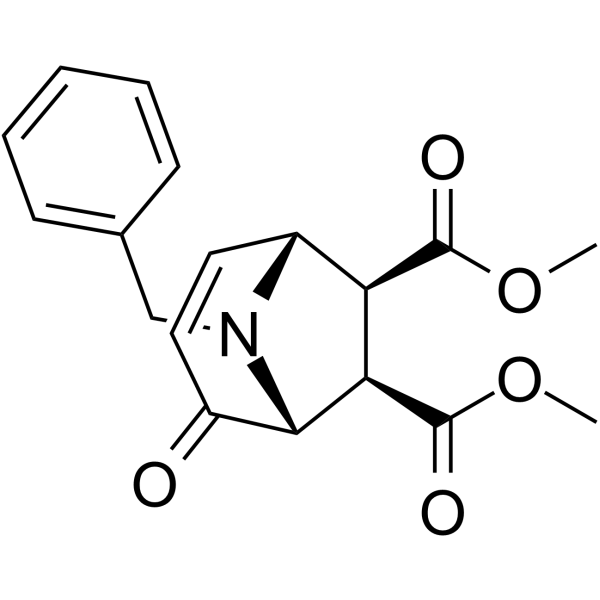
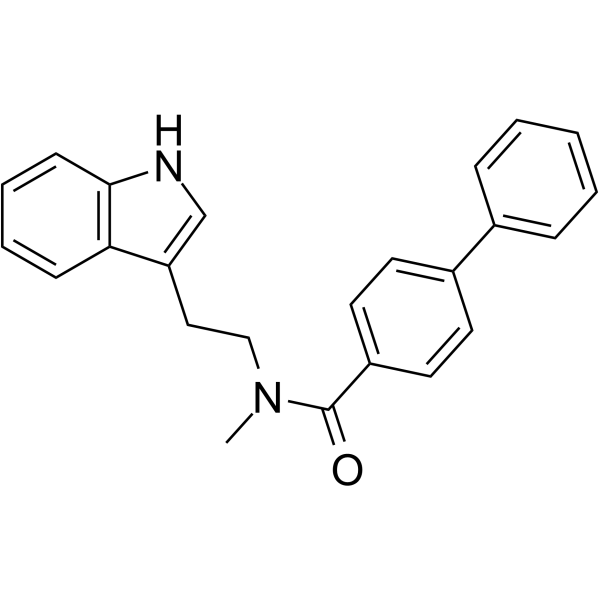
Taltobulin intermediate-6
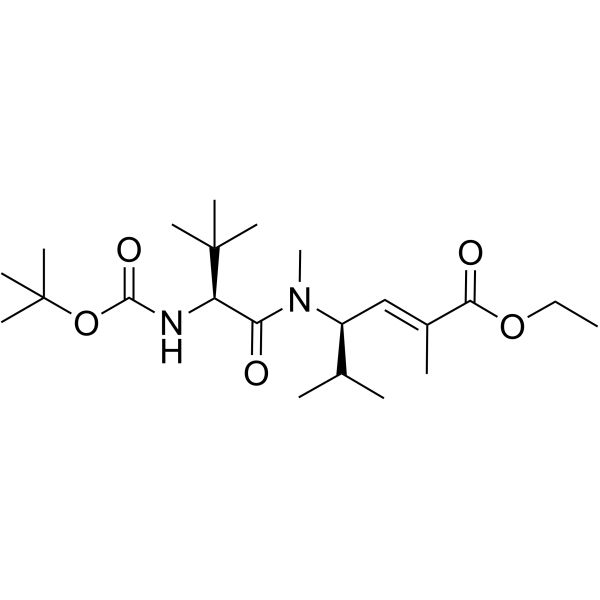 0 ImagesCat. No.: HY-41067Taltobulin intermediate-6 is an intermediate in the synthesis of Taltobulin (HY-15584). Taltobulin is a common toxin component in ADC preparation (ADC Cytotoxin), and it is also a powerful tubulin (Microtubule/Tubulin) inhibitor. Taltobulin disrupts tubulin polymerization, induces mitotic arrest, and induces apoptosis.
-
Datopotamab deruxtecan
 0 ImagesSynonyms: DS-1062; Dato-DXdDatopotamab deruxtecan (DS-1062) is a TROP2-targeted antibody-drug conjugate (ADC) with human TROP2 Kd of 0.74 nmol/L. Datopotamab deruxtecan consists of the antibody Datopotamab (HY-P99843) and the toxic molecule-linker conjugate Deruxtecan (HY-13631E). Datopotamab deruxtecan binds TROP2, triggers internalization and lysosomal trafficking and releases DXd topoisomerase I inhibitor payload. Datopotamab deruxtecan disrupts DNA function, induces DNA damage, apoptosis, and bystander killing of tumor microenvironment cells. Datopotamab deruxtecan can be used in research related to triple-negative breast cancer, gastric cancer, and non-small cell lung cancer.
-
FAK-IN-20
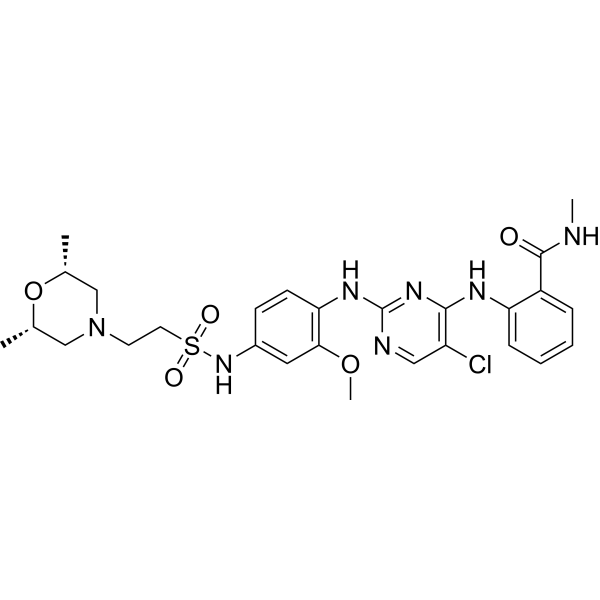 0 ImagesCat. No.: HY-161358CAS No.: 3004967-41-0FAK-IN-20 (Compound 7b) is an inhibitor of FAK with an IC50 value of 0.27 nM. FAK-IN-20 exhibits anticancer activity. FAK-IN-20 can arrest the cell cycle in the G2/M phase and induce cell apoptosis by generating ROS.
-
Epoxomicin (Standard)
 0 ImagesCat. No.: HY-13821RCAS No.: 134381-21-8Synonyms: BU-4061T (Standard)Epoxomicin (Standard) is the analytical standard of Epoxomicin (HY-13821). This product is intended for research and analytical applications. Epoxomicin (BU-4061T) is an epoxyketone-containing natural product and a potent, selective and irreversible proteasome inhibitor. Epoxomicin covalently binds to the LMP7, X, MECL1, and Z catalytic subunits of the proteasome and potently inhibits primarily the chymotrypsin-like activity. Epoxomicin can cross the blood-brain barrier. Epoxomicin has strongly antitumor and anti-inflammatory activity.
-
Alisertib sodium
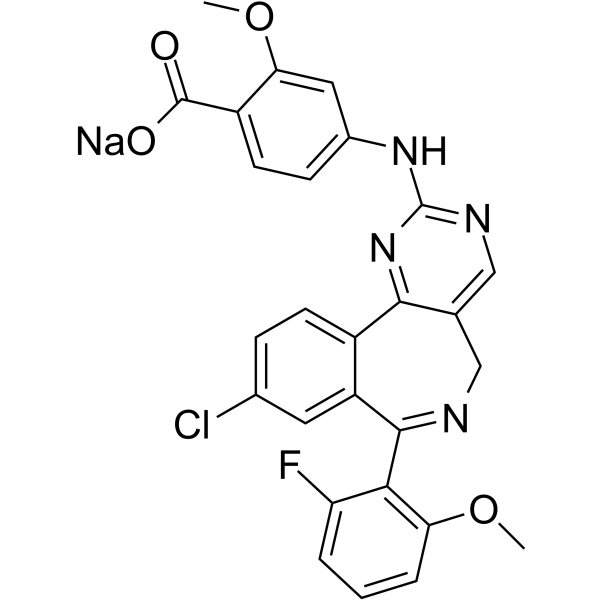 0 ImagesCat. No.: HY-10971ACAS No.: 1028486-06-7Synonyms: MLN 8237 sodiumAlisertib (MLN 8237) sodium is an orally active and selective Aurora A kinase inhibitor (IC50=1.2 nM), which binds to Aurora A kinase resulting in mitotic spindle abnormalities, mitotic accumulation. Alisertib sodium induces apoptosis and autophagy through targeting the AKT/mTOR/AMPK/p38 pathway in leukemic cells. Antitumor activity.
-
Albumin bound-paclitaxel solution
 0 ImagesCat. No.: HY-FL0011Albumin bound-paclitaxel solution is a nanoparticle that is formed by combining Paclitaxel (HY-B0015) with human serum albumin, and it is used in research for various solid tumors such as breast cancer, lung cancer, and pancreatic cancer. Paclitaxel is a naturally occurring antineoplastic agent and stabilizes tubulin polymerization. Paclitaxel can cause both mitotic arrest and apoptotic cell death. Paclitaxel also induces autophagy.
-
Gefitinib dihydrochloride
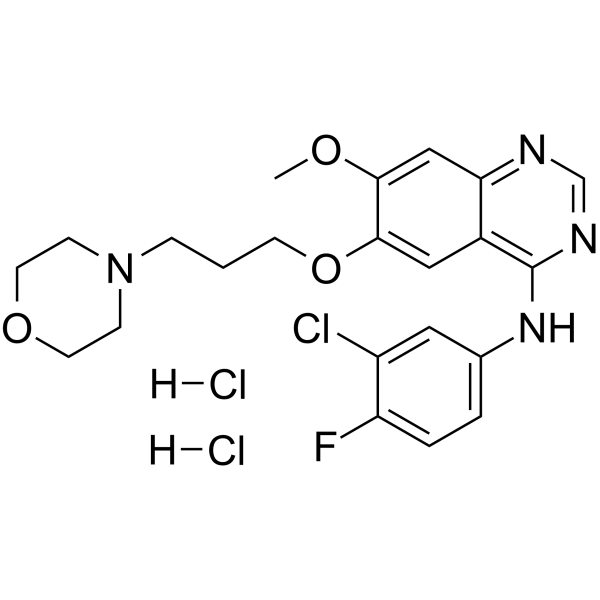 0 ImagesCat. No.: HY-50895BCAS No.: 184475-56-7Synonyms: ZD 1839 dihydrochlorideGefitinib (ZD 1839) dihydrochloride is a potent, selective and orally active EGFR tyrosine kinase inhibitor with an IC50 of 33 nM. Gefitinib dihydrochloride selectively inhibits EGF-stimulated tumor cell growth (IC50 of 54 nM) and blocks EGF-stimulated EGFR autophosphorylation in tumor cells. Gefitinib dihydrochloride also induces autophagy and cell apoptosis, which can be used for cancer related research, such as Lung cancer and breast cancer .
-
Quercetin-13C3
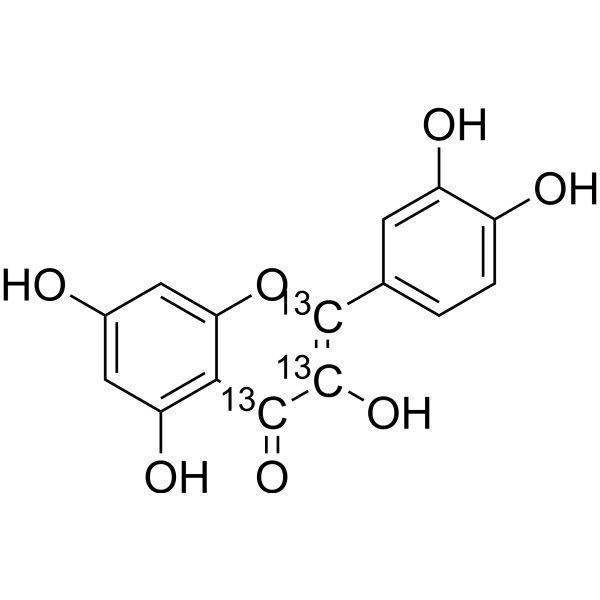 0 ImagesCat. No.: HY-18085S2Quercetin-13C3 is the 13C-labeled Quercetin. Quercetin, a natural flavonoid, is a stimulator of recombinant SIRT1 and also a PI3K inhibitor with IC50 of 2.4 μM, 3.0 μM and 5.4 μM for PI3K γ, PI3K δ and PI3K β, respectively.




