



HIV
Human immunodeficiency virus
HIV (Human immunodeficiency virus) is a lentivirus (a subgroup of retrovirus) that causes the acquired immunodeficiency syndrome (AIDS), a condition in humans in which progressive failure of the immune system allows life-threatening opportunistic infections and cancers to thrive. Infection with HIV occurs by the transfer of blood, semen, vaginal fluid, pre-ejaculate, or breast milk. Within these bodily fluids, HIV is present as both free virus particles and virus within infected immune cells. HIV infects vital cells in the human immune system such as helper T cells (specifically CD4+ T cells), macrophages, and dendritic cells. HIV infection leads to low levels of CD4+ T cells through a number of mechanisms, including apoptosis of uninfected bystander cells, direct viral killing of infected cells, and killing of infected CD4+ T cells by CD8 cytotoxic lymphocytes that recognize infected cells. When CD4+ T cell numbers decline below a critical level, cell-mediated immunity is lost, and the body becomes progressively more susceptible to opportunistic infections.
HIV Isoform Specific Products
All Product Categories
-
HIV Inhibitors
(1220)
View all products
-
HIV Antagonists
(4)
View all products
-
HIV Activators
(19)
View all products
-
HIV Modulator
(1)
View all products
-
HIV Inducers
(2)
View all products
-
HIV Degrader
(1)
View all products
-
HIV Controls
(4)
View all products
-
HIV Ligand
(1)
View all products
-
HIV Proteins
(27)
View all products
-
HIV Related Products (1392)
Related Products (1392)

-
Recombinant Proteins (27)
-
Antibodies (6)
-
HIV Isoform Comparison
-
Abacavir monosulfate
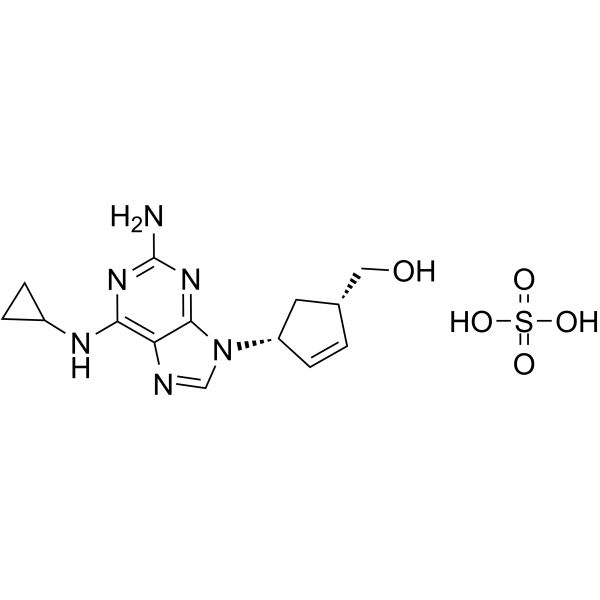 0 ImagesAbacavir monosulfate is a competitive, orally active nucleoside reverse transcriptase inhibitor. Abacavir monosulfate can inhibits the replication of HIV. Abacavir monosulfate shows anticancer activity in prostate cancer cell lines. Abacavir monosulfate can trespass the blood-brain-barrier and suppresses telomerase activity.
-
Valproic acid-d7 sodium
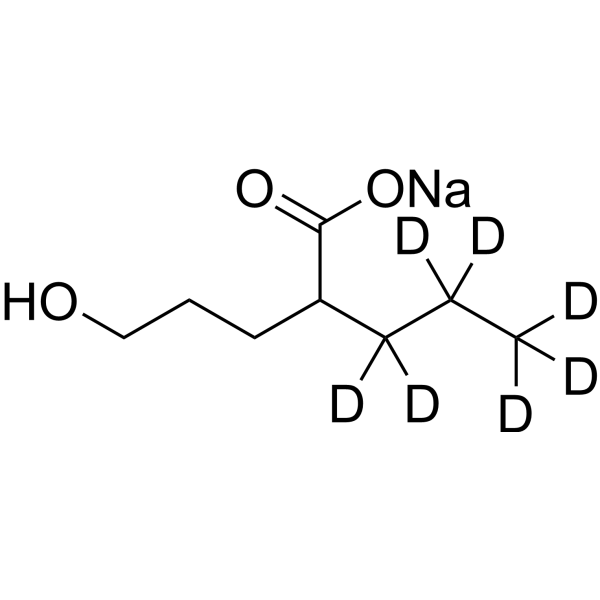 0 ImagesCat. No.: HY-10585ASCAS No.: 1189994-89-5Synonyms: Sodium Valproate-d7; VPA-d7 sodium; 2-Propylpentanoic acid-d7 sodiumValproic acid-d7 (sodium) is the deuterium labeled Valproic acid (sodium salt). Valproic acid sodium salt (Sodium Valproate) is an HDAC inhibitor, with IC50 in the range of 0.5 and 2 mM, also inhibits HDAC1 (IC50, 400 μM), and induces proteasomal degradation of HDAC2. Valproic acid sodium salt activates Notch1 signaling and inhibits proliferation in small cell lung cancer (SCLC) cells. Valproic acid sodium salt is used in the treatment of epilepsy, bipolar disorder and prevention of migraine headaches.
-
Rilpivirine-d6
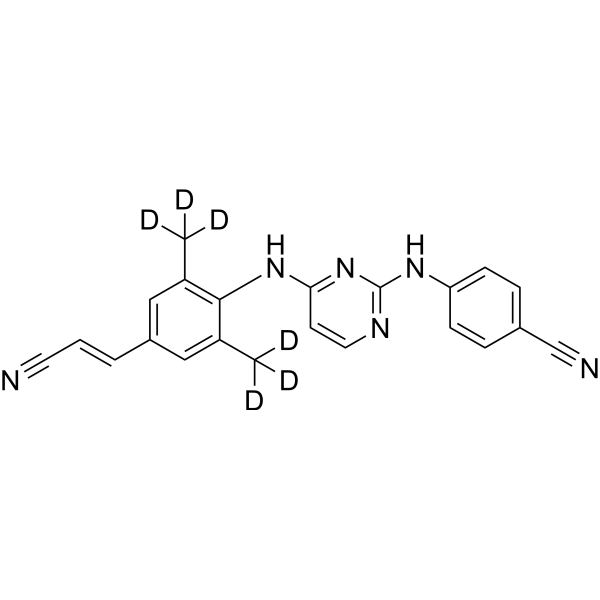 0 ImagesCat. No.: HY-10574SCAS No.: 1312424-26-2Rilpivirine-d6 is the deuterium labeled Rilpivirine. Rilpivirine (R278474) is a potent and specific diarylpyrimidine (DAPY) non-nucleoside reverse transcriptase inhibitor (NNRTI). Rilpivirine has high antiviral activity against wild-type HIV (EC50=0.4 nM) and mutant viruses (EC50=0.1-2.0 nM). Rilpivirine has a high genetic barrier to resistance development of HIV.
-
Megestrol acetate-d3
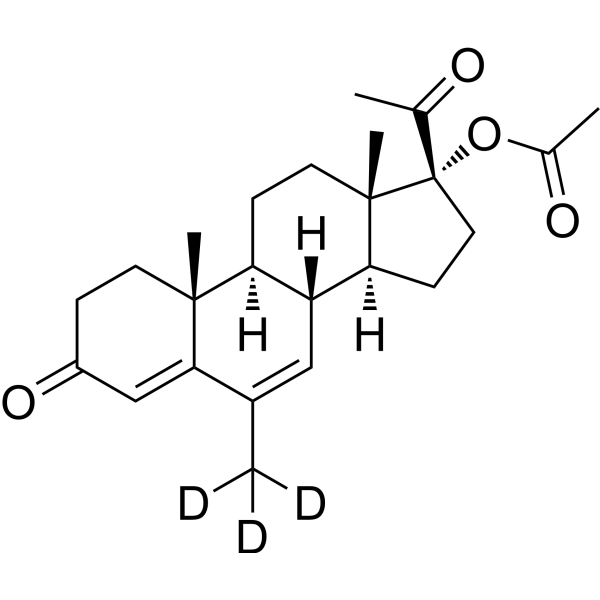 0 ImagesCat. No.: HY-13676SCAS No.: 162462-72-8Megestrol acetate-d3 is the deuterium labeled Megestrol acetate. Megestrol acetate is a synthetic and orally active progesteronal agent. Megestrol acetate is effective as an appetite stimulant for wasting syndromes such as cachexia. Megestrol acetate decreases nuclear and cytosol androgen receptors human BPH tissue. Megestrol acetate has the potential for HIV study and downregulates autophagic catabolic pathway.
-
Abacavir-d4
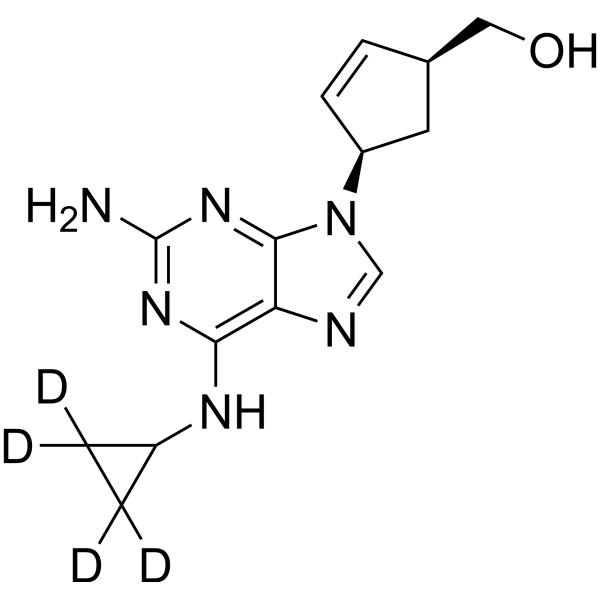 0 ImagesCat. No.: HY-17423SCAS No.: 1260619-56-4Abacavir-d4 is the deuterium labeled Abacavir. Abacavir is a potent nucleoside analog reverse-transcriptase inhibitor (NRTI)[1][2].
-
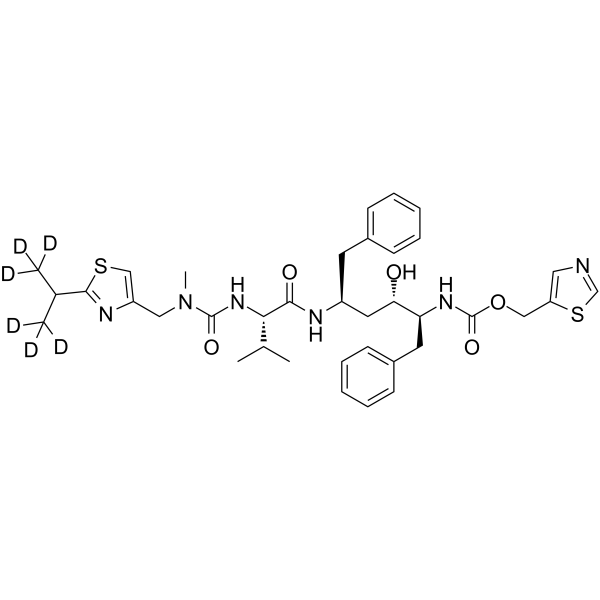
Atazanavir-d5
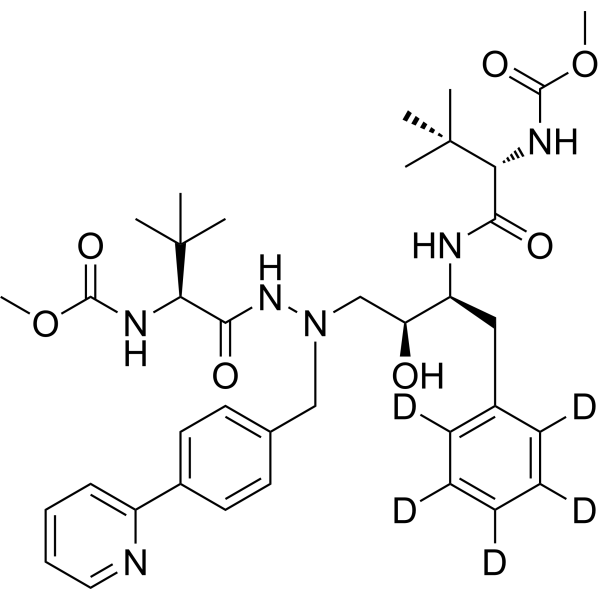 0 ImagesCat. No.: HY-17367S3CAS No.: 1132747-14-8Atazanavir-d5 is the deuterium labeled Atazanavir. Atazanavir (BMS-232632), a highly selective HIV-1 protease inhibitor, is the first protease inhibitor approved for once-daily administration. Atazanavir (BMS-232632) is a substrate and inhibitor of CYP3A4, and an inhibitor and inducer of P-glycoprotein (P-gp). Atazanavir is also a SARS-CoV 3CLpro inhibitor with an IC50 of 3.49 μM.
-
Atazanavir-d9
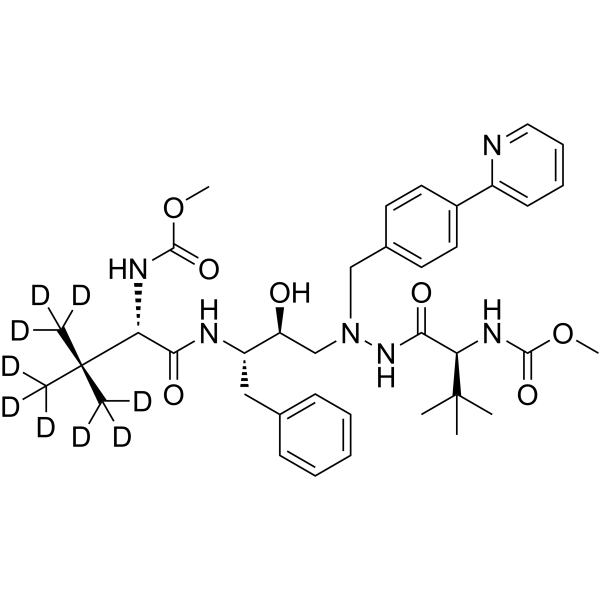 0 ImagesCat. No.: HY-17367S2CAS No.: 1092540-51-6Synonyms: BMS-232632-d9Atazanavir-d9 is the deuterium labeled Atazanavir. Atazanavir (BMS-232632), a highly selective HIV-1 protease inhibitor, is the first protease inhibitor approved for once-daily administration. Atazanavir (BMS-232632) is a substrate and inhibitor of CYP3A4, and an inhibitor and inducer of P-glycoprotein (P-gp). Atazanavir is also a SARS-CoV 3CLpro inhibitor with an IC50 of 3.49 μM.
-
Indinavir-d6
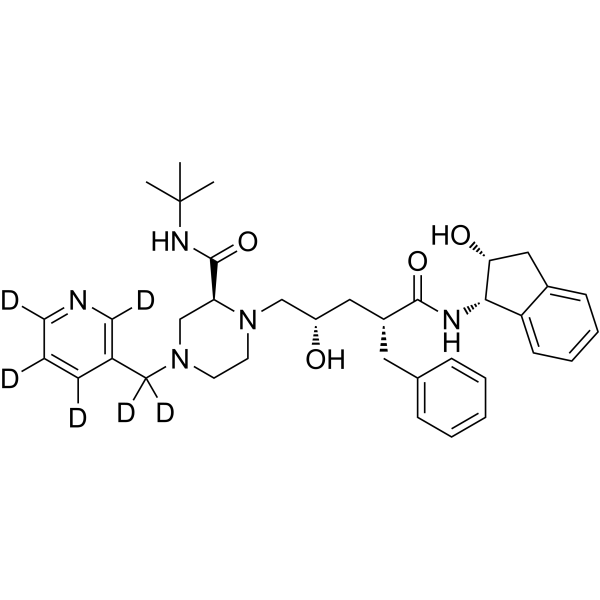 0 ImagesCat. No.: HY-B0689SCAS No.: 185897-02-3Synonyms: MK-639-d6 free base; L-735524-d6 free baseIndinavir-d6 is the deuterium labeled Indinavir. Indinavir (MK-639; L735524) is a potent and specific HIV protease inhibitor that appears to have good oral bioavailability.
-
Raltegravir-d3 potassium
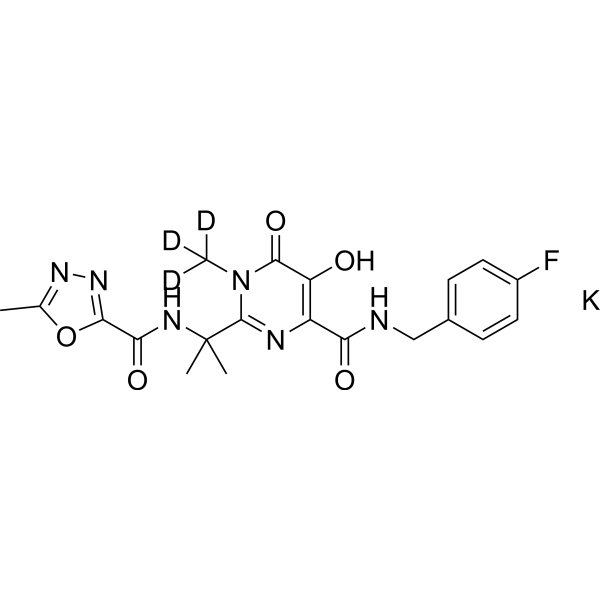 0 ImagesCat. No.: HY-10353ASCAS No.: 1246816-98-7Synonyms: MK 0518-d3 potassiumRaltegravir-d3 (potassium) is the deuterium labeled Raltegravir potassium. Raltegravir (MK 0518) potassium is a potent integrase (IN) inhibitor, used to treat HIV infection.
-
Plerixafor-d4
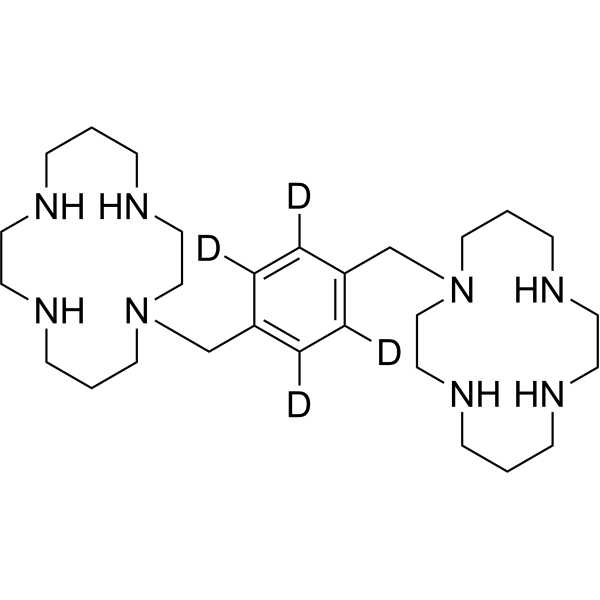 0 ImagesCat. No.: HY-10046SCAS No.: 1246819-87-3Plerixafor-d4 is the deuterium labeled Plerixafor. Plerixafor (AMD 3100) is a selective CXCR4 antagonist with an IC50 of 44 nM. Plerixafor, an immunostimulant and a hematopoietic stem cell (HSC) mobilizer, is an allosteric agonist of CXCR7. Plerixafor inhibits HIV-1 and HIV-2 replication with an EC50 of 1-10 nM.
-
Orthosporin
 0 ImagesCat. No.: HY-W751002CAS No.: 118063-79-9Synonyms: (+)-OrthosporinOrthosporin ((+)-Orthosporin), a phytotoxic isocoumarin compound, is a microbial secondary metabolite. Orthosporin can be isolated from the endophytic fungus Lasiodiplodia tbeobromae. Orthosporin has potent antibacterial activity against B. subtilis, E. coli and P. aeruginosa. Orthosporin also has antioxidant activity against DPPH radical and antiviral activities with inhibition of HIV-1 reverse transcriptase activity.
-
DPC 684
 0 ImagesCat. No.: HY-171835CAS No.: 284661-73-0DPC 684 is a potent and selective HIV-1 protease inhibitor (IC90 = 5.7-40 nM, Ki = 0.021 nM). DPC 684 competitively inhibits HIV-1 protease and blocks viral polyprotein cleavage. DPC 684 has low protein binding and broad-spectrum inhibition against a variety of wild-type and mutant HIV-1 proteases. DPC 684 has low protein binding and broad-spectrum inhibition (IC90 = 1.9-6.3 nM). DPC 684 has research significance for HIV.
-
Isoquinoline (Standard)
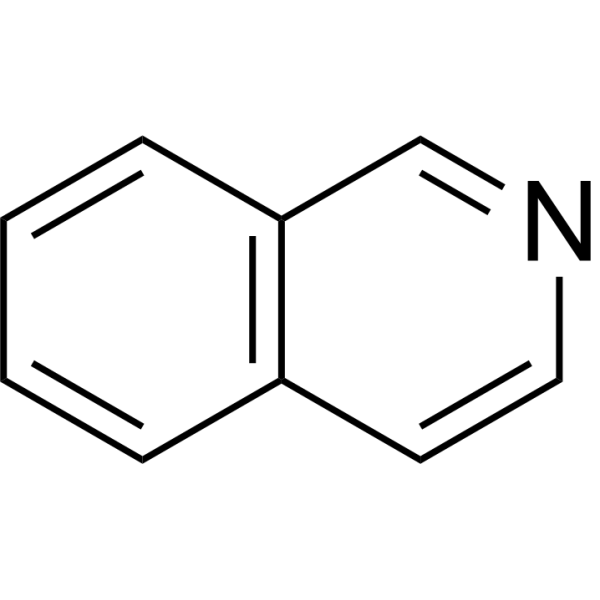 0 ImagesIsoquinoline (Standard) is the analytical standard of Isoquinoline. This product is intended for research and analytical applications. Isoquinoline is an analog of pyridine. Isoquinoline structural-based alkaloids, such as tropoloisoquinoline, phthalideisoquinoline, and naphthylisoquinoline has anti-cancer activities.
-
Retrocyclin-1
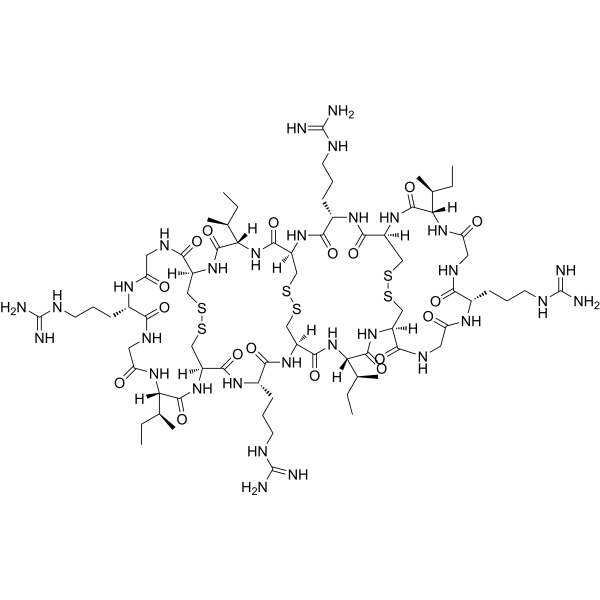 0 ImagesCat. No.: HY-P4902CAS No.: 724760-19-4
-
PNU-103017
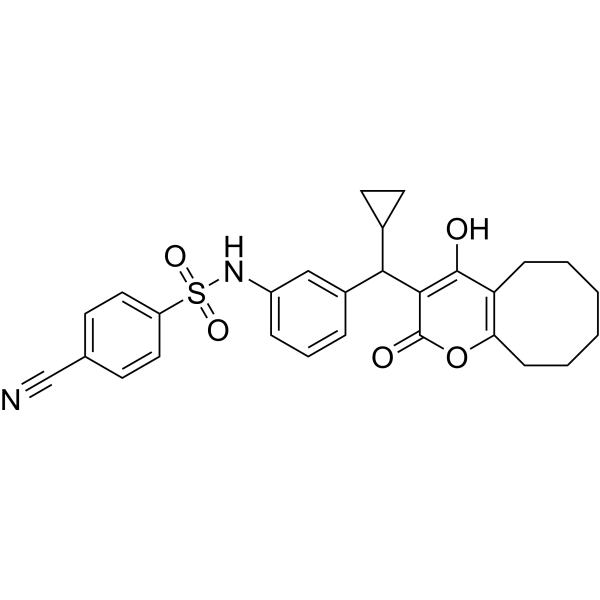 0 ImagesCat. No.: HY-19236CAS No.: 166335-18-8PNU-103017 is an HIV protease inhibitor.
-
Tipranavir-d7
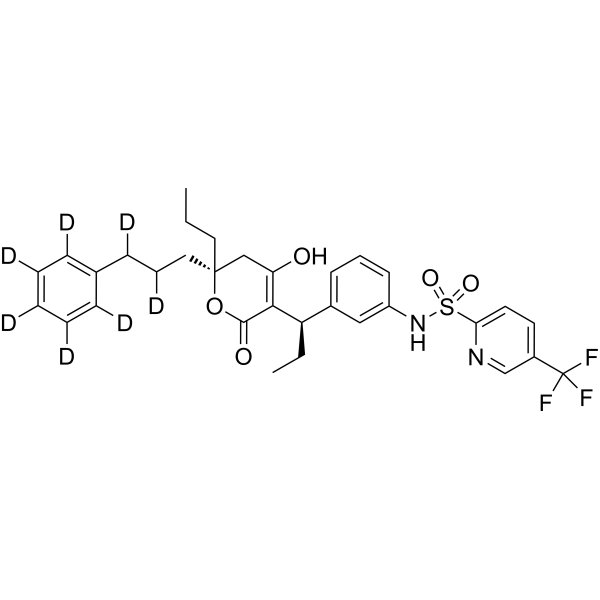 0 ImagesCat. No.: HY-15148S1Purity: 98.94%Synonyms: PNU-140690-d7Tipranavir-d7 is deuterated labeled Tipranavir (HY-15148). Tipranavir (PNU-140690) inhibits the enzymatic activity and dimerization of HIV-1 protease, exerts potent activity against multi-protease inhibitor (PI)-resistant HIV-1 isolates with IC50s of 66-410 nM. Tipranavir inhibits SARS-CoV-2 3CLpro activity.
-
GSK3532795 hydrochloride
 0 ImagesCat. No.: HY-112714BCAS No.: 2023808-13-9Synonyms: BMS-955176 hydrochloride
-
HIV-1 inhibitor-51
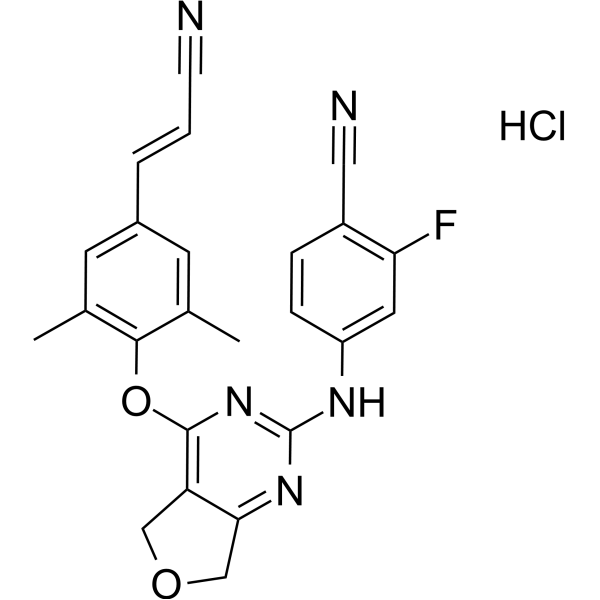 0 ImagesCat. No.: HY-152161CAS No.: 2834087-82-8HIV-1 inhibitor-51, a non-nucleoside reverse transcriptase inhibitor (NNRTI), exhibits outstanding antiviral activity against WT HIV-1 (IIIB) and a panel of mutant strains. HIV-1 inhibitor-51 has high binding affinity (KD=2.50 μM) and inhibitory activity (IC50=0.03 μM) to WT HIV-1 RT. HIV-1 inhibitor-51 has EC50s of 2.22-53.3 nM for mutant strains (L100I, K103N, Y181C, Y188L, E138K, F227L + V106A, RES056).




