



Microtubule/Tubulin
Microtubules are a component of the cytoskeleton, found throughout the cytoplasm. These tubular polymers of tubulin can grow as long as 50 micrometres, with an average length of 25 µm, and are highly dynamic. The outer diameter of a microtubule is about 24 nm while the inner diameter is about 12 nm. Microtubules are found in eukaryotic cells and are formed by the polymerization of a dimer of two globular proteins, alpha and beta tubulin. Tubulin is one of several members of a small family of globular proteins. The tubulin superfamily includes five distinct families, the alpha-, beta-, gamma-, delta-, and epsilon-tubulins and a sixth family which is present only in kinetoplastid protozoa. The most common members of the tubulin family are α-tubulin and β-tubulin, the proteins that make up microtubules. Microtubules are very important in a number of cellular processes. They are involved in maintaining the structure of the cell.
All Product Categories
-
Microtubule/Tubulin Inhibitors
(812)
View all products
-
Microtubule/Tubulin Agonists
(2)
View all products
-
Microtubule/Tubulin Antagonist
(1)
View all products
-
Microtubule/Tubulin Activators
(21)
View all products
-
Microtubule/Tubulin Modulators
(20)
View all products
-
Microtubule/Tubulin Inducers
(5)
View all products
-
Microtubule/Tubulin Degraders
(3)
View all products
-
Microtubule/Tubulin Controls
(19)
View all products
-
Microtubule/Tubulin Ligands
(5)
View all products
-
Microtubule/Tubulin Related Products (1003)
Related Products (1003)

-
Antibodies (69)
-
Paclitaxel-2′-succinate NHS ester
 0 ImagesPaclitaxel-2′-succinate NHS ester is a Paclitaxel (HY-B0015) derivative with a succinic acid linker, in which the carboxyl group is activated by the NHS ester. The NHS ester group is highly reactive toward amino or hydroxyl groups and can be used to conjugate with other molecules such as peptides, proteins, antibodies, enzymes or polymers. Paclitaxel-2′-succinate NHS ester can be used in the development of nanomedicines and in the study of cancer therapy.
-
MKC-1
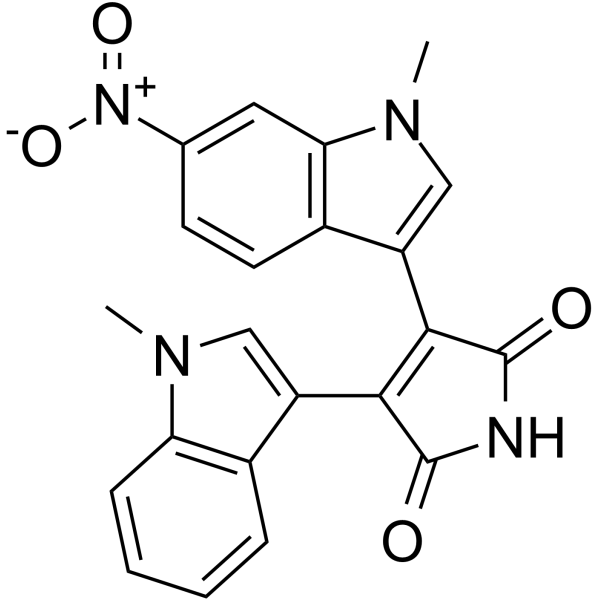 0 ImagesSynonyms: Ro-31-7453MKC-1 (Ro-31-7453) is an orally active and potent cell cycle inhibitor with broad antitumor activity. MKC-1 inhibits the Akt/mTOR pathway. MKC-1 arrests cellular mitosis and induces cell apoptosis by binding to a number of different cellular proteins including tubulin and members of the importin β family.
-
Cys-MC-VC-PAB-MMAE
 0 ImagesCys-MC-VC-PAB-MMAE consists a cleavable ADC linker (Cys-MC-VC-PAB) and a potent tubulin inhibitor (MMAE). Cys-MC-VC-PAB-MMAE can be used in the synthesis of antibody-drug conjugates (ADCs).
-
MY-673
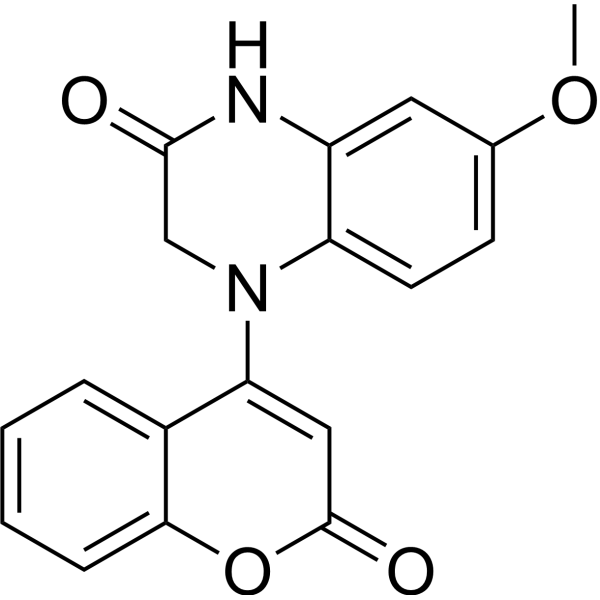 0 ImagesMY-673 is a colchicine binding site inhibitor (CBSI), that inhibits tubulin polymerization. MY-673 inhibits the ERK signaling pathway, which in turn affects SMAD4 protein expression levels in the TGF-β/SMAD pathway. MY-673 inhibited cell proliferation, migration and induced apoptosis in vivo and in vitro.
-
BNC105
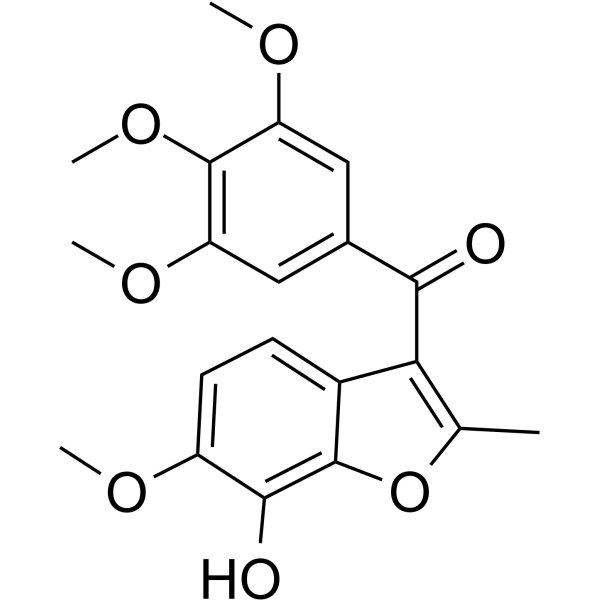 0 ImagesBNC105 is a tubulin polymerization inhibitor with potent antiproliferative and tumor vascular disrupting properties.
-
Glucobrassicin potassium
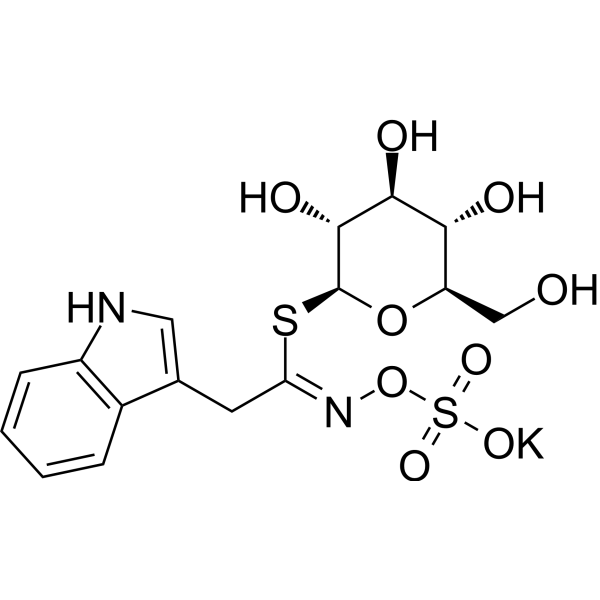 0 ImagesCat. No.: HY-N7659ACAS No.: 143231-38-3Glucobrassicin potassium is an indole-based anticancer agent and plant growth-regulating hormone. Glucobrassicin potassium exerts its biological activity by disrupting the integrity of microtubule networks in both plant and mammalian cells. At high concentrations, Glucobrassicin potassium inhibits seed germination and root growth; it can also specifically induce apoptosis in mammalian cancer cells and interfere with the intercellular transmission of viruses that rely on microtubules. In plants, Glucobrassicin potassium can be catalyzed by myrosinase to release growth-regulating substances, exhibiting a concentration-dependent growth-regulating effect.
-
Mc-MMAD
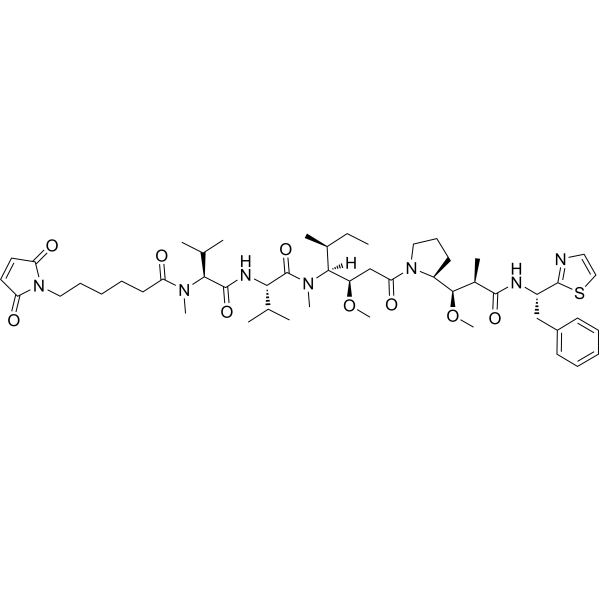 0 ImagesMc-MMAD is a protective group (maleimidocaproyl)-conjugated MMAD. MMAD is a potent tubulin inhibitor. Mc-MMAD is a agent-linker conjugate for ADC.
-
10-Deacetyl-7-xylosyl paclitaxel
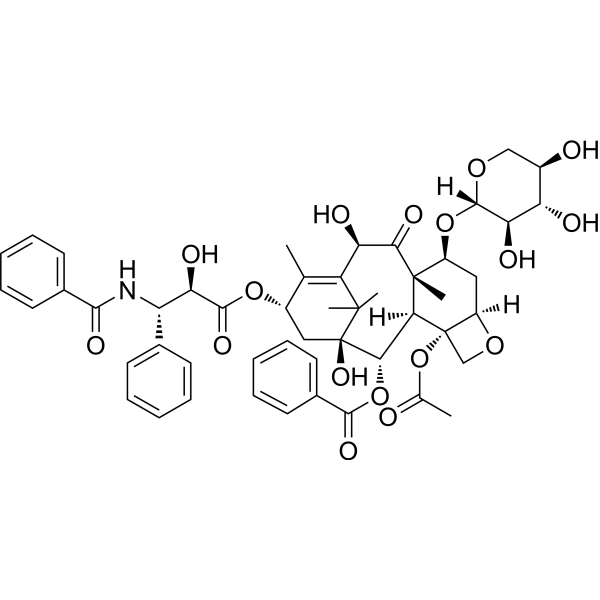 0 ImagesSynonyms: 10-Deacetyl-7-xylosyltaxol; 10-Deacetylpaclitaxel 7-Xyloside; 10-Deacetyltaxol 7-Xyloside10-Deacetyl-7-xylosyl paclitaxel is a Paclitaxel (a microtubule stabilizing agent; enhances tubulin polymerization) derivative with improved pharmacological features.
-
Soblidotin
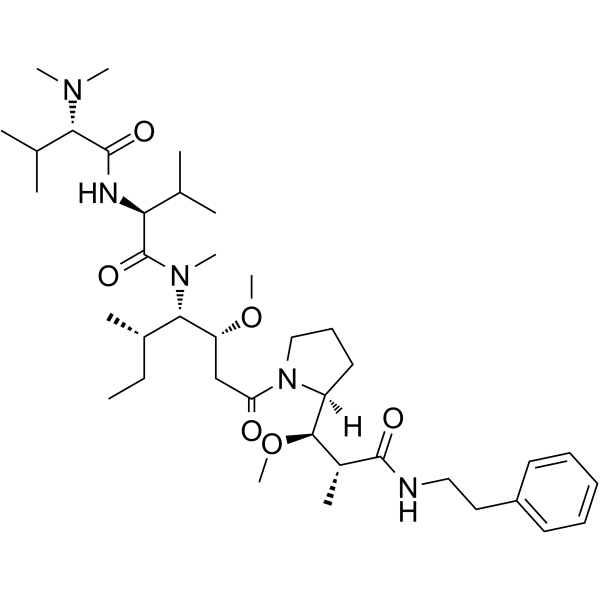 0 ImagesSynonyms: Auristatin PE; TZT-1027Soblidotin (Auristatin PE) is a novel synthetic Dolastatin 10 derivative and inhibitor of tubulin polymerization.
-
DM4-SMe
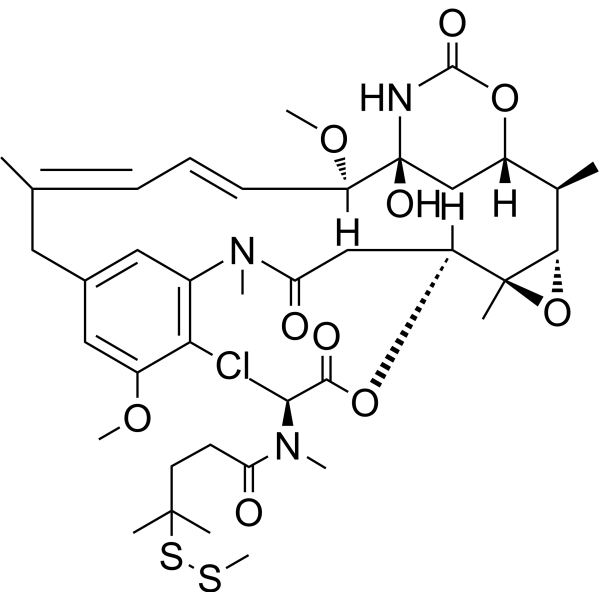 0 ImagesDM4-SMe is a metabolite of antibody-maytansin conjugates (AMCs) and a tubulin inhibitor, and also a cytotoxic moiety of antibody-drug conjugates (ADCs), which can be linked to antibody through disulfide bond or stable thioether bond. DM4-SMe inhibits KB cells with an IC50 of 0.026 nM. DM4-SMe is a highly toxic metabolite that can be oxidized and detoxified by human liver microsomes.
-
Lisavanbulin
 0 ImagesSynonyms: BAL-101553Lisavanbulin (BAL-101553) is the prodrug of the microtubule targeting agent Avanbulin (BAL 27862) (HY-106008). Lisavanbulin is a BBB-penetrant and orally active antitumor agent, especially in tumors that express high levels of end-binding protein 1. Lisavanbulin has ability to target tumor cell proliferation and affects the tumor microenvironment by reducing tumor microvasculature. Lisavanbulin is also a spindle assembly checkpoint activator. Lisavanbulin induces cell cycle arrest and subsequent death or aberrant chromosome segregation. Lisavanbulin can be studied in research for diffuse large B cell lymphoma (DLBCL) and glioblastoma.
-
Vorsetuzumab mafodotin
 0 ImagesCat. No.: HY-P99334CAS No.: 1165741-01-4Synonyms: Anti-Human CD70 Recombinant Antibody; SGN-75Vorsetuzumab mafodotin (SGN-75) is an Auristatin-based anti-CD70 antibody-drug conjugate (ADC). Vorsetuzumab mafodotin consists of a humanized monoclonal antibody, Vorsetuzumab and an ADC cytotoxin MMAF. Vorsetuzumab mafodotin has antineoplastic activity.
-
EAPB 02303
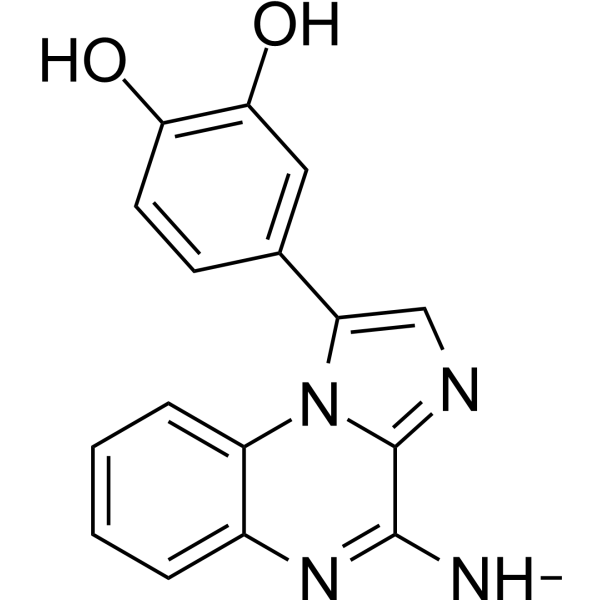 0 ImagesEAPB 02303 is a microtubule-disrupting agent and inhibitor. EAPB 02303 induces mitosis arrest and impairment of spindle assembly. Thus, EAPB 02303 induces apoptosis and exhibits antitumor activity. EAPB 02303 also exhibits a potent synergy with Paclitaxel (HY-B0015) at lower concentrations.
-
Cantuzumab mertansine
 0 ImagesCat. No.: HY-P99492CAS No.: 400010-39-1Synonyms: SB-408075; huC242-DM1Cantuzumab mertansine (SB-408075; huC242-DM1), an ADC, is an immunoconjugate of the potent maytansine derivative (DM1 (HY-19792)) and the humanized monoclonal antibody (huC242) directed to CanAg. Cantuzumab mertansine has cytotoxic toward colon cancer cells and has broad antitumor efficacy against a range of CanAg-positive human tumor xenografts.
-
Taccalonolide AJ
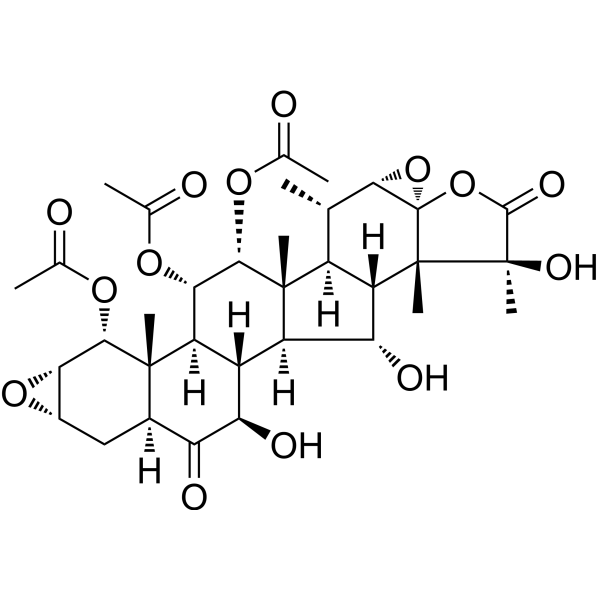 0 ImagesTaccalonolide AJ is a microtubule stabilizer and antiproliferative agent with an IC50 of 4.2 nM against β-tubulin (β-tubulin) D226. Taccalonolide AJ increases cellular microtubule density, induces microtubule bundling, triggers G2/M cell cycle arrest with abnormal mitotic spindles, and inhibits cancer cell proliferation. Taccalonolide AJ can be used in the research of oral cancer, breast cancer, solid tumors, as well as tumors resistant to Paclitaxel (HY-B0015) and Doxorubicin (HY-15142A).
-
DM1-SMe
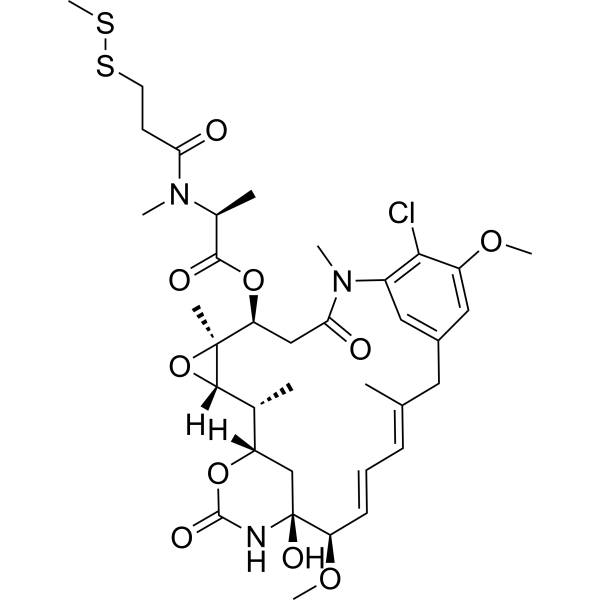 0 ImagesDM1-SMe is an unconjugated form of the Maytansinoid in IMGN901. DM1-SMe is the microtubule inhibitor and can be used as the ADC cytotoxin.
-
Tubulysin M
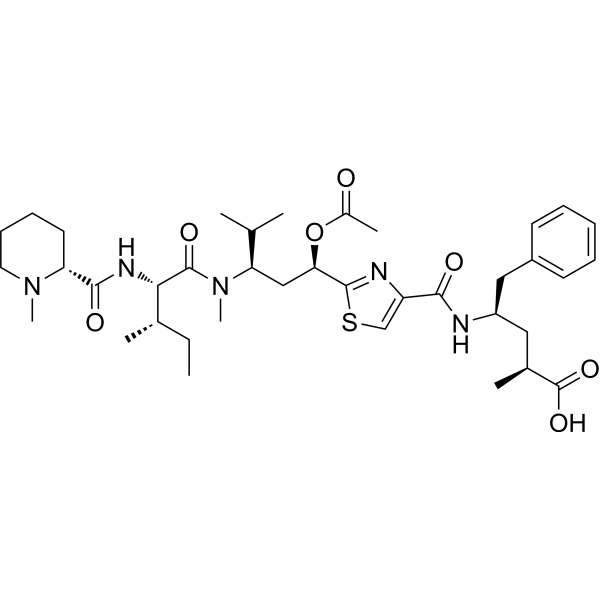 0 ImagesTubulysin M is a highly cytotoxic anti-microtubule toxin (anti-microtubule toxins) that is synthesized as an ADC cytotoxin (ADC Cytotoxin). Tubulysin M can be isolated from the myxobacteria Archangium geophyra and Angiococcus disciformis. Tubulysin M displays extremely potent cytotoxic activity in mammalian cells, including multidrug-resistant cell lines, with IC50 values in the low nanomolar range. Tubulysin M inhibits microtubule/tubulin polymerization and leads to cell cycle arrest and apoptosis.
-
TN-16
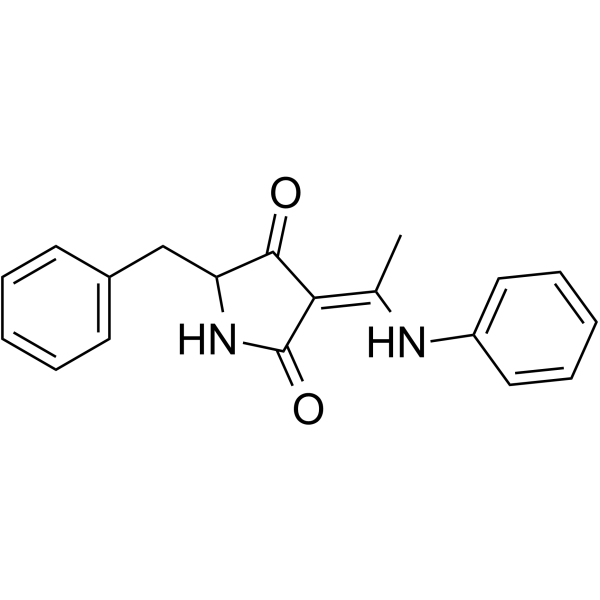 0 ImagesTN-16 is a Microtubule polymerization inhibitor. TN-16 induces G2/M cell cycle arrest, metaphase mitotic arrest and Apoptotic cell death in cells, and blocks late Autophagic flux by inhibiting autophagosome-lysosome fusion. TN-16 suppresses tumor growth in syngeneic mouse breast cancer models. TN-16 can be used in research related to neuroblastoma, cervical cancer, breast cancer and other tumors.




