



TN-16

Based on 1 Customer Validation
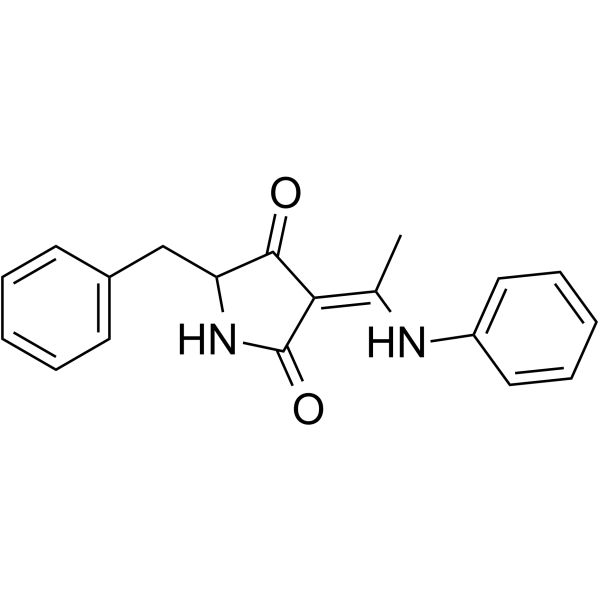
TN-16 is a Microtubule polymerization inhibitor. TN-16 induces G2/M cell cycle arrest, metaphase mitotic arrest and Apoptotic cell death in cells, and blocks late Autophagic flux by inhibiting autophagosome-lysosome fusion. TN-16 suppresses tumor growth in syngeneic mouse breast cancer models. TN-16 can be used in research related to neuroblastoma, cervical cancer, breast cancer and other tumors.
For research use only. We do not sell to patients.
- Purity : 99.78%
- CAS No.: 33016-12-5
- Formula: C19H18N2O2
- Molecular Weight:306.36
-
Storage:Powder -20°C, 3 years , 4°C, 2 years ; In solvent -80°C, 6 months , -20°C, 1 month

To place orders, for customer services and technical support, please contact: MedChemExpress USA
Tel: 609-228-6898 E-mail: [email protected] [email protected]


-
 Biological Activity
-
Chemical Information
-
Solvent & Solubility
- Protocols
- Purity & Documentation
- References
-
 Help & FAQs


-
HY-17583
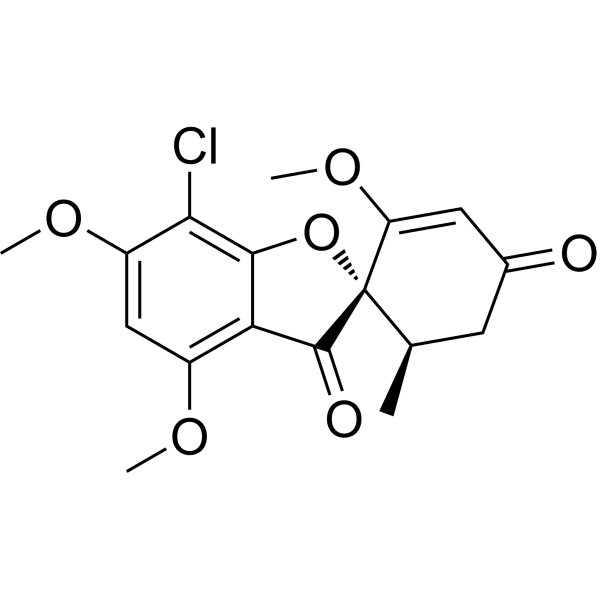
GriseofulvinAntifungal Antibiotic -
HY-B0015
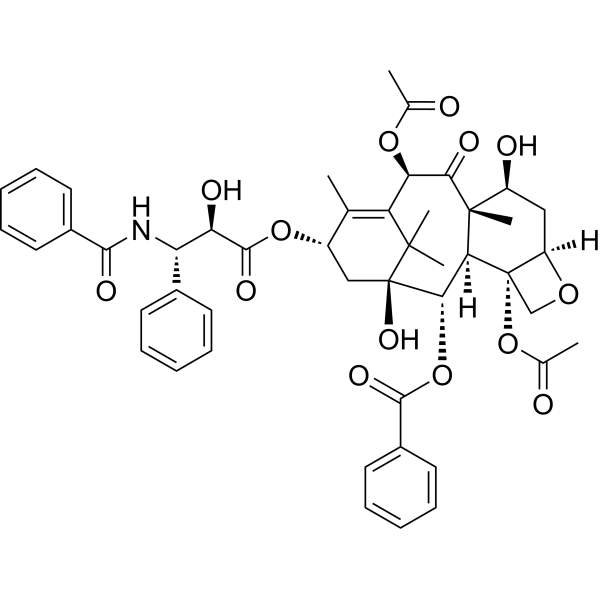
PaclitaxelAntitumor Agent -
HY-N0282
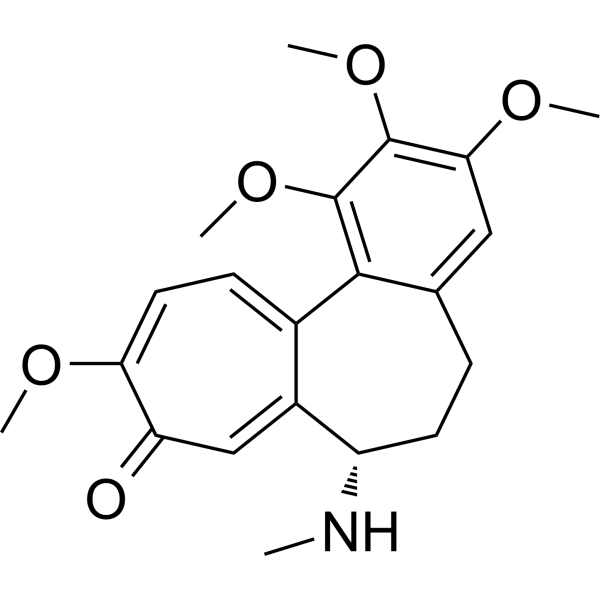
DemecolcineTubulin Inhibitor -

HY-N0282R
Demecolcine (Standard)Analytical Standard -
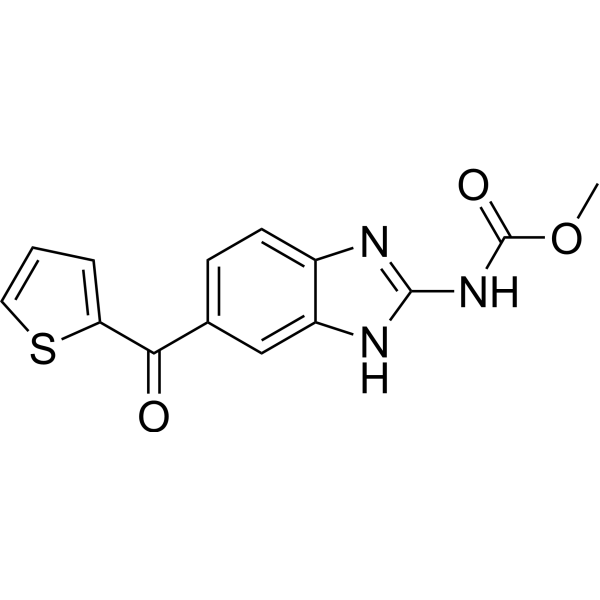
HY-13520
NocodazoleMicrotubule Inhibitor -
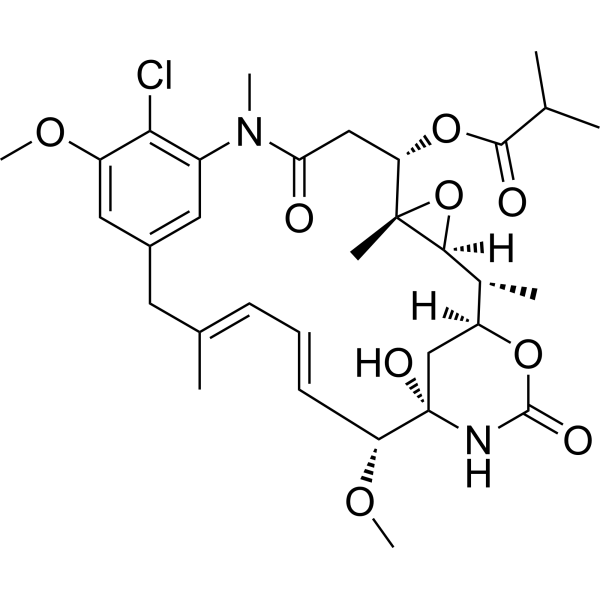
HY-15739
Ansamitocin P-3Bacterial Inhibitor -
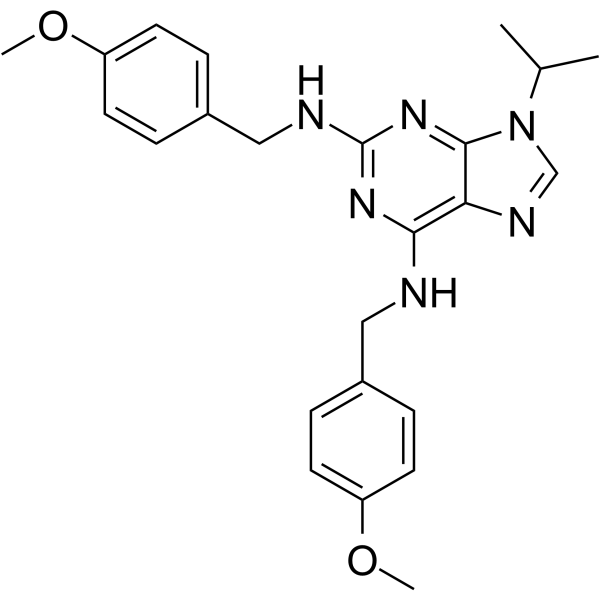
HY-W008956
MyoseverinMicrotubule-Binding Molecule -
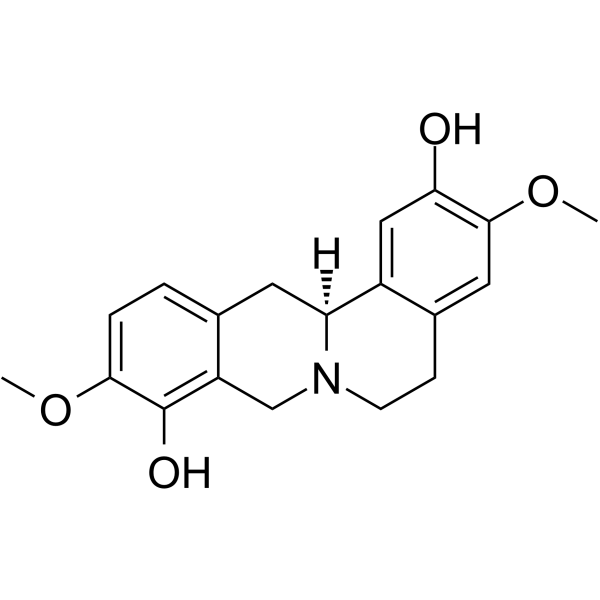
HY-N1255
ScoulerineAntimitotic Agent -
HY-10201
SorafenibMultikinase Inhibitor -
HY-50904
NintedanibPDGFR/VEGFR/FGFR Inhibitor -

HY-13520R
Nocodazole (Standard)Microtubule Inhibitor -
HY-16569
ColchicineTubulin Inhibitor


Biological Activity
Description
In Vitro
TN-16 (1 μM; 72 h) potently reduces the viability of neuroblastoma SH-SY5Y cells, with an EC50 of 68 nM[1].
TN-16 exhibits cytotoxicity against cervical cancer HeLa cells[1].
TN-16 (200 nM-1 μM; 16 h) induces G2/M phase cell cycle arrest in neuroblastoma SH-SY5Y cells[1].
TN-16 (1 μM; 16 h) causes only an extremely slight change in the ratio of tubulin polymerization/depolymerization in neuroblastoma SH-SY5Y cells[1].
TN-16 (1 μM-10 μM; 61 min) inhibits the polymerization of purified tubulin in a dose-dependent manner, and a strong inhibitory effect is observed at a concentration of 10 μM[1].
TN-16 (1.25 µmol/L; 24-48 h) enhances apoptosis activation, which is manifested as increased cleavage levels of Caspase-3 and PARP in Atg7-knockdown HCT-116 (Bax+/-) cells[2].
Incubation with TN-16 (10 μM; up to 60 min) at 30°C for up to 60 min inhibits the assembly of porcine brain tubulin in vitro, as determined by turbidity measurement at 350 nm[3].
MedChemExpress (MCE) has not independently confirmed the accuracy of these methods. They are for reference only. Further protocols information, click here.
-
Cell Line:human neuroblastoma SH-SY5Y cells
-
Concentration:1 μM
-
Incubation Time:72 h
-
Result:Exhibited cytotoxic activity with an EC50 of 68 nM.
Reduced cell viability to 34.7% of control.
-
Cell Line:human neuroblastoma SH-SY5Y cells
-
Concentration:200 nM-1 μM
-
Incubation Time:16 h
-
Result:Induced a distinct G2/M cell cycle arrest at both tested concentrations.
-
Cell Line:Atg7-knockdown human HCT-116 (Bax+/-) colon cancer cells
-
Concentration:1.25 µmol/L
-
Incubation Time:24, 48 h
-
Result:Induced enhanced cleavage of caspase-3 and PARP in Atg7-knockdown cells relative to autophagy-proficient scrambled control cells.
In Vivo
MedChemExpress (MCE) has not independently confirmed the accuracy of these methods. They are for reference only.
-
Animal Model:Crl:CD1-Foxn1nu (5- to 6-week-old female; orthotopic syngeneic breast cancer model via transplantation of 1×10⁶ 4T1 mouse mammary carcinoma cells into the mammary fat pad)[2]
-
Dosage:1 mg/kg
-
Administration:i.p.; daily; 11 days
-
Result:Reduced tumour volume to ~270 mm3 by day 11 post-treatment initiation versus ~520 mm3 in controls.
Lowered average harvested tumour weight significantly compared to controls.
Increased levels of cleaved PARP and cleaved caspase-3 in tumour tissue lysates.
Induced accumulation of p62 and increased LC3-II turnover, indicating blockade of autophagic flux and enhanced apoptosis.


Chemical Information
-
CAS No. 33016-12-5
-
Appearance Solid
-
Molecular Weight 306.36
-
Formula C19H18N2O2
-
Color White to off-white
-
SMILES
O=C(NC(C/1=O)CC2=CC=CC=C2)C1=C(C)/NC3=CC=CC=C3
-
Shipping
Room temperature in continental US; may vary elsewhere.
-
Storage
Powder -20°C 3 years 4°C 2 years In solvent -80°C 6 months -20°C 1 month


Solvent & Solubility
In Vitro:
DMSO : 50 mg/mL (163.21 mM; Need ultrasonic; Hygroscopic DMSO has a significant impact on the solubility of product, please use newly opened DMSO)
Please refer to the solubility information to select the appropriate solvent. Once prepared, please aliquot and store the solution to prevent product inactivation from repeated freeze-thaw cycles.
Storage method and period of stock solution: -80°C, 6 months; -20°C, 1 month. When stored at -80°C, please use it within 6 months. When stored at -20°C, please use it within 1 month.
Please refer to the solubility information to select the appropriate solvent. Once prepared, please aliquot and store the solution to prevent product inactivation from repeated freeze-thaw cycles.
Storage method and period of stock solution: -80°C, 6 months; -20°C, 1 month. When stored at -80°C, please use it within 6 months. When stored at -20°C, please use it within 1 month.
Concentration (start) × Volume (start) = Concentration (final) × Volume (final)

Protocols
-
Mammalian live/dead viability and cytotoxicity staining
Live/dead viability and cytotoxicity staining assays are based on the simultaneous detection of intracellular esterase activity in metabolically active (viable) cells and membrane integrity loss in non-viable cells. In commonly used dual-staining approaches, membrane-permeant fluorogenic substrates are converted by intracellular esterases into fluorescent products in live cells, while impermeant DNA-binding dyes selectively enter cells with compromised plasma membranes and label nucleic acids in dead or dying cells, enabling discrimination between viable and non-viable populations by fluorescence microscopy or flow cytometry.
-
BrdU Incorporation Assay
Bromodeoxyuridine (BrdU) incorporation assay is based on the principle that BrdU, a thymidine analog, is incorporated into newly synthesized DNA during the S phase of the cell cycle, thereby serving as a marker of DNA replication and cellular proliferation. Incorporated BrdU can be detected using anti-BrdU antibodies following DNA denaturation, enabling visualization or quantification of proliferating cells through immunochemical detection methods such as immunofluorescence or immunohistochemistry.
-
Patient-Derived Orthotopic Xenograft (PDOX)
Patient-derived orthotopic xenograft (PDOX) modeling implants fresh patient tumor tissue or patient-derived tumor cells into the anatomically corresponding organ or tissue site of immunodeficient mice, usually by surgical orthotopic implantation, to preserve patient tumor histology, local microenvironmental context, invasion, metastatic behavior, and treatment-response features better than subcutaneous implantation. PDOX readouts include tumor engraftment, orthotopic tumor growth, local invasion, metastasis, recurrence after resection, histologic similarity to the donor tumor, biomarker retention, molecular concordance, survival, and response or resistance to therapy. PDOX models are used for preclinical drug testing and individualized therapy evaluation, but engraftment success varies by tumor type and specimen quality.
-
Protocol for Cell Cycle
Cell-cycle analysis by flow cytometry measures DNA content in single cells to estimate the fraction of cells in G0/G1, S, and G2/M phases. Propidium iodide intercalates into DNA, and after RNA removal with RNase, fluorescence intensity reflects cellular DNA content: 2N cells are assigned to G0/G1, cells between 2N and 4N to S phase, and 4N cells to G2/M. DNA-content analysis alone cannot reliably separate G0 from G1 or G2 from M. Ki-67 can distinguish quiescent G0 cells from cycling cells, EdU or BrdU incorporation marks active DNA synthesis in S phase, and phospho-histone H3 staining identifies mitotic cells within the 4N population.
-
Breast Cancer Modeling
Breast cancer is a heterogeneous cancer, and it has been distinguished into four subtypes: luminal A, luminal B, HER2-positive and basal-like. Molecular mutations, epigenetic alterations, hormone exposure and immune microenvironment are related to the progression of breast cancer.
-
Apoptosis
Apoptosis, also called programmed cell death, is generally characterized by distinct morphological characteristics.
-
Flow cytometric DNA-content cell-cycle staining
Flow cytometric DNA-content cell-cycle staining measures the fluorescence intensity of DNA-bound fluorochromes in single cells or nuclei to estimate DNA content distributions, allowing assignment of populations to G0/G1, S, and G2/M phases by DNA histogram deconvolution. Propidium iodide (PI) intercalates into DNA, and PI fluorescence is proportional to cellular DNA content when staining is performed under conditions that make DNA accessible and minimize non-DNA signal. Cells with G2/M DNA content are expected to show approximately twice the fluorescence intensity of G0/G1 cells, while S-phase cells occupy intermediate fluorescence values. PI-based DNA-content analysis can also detect cells with fractional DNA content, often reported as sub-G1, when DNA fragmentation and extraction during staining reduce retained DNA signal in apoptotic cells. DAPI is an alternative DNA fluorochrome for univariate DNA-content analysis, while bivariate approaches combining DNA content with proliferation
-
Cell Cytotoxicity Assay
Cytotoxicity assays are usually based on the assessment of cell membrane damage, which can also be indirectly detected by measuring cell viability. Detection methods include MTT assay, CKK-8 assay, LDH assay and ATP assay, etc.
-
Autophagy
Autophagy is a process in which eukaryotic cells use lysosomes to degrade their own cytoplasmic proteins and damaged organelles under the regulation of autophagy related gene (Atg). Microtubule-associated proteins light chain 3 (LC3) is recognized as autophagy marker, which transfers from cytoplasmic LC3 (LC3-I) to membrane type (LC3-II). LC3-II/I ratio could be detected by Western Blot and fluorescence microscopy.
-
Patient-Derived Xenograft (PDX)
Patient-derived xenograft (PDX) models are generated by engrafting primary human tumor tissue directly into immunodeficient mice, allowing in vivo propagation of patient tumor biology without initial in vitro adaptation. These models are used to preserve key histopathological and molecular characteristics of the original tumor and enable assessment of tumor growth dynamics and therapeutic response in a living organism. The biological readout is tumor engraftment and subsequent growth in the murine host, which reflects the ability of human tumor cells to survive, vascularize, and expand in an immunocompromised microenvironment.
-
Apoptosis Solutions
Apoptosis is a regulated, generally non-lytic cell-death pathway that removes unwanted, damaged, infected, or abnormal cells through coordinated morphological changes, caspase activation, DNA fragmentation, and membrane remodeling. The intrinsic apoptosis pathway is controlled mainly by mitochondrial outer membrane permeabilization, BCL-2 family proteins, cytochrome c release, apoptosome formation, caspase-9 activation, and downstream executioner caspase-3/7 activation. The extrinsic apoptosis pathway is initiated by death receptors such as Fas, TNFR, and TRAIL receptors, which recruit adaptor proteins and activate caspase-8 before engaging executioner caspases or mitochondrial amplification through BID cleavage. Apoptosis is linked to many phenotypes, including cancer cell killing, tissue homeostasis, immune regulation, neurodegeneration, infection response, and treatment-induced cytotoxicity; unresolved questions include how apoptosis interacts with necroptosis, pyroptosis, ferroptos
-
Lysosome and acidic-vesicle live-cell staining
Lysosome and acidic-vesicle live-cell staining detects acidic intracellular compartments by using membrane-permeant acidotropic probes that accumulate in low-pH vesicles, including lysosomes, late endosomes, autolysosomes, and acidic phagosomes. LysoTracker staining is commonly used as an intensity-based readout of acidic lysosomal compartment abundance or enlargement, while acridine orange produces green fluorescence in less concentrated compartments and red fluorescence after concentration-dependent accumulation in acidic vesicular organelles. Loss or reduction of acridine-orange red signal can be used as a readout of lysosomal membrane permeabilization or reduced acidic-vesicle integrity. This protocol is designed for live cultured cells and can be adapted for fluorescence microscopy, high-content imaging, plate-reader readout, or flow cytometry when the selected literature supports the readout. Because these dyes report acidotropic accumulation rather than lysosome identity alone,
-
Subcutaneous Cell-Line-Derived Xenograft
Subcutaneous cell-line-derived xenograft (CDX) models are established by implanting cultured human cancer cell lines into immunodeficient mice, where the injected cells form localized tumors that can be monitored in vivo as a measure of tumorigenic potential, growth kinetics, and treatment response. These models are widely used in oncology research because they allow reproducible tumor formation and enable comparative assessment of tumor growth between different cell lines or genetic manipulations in a controlled in vivo microenvironment. Subcutaneous implantation of cancer cells in immunodeficient mice is a standard approach for evaluating tumor growth behavior and therapeutic response across multiple cancer types, including prostate, esophageal, pancreatic, and colon cancer models.
-
Macroautophagy Solutions
Macroautophagy is a conserved lysosome-dependent degradation pathway in which cytoplasmic material is sequestered into double-membrane autophagosomes and delivered to lysosomes for degradation and recycling. The pathway supports cellular homeostasis during nutrient limitation, organelle stress, protein-aggregate accumulation, infection, differentiation, and tissue remodeling by coupling cargo sequestration, autophagosome maturation, lysosomal fusion, and degradation of cargo-derived macromolecules. The core molecular sequence includes initiation by nutrient- and stress-regulated autophagy machinery, autophagosome nucleation, LC3/ATG8-family conjugation to autophagosomal membranes, cargo selection through receptors such as SQSTM1/p62, autophagosome-lysosome fusion, and lysosomal degradation. LC3 was identified as a mammalian homolog of yeast Atg8 that localizes to autophagosomal membranes after processing, and p62/SQSTM1 was shown to connect ubiquitinated cargo with autophagic degradati
-
Orthotopic Cell-Line Xenograft
Orthotopic cell-line xenograft models involve implantation of human cancer cell lines into the anatomically corresponding organ of immunodeficient mice to reproduce tumor growth within a native microenvironment, enabling more clinically relevant tumor behavior compared with subcutaneous models. These models are widely used because orthotopic placement better recapitulates tumor progression, including invasion and metastatic spread, which are often underrepresented in heterotopic implantation systems. Compared with conventional xenografts, orthotopic implantation is described as more technically complex but provides improved simulation of tumor-microenvironment interactions and metastatic behavior, making it particularly valuable for translational oncology research. Surgical orthotopic implantation approaches have been emphasized as enabling faithful reproduction of clinical cancer features, including metastasis and disease progression patterns that align with the tumor’s organ of origi


Purity & Documentation
-
Data Sheet (279 KB)
-
SDS (597 KB)
- English - EN (597 KB)
- Français - FR (597 KB)
- Deutsch - DE (597 KB)
- Norwegian - NO (597 KB)
- Español - ES (597 KB)
- Swedish - SV (597 KB)
- Italian - IT (597 KB)
- Korean - KR (597 KB)
- Portuguese - PT (597 KB)
-
Handling Instructions (2659 KB)
References
[1]. Foroutan A, et al. Identification of novel aza-analogs of TN-16 as disrupters of microtubule dynamics through a multicomponent reaction. Eur J Med Chem. 2023;245(Pt 1):114895. [Content Brief]
[2]. Hasanain M, et al. Microtubule disrupting agent-mediated inhibition of cancer cell growth is associated with blockade of autophagic flux and simultaneous induction of apoptosis. Cell Prolif. 2020;53(4):e12749. [Content Brief]
[3]. Arai T, et al. Inhibition of microtubule assembly in vitro by TN-16, a synthetic antitumor drug. FEBS Lett. 1983;155(2):273-276. [Content Brief]


Complete Stock Solution Preparation Table
Please refer to the solubility information to select the appropriate solvent. Once prepared, please aliquot and store the solution to prevent product inactivation from repeated freeze-thaw cycles.
Storage method and period of stock solution: -80°C, 6 months; -20°C, 1 month. When stored at -80°C, please use it within 6 months. When stored at -20°C, please use it within 1 month.
| Optional Solvent | Concentration Solvent Mass | 1 mg | 5 mg | 10 mg | 25 mg |
|---|---|---|---|---|---|
| DMSO | 1 mM | 3.2641 mL | 16.3207 mL | 32.6413 mL | 81.6033 mL |
| 5 mM | 0.6528 mL | 3.2641 mL | 6.5283 mL | 16.3207 mL | |
| 10 mM | 0.3264 mL | 1.6321 mL | 3.2641 mL | 8.1603 mL | |
| 15 mM | 0.2176 mL | 1.0880 mL | 2.1761 mL | 5.4402 mL | |
| 20 mM | 0.1632 mL | 0.8160 mL | 1.6321 mL | 4.0802 mL | |
| 25 mM | 0.1306 mL | 0.6528 mL | 1.3057 mL | 3.2641 mL | |
| 30 mM | 0.1088 mL | 0.5440 mL | 1.0880 mL | 2.7201 mL | |
| 40 mM | 0.0816 mL | 0.4080 mL | 0.8160 mL | 2.0401 mL | |
| 50 mM | 0.0653 mL | 0.3264 mL | 0.6528 mL | 1.6321 mL | |
| 60 mM | 0.0544 mL | 0.2720 mL | 0.5440 mL | 1.3601 mL | |
| 80 mM | 0.0408 mL | 0.2040 mL | 0.4080 mL | 1.0200 mL | |
| 100 mM | 0.0326 mL | 0.1632 mL | 0.3264 mL | 0.8160 mL |


TN-16 Related Classifications
HY-119357 Related Classifications
 Powered by Bioz
Keywords
- TN-16
- 33016-12-5
- TN16
- TN 16
- Microtubule/Tubulin
- Apoptosis
- Autophagy
- microtubule assembly
- G2/M cell cycle arrest
- human cervical cancer HeLa cells
- syngeneic mouse breast cancer model
- human neuroblastoma SH-SY5Y cells
- porcine tubulin
- α-tubulin acetylation
- autophagic flux
- apoptotic cell death
- colchicine-sensitive site
- Inhibitor
- inhibitor
- inhibit