



Exosomes
Exosomes are nanoscale extracellular vesicles, typically ranging in diameter from approximately 40 to 160 nm; originating from the endosomal pathway, they mediate intercellular communication by transferring proteins, lipids, DNA, mRNA, microRNA, and other bioactive substances between donor and recipient cells. Exosomes possess a unique combination of attributes-including natural targeting capabilities, low immunogenicity, biocompatibility, a long circulatory half-life, and the ability to traverse biological barriers (including the blood-brain barrier)-making them a highly attractive platform for applications in cancer therapy, regenerative medicine, disease diagnosis, and drug delivery. Mechanistically, tumor-derived exosomes regulate tumor progression through intercellular signaling; by delivering oncogenic miRNAs, proteins, and signaling mediators to stromal and immune cells, they promote angiogenesis, epithelial-mesenchymal transition (EMT), immune evasion, tumor metastasis, and the formation of a pre-metastatic niche. Furthermore, exosomes can induce and exacerbate chemotherapy resistance by shielding tumor cells from cytotoxic drugs and by transferring drug-resistance traits to neighboring cells.
In the field of drug development, engineered exosomes are being utilized as nanocarriers for the delivery of chemotherapeutic agents, siRNAs, miRNAs, lncRNAs, CRISPR payloads, and immunomodulators. In disease models involving breast cancer, lung cancer, glioma, colorectal cancer, and hepatocellular carcinoma, this strategy has effectively reduced systemic toxicity while simultaneously enhancing tumor-targeting specificity. Moreover, exosomes are being applied in tissue repair, the modulation of inflammatory diseases, the treatment of neurodegenerative disorders, and precision diagnostics based on "liquid biopsy" technologies; the biomarkers carried within circulating exosomes facilitate the early screening of diseases and the real-time monitoring of therapeutic efficacy.
In the field of drug development, engineered exosomes are being utilized as nanocarriers for the delivery of chemotherapeutic agents, siRNAs, miRNAs, lncRNAs, CRISPR payloads, and immunomodulators. In disease models involving breast cancer, lung cancer, glioma, colorectal cancer, and hepatocellular carcinoma, this strategy has effectively reduced systemic toxicity while simultaneously enhancing tumor-targeting specificity. Moreover, exosomes are being applied in tissue repair, the modulation of inflammatory diseases, the treatment of neurodegenerative disorders, and precision diagnostics based on "liquid biopsy" technologies; the biomarkers carried within circulating exosomes facilitate the early screening of diseases and the real-time monitoring of therapeutic efficacy.
References:
- [1]. Exosome Overview. Medicine and Dentistry. Sciencedirect.
- [2]. Chen Q, et al. Exosomes as Novel Delivery Systems for Application in Traditional Chinese Medicine. Molecules. 2022 Nov 12;27(22):7789. [Content Brief]
- [3]. Nafar S, et al. Exosome as a target for cancer treatment. J Investig Med. 2022 Jun;70(5):1212-1218. [Content Brief]
- [4]. Petersen D, et al. Binding and intracellular transport of 25-hydroxycholesterol by Niemann-Pick C2 protein. Biochim Biophys Acta Biomembr. 2020 Feb 1;1862(2):183063. [Content Brief]
- [5]. Basyoni AE, et al. Harnessing exosomes for targeted drug delivery systems to combat brain cancer. Cancer Cell Int. 2025 Apr 15;25(1):150. [Content Brief]
- [6]. Aghebati-Maleki A, et al. Implications of exosomes as diagnostic and therapeutic strategies in cancer. J Cell Physiol. 2019 Dec;234(12):21694-21706. [Content Brief]
- [7]. Mousavi S, et al. Tumor-derived exosomes: Potential biomarkers and therapeutic target in the treatment of colorectal cancer. J Cell Physiol. 2019 Aug;234(8):12422-12432. [Content Brief]
- [8]. Panigrahi AR, et al. Exosomes: Insights and therapeutic applications in cancer. Transl Oncol. 2022 Jul;21:101439. [Content Brief]
- [9]. Mirgh D,et al. Landscape of exosomes to modified exosomes: a state of the art in cancer therapy. RSC Adv. 2024 Sep 26;14(42):30807-30829. [Content Brief]
- [10]. Xiao Q, Tan M, Yan G, Peng L. Revolutionizing lung cancer treatment: harnessing exosomes as early diagnostic biomarkers, therapeutics and nano-delivery platforms. J Nanobiotechnology. 2025 Mar 21;23(1):232. [Content Brief]
- [11]. Sarkar S, et al. Exosomes in Hepatocellular Carcinoma: A Comprehensive Review of Current Research and Future Directions. J Cell Mol Med. 2025 Jul;29(14):e70723. [Content Brief]
- [12]. Luo X, et al. Mechanistic Insights into the Anti-Glioma Effects of Exosome-Like Nanoparticles Derived from Garcinia Mangostana L.: A Metabolomics, Network Pharmacology, and Experimental Study. Int J Nanomedicine. 2025 Apr 27;20:5407-5427. [Content Brief]
- [13]. Feng P, et al. The Roles of Exosomes in Anti-Cancer Drugs. Cancer Med. 2025 May;14(9):e70897. [Content Brief]
- [14]. Zhao B, et al Exosome-like nanoparticles derived from fruits, vegetables, and herbs: innovative strategies of therapeutic and drug delivery. Theranostics. 2024 Aug 1;14(12):4598-4621. [Content Brief]
All Product Categories
-
Exosomes Related Products (67)
Related Products (67)

-
GALA
 0 ImagesGALA is a pH-responsive amphipathic peptide consisting of 30 amino acids, which acts as a lung endothelium-targeting ligand. GALA undergoes a conformational transition from random coil to α-helix in an acidic environment at pH 5.0, thereby inducing endosomal membrane destabilization and fusion. GALA-modified liposomes traverse lung endothelial cells via clathrin-dependent endocytosis and transcytosis, and specifically accumulate in the lungs after intravenous injection. GALA significantly promotes the cytosolic release of cargos carried by exosomes, plasmids and liposomes, effectively enhances gene transfection efficiency, and drives gene knockdown of functional macromolecules (such as siRNA) in alveolar epithelial cells (with no significant cytotoxicity at effective concentrations). GALA serves as a critical tool for studies on lung cancer metastasis (e.g., melanoma lung metastasis) and lung-targeted drug delivery systems.
-
Esomeprazole sodium
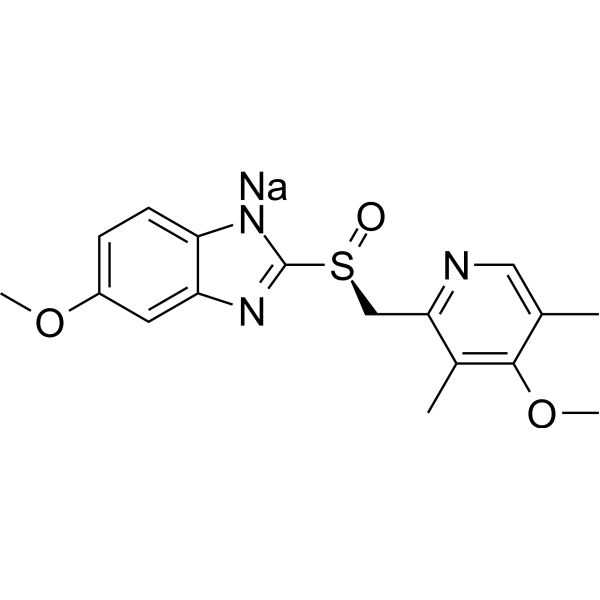 0 ImagesSynonyms: (S)-Omeprazole sodium; (-)-Omeprazole sodiumEsomeprazole sodium ((S)-Omeprazole sodium) is a potent and orally active proton pump inhibitor. Esomeprazole reduces acid secretion through inhibition of the H+, K+-ATPase in gastric parietal cells. Esomeprazole acts as an exosome inhibitor by blocking the exosome release via the inhibition of V-H+-ATPases. Esomeprazole has the potential for symptomatic gastroesophageal reflux disease research.
-
WYRGRL
 0 ImagesWYRGRL is a selective, high-affinity collagen type II-binding peptide with a IC50 of 140 nM. Collagen type II is the most abundant and specific structural protein in the extracellular matrix of articular cartilage. WYRGRL can precisely target small-molecule compounds such as Dexamethasone (HY-14648) and nanocarrier-engineered exosomes to cartilage, significantly enhancing their therapeutic effects on osteoarthritis.
-
5-Fluorouracil (Standard)
 0 Images5-Fluorouracil (Standard) is the analytical standard of 5-Fluorouracil. This product is intended for research and analytical applications. 5-Fluorouracil (5-FU) is an analogue of uracil and a potent antitumor agent. 5-Fluorouracil affects pyrimidine synthesis by inhibiting thymidylate synthetase thus depleting intracellular dTTP pools. 5-Fluorouracil induces apoptosis and can be used as a chemical sensitizer. 5-Fluorouracil also inhibits HIV.
-
Esomeprazole magnesium
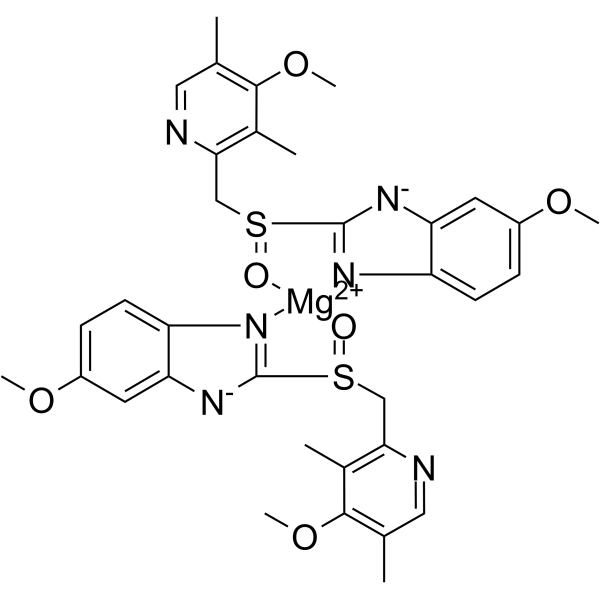 0 ImagesSynonyms: (S)-Omeprazole magnesium; (-)-Omeprazole magnesiumEsomeprazole magnesium ((S)-Omeprazole magnesium) is a potent and orally active H+, K+-ATPase inhibitor. Esomeprazole magnesium has the potential for upper intestinal disorders and gastroesophageal reflux disease research. Esomeprazole magnesium acts as an exosome inhibitor by blocking the exosome release via the inhibition of V-H+-ATPases.
-
DOPE-NHS
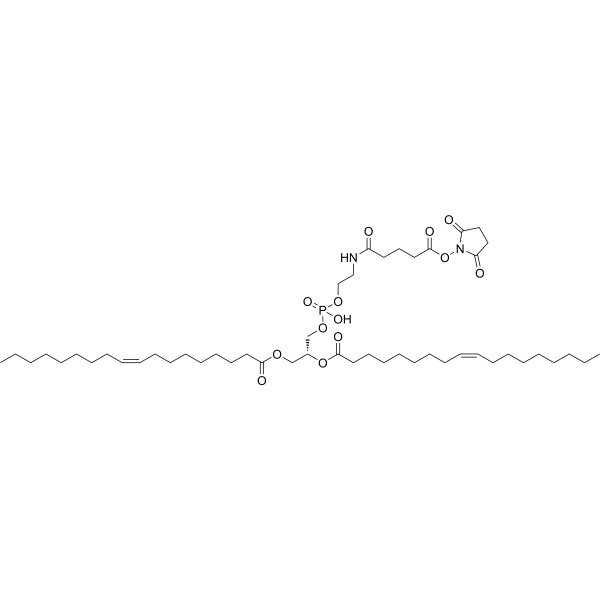 0 ImagesCat. No.: HY-150241CAS No.: 1010188-79-0DOPE-NHS is a linker. DOPE-NHS can be used for peptides to be conjugated to exosomes and possibly other membrane-based nanoparticles. DOPE-NHS can be used for drug delivery.
-
Esomeprazole magnesium trihydrate
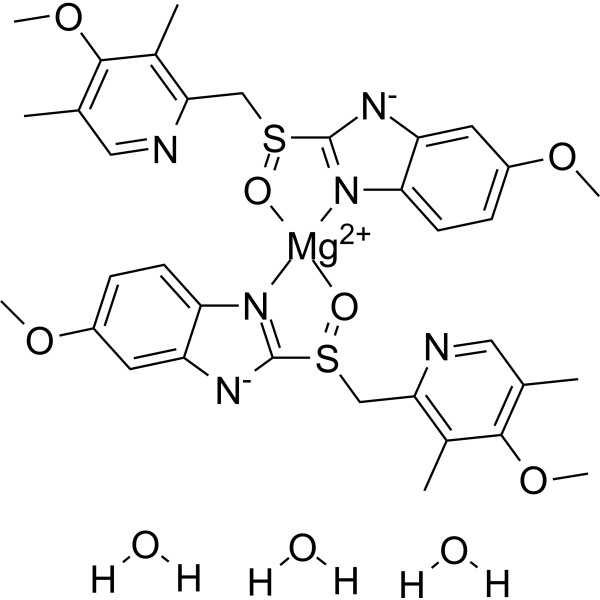 0 ImagesSynonyms: (S)-Omeprazole magnesium trihydrate; (-)-Omeprazole magnesium trihydrateEsomeprazole magnesium trihydrate ((S)-Omeprazole magnesium trihydrate) is a potent and orally active H+, K+-ATPase inhibitor. Esomeprazole magnesium trihydrate has the potential for upper intestinal disorders and gastroesophageal reflux disease research. Esomeprazole magnesium trihydrate acts as an exosome inhibitor by blocking the exosome release via the inhibition of V-H+-ATPases.
-
18:0,18:1 PS sodium
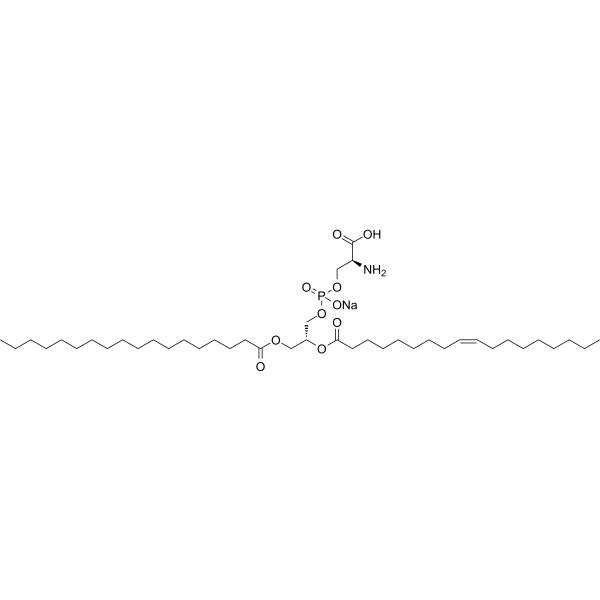 0 Images18:0,18:1 PS sodium is the dominant phosphatidylserine subtype in cells, exosomes and HIV particles. It is abundant in the brain and is essential for maintaining membrane structure, lipid raft organization and intracellular trafficking. 18:0,18:1 PS sodium mediates interleaflet membrane coupling through cholesterol-dependent interactions with very long-chain sphingolipids, and can induce the clustering of glycosylphosphatidylinositol-anchored proteins. In addition, clusters formed by the binding of 18:0,18:1 PS sodium to cholesterol not only facilitate the proper distribution of cholesterol in lipid bilayers, but also effectively protect cholesterol from oxidative damage.

-
Sulfo-NHS-LC-LC-Biotin
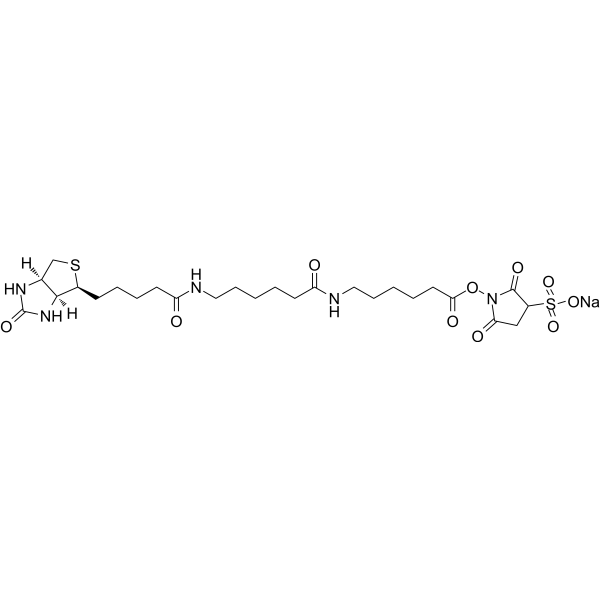 0 ImagesSynonyms: Biotin-XX-SSESulfo-NHS-LC-LC-Biotin (Biotin-XX-SSE), a biotin reagent, is used to label the proteins exposed to the external leaflet of intact exosomes and contains a larger spacer arm between the biotin and amine reactive linker. The size of this linker helps to overcome steric hindrance and increases labeling efficiency at the crowded exosome surface.
-
5-Fluorouracil-d1
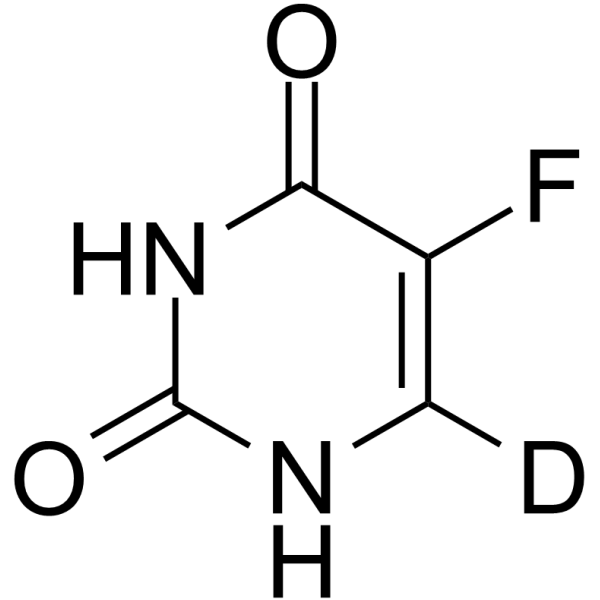 0 ImagesSynonyms: 5-FU-d15-Fluorouracil-d is the deuterium labeled 5-Fluorouracil. 5-Fluorouracil (5-FU) is an analogue of uracil and a potent antitumor agent. 5-Fluorouracil affects pyrimidine synthesis by inhibiting thymidylate synthetase thus depleting intracellular dTTP pools. 5-Fluorouracil induces apoptosis and can be used as a chemical sensitizer. 5-Fluorouracil also inhibits HIV.
-
CHAPS hydrate
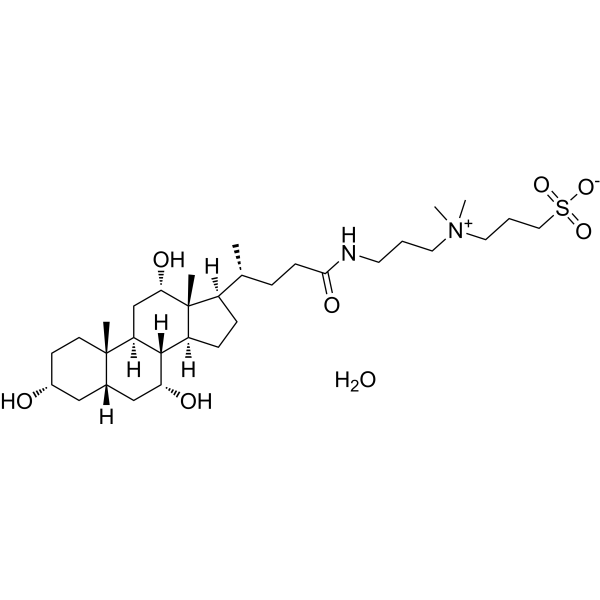 0 ImagesCHAPS hydrate is a cholic acid-derived, sulfobetaine-type zwitterionic detergent and micelle-forming agent. CHAPS hydrate exhibits properties of weak cationic or nonionic surfactants in different solution systems, undergoes micellization, and forms small, loose hydrophilic aggregates that are temperature-dependent. CHAPS hydrate stabilizes mononucleosomes under different ionic strengths, reduces nucleosome sequence specificity, promotes sliding of histone cores along DNA, solubilizes Tamm‑Horsfall protein to reduce its interference with urinary exosome isolation, and maintains vesicle structure and the activity of related proteins at the same time. CHAPS hydrate is used to recover native folded fusion proteins, enhance the binding capacity of GST fusion proteins, and restore GST enzyme activity. However, CHAPS hydrate cannot refold proteins denatured by urea, guanidine hydrochloride or heat, nor can it construct the structure of intrinsically disordered proteins. CHAPS hydrate is commonly used in research on the separation and purification of membrane proteins.
-
WLSEAGPVVTVRALRGTGSW
 0 ImagesWLSEAGPVVTVRALRGTGSW is a cardiomyocyte-targeting peptide that specifically recognizes tenascin X on the surface of cardiomyocytes. WLSEAGPVVTVRALRGTGSW can serve as a targeting ligand to conjugate with various therapeutic carriers (drugs, genes, exosomes, nanoparticles, etc.) for research on cardiovascular diseases (such as myocardial infarction, heart failure).
-
Monensin
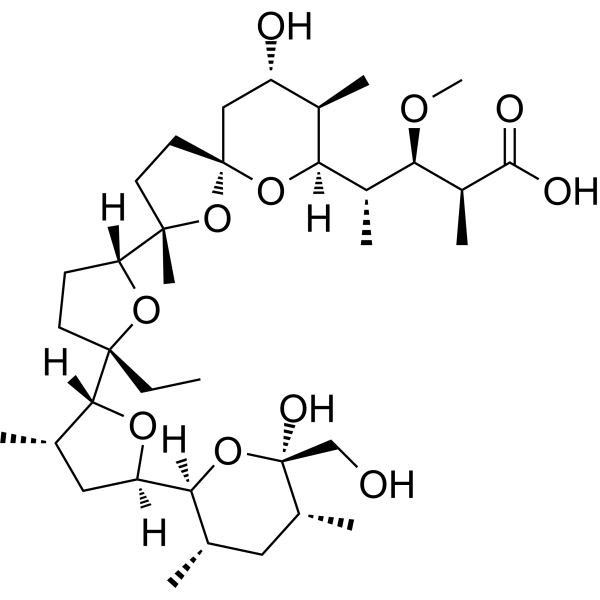 0 ImagesSynonyms: Monensin AMonensin (Monensin A), an orally active antibiotic, is an ionophore that mediates Na+/H+ exchange. Monensin is a potent Wnt signaling inhibitor. Monensin causes a marked enlargement of the multivesicular bodies (MVBs) and regulates exosome secretion. Monensin can be used for bacterial, fungal, and parasitic infections research, and shows anticancer effects.
-
5-Fluorouracil-15N2
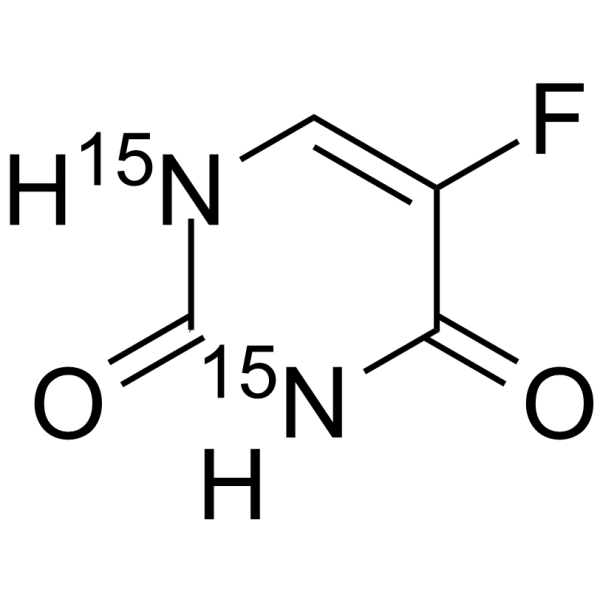 0 Images5-Fluorouracil-15N2 is the 15N-labeled 5-Fluorouracil. 5-Fluorouracil (5-FU) is an analogue of uracil and a potent antitumor agent. 5-Fluorouracil affects pyrimidine synthesis by inhibiting thymidylate synthetase thus depleting intracellular dTTP pools. 5-Fluorouracil induces apoptosis and can be used as a chemical sensitizer. 5-Fluorouracil also inhibits HIV.
-
(S)-Lansoprazole
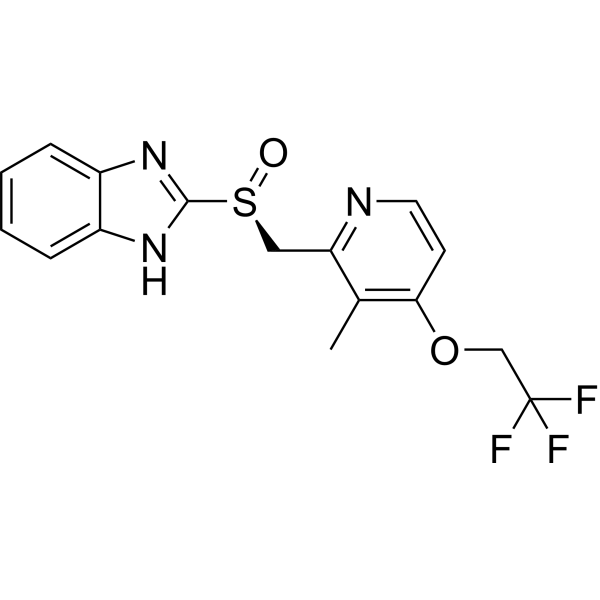 0 ImagesSynonyms: Levolansoprazole(S)-Lansoprazole (Levolansoprazole) is an isoform of Lansoprazole (HY-13662), which is an orally active proton pump inhibitor which prevents the stomach from producing acid. Lansoprazole (AG 1749) is a potent brain penetrant neutral sphingomyelinase (N-SMase) inhibitor (exosome inhibitor).
-
Dexamethasone-d5
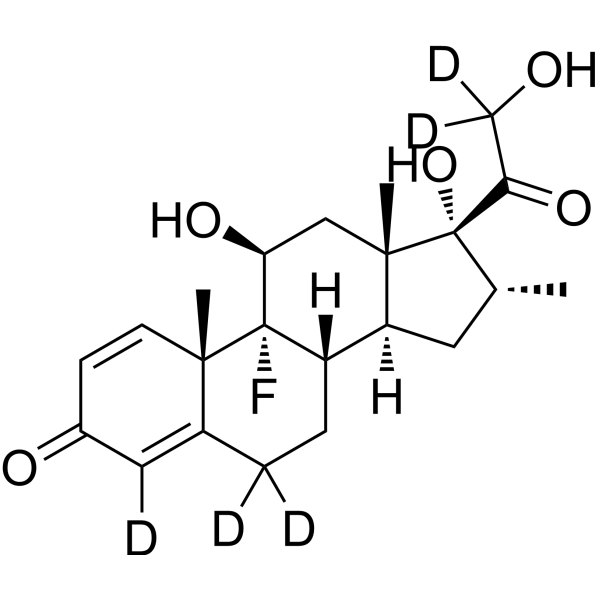 0 ImagesSynonyms: Hexadecadrol-d5; Prednisolone F-d5Dexamethasone-d5 is the deuterium labeled Dexamethasone. Dexamethasone (Hexadecadrol) is a glucocorticoid receptor agonist. Dexamethasone also significantly decreases CD11b, CD18, and CD62L expression on neutrophils, and CD11b and CD18 expression on monocytes. Dexamethasone is highly effective in the control of COVID-19 infection. Dexamethasone inhibits production of exosomes containing inflammatory microRNA-155 in lipopolysaccharide-induced macrophage inflammatory responses.
-
AH-D peptide TFA
 0 ImagesCat. No.: HY-P10862APurity: 98.78%AH-D peptide TFA is an antiviral peptide that selectively disrupts membrane structures within the size range of exosomes, inducing T-EXO depletion and enhancing cancer immunotherapy.
-
AH-D peptide
 0 ImagesCat. No.: HY-P10862Purity: 99.32%AH-D peptide is a brain-penetrant antiviral agent disrupting highly curved lipid membranes. AH-D peptide exhibits broad-spectrum antiviral activity against ZIKV, Dengue virus, Chikungunya virus, yellow fever virus and Japanese encephalitis virus, with
IC50 values of 11.9, 12.5, 35.7, 206 and 136 nM, respectively. AH-D peptide reduces the viral load in the brain, suppresses inflammation, protects neurons, and does not damage the blood brain barrier. AH-D peptide restores antitumor immunity by decreasing circulating PD-L1+ exosomes, reducing intratumoral immunosuppressive cells (regulatory T cells, myeloid-derived suppressor cells), and enhancing T cell function. AH-D peptide inhibits membrane-enveloped viruses and cancer cell metastasis in vivo. AH-D peptide exhibits no immunogenicity and has negligible effects on normal tissues. AH-D peptide can be used for research in Zika virus and other mosquito-borne viruses, cancer immunotherapy and metastasis.



