



mAChR
Muscarinic acetylcholine receptor
mAChRs (muscarinic acetylcholine receptors) are acetylcholine receptors that form G protein-receptor complexes in the cell membranes of certainneurons and other cells. They play several roles, including acting as the main end-receptor stimulated by acetylcholine released from postganglionic fibersin the parasympathetic nervous system. mAChRs are named as such because they are more sensitive to muscarine than to nicotine. Their counterparts are nicotinic acetylcholine receptors (nAChRs), receptor ion channels that are also important in the autonomic nervous system. Many drugs and other substances (for example pilocarpineand scopolamine) manipulate these two distinct receptors by acting as selective agonists or antagonists. Acetylcholine (ACh) is a neurotransmitter found extensively in the brain and the autonomic ganglia.
mAChR Isoform Specific Products
All Product Categories
-
mAChR Inhibitors
(115)
View all products
-
mAChR Agonists
(147)
View all products
-
mAChR Antagonists
(320)
View all products
-
mAChR Activators
(20)
View all products
-
mAChR Modulators
(48)
View all products
-
mAChR Inducer
(1)
View all products
-
mAChR Controls
(9)
View all products
-
mAChR Ligands
(10)
View all products
-
mAChR Related Products (722)
Related Products (722)

-
Antibodies (2)
-
mAChR Isoform Comparison
-
(±)-Darifenacin
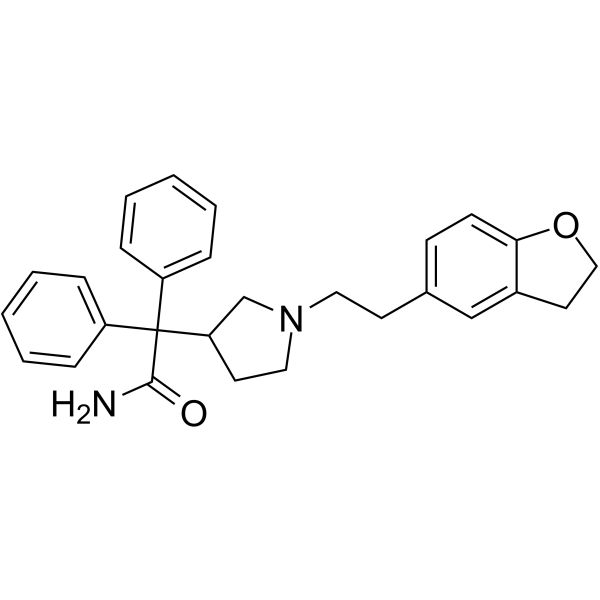 0 ImagesSynonyms: (±)-UK-88525(±)-Darifenacin is the racemate of Darifenacin. Darifenacin is a selective M3 muscarinic receptor antagonist.
-
VU0238441
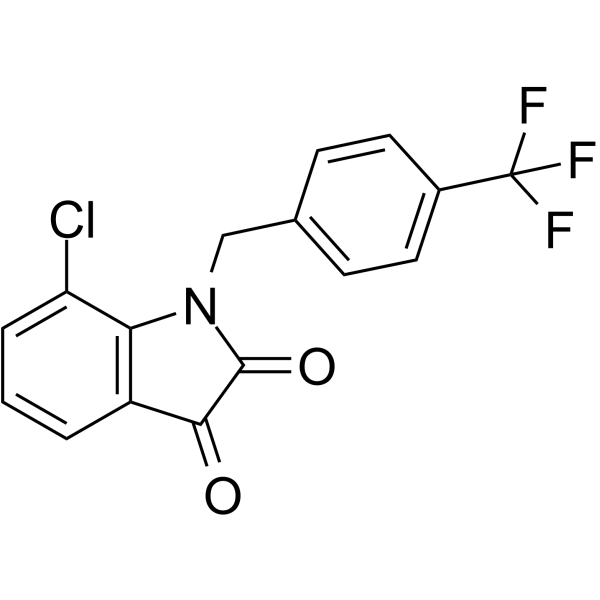 0 ImagesVU0238441 is a pan muscarinic acetylcholine receptor (mAChR) positive allosteric modulator (PAM) with EC50s of 3.2 μM, 2.8 μM, 2.2 μM, 2.1 μM, >10 μM for M1, M2, M3, M5 and M4, respectively.
-
ML380
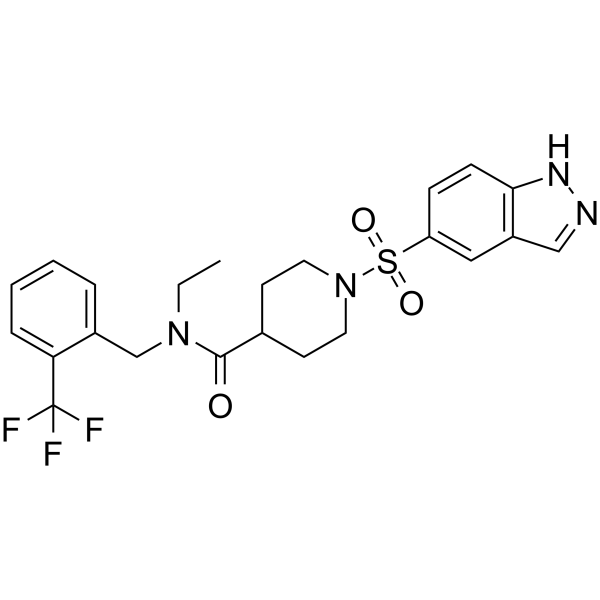 0 ImagesML380 is a potent, subtype-selective, and brain-penetrant positive allosteric modulator (PAM) of M5 mAChR, with EC50s of 190 and 610 nM for human and rat M5, respectively. ML380 exhibits moderate selectivity versus the M1 and M3 mAChR subtypes. ML380 could increase the affinity of ACh for the M5 mAChR.
-
JHU37152
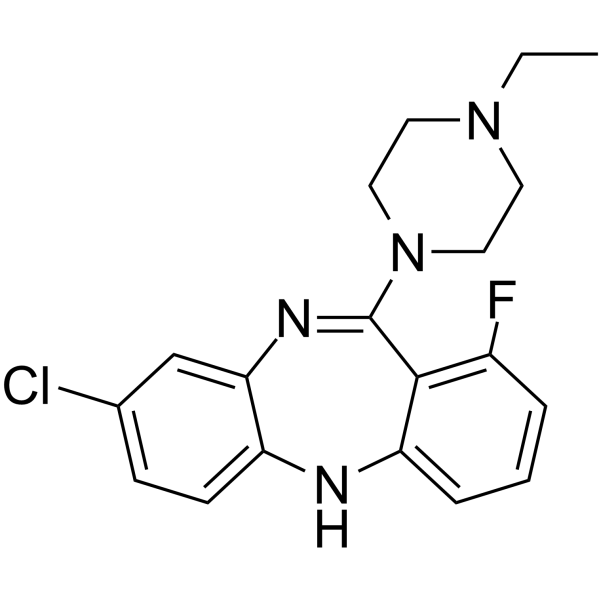 0 ImagesJHU37152 is a potent and brain-penetrant DREADD agonist, with EC50s of 5 nM and 0.5 nM for hM3Dq and hM4Di DREADDs in HEK-293 cells, respectively. JHU37152 exhibits selective [3H]Clozapine displacement from DREADDs and not from other Clozapine-binding sites in mice brain tissue.
-
Arecaidine but-2-ynyl ester tosylate
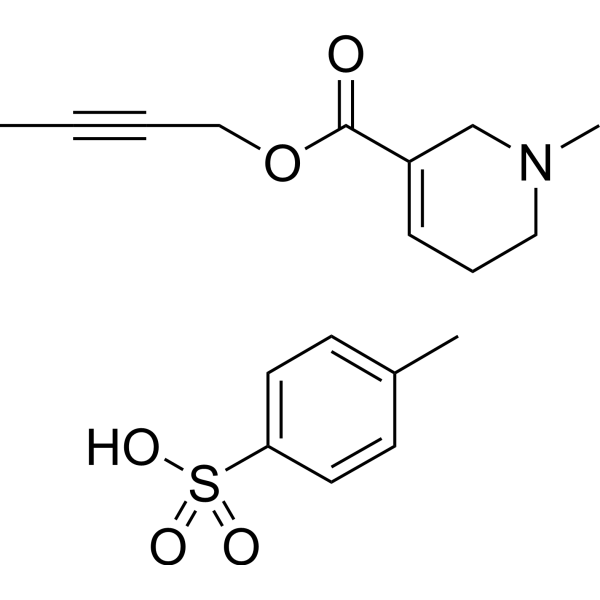 0 ImagesSynonyms: ABETArecaidine but-2-ynyl ester tosylate (ABET) is a selective mAChR M2 agonist that dose-dependently decreases mean arterial pressure and heart rate in rats. Arecaidine but-2-ynyl ester tosylate can be used for cardiovascular disease research. Arecaidine but-2-ynyl ester (tosylate) is a click chemistry reagent, it contains an Alkyne group and can undergo copper-catalyzed azide-alkyne cycloaddition (CuAAc) with molecules containing Azide groups.
-
Methapyrilene
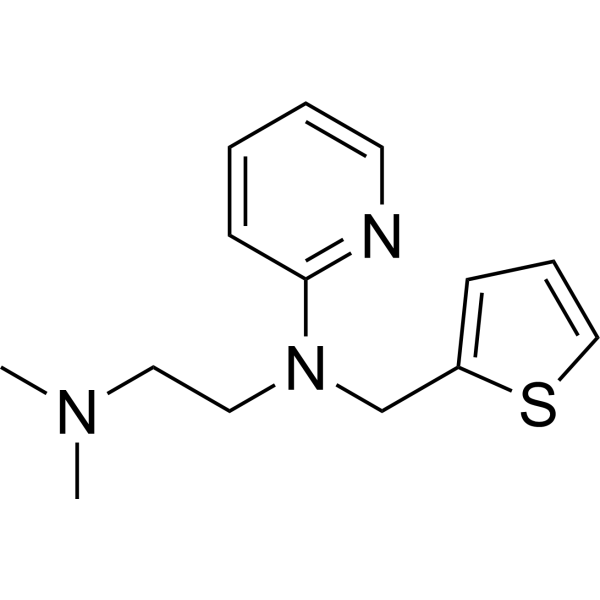 0 ImagesMethapyrilene is a histamine antagonist, a pyridine chemical with anticholinergic activity. Methapyrilene can cause target organ-specific epigenetic alterations, such as a decrease in DNA methylation levels. Methapyrilene induces hepatocellular carcinoma in rats.
-
VU0486846
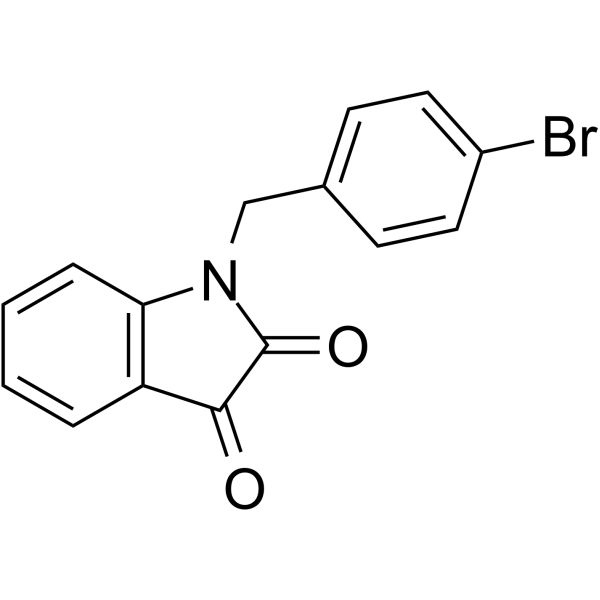
 0 ImagesVU0486846 is an orally active and selective muscarinic acetylcholine receptor M1 positive allosteric modulator (PAM) .
-
HY-078020
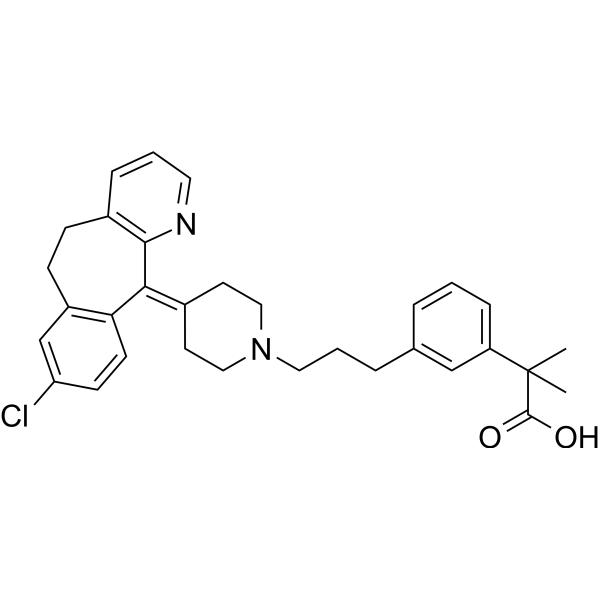 0 ImagesHY-078020 (compound III-4) is a selective, orally active antagonist for histamine H1 receptor with an IC50 of 24.12 nM. HY-078020 exhibits an anti-inflammatory effect in allergic diseases.
-
Trospium chloride (Standard)
 0 ImagesTrospium (chloride) (Standard) is the analytical standard of Trospium (chloride). This product is intended for research and analytical applications. Trospium chloride is an orally active, specific and competitive antagonist of muscarinic cholinergic receptors (mAChRs), with antimuscarinic activity. Trospium chloride binds to muscarinic receptors M1, M2 and M3 with high affinity, but not nicotinic, cholinergic receptors.
-
PCS1055 dihydrochloride
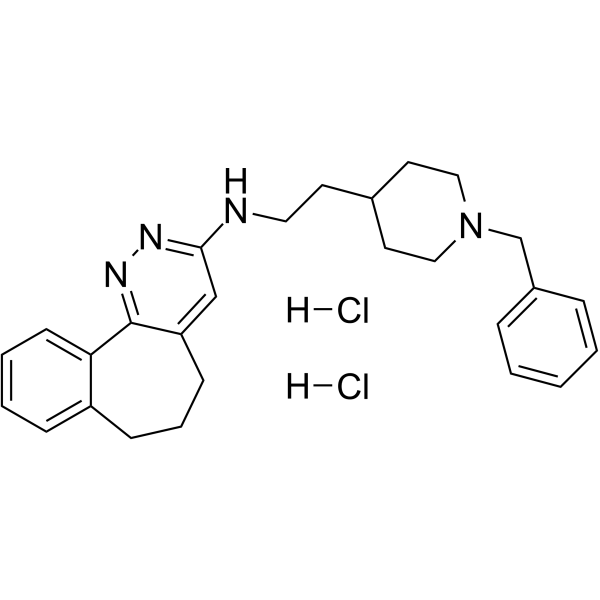 0 ImagesPCS1055 dihydrochloride is a potent, selective and competitive muscarinic M4 receptor antagonist with an IC50 of 18.1 nM and a Kd of 5.72 nM. PCS1055 dihydrochloride inhibits radioligand [3H]-NMS binding to the M4 receptor with a Ki of 6.5 nM. PCS1055 dihydrochloride exhibits >100-fold selectivity over M1-, M3-, and M5-receptors and 30-fold selectivity at the M2 receptor. PCS1055 dihydrochloride is also a potent AChE inhibitor with IC50 s of 22 nM and 120 nM for electric eel and human AChE, respectively.
-
Pentoxyverine
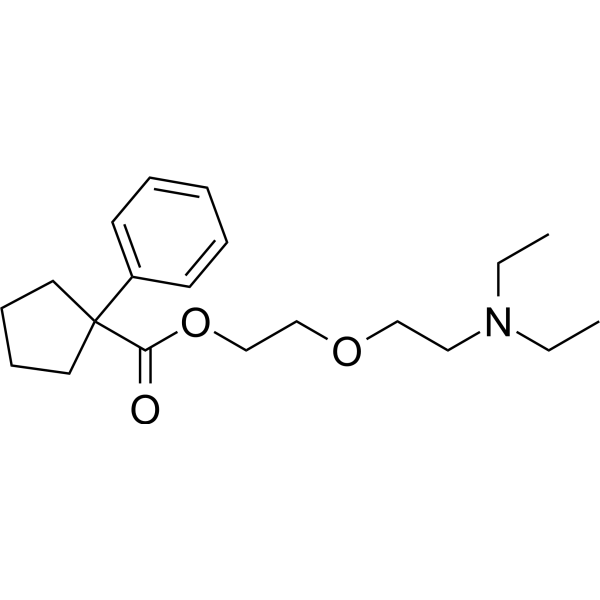 0 ImagesPentoxyverine (Carbetapentane) is an orally active sigma-1 receptor agonist, with Kis of 41 nM, 894 nM and 75 nM for σ1, σ2 and guinea-pig brain membran σ1, respectively. Pentoxyverine is a muscarinic antagonist. Pentoxyverine is a potent antitussive, anticonvulsant, and spasmolytic agent. Pentoxyverine can be used for inhibiting bronchial interceptor, weakening of cough reflex, bronchial smooth muscle relaxation and reduction of airway resistance.
-
rel-VU6021625
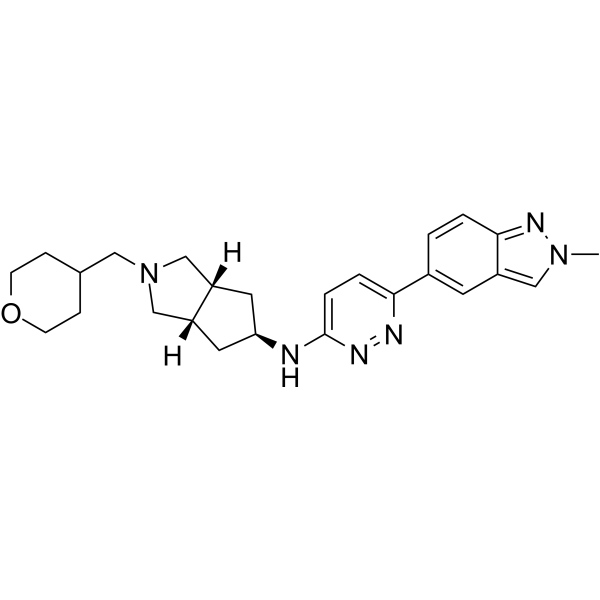 0 Imagesrel-VU6021625 is the relative configuration of VU6021625 (HY-160440A). VU6021625 is a potent and selective mAChR M4 antagonist with IC50 values of 0.44 nM and 57 nM for human M4, rat M4, respectively.
-
Anisodamine hydrobromide
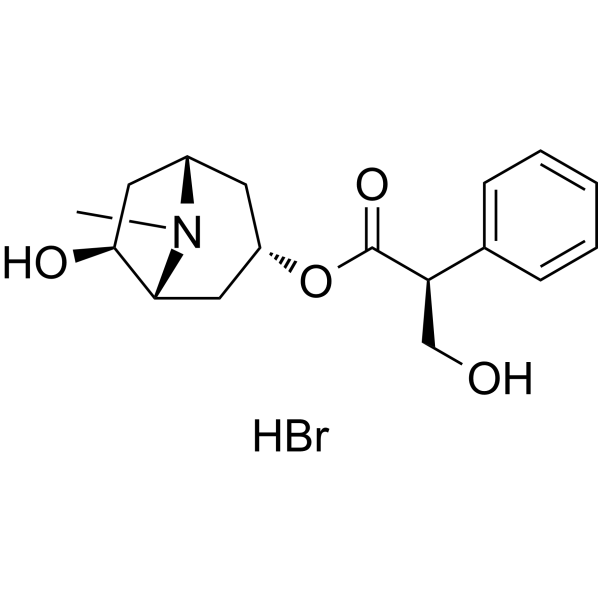 0 ImagesSynonyms: 6-Hydroxyhyoscyamine hydrobromideAnisodamine hydrobromide (6-Hydroxyhyoscyamine hydrobromide), a belladonna alkaloid, is a non-subtype-selective muscarinic and a nicotinic cholinoceptor antagonist. Anisodamine hydrobromide shows antioxidant, anti-inflammatory properties.
-
Penehyclidine hydrochloride
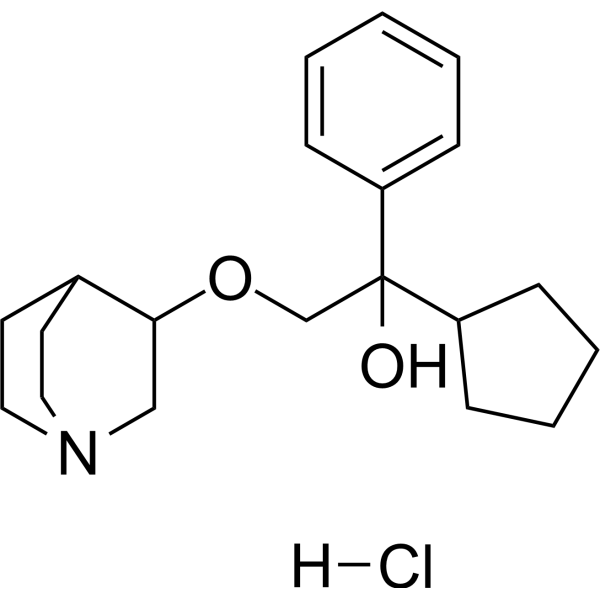 0 ImagesSynonyms: Penequinine hydrochloridePenehyclidine (Penequinine) hydrochloride, a anticholinergic agent, is a selective antagonist of M1 and M3 receptors. Penehyclidine hydrochloride activates NF-kβ in lung tissue and inhibits the release of inflammatory factors. Penehyclidine hydrochloride can alleviate the pulmonary inflammatory response in rats with chronic obstructive pulmonary disease (COPD) undergoing mechanical ventilation.
-
Talsaclidine
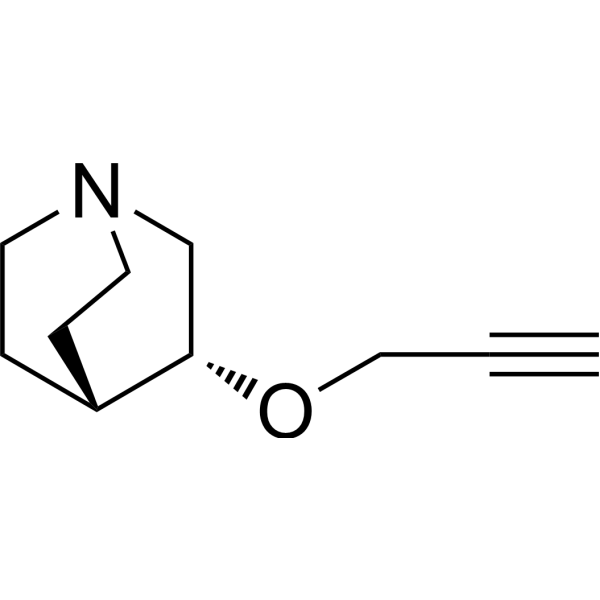 0 ImagesSynonyms: WAL 2014 FU free baseTalsaclidine (WAL 2014 FU) is an orally active, blood-brain barrier-permeable muscarinic M1 receptor agonist. Talsaclidine activates the sympathetic nervous system and promotes adrenal catecholamine release in vivo. Talsaclidine exhibits extensive tissue distribution, kidney-dominant excretion and brain penetration properties, and it can be used in studies related to cholinergic signaling, cognitive function and Alzheimer's disease.
-
Piperidolate
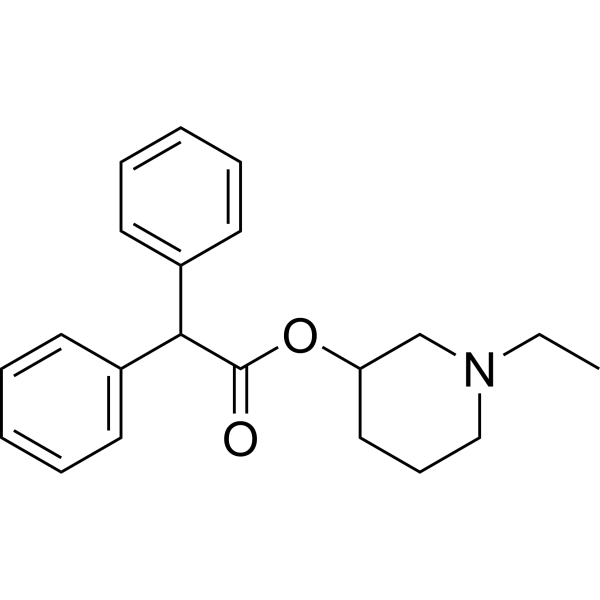 0 ImagesPiperidolate is a cholinergic antagonist. Piperidolate prevents ventricular fibrillation during hypothermic cardiac manipulations to support cardiac procedures post-preoperative defibrillation. Piperidolate causes dose-dependent cardiac depression. Piperidolate can be used for the research of ventricular fibrillation.
-
Benztropine
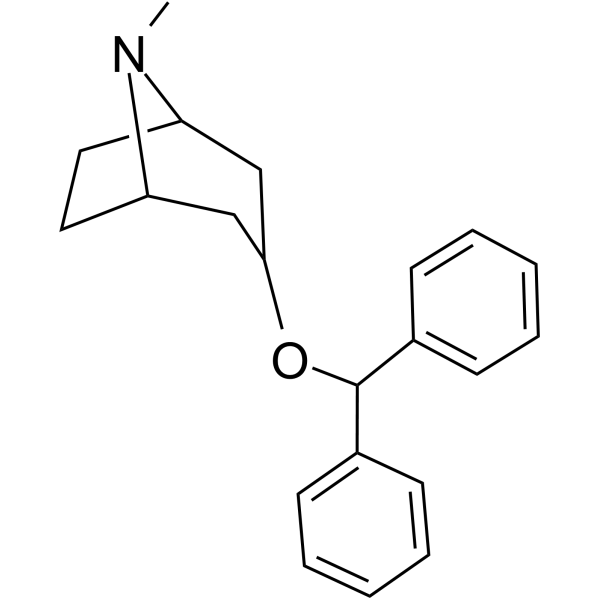 0 ImagesBenztropine (Benzatropine; Benzotropine) is an orally active and BBB-permeable centrally acting anticholinergic agent that can be used for Parkinson's disease research. Benztropine is an anti-histamine agent and a dopamine re-uptake inhibitor. Benztropine is also a human D2 dopamine receptor allosteric antagonist. Benztropine mesylate also has anti-CSCs (cancer stem cells) effects.
-
Tarafenacin D-tartrate
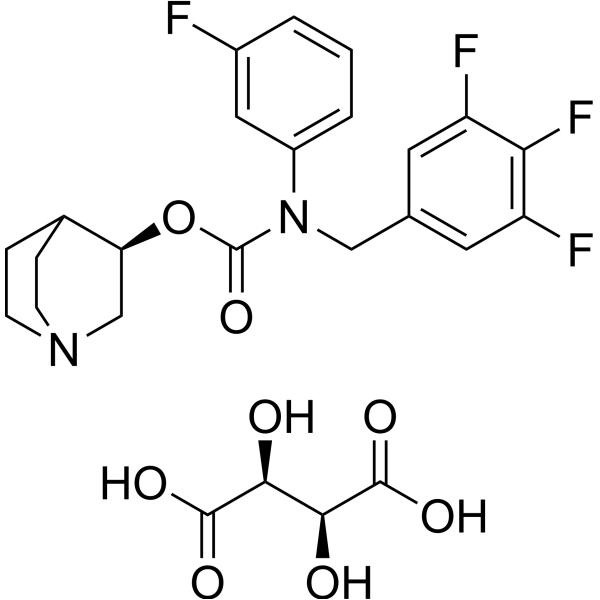 0 ImagesSynonyms: SVT-40776 D-tartrateTarafenacin (SVT-40776) D-tartrate is an orally active, selective M3 muscarinic receptor (M3 muscarinic receptor) antagonist with 203-fold selectivity over the M2 muscarinic receptor. Tarafenacin D-tartrate does not affect atrial contraction, arterial blood pressure or arterial pressure at high doses. Tarafenacin D-tartrate can be used in the research of overactive bladder.




