1. Search Result
Search Result
Pathways Recommended: TGF-beta/Smad
Results for "

A-beta Oligomers Inhibitors

" in MedChemExpress (MCE) Product Catalog:

33

Inhibitors & Agonists

3

Peptides

1

Inhibitory Antibodies

7

Natural
Products

2

Isotope-Labeled Compounds

Targets Recommended:
Cat. No. Product Name Target Research Areas Chemical Structure
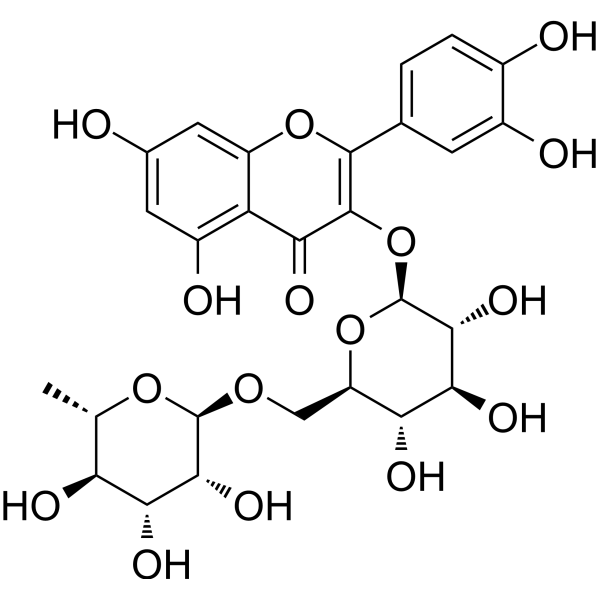
  • HY-N0148
    Rutin
    25+ Cited Publications

    Rutoside; Quercetin 3-O-rutinoside

    Amyloid-β Autophagy Apoptosis Endogenous Metabolite Inflammation/Immunology Cancer
    Rutin (Rutoside) is a flavonoid found in many plants and shows a wide range of biological activities including anti-inflammatory, antidiabetic, antioxidant, neuroprotective, nephroprotective, hepatoprotective and reducing Aβ oligomer activities. Rutin is also a CBR1 inhibitor, which can cross the blood brain barrier. Rutin attenuates vancomycin-induced renal tubular cell apoptosis via suppression of apoptosis, mitochondrial dysfunction, and oxidative stress .
    Rutin
  • HY-101855

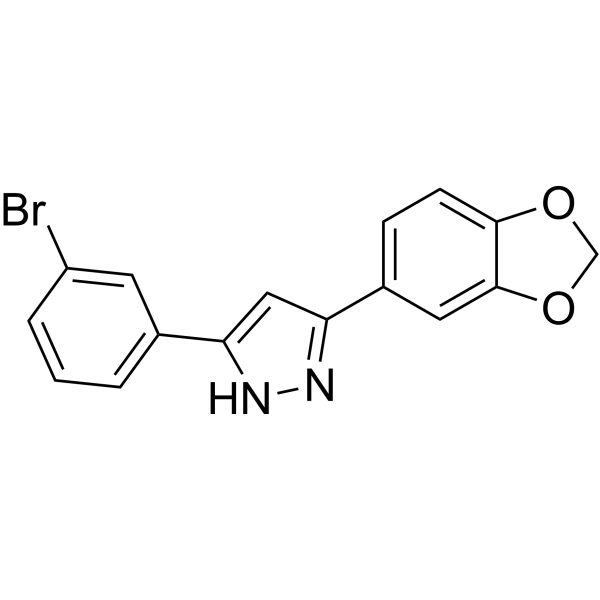
    Anle138b

    Amyloid-β Neurological Disease
    Emrusolmin (Anle138b), an oligomeric aggregation inhibitor, blocks the formation of pathological aggregates of prion protein (PrPSc) and of α-synuclein (α-syn). Emrusolmin strongly inhibits oligomer accumulation, neuronal degeneration, and disease progression in vivo. Emrusolmin has low toxicity and an excellent oral bioavailability and blood-brain-barrier penetration. Emrusolmin blocks Aβ channels and rescues disease phenotypes in a mouse model for amyloid pathology .
    Emrusolmin
  • HY-112108
    Chitosan oligosaccharide
    5 Publications Verification

    COS

    AMPK Endogenous Metabolite Metabolic Disease Cancer
    Chitosan oligosaccharide (COS) is an oligomer of β-(1→4)-linked D-glucosamine. Chitosan oligosaccharide (COS) activates AMPK and inhibits inflammatory signaling pathways including NF-κB and MAPK pathways.
    Chitosan oligosaccharide
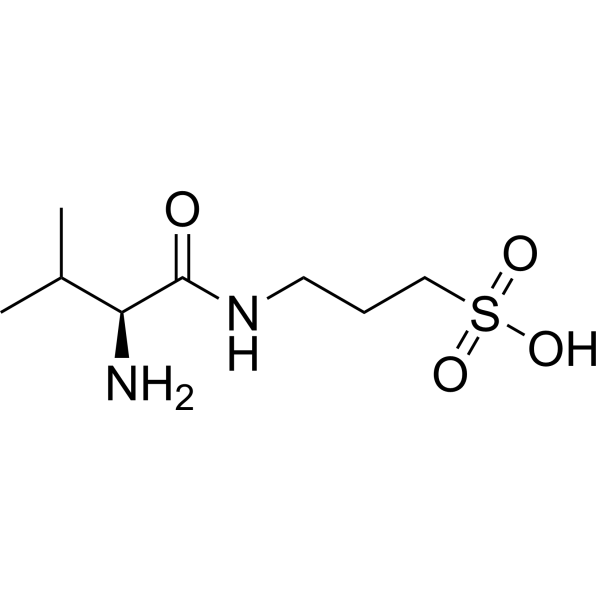
  • HY-117259
    Valiltramiprosate
    1 Publications Verification

    ALZ-801

    Amyloid-β Neurological Disease
    ALZ-801 is a potent and orally available small-molecule β-amyloid (Aβ) anti-oligomer and aggregation inhibitor, valine-conjugated proagent of Tramiprosate with substantially improved PK properties and gastrointestinal tolerability compared with the parent compound . ALZ-801 is an advanced and markedly improved candidate for the treatment of alzheimer’s disease .
    Valiltramiprosate
  • HY-N12060

    Bcl-2 Family Caspase Apoptosis Autophagy Reactive Oxygen Species (ROS) Akt JNK ERK Cardiovascular Disease Neurological Disease
    Ginkgo biloba extract is a natural product that can be isolated from Ginkgo biloba leaves . Ginkgo biloba extract alleviates oxidative stress-induced neuronal apoptosis (Apoptosis) by stabilizing mitochondrial function, regulating Bcl-2 family proteins and inhibiting caspase activation. Ginkgo biloba extract alleviates testicular injury by upregulating SKP2 and inhibiting Beclin1-independent autophagy (Autophagy) . Ginkgo biloba extract alleviates various types of neuronal damage in animal models. Ginkgo biloba extract reduces behavioral sensitization in rats. Ginkgo biloba extract counteracts Aβ-induced neurotoxicity by blocking a series of Aβ-triggered events, including glucose uptake, ROS accumulation, AKT activation, mitochondrial dysfunction, JNK and ERK 1/2 pathways, and apoptosis, and also interferes with the formation of Aβ oligomers. Ginkgo biloba extract is applicable to research related to cerebral hypoperfusion, testicular injury, Alzheimer's disease, Parkinson's disease, multi-infarct dementia, stroke, traumatic brain injury and amyotrophic lateral sclerosis .
    Ginkgo biloba extract
  • HY-W143216

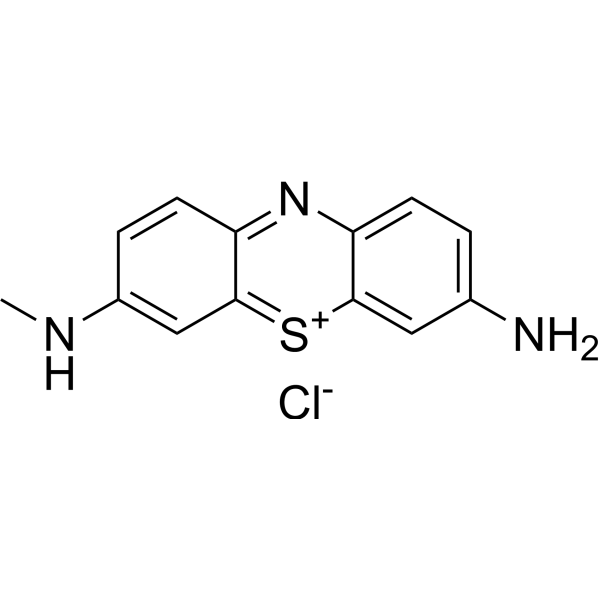
    Monomethylthionine

    Amyloid-β Tau Protein HSP Neurological Disease
    Azure C (Monomethylthionine) acts as a tau oligomer inhibitor and Aβ42 oligomerization inhibitor. Azure C regulates hsp70 ATPase activity, thereby mediating the clearance of tau protein. Azure C reduces the levels of toxic tau oligomers by promoting the formation of non-toxic tau aggregates, rescues neuroblastoma cells from tau oligomer-induced toxicity, and binds to and inhibits Aβ42 oligomerization. Azure C is generated via continuous oxidation of methylene blue or azure B through a horseradish peroxidase-mediated reaction. Azure C can be used in research related to tauopathies, including Alzheimer's disease .
    Azure C
  • HY-N0148R

    Rutoside (Standard); Quercetin 3-O-rutinoside (Standard)

    Reference Standards Amyloid-β Autophagy Apoptosis Endogenous Metabolite Inflammation/Immunology Cancer
    Rutin (Standard) is the analytical standard of Rutin. This product is intended for research and analytical applications. Rutin (Rutoside) is a flavonoid found in many plants and shows a wide range of biological activities including anti-inflammatory, antidiabetic, antioxidant, neuroprotective, nephroprotective, hepatoprotective and reducing Aβ oligomer activities. Rutin is also a CBR1 inhibitor, which can cross the blood brain barrier. Rutin attenuates vancomycin-induced renal tubular cell apoptosis via suppression of apoptosis, mitochondrial dysfunction, and oxidative stress .
    Rutin (Standard)
  • HY-W010041

    α-synuclein Amyloid-β Neurological Disease
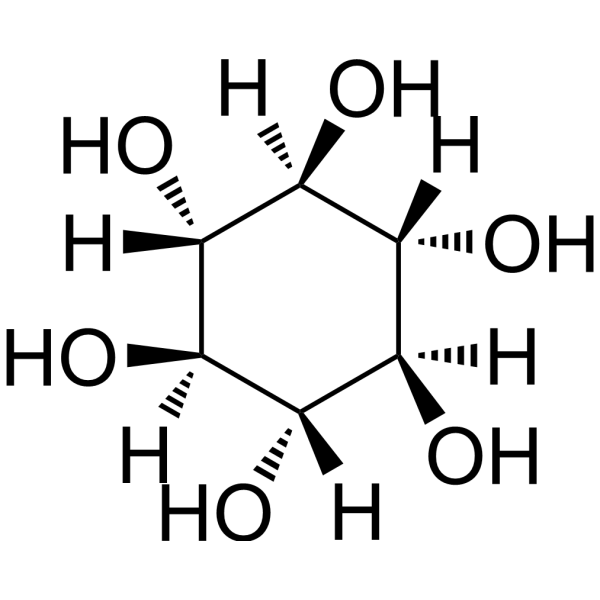
    Scyllo-Inositol is an inhibitor that targets the aggregation of misfolded proteins (such as α-synuclein and Amyloid-β), is orally effective, and can cross the blood-brain barrier. Scyllo-Inositol can selectively bind to and stabilize non-toxic oligomers, preventing them from converting into toxic fibers, exerting protein homeostasis regulation and neuroprotective activity. Scyllo-Inositol binds to the hydrophobic region of pathogenic proteins, inhibits protein aggregation, and promotes lysosome- and proteasome-mediated degradation pathways, thereby reducing neurotoxicity. Scyllo-Inositol can be used in the study of neurodegenerative diseases such as Parkinson's disease, Alzheimer's disease, and Huntington's disease .
    Scyllo-Inositol
  • HY-113788

    Pyk2 p38 MAPK Amyloid-β Neurological Disease Inflammation/Immunology
    PF-719 is a highly selective Pyk2 inhibitor with an IC50 value of 17 nM. PF-719 promotes the activation of LKB1 and p38 MAPK. PF-719 blocks synaptic deficits induced by Amyloid-beta oligomers and reverses the inhibition of long-term potentiation induced by β-amyloid oligomers. PF-719 can be used in research related to Alzheimer's disease and autoimmune diseases .
    PF-719
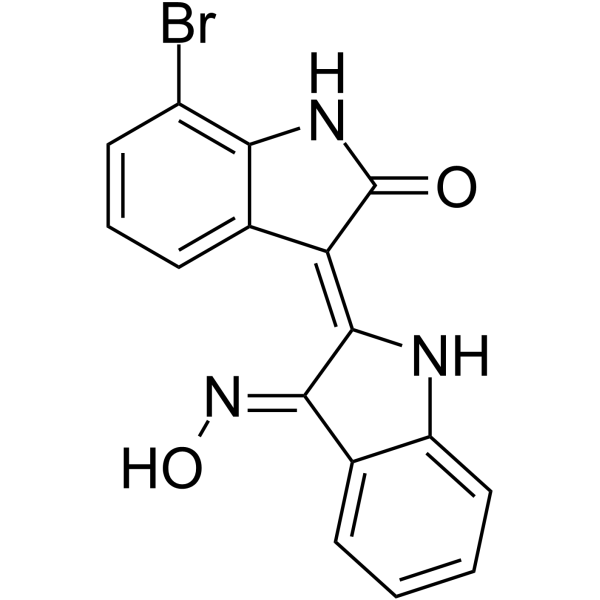
  • HY-121035

    7-Bromoindirubin-3-Oxime

    CDK GSK-3 Neurological Disease
    7BIO (7-Bromoindirubin-3-Oxime) is the derivate of indirubin. 7BIO (7-Bromoindirubin-3-Oxime) has inhibitory effects against cyclin-dependent kinase-5 (CDK5) and glycogen synthase kinase-3β (GSK3β). 7BIO (7-Bromoindirubin-3-Oxime) inhibits Aβ oligomer-induced neuroinflammation, synaptic impairments, tau hyper-phosphorylation, activation of astrocytes and microglia, and attenuates Aβ oligomer-induced cognitive impairments in mice [1].
    7BIO
  • HY-139324
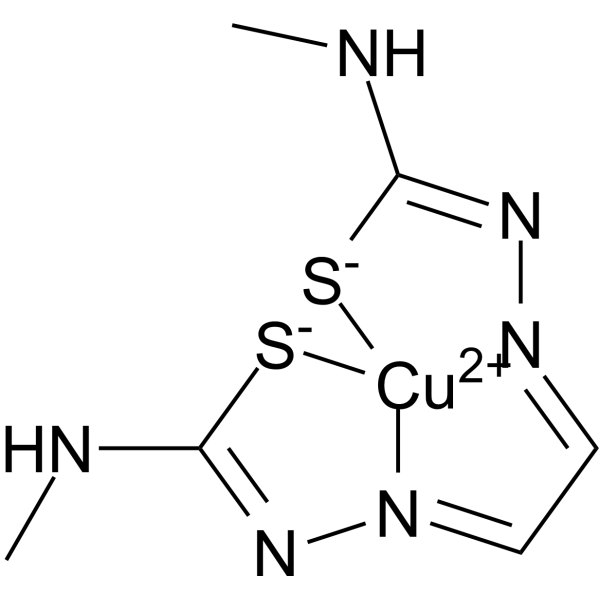
    Cu(II)GTSM
    1 Publications Verification

    GSK-3 Amyloid-β Neurological Disease Cancer
    Cu(II)GTSM, a cell-permeable Cu-complex, significantly inhibits GSK3β. Cu(II)GTSM inhibits Amyloid-β oligomers (AβOs) and decreases tau phosphorylation. Cu(II)GTSM also decreases the abundance of Amyloid-β trimers. Cu(II)GTSM is a potential anticancer and antimicrobial agent .
    Cu(II)GTSM
  • HY-14759

    PAZ-417

    PAI-1 Amyloid-β Neurological Disease
    Aleplastinin (PAZ-417) is an orally active, blood-brain barrier permeable, selective SERPINE1 (PAI-1) inhibitor (IC50=655 nM). Aleplastinin activates the tissue type plasminogen activator (tPA)/fibrinolysis cascade by inhibiting PAI-1, thereby promoting the degradation of amyloid-β (Aβ) oligomers and monomers. Aleplastinin can significantly reduce plasma and brain Aβ levels, improve memory impairment, and reverse cognitive impairment. Aleplastinin can be used for research on Alzheimer's disease .
    Aleplasinin
  • HY-148913

    CaMK Neurological Disease
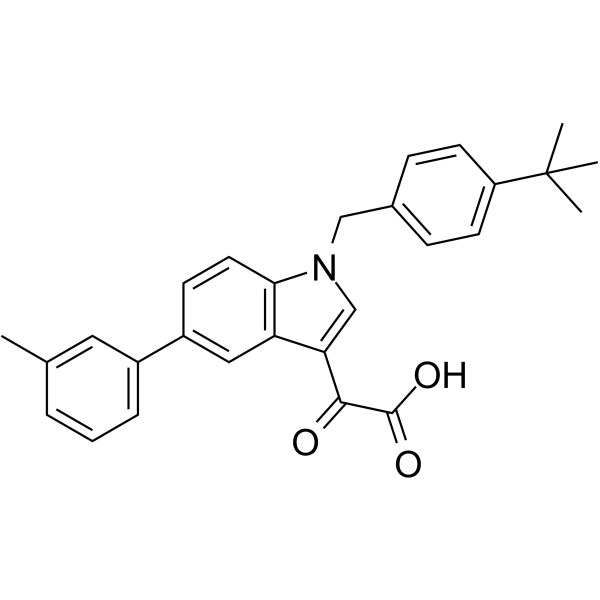
    CS587 is a specific inhibitor of CaMK1D with neurocytotoxicity at 10 μM. CS587 modulates the sensitivity of neuronal cells to Aβ oligomer toxicity .
    CS587
  • HY-173371

    Phospholipase Neurological Disease
    BRI-50460 is an inhibitor of cytosolic calcium-dependent phospholipase A2 (cPLA2) that has the ability to penetrate the blood-brain barrier, with an IC50 of 0.88 nM. BRI-50460 exerts the activities of regulating neuroinflammation and restoring lipid homeostasis by inhibiting cPLA2, regulating the downstream inflammatory lipid signaling pathway, and alleviating the effects of amyloid β42 oligomers on the activation of cPLA2, the hyperphosphorylation of tau protein, and the reduction of synapses and dendrites. BRI-50460 can be applied to the research in the fields of Alzheimer's disease and other neurodegenerative diseases .
    BRI-50460
  • HY-136500

    PGH2

    Endogenous Metabolite Amyloid-β Neurological Disease Inflammation/Immunology
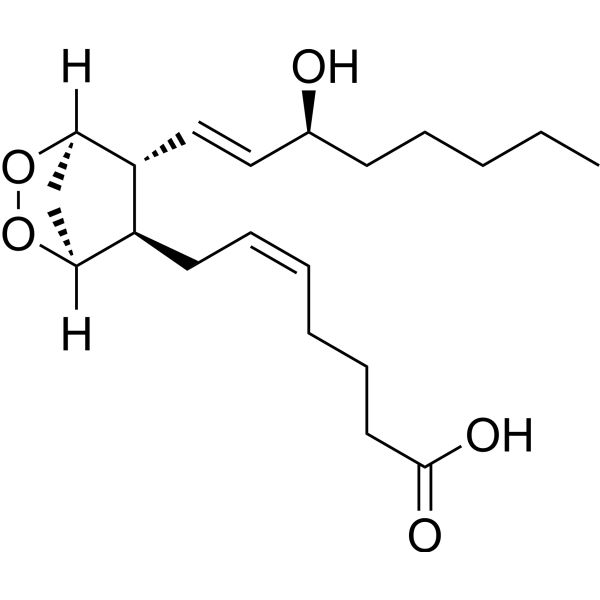
    Prostaglandin H2 (PGH2) is an endothelium-derived contracting factor. Prostaglandin H2 can cause vasoconstriction. Prostaglandin H2 is the common precursor of all PGs and is produced by several cells that express cyclooxygen-ases. Prostaglandin H2 can activate PGD2 receptors CRTH2 and DP via interacting directly with the receptors and/or by giving rise to PGD2 after catalytic conversion by plasma proteins. Prostaglandin H2 can induce eosinophils migration and inhibit platelet aggregation. Prostaglandin H2 can accelerate the formation of dimers and higher oligomers of amyloid β1-42. Prostaglandin H2 can be used for the researches of inflammation and neurological disease, such as Alzheimer disease .
    Prostaglandin H2
  • HY-B1588
    Carbenoxolone
    5+ Cited Publications

    Amyloid-β Gap Junction Protein Neurological Disease Metabolic Disease
    Carbenoxolone is a blood-brain barrier-permeable Pannexin1 inhibitor, gap junction (Gap junction) blocker, and β-amyloid 42 inhibitor. Carbenoxolone modulates voltage-gated currents of wild-type and mutant Panx1, and inhibits stimulus-activated Panx1 channel function. Carbenoxolone interacts with stable residues of β-amyloid 42 peptides, fibrils and oligomers, thereby inhibiting their aggregation. Carbenoxolone alleviates liver fibrosis. Carbenoxolone exerts neuroprotective and nootropic effects. Carbenoxolone can be used in studies related to Alzheimer's disease and liver fibrosis .
    Carbenoxolone
  • HY-P10578

    Amyloid-β Neurological Disease
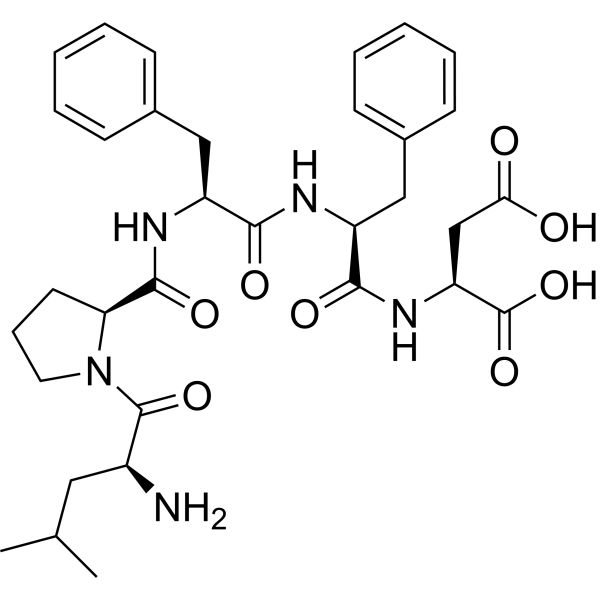
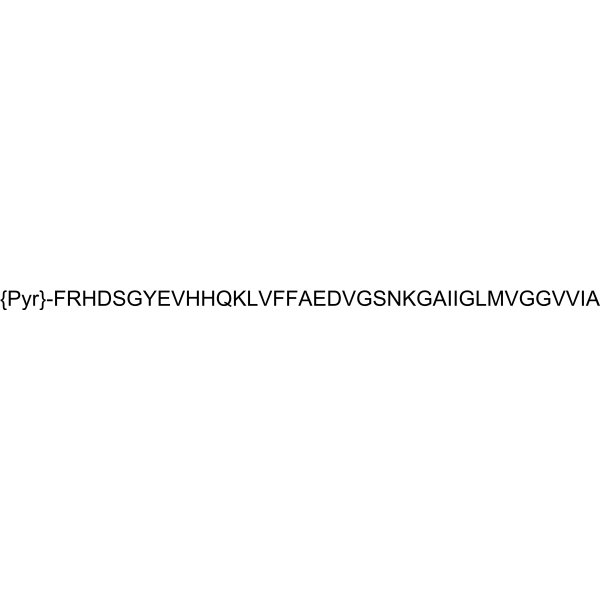
    SEN 304 is an Aβ aggregation inhibitor. SEN 304 can bind directly to Aβ(1-42), delay β-sheet formation and promote aggregation of toxic oligomers into a nontoxic form. SEN 304 can be used for research of Alzheimer’s disease .
    SEN 304
  • HY-P4295

    PADK

    Cathepsin γ-secretase Neurological Disease
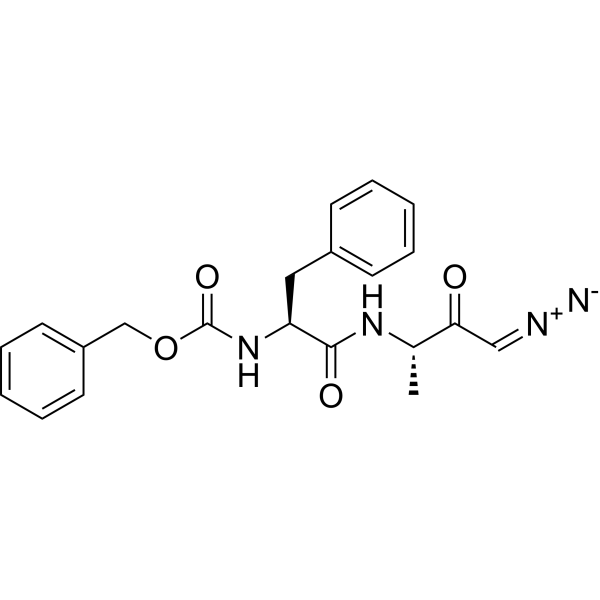
    Z-Phe-Ala-diazomethylketone binds directly to Aβ42 monomers and small oligomers. Z-Phe-Ala-diazomethylketone inhibits the formation of Aβ42 dodecamers and inhibits Aβ42 fibril formation in the solution. Z-Phe-Ala-diazomethylketone has the potential for neurodegenerative disorders research .
    Z-Phe-Ala-diazomethylketone
  • HY-174305

    Amyloid-β Neurological Disease
    Aβ42-IN-7 (Compound CT-01) is a brain-penetrant and selective amyloid-β42 (Aβ42) inhibitor. Aβ42-IN-7 inhibits Aβ42’s assembly into neurotoxic soluble oligomers and extracellular fibrillary aggregates. Aβ42-IN-7 exerts neuroprotective effects by reducing amyloid-mediated neuronal toxicity. Aβ42-IN-7 can be used in research on Alzheimer’s disease (AD) .
    Aβ42-IN-7
  • HY-N6640

    20-Hydroxyeedysone 2-acetate

    Amyloid-β Neurological Disease
    2-O-Acetyl-20-hydroxyecdysone, an ecdysterones in insects and terrestrial plants, inhibits amyloid-β42 (Aβ42)-induced cytotoxicity. 2-O-Acetyl-20-hydroxyecdysone could decrease Aβ oligomer formation through promotion of fibrogenesis, transforming Aβ oligomers to the low-toxicity fibrils .
    2-O-Acetyl-20-hydroxyecdysone
  • HY-P10876

    Amyloid-β Neurological Disease
    mcK6A1 is an inhibitor for the aggregation of amyloid-β (Aβ), that selectively binds to the 16KLVFFA21 segment of Aβ42, forms an extended β-folded structure, and inhibits the formation of Aβ42 oligomers. mcK6A1 can be used in research of Alzheimer's disease and other amyloid-related diseases .
    mcK6A1
  • HY-14535

    Amyloid-β Neurological Disease
    SEN-1269 is a potent Aβ aggregation inhibitor. SEN-1269 blocks Aβ(1-42) aggregation and protects neuronal cell lines exposed to Aβ(1-42). SEN-1269 reduces the deficits in LTP and memory induced by Aβ oligomers. SEN-1269 can be used for the research of Alzheimer's disease .
    SEN-1269
  • HY-P991654

    Amyloid-β Neurological Disease
    SAR228810 is a humanized IgG4 monoclonal antibody inhibitor targeting amyloid β (Aβ) with a KD? of ?0.43 ?nM for protofibrillar Aβ over monomeric Aβ. SAR228810 significantly inhibits the brain amyloid plaque formation and oligomer-induced synaptic dysfunction and neurite loss. SAR228810 has significant protection against Aβ-mediated neuritotoxicity. MINT1526A can be used for Alzheimer’s disease imaging and immunotherapy research .
    SAR228810
  • HY-168052

    Amyloid-β Cholinesterase (ChE) Neurological Disease
    hAChE-IN-9 (compound 7i) is a selective inhibitor of human acetylcholinesterase (hAChE) with IC50 of 0.05 μM and 2.85 μM for AChE and BChE, respectively. hAChE-IN-9 modulates toxic Aβ oligomer forms into non-toxic ones and has antioxidant and neuroprotective effects against Aβ-induced toxicity. hAChE-IN-9 can be used for the study of Alzheimer's disease .
    hAChE-IN-9
  • HY-117259S

    ALZ-801-d6

    Isotope-Labeled Compounds Amyloid-β Neurological Disease
    Valiltramiprosate-d6 (ALZ-801-d6) is deuterium labeled Valiltramiprosate. ALZ-801 is a potent and orally available small-molecule β-amyloid (Aβ) anti-oligomer and aggregation inhibitor, valine-conjugated proagent of Tramiprosate with substantially improved PK properties and gastrointestinal tolerability compared with the parent compound . ALZ-801 is an advanced and markedly improved candidate for the treatment of alzheimer’s disease .
    Valiltramiprosate-d6
  • HY-173049

    α-synuclein Neurological Disease
    2N4R Tau/α-Syn against-1 (Compound 4d) targets α-synuclein and tau protein, inhibits the fibrillation and oligomer formation of α-synuclein and tau proteins, exhibits disaggregation activity on Aβ fibers. 2N4R Tau/α-Syn against-1 can be used in research of Parkinson's disease and Alzheimer's disease .
    2N4R Tau/α-Syn against-1
  • HY-W010041R

    Reference Standards α-synuclein Amyloid-β Neurological Disease
    Scyllo-Inositol is an inhibitor that targets the aggregation of misfolded proteins (such as α-synuclein and Amyloid-β), is orally effective, and can cross the blood-brain barrier. Scyllo-Inositol can selectively bind to and stabilize non-toxic oligomers, preventing them from converting into toxic fibers, exerting protein homeostasis regulation and neuroprotective activity. Scyllo-Inositol binds to the hydrophobic region of pathogenic proteins, inhibits protein aggregation, and promotes lysosome- and proteasome-mediated degradation pathways, thereby reducing neurotoxicity. Scyllo-Inositol can be used in the study of neurodegenerative diseases such as Parkinson's disease, Alzheimer's disease, and Huntington's disease .
    Scyllo-Inositol (Standard)
  • HY-W707693

    Isotope-Labeled Compounds Amyloid-β α-synuclein Neurological Disease
    Scyllo-Inositol-d6 is the deuterium labeled Scyllo-Inositol (HY-W010041). Scyllo-Inositol is an inhibitor that targets the aggregation of misfolded proteins (such as α-synuclein and Amyloid-β), is orally effective, and can cross the blood-brain barrier. Scyllo-Inositol can selectively bind to and stabilize non-toxic oligomers, preventing them from converting into toxic fibers, exerting protein homeostasis regulation and neuroprotective activity. Scyllo-Inositol binds to the hydrophobic region of pathogenic proteins, inhibits protein aggregation, and promotes lysosome- and proteasome-mediated degradation pathways, thereby reducing neurotoxicity. Scyllo-Inositol can be used in the study of neurodegenerative diseases such as Parkinson's disease, Alzheimer's disease, and Huntington's disease .
    Scyllo-Inositol-d6
  • HY-121042

    Amyloid-β Others
    BSBM6 is a compound with the activity of inhibiting Aβ aggregation and regulating Aβ aggregation. BSBM6 can be demonstrated to inhibit Aβ aggregation through molecular dynamics simulation and related experiments, reducing soluble oligomers, and providing structural guidance for the design of new aggregation regulating ligands.
    BSBM6
  • HY-119492

    Calcium Channel Cholinesterase (ChE) Amyloid-β Tau Protein Neurological Disease
    Phenchlobenpyrrone is a highly selective neuronal calcium antagonist that crosses the blood-brain barrier. Phenchlobenpyrrone mildly inhibits AChE activity. Phenchlobenpyrrone inhibits Aβ aggregation and promotes the clearance of Aβ oligomers. Phenchlobenpyrrone reduces abnormal phosphorylation of Tau protein. Phenchlobenpyrrone may be used in research on Alzheimer's disease .
    Phenchlobenpyrrone
  • HY-114613

    Amyloid-β α-synuclein CGRP Receptor Amylin Receptor Neurological Disease Inflammation/Immunology
    D-Trp-Aib is a dipeptide and amyloid-β inhibitor with a Kd of 29.6 nM. D-Trp-Aib triggers formation of non-toxic, non-β-sheet, amorphous amyloid β clusters from misfolded amyloid β monomers and toxic amyloid β oligomers, and reduces toxic amyloid β1-42 deposits. D-Trp-Aib inhibits amyloid fibril formation of α‑synuclein, IAPP and calcitonin. D-Trp-Aib can be used for the research of Alzheimer's disease .
    D-Trp-Aib
  • HY-183660

    Autophagy Amyloid-β Tau Protein Neurological Disease
    F-SLOH is a brain-penerant and orally active TFEB activator and amyloid-β inhibitor with an IC50 of 3.4 μM against amyloid-β. F-SLOH promotes nuclear translocation of TFEB, driving autophagy and lysosomal biogenesis. F-SLOH reduces amyloid-β oligomers and Tau aggregates via autophagy lysosomal degradation pathway. F-SLOH can be used for the research of Alzheimer’s disease .
    F-SLOH
  • HY-101855R

    Anle138b (Standard)

    Reference Standards Amyloid-β Neurological Disease
    Emrusolmin (Standard) (Anle138b (Standard)) is the analytical standard of Emrusolmin (HY-101855). This product is intended for research and analytical applications. Emrusolmin (Anle138b), an oligomeric aggregation inhibitor, blocks the formation of pathological aggregates of prion protein (PrPSc) and of α-synuclein (α-syn). Emrusolmin strongly inhibits oligomer accumulation, neuronal degeneration, and disease progression in vivo. Emrusolmin has low toxicity and an excellent oral bioavailability and blood-brain-barrier penetration. Emrusolmin blocks Aβ channels and rescues disease phenotypes in a mouse model for amyloid pathology .
    Emrusolmin (Standard)

Inquiry Online

Your information is safe with us. * Required Fields.

Salutation


Country or Region *

Applicant Name *


Organization Name *

Department *


Email Address *


Product Name *

Cat. No.


Requested quantity *

Phone Number *


Remarks

Inquiry Online

Inquiry Information

Product Name:
Cat. No.:
Quantity:
MCE Japan Authorized Agent:

