Search Result
Results for "
AES
" in MedChemExpress (MCE) Product Catalog:
1
Isotope-Labeled Compounds
| Cat. No. |
Product Name |
Target |
Research Areas |
Chemical Structure |
-
- HY-50901
-
ONO-AE3-208
Maximum Cited Publications
12 Publications Verification
AE 3-208
|
Prostaglandin Receptor
|
Endocrinology
Cancer
|
|
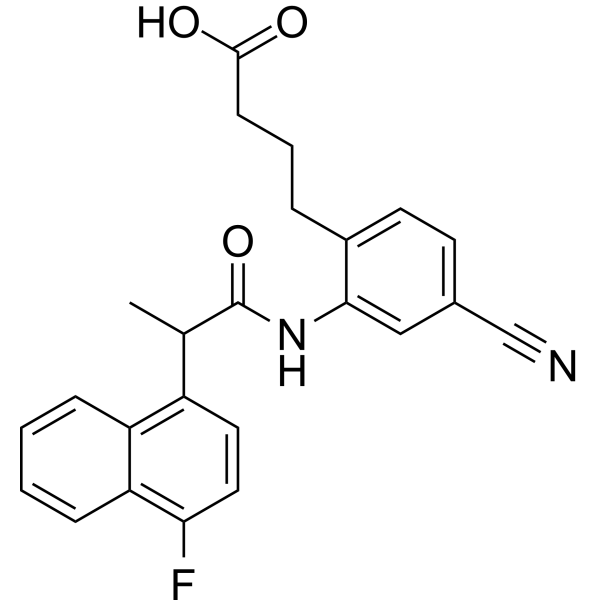
ONO-AE3-208 is a selective and orally active EP4 receptor antagonist with a Ki of 1.3 nM. ONO-AE3-208 shows less potently affects EP3, FP, and TP receptors (Ki of 30 nM, 790 nM, and 2400 nM, respectively). ONO-AE3-208 suppresses cell invasion, migration, and metastasis of prostate cancer .
|
-
-
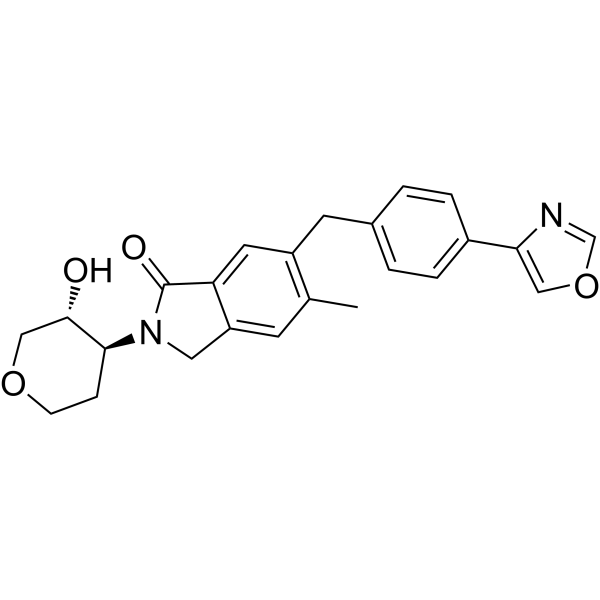
- HY-114974
-
-
-
- HY-19406
-
-
-
- HY-151527
-
|
|
Akt
PI3K
Epigenetic Reader Domain
|
Neurological Disease
|
|
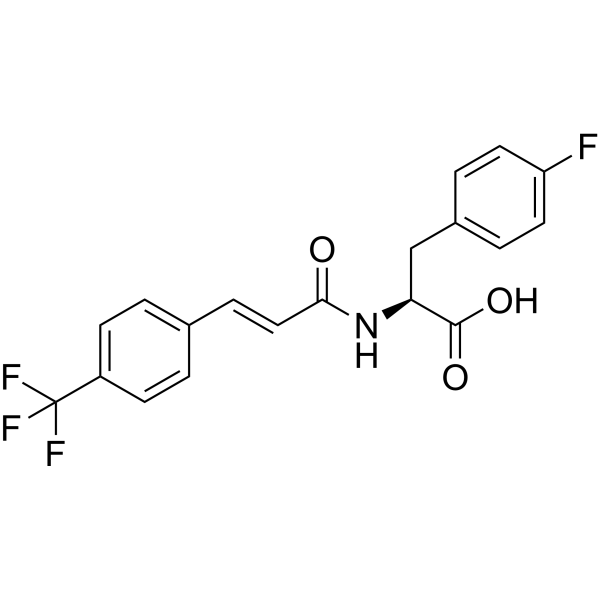
PI3K/Akt/CREB activator 1 (compound AE-18) is a potent, orally active PI3K/Akt/CREB activator. PI3K/Akt/CREB activator 1 promotes neuronal proliferation, induced differentiation of Neuro-2a cells into a neuron-like morphology, and accelerated the establishment of axon-dendrite polarization of primary hippocampal neurons through upregulating brain-derived neurotrophic factor via the PI3K/Akt/CREB pathway. PI3K/Akt/CREB activator 1 can be used in research of vascular dementia (VaD) .
|
-
-
- HY-114483
-
AES-135
1 Publications Verification
|
HDAC
|
Cancer
|
|
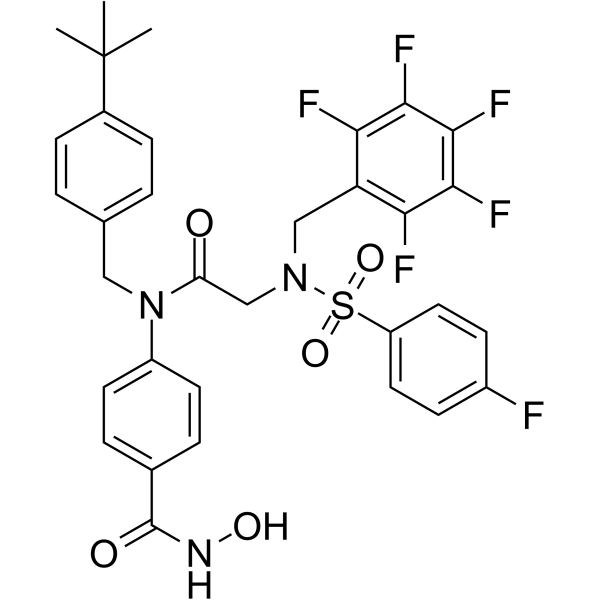
AES-135, a hydroxamic acid-based pan-HDAC inhibitor, prolongs survival in an orthotopic mouse model of pancreatic cancer. AES-135 inhibits HDAC3, HDAC6, HDAC8, and HDAC11 with IC50s ranging from 190-1100 nM .
|
-
-
- HY-P99359
-
|
ABT-555; AE12-1Y-QL; Anti-RGMA Reference Antibody (elezanumab)
|
TGF-beta/Smad
|
Metabolic Disease
|
|
Elezanumab (ABT-555; AE12-1Y-QL) is a human monoclonal antibody that selectively targets repulsive guidance molecule A (RGMa). Elezanumab potently inhibited RGMa mediated BMP signalling via the SMAD1/5/8 pathway, with an IC50 around 97 pM. Elezanumab promotes neuroregeneration and neuroprotection in neuronal injury and demyelination models binds N-terminal RGMa, blocks BMP signaling and lacks RGMc cross-reactivity. elezanumab has neuroregenerative and neuroprotective activities without impact on iron metabolism .
|
-

-
- HY-P5018
-
|
|
Radionuclide-Drug Conjugates (RDCs)
Ser/Thr Protease
|
Cancer
|
|
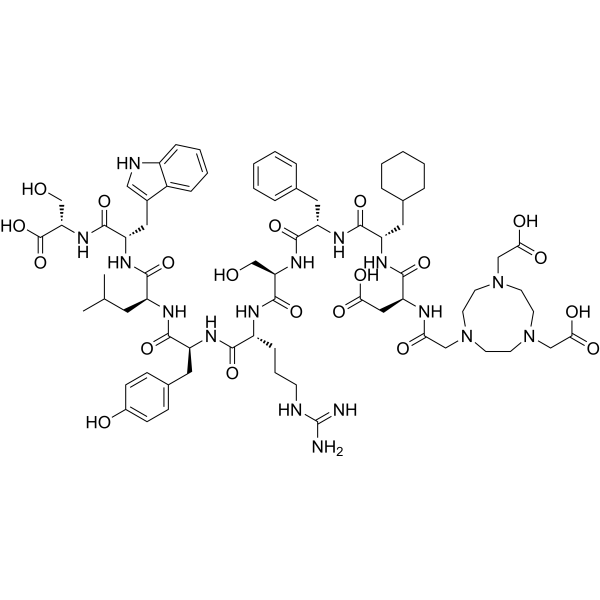
NOTA-AE105 is a PET ligand for the urokinase-type plasminogen activator receptor (uPAR). NOTA-AE105 can be radiolabeled with 64Cu and 68Ga. Images of 68Ga-NOTA-AE105 and 64Cu-NOTA-AE105 demonstrate high contrast and clear tumor delineation. NOTA-AE105 can be used in the synthesis of radionuclide-conjugated compounds (RDCs) .
|
-
-
- HY-P11446
-
|
|
Transmembrane Glycoprotein
|
Cancer
|
|
AE105 is a 9-mer peptide probe targeting the urokinase-type plasminogen activator receptor (uPAR). AE105 binds tightly to the uPA-binding cavity of uPAR. AE105 can be used for the study of cancer .
|
-

-
- HY-W131444
-
|
|
Insecticide
|
Others
|
|
Insecticidal agent 15 (compound 8f) is a potent insecticidal agent that shows LD50 of 4.27 nmol/mg for adult female Ae. Aegypti .
|
-

-
- HY-118607
-
|
|
Potassium Channel
Parasite
|
Infection
|
|
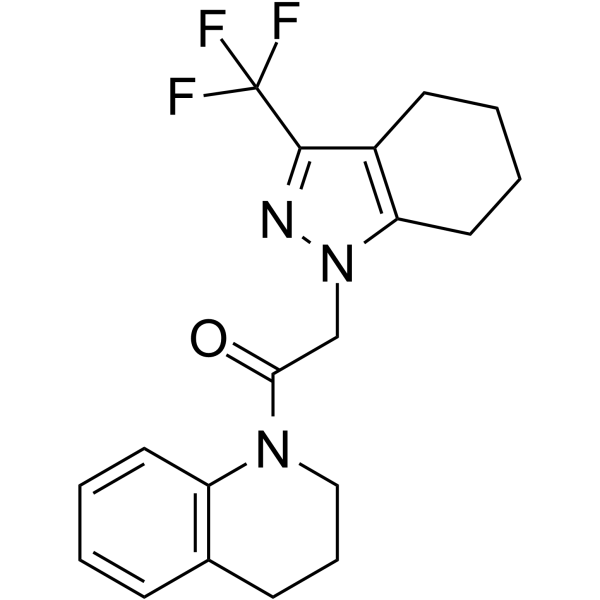
VU041 is a first submicromolar-affinity inhibitor of Anopheles (An.) gambiae and Aedes (Ae.) aegypti inward rectifier potassium 1 (Kir1) channels with IC50 values of 2.5 μM and 1.7 μM, respectively. VU041 inhibits appreciably is mammalian Kir2.1 (IC50 of 12.7 μM), and has less inhibitory effect on mammalian Kir1.1, Kir4.1, Kir6.2/SUR1, and Kir7.1. VU041 also induces impaired Malpighian tubule function .
|
-
-
- HY-133910
-
|
|
Sodium Channel
|
Neurological Disease
|
|
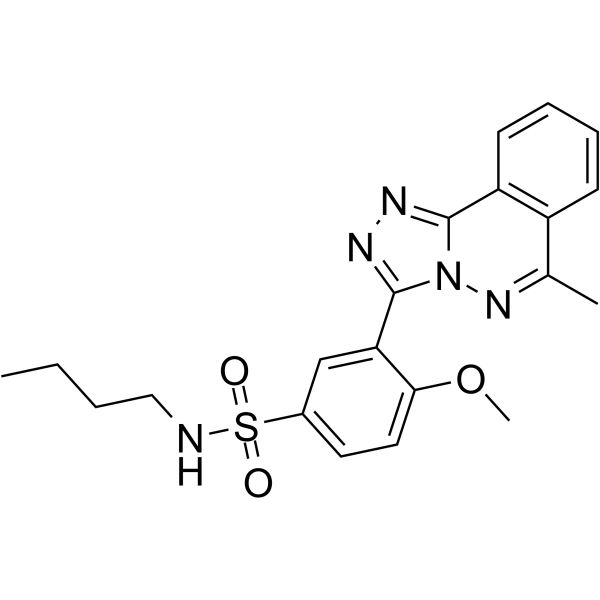
Lu AE98134, an activator of voltage-gated sodium channels, acts as a partly selective Nav1.1 channels positive modulator. Lu AE98134 also increases the activity of Nav1.2 and Nav1.5 channels but not of Nav1.4, Nav1.6 and Nav1.7 channels. Lu AE98134 can be used to analyze pathophysiological functions of the Nav1.1 channel in various central nervous system diseases, including cognitive restoring in schizophrenia, et al .
|
-
-
- HY-14338A
-
|
Lu AE58054 hydrochloride
|
5-HT Receptor
|
Neurological Disease
|
|
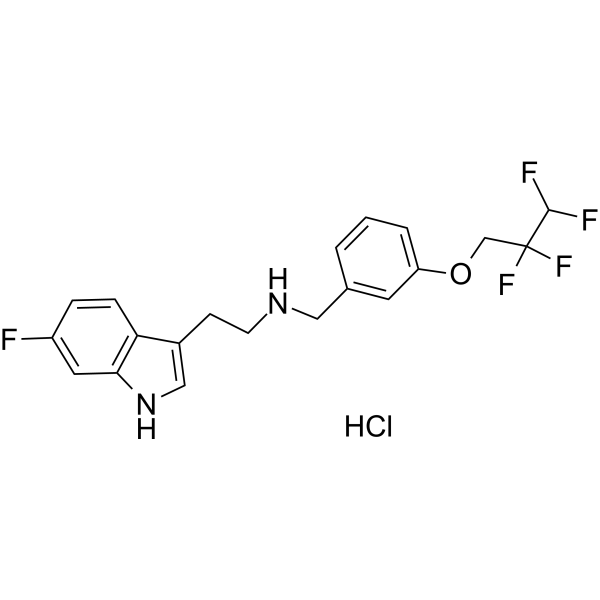
Idalopirdine hydrochloride (Lu AE58054 hydrochloride) is a potent, selective 5-HT6 receptor antagonist with a Ki value of 0.83 nM. Idalopirdine hydrochloride may be used in studies of Alzheimer's disease and schizophrenia, among other related disorders .
|
-
-
- HY-12184
-
|
|
Prostaglandin Receptor
Endogenous Metabolite
|
Cardiovascular Disease
|
|
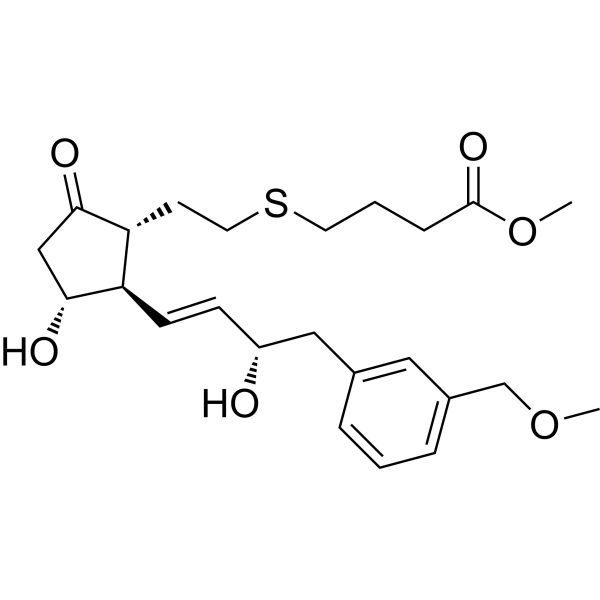
ONO-AE 248 is a selective EP3 receptor agonist with cardioprotective activity. ONO-AE 248 reduces myocardial infarction size by selectively binding to the EP3α receptor in mice. The cardioprotective effect of ONO-AE 248 is independent of hemodynamic effects. The mechanism of ONO-AE 248 may involve activation of protein kinase C and opening of K(ATP) channels .
|
-

-
- HY-118363
-
|
|
mAChR
|
Neurological Disease
|
|
Lu AE51090 is selective muscarinic M1 receptor agonist with blood-brain barrier penetration. Lu AE51090 activates human M1 receptor with EC50 of 61 nM, while showing no significant agonism at M2-M5 receptors. Lu AE51090 exerts procognitive effects in mice. Lu AE51090 can be used for the study of Alzheimer’s disease (AD) and cognitive impairment associated with schizophrenia (CIAS) .
|
-

-
- HY-178500
-
|
|
Deubiquitinase
Apoptosis
STAT
JAK
Akt
PI3K
|
Cancer
|
|
WCY-8-67 is an orally active and selective USP5 inhibitor, with an IC50 value of 1.33 μM. WCY-8-67 induces apoptosis and suppresses JAK/STAT3 and PI3K/AKT signaling pathways in vitro. WCY-8-67 inhibits proliferation of AE-positive AML cells, induces G1 phase arrest and differentiation of AML cells. WCY-8-67 demonstrates potent anti-leukemic efficacy in mice. WCY-8-67 can be used for the study of acute myeloid leukemia .
|
-

-
- HY-131929
-
|
|
NO Synthase
|
Inflammation/Immunology
|
|
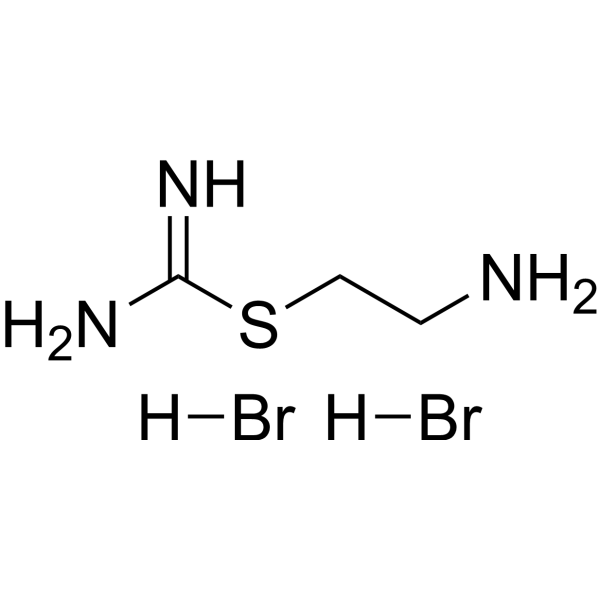
AE-ITU dihydrobromide is the dihydrobromide form of AE-ITU. AE-ITU dihydrobromide is a selective inhibitor for inducible NO synthase (iNOS), and attenuates the liver dysfunction caused by endotoxaemia in rats .
|
-
-
- HY-138831
-
|
|
HDAC
Apoptosis
|
Cancer
|
|
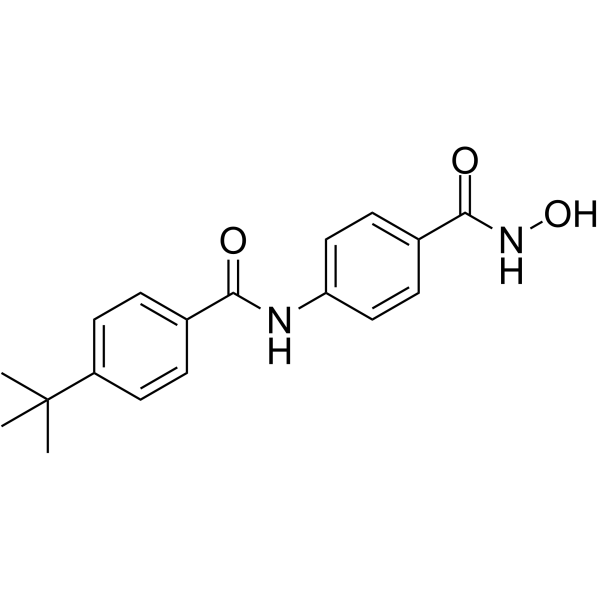
AES-350 is a potent and orally active HDAC6 inhibitor with an IC50 and a Ki of 0.0244 μM and 0.035 μM, respectively. AES-350 is also against HDAC3, HDAC8 in an enzymatic activity assay with IC50 values of 0.187 μM and 0.245 μM, respectively. AES-350 triggers apoptosis in AML cells through HDAC inhibition and can be used for acute myeloid leukemia (AML) research .
|
-
-
- HY-14338
-
|
Lu AE58054
|
5-HT Receptor
|
Neurological Disease
|
|
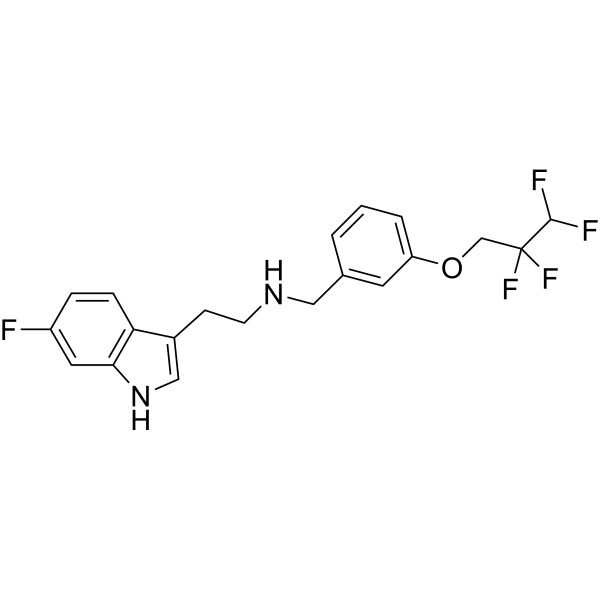
Idalopirdine (Lu AE58054 ) is a potent, selective 5-HT6 receptor antagonist with a Ki value of 0.83 nM. Idalopirdine may be used in studies of Alzheimer's disease and schizophrenia, among other related disorders .
|
-
-
- HY-120004
-
|
|
mAChR
|
Infection
|
|
PF-06827443 is a potent, low-clearance, orally bioavailable, and CNS-penetrant M1-selective positive allosteric modulator (PAM) with minimal agonist activity. PF-06827443 induce cholinergic AEs and convulsion .
|
-
-
- HY-131829
-
|
6-AE-NAD+
|
Biochemical Assay Reagents
|
Others
|
|
N6-(2-Aminoethyl)-NAD+ (6-AE-NAD+) is a NAD+ derivative commonly used in affinity chromatography. N6-(2-Aminoethyl)-NAD+ can be covalently linked to a PQQ (pyrroloquinoline quinone) (HY-100196) monolayer on an electrode surface for immobilizing NAD+-dependent enzymes such as lactate dehydrogenase (LDH) .
|
-

-
- HY-178500A
-
|
|
Deubiquitinase
Apoptosis
STAT
JAK
Akt
PI3K
|
Cancer
|
|
WCY-8-67 TFA is an orally active and selective USP5 inhibitor, with an IC50 value of 1.33 μM. WCY-8-67 TFA induces apoptosis and suppresses JAK/STAT3 and PI3K/AKT signaling pathways. WCY-8-67 TFA inhibits proliferation of AE-positive AML cells, induces G1 phase arrest and differentiation of AML cells. WCY-8-67 TFA demonstrates potent anti-leukemic efficacy in mice. WCY-8-67 TFA can be used for the study of acute myeloid leukemia .
|
-

-
- HY-P11446A
-
|
|
Transmembrane Glycoprotein
|
Cancer
|
|
AE105 TFA is a 9-mer peptide probe targeting the urokinase-type plasminogen activator receptor (uPAR). AE105 TFA binds tightly to the uPA-binding cavity of uPAR. AE105 TFA can be used for the study of cancer .
|
-

-
- HY-121727
-
|
AE 1887196; BCS-BX60309
|
Acetolactate Synthase (ALS)
|
Others
|
|
Triafamone (AE 1887196) is a paddy field pre-emergence and post-emergence sulfonamide herbicide. Triafamone weeds by
inhibiting the acetolactate synthase (ALS) enzyme, thereby blocking the biosynthesis of branched-chain amino acids .
|
-

-
- HY-W042301R
-
|
|
NKCC
Reference Standards
|
Cardiovascular Disease
|
|
Xipamide (Standard) is the analytical standard of Xipamide. This product is intended for research and analytical applications. Xipamide is a sulfonamide-based diuretic. Xipamide is an antihypertensive agent able to selectively inhibit the anion exchanger (AE) .
|
-

-
- HY-164428
-
|
|
PKC
|
Cancer
|
|
AE 51310 is an OPN4 inhibitor. AE 51310 inhibits the activation of PKC and the downstream BRAF/MEK/ERKs signaling pathway. AE 51310 can be used for cancer research, such as NSCLC .
|
-

-
- HY-50901A
-
|
AE 3-208 sodium salt
|
Prostaglandin Receptor
|
Endocrinology
Cancer
|
|
ONO-AE3-208 (sodium salt) is a selective and orally active EP4 receptor antagonist with a Ki of 1.3 nM. ONO-AE3-208 (sodium salt) shows less potently affects EP3, FP, and TP receptors (Ki of 30 nM, 790 nM, and 2400 nM, respectively). ONO-AE3-208 (sodium salt) suppresses cell invasion, migration, and metastasis of prostate cancer .
|
-

-
- HY-RS14567
-
|
|
Small Interfering RNA (siRNA)
|
Others
|
|
TLE5 Human Pre-designed siRNA Set A contains three designed siRNAs for TLE5 gene (Human), as well as a negative control, a positive control, and a FAM-labeled negative control.
|
-
TLE5 Human Pre-designed siRNA Set A
TLE5 Human Pre-designed siRNA Set A
-
- HY-R01638
-
|
|
MicroRNA
|
Cancer
|
|
hsa-miR-548ae-3p mimics are small, chemically synthesized double-stranded RNAs that mimic endogenous miRNAs and enable miRNA functional analysis by up-regulation of miRNA activity.
|
-
hsa-miR-548ae-3p mimic
hsa-miR-548ae-3p mimic
-
- HY-U00284
-
-
-
- HY-N12273
-
|
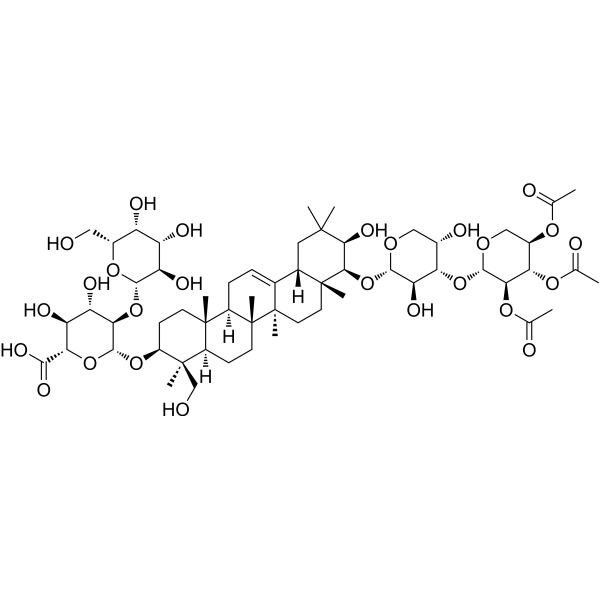
Acetyl-soyasaponin A5
|
Others
|
Others
|
|
Soyasaponin Ae (Acetyl-soyasaponin A5) can be isolated from the seeds of Glycine max MERRILL .
|
-
-
- HY-163662
-
-

-
- HY-122240
-
|
|
FLT3
|
Cancer
|
|
AAE871 is a potent type I FLT3 inhibitor with an IC50 value of 0.034 µM. AE871 has the potential for the research of acute myeloid leukemia (AML) .
|
-

-
- HY-167103A
-
-

-
- HY-134971
-
|
|
mAChR
|
Neurological Disease
|
|
AE9C90CB, muscarinic receptor antagonist, has greater affinity for M3 muscarinic receptors with pKi of 9.90 and was 20-fold more selective for M3 than for M2 muscarinic receptors .
|
-

-
- HY-106699
-
|
CG 4203 sodium
|
Prostaglandin Receptor
nAChR
|
Cardiovascular Disease
|
|
Taprostene sodium is a partial agonist at prostanoid prostacyclin (IP) receptors. Taprostene sodium interacts additively with Prostaglandin E2 (PGE2) (HY-101952), ONO-AE1-259 (selective EP2 agonist), and acetylcholine. Taprostene sodium exerts a significant cardioprotection .
|
-

-
- HY-14338AR
-
|
Lu AE58054 hydrochloride (Standard)
|
5-HT Receptor
Reference Standards
|
Neurological Disease
|
|
Idalopirdine (hydrochloride) (Standard) is the analytical standard of Idalopirdine (hydrochloride). This product is intended for research and analytical applications. Idalopirdine hydrochloride (Lu AE58054 hydrochloride) is a potent, selective 5-HT6 receptor antagonist with a Ki value of 0.83 nM. Idalopirdine hydrochloride may be used in studies of Alzheimer's disease and schizophrenia, among other related disorders .
|
-

-
- HY-169166
-
|
|
HIV Protease
|
Infection
|
|
HIV-1 protease-IN-14 (compound 5ae) is a potent HIV-1 protease inhibitor with Ki values of 0.28, 56.9 nM for WT HIV-1 PR, R41T HIV-1 PR, respectively. HIV-1 protease-IN-14 shows low cytotoxicity .
|
-

-
- HY-172601
-
|
|
HDAC
PD-1/PD-L1
|
Cancer
|
|
HDAC3-IN-7 (Compound 8ae) is a selective HDAC3 inhibitor with an IC50 value of 311 nM. HDAC3-IN-7 degrades PD-L1 through the lysosome pathway mediated by Cathepsin B, exerting activities such as inhibiting tumor cell proliferation, migration, and invasion. HDAC3-IN-7 is promising for research of cancers .
|
-

-
- HY-172809
-
|
|
Histone Demethylase
PD-1/PD-L1
|
Inflammation/Immunology
Cancer
|
|
LSD1-IN-42 (Compound 7ae) is an orally active LSD1 inhibitor that potently inhibits LSD1 activity (IC50 = 0.08 μM). LSD1-IN-42 downregulates PD-L1 expression and enhances T cell-mediated tumor killing effects. LSD1-IN-42 demonstrates significant anti-gastric cancer activity by inhibiting tumor cell invasion and migration .
|
-

-
- HY-N8978
-
-

-
- HY-RI01638
-
|
|
MicroRNA
|
Cancer
|
|
hsa-miR-548ae-3p inhibitors are chemically-modified oligonucleotides that hybridize with mature miRNAs. The miRNA inhibitors have full-length nucleotide 2'-methoxy modification. The miRNA inhibitors strongly compete with mature miRNAs to prevent the complementary pairing of miRNAs and their target genes, thereby inhibiting miRNAs from functioning.
|
-
hsa-miR-548ae-3p inhibitor
hsa-miR-548ae-3p inhibitor
-
- HY-R01638A
-
|
|
MicroRNA
|
Cancer
|
|
hsa-miR-548ae-3p agomirs are chemically-modified double-strand miRNA mimics with modified mature miRNA strand: 2 phosphorothioates at the 5' end, 4 phosphorothioates at the 3' end, 3' end cholesterol group, and full-length nucleotide 2'-methoxy modification. They are designed to mimic endogenous miRNAs and recommended for miRNA functional studies. Compared with miRNA mimics, they exhibits enhanced cellular uptake, stability and regulatory activity in vivo.
|
-
hsa-miR-548ae-3p agomir
hsa-miR-548ae-3p agomir
-
- HY-W042301S
-
-

-
- HY-138156
-
|
|
Herbicide
|
Others
|
|
Iodosulfuron-methyl sodium is a sulfonylurea herbicide. Iodosulfuron-methyl sodium controls grass weeds in winter wheat and winter barley .
|
-

-
- HY-N19612
-
|
|
Ser/Thr Protease
|
Others
|
|
Proteasefrom aspergillus oryzae is a serine protease identified in the non-transgenic Aspergillus ochraceus strain AE-P. Proteasefrom aspergillus oryzae functions as a food enzyme and catalyzes protein hydrolysis with broad-spectrum specificity .
|
-

-
- HY-RI01638A
-
|
|
MicroRNA
|
Cancer
|
|
hsa-miR-548ae-3p antagomirs are chemically-modified oligonucleotides that hybridize with mature miRNAs. The miRNA antagomirs have 2 phosphorothioates at the 5' end, 4 phosphorothioates at the 3' end, 1 cholesterol group at the 3' end, and full-length nucleotide 2'-methoxy modification. The miRNA antagomirs strongly compete with mature miRNAs to prevent the complementary pairing of miRNAs and their target genes, thereby inhibiting miRNAs from functioning. Stability of miRNA antagomirs appears to be significantly higher than miRNA inhibitors, they exhibits enhanced cellular uptake, stability and regulatory activity in vivo.
|
-
hsa-miR-548ae-3p antagomir
hsa-miR-548ae-3p antagomir
-
- HY-131829A
-
|
6-AE-NAD+ sodium
|
Biochemical Assay Reagents
|
Others
|
|
N6-(2-Aminoethyl)-NAD+ (6-AE-NAD+) sodium is a NAD+ derivative commonly used in affinity chromatography. N6-(2-Aminoethyl)-NAD+ sodium can be covalently linked to a PQQ (pyrroloquinoline quinone) (HY-100196) monolayer on an electrode surface for immobilizing NAD+-dependent enzymes such as lactate dehydrogenase (LDH) .
|
-

-
- HY-P992367
-
|
|
TROP2
|
Cancer
|
|
hIMB1636 is a humanized monoclonal antibody targeting Trop2. By binding to the conformational Trop2 epitope, hIMB1636 regulates related signaling pathways, triggers lysosomal endocytosis, and further induces apoptosis, cell cycle arrest, and antibody-dependent cellular cytotoxicity. hIMB1636 effectively inhibits tumor cell proliferation, migration and in vivo tumor growth, and also exerts bystander killing effect and mediates long-term retention. hIMB1636 can be conjugated with NOTA/DOTA for radiolabeling to enable immuno-PET imaging, or prepared as hIMB1636-LDP-AE to significantly inhibit the growth of breast cancer and lung cancer xenografts .
|
-

| Cat. No. |
Product Name |
Target |
Research Area |
-
- HY-P5018
-
|
|
Radionuclide-Drug Conjugates (RDCs)
Ser/Thr Protease
|
Cancer
|
|
NOTA-AE105 is a PET ligand for the urokinase-type plasminogen activator receptor (uPAR). NOTA-AE105 can be radiolabeled with 64Cu and 68Ga. Images of 68Ga-NOTA-AE105 and 64Cu-NOTA-AE105 demonstrate high contrast and clear tumor delineation. NOTA-AE105 can be used in the synthesis of radionuclide-conjugated compounds (RDCs) .
|
-
- HY-P11446
-
|
|
Transmembrane Glycoprotein
|
Cancer
|
|
AE105 is a 9-mer peptide probe targeting the urokinase-type plasminogen activator receptor (uPAR). AE105 binds tightly to the uPA-binding cavity of uPAR. AE105 can be used for the study of cancer .
|
-
- HY-P11446A
-
|
|
Transmembrane Glycoprotein
|
Cancer
|
|
AE105 TFA is a 9-mer peptide probe targeting the urokinase-type plasminogen activator receptor (uPAR). AE105 TFA binds tightly to the uPA-binding cavity of uPAR. AE105 TFA can be used for the study of cancer .
|
| Cat. No. |
Product Name |
Target |
Research Area |
Image |
-
- HY-P99359
-
|
ABT-555; AE12-1Y-QL; Anti-RGMA Reference Antibody (elezanumab)
|
TGF-beta/Smad
|
Metabolic Disease
|
|
Elezanumab (ABT-555; AE12-1Y-QL) is a human monoclonal antibody that selectively targets repulsive guidance molecule A (RGMa). Elezanumab potently inhibited RGMa mediated BMP signalling via the SMAD1/5/8 pathway, with an IC50 around 97 pM. Elezanumab promotes neuroregeneration and neuroprotection in neuronal injury and demyelination models binds N-terminal RGMa, blocks BMP signaling and lacks RGMc cross-reactivity. elezanumab has neuroregenerative and neuroprotective activities without impact on iron metabolism .
|
-

(5)
-
- HY-P992367
-
|
|
TROP2
|
Cancer
|
|
hIMB1636 is a humanized monoclonal antibody targeting Trop2. By binding to the conformational Trop2 epitope, hIMB1636 regulates related signaling pathways, triggers lysosomal endocytosis, and further induces apoptosis, cell cycle arrest, and antibody-dependent cellular cytotoxicity. hIMB1636 effectively inhibits tumor cell proliferation, migration and in vivo tumor growth, and also exerts bystander killing effect and mediates long-term retention. hIMB1636 can be conjugated with NOTA/DOTA for radiolabeling to enable immuno-PET imaging, or prepared as hIMB1636-LDP-AE to significantly inhibit the growth of breast cancer and lung cancer xenografts .
|
-
(5)
| Cat. No. |
Product Name |
Category |
Target |
Chemical Structure |
| Cat. No. |
Product Name |
Chemical Structure |
-
- HY-W042301S
-
|
|
|
Xipamide-d6 is the deuterium labeled Xipamide. Xipamide is a sulfonamide-based diuretic. Xipamide is an antihypertensive agent able to selectively inhibit the anion exchanger (AE) .
|
-
| Cat. No. |
Product Name |
|
Classification |
-
- HY-RS14567
-
|
|
|
siRNAs
Human Pre-designed siRNA Sets
|
|
TLE5 Human Pre-designed siRNA Set A contains three designed siRNAs for TLE5 gene (Human), as well as a negative control, a positive control, and a FAM-labeled negative control.
|
-
- HY-R01638
-
|
|
|
MicroRNAs
miRNA mimics
|
|
hsa-miR-548ae-3p mimics are small, chemically synthesized double-stranded RNAs that mimic endogenous miRNAs and enable miRNA functional analysis by up-regulation of miRNA activity.
|
-
- HY-RI01638
-
|
|
|
MicroRNAs
miRNA inhibitors
|
|
hsa-miR-548ae-3p inhibitors are chemically-modified oligonucleotides that hybridize with mature miRNAs. The miRNA inhibitors have full-length nucleotide 2'-methoxy modification. The miRNA inhibitors strongly compete with mature miRNAs to prevent the complementary pairing of miRNAs and their target genes, thereby inhibiting miRNAs from functioning.
|
-
- HY-R01638A
-
|
|
|
MicroRNAs
miRNA agomirs
|
|
hsa-miR-548ae-3p agomirs are chemically-modified double-strand miRNA mimics with modified mature miRNA strand: 2 phosphorothioates at the 5' end, 4 phosphorothioates at the 3' end, 3' end cholesterol group, and full-length nucleotide 2'-methoxy modification. They are designed to mimic endogenous miRNAs and recommended for miRNA functional studies. Compared with miRNA mimics, they exhibits enhanced cellular uptake, stability and regulatory activity in vivo.
|
-
- HY-RI01638A
-
|
|
|
MicroRNAs
miRNA antagomirs
|
|
hsa-miR-548ae-3p antagomirs are chemically-modified oligonucleotides that hybridize with mature miRNAs. The miRNA antagomirs have 2 phosphorothioates at the 5' end, 4 phosphorothioates at the 3' end, 1 cholesterol group at the 3' end, and full-length nucleotide 2'-methoxy modification. The miRNA antagomirs strongly compete with mature miRNAs to prevent the complementary pairing of miRNAs and their target genes, thereby inhibiting miRNAs from functioning. Stability of miRNA antagomirs appears to be significantly higher than miRNA inhibitors, they exhibits enhanced cellular uptake, stability and regulatory activity in vivo.
|
Your information is safe with us. * Required Fields.
Inquiry Information
- Product Name:
- Cat. No.:
- Quantity:
- MCE Japan Authorized Agent:








