1. Search Result
Search Result
Results for "

ATP+synthesis

" in MedChemExpress (MCE) Product Catalog:

28

Inhibitors & Agonists

1

Peptides

5

Natural
Products

1

Isotope-Labeled Compounds

Cat. No. Product Name Target Research Areas Chemical Structure
  • HY-111536
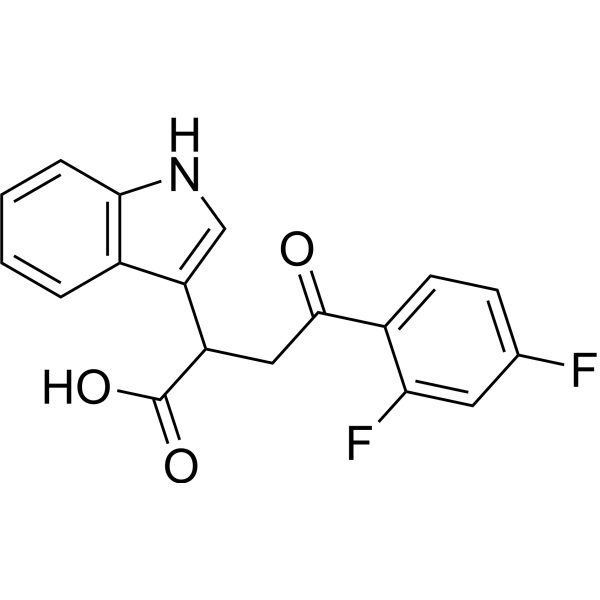
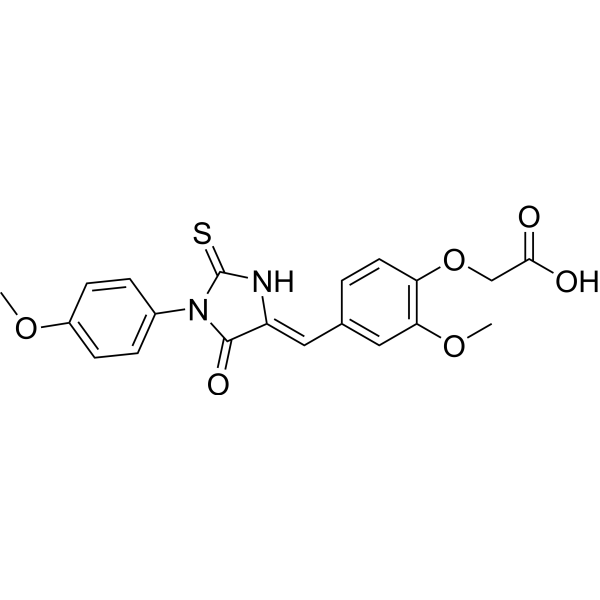
    Mitochonic acid 5
    5 Publications Verification

    MA-5

    Oxidative Phosphorylation Mitochondrial Metabolism Cardiovascular Disease
    Mitochonic acid 5 binds mitochondria and ameliorates renal tubular and cardiac myocyte damage. Mitochonic acid 5 modulates mitochondrial ATP synthesis.
    Mitochonic acid 5
  • HY-15877
    BTB06584
    2 Publications Verification

    ATP Synthase Cancer
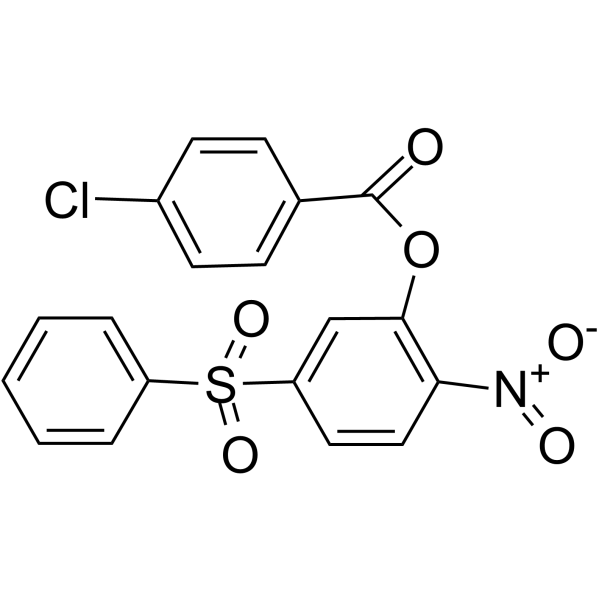
    BTB06584 is a selective and IF1-dependent mitochondrial F1Fo-ATPase inhibitor without compromising ATP synthesis. BTB06584 can delays ischaemic cell death .
    BTB06584
  • HY-125209

    DNA/RNA Synthesis Cancer
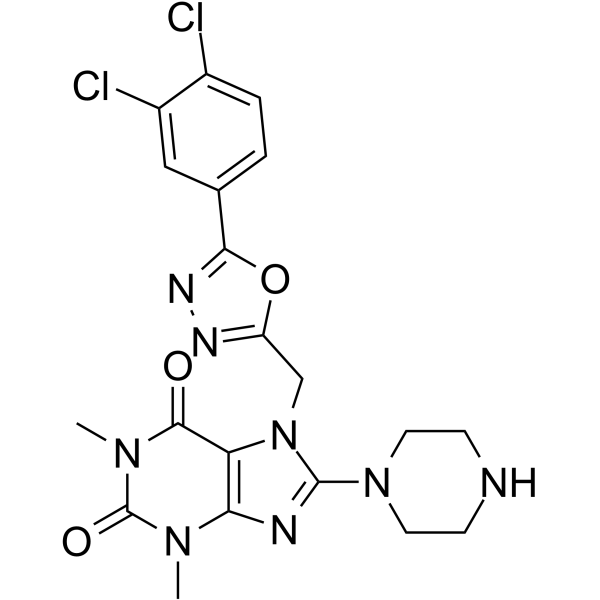
    TH5427 is a promising, targeted inhibitor that can be used to further study NUDT5 activity and ADP-ribose metabolism. TH5427, blocks progestin-dependent, PAR-derived nuclear ATP synthesis and subsequent chromatin remodeling, gene regulation and proliferation in breast cancer cells. NUDT5 is recently identified as a rheostat of hormone-dependent gene regulation and proliferation in breast cancer cells .
    TH5427
  • HY-P3003

    Potassium Channel Apoptosis Autophagy Reactive Oxygen Species (ROS) Mitochondrial Metabolism Infection Neurological Disease Metabolic Disease Inflammation/Immunology
    Cereulide is an orally active, blood-brain barrier-permeable emetic toxin. Cereulide acts as a potassium ionophore that inserts into membranes, forms complexes with K +, and transports K + from the cytoplasm into the mitochondrial matrix. Cereulide disrupts the electrochemical gradient of the inner mitochondrial membrane, leading to mitochondrial swelling and dysfunction, uncoupling of oxidative phosphorylation, inhibition of ATP synthesis, ROS accumulation, and ultimately triggering apoptosis and autophagy. Cereulide exhibits multi-organ toxicity and can be used for research on emetic food poisoning .
    Cereulide
  • HY-136394
    Diafenthiuron
    2 Publications Verification

    Environmental Pollutants Mitochondrial Metabolism Oxidative Phosphorylation Parasite Others
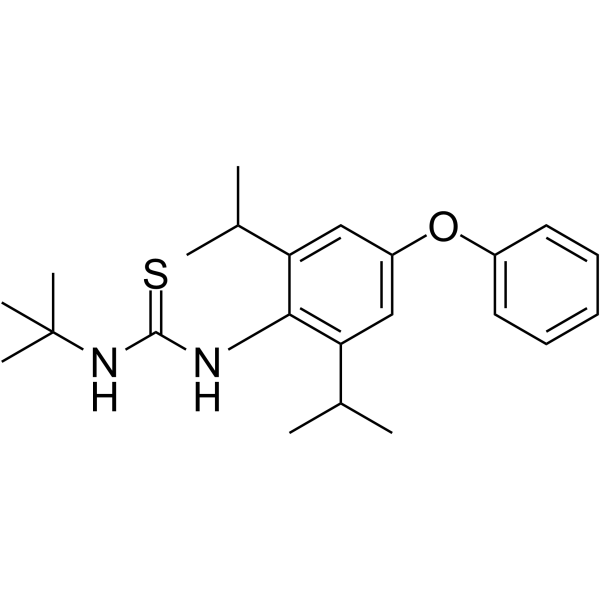
    Diafenthiuron is a thiourea compound commonly used a broad-spectrum insecticide and acaricide. Diafenthiuron disturbs the insect respiratory system by inhibiting the oxidative phosphorylation and mitochondrial ATP synthesis .
    Diafenthiuron
  • HY-W012985

    ATP Synthase Apoptosis Metabolic Disease Cancer
    Methyl pyruvate is a methyl ester derivative of pyruvic acid. Methyl pyruvate induces insulin release and membrane depolarization. Methyl pyruvate rescues proteasome damage and nuclear localization of TdP-43 caused by overexpression of σ1RE102Q by enhancing ATP synthesis. Methyl pyruvate selectively protects normal lung fibroblasts from cell death induced by Irinotecan (HY-16562). Methyl pyruvate promotes apoptosis and necrosis in cancer cells and downregulates angiogenesis and cell cycle pathways. Methyl pyruvate is an effective substrate for dihydrodihydrogen dehydrogenase.
    Methyl pyruvate
  • HY-Y0716

    Environmental Pollutants Biochemical Assay Reagents Metabolic Disease
    3-t-Butylphenol is a mitochondrial uncoupler. 3-t-Butylphenol disrupts the proton gradient, inhibits ATP synthesis and induces cytotoxicity .
    3-t-Butylphenol
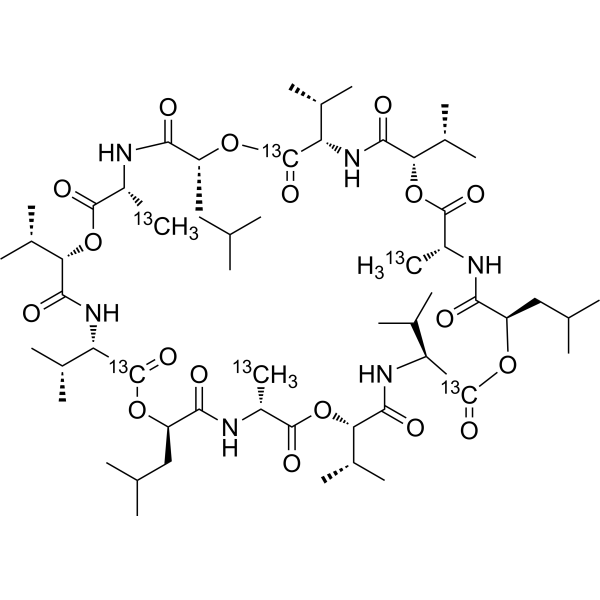
  • HY-P3003S

    Isotope-Labeled Compounds Apoptosis Potassium Channel Mitochondrial Metabolism Autophagy Reactive Oxygen Species (ROS) Infection Neurological Disease Metabolic Disease Inflammation/Immunology
    Cereulide- 13C6 is a deuterated form of Cereulide. Cereulide is an orally active, blood-brain barrier-permeable emetic toxin. Cereulide acts as a potassium ionophore that inserts into membranes, forms complexes with K +, and transports K + from the cytoplasm into the mitochondrial matrix. Cereulide disrupts the electrochemical gradient of the inner mitochondrial membrane, leading to mitochondrial swelling and dysfunction, uncoupling of oxidative phosphorylation, inhibition of ATP synthesis, ROS accumulation, and ultimately triggering apoptosis and autophagy. Cereulide exhibits multi-organ toxicity and can be used for research on emetic food poisoning.
    Cereulide-13C6
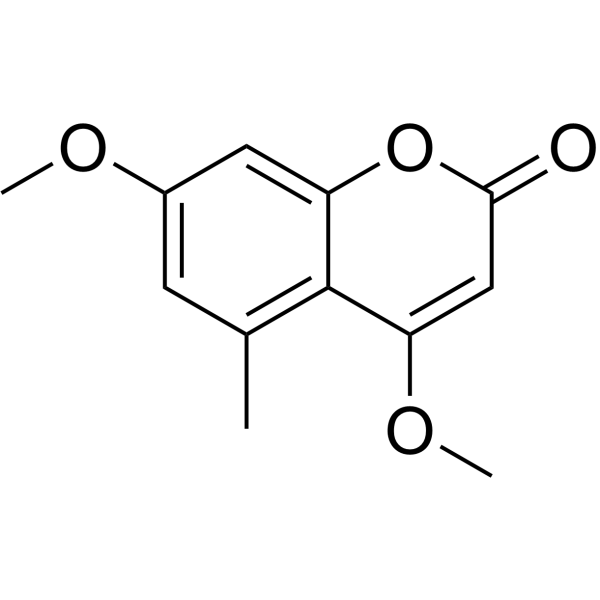
  • HY-N11913

    Biochemical Assay Reagents Others
    Siderin is a selective Photosystem II (PSII) inhibitor. Siderin inhibits ATP synthesis by blocking electron transport at the donor and acceptor sides of PSII Siderin can be used in the study of plant photosynthesis .
    Siderin
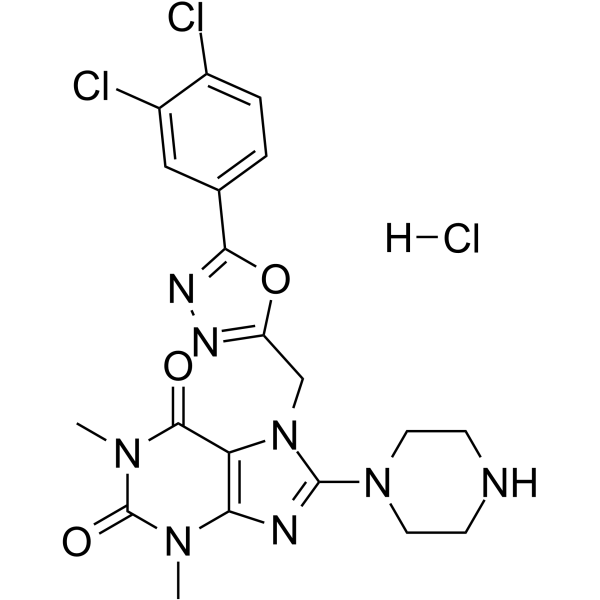
  • HY-125209A

    Apoptosis PARP DNA/RNA Synthesis Cancer
    TH5427 hydrochloride is a NUDT5 inhibitor with a human target IC50 of 29 nM, ~690-fold selectivity over MTH1 in vitro, and selective functional inhibition over other NUDIX hydrolases including NUDT9 .TH5427 hydrochloride binds to the active site of NUDT5, blocking enzymatic activity related to ADP-ribose metabolism and PAR-derived ATP synthesis .TH5427 hydrochloride blocks progestin-dependent nuclear ATP synthesis, impairs progestin-induced chromatin remodeling, inhibits histone H1 displacement, disrupts progestin-dependent gene regulation, and abrogates progestin-dependent proliferation in breast cancer cells .TH5427 hydrochloride functions as a versatile probe to study nuclear ATP dynamics and ADP-ribose-related metabolism in cells .TH5427 hydrochloride engages NUDT5 at physiological temperatures, as demonstrated by Drug Affinity Responsive Target Stability (DARTS) assay .TH5427 hydrochloride stabilizes NUDT5 against thermal denaturation in cell lysates and intact cells, as shown by cellular thermal shift assay (CETSA) .TH5427 hydrochloride functionally inhibits NUDT5 activity, leading to downstream effects on oxidative DNA damage and DNA replication in triple-negative breast cancer (TNBC) cells .TH5427 hydrochloride suppresses proliferation of TNBC cells without inducing cell death or apoptosis, slows DNA replication in TNBC cells, promotes accumulation of oxidative DNA lesions, and triggers DNA damage response in TNBC cells .TH5427 hydrochloride suppresses growth of TNBC cells in vitro, inhibits growth of TNBC xenograft tumors in nude mice in vivo, and shows greater potency against TNBC cell lines compared to ER-positive and normal-like breast cell lines .TH5427 hydrochloride can be used for the research of breast cancer and triple-negative breast cancer .
    TH5427 hydrochloride
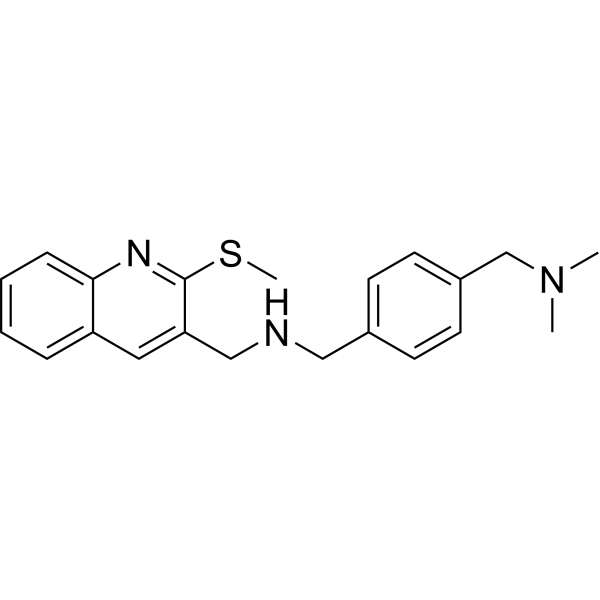
  • HY-157045

    ATP Synthase Infection
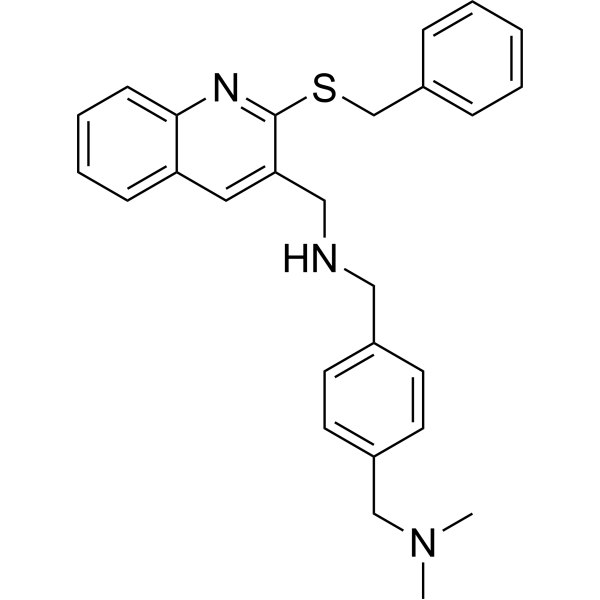
    ATP Synthesis-IN-1 (Compound 4), quinoline derivative, is a potent inhibitor of PA ATP synthesis activity. ATP Synthesis-IN-1 has PA ATP synthesis inhibition with IC50 value of 11.1μg/mL. ATP Synthesis-IN-1 also has antibacterial activity. ATP Synthesis-IN-1 can be used for the research of drug-resistant PA infection .
    ATP Synthesis-IN-1
  • HY-148973

    ATP Synthase Metabolic Disease
    ZW290 is a compound to activate brown adipose tissue (BAT) thermogenic function. ZW290 increases the expression of uncoupling Protein 1 (UCP1) protein and inhibits ATP synthesis in BAT .
    ZW290
  • HY-157046

    Bacterial ATP Synthase Infection
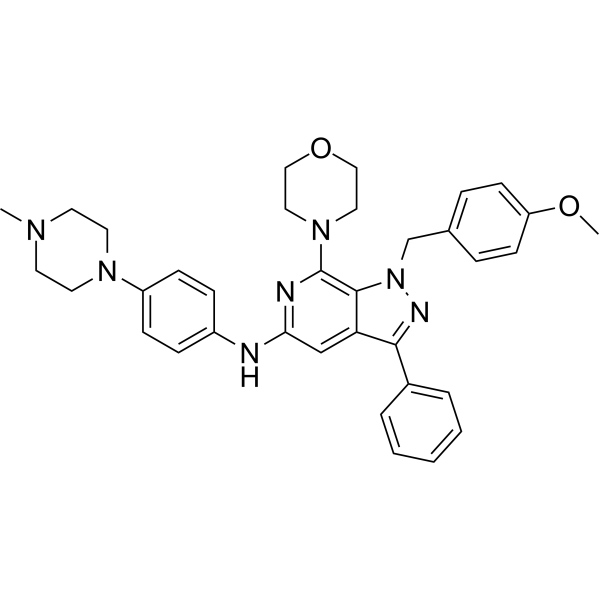
    ATP Synthesis-IN-2 (Compound 5) is an antibacterial compound. ATP Synthesis-IN-2 is a potent ATP synthesis activity inhibitor with IC50 against Pseudomonas aeruginosa (PA) Value of 0.7 μg/mL .
    ATP Synthesis-IN-2
  • HY-174981

    PROTACs FGFR ATP Synthase Cancer
    LC-MF-4 is a selective FGFR3 PROTAC degrader with a DC50 of 30.89 nM in KMS-11 cells. LC-MF-4 inhibits the metabolic function of FGFR3-TACC3 fusion positive cancers with reduction of ATP synthesis and inhibition of mitochondrial biogenesis genes. LC-MF-4 has potent antitumor activity in the Ba/F3-FGFR3-TACC3 xenograft mice model. LC-MF-4 can be used for FGFR3-altered cancers like bladder cancer and urothelial carcinoma (UC) research . Pink: FGFR3 ligand (HY-175414); Blue: VHL ligase ligand (HY-125905); Black: linker (HY-Y1224)
    LC-MF-4
  • HY-149736

    PKA ATP Synthase Cardiovascular Disease
    ATP Synthesis-IN-3 (compound 31) is an ATP hydrolysis inhibitor with protective effects during myocardial ischemia. ATP Synthesis-IN-3 can increase the ATP content of ischemic cardiomyocytes, increase the phosphorylation of PKA and phospholamban, and inhibit ischemia-induced apoptosis .
    ATP Synthesis-IN-3
  • HY-N10094

    Others Others
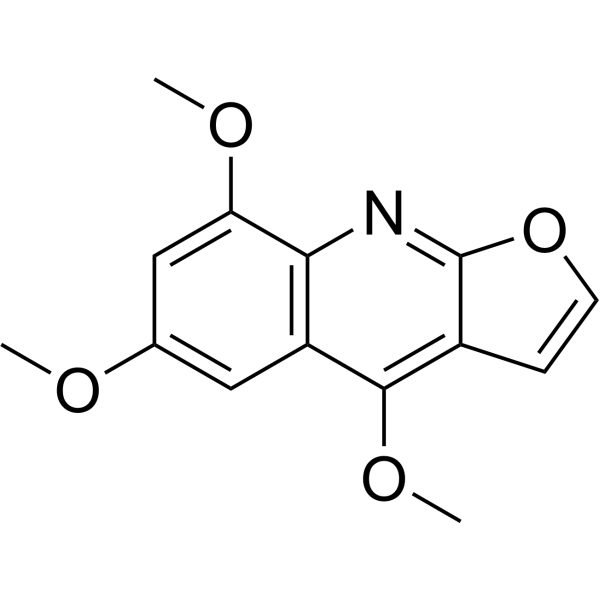
    Maculosidine is a furoquinoline alkaloid that can be isolated from Balfourodendron riedelianum. Maculosidine inhibits ATP synthesis, basal, phosphorylating and uncoupled electron transport in plants. Maculosidine inhibits Hill reaction on spinach chloroplasts .
    Maculosidine
  • HY-150983

    ATP Synthase Bacterial Infection
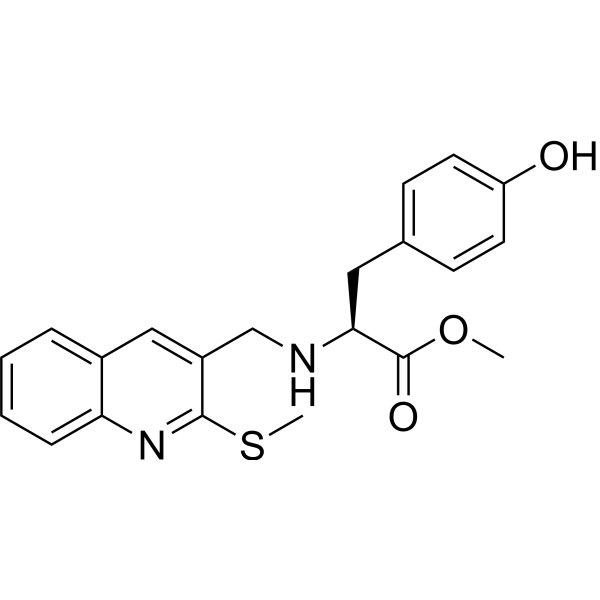
    ATP synthase inhibitor 2 is a Pseudomonas aeruginosa (PA) ATP synthase inhibitor (IC50=10 μg/mL). ATP synthase inhibitor 2 can inhibit Pseudomonas aeruginosa (PA) ATP synthesis activity completely at 128 μg/mL .
    ATP synthase inhibitor 2
  • HY-126775

    Mitochondrial Metabolism Endogenous Metabolite Cancer
    Xenoclauxin is a secondary metabolite isolated from certain species of the Penicillium genus, which exhibits an inhibitory effect on the proliferation of tumor cells. Xenoclauxin affects cellular energy metabolism, particularly by inhibiting ATP synthesis in the mitochondria. Xenoclauxin can be used for anti-tumor research .
    Xenoclauxin
  • HY-150983A

    ATP Synthase Bacterial Infection
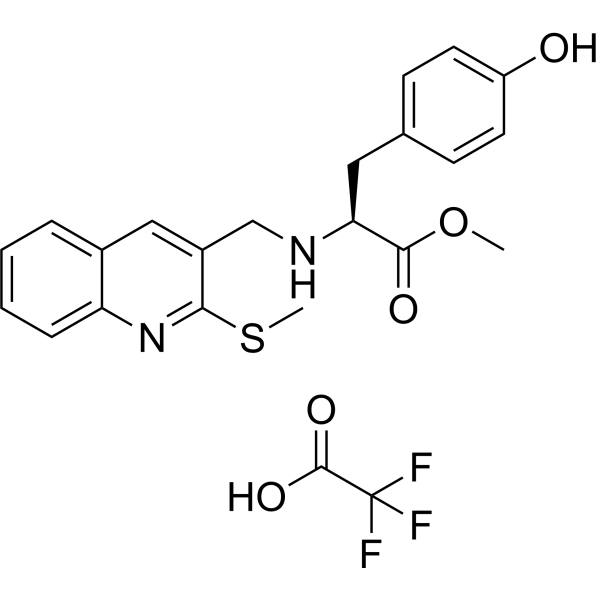
    ATP synthase inhibitor 2 (Compound 22) TFA is a Pseudomonas aeruginosa (PA) ATP synthase inhibitor (IC50=10 μg/mL). ATP synthase inhibitor 2 TFA can inhibit Pseudomonas aeruginosa (PA) ATP synthesis activity completely at 128 μg/mL .
    ATP synthase inhibitor 2 TFA
  • HY-W010902

    Dicalcium 1,6-di-O-phosphonato-L-tagatose

    Endogenous Metabolite ATP Synthase Metabolic Disease
    Calcium fructose diphosphate (Dicalcium 1,6-di-O-phosphonato-L-tagatose) is a crucial intermediate in the glycolysis process and is closely related to ATP synthesis. Calcium fructose diphosphate can be used to regulate calcium and phosphorus balance, protect myocardial tissue from ischemia/reperfusion injury, counteract the effects of alcohol, and serve as a safer source of phosphate in parenteral nutrition .
    Calcium fructose diphosphate
  • HY-173356

    Parasite Reactive Oxygen Species (ROS) Infection Inflammation/Immunology
    Antiparasitic agent-26 (Compound 8) is an antiparasitic compound that potently inhibits the growth of Naegleria fowleri, with IC50 values of 22.87 μM (trophozoite stage) and 25.16 μM (cyst stage). Antiparasitic agent-26 exerts its antiparasitic activity by inducing programmed cell death, including cytoplasmic calcium accumulation, mitochondrial membrane potential collapse, ATP synthesis inhibition, ROS accumulation, and chromatin condensation. Antiparasitic agent-26 can be used in the research of primary amoebic meningoencephalitis (PAM) .
    Antiparasitic agent-26
  • HY-175016

    Endogenous Metabolite Infection Metabolic Disease
    NADH-IN-3 (Compound C4-1) is a NADH inhibitor with a MIC of 4 μg/mL (13.042 μM) for type II NADH dehydrogenase of Mycobacterium tuberculosis (Mtb). NADH-IN-3 significantly interrupts ATP synthesis, shows potent inhibitory effects against mono (Rifampicin (HY-B0272) and Isoniazid (HY-B0329)) and multi drug-resistant (Mtb) strains and an anti-bactericidal activity against HepG2 cells with low cytotoxicity (SI: 16.52) .
    NADH-IN-3
  • HY-181602

    ATP Synthase COX Oxidative Phosphorylation AMPK Cancer
    ATP Synthesis-IN-4 is a mitochondria-targeted small-molecule ligand that inhibits ATP synthesis. ATP Synthesis-IN-4 binds to mtDNA G4s in melanoma cells, thereby inducing changes in mitochondrial metabolism and inhibiting cell proliferation. ATP Synthesis-IN-4 suppresses the translation of key mitochondrial respiratory chain proteins (CYTB, ATP8, COX1, COX3, ND2) in melanoma cells, downregulates the expression of OXPHOS complexes, activates the phosphorylation of AMPK, and induces metabolic reprogramming to upregulate glycolysis. ATP Synthesis-IN-4 is applicable to relevant research on melanoma .
    ATP Synthesis-IN-4
  • HY-183972

    Oxidative Phosphorylation Infection Others
    Desaspidin is an oxidative phosphorylation inhibitor and photophosphorylation inhibitor. Desaspidin uncouples mitochondrial oxidative phosphorylation, multiple chloroplast photophosphorylation pathways, and ATP synthesis linked to non-cyclic NADP reduction. Desaspidin can be used for the research of anthelmintic agent .
    Desaspidin
  • HY-183295

    Fungal Reactive Oxygen Species (ROS) Infection
    Antifungal agent 160 is a cytochrome bc1 complex inhibitor with activity against Alternaria solani, Gibberella zeae, Colletotrichum gloeosporioides, and Fusarium oxysporum f. sp. melonis. Antifungal agent 160 impairs ATP synthesis, suppresses ATPase activity, induces ROS bursts, compromises plasma membrane integrity, and suppresses fungal growth. Antifungal agent 160 can be used for the research of fungal infection .
    Antifungal agent 160
  • HY-182711

    Bacterial Parasite Infection
    SCR0911 is an inhibitor of mycobacterial cytochrome bcc oxidase and Plasmodium falciparum cytochrome bc1. SCR0911 disrupts oxidative phosphorylation by binding to mycobacterial cytochrome bcc, binds to the Qi site of Plasmodium falciparum cytochrome bc1, inhibits mycobacterial cell growth and ATP synthesis, and exhibits broad-spectrum anti-mycobacterial and anti-malarial activities. SCR0911 can be used in research related to tuberculosis, malaria, and isolated persistent hypermethioninemia (iph) .
    SCR0911
  • HY-183705

    Fungal Mitochondrial Metabolism ATP Synthase Infection
    Antimicrobial agent-50 is an anti-oomycete and Fungicidal agent. Antimicrobial agent-50 inhibits the activity of Mitochondrial respiratory chain complex III with an IC50 of 6.05 mg/L. Antimicrobial agent-50 inhibits ATP synthesis. Antimicrobial agent-50 exhibits protective activity against Phytophthora capsici in vivo. Antimicrobial agent-50 potently inhibits mycelial growth of Gaeumannomyces graminis, Rhizoctonia solani and Phytophthora capsici, with EC50 values of 2.97 mg/L, 1.86 mg/L and 0.74 mg/L, respectively .
    Antimicrobial agent-50
  • HY-182360

    PERK Eukaryotic Initiation Factor (eIF) Bcl-2 Family Apoptosis Reactive Oxygen Species (ROS) STING DNA/RNA Synthesis PD-1/PD-L1 Cancer
    Cytisine-Platinum(IV) Prodrug-1 is a Pt(IV) prodrug incorporating the natural compound Cytisine (HY-N0175) with antiproliferative activity against tumor cells. Cytisine-Platinum(IV) Prodrug-1 promotes calcium transfer across the IP3R1-GRP75-VDAC1 axis to drive mitochondrial calcium overload. Cytisine-Platinum(IV) Prodrug-1 initiates unfolded protein response via PERK, eIF2α, ATF4, and CHOP to modulate Bcl-2 and Bax, triggering apoptosis. Cytisine-Platinum(IV) Prodrug-1 induces mitochondrial dysfunction, ROS production, reduced ATP synthesis, DNA damage, and S-phase cell cycle arrest. Cytisine-Platinum(IV) Prodrug-1 activates the cGAS-STING pathway, reduces PD-L1 expression, drives immunogenic cell death. Cytisine-Platinum(IV) Prodrug-1 exhibits high physiological stability, efficient cellular accumulation, and enhanced platinum-DNA binding, and inhibits tumor growth in mouse models with reduced systemic toxicity. Cytisine-Platinum(IV) Prodrug-1 can be used for the research of lung cancer .
    Cytisine-platinum(IV) prodrug-1

Inquiry Online

Your information is safe with us. * Required Fields.

Salutation


Country or Region *

Applicant Name *


Organization Name *

Department *


Email Address *


Product Name *

Cat. No.


Requested quantity *

Phone Number *


Remarks

Inquiry Online

Inquiry Information

Product Name:
Cat. No.:
Quantity:
MCE Japan Authorized Agent: