1. Search Result
Search Result
Pathways Recommended: Stem Cell/Wnt Cell Cycle/DNA Damage
Results for "

B16F10 mouse melanoma cells

" in MedChemExpress (MCE) Product Catalog:

18

Inhibitors & Agonists

1

Fluorescent Dyes

3

Natural
Products

1

Isotope-Labeled Compounds

1

Oligonucleotides

Cat. No. Product Name Target Research Areas Chemical Structure
  • HY-13594
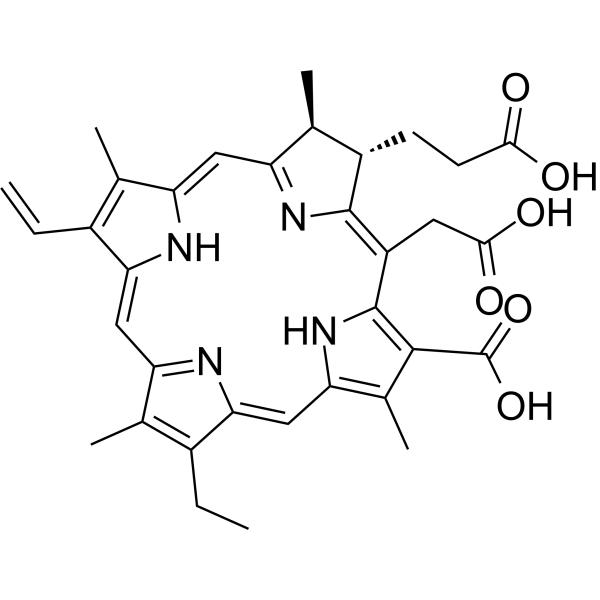
    Chlorin e6
    15+ Cited Publications

    Ce6

    MOFs Bcl-2 Family Caspase PARP Apoptosis Fluorescent Dye Infection Cancer
    Chlorin e6 is a photosensitizer and has strong absorption peaks at wavelength of 402 and 662 nm, as well as exhibiting intense fluorescence at 668 nm. Chlorin e6 has antimicrobial efficacy and anticancer activity. Chlorin e6 induces cell apoptosis via caspase-3 activation and can be used for the research of cancer .
    Chlorin e6
  • HY-N0538

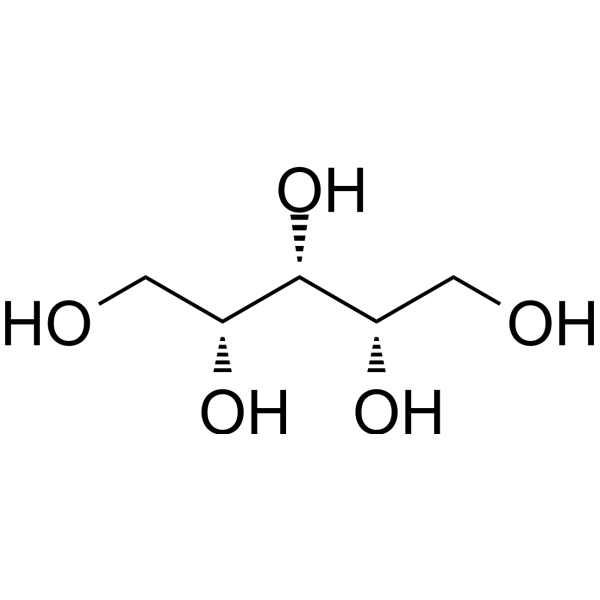
    Xylite

    Environmental Pollutants Endogenous Metabolite Bacterial Autophagy Atg7 Atg8/LC3 Metabolic Disease Cancer
    Xylitol can be classified as a polyol and sugar alcohol, exhibiting inhibitory activity on cancer cell proliferation. It induces autophagy (Autophagy) and cell death in A549 cells by activating the autophagy signaling pathway, as evidenced by the increased expression of LC3-II and Atg5-Atg12 upon Xylitol treatment. Additionally, Xylitol inhibits acetaldehyde production by Candida species, thereby reducing their carcinogenic potential. In vivo, Xylitol induces alterations in the gut microbiota of mice, which may enhance cholesterol accumulation and upregulate hepatic ChREBP, while also slowing tumor growth in the B16F10 melanoma C57BL/6 mouse model .
    Xylitol
  • HY-162275

    Histone Demethylase Histone Methyltransferase STAT Cancer
    JMJD1C-IN-1 is an orally active and selective inhibitor of JMJD1C (IC50 = 0.59 μM, Kd = 1.96 μM). JMJD1C-IN-1 inhibits the binding of JMJD1C to H3K9me2 peptide substrate in the HTRF assay (IC50 = 1.47 μM). JMJD1C-IN-1 disrupts intratumoral regulatory T (Treg) cell fitness by dual mechanisms: promoting H3K9me2 accumulation to downregulate PD1 expression and reducing STAT3 demethylation to enhance STAT3 activation. JMJD1C-IN-1 demonstrates dose-dependent antitumor efficacy in multiple mouse tumor models (MCA205 fibrosarcoma, B16-F10 melanoma, LLC lung cancer, Hepa1-6 hepatocellular carcinoma, CT26 colorectal cancer). JMJD1C-IN-1 can be used for the study of tumor immunotherapy by selectively targeting intratumoral Treg cells .
    JMJD1C-IN-1
  • HY-149760

    PROTACs Phosphatase IFNAR STAT Cancer
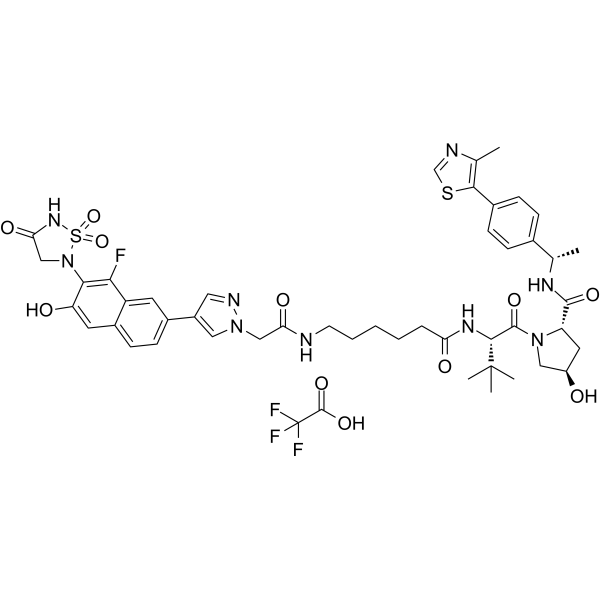
    PVD-06 is a selective PROTAC PTPN2 degrader with a DC50 of 217 nM (selectivity index >60-fold over PTP1B). PVD-06 induces PTPN2 degradation via a VHL-, ubiquitin, and proteasome-dependent pathway. PVD-06 can promote T cell activation and amplify IFN-γ-mediated anticancer activity. PVD-06 can be used to further investigate PTPN2 in diseases such as leukemia and melanoma . (Pink: PTPN2 ligand (HY-168691), Black: linker (HY-B0236), Blue: VHL ligand (HY-112078)).
    PVD-06
  • HY-156483
    TT-012
    2 Publications Verification

    Microphthalmia Associated Transcription Factor (MITF) Cancer
    TT-012 is a MITF inhibitor with a human MITF IC50 of 13.1 nM and a human MITF Kd value of 15.5 nM. TT-012 reduces mRNA levels of MITF downstream genes linked to melanosome biogenesis, cell survival, and proliferation, and upregulates cell cycle-inhibiting genes. TT-012 can be used for the research of melanoma[1][2][3].
    TT-012
  • HY-175370

    PROTACs RIP kinase Cancer
    PROTAC RIPK1 Degrader-1 is a selective RIPK1 PROTAC degrader. PROTAC RIPK1 Degrader-1 degrades RIPK1 in multiple cancer cell lines (e.g., A375, B16F10 cells). PROTAC RIPK1 Degrader-1 enhances the anti-cancer effect of radiotherapy in syngeneic and humanized mouse models. PROTAC RIPK1 Degrader-1 can be used to study cancers such as melanoma. (Pink: RIPK1-ligand-2: HY-175371, Blue: (S,R,S)-AHPC-Me: HY-112078, Pink + Black: RIPK1 ligand-Linker Conjugate-1: HY-175374, Black: Bispiperidin-piperazin-acetater: HY-175373) .
    PROTAC RIPK1 Degrader-1
  • HY-174830

    PD-1/PD-L1 Cancer
    GJ19 is a PD-L1 inhibitor with an IC50 of 32.06 nM. GJ19 can effectively bind to human/murine PD-L1 protein with Kd values of 171 and 290 nM, respectively. GJ19 concentration-dependently promotes HepG2 cell mortality in a co-culture model of HepG2/hPD-L1 and Jurkat T/hPD-1 cells. GJ19 effectively suppresses tumor growth in a B16-F10 melanoma mouse model. GJ19 can be used for the study of tumor immunotherapy .
    GJ19
  • HY-N1098

    Tyrosinase p38 MAPK NF-κB Bacterial Infection Metabolic Disease Inflammation/Immunology
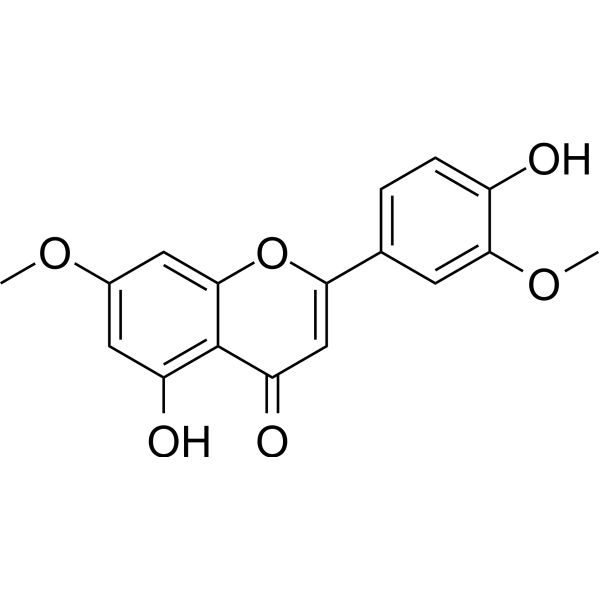
    Velutin is a flavonoid. Velutin can be extracted from mistletoe. Velutin inhibits mushroom Tyrosinase activity with an IC50 of 910.1 μM. Velutin inhibits p38 phosphorylation, the NF-κB pathway and the MAPK pathway. Velutin prevents articular cartilage degeneration and subchondral bone loss. Velutin slows down the progression of intervertebral disc degeneration. Velutin exhibits inhibitory effects on melanogenesis, skin whitening, anti-inflammatory, anti-allergic, anti-oxidant and antibacterial activities. Velutin can be used in studies related to pigmented diseases, osteoarthritis and intervertebral disc degeneration .
    Velutin
  • HY-162133

    STING Apoptosis IKK IFNAR NF-κB Cancer
    MSA-2-Pt, platinum salt-modified MSA-2 (HY-136927), is a STING agonist. MSA-2-Pt inducing cell
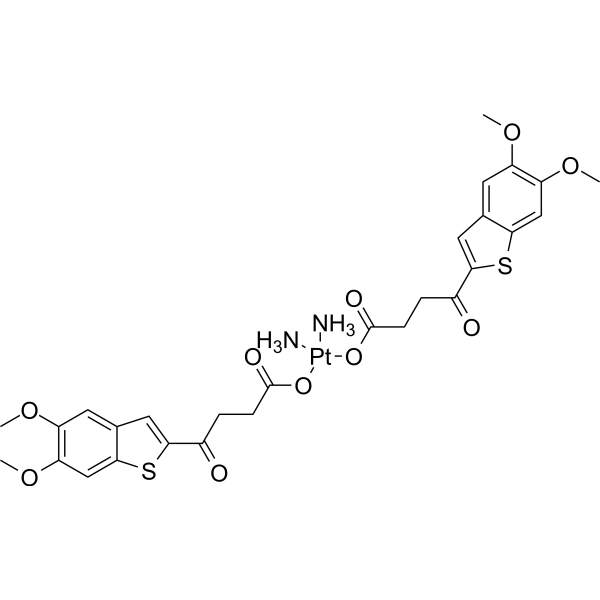
    death by platinum and activating the STING pathway by MSA-2. MSA-2-Pt direct activates STING pathway, induces phosphorylation of TBK1, IRF3, and NF-κB p65. MSA-2-Pt enhances tumor infiltration of CD4 + and CD8 + T cells, and induces tumor cell death and apoptosis in mouse colon carcinoma and melanoma models .
    MSA-2-Pt
  • HY-175369

    PI3K Akt PD-1/PD-L1 Interleukin Related CD3 Inflammation/Immunology Cancer
    PI3Kδ-IN-25 is an orally active selective PI3Kδ inhibitor (IC50 = 2.1 nM). PI3Kδ-IN-25 has IC50s of 272, 285, and 1171 nM for PI3Kα, PI3Kγ, and PI3Kβ, respectively. PI3Kδ-IN-25 inhibits AKT Ser473 phosphorylation, suppresses Treg cell proliferation, and downregulates PD-L1 expression in B16F10 cells. PI3Kδ-IN-25 exhibits anticancer effects in B16F10 melanoma and Lewis lung cancer mouse models by reducing tumor-infiltrating Treg cells and enhancing immune responses. PI3Kδ-IN-25 is potentially useful in the study of melanoma, lung cancer, and other cancers .
    PI3Kδ-IN-25
  • HY-16676

    4-epi-Docetaxel; 7-Epidocetaxel; 7-Epitaxotere

    Drug Metabolite Cytochrome P450 Cancer
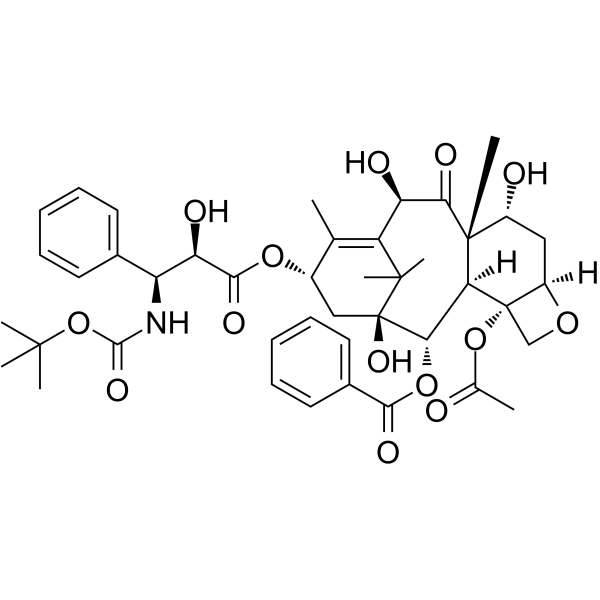
    7-Epi-docetaxel (4-epi-Docetaxel; 7-Epidocetaxel; 7-Epitaxotere) is the major C7 epimeric impurity/in vivo metabolite of Docetaxel (HY-B0011). 7-Epi-docetaxel acts as a potent allosteric activator of rhCYP1B1. 7-Epi-docetaxel exhibits certain cell line-specific anti-migratory activity . 7-Epi-docetaxel can be used in research related to melanoma and lung adenocarcinoma .
    7-Epi-docetaxel
  • HY-149950

    Apoptosis Cancer
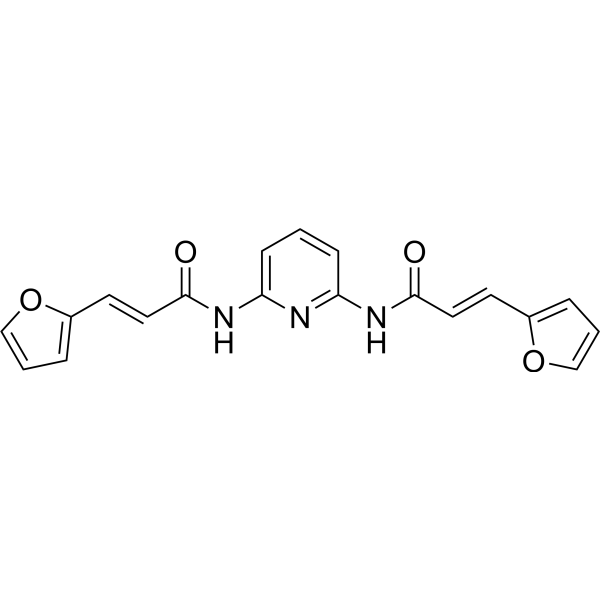
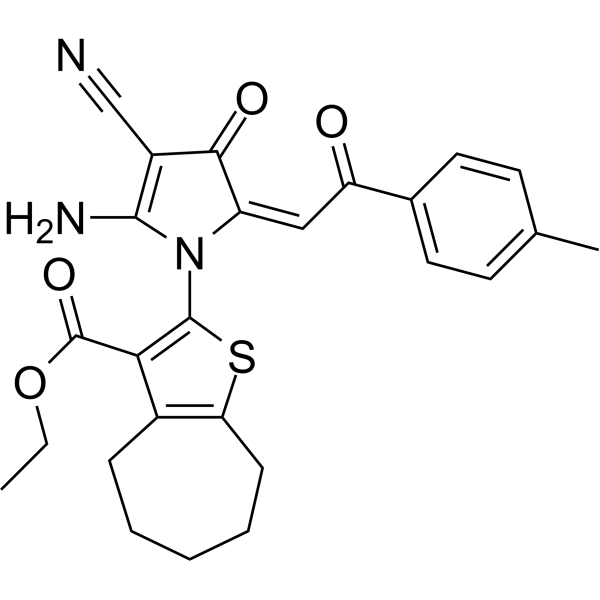
    Anticancer agent 106 (compound 10ic) is an anticancer agent that induces apoptosis in B16-F10 melanoma cells. Anticancer agent 106 also potently inhibits metastatic nodules in a mouse model of lung metastatic melanoma. Anticancer agent 106 can be used in the study of cancer, especially lung metastatic melanoma .
    Anticancer agent 106
  • HY-W768347

    Xylite-13C5

    Isotope-Labeled Compounds Bacterial Autophagy Endogenous Metabolite Atg8/LC3 Atg7 Cancer
    Xylitol- 13C5 (Xylite- 13C5) is the 13C-labeled Xylitol (HY-N0538). Xylitol can be classified as a polyol and sugar alcohol, exhibiting inhibitory activity on cancer cell proliferation. It induces autophagy (Autophagy) and cell death in A549 cells by activating the autophagy signaling pathway, as evidenced by the increased expression of LC3-II and Atg5-Atg12 upon Xylitol treatment. Additionally, Xylitol inhibits acetaldehyde production by Candida species, thereby reducing their carcinogenic potential. In vivo, Xylitol induces alterations in the gut microbiota of mice, which may enhance cholesterol accumulation and upregulate hepatic ChREBP, while also slowing tumor growth in the B16F10 melanoma C57BL/6 mouse model .
    Xylitol-13C5
  • HY-180159

    Microtubule/Tubulin Apoptosis Cancer
    Tubulin-IN-63 is a potent tubulin polymerization inhibitor targeting the colchicine-binding site, with an IC50 of 6.03 µM. Tubulin-IN-63 disrupts microtubule dynamics, induces G2/M arrest and apoptosis, thereby suppressing cancer cell proliferation. Tubulin-IN-63 disrupts capillary network formation in human umbilical vein endothelial cells (HUVECs) and exhibits in vivo antitumor efficacy in a B16-F10 mouse model. Tubulin-IN-63 can be used for the research of cancers, such as melanoma, lung cancer, and liver cancer .
    Tubulin-IN-63
  • HY-123647

    Endogenous Metabolite p38 MAPK JNK Caspase PARP ERK Apoptosis Reactive Oxygen Species (ROS) Infection Cancer
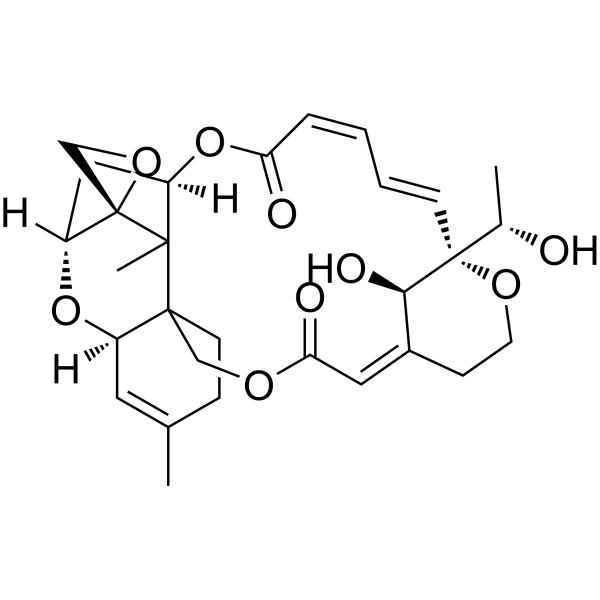
    Satratoxin H is a toxic metabolite of Stachybotrys atra. Satratoxin H induces caspase-3 and PARP cleavage via p38 MAPK and JNK pathways, stimulates JNK, ERK, and p38 MAPK phosphorylation, and activates JNK and p38 MAPK in a glutathione-sensitive manner. Satratoxin H induces DNA double-stranded breaks, apoptotic body formation, intracellular reactive oxygen species generation, and endoplasmic reticulum stress via ATF6, PERK, and IRE1 pathways. Satratoxin H can be used for the research of central nervous system disorders and melanoma .
    Satratoxin H
  • HY-DY1092

    Ce6 (solution)

    Caspase Apoptosis Fluorescent Dye PARP Bcl-2 Family Cancer
    Chlorin e6 (solution) (Ce6 (solution)) is a photosensitizer and has strong absorption peaks at wavelength of 402 and 662 nm, as well as exhibiting intense fluorescence at 668 nm. Chlorin e6 has antimicrobial efficacy and anticancer activity. Chlorin e6 induces cell apoptosis via caspase-3 activation and can be used for the research of cancer .
    Solvent and concentration: DMSO: 10 mM
    The 1 mL volume is defined as the base specification. All larger sizes correspond to incremental volumes of this base.
    Chlorin e6 (solution)
  • HY-E71367

    Proteolytic Enzyme Bacterial Fungal Cardiovascular Disease Infection Inflammation/Immunology Cancer
    Bromelain USP is an orally active proteolytic agent. Bromelain USP converts plasminogen to plasmin to support fibrinolysis, cleaves CD44 adhesion molecules from cell surfaces, and diminishes uPAR expression and uPA activity. Bromelain USP can inhibit the activity of a variety of fungi and bacteria. Bromelain USP can be used for the research of angina pectoris, atherosclerotic disease, fungal infections, bacterial infections, chronic inflammatory bowel disease, and cancer .
    Bromelain (USP)
  • HY-182266

    Mitochondrial Metabolism Apoptosis Reactive Oxygen Species (ROS) DNA/RNA Synthesis Cancer
    FBP is a mitochondria-targeted, selective anticancer agent. FBP induces oxidative stress and mitochondrial dysfunction, leading to Apoptosis. FBP generates ROS and causes double-strand DNA breaks in cancer cells. FBP exhibits cytotoxic efficacy against cancer cells, with cervical cancer cells being the most sensitive. FBP can be used for the research of cervical cancer, lung cancer, melanoma and breast cancer .
    FBP

Inquiry Online

Your information is safe with us. * Required Fields.

Salutation


Country or Region *

Applicant Name *


Organization Name *

Department *


Email Address *


Product Name *

Cat. No.


Requested quantity *

Phone Number *


Remarks

Inquiry Online

Inquiry Information

Product Name:
Cat. No.:
Quantity:
MCE Japan Authorized Agent:

