Search Result
Results for "
Bone+metabolism
" in MedChemExpress (MCE) Product Catalog:
2
Biochemical Assay Reagents
2
Isotope-Labeled Compounds
| Cat. No. |
Product Name |
Target |
Research Areas |
Chemical Structure |
-
- HY-B0148
-
|
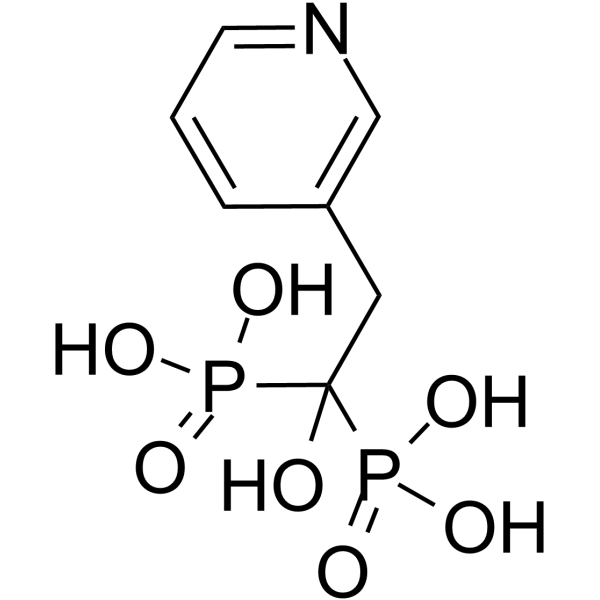
Risedronate
|
Parasite
Apoptosis
|
Infection
Metabolic Disease
Cancer
|
|
Risedronic acid (Risedronate) is a bisphosphonate and potent antiresorptive agent. Risedronic acid induces Apoptosis. Risedronic acid inhibits the transfer of farnesyl pyrophosphate groups to parasite proteins. Risedronic acid inhibits osteoclast-mediated bone resorption and alters bone metabolism. Risedronic acid inhibits blood-stage Plasmodium falciparum (IC50 of 20.3 μM) .
|
-
-
- HY-N2532
-
|
|
VSV
HIV
Proton Pump
Influenza Virus
|
Infection
Inflammation/Immunology
Cancer
|
|
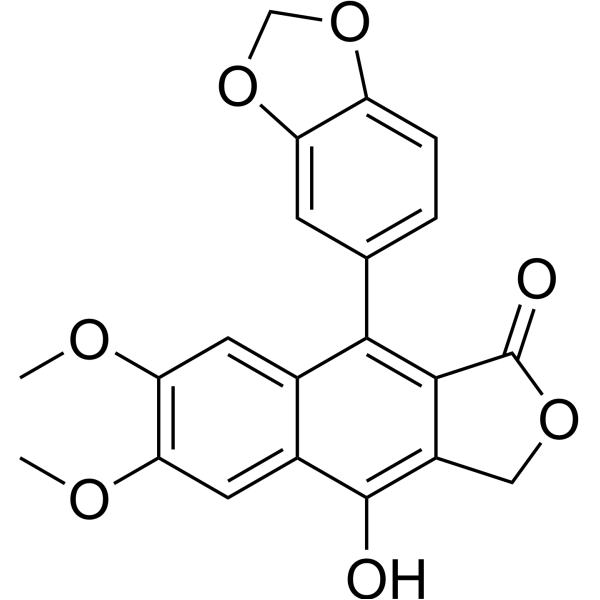
Diphyllin is an orally active V-ATPase inhibitor (IC50=17 nM) and HIV-1 inhibitor (IC50=0.38 μM). Diphyllin blocks the acidification of osteoclast lysosomes and bone resorption lacunas (IC50=0.6 nM for acid influx inhibition), thereby inhibiting bone resorption. Diphyllin can effectively inhibit osteoclast-mediated bone resorption and has no effect on osteoblastic bone formation. Diphyllin can be used in the research of bone metabolism-related diseases and has the potential to inhibit diseases related to excessive bone resorption .
|
-
-
- HY-B0119
-
|
Risedronate sodium
|
Parasite
Apoptosis
|
Infection
Metabolic Disease
Cancer
|
|
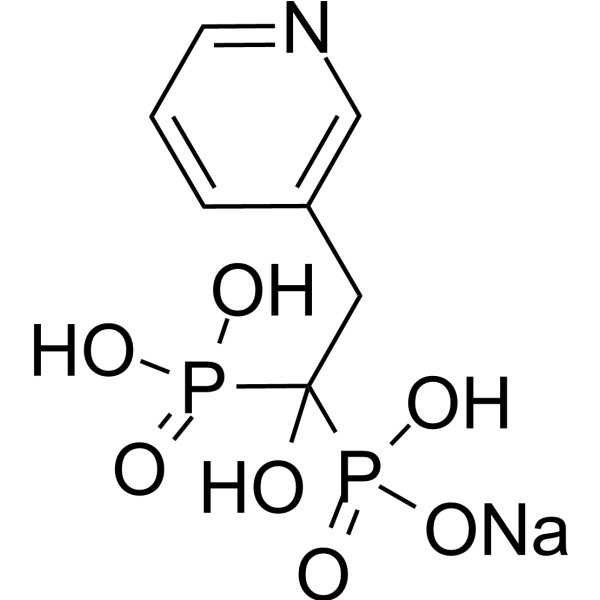
Risedronic acid (Risedronate) sodium, a bisphosphonate, is a potent anti-resorption agent that inhibits osteoclast-mediated bone resorption and changes the bone metabolism. Risedronic acid sodium suppresses osteoblast differentiation and induced caspase- and isoprenoid depletion-dependent apoptosis. Risedronic acid sodium inhibits blood stages of Plasmodium falciparum (IC50 of 20.3 μM). Risedronic acid sodium inhibits the transfer of the farnesyl pyrophosphate group to parasite proteins .
|
-
-
- HY-W110927
-
|
|
Biochemical Assay Reagents
Fluorescent Dye
|
Others
|
|
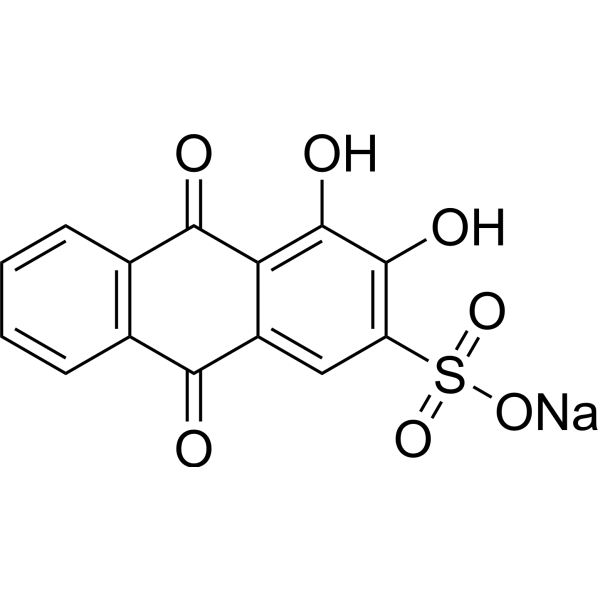
Alizarin red S indicator (C.I. 58005) is a reductively active (quinone-based) anthraquinone dye that forms complexes with metal ions (such as zirconium, calcium) or boric acid to label calcium deposition and perform electrochemical sensing functions. Alizarin Red S undergoes reversible redox reactions (for electrochemical detection) and irreversible chelation (for bone staining). Alizarin Red S is mainly used in bone metabolism research (labeling mineralized tissue), sugar detection (boric acid-sugar competition system) and metal ion sensing (such as zirconium ion detection), and can be used in osteoporosis and metabolic disease research .
|
-
-
- HY-W016409
-
|
Protocatechuic acid ethyl ester
|
HIF/HIF Prolyl-Hydroxylase
Reactive Oxygen Species (ROS)
NO Synthase
Autophagy
Apoptosis
|
Metabolic Disease
Cancer
|
|
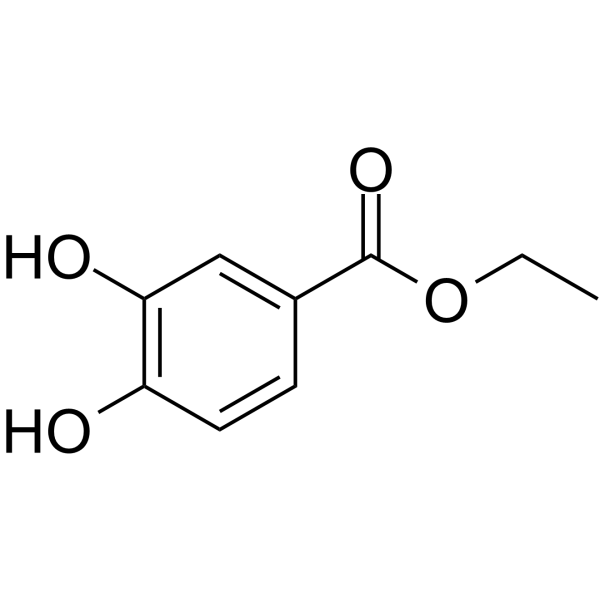
Ethyl 3,4-dihydroxybenzoate (Protocatechuic acid ethyl ester) is an orally effective, blood-brain barrier-permeable, competitive prolyl hydroxylase (PHD) inhibitor that inhibits the hydroxylation modification of hypoxia-inducible factor (HIF) by PHD. Ethyl 3,4-dihydroxybenzoate stabilizes HIF-1α by inhibiting PHD, activates downstream pathways to induce autophagy and apoptosis of tumor cells, and regulates inflammatory responses, inhibits the NF-κB pathway, improves vascular permeability, and promotes osteoblast differentiation. Ethyl 3,4-dihydroxybenzoate has anti-tumor, anti-hypoxic injury, and bone metabolism regulation effects. It can also be used in the research of cardiovascular protection (such as reducing myocardial ischemic damage), bone tissue engineering (promoting osteogenesis/inhibiting osteoclast differentiation), and prevention and treatment of high-altitude cerebral edema .
|
-
-
- HY-119725
-
|
|
Environmental Pollutants
Insecticide
|
Infection
|
|
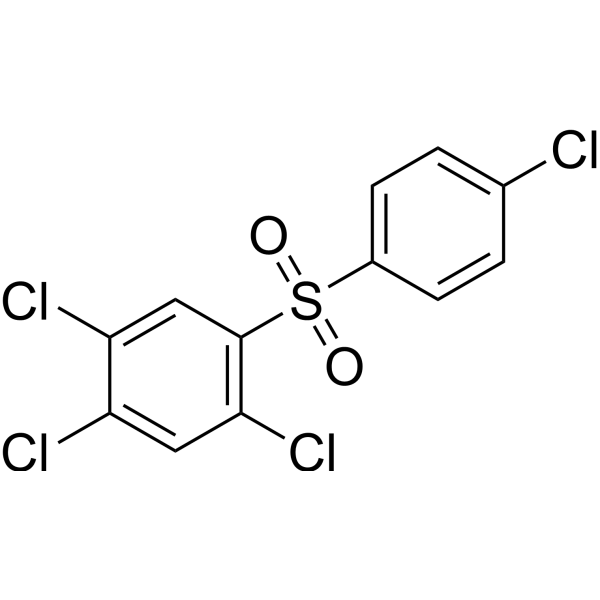
Tetradifon is a broad-spectrum organochlorine insecticide and an inhibitor of the mitochondrial oligomycin sensitivity conferring protein (OSCP), which can be used to control a variety of mites. Tetradifon inhibits energy-related activities such as ADP-stimulated respiration, DNP and Mg 2+-stimulated ATPase, with an IC50 of 4.5-27 nmoL/mg mitochondrial protein. Tetradifon exerts oligomycin-like activity by inhibiting the oxidative phosphorylation process, inducing oxidative stress and interfering with bone metabolism. Tetradifon is currently mainly used in the research of mitochondrial function regulation, bone remodeling mechanism and nephrotoxicity of environmental pollutants .
|
-
-
- HY-113440
-
|
|
Melatonin Receptor
ERK
TNF Receptor
Interleukin Related
MMP
Endogenous Metabolite
|
Neurological Disease
Metabolic Disease
Inflammation/Immunology
|
|
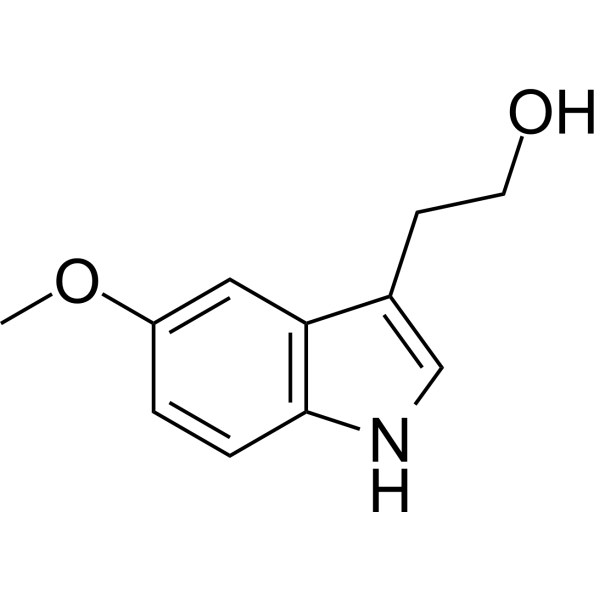
5-Methoxytryptophol is a 5-methoxyindole alcohol structurally homologous to Melatonin (HY-B0075). It is secreted by the mammalian pineal gland and exhibits an inverse circadian rhythm. 5-Methoxytryptophol regulates bone metabolism by activating the ERK1/2 pathway. It reduces the levels of pro-inflammatory cytokines TNF-α and IL-1β, as well as proteolytic enzymes MMP-1 and MMP-2, in serum and dental pulp tissues, thereby ameliorating acute pulpitis. 5-Methoxytryptophol induces rapid sleep in mice, while high doses cause respiratory depression and death. 5-Methoxytryptophol. 5-Methoxytryptophol can be used in studies related to acute pulpitis, hypnosis, and bone metabolism .
|
-
-
- HY-12398A
-
|
|
VD/VDR
|
Metabolic Disease
Inflammation/Immunology
|
|
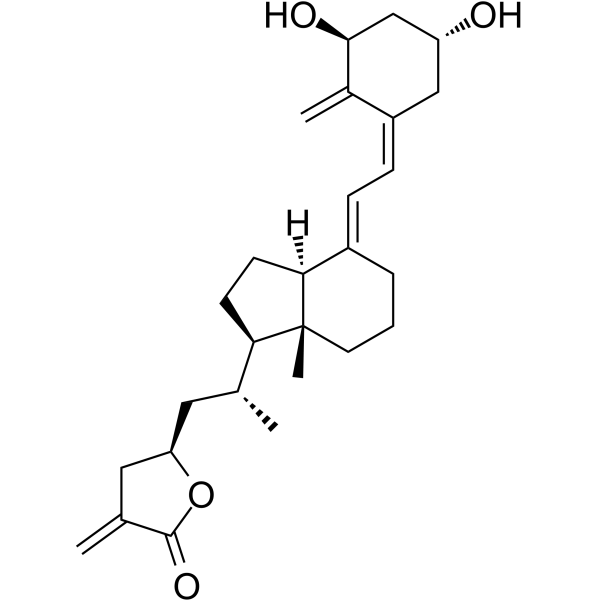
TEI-9648, a Vitamin D3 Lactone analogue, is a potent and specific vitamin D receptor (VDR) antagonist. TEI-9648 inhibits VDR/VDRE-mediated genomic actions of 1α,25(OH)2D3. TEI-9648 also inhibits HL-60 cell differentiation induced by of 1α,25(OH)2D3. TEI-9648 has the potential for bone metabolism research .
|
-
-
- HY-P990022
-
|
DS-6016A
|
TGF-β Receptor
|
Metabolic Disease
|
|
Prafnosbart (DS-6016A) is an IgG1-kappa, anti-ACVR1 (activin A receptor type 1, ACVRLK2, ALK2, ACVR1A, SKR1) humanized monoclonal antibody. Prafnosbart can be used for bone metabolism disorders research .
|
-

-
- HY-164634
-
|
|
Cathepsin
Cholecystokinin Receptor
|
Neurological Disease
Metabolic Disease
Cancer
|
|
CLIK-148 is a highly selective, irreversible and orally active cysteine protease inhibitor, primarily targeting Cathepsin L. CLIK-148 effectively inhibits the Cathepsin L-dependent degradation of HMG-CoA reductase in the endoplasmic reticulum (ER) membrane. CLIK-148 inhibits the processing of proCCK by Cathepsin L, thereby reducing the production of CCK8 (HY-P0093). CLIK-148 inhibits the degradation of type I collagen by osteoclasts' secreted Cathepsin L, reducing tumor-induced bone metastasis and malignant hypercalcemia. CLIK-148 can be used for the studies of bone metabolism disorders and regulation of neuropeptide processing .
|
-

-
- HY-B0148R
-
|
Risedronate (Standard)
|
Parasite
Reference Standards
Apoptosis
|
Infection
Metabolic Disease
Cancer
|
|
Risedronic acid (Standard) (Risedronate (Standard)) is the analytical standard of Risedronic acid (HY-B0148). This product is intended for research and analytical applications. Risedronic acid (Risedronate) is a bisphosphonate and potent antiresorptive agent. Risedronic acid induces Apoptosis. Risedronic acid inhibits the transfer of farnesyl pyrophosphate groups to parasite proteins. Risedronic acid inhibits osteoclast-mediated bone resorption and alters bone metabolism. Risedronic acid inhibits blood-stage Plasmodium falciparum (IC50 of 20.3 μM).
|
-

-
- HY-B0148S
-
|
Risedronate-d4
|
Isotope-Labeled Compounds
Parasite
Apoptosis
|
Infection
Metabolic Disease
Cancer
|
|
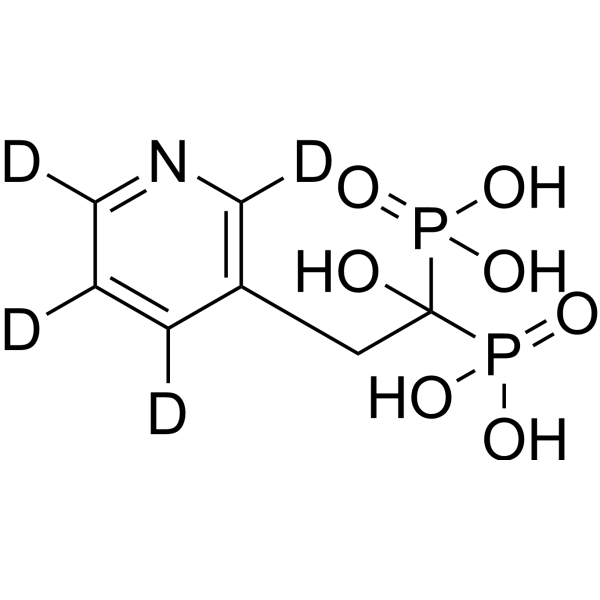
Risedronic acid-d4 (Risedronate-d4) is the deuterium labeled Risedronic acid (HY-B0148). Risedronic acid (Risedronate) is a bisphosphonate and potent antiresorptive agent. Risedronic acid induces Apoptosis. Risedronic acid inhibits the transfer of farnesyl pyrophosphate groups to parasite proteins. Risedronic acid inhibits osteoclast-mediated bone resorption and alters bone metabolism. Risedronic acid inhibits blood-stage Plasmodium falciparum (IC50 of 20.3 μM) .
|
-
-
- HY-NP195
-
-

-
- HY-176855
-
|
|
Bacterial
|
Metabolic Disease
Cancer
|
|
RAM1147 is a farnesyl pyrophosphate synthase (FPPS) inhibitor. RAM1147 disrupts protein isoprenylation, inhibiting tumor cell proliferation. RAM1147 is promising for research of cancers (e.g., myeloma, breast cancer) and bone metabolism disorders (e.g., osteoporosis) .
|
-

-
- HY-P2633A
-
|
AC-100 TFA
|
Integrin
|
Metabolic Disease
|
|
Dentonin TFA (AC-100 TFA) is a synthetic fragment derived from MEPE. Dentonin TFA enhances osteogenesis by promoting osteoprogenitor adhesion and facilitates immature adherent cells survival. Dentonin TFA has no significant effect to mature osteoblasts. Dentonin TFA can be used for the research of phosphate homeostasis and bone metabolism .
|
-

-
- HY-N16118
-
|
|
PI3K
Akt
p38 MAPK
ERK
|
Metabolic Disease
|
|
Asperosaponin V is an indirect modulator of bone metabolism-related targets (e.g., PI3K/AKT, BMP-2/p38, and ERK 1/2 pathways). Asperosaponin V promotes marrow stromal cell proliferation and induces osteoblast differentiation. Asperosaponin V is promising for research of osteoporosis and fracture healing .
|
-

-
- HY-178478
-
|
|
Phosphodiesterase (PDE)
|
Metabolic Disease
|
|
PDE1-IN-11 (Compound 5cc) is an orally active and highly selective PDE1A1 inhibitor. PDE1-IN-11 increases intracellular cAMP and cGMP levels, activating the PKA-CREB and NO-cGMP-PKG signaling pathways, promoting osteoblast differentiation and bone formation, while suppressing osteoclastogenesis and bone resorption. PDE1-IN-11 is promising for research of postmenopausal osteoporosis (PMO) and other bone metabolism disorders .
|
-

-
- HY-119725R
-
|
|
Reference Standards
Insecticide
|
Infection
|
|
Tetradifon (Standard) is the analytical standard of Tetradifon (HY-119725). This product is intended for research and analytical applications. Tetradifon is a broad-spectrum organochlorine insecticide and an inhibitor of the mitochondrial oligomycin sensitivity conferring protein (OSCP), which can be used to control a variety of mites. Tetradifon inhibits energy-related activities such as ADP-stimulated respiration, DNP and Mg 2+-stimulated ATPase, with an IC50 of 4.5-27 nmoL/mg mitochondrial protein. Tetradifon exerts oligomycin-like activity by inhibiting the oxidative phosphorylation process, inducing oxidative stress and interfering with bone metabolism. Tetradifon is currently mainly used in the research of mitochondrial function regulation, bone remodeling mechanism and nephrotoxicity of environmental pollutants .
|
-

-
- HY-W778057
-
|
Protocatechuic acid ethyl ester-13C3
|
Reactive Oxygen Species (ROS)
|
Cancer
|
|
Ethyl 3,4-Dihydroxybenzoate- 13C3 (Protocatechuic acid ethyl ester- 13C3) is the 13C-labeled Ethyl 3,4-dihydroxybenzoate (HY-W016409). Ethyl 3,4-dihydroxybenzoate (Protocatechuic acid ethyl ester) is an orally effective, blood-brain barrier-permeable, competitive prolyl hydroxylase (PHD) inhibitor that inhibits the hydroxylation modification of hypoxia-inducible factor (HIF) by PHD. Ethyl 3,4-dihydroxybenzoate stabilizes HIF-1α by inhibiting PHD, activates downstream pathways to induce autophagy and apoptosis of tumor cells, and regulates inflammatory responses, inhibits the NF-κB pathway, improves vascular permeability, and promotes osteoblast differentiation. Ethyl 3,4-dihydroxybenzoate has anti-tumor, anti-hypoxic injury, and bone metabolism regulation effects. It can also be used in the research of cardiovascular protection (such as reducing myocardial ischemic damage), bone tissue engineering (promoting osteogenesis/inhibiting osteoclast differentiation), and prevention and treatment of high-altitude cerebral edema .
|
-

-
- HY-W016409R
-
|
Protocatechuic acid ethyl ester (Standard)
|
Reference Standards
HIF/HIF Prolyl-Hydroxylase
Reactive Oxygen Species (ROS)
NO Synthase
Autophagy
Apoptosis
|
Metabolic Disease
Cancer
|
|
Ethyl 3,4-dihydroxybenzoate (Standard) (Protocatechuic acid ethyl ester (Standard)) is the analytical standard of Ethyl 3,4-dihydroxybenzoate (HY-W016409). This product is intended for research and analytical applications. Ethyl 3,4-dihydroxybenzoate (Protocatechuic acid ethyl ester) is an orally effective, blood-brain barrier-permeable, competitive prolyl hydroxylase (PHD) inhibitor that inhibits the hydroxylation modification of hypoxia-inducible factor (HIF) by PHD. Ethyl 3,4-dihydroxybenzoate stabilizes HIF-1α by inhibiting PHD, activates downstream pathways to induce autophagy and apoptosis of tumor cells, and regulates inflammatory responses, inhibits the NF-κB pathway, improves vascular permeability, and promotes osteoblast differentiation. Ethyl 3,4-dihydroxybenzoate has anti-tumor, anti-hypoxic injury, and bone metabolism regulation effects. It can also be used in the research of cardiovascular protection (such as reducing myocardial ischemic damage), bone tissue engineering (promoting osteogenesis/inhibiting osteoclast differentiation), and prevention and treatment of high-altitude cerebral edema .
|
-

-
- HY-113440R
-
|
|
Reference Standards
Interleukin Related
Endogenous Metabolite
Melatonin Receptor
TNF Receptor
ERK
MMP
|
Neurological Disease
Metabolic Disease
Inflammation/Immunology
|
|
5-Methoxytryptophol (Standard) is the analytical standard of 5-Methoxytryptophol. This product is intended for research and analytical applications. 5-Methoxytryptophol is a 5-methoxyindole alcohol structurally homologous to Melatonin (HY-B0075). It is secreted by the mammalian pineal gland and exhibits an inverse circadian rhythm. 5-Methoxytryptophol regulates bone metabolism by activating the ERK1/2 pathway. It reduces the levels of pro-inflammatory cytokines TNF-α and IL-1β, as well as proteolytic enzymes MMP-1 and MMP-2, in serum and dental pulp tissues, thereby ameliorating acute pulpitis. 5-Methoxytryptophol induces rapid sleep in mice, while high doses cause respiratory depression and death. 5-Methoxytryptophol. 5-Methoxytryptophol can be used in studies related to acute pulpitis, hypnosis, and bone metabolism.
|
-

| Cat. No. |
Product Name |
Type |
-
- HY-W110927
-
|
|
Biochemical Assay Reagents
|
|
Alizarin red S indicator (C.I. 58005) is a reductively active (quinone-based) anthraquinone dye that forms complexes with metal ions (such as zirconium, calcium) or boric acid to label calcium deposition and perform electrochemical sensing functions. Alizarin Red S undergoes reversible redox reactions (for electrochemical detection) and irreversible chelation (for bone staining). Alizarin Red S is mainly used in bone metabolism research (labeling mineralized tissue), sugar detection (boric acid-sugar competition system) and metal ion sensing (such as zirconium ion detection), and can be used in osteoporosis and metabolic disease research .
|
-
- HY-NP195
-
|
|
Biochemical Assay Reagents
|
|
Osteocalcin protein (Cow) is the most abundant non-collagenous protein in bone and plays an important role in bone metabolism .
|
| Cat. No. |
Product Name |
Target |
Research Area |
-
- HY-P2633
-
|
AC-100
|
Peptides
|
Metabolic Disease
|
|
Dentonin (AC-100) is a synthetic fragment derived from MEPE. Dentonin enhances osteogenesis by promoting osteoprogenitor adhesion and facilitates immature adherent cells survival. Dentonin has no significant effect to mature osteoblasts. Dentonin can be used for the research of phosphate homeostasis and bone metabolism .
|
-
- HY-P2633A
-
|
AC-100 TFA
|
Integrin
|
Metabolic Disease
|
|
Dentonin TFA (AC-100 TFA) is a synthetic fragment derived from MEPE. Dentonin TFA enhances osteogenesis by promoting osteoprogenitor adhesion and facilitates immature adherent cells survival. Dentonin TFA has no significant effect to mature osteoblasts. Dentonin TFA can be used for the research of phosphate homeostasis and bone metabolism .
|
| Cat. No. |
Product Name |
Target |
Research Area |
Image |
-
- HY-P990022
-
|
DS-6016A
|
TGF-β Receptor
|
Metabolic Disease
|
|
Prafnosbart (DS-6016A) is an IgG1-kappa, anti-ACVR1 (activin A receptor type 1, ACVRLK2, ALK2, ACVR1A, SKR1) humanized monoclonal antibody. Prafnosbart can be used for bone metabolism disorders research .
|
-

(5)
| Cat. No. |
Product Name |
Category |
Target |
Chemical Structure |
-
- HY-N2532
-
-
-
- HY-W016409
-
|
Protocatechuic acid ethyl ester
|
Arachis hypogaea L.
Classification of Application Fields
Leguminosae
Phenols
Polyphenols
Metabolic Disease
Plants
Disease Research Fields
Source Classification
|
HIF/HIF Prolyl-Hydroxylase
Reactive Oxygen Species (ROS)
NO Synthase
Autophagy
Apoptosis
|
|
Ethyl 3,4-dihydroxybenzoate (Protocatechuic acid ethyl ester) is an orally effective, blood-brain barrier-permeable, competitive prolyl hydroxylase (PHD) inhibitor that inhibits the hydroxylation modification of hypoxia-inducible factor (HIF) by PHD. Ethyl 3,4-dihydroxybenzoate stabilizes HIF-1α by inhibiting PHD, activates downstream pathways to induce autophagy and apoptosis of tumor cells, and regulates inflammatory responses, inhibits the NF-κB pathway, improves vascular permeability, and promotes osteoblast differentiation. Ethyl 3,4-dihydroxybenzoate has anti-tumor, anti-hypoxic injury, and bone metabolism regulation effects. It can also be used in the research of cardiovascular protection (such as reducing myocardial ischemic damage), bone tissue engineering (promoting osteogenesis/inhibiting osteoclast differentiation), and prevention and treatment of high-altitude cerebral edema .
|
-
-
- HY-113440
-
-
-
- HY-N16118
-
-
-
- HY-W016409R
-
|
Protocatechuic acid ethyl ester (Standard)
|
Structural Classification
Arachis hypogaea L.
Leguminosae
Phenols
Polyphenols
Plants
Source Classification
|
Reference Standards
HIF/HIF Prolyl-Hydroxylase
Reactive Oxygen Species (ROS)
NO Synthase
Autophagy
Apoptosis
|
|
Ethyl 3,4-dihydroxybenzoate (Standard) (Protocatechuic acid ethyl ester (Standard)) is the analytical standard of Ethyl 3,4-dihydroxybenzoate (HY-W016409). This product is intended for research and analytical applications. Ethyl 3,4-dihydroxybenzoate (Protocatechuic acid ethyl ester) is an orally effective, blood-brain barrier-permeable, competitive prolyl hydroxylase (PHD) inhibitor that inhibits the hydroxylation modification of hypoxia-inducible factor (HIF) by PHD. Ethyl 3,4-dihydroxybenzoate stabilizes HIF-1α by inhibiting PHD, activates downstream pathways to induce autophagy and apoptosis of tumor cells, and regulates inflammatory responses, inhibits the NF-κB pathway, improves vascular permeability, and promotes osteoblast differentiation. Ethyl 3,4-dihydroxybenzoate has anti-tumor, anti-hypoxic injury, and bone metabolism regulation effects. It can also be used in the research of cardiovascular protection (such as reducing myocardial ischemic damage), bone tissue engineering (promoting osteogenesis/inhibiting osteoclast differentiation), and prevention and treatment of high-altitude cerebral edema .
|
-
-
- HY-113440R
-
|
|
Alkaloids
Structural Classification
Endogenous metabolite
Indole Alkaloids
Source Classification
|
Reference Standards
Interleukin Related
Endogenous Metabolite
Melatonin Receptor
TNF Receptor
ERK
MMP
|
|
5-Methoxytryptophol (Standard) is the analytical standard of 5-Methoxytryptophol. This product is intended for research and analytical applications. 5-Methoxytryptophol is a 5-methoxyindole alcohol structurally homologous to Melatonin (HY-B0075). It is secreted by the mammalian pineal gland and exhibits an inverse circadian rhythm. 5-Methoxytryptophol regulates bone metabolism by activating the ERK1/2 pathway. It reduces the levels of pro-inflammatory cytokines TNF-α and IL-1β, as well as proteolytic enzymes MMP-1 and MMP-2, in serum and dental pulp tissues, thereby ameliorating acute pulpitis. 5-Methoxytryptophol induces rapid sleep in mice, while high doses cause respiratory depression and death. 5-Methoxytryptophol. 5-Methoxytryptophol can be used in studies related to acute pulpitis, hypnosis, and bone metabolism.
|
-
| Cat. No. |
Product Name |
Chemical Structure |
-
- HY-B0148S
-
|
|
|
Risedronic acid-d4 (Risedronate-d4) is the deuterium labeled Risedronic acid (HY-B0148). Risedronic acid (Risedronate) is a bisphosphonate and potent antiresorptive agent. Risedronic acid induces Apoptosis. Risedronic acid inhibits the transfer of farnesyl pyrophosphate groups to parasite proteins. Risedronic acid inhibits osteoclast-mediated bone resorption and alters bone metabolism. Risedronic acid inhibits blood-stage Plasmodium falciparum (IC50 of 20.3 μM) .
|
-
-
- HY-W778057
-
|
|
|
Ethyl 3,4-Dihydroxybenzoate- 13C3 (Protocatechuic acid ethyl ester- 13C3) is the 13C-labeled Ethyl 3,4-dihydroxybenzoate (HY-W016409). Ethyl 3,4-dihydroxybenzoate (Protocatechuic acid ethyl ester) is an orally effective, blood-brain barrier-permeable, competitive prolyl hydroxylase (PHD) inhibitor that inhibits the hydroxylation modification of hypoxia-inducible factor (HIF) by PHD. Ethyl 3,4-dihydroxybenzoate stabilizes HIF-1α by inhibiting PHD, activates downstream pathways to induce autophagy and apoptosis of tumor cells, and regulates inflammatory responses, inhibits the NF-κB pathway, improves vascular permeability, and promotes osteoblast differentiation. Ethyl 3,4-dihydroxybenzoate has anti-tumor, anti-hypoxic injury, and bone metabolism regulation effects. It can also be used in the research of cardiovascular protection (such as reducing myocardial ischemic damage), bone tissue engineering (promoting osteogenesis/inhibiting osteoclast differentiation), and prevention and treatment of high-altitude cerebral edema .
|
-
Your information is safe with us. * Required Fields.
Inquiry Information
- Product Name:
- Cat. No.:
- Quantity:
- MCE Japan Authorized Agent:








