



Risedronic acid sodium
Based on 2 publication(s) in Google Scholar
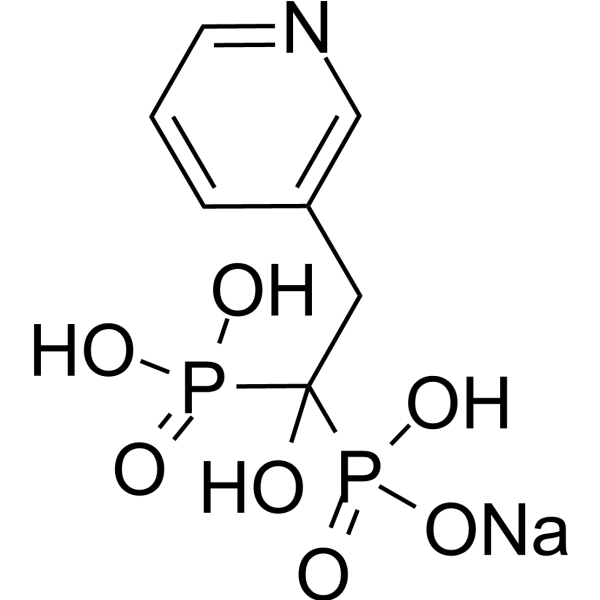
Risedronic acid (Risedronate) sodium, a bisphosphonate, is a potent anti-resorption agent that inhibits osteoclast-mediated bone resorption and changes the bone metabolism. Risedronic acid sodium suppresses osteoblast differentiation and induced caspase- and isoprenoid depletion-dependent apoptosis. Risedronic acid sodium inhibits blood stages of Plasmodium falciparum (IC50 of 20.3 μM). Risedronic acid sodium inhibits the transfer of the farnesyl pyrophosphate group to parasite proteins.
For research use only. We do not sell to patients.
- Purity : 98.0%
- CAS No.: 115436-72-1
- Formula: C7H10NNaO7P2
- Molecular Weight:305.09
-
Storage:
4°C, sealed storage, away from moisture
* In solvent : -80°C, 6 months; -20°C, 1 month (sealed storage, away from moisture)

To place orders, for customer services and technical support, please contact: MedChemExpress USA
Tel: 609-228-6898 E-mail: [email protected] [email protected]


-
 Biological Activity
-
Chemical Information
-
Solvent & Solubility
- Protocols
- Purity & Documentation
- References
-
 Help & FAQs


-
HY-B0515
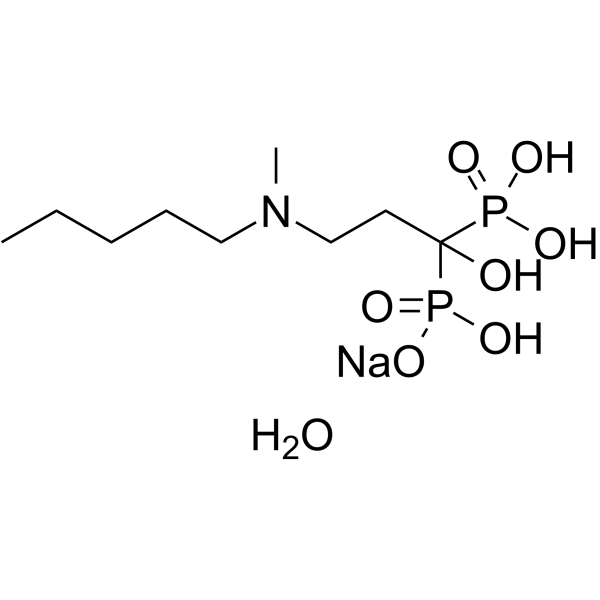
Ibandronate Sodium MonohydrateFPP synthase Inhibitor -
HY-11101
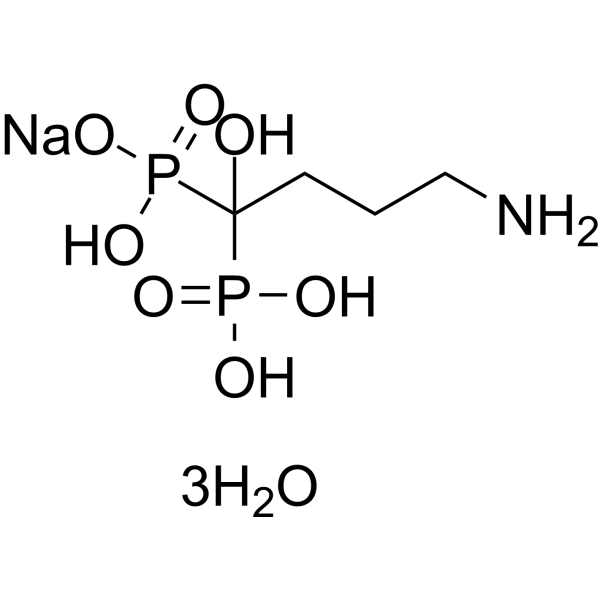
Alendronate sodium hydrateNitrogen-Containing Bisphosphonate -
HY-13777A
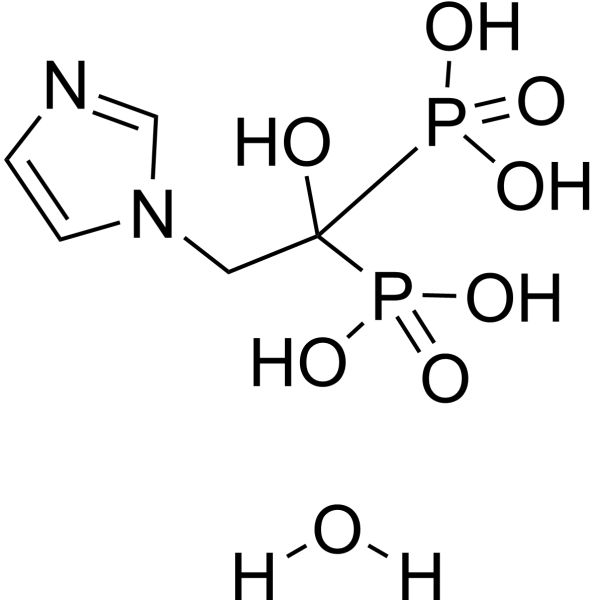
Zoledronic acid monohydrateAnti-resorptive Agant -
HY-B0012A
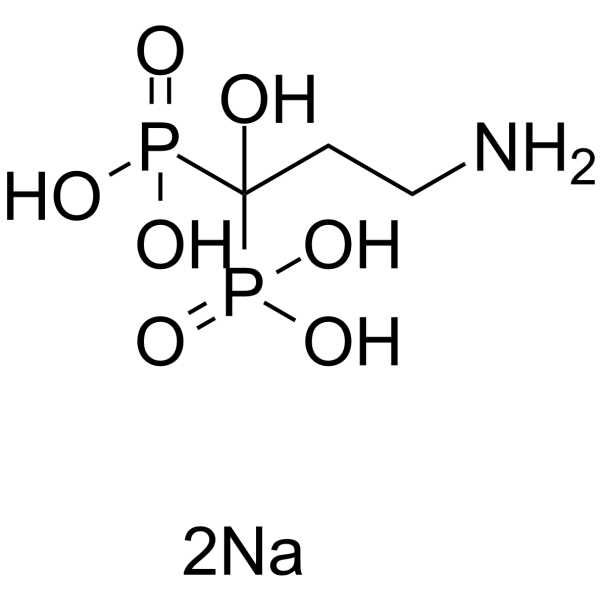
Pamidronate disodiumBone Loss Inhibitors -
HY-B0215
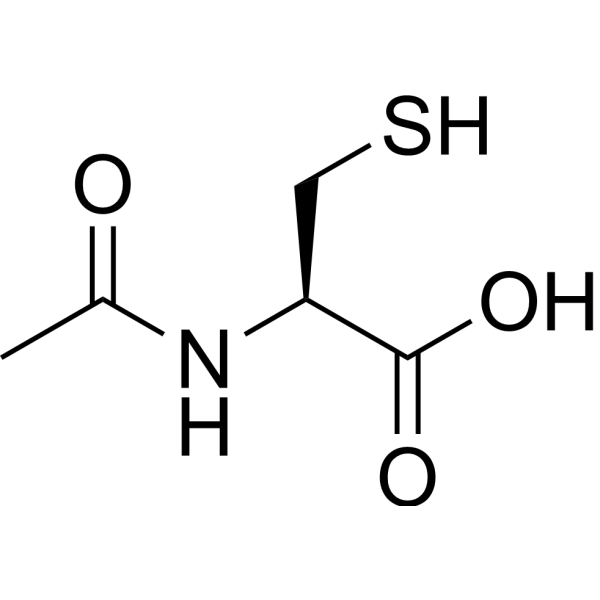
AcetylcysteineMucolytic Agent -
HY-17471A
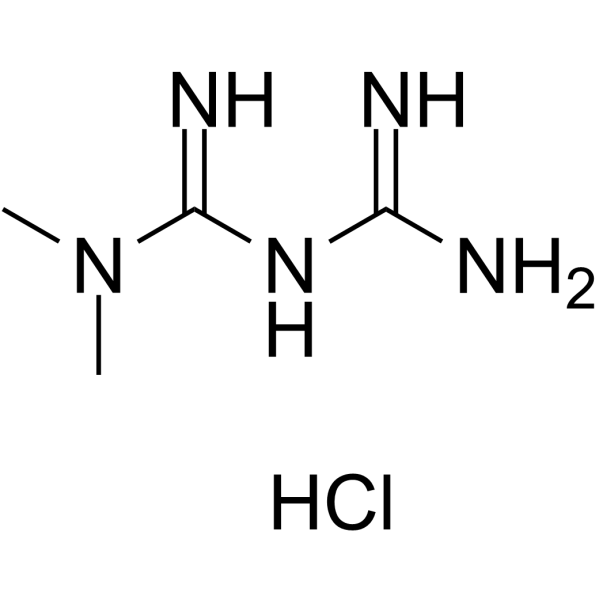
Metformin hydrochlorideAntihyperglycemic Agent -
HY-B0515B
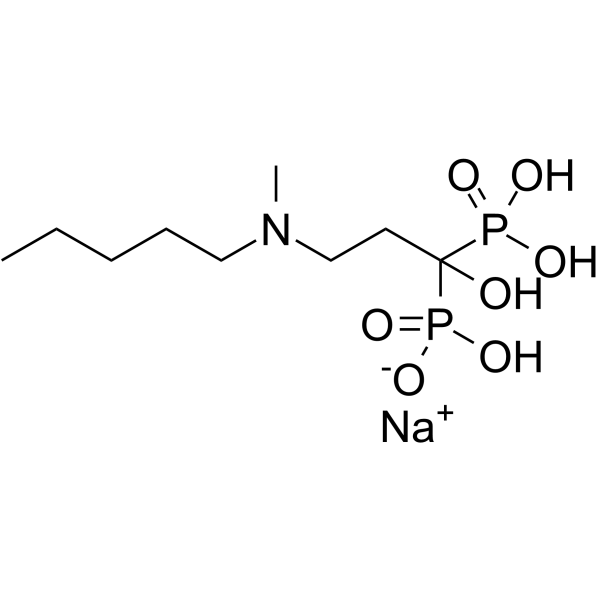
Ibandronate SodiumFPP synthase Inhibitor -
HY-B0657A
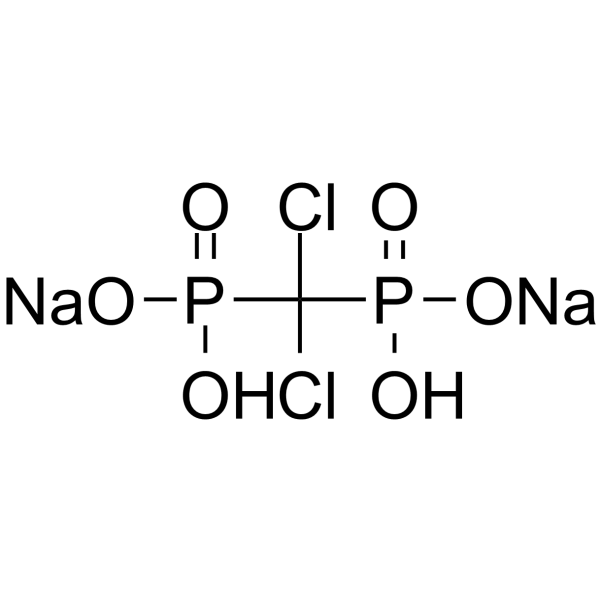
Clodronic acid disodium saltBisphosphonate -
HY-B0302A
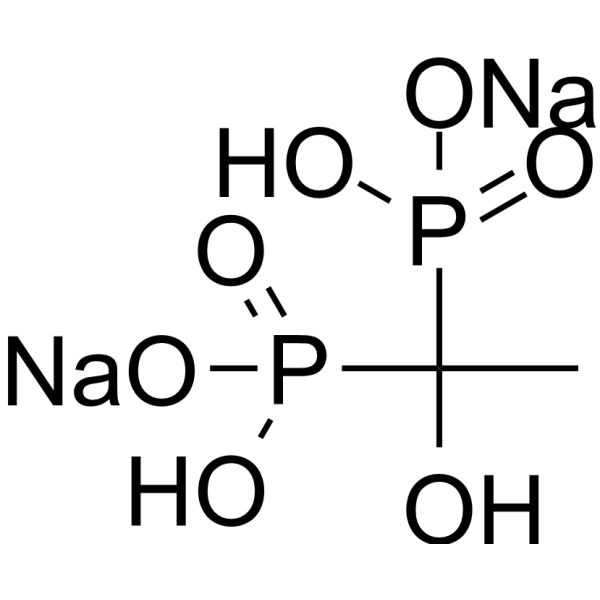
Etidronic acid disodiumApoptosis Inducer
Publications Citing Use of MedChemExpress (MCE) Risedronic acid sodium
MoreAll Parasite Isoforms
More

Biological Activity
Description
In Vitro
Risedronic acid (0-10 μM; 14 days) sodium suppresses the formation of mineralized nodules in human mesenchymal stem cells (hMSC12) and rat thymus-derived mesenchymal stem cells (ST1BIIb)1.
Risedronic acid (0-10 μM; 3 days) sodium suppresses the mRNA expression of osteoblast marker gene osteocalcin (OC) in human mesenchymal stem cells (hMSC12)1.
Risedronic acid (100-1000 μM; 48 h) sodium induces chromatin condensation and activates caspase-3 in human mesenchymal stem cells (hMSC12)1.
Risedronic acid (Risedronate) (15 μM; 36 h) sodium inhibits isoprenoid biosynthesis in Plasmodium falciparum, as shown by the decreased intensities of bands corresponding to farnesol (FOH) and geranylgeraniol (GGOH)3.
Risedronic acid (15 μM; 36 h) sodium interferes with protein isoprenylation in Plasmodium falciparum, reducing the intensities of farnesylated protein bands and increasing those of geranylgeranylated protein bands3.
MedChemExpress (MCE) has not independently confirmed the accuracy of these methods. They are for reference only. Further protocols information, click here.
-
Cell Line:Human mesenchymal stem cells (hMSC12)
-
Concentration:100 μM, 300 μM, 500 μM, 1000 μM
-
Incubation Time:48 h
-
Result:Induced chromatin condensation and activated caspase-3.
In Vivo
Risedronic acid (10-25 mg/kg; intraperitoneal injection; once a day; 7 days) sodium inhibits parasitemia in BALB/c mice infected with Plasmodium berghei strain ANKA, but does not prolong the survival time of mice3.
MedChemExpress (MCE) has not independently confirmed the accuracy of these methods. They are for reference only.
-
Animal Model:Female C57BL/6 mice (20-week-old, ~23 g) irradiated with 2 Gy X-rays whole-body2
-
Dosage:30 μg/kg
-
Administration:Subcutaneous injection, once every other day, for 3 weeks
-
Result:Prevented the radiation-induced increase in osteoclast number, surface, and TRAP5b.
-
Animal Model:Male BALB/c mice (3-4 weeks old) infected with Plasmodium berghei strain ANKA by intraperitoneal injection of 1×10⁶ blood-stage parasites3
-
Dosage:10 mg/kg, 15 mg/kg, 20 mg/kg, 25 mg/kg
-
Administration:Intraperitoneal injection, once a day, for 7 days
-
Result:Led to an 88.9% inhibition of the rodent parasite Plasmodium berghei in mice on the seventh day of treatment.


Chemical Information
-
CAS No. 115436-72-1
-
Appearance Solid
-
Molecular Weight 305.09
-
Formula C7H10NNaO7P2
-
Color White to off-white
-
SMILES
OC(P(O)(O[Na])=O)(P(O)(O)=O)CC1=CN=CC=C1
-
Synonyms
Risedronate sodium
-
Shipping
Room temperature in continental US; may vary elsewhere.
-
Storage
4°C, sealed storage, away from moisture
* In solvent : -80°C, 6 months; -20°C, 1 month (sealed storage, away from moisture)


Publications (2)
-
Journal Impact Factor
-
Most Recent
-
Respir Res
Nebulization of risedronate alleviates airway obstruction and inflammation of chronic obstructive pulmonary diseases via suppressing prenylation-dependent RAS/ERK/NF-κB and RhoA/ROCK1/MLCP signaling. [Abstract]2022 Dec 28;23(1):380. PMID: 36575527 -
Int J Parasitol Drugs Drug Resist
Promising efficacy of nitrogen-containing bisphosphonates against the infection of Cryptosporidium spp. [Abstract]2025 Aug 6:29:100607. PMID: 40782657


Solvent & Solubility
In Vitro:
H2O : 8.33 mg/mL (27.30 mM; Need ultrasonic)
DMSO : < 1 mg/mL (insoluble or slightly soluble)
Please refer to the solubility information to select the appropriate solvent. Once prepared, please aliquot and store the solution to prevent product inactivation from repeated freeze-thaw cycles.
Storage method and period of stock solution: -80°C, 6 months; -20°C, 1 month (sealed storage, away from moisture). When stored at -80°C, please use it within 6 months. When stored at -20°C, please use it within 1 month.
* Note: If you choose water as the stock solution, please dilute it to the working solution, then filter and sterilize it with a 0.22 μm filter before use.
Please refer to the solubility information to select the appropriate solvent. Once prepared, please aliquot and store the solution to prevent product inactivation from repeated freeze-thaw cycles.
Storage method and period of stock solution: -80°C, 6 months; -20°C, 1 month (sealed storage, away from moisture). When stored at -80°C, please use it within 6 months. When stored at -20°C, please use it within 1 month.
* Note: If you choose water as the stock solution, please dilute it to the working solution, then filter and sterilize it with a 0.22 μm filter before use.
Concentration (start) × Volume (start) = Concentration (final) × Volume (final)
In Vivo:
For the following dissolution methods, please prepare the working solution directly:
It is recommended to prepare fresh solutions and use them promptly within a short period of time.
The percentages shown for the solvents indicate their volumetric ratio in the final prepared solution. If precipitation or phase separation occurs during preparation, heat and/or sonication can be used to aid dissolution.
Add each solvent one by one: PBS
Solubility: 16.67 mg/mL (54.64 mM); Clear solution; Need ultrasonic

Protocols
-
Apoptosis
Apoptosis, also called programmed cell death, is generally characterized by distinct morphological characteristics.
-
TUNEL staining for apoptotic DNA fragmentation
TUNEL staining detects DNA strand breaks by using terminal deoxynucleotidyl transferase to add labeled nucleotides to exposed 3′-OH DNA termini, generating either microscopic staining in fixed cells or tissue sections, or fluorescence/cytometric signal in cell suspensions. TUNEL positivity reflects DNA fragmentation but should not be interpreted alone as definitive apoptosis, because TUNEL can also label necrotic, autolytic, mechanically damaged, or DNA-repair-associated DNA breaks.
-
Cell Cytotoxicity Assay
Cytotoxicity assays are usually based on the assessment of cell membrane damage, which can also be indirectly detected by measuring cell viability. Detection methods include MTT assay, CKK-8 assay, LDH assay and ATP assay, etc.
-
Annexin V plus membrane-impermeant dye apoptosis staining
Annexin V-based apoptosis assays rely on the detection of phosphatidylserine (PS) externalization from the inner leaflet of the plasma membrane to the outer leaflet, an early biochemical hallmark of apoptosis. Fluorescently labeled Annexin V binds PS in a calcium-dependent manner, enabling identification of early apoptotic cells by flow cytometry or fluorescence microscopy. When combined with a membrane-impermeant DNA-binding dye (e. g. , propidium iodide), this approach allows discrimination between viable (Annexin V−/dye−), early apoptotic (Annexin V+/dye−), and late apoptotic or necrotic (Annexin V+/dye+) cell populations by assessing membrane integrity and PS exposure.
-
Apoptosis Solutions
Apoptosis is a regulated, generally non-lytic cell-death pathway that removes unwanted, damaged, infected, or abnormal cells through coordinated morphological changes, caspase activation, DNA fragmentation, and membrane remodeling. The intrinsic apoptosis pathway is controlled mainly by mitochondrial outer membrane permeabilization, BCL-2 family proteins, cytochrome c release, apoptosome formation, caspase-9 activation, and downstream executioner caspase-3/7 activation. The extrinsic apoptosis pathway is initiated by death receptors such as Fas, TNFR, and TRAIL receptors, which recruit adaptor proteins and activate caspase-8 before engaging executioner caspases or mitochondrial amplification through BID cleavage. Apoptosis is linked to many phenotypes, including cancer cell killing, tissue homeostasis, immune regulation, neurodegeneration, infection response, and treatment-induced cytotoxicity; unresolved questions include how apoptosis interacts with necroptosis, pyroptosis, ferroptos
-
Osteoclast differentiation from monocyte/macrophage precursors
Osteoclast differentiation is an in vitro induction assay in which monocyte/macrophage-lineage precursors are exposed to macrophage colony-stimulating factor (M-CSF) and receptor activator of NF-κB ligand (RANKL), generating multinucleated osteoclasts that are commonly identified by tartrate-resistant acid phosphatase (TRAP) staining and functionally confirmed by resorption pits on dentin, bone, or mineralized substrates. M-CSF supports survival and expansion of osteoclast precursors, while RANKL binding to RANK drives osteoclast commitment, fusion, maturation, and resorptive function; osteoprotegerin inhibits this pathway by binding RANKL and preventing RANK activation. The main readouts are the number of TRAP-positive multinucleated cells, formation of F-actin rings, and resorbed surface area; TRAP-positive multinucleated cells indicate osteoclast differentiation, whereas pit formation on dentin, bone, or mineralized coating indicates functional bone-resorbing activity.


Purity & Documentation
-
Data Sheet (287 KB)
-
SDS (393 KB)
- English - EN (393 KB)
- Français - FR (393 KB)
- Deutsch - DE (393 KB)
- Norwegian - NO (393 KB)
- Español - ES (393 KB)
- Swedish - SV (393 KB)
- Italian - IT (393 KB)
- Korean - KR (393 KB)
- Portuguese - PT (393 KB)
-
Handling Instructions (2659 KB)
References
[1]. Fujita H, et al. Effect of risedronate on osteoblast differentiation, expression of receptor activator of NF-κB ligand and apoptosis in mesenchymal stem cells. Basic Clin Pharmacol Toxicol. 2011 Aug;109(2):78-84. [Content Brief]
[2]. Willey JS, et al. Risedronate prevents early radiation-induced osteoporosis in mice at multiple skeletal locations. Bone. 2010 Jan;46(1):101-11. [Content Brief]
[3]. Jordao FM, et al. In vitro and in vivo antiplasmodial activities of risedronate and its interference with protein prenylation in Plasmodium falciparum. Antimicrob Agents Chemother. 2011 May;55(5):2026-31. [Content Brief]


Complete Stock Solution Preparation Table
Please refer to the solubility information to select the appropriate solvent. Once prepared, please aliquot and store the solution to prevent product inactivation from repeated freeze-thaw cycles.
Storage method and period of stock solution: -80°C, 6 months; -20°C, 1 month (sealed storage, away from moisture). When stored at -80°C, please use it within 6 months. When stored at -20°C, please use it within 1 month.
| Optional Solvent | Concentration Solvent Mass | 1 mg | 5 mg | 10 mg | 25 mg |
|---|---|---|---|---|---|
| H2O | 1 mM | 3.2777 mL | 16.3886 mL | 32.7772 mL | 81.9430 mL |
| 5 mM | 0.6555 mL | 3.2777 mL | 6.5554 mL | 16.3886 mL | |
| 10 mM | 0.3278 mL | 1.6389 mL | 3.2777 mL | 8.1943 mL | |
| 15 mM | 0.2185 mL | 1.0926 mL | 2.1851 mL | 5.4629 mL | |
| 20 mM | 0.1639 mL | 0.8194 mL | 1.6389 mL | 4.0972 mL | |
| 25 mM | 0.1311 mL | 0.6555 mL | 1.3111 mL | 3.2777 mL |
* Note: If you choose water as the stock solution, please dilute it to the working solution, then filter and sterilize it with a 0.22 μm filter before use.


Risedronic acid sodium Related Classifications
HY-B0119 Related Classifications
 Powered by Bioz