1. Search Result
Search Result
Results for "

Fusarium graminearum

" in MedChemExpress (MCE) Product Catalog:

30

Inhibitors & Agonists

1

Biochemical Assay Reagents

11

Natural
Products

2

Isotope-Labeled Compounds

Cat. No. Product Name Target Research Areas Chemical Structure
  • HY-W093399
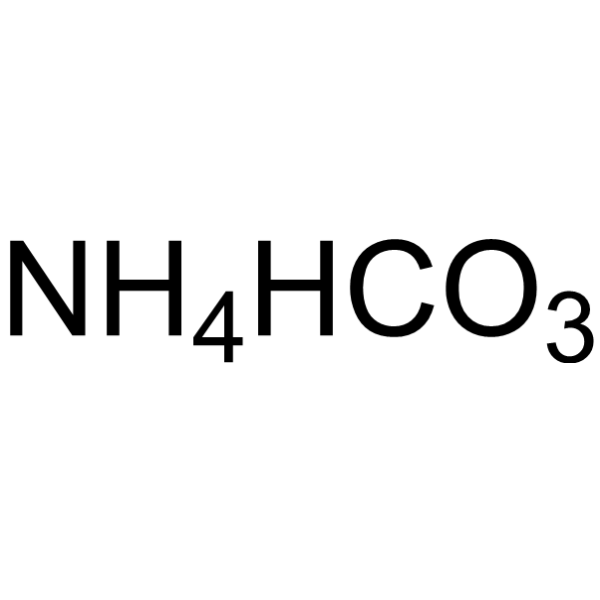
    Ammonium bicarbonate,AR,99%
    3 Publications Verification

    Environmental Pollutants Biochemical Assay Reagents Fungal Infection
    Ammonium bicarbonate,AR,99% is an analytical reagent-grade ammonium bicarbonate. Ammonium bicarbonate has antifungal activity. Ammonium bicarbonate is widely used in laboratory analysis, food processing, agricultural fertilization and other fields .
    Ammonium bicarbonate,AR,99%
  • HY-N7432

    Antibiotic Bacterial Fungal Infection
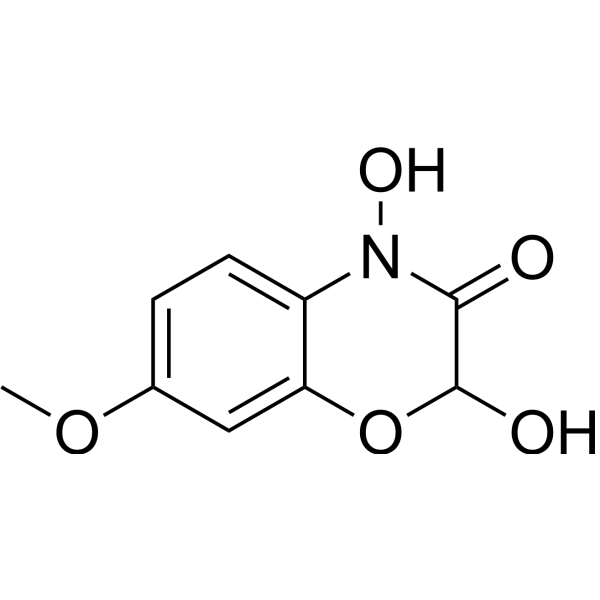
    DIMBOA, an antibiotic, has antibacterial properties and inhibits bacteria such as Staphylococcus aureus and the mycotoxin-producing fungus Fusarium graminearum (which causes scab). DIMBOA exhibits strong free radical scavenging activity and weak iron(III) ion reducing activity, and has antioxidant activity. DIMBOA inhibits the biosynthesis and accumulation of toxic trichothecenes by affecting the expression of Tri6 and Tri5. DIMBOA reduces plant susceptibility to scab. DIMBOA also exhibits cytotoxicity to plant cells, causing plasmolysis, cell collapse, and cell rupture .
    DIMBOA
  • HY-N6801

    Caspase Apoptosis Bcl-2 Family Infection Inflammation/Immunology Cancer
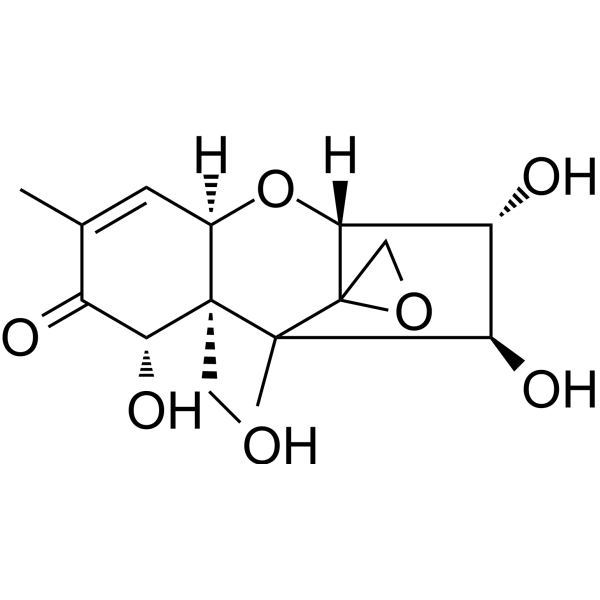
    Nivalenol, a trichothecene mycotoxin that can be produced by Fusarium graminearum, is a fungal metabolite present in agricultural product. Nivalenol modulates apoptotic pathway, cell cycle regulation, Bax, ERK, caspase-3, and poly-ADP-ribose synthase activity in macrophages. Nivalenol inhibits ribosomal peptidyltransferase site, protein synthesis, DNA synthesis, and cell proliferation. Nivalenol induces late-stage apoptotic morphological changes, reduces cellular metabolism, and decreases cell proliferation in erythroleukemia cells. Nivalenol induces lymphocyte apoptosis in murine thymus, spleen, and Peyer's patches. Nivalenol can be used for the research of erythroleukemia .
    Nivalenol
  • HY-W115529

    Geranate; NSC 229335; GAGE

    Environmental Pollutants Fungal Tyrosinase Infection Cancer
    Geranic acid (Geranate) acts as a tyrosinase inhibitor and antifungal agent, with an IC50 value of 0.14-2.3 mM against mushroom tyrosinase. Geranic acid reduces the viability of human pancreatic cancer cells and B-lymphoma cells. Geranic acid inhibits mycelial growth of the maize pathogens Colletotrichum graminicola and Fusarium graminearum. Geranic acid is applicable to research related to fungal infections, pancreatic cancer and B-lymphoma .
    Geranic acid
  • HY-B1948

    S-3308

    Fungal Infection
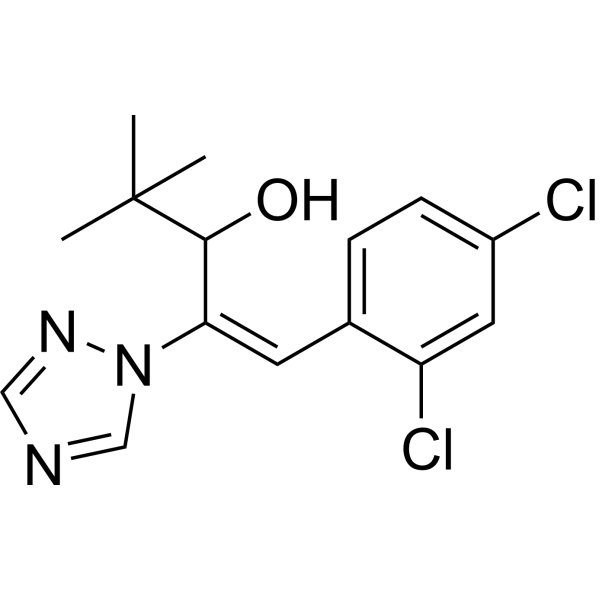
    Diniconazole (S-3308) is a newly developed fungicide. Diniconazole exhibits fungicidal activity against Bolrytis cintrca, Sordaria fumicola, Fusarium graminearum, Sclerotium cepivornm, and Bipolaris sorokiniana with IC50 values of 0.012, <0.001, 0.008, 0.02, and 0.06 mg/L, respectively. Diniconazole can be used in research related to the prevention and control of plant fungal diseases and plant growth regulation .
    Diniconazole
  • HY-130307

    Bacterial Neurological Disease Inflammation/Immunology Cancer
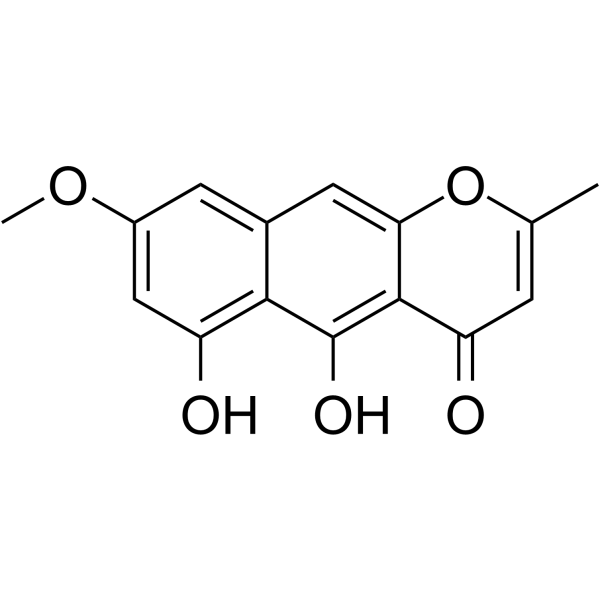
    Rubrofusarin is an orange polyketide pigment from Fusarium graminearum . Rubrofusarin is also an active ingredient of the Cassia species and ameliorates chronic restraint stress (CRS) -induced depressive symptoms through PI3K/Akt signaling. Rubrofusarin has anticancer, antibacterial, and antioxidant effects .
    Rubrofusarin
  • HY-N6801S

    Isotope-Labeled Compounds Caspase Apoptosis Bcl-2 Family Infection Inflammation/Immunology Cancer
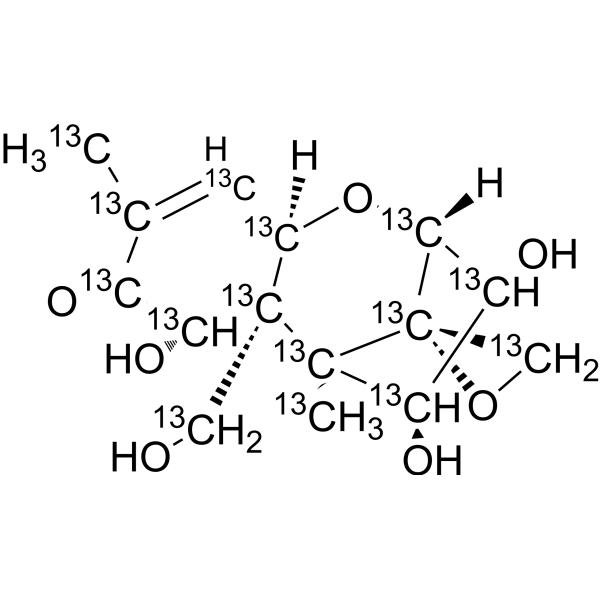
    Nivalenol- 13C15 is the 13C labeled Nivalenol (HY-N6801) . Nivalenol, a trichothecene mycotoxin that can be produced by Fusarium graminearum, is a fungal metabolite present in agricultural product. Nivalenol modulates apoptotic pathway, cell cycle regulation, Bax, ERK, caspase-3, and poly-ADP-ribose synthase activity in macrophages. Nivalenol inhibits ribosomal peptidyltransferase site, protein synthesis, DNA synthesis, and cell proliferation. Nivalenol induces late-stage apoptotic morphological changes, reduces cellular metabolism, and decreases cell proliferation in erythroleukemia cells. Nivalenol induces lymphocyte apoptosis in murine thymus, spleen, and Peyer's patches. Nivalenol can be used for the research of erythroleukemia.
    Nivalenol-13C15
  • HY-169972

    Succinate Dehydrogenase Infection
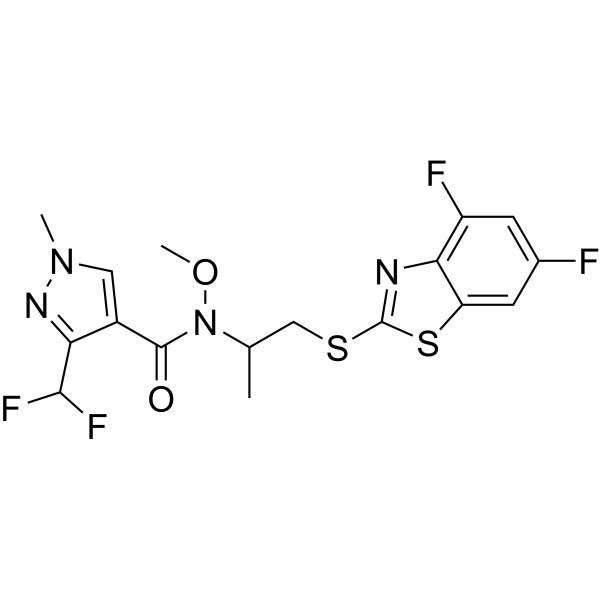
    Succinate dehydrogenase-IN-5 (Compound M8) is the inhibitor for succinate dehydrogenase. Succinate dehydrogenase-IN-5 interfers with the energy metabolism and growth of fungi, inhibits Rhizoctonia solani, Sclerotinia sclerotiorum, Botrytis cinerea and Fusarium graminearum with EC50 < 0.3 μg/mL .
    Succinate dehydrogenase-IN-5
  • HY-W017611

    Environmental Pollutants Reactive Oxygen Species (ROS) Fungal DNA/RNA Synthesis Infection
    4-Propylphenol is a plant-derived phenolic compound. 4-Propylphenol causes an increase in ROS within the Fusarium graminearum cells, leading to damage to the DNA and cell membranes of the mycelia, effectively inhibiting the growth of the mycelia. 4-Propylphenol also has a growth inhibitory effect on walnut pathogenic fungi (C. gloeosporioides, C. siamense, A. alternata), with its EC50 ranging from 29.11 to 31.89 mg/L, and it also inhibits spore germination, with EC50 being 55.04-71.85 mg/L. 4-Propylphenol can be used in the research of fungal diseases in walnuts and wheat Fusarium head blight .
    4-Propylphenol
  • HY-179120

    Myosin Infection
    ZJS178 is a novel inhibitor of myosin I. ZJS178 is a fungicide that has inhibitory activity against Fusarium graminearum and can reduce DON toxin synthesis. ZJS178 can be used for research on plant diseases such as wheat scab .
    ZJS178
  • HY-120805

    Antibiotic Others
    Aurofusarin is a secondary metabolite produced by Fusarium graminearum, a widespread pathogen of important crops in temperate climates. F. graminearum also produces monomorphic mannitol, fusarin C, antibiotic Y, 2-amino-14,16-dimethyloctadecane-3-ol (2-AOD-3-ol), aerosporin, and eniacin .
    Aurofusarin
  • HY-178717

    Fungal Infection
    WML-01 is a fungicide with EC50s of 0.079, 0.72 and 2.02 μg/mL against F. graminearum, F. fujikuroi and S. sclerotiorum. WML-01 disrupts the cell membrane of F. graminearum and induces deposition of lipid droplets. WML-01 inhibits Deoxynivalenol (DON) (HY-N6684) biosynthesis with no cross-resistance and strongly suppresses ribosomal subunit assembly, impairing protein synthesis. WML-01 effectively controls the fusarium head blight (FHB) epidemic .
    WML-01
  • HY-156270

    Bacterial Infection
    SDH-IN-9 (compound Ip) is a potent inhibitor of Succinate Dehydrogenase. SDH-IN-9 shows fungicidal activity against Fusarium graminearum Schw with the EC50 of 0.93 μg/mL .
    SDH-IN-9
  • HY-N6801R

    Reference Standards Caspase Apoptosis Bcl-2 Family Infection Inflammation/Immunology Cancer
    Nivalenol (Standard) is the analytical standard of Nivalenol (HY-N6801). This product is intended for research and analytical applications. Nivalenol, a trichothecene mycotoxin that can be produced by Fusarium graminearum, is a fungal metabolite present in agricultural product. Nivalenol modulates apoptotic pathway, cell cycle regulation, Bax, ERK, caspase-3, and poly-ADP-ribose synthase activity in macrophages. Nivalenol inhibits ribosomal peptidyltransferase site, protein synthesis, DNA synthesis, and cell proliferation. Nivalenol induces late-stage apoptotic morphological changes, reduces cellular metabolism, and decreases cell proliferation in erythroleukemia cells. Nivalenol induces lymphocyte apoptosis in murine thymus, spleen, and Peyer's patches. Nivalenol can be used for the research of erythroleukemia.
    Nivalenol (Standard)
  • HY-174831

    Fungal Succinate Dehydrogenase Infection
    SDH-IN-28 is a succinate dehydrogenase inhibitor with an IC50 value of 2.65 mg/L. SDH-IN-28 demonstrates broad-spectrum fungicidal efficacy, with EC50 values of 0.21 (Valsa mali), 0.95 (Botrytis cinerea), 0.64 (Rhizoctonia solani), 1.33 (Fusarium graminearum), and 0.66 mg/L (Gaeumannomyces graminis). SDH-IN-28 effectively prevents V. mali infection in apples .
    SDH-IN-28
  • HY-125727

    Fungal Infection Cancer
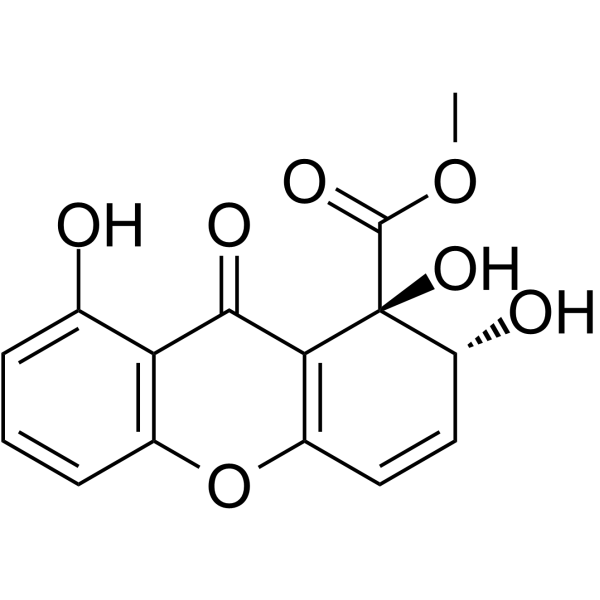
    Globosuxanthone A is a dihydroxanthenone with obvious antifungal activity towards Fusarium graminearum, Fusarium solani, and Botrytis cinerea with MIC values of 4, 8, and 16 μg/mL, respectively. Anticancer activity .
    Globosuxanthone A
  • HY-132878

    p38 MAPK Infection
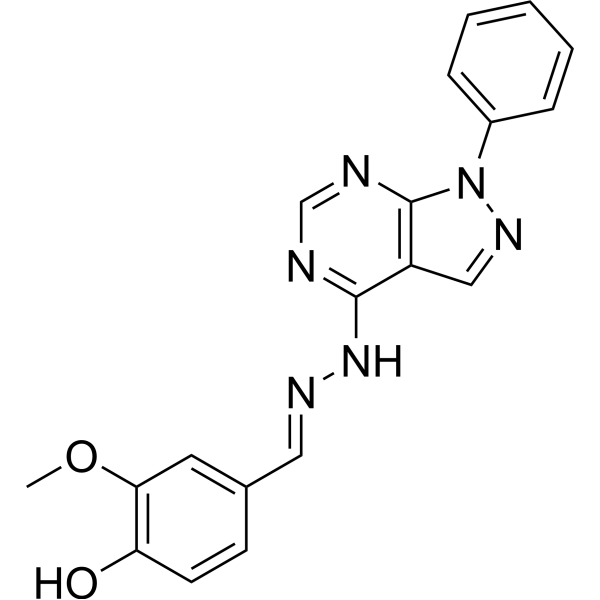
    FgGpmk1-IN-1 is a novel fusarium graminearum mitogen-activated protein kinase (FgGpmk1) inhibitor with an EC50 value of 3.46 μg/mL.
    FgGpmk1-IN-1
  • HY-N10256

    Endogenous Metabolite Infection
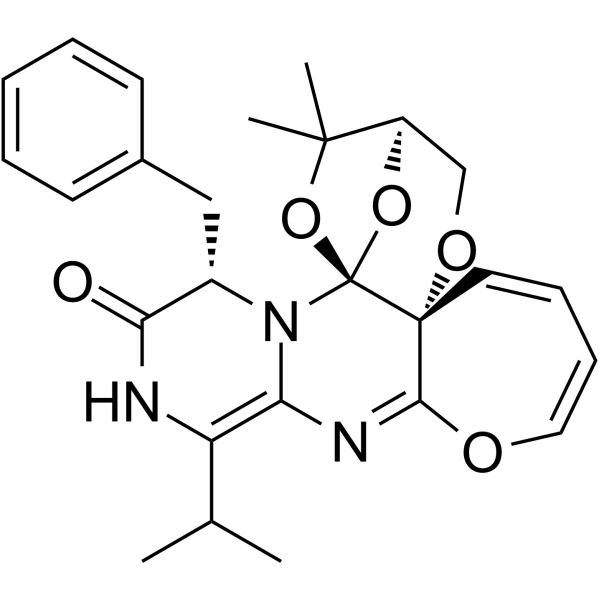
    Varioxepine A is a 3H-oxepine-containing alkaloid with a new oxa-cage found in the marine algal-derived endophytic fungus Paecilomyces variotii. Varioxepine A inhibits plant pathogenic fungus Fusarium graminearum .
    Varioxepine A
  • HY-176746

    Fungal Infection
    CMLD009688 is a cationic amphiphilic antifungal agent. CMLD009688 selectively inhibits plant pathogenic fungi such as Fusarium graminearum. CMLD009688 interacts with biological membranes, perturbing vacuolar and mitochondrial membrane structures to induce fungal cell death. CMLD009688 is promising for research of plant fungal diseases (e.g., wheat head blight, gray mold) .
    CMLD009688
  • HY-174390

    Fungal Succinate Dehydrogenase Infection
    SDH-IN-29 (Compound A33) is a SDH inhibitor with an IC50 of 0.0709 μM. SDH-IN-29 has a broad spectrum of antifungal activities (EC50s of 0.356, 0.798 and 0.146 μg/mL for Fusarium graminearum, Sclerotinia sclerotiorum, and Rhizoctonia solani, respectively). SDH-IN-29 has moderate to significant protective effects against rice blast, wheat scab and cucumber powdery mildew .
    SDH-IN-29
  • HY-W017611S

    Isotope-Labeled Compounds Fungal Reactive Oxygen Species (ROS) DNA/RNA Synthesis Infection
    4-Propylphenol-d12 is the deuterium labeled 4-Propylphenol. 4-Propylphenol is a plant-derived phenolic compound. 4-Propylphenol causes an increase in ROS within the Fusarium graminearum cells, leading to damage to the DNA and cell membranes of the mycelia, effectively inhibiting the growth of the mycelia. 4-Propylphenol also has a growth inhibitory effect on walnut pathogenic fungi (C. gloeosporioides, C. siamense, A. alternata), with its EC50 ranging from 29.11 to 31.89 mg/L, and it also inhibits spore germination, with EC50 being 55.04-71.85 mg/L. 4-Propylphenol can be used in the research of fungal diseases in walnuts and wheat Fusarium head blight.
    4-Propylphenol-d12
  • HY-B1948R

    S 3308 (Standard)

    Reference Standards Fungal Infection
    Diniconazole (Standard) is the analytical standard of Diniconazole (HY-B1948). This product is intended for research and analytical applications. Diniconazole (S-3308) is a newly developed fungicide. Diniconazole exhibits fungicidal activity against Bolrytis cintrca, Sordaria fumicola, Fusarium graminearum, Sclerotium cepivornm, and Bipolaris sorokiniana with IC50 values of 0.012, <0.001, 0.008, 0.02, and 0.06 mg/L, respectively. Diniconazole can be used in research related to the prevention and control of plant fungal diseases and plant growth regulation .
    Diniconazole (Standard)
  • HY-N7432R

    Antibiotic Bacterial Fungal Reference Standards Infection
    DIMBOA (Standard) is the analytical standard of DIMBOA. This product is intended for research and analytical applications. DIMBOA, an antibiotic, has antibacterial properties and inhibits bacteria such as Staphylococcus aureus and the mycotoxin-producing fungus Fusarium graminearum (which causes scab). DIMBOA exhibits strong free radical scavenging activity and weak iron(III) ion reducing activity, and has antioxidant activity. DIMBOA inhibits the biosynthesis and accumulation of toxic trichothecenes by affecting the expression of Tri6 and Tri5. DIMBOA reduces plant susceptibility to scab. DIMBOA also exhibits cytotoxicity to plant cells, causing plasmolysis, cell collapse, and cell rupture[1][2][3][4][5].
    DIMBOA (Standard)
  • HY-174388

    Fungal Herbicide Reactive Oxygen Species (ROS) Infection
    Antifungal agent 134 (Compound B13) is an antifungal agent with EC50s of 3.24, 1.89, 1.70, 0.36, 4.27, and 1.50 μg/mL for Botrytis cinerea, Alternaria solani, Fusarium graminearum, Rhizoctonia solani, Colletotrichum orbiculare, and Alternaria alternata, respectively. Antifungal agent 134 can disrupt the cell membrane and mitochondria of the hyphae, leading to significant ROS accumulation. Antifungal agent 134 also has significant herbicidal activities against field weeds, such as Amaranthus retroflexus L and Abutilon theophrasti Medicus. Antifungal agent 134 can be used for crop diseases and field weeds research .
    Antifungal agent 134
  • HY-175647

    Myosin Fungal Infection
    Myosin-5-IN-2 (Compound G19) is a Myosin-5 inhibitor. Myosin-5-IN-2 has an antifungal activity against Fusarium graminearum (Fg), Botrytis cinerea and Rhizoctonia solani with an EC50 s of 0.326 μg/mL for Fg. Myosin-5-IN-2 has effective protective and curative control efficiency for wheat leaves. Myosin-5-IN-2 severely damages the surface integrity of mycelial cells and induces cytoplasmic leakage. Myosin-5-IN-2 can be used for fungal infections like fusarium head blight (FHB) research .
    Myosin-5-IN-2
  • HY-181346

    Fungal Succinate Dehydrogenase Infection
    SDH-IN-44 is a succinate dehydrogenase (SDH) inhibitor with an IC50 of 12.5 μg/mL against Alternaria solani. SDH-IN-44 exhibits antifungal activity and inhibits fungal mycelial growth. SDH-IN-44 is applicable to research related to fungal infections .
    SDH-IN-44
  • HY-W743904

    Drug Derivative Fungal Infection
    Quininone is a Quinine (HY-D0143) derivative that exhibits in vitro antifungal activity. Quininone can be used for antifungal research .
    Quininone
  • HY-N19881

    Fungal Infection
    Drimenal is a pimarane-type natural sesquiterpene with antifungal activity. Drimenal inhibits the growth of yeasts and dermatophytes. Drimenal can be used for the development of pesticide candidates and in research related to fungal infections .
    Drimenal
  • HY-183722

    Fungal Succinate Dehydrogenase Infection
    SDH-IN-46 is a succinate dehydrogenase (SDH) inhibitor with an IC50 of 1.21 μM. SDH-IN-46 disrupts fungal respiration via mitochondrial respiratory chain enzyme targeting and exhibits broad-spectrum antifungal activity. SDH-IN-46 exhibits substantial protective effects against S. sclerotiorum on oilseed rape leaves, Rhizoctonia solani on rice leaves, and Valsa mali on apple fruits .
    SDH-IN-46
  • HY-183966

    Bacterial Fungal Infection
    Antibacterial agent 348 is an antimicrobial agent containing piperazine-isopropanolamine bifunctional groups. Antibacterial agent 348 suppresses virulence factor expression in plant pathogens. Antibacterial agent 348 compromises bacterial membrane integrity, leading to cytoplasmic leakage. Antibacterial agent 348 inhibits cellular proliferation of plant pathogens, diminishes colonization and infectivity of plant pathogens in host plants. Antibacterial agent 348 can be used for the research of rice bacterial leaf blight, pepper phytophthora blight .
    Antibacterial agent 348

Inquiry Online

Your information is safe with us. * Required Fields.

Salutation


Country or Region *

Applicant Name *


Organization Name *

Department *


Email Address *


Product Name *

Cat. No.


Requested quantity *

Phone Number *


Remarks

Inquiry Online

Inquiry Information

Product Name:
Cat. No.:
Quantity:
MCE Japan Authorized Agent:

