From 11:00 pm to 12:00 pm EST ( 8:00 pm to 9:00 pm PST ) on January 6th, the website will be under maintenance. We are sorry for the inconvenience. Please arrange your schedule properly.
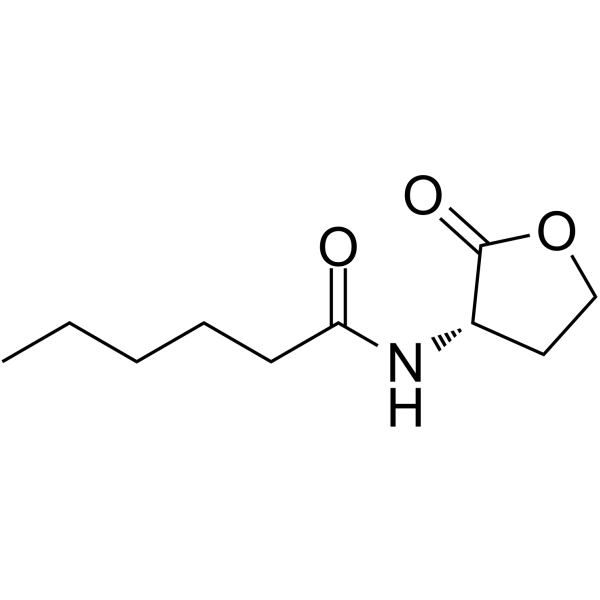
N-Hexanoyl-L-homoserine lactone is a short-chained N-acyl homoserine lactone (AHL). N-hexanoyl-L-homoserine lactone is also a mediator of bacterial quorum-sensing regulation. N-hexanoyl-L-homoserine lactone promotes lipid accumulation in algae. AHL is an intercellular communication signal molecule in the quorum sensing system of Gram-negative bacteria and a medium for mediating information exchange between eukaryotic plants and prokaryotic bacteria. AHL can affect bacteria activities, such as biofilm formation, pigment synthesis, and antibiotic synthesis .
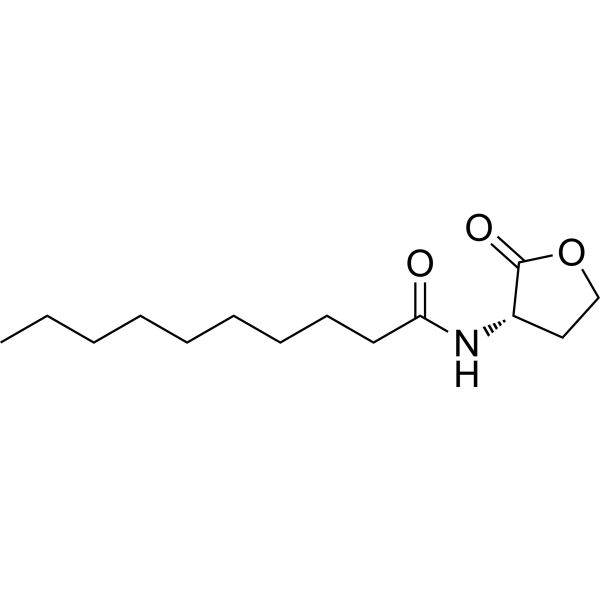
N-decanoyl-L-homoserine lactone (C10-HSL) is a N-acyl-homoserine lactone (AHL) N-decanoyl-L-homoserine lactone can inhibit primary root growth in Arabidopsis. N-decanoyl-L-homoserine lactone triggers a transient and immediate increase in the concentrations of cytosolic free Ca 2+ and reactive oxygen species (ROS), increases the activity of mitogen-activated protein kinase 6 (MPK6), and induces nitric oxide (NO) production in Arabidopsis roots .
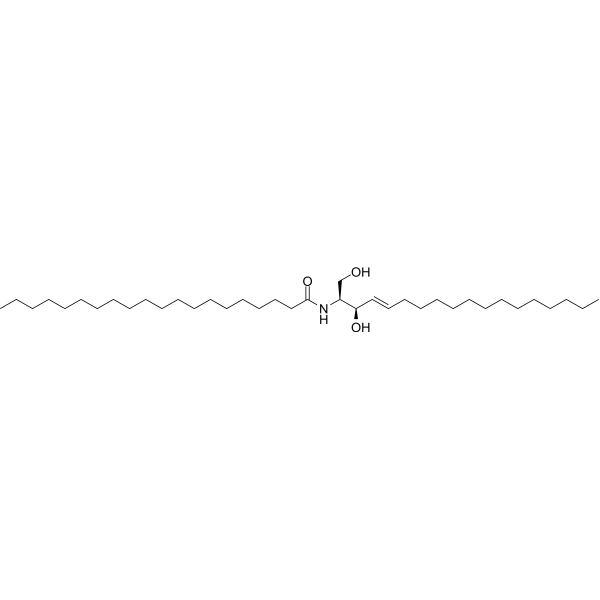
C20 Ceramide (d18:1/20:0) (N-Arachidoyl-D-sphingosine) is a natural 20:0 ceramide and a N-acylsphingosine in which the ceramide N-acyl group is specified as eicosanoyl. C20 Ceramide (d18:1/20:0) acts as a key signal molecule mediating biological processes .
Ac4GlcNAz (N-azidoacetylglucosamine-tetraacylated) is an azido-tagged analogue of N-acetylglucosamine (GlcNAC). It features azide functionality on the N-acyl side chain and is acetylated to aid in cell membrane permeation. Once in the cell, the acetylated compound is deprotected and takes part in the hexosamine biosynthetic pathway by action of GlcNAc kinase. The resulting modified proteins are detected by the addition of fluorescent tags under Cu(I)-catalyzed azide-alkyne cycloaddition conditions.
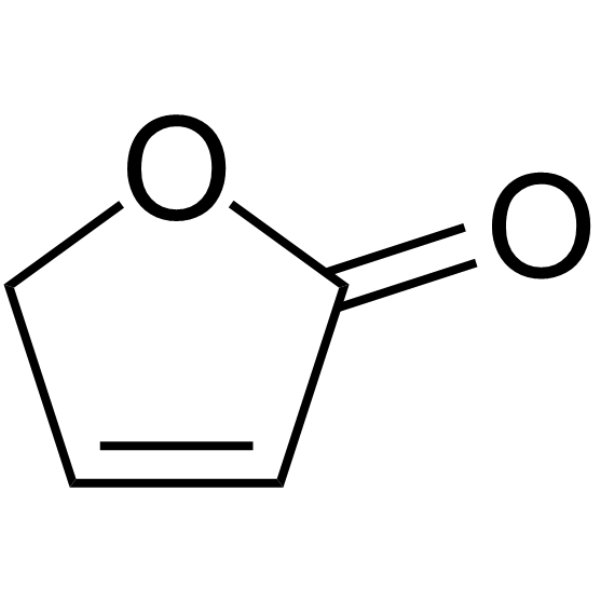
2(5H)-Furanone (γ-Crotonolactone) is an endogenous metabolite. 2(5H)-Furanone mimics N-acyl homoserine lactone signals, occupies the binding site of LuxR homologs, and interferes with quorum sensing-mediated gene regulation. 2(5H)-Furanone inhibits quorum sensing mediated by AHLs with different acyl chain lengths. 2(5H)-Furanone inhibits biofilm formation of environmental Aeromonas hydrophila strains on polystyrene plates. 2(5H)-Furanone suppresses spike-and-wave discharges in a rat model of generalized absence seizures and exhibits selective activity against absence seizures. 2(5H)-Furanone can be used in studies related to bacteria infections and generalized absence seizures.
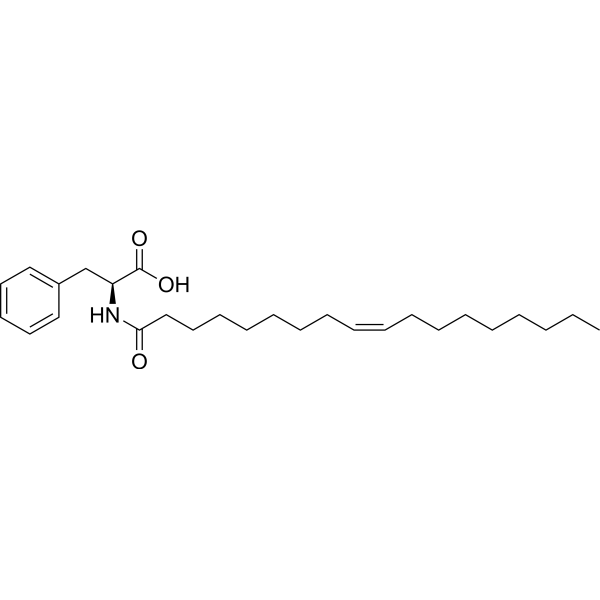
N-Oleoyl-L-phenylalanine is a long-chain N-acyl-L-phenylalanine and also a mitochondrial uncoupler. N-Oleoyl-L-phenylalanine uncouples UCP1-independent respiration in mitochondria, thereby helping to regulate glucose homeostasis. As an endogenous metabolite, the level of N-Oleoyl-L-phenylalanine increases in patients with ulcerative colitis after a high-fat diet. N-Oleoyl-L-phenylalanine can be used in studies related to ulcerative colitis .
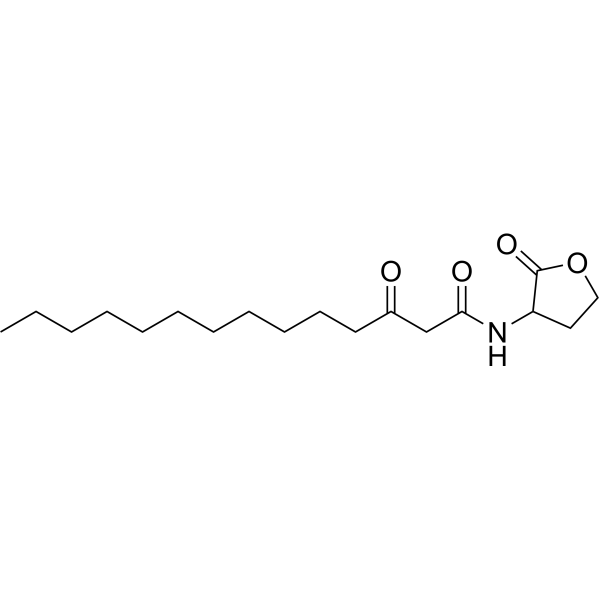
N-(3-Oxotetradecanoyl)-DL-homoserine lactone, a member of N-Acyl homoserine lactone (AHL) from gram-negative bacteria, is a quorum sensing (QS) signaling molecule .
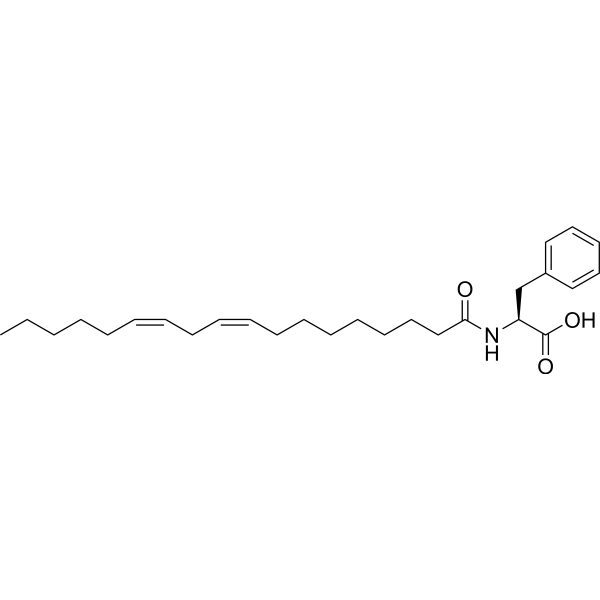
N-Palmitoyl-phenylalanine is an N-acyl amide that contains the long-chain saturated fatty acid Palmitic acid (HY-N0830) conjugated via an amide bond to the essential amino acid L-Phenylalanine (HY-N0215). N-Palmitoyl-phenylalanine inhibits pre-mRNA splicing in HeLa cell nuclear lysates (IC50 > 400 μM) but has no splicing activity in intact HeLa cells .
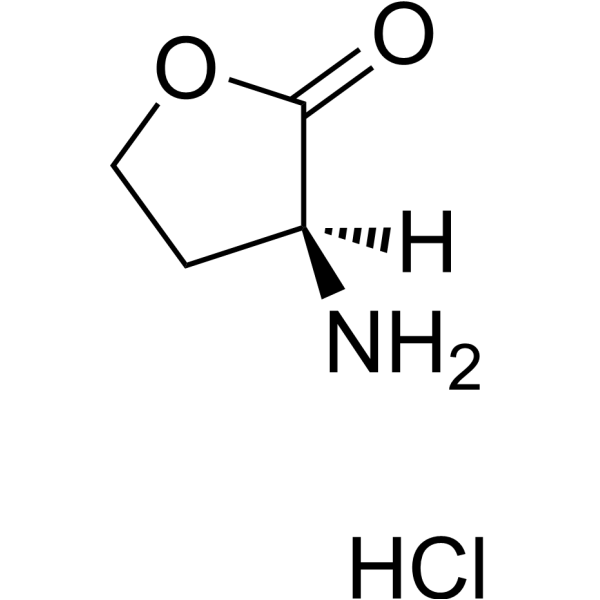
L-Homoserine lactone hydrochloride is the core structural unit of the bacterial quorum-sensing signal molecule N-acyl-L-homoserine lactone (AHLs). As an important intermediate, L-Homoserine lactone hydrochloride acylated derivatives have potent immunosuppressive activity .
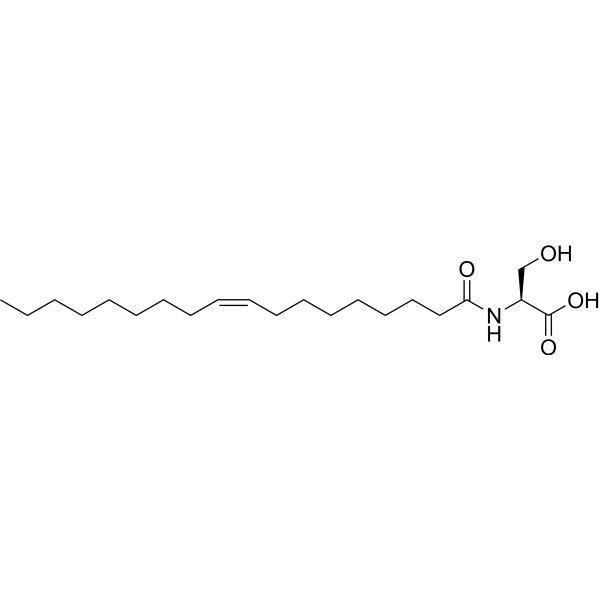
N-Oleoyl-L-Serine is an endogenous amide of long-chain fatty acids with ethanolamine (N-acyl amides). N-Oleoyl-L-Serine is a lipid regulator of bone remodeling and stimulates osteoclast apoptosis. N-Oleoyl-L-Serine can be used for antiosteoporotic drug discovery development .
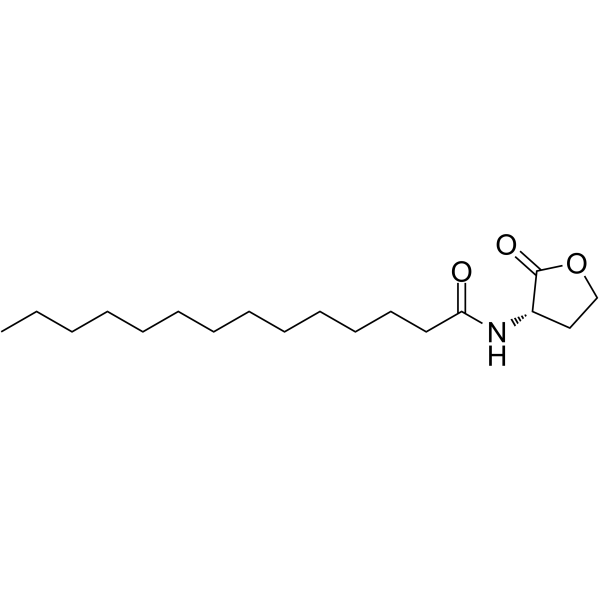
N-Tetradecanoyl-L-homoserine lactone is a short-chained N-acyl homoserine lactone (AHL). Diatoms are frequently found in association with Proteobacteria, many members of which employ cell-to-cell communication via AHLs in aquatic habitats .
N-Tetradecanoyl-L-homoserine lactone (Standard) is the analytical standard of N-Tetradecanoyl-L-homoserine lactone (HY-133684). This product is intended for research and analytical applications. N-Tetradecanoyl-L-homoserine lactone is a short-chained N-acyl homoserine lactone (AHL). Diatoms are frequently found in association with Proteobacteria, many members of which employ cell-to-cell communication via AHLs in aquatic habitats.
N-Hexanoyl-L-Homoserine lactone-d3 (C6-HSL-d3) is deuterium labeled N-Hexanoyl-L-homoserine lactone. N-Hexanoyl-L-homoserine lactone is a short-chained N-acyl homoserine lactone (AHL). Diatoms are frequently found in association with Proteobacteria, many members of which employ cell-to-cell communication via AHLs in aquatic habitats .
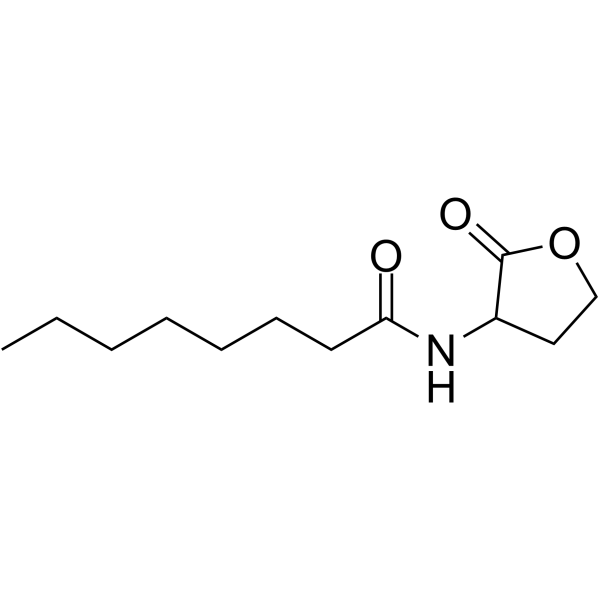
N-Octanoyl-DL-homoserine lactone is a member of N-acyl homoserine lactones (AHLs) family, also one of the signal molecule of quorum-sensing (QS) signals. N-Octanoyl-DL-homoserine lactone can regulate the production of siderophores and present positive correlation in Aeromonas sobria strain AS7. N-Octanoyl-DL-homoserine lactone can also regulate the secretion of proteases and stimulate the production of total volatile basic nitrogen (TVB-N) .
N-Hexanoyl-L-homoserine lactone (Standard) is the analytical standard of N-Hexanoyl-L-homoserine lactone (HY-133685). This product is intended for research and analytical applications. N-Hexanoyl-L-homoserine lactone is a short-chained N-acyl homoserine lactone (AHL). N-hexanoyl-L-homoserine lactone is also a mediator of bacterial quorum-sensing regulation. N-hexanoyl-L-homoserine lactone promotes lipid accumulation in algae. AHL is an intercellular communication signal molecule in the quorum sensing system of Gram-negative bacteria and a medium for mediating information exchange between eukaryotic plants and prokaryotic bacteria. AHL can affect bacteria activities, such as biofilm formation, pigment synthesis, and antibiotic synthesis.
N-Lignoceroyl Taurine is an arachidonoyl amino acid and taurine conjugate with a fatty acid that can be isolated from bovine brain. N-Lignoceroyl Taurine is one of several novel taurine-conjugated fatty acids discovered during mass spectrometry lipidomic analysis of the brain and spinal cord of wild-type and fatty acid amide hydrolase (FAAH) knockout mice. N-Lignoceroyl Taurine levels were 23-26-fold higher in FAAH -/- mice compared to wild-type mice, suggesting that FAAH utilizes N-Lignoceroyl Taurine as a substrate. However, in vitro experiments with purified FAAH showed that N-Lignoceroyl Taurine was hydrolyzed 2,000-fold slower in FAAH compared to oleoylethanolamide. N-Acyl Taurines with polyunsaturated acyl chains can activate members of the transient receptor potential (TRP) calcium channel family, including TRPV1 and TRPV4.
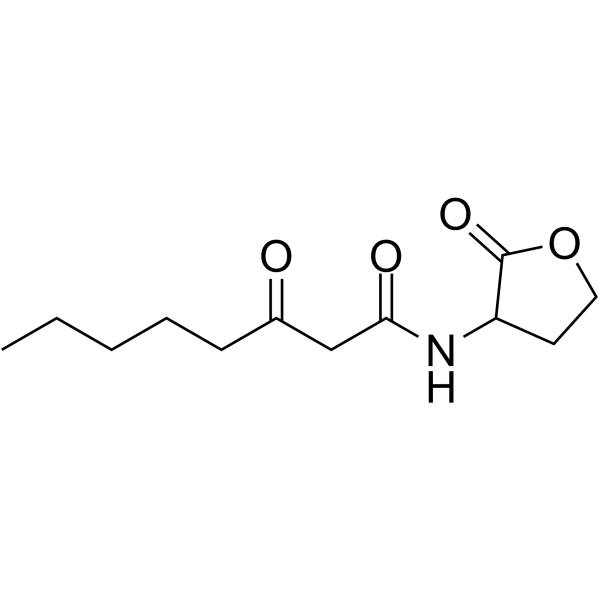
N-(3-Oxooctanoyl)-DL-homoserine lacton is a member of N-Acyl homoserine lactone (AHL) from gram-negative bacteria, with stereochemistry-dependent growth regulatory activity for roots .
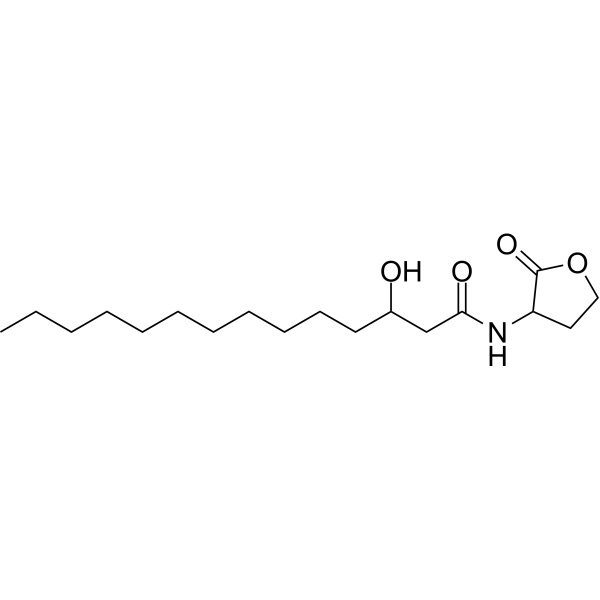
N-(3-Hydroxytetradecanoyl)-DL-homoserine lactone (N-(3-oxodecanoyl)-homoserine lactone) is a member of N-Acyl homoserine lactone (AHL) from V. alginolyticus strains. N-(3-Hydroxytetradecanoyl)-DL-homoserine lactone is used for biofilm formation and has antibacterial activity .
N-3-Hydroxydecanoyl-DL-Homoserine lactone is a bacterial quorum-sensing molecule. N-3-Hydroxydecanoyl-DL-Homoserine lactone activates the transcription factor SdiA (EC50 = 0.6 µM), which detects N-acyl homoserine lactones (AHLs), and exerts its effect in Salmonella enterica (S. enterica) 12.
AM9053 is a selective, effective and slowly reversible inhibitor of N-acyl ethanolamine acid amidease (NAAA) (IC50 = 30 nM). The effect of AM9053 on FAAH activity is limited (IC50 > 100 nM). AM9053 inhibits the proliferation of colorectal cancer cells by activating the PPAR-α and TRPV1 dependent mechanisms and induces S-phase cell cycle arrest. AM9053 alleviates intestinal fibrosis by regulating macrophage activity and inhibiting the IL-23 signaling pathway. AM9053 leads to an increase in NAE levels, especially PEA and OEA. AM9053 can be used for the study of colorectal cancer and intestinal fibrosis .
N-Heptanoyl-L-homoserine lactone is a member of N-acyl-homoserine lactone family. N-acyl-homoserine lactones (AHL) can regulate gene expression in gram-negative bacteria, such as Echerichia and Salmonella, and are involved in quorum sensing, cell to cell communication among bacteria.
N-3-Hydroxydecanoyl-L-homoserine lactone is a type of N-acyl-L-homoserine lactone (AHL), which is a class of signaling molecules in bacterial quorum sensing systems, and it has a weak activating effect on AbaR .
Stearidonoyl glycine is an N-acyl amino acid. Stearidonoyl glycine has a weak potentiating effect on some glycine receptor subtypes, among which the potentiation on GlyRα2 is statistically significant .
N-Butyryl-DL-homocysteine thiolactone is an N-acyl homoserine lactone (AHL) analogue. AHLs are potent inhibitors of biofilm formation and virulence factors, and has been used for degrading microbial communities, reducing bacterial pathogenicity .
N-(3-Oxotetradecanoyl)-DL-homoserine lactone (Standard) is the analytical standard of N-(3-Oxotetradecanoyl)-DL-homoserine lactone. This product is intended for research and analytical applications. N-(3-Oxotetradecanoyl)-DL-homoserine lactone, a member of N-Acyl homoserine lactone (AHL) from gram-negative bacteria, is a quorum sensing (QS) signaling molecule[1][2].
N-pentadecanoyl-L-Homoserine lactone is an N-acyl Homoserine lactone compound. N-pentadecanoyl-L-Homoserine lactone is a sensing molecule for bacterial populations .
N-(3-Hydroxyoctanoyl)-L-homoserine lactone (compound 11), a hydroxyl-containing N-acyl l-homoserine lactone (AHL) ligand, is a competitive AbaR and LasR inhibitor .
Sphingolipid ceramide N-deacylase (SCDase) cleaves the N-acyl linkage between fatty acids and sphingosine bases in various glycosphingolipids. Sphingolipid ceramide N-deacylase catalyzes glycosphingolipids to lysoglycosphingolipids .
Docosaenoyl ethanolamide (N-(2-Hydroxyethyl)-13Z-docosenamide) is one of a fatty N-acyl ethanolamines. Ethanolamines can be detected at relatively high levels in rat cerebrospinal fluid .
Lignoceroyl ethanolamide is a member of the family of fatty N-acyl ethanolamines collectively called endocannabinoids. Whereas lignoceric acid has been detected at relatively high levels in rat cerebrospinal fluid, the specific role and relative importance of its ethanolamine metabolite have not been determined.
2(5H)-Furanone (Standard) is the analytical standard of 2(5H)-Furanone. This product is intended for research and analytical applications. 2(5H)-Furanone (γ-Crotonolactone) is an endogenous metabolite. 2(5H)-Furanone mimics N-acyl homoserine lactone signals, occupies the binding site of LuxR homologs, and interferes with quorum sensing-mediated gene regulation. 2(5H)-Furanone inhibits quorum sensing mediated by AHLs with different acyl chain lengths. 2(5H)-Furanone inhibits biofilm formation of environmental Aeromonas hydrophila strains on polystyrene plates. 2(5H)-Furanone suppresses spike-and-wave discharges in a rat model of generalized absence seizures and exhibits selective activity against absence seizures. 2(5H)-Furanone can be used in studies related to bacteria infections and generalized absence seizures.
4-Epitetracycline (hydrochloride) (Standard) is the analytical standard of 4-Epitetracycline (hydrochloride). This product is intended for research and analytical applications. 4-Epitetracycline hydrochloride is an epimer of Tetracycline (HY-A0107). Tetracycline can undergo epimerization in solution to 4-Epitetracycline hydrochloride, which shows a much lower antibiotic activity .
N-(3-Hydroxy-7-cis tetradecenoyl)-L-Homoserine lactone is an N-acyl-homoserine lactone (AHL) signaling molecule primarily secreted by Gram-negative bacteria for quorum sensing. It can be used to study bacterial quorum sensing mechanisms and their behavioral characteristics in the environment .
Quorum sensing is a regulatory system used by bacteria to control gene expression in response to increased cell density. This regulatory process manifests itself in a variety of phenotypes, including biofilm formation and virulence factor production. Coordinated gene expression is achieved through the production, release and detection of small diffusible signaling molecules called autoinducers. N-acylated homoserine lactones (AHLs) comprise a class of such autoinducers, each of which generally consists of a fatty acid coupled to a homoserine lactone (HSL). Modulation of bacterial quorum-sensing signaling systems to suppress pathogenesis represents a new approach to antimicrobial research for infectious diseases. AHLs differ in acyl length (C4-C18), C3 substitution (hydrogen, hydroxyl, or oxo group), and the presence or absence of one or more carbon-carbon double bonds in the fatty acid chain. These differences confer signaling specificity through the affinity of the LuxR family of transcriptional regulators. C18-HSL, one of four lipophilic long acyl side chain AHLs produced by the LuxI AHL synthase homolog SinI, is involved in quorum-sensing signaling in strains of Rhizobium meliloti (a nitrogen-fixing bacterial symbiont of the legume M. sativa) . C18-HSL and other hydrophobic AHLs tend to localize in the relatively lipophilic environment of bacterial cells and cannot diffuse freely across the cell membrane. Long-chain N-acyl homoserine lactones can be exported from cells by efflux pumps, or can be transported between communicating cells by extracellular outer membrane vesicles.
CAII/lX-IN-1 (compound 14 (21,301,644)) is an inhibitor belonging to the N-acyl sulfonamides class, which selectively targets Carbonic AnhydraseIX and II. The IC50 values of CAII/lX-IN-1 against hCA-IX and hCA-II are 1.2 μM and 6.7 μM, respectively, with corresponding Kivalues of 0.9 and 4.8 .
ACe-1 is a ceramide derivative with an azobenzene moiety to allow for optical control of the N-acyl chain. ACe-1 is capable of reversibly switching lipid domains in a raft-like bilayer membrane .
N-Acylmannosamine 1-Dehydrogenase, Pseudomonas sp. (EC 1.1.1.233) acts on the CH-OH group of donor with NAD+ or NADP+ as acceptor. The two substrates of this enzyme are N-acyl-D-mannosamine and NAD+, whereas its 3 products are N-acyl-D-mannosaminolactone, NADH, and H+.
SET-12 is an antiparasitic agent with high activity and selectivity against the Leishmania amazonensis. SET-12 exhibits excellent activity against the pre-flagellated form of the Leishmania amazonensis, with an IC₅₀ of 10.89 μM and a selectivity index (SI) of up to 12.1. SET-12 is also effective against the non-flagellated form within cells, with an IC₅₀ of 3.81 μM and a further increased selectivity index (SI) to 34.5. SET-12 causes signs of parasite cell apoptosis, including mitochondrial damage and accumulation of ROS .
Quorum sensing is a regulatory system used by bacteria to control gene expression in response to increased cell density. This regulatory process manifests itself in a variety of phenotypes, including biofilm formation and virulence factor production. Coordinated gene expression is achieved through the production, release and detection of small diffusible signaling molecules called autoinducers. N-acylated homoserine lactones (AHLs) comprise a class of such autoinducers, each of which generally consists of a fatty acid coupled to a homoserine lactone (HSL). Modulation of bacterial quorum-sensing signaling systems to suppress pathogenesis represents a new approach to antimicrobial research for infectious diseases. AHLs differ in acyl length (C4-C18), C3 substitution (hydrogen, hydroxyl, or oxo group), and the presence or absence of one or more carbon-carbon double bonds in the fatty acid chain. These differences confer signaling specificity through the affinity of the LuxR family of transcriptional regulators. C18-HSL, one of four lipophilic long acyl side chain AHLs produced by the LuxI AHL synthase homolog SinI, is involved in quorum-sensing signaling in strains of Rhizobium meliloti (a nitrogen-fixing bacterial symbiont of the legume M. sativa) . C18-HSL and other hydrophobic AHLs tend to localize in the relatively lipophilic environment of bacterial cells and cannot diffuse freely across the cell membrane. Long-chain N-acyl homoserine lactones can be exported from cells by efflux pumps, or can be transported between communicating cells by extracellular outer membrane vesicles.
N-Oleoyl-L-phenylalanine is a long-chain N-acyl-L-phenylalanine and also a mitochondrial uncoupler. N-Oleoyl-L-phenylalanine uncouples UCP1-independent respiration in mitochondria, thereby helping to regulate glucose homeostasis. As an endogenous metabolite, the level of N-Oleoyl-L-phenylalanine increases in patients with ulcerative colitis after a high-fat diet. N-Oleoyl-L-phenylalanine can be used in studies related to ulcerative colitis .
L-Homoserine lactone hydrochloride is the core structural unit of the bacterial quorum-sensing signal molecule N-acyl-L-homoserine lactone (AHLs). As an important intermediate, L-Homoserine lactone hydrochloride acylated derivatives have potent immunosuppressive activity .
N-Oleoyl-L-Serine is an endogenous amide of long-chain fatty acids with ethanolamine (N-acyl amides). N-Oleoyl-L-Serine is a lipid regulator of bone remodeling and stimulates osteoclast apoptosis. N-Oleoyl-L-Serine can be used for antiosteoporotic drug discovery development .
N-Octanoyl-DL-homoserine lactone is a member of N-acyl homoserine lactones (AHLs) family, also one of the signal molecule of quorum-sensing (QS) signals. N-Octanoyl-DL-homoserine lactone can regulate the production of siderophores and present positive correlation in Aeromonas sobria strain AS7. N-Octanoyl-DL-homoserine lactone can also regulate the secretion of proteases and stimulate the production of total volatile basic nitrogen (TVB-N) .
N-Butyryl-DL-homocysteine thiolactone is an N-acyl homoserine lactone (AHL) analogue. AHLs are potent inhibitors of biofilm formation and virulence factors, and has been used for degrading microbial communities, reducing bacterial pathogenicity .
N-decanoyl-L-homoserine lactone (C10-HSL) is a N-acyl-homoserine lactone (AHL) N-decanoyl-L-homoserine lactone can inhibit primary root growth in Arabidopsis. N-decanoyl-L-homoserine lactone triggers a transient and immediate increase in the concentrations of cytosolic free Ca 2+ and reactive oxygen species (ROS), increases the activity of mitogen-activated protein kinase 6 (MPK6), and induces nitric oxide (NO) production in Arabidopsis roots .
C20 Ceramide (d18:1/20:0) (N-Arachidoyl-D-sphingosine) is a natural 20:0 ceramide and a N-acylsphingosine in which the ceramide N-acyl group is specified as eicosanoyl. C20 Ceramide (d18:1/20:0) acts as a key signal molecule mediating biological processes .
2(5H)-Furanone (γ-Crotonolactone) is an endogenous metabolite. 2(5H)-Furanone mimics N-acyl homoserine lactone signals, occupies the binding site of LuxR homologs, and interferes with quorum sensing-mediated gene regulation. 2(5H)-Furanone inhibits quorum sensing mediated by AHLs with different acyl chain lengths. 2(5H)-Furanone inhibits biofilm formation of environmental Aeromonas hydrophila strains on polystyrene plates. 2(5H)-Furanone suppresses spike-and-wave discharges in a rat model of generalized absence seizures and exhibits selective activity against absence seizures. 2(5H)-Furanone can be used in studies related to bacteria infections and generalized absence seizures.
N-(3-Oxotetradecanoyl)-DL-homoserine lactone, a member of N-Acyl homoserine lactone (AHL) from gram-negative bacteria, is a quorum sensing (QS) signaling molecule .
N-(3-Oxooctanoyl)-DL-homoserine lacton is a member of N-Acyl homoserine lactone (AHL) from gram-negative bacteria, with stereochemistry-dependent growth regulatory activity for roots .
N-(3-Oxotetradecanoyl)-DL-homoserine lactone (Standard) is the analytical standard of N-(3-Oxotetradecanoyl)-DL-homoserine lactone. This product is intended for research and analytical applications. N-(3-Oxotetradecanoyl)-DL-homoserine lactone, a member of N-Acyl homoserine lactone (AHL) from gram-negative bacteria, is a quorum sensing (QS) signaling molecule[1][2].
2(5H)-Furanone (Standard) is the analytical standard of 2(5H)-Furanone. This product is intended for research and analytical applications. 2(5H)-Furanone (γ-Crotonolactone) is an endogenous metabolite. 2(5H)-Furanone mimics N-acyl homoserine lactone signals, occupies the binding site of LuxR homologs, and interferes with quorum sensing-mediated gene regulation. 2(5H)-Furanone inhibits quorum sensing mediated by AHLs with different acyl chain lengths. 2(5H)-Furanone inhibits biofilm formation of environmental Aeromonas hydrophila strains on polystyrene plates. 2(5H)-Furanone suppresses spike-and-wave discharges in a rat model of generalized absence seizures and exhibits selective activity against absence seizures. 2(5H)-Furanone can be used in studies related to bacteria infections and generalized absence seizures.
4-Epitetracycline (hydrochloride) (Standard) is the analytical standard of 4-Epitetracycline (hydrochloride). This product is intended for research and analytical applications. 4-Epitetracycline hydrochloride is an epimer of Tetracycline (HY-A0107). Tetracycline can undergo epimerization in solution to 4-Epitetracycline hydrochloride, which shows a much lower antibiotic activity .
ACe-1 is a ceramide derivative with an azobenzene moiety to allow for optical control of the N-acyl chain. ACe-1 is capable of reversibly switching lipid domains in a raft-like bilayer membrane .
ACY3 Protein, Human (His) is human recombinant ACY3 with a N-terminal His tag. ACY3 Protein, Human (His) plays an important role in deacetylating mercapturic acids in kidney proximal tubules.
The Aminoacylase-1 protein plays an important role in cellular processes as it catalyzes the hydrolysis of N-acetylated amino acids, promoting the conversion of these compounds into acetate and free amino acids. This enzymatic activity highlights the importance of Aminoacylase-1 in the metabolic pathways responsible for the breakdown of N-acetylated amino acids, helping to release essential amino acids and acetate as by-products. Aminoacylase-1 Protein, Mouse (HEK293, His) is the recombinant mouse-derived Aminoacylase-1 protein, expressed by HEK293 , with C-His labeled tag.
The Aminoacylase-1 protein plays a crucial role in catalyzing the hydrolysis of N-acetylated amino acids, leading to the production of acetate and free amino acids. Aminoacylase-1 Protein, Human (sf9, His) is the recombinant human-derived Aminoacylase-1 protein, expressed by Sf9 insect cells , with C-His labeled tag.
N-Hexanoyl-L-Homoserine lactone-d3 (C6-HSL-d3) is deuterium labeled N-Hexanoyl-L-homoserine lactone. N-Hexanoyl-L-homoserine lactone is a short-chained N-acyl homoserine lactone (AHL). Diatoms are frequently found in association with Proteobacteria, many members of which employ cell-to-cell communication via AHLs in aquatic habitats .
Ac4GlcNAz (N-azidoacetylglucosamine-tetraacylated) is an azido-tagged analogue of N-acetylglucosamine (GlcNAC). It features azide functionality on the N-acyl side chain and is acetylated to aid in cell membrane permeation. Once in the cell, the acetylated compound is deprotected and takes part in the hexosamine biosynthetic pathway by action of GlcNAc kinase. The resulting modified proteins are detected by the addition of fluorescent tags under Cu(I)-catalyzed azide-alkyne cycloaddition conditions.
N-Palmitoyl-phenylalanine is an N-acyl amide that contains the long-chain saturated fatty acid Palmitic acid (HY-N0830) conjugated via an amide bond to the essential amino acid L-Phenylalanine (HY-N0215). N-Palmitoyl-phenylalanine inhibits pre-mRNA splicing in HeLa cell nuclear lysates (IC50 > 400 μM) but has no splicing activity in intact HeLa cells .
Inquiry Online
Your information is safe with us. * Required Fields.
Western blot analysis of extracts from THP-1(lane 2(20μg), Jurkat (lane 3(20μg) and NIH3T3(lane 4(20μg) using FOXO1A (HY-P80132) Rabbit mAb. Proteins were transferred
to a PVDF membrane and blocked with 5% non-fat milk in TBST for 2 hour at room temperature. The primary antibody (1/1000) and Loading control antibody (Beta Actin, HY-P80438, 1/10000) was
used in 5% non-fat milk in TBST at 4°C overnight. Goat Anti-Mouse/Rabbit IgG-HRP Secondary Antibody (1/10000) was used for 1 hour at room temperature.
Western blot analysis of extracts from THP-1(lane 2(20μg), Jurkat (lane 3(20μg) and NIH3T3(lane 4(20μg) using FOXO1A (HY-P80132) Rabbit mAb. Proteins were transferred
to a PVDF membrane and blocked with 5% non-fat milk in TBST for 2 hour at room temperature. The primary antibody (1/1000) and Loading control antibody (Beta Actin, HY-P80438, 1/10000) was
used in 5% non-fat milk in TBST at 4°C overnight. Goat Anti-Mouse/Rabbit IgG-HRP Secondary Antibody (1/10000) was used for 1 hour at room temperature.
Western blot analysis of extracts from THP-1(lane 2(20μg), Jurkat (lane 3(20μg) and NIH3T3(lane 4(20μg) using FOXO1A (HY-P80132) Rabbit mAb. Proteins were transferred
to a PVDF membrane and blocked with 5% non-fat milk in TBST for 2 hour at room temperature. The primary antibody (1/1000) and Loading control antibody (Beta Actin, HY-P80438, 1/10000) was
used in 5% non-fat milk in TBST at 4°C overnight. Goat Anti-Mouse/Rabbit IgG-HRP Secondary Antibody (1/10000) was used for 1 hour at room temperature.
Western blot analysis of extracts from THP-1(lane 2(20μg), Jurkat (lane 3(20μg) and NIH3T3(lane 4(20μg) using FOXO1A (HY-P80132) Rabbit mAb. Proteins were transferred
to a PVDF membrane and blocked with 5% non-fat milk in TBST for 2 hour at room temperature. The primary antibody (1/1000) and Loading control antibody (Beta Actin, HY-P80438, 1/10000) was
MedchemExpress Validation 03
Western blot analysis of extracts from THP-1(lane 2(20μg), Jurkat (lane 3(20μg) and NIH3T3(lane 4(20μg) using FOXO1A (HY-P80132) Rabbit mAb. Proteins were transferred
MedchemExpress Validation 04
Western blot analysis of extracts from THP-1(lane 2(20μg), Jurkat (lane 3(20μg) and NIH3T3(lane 4(20μg) using FOXO1A (HY-P80132) Rabbit mAb. Proteins were transferred
to a PVDF membrane and blocked with 5% non-fat milk in TBST for 2 hour at room temperature. The primary antibody (1/1000) and Loading control antibody (Beta Actin, HY-P80438, 1/10000) was
used in 5% non-fat milk in TBST at 4°C overnight. Goat Anti-Mouse/Rabbit IgG-HRP Secondary Antibody (1/10000) was used for 1 hour at room temperature.
MedchemExpress Validation
Western blot analysis of extracts from THP-1(lane 2(20μg), Jurkat (lane 3(20μg) and NIH3T3(lane 4(20μg) using FOXO1A (HY-P80132) Rabbit mAb. Proteins were transferred
to a PVDF membrane and blocked with 5% non-fat milk in TBST for 2 hour at room temperature. The primary antibody (1/1000) and Loading control antibody (Beta Actin, HY-P80438, 1/10000) was
used in 5% non-fat milk in TBST at 4°C overnight. Goat Anti-Mouse/Rabbit IgG-HRP Secondary Antibody (1/10000) was used for 1 hour at room temperature.
Western blot analysis of extracts from THP-1(lane 2(20μg), Jurkat (lane 3(20μg) and NIH3T3(lane 4(20μg) using FOXO1A (HY-P80132) Rabbit mAb. Proteins were transferred
to a PVDF membrane and blocked with 5% non-fat milk in TBST for 2 hour at room temperature. The primary antibody (1/1000) and Loading control antibody (Beta Actin, HY-P80438, 1/10000) was
used in 5% non-fat milk in TBST at 4°C overnight. Goat Anti-Mouse/Rabbit IgG-HRP Secondary Antibody (1/10000) was used for 1 hour at room temperature.
MedchemExpress Validation
Western blot analysis of extracts from THP-1(lane 2(20μg), Jurkat (lane 3(20μg) and NIH3T3(lane 4(20μg) using FOXO1A (HY-P80132) Rabbit mAb. Proteins were transferred
to a PVDF membrane and blocked with 5% non-fat milk in TBST for 2 hour at room temperature. The primary antibody (1/1000) and Loading control antibody (Beta Actin, HY-P80438, 1/10000) was
used in 5% non-fat milk in TBST at 4°C overnight. Goat Anti-Mouse/Rabbit IgG-HRP Secondary Antibody (1/10000) was used for 1 hour at room temperature.
MedchemExpress Validation
Western blot analysis of extracts from THP-1(lane 2(20μg), Jurkat (lane 3(20μg) and NIH3T3(lane 4(20μg) using FOXO1A (HY-P80132) Rabbit mAb. Proteins were transferred
to a PVDF membrane and blocked with 5% non-fat milk in TBST for 2 hour at room temperature. The primary antibody (1/1000) and Loading control antibody (Beta Actin, HY-P80438, 1/10000) was
used in 5% non-fat milk in TBST at 4°C overnight. Goat Anti-Mouse/Rabbit IgG-HRP Secondary Antibody (1/10000) was used for 1 hour at room temperature.
MedchemExpress Validation
Western blot analysis of extracts from THP-1(lane 2(20μg), Jurkat (lane 3(20μg) and NIH3T3(lane 4(20μg) using FOXO1A (HY-P80132) Rabbit mAb. Proteins were transferred
to a PVDF membrane and blocked with 5% non-fat milk in TBST for 2 hour at room temperature. The primary antibody (1/1000) and Loading control antibody (Beta Actin, HY-P80438, 1/10000) was
used in 5% non-fat milk in TBST at 4°C overnight. Goat Anti-Mouse/Rabbit IgG-HRP Secondary Antibody (1/10000) was used for 1 hour at room temperature.
MedchemExpress Validation
Western blot analysis of extracts from THP-1(lane 2(20μg), Jurkat (lane 3(20μg) and NIH3T3(lane 4(20μg) using FOXO1A (HY-P80132) Rabbit mAb. Proteins were transferred
to a PVDF membrane and blocked with 5% non-fat milk in TBST for 2 hour at room temperature. The primary antibody (1/1000) and Loading control antibody (Beta Actin, HY-P80438, 1/10000) was
used in 5% non-fat milk in TBST at 4°C overnight. Goat Anti-Mouse/Rabbit IgG-HRP Secondary Antibody (1/10000) was used for 1 hour at room temperature.
MedchemExpress Validation
Western blot analysis of extracts from THP-1(lane 2(20μg), Jurkat (lane 3(20μg) and NIH3T3(lane 4(20μg) using FOXO1A (HY-P80132) Rabbit mAb. Proteins were transferred
to a PVDF membrane and blocked with 5% non-fat milk in TBST for 2 hour at room temperature. The primary antibody (1/1000) and Loading control antibody (Beta Actin, HY-P80438, 1/10000) was
used in 5% non-fat milk in TBST at 4°C overnight. Goat Anti-Mouse/Rabbit IgG-HRP Secondary Antibody (1/10000) was used for 1 hour at room temperature.
MedchemExpress Validation
Western blot analysis of extracts from THP-1(lane 2(20μg), Jurkat (lane 3(20μg) and NIH3T3(lane 4(20μg) using FOXO1A (HY-P80132) Rabbit mAb. Proteins were transferred
to a PVDF membrane and blocked with 5% non-fat milk in TBST for 2 hour at room temperature. The primary antibody (1/1000) and Loading control antibody (Beta Actin, HY-P80438, 1/10000) was
used in 5% non-fat milk in TBST at 4°C overnight. Goat Anti-Mouse/Rabbit IgG-HRP Secondary Antibody (1/10000) was used for 1 hour at room temperature.
MedChemExpress values your privacy and your trust is important to us. We use cookies to enhance your website experience. Some cookies are necessary to run the website.
Privacy and Cookie Policy

