Search Result
Results for "
NP cells
" in MedChemExpress (MCE) Product Catalog:
4
Biochemical Assay Reagents
| Cat. No. |
Product Name |
Target |
Research Areas |
Chemical Structure |
-
- HY-112163
-
|
eFT226
|
Eukaryotic Initiation Factor (eIF)
SARS-CoV
Apoptosis
|
Infection
Cancer
|
|
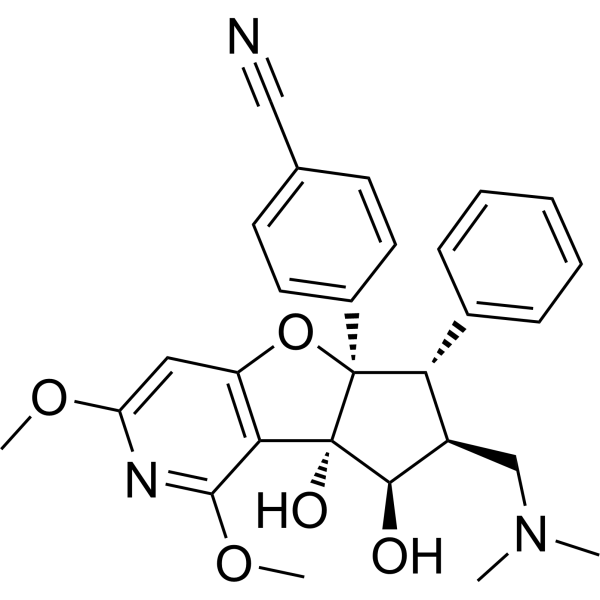
Zotatifin (eFT226) is a potent, selective, and well-tolerated eIF4A inhibitor. Zotatifin promotes eIF4A binding to specific mRNA sequences with recognition motifs in the 5’-UTRs (IC50=2 nM) and interferes with the assembly of the eIF4F initiation complex . Zotatifin shows robust antiviral effects, it effectively reduces viral infectivity by inhibiting SARS-CoV-2 NP protein biogenesis (IC90=37 nM) . Zotatifin induces cell apoptosis .
|
-
-
- HY-NP141
-
|
4-Hydroxy-3-nitrophenylacetyl-bovine serum albumin
|
Biochemical Assay Reagents
|
Inflammation/Immunology
|
|
NP-BSA (4-Hydroxy-3-nitrophenylacetyl-bovine serum albumin) is an antigen-adjuvant conjugate of 4-Hydroxy-3-nitrophenylacetyl (NP) conjugated to bovine serum albumin (BSA), which is an immune complex. NP-BSA is taken up, processed, and presented by antigen-presenting cells to stimulate T-cell proliferation and the production of antigen-specific antibodies. NP-BSA can be used in the research of immunological vaccines .
|
-

-
- HY-W013523
-
2-NP
Maximum Cited Publications
13 Publications Verification
|
STAT
JAK
HSV
|
Infection
Cancer
|
|
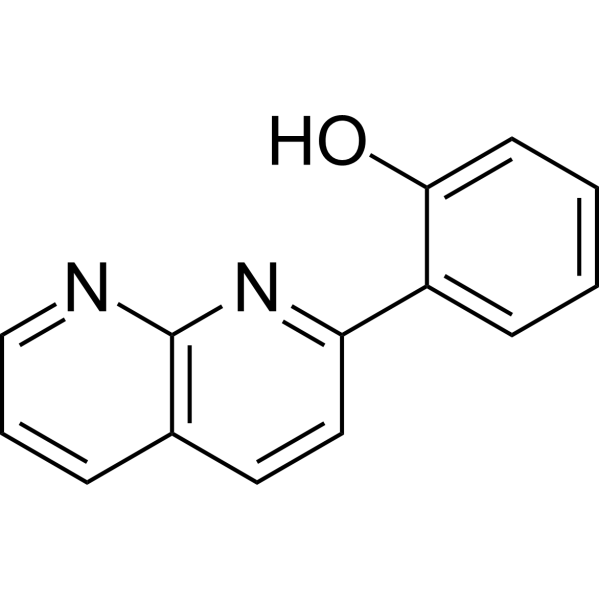
2-NP is a selective enhancer of STAT1 transcription. 2-NP can enhance the ability of IFN-γ to inhibit the proliferation of human breast cancer and fibrosarcoma cells .
|
-
-
- HY-NP137
-
|
|
Biochemical Assay Reagents
|
Inflammation/Immunology
|
|
NP-PE (Phycoerythrin) is a complex formed by 4-Hydroxy-3-nitrophenylacetyl (NP, a hapten) with Phycoerythrin (PE, a carrier protein). NP-PE (Phycoerythrin) can induce the formation of specific immune complexes and mediate the targeted encounter and activation of B cells with antigens. NP-PE (Phycoerythrin) can be used to study the mechanisms by which B cells capture and transport immune complexes in lymph nodes .
|
-

-
- HY-W019724
-
|
|
Drug Intermediate
Reactive Oxygen Species (ROS)
|
Neurological Disease
Metabolic Disease
Cancer
|
|
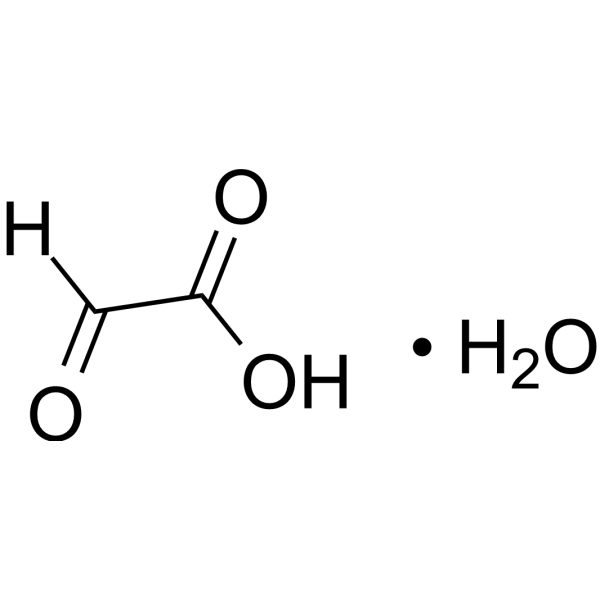
2,2-Dihydroxyacetic acid is an endogenous metabolite, which is the monohydrate of Glyoxylic Acid. 2,2-Dihydroxyacetic acid may participate in the microbial glyoxylate cycle, induce an increase in reactive oxygen species, promote cell differentiation, and modify proteins to form advanced glycation end products (AGEs) (HY-NP165). 2,2-Dihydroxyacetic acid is associated with metabolic diseases such as primary hyperoxaluria .
|
-
-
- HY-P1408
-
|
|
Integrin
VEGFR
|
Cancer
|
|
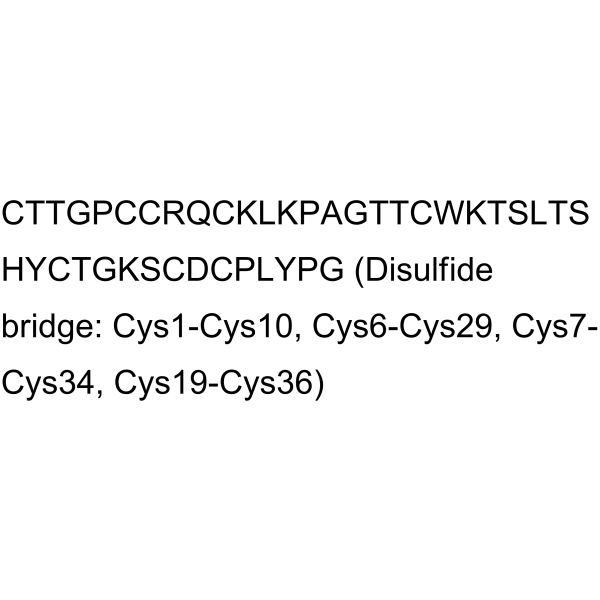
Obtustatin is a non-RGD disintegrin consisting of 41 residues. Obtustatin inhibits the adhesion of α1β1 integrin to type IV Collagen (HY-NP003), blocks α1β1 integrin signaling in endothelial cells, and suppresses FGF2-induced angiogenesis. Obtustatin inhibits tumor progression in mouse models and upregulates VEGF expression in sarcoma-bearing mice. Obtustatin can be used in research related to Lewis lung carcinoma and S-180 sarcoma .
|
-
-
- HY-163159
-
|
|
NOD-like Receptor (NLR)
Interleukin Related
|
Inflammation/Immunology
|
|
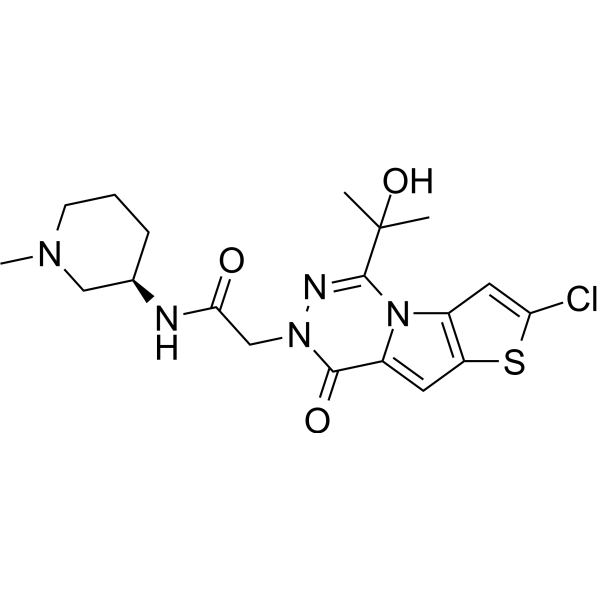
NP3-562 is an orally active NLRP3 Inhibitor. NP3-562 inhibits IL-1β release in the supernatant of Nigericin (HY-127019)-stimulated THP-1 cells (IC50 = 66 nM), human whole blood (IC50 = 214 nM) and a mouse acute peritonitis model. NP3-562 can be used for the study of acute peritonitis .
|
-
-
- HY-P1066
-
|
|
Apelin Receptor (APJ)
HIV
|
Infection
|
|
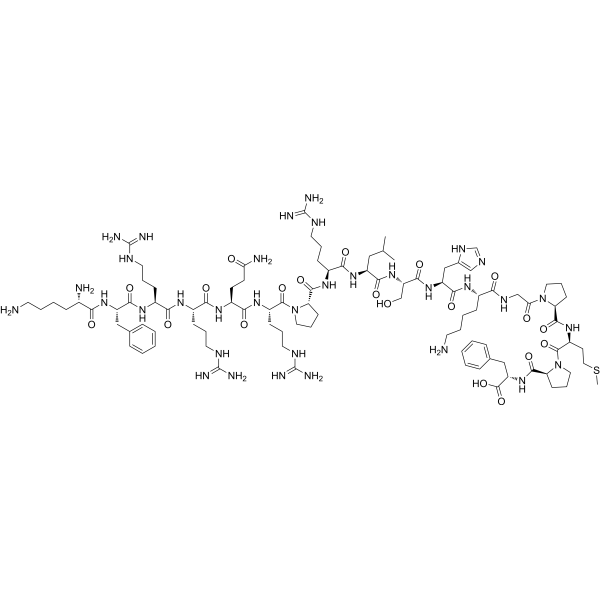
Apelin-17(human, bovine) is an endogenous orphan G protein-coupled receptor APJ agonist. Apelin-17(human, bovine) binds to human APJ receptors expressed in HEK 293 cells (pIC50=9.02). Apelin-17(human, bovine) inhibits the entry of some HIV-1 and HIV-2 into the NP2/CD4 cells expressing APJ .
|
-
-
- HY-N0363
-
|
(S)-Columbianetin
|
ERK
JNK
Collagen
TGF-beta/Smad
p38 MAPK
Reactive Oxygen Species (ROS)
|
Others
|
|
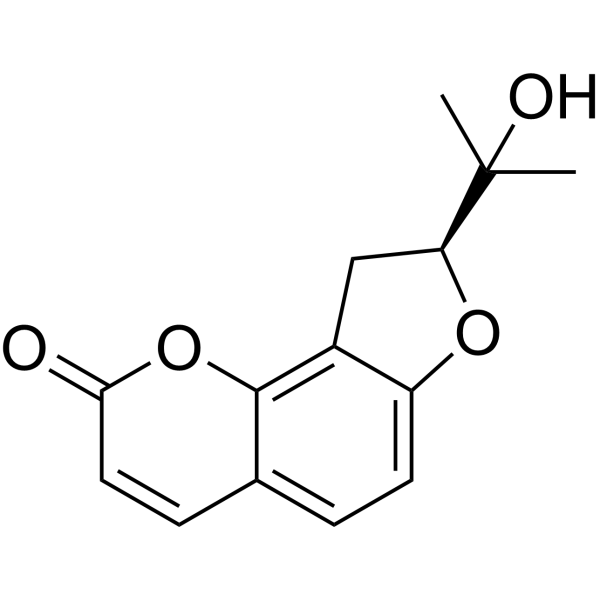
(+)-Columbianetin ((S)-Columbianetin) acts as an inhibitor of JNK/ERK. (+)-Columbianetin inhibits UVA-induced phosphorylation of JNK and ERK, reduces the production of MMP-1, reverses UVA-induced Collagen (HY-NP003) degradation, and alleviates UVA-mediated inhibition of Smad2/3 phosphorylation and translocation. (+)-Columbianetin regulates the AP-1 and ASK1-MAPK signaling pathways, inhibits the production of ROS and blocks sub-G1 cell cycle arrest. (+)-Columbianetin is applicable to research related to skin aging .
|
-
-
- HY-W004570
-
|
5-NP
|
Endogenous Metabolite
|
Infection
|
|
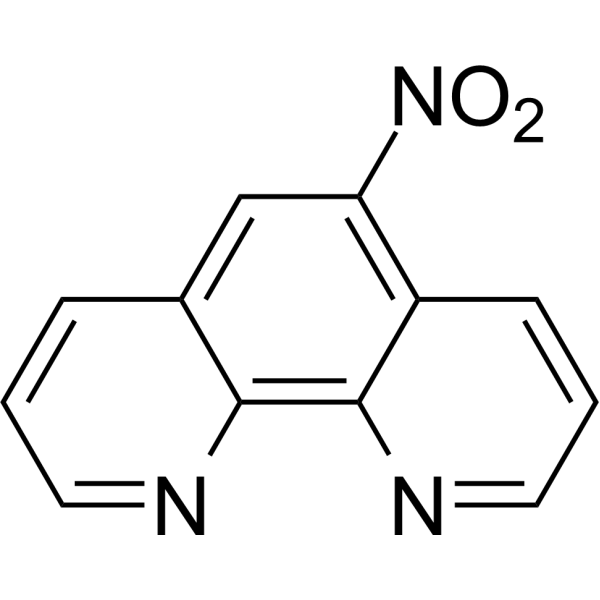
5-Nitro-1,10-phenanthroline (5-NP), is a o-Phenanthroline (HY-W004544) derivative, as a mediator of glucose oxidase (GOX) with antituberculous activity. 5-Nitro-1,10-phenanthroline can be applied as redox mediators for oxidases and is suitable for the development of reagent-less biosensors and biofuel cells .
|
-
-
- HY-P1064
-
|
|
Apelin Receptor (APJ)
HIV
|
Infection
Cardiovascular Disease
Metabolic Disease
|
|
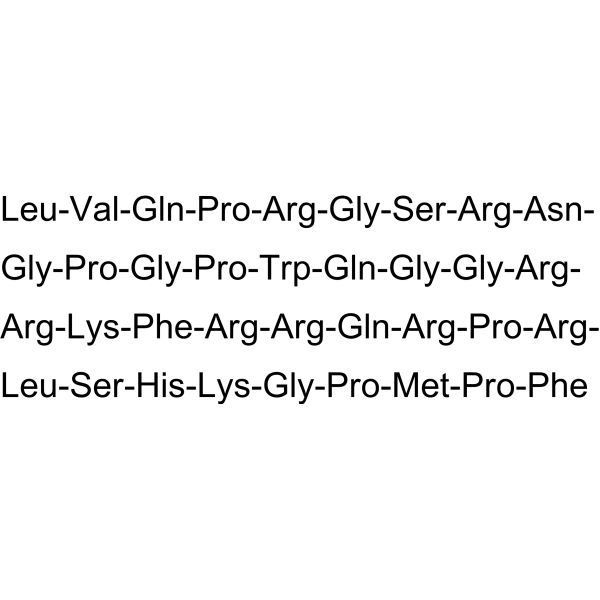
Apelin-36(human) is an endogenous orphan G protein-coupled receptor APJ agonist, with an EC50 of 20 nM. Apelin-36(human) shows high affinity to human APJ receptors expressed in HEK 293 cells (pIC50=8.61). Apelin-36 has been linked to two major types of biological activities: cardiovascular and metabolic. Apelin-36(human) inhibits the entry of some HIV-1 and HIV-2 into the NP2/CD4 cells expressing APJ .
|
-
-
- HY-178360
-
|
|
PROTACs
Histone Acetyltransferase
HIF/HIF Prolyl-Hydroxylase
PD-1/PD-L1
PTEN
|
Metabolic Disease
Inflammation/Immunology
Cancer
|
|
NP1192 is a potent, selective PROTAC NAT10 degrader that depletes NAT10 protein and inhibits ac4C modification in cancer cells. NP1192 demonstrates dual inhibition of hypoxia-driven glycolysis and immunosuppression via NAT10/HIF-1α/PD-L1 axis disruption, achieving superior antitumor efficacy and synergizing with anti-PD-L1 both in vitro and in vivo. NP1192 can be used for ovarian, cervical, and glioblastoma cancer research. (Blue: CRBN ligand (HY-148834); Black: linker; Pink: NAT10 ligand (HY-16706)) .
|
-

-
- HY-P1065
-
|
|
Apelin Receptor (APJ)
HIV
|
Infection
Cardiovascular Disease
Metabolic Disease
|
|
Apelin-36(rat, mouse) is an endogenous orphan G protein-coupled receptor APJ agonist. Apelin-36(rat, mouse) binds to APJ receptors with an IC50 of 5.4 nM, and potently inhibits cAMP production with an EC50 of 0.52 nM. Apelin-36(rat, mouse) blocks entry of some HIV-1 and HIV-2 strains into NP-2/CD4 cells expressing APJ .
|
-

-
- HY-NP188
-
|
LEL (FITC)
|
Fluorescent Dye
Biochemical Assay Reagents
|
Others
|
|
Lycopersicon esculentum (Tomato) Lectin (FITC) is Lycopersicon esculentum (Tomato) Lectin (HY-NP071) labeled with FITC (HY-66019). Lycopersicon esculentum (Tomato) Lectin (FITC) binds to poly-N-acetyllactosamine oligosaccharides. Lycopersicon esculentum (Tomato) Lectin (FITC) is a major component of carbohydrates on the surface of endothelial and epithelial cells .
|
-

-
- HY-P1064A
-
|
|
HIV
Apelin Receptor (APJ)
|
Infection
Cardiovascular Disease
Metabolic Disease
|
|
Apelin-36(human) TFA is an endogenous orphan G protein-coupled receptor APJ agonist, with an EC50 of 20 nM. Apelin-36(human) TFA shows high affinity to human APJ receptors expressed in HEK 293 cells (pIC550=8.61). Apelin-36(human) TFA has been linked to two major types of biological activities: cardiovascular and metabolic. Apelin-36(human) TFA inhibits the entry of some HIV-1 and HIV-2 into the NP2/CD4 cells expressing APJ .
|
-

-
- HY-N12110
-
|
|
Toll-like Receptor (TLR)
SARS-CoV
|
Infection
|
|
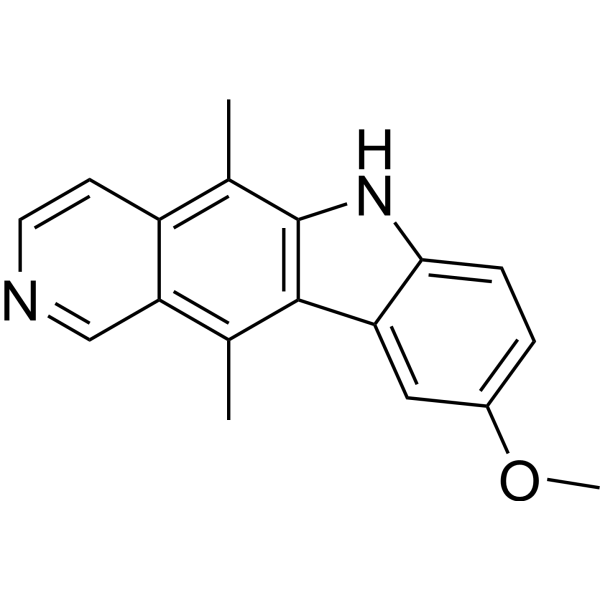
SMU-CX1 is a specific TLR3 inhibitor (IC50: 0.11 μM) with IC50 ranging from 0.14-0.33 μM against multiple influenza A virus subtypes. SMU-CX1 inhibits the viral PB2 and NP proteins with an IC50 of 0.43 μM for SARS-CoV-2 activity. SMU-CX1 also inhibits inflammatory factors in host cells, including IFN-β, IP-10, and CCL-5 .
|
-
-
- HY-145087
-
|
NLRP3-IN-5
|
NOD-like Receptor (NLR)
Interleukin Related
Caspase
|
Inflammation/Immunology
|
|
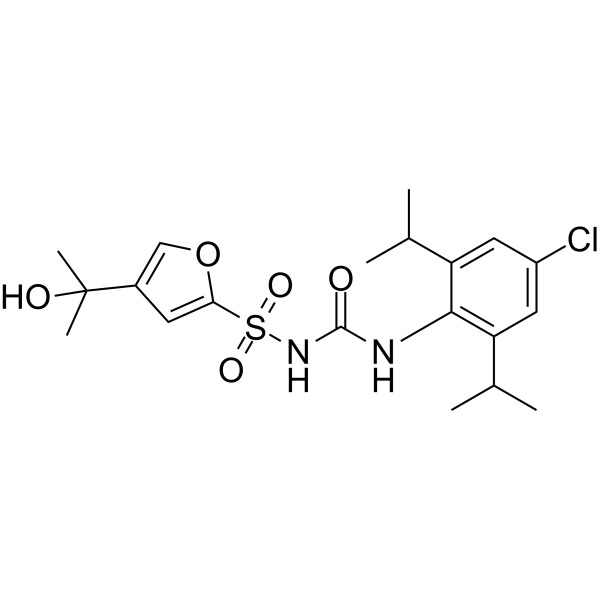
NP3-146 is a NLRP3 inflammasome inhibitor through locking the NACHT domain of NLRP3. NP3-146 shows potent inhibitory activity against IL-1β release with an IC50 value of 0.171 μM in LPS (HY-D1056)/Nigericin (HY-127019)-stimulated BMDM cells. NP3-146 regulates the levels of cleaved Caspase-1 and cleaved IL-1β in cell supernatants. NP3-146 can be used for the research of inflammatory diseases .
|
-
-
- HY-145087A
-
|
|
NOD-like Receptor (NLR)
Interleukin Related
Caspase
|
Inflammation/Immunology
|
|
NP3-146 sodium is a NLRP3 inflammasome inhibitor through locking the NACHT domain of NLRP3. NP3-146 sodium shows potent inhibitory activity against IL-1β release with an IC50 value of 0.171 μM in LPS (HY-D1056)/Nigericin (HY-127019)-stimulated BMDM cells. NP3-146 sodium regulates the levels of cleaved Caspase-1 and cleaved IL-1β in cell supernatants. NP3-146 sodium can be used for the research of inflammatory diseases .
|
-

-
- HY-P5502
-
|
|
Influenza Virus
|
Others
|
|
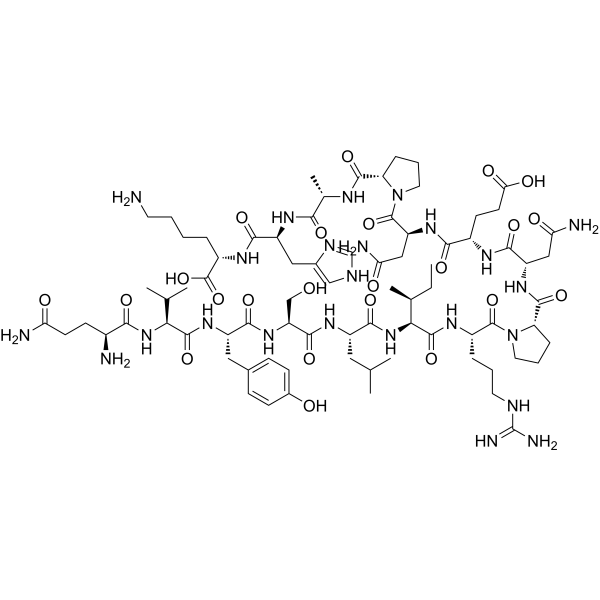
Influenza NP (311-325) is a biologically active peptide derived from the influenza virus nucleoprotein (NP). The NP protein is an MHC class II restricted epitope that elicits host immune responses during viral infection. Influenza NP (311-325) elicits the most potent interferon gamma (IFN-γ) production without stimulating CD8 T cells in mice.
|
-
-
- HY-P10593
-
|
|
Transmembrane Glycoprotein
Influenza Virus
|
Cancer
|
|
Influenza A NP (383-391) (HLA-B27) is a peptide sequence derived from tetanus toxin. Influenza A NP (383-391) (HLA-B27) is a broadly immunogenic CD4+ T helper cell epitope that enhances CD8+ cytotoxic T lymphocyte (CTL) responses. Influenza A NP (383-391) (HLA-B27) can be used in breast cancer research .
|
-

-
- HY-P1066A
-
|
|
HIV
Apelin Receptor (APJ)
|
Infection
|
|
Apelin-17(human, bovine) TFA is an endogenous orphan G protein-coupled receptor APJ agonist. Apelin-17(human, bovine) TFA binds to human APJ receptors expressed in HEK 293 cells (pIC50=9.02). Apelin-17(human, bovine) TFA inhibits the entry of some HIV-1 and HIV-2 into the NP2/CD4 cells expressing APJ .
|
-

-
- HY-177823
-
|
|
TNF Receptor
|
Cancer
|
|
C2NP sodium is a single-strand DNA aptamer that targets CD30. The multivalent C2NP is able to induce oligomerization of CD30 receptors and, in effect, activate downstream signaling, which led to apoptosis of anaplastic large cell lymphoma (ALCL) cells.
|
-

-
- HY-P1857
-
|
|
Influenza Virus
|
Infection
|
|
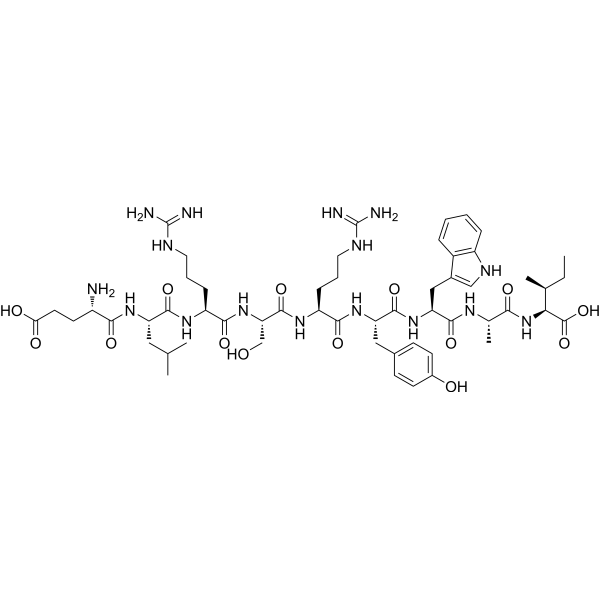
CEF7, Influenza Virus NP (380-388) is a HLA-B *08 restricted influenza virus nucleoprotein epitope. Influenza virus NP functions as a key adapter molecule between virus and host cell processes .
|
-
-
- HY-107992
-
|
|
Apoptosis
|
Others
|
|
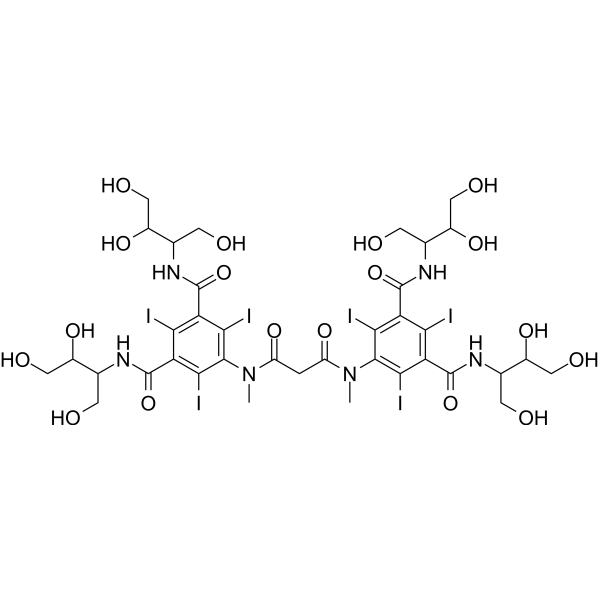
Iotrolan is a tradiocontrast agent. Iotrolan has no effect on NP cell viability or induce apoptosis .
|
-
-
- HY-112538
-
|
1-NP hydrochloride; 1-Naphthylpiperazine hydrochloride
|
5-HT Receptor
Apoptosis
|
Inflammation/Immunology
Cancer
|
|
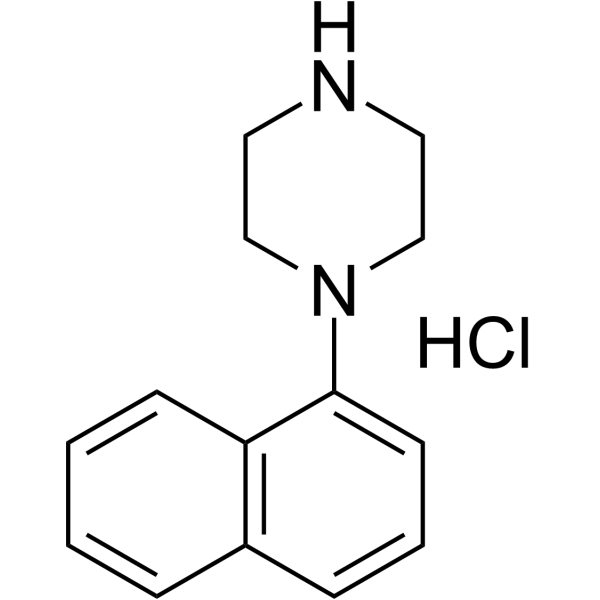
1-1-Naphthylpiperazine hydrochloride (1-NP hydrochloride; 1-Naphthylpiperazine hydrochloride) is a serotonergic derivative of quipazine, which is both an agonist for 5-HT1A receptor and an antagonist for 5-HT2A receptor. 1-1-Naphthylpiperazine hydrochloride induces cell apoptosis. 1-1-Naphthylpiperazine hydrochloride prevents the immunosuppression and photocarcinogenesis .
|
-
-
- HY-112353
-
|
|
Endogenous Metabolite
|
Others
|
|
NP603 is a potent inhibitor of FGF receptor 1, exhibiting remarkable activity against endothelial proliferation in HUVEC cells stimulated by rhFGF-2, with a minimum effective dose of 0.4 microM.
|
-

-
- HY-P1065A
-
|
|
HIV
Apelin Receptor (APJ)
|
Infection
Cardiovascular Disease
Metabolic Disease
|
|
Apelin-36(rat, mouse) TFA is an endogenous orphan G protein-coupled receptor APJ agonist. Apelin-36(rat, mouse) TFA binds to APJ receptors with an IC50 of 5.4 nM, and potently inhibits cAMP production with an EC50 of 0.52 nM. Apelin-36(rat, mouse) TFA blocks entry of some HIV-1 and HIV-2 strains into NP-2/CD4 cells expressing APJ .
|
-

-
- HY-107000
-
|
|
Guanylate Cyclase
NO Synthase
|
Cardiovascular Disease
|
|
RIG 200 is an S-nitrosothiol nitric oxide (NO) donor. RIG 200 releases NO through decomposition, activating guanylate cyclase (sGCM) in vascular smooth muscle cells, increasing cGMP levels, and leading to vasodilation. RIG 200 significantly inhibits Collagen (HY-NP003)-induced platelet aggregation in platelet-rich plasma (PRP). RIG 200 may be used in research on antithrombus .
|
-

-
- HY-162754
-
|
|
Proteasome
|
Inflammation/Immunology
|
|
LMP7/LMP2-IN-1 (Compound 19) is the orally active inhibitor for immunoproteasome subunits LMP7 and LMP2 with IC50 of 257 and 10 nM. LMP7/LMP2-IN-1 reduces the generation of antibody, downregulates the cells in spleen germinal center B and in plasma in NP-OVA-immunized mice, and can be used in research about autoimmune diseases .
|
-

-
- HY-116295
-
|
|
P2Y Receptor
p38 MAPK
Calcium Channel
|
Cardiovascular Disease
|
|
MRS2690 is a selective P2Y14 receptor agonist. MRS2690 inhibits adenylyl cyclase activity, thereby reducing intracellular cAMP levels and mediating concentration-dependent vasoconstriction of porcine coronary arteries. MRS2690 induces intracellular calcium mobilization, activates P38 and stimulates [ 35S]GTPγS binding to RBL-2H3 cell membranes. MRS2690 enhances antigen (NP-BSA)-, C3a-induced β-hexosaminidase (β-Hex) release. MRS2690can be used for ischemic heart disease .
|
-

-
- HY-116295A
-
|
|
P2Y Receptor
p38 MAPK
Calcium Channel
|
Cardiovascular Disease
|
|
MRS2690 disodium is a selective P2Y14 receptor agonist. MRS2690 disodium inhibits adenylyl cyclase activity, thereby reducing intracellular cAMP levels and mediating concentration-dependent vasoconstriction of porcine coronary arteries. MRS2690 disodium induces intracellular calcium mobilization, activates P38 and stimulates [ 35S]GTPγS binding to RBL-2H3 cell membranes. MRS2690 enhances antigen (NP-BSA)-, C3a-induced β-hexosaminidase (β-Hex) release. MRS2690 disodium can be used for ischemic heart disease .
|
-

-
- HY-144668
-
|
|
DNA/RNA Synthesis
Influenza Virus
|
Infection
|
|
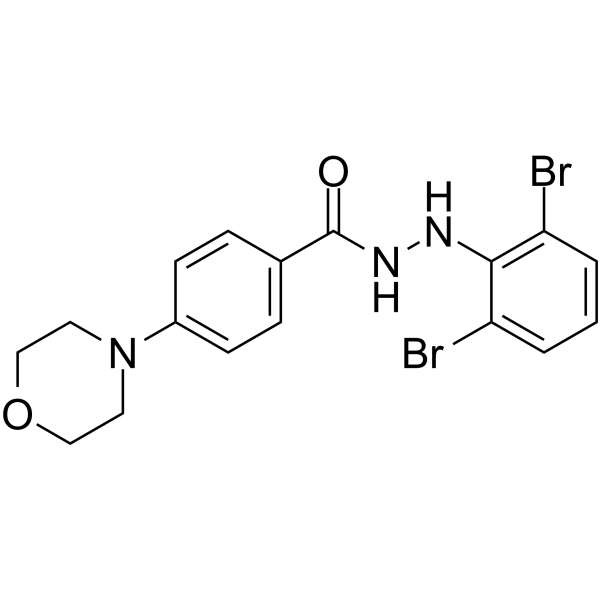
RdRP-IN-4 (compound 11q), an aryl benzoyl hydrazide analog, is an orally active influenza A virus RNA-dependent RNA polymerase (RdRp) inhibitor by interacting with the PB1 subunit. RdRP-IN-4 exhibits potent inhibitory activity against the avian H5N1 flu strain with an EC50 of 18 nM in MDCK cells. RdRP-IN-4 displays excellent potency against the the H1N1 (A/PR/8/34) Flu A strain and Flu B strain (B/Lee/1940) with EC50 values of 53 nM and 20 nM, respectively. RdRP-IN-4 significantly inhibits the expression level of viral nucleoprotein (NP) in a dose-dependent manner. RdRP-IN-4 exhibits significant antiviral activity in infected mice .
|
-
-
- HY-NP218
-
|
|
Fluorescent Dye
|
Others
|
|
NP-APC (Allophycocyanin) is a conjugate that links NP (a hapten) and APC (fluorescent protein) together. NP-APC (Allophycocyanin) is used in immunological research as a tool for specifically labeling cells and antibodies (Ex/Em = 650/660 nm).
|
-

-
- HY-W004570R
-
|
5-NP (Standard)
|
Endogenous Metabolite
Reference Standards
|
Infection
|
|
5-Nitro-1,10-phenanthroline (Standard) (5-NP (Standard)) is the analytical standard of 5-Nitro-1,10-phenanthroline (HY-W004570). This product is intended for research and analytical applications. 5-Nitro-1,10-phenanthroline (5-NP), is a o-Phenanthroline (HY-W004544) derivative, as a mediator of glucose oxidase (GOX) with antituberculous activity. 5-Nitro-1,10-phenanthroline can be applied as redox mediators for oxidases and is suitable for the development of reagent-less biosensors and biofuel cells .
|
-

-
- HY-184158
-
|
|
AUTACs
HIF/HIF Prolyl-Hydroxylase
|
Metabolic Disease
Inflammation/Immunology
|
|
HATC is a HIF-1α AUTAC degrader. HATC links HIF-1α to LC3 to form a ternary complex that undergoes degradation via the autophagy-lysosome fusion pathway. HATC induces dose-dependent HIF-1α degradation in multiple cell types. HATC reduces visceral fat accumulation, hepatic lipid deposition, senescent cell aggregation, and bone loss; alleviates age-related intervertebral disc degeneration, liver dysfunction, kyphosis, and alveolar dilation; decreases circulating lactic acid levels; improves physical performance; and reverses age-related changes in granulocyte proportions. HATC extends median and maximum lifespan, reduces transcriptomic age, and causes no obvious persistent toxicity. HATC can be used in the research of age-related diseases (pink: LC3 ligand (HY-50759); blue: HIF-1α ligand (HY-P10426); Linker: (HY-W008264)) .
|
-

-
- HY-W816575
-
|
|
RAR/RXR
SARS-CoV
|
Infection
|
MDI-403 is a retinoic acid receptor (RAR) agonist with an EC50 value of less than 1 μM. MDI-403 exhibits significant antiviral activity against SARS-CoV-2, and can dose-dependently inhibit the expression of viral nucleoprotein (NP) and reduce the proportion of infected cells. MDI-403 mainly acts during the virus invasion stage. MDI-403 can be used in research on anti-SARS-CoV-2 .
|
-

-
- HY-165564
-
|
|
Drug Derivative
|
Inflammation/Immunology
|
|
SM-8849 is a thiazole derivative with anti-arthritis activity. SM-8849 specifically targets and inactivates T cells involved in delayed-type hypersensitivity (DTH) reactions, thereby inhibiting the core immunopathological process of arthritis, but has little effect on the humoral immune process such as antibody production. In a mouse arthritis model induced by Type II Collagen (HY-NP003), SM-8849 significantly alleviated clinical symptoms, reduced bone destruction and joint damage. SM-8849 can be used for the study of autoimmune diseases such as rheumatoid arthritis .
|
-

| Cat. No. |
Product Name |
Type |
-
- HY-NP141
-
|
4-Hydroxy-3-nitrophenylacetyl-bovine serum albumin
|
Biochemical Assay Reagents
|
|
NP-BSA (4-Hydroxy-3-nitrophenylacetyl-bovine serum albumin) is an antigen-adjuvant conjugate of 4-Hydroxy-3-nitrophenylacetyl (NP) conjugated to bovine serum albumin (BSA), which is an immune complex. NP-BSA is taken up, processed, and presented by antigen-presenting cells to stimulate T-cell proliferation and the production of antigen-specific antibodies. NP-BSA can be used in the research of immunological vaccines .
|
-
- HY-NP137
-
|
|
Biochemical Assay Reagents
|
|
NP-PE (Phycoerythrin) is a complex formed by 4-Hydroxy-3-nitrophenylacetyl (NP, a hapten) with Phycoerythrin (PE, a carrier protein). NP-PE (Phycoerythrin) can induce the formation of specific immune complexes and mediate the targeted encounter and activation of B cells with antigens. NP-PE (Phycoerythrin) can be used to study the mechanisms by which B cells capture and transport immune complexes in lymph nodes .
|
-
- HY-NP188
-
|
LEL (FITC)
|
Biochemical Assay Reagents
|
|
Lycopersicon esculentum (Tomato) Lectin (FITC) is Lycopersicon esculentum (Tomato) Lectin (HY-NP071) labeled with FITC (HY-66019). Lycopersicon esculentum (Tomato) Lectin (FITC) binds to poly-N-acetyllactosamine oligosaccharides. Lycopersicon esculentum (Tomato) Lectin (FITC) is a major component of carbohydrates on the surface of endothelial and epithelial cells .
|
-
- HY-NP218
-
|
|
Biochemical Assay Reagents
|
|
NP-APC (Allophycocyanin) is a conjugate that links NP (a hapten) and APC (fluorescent protein) together. NP-APC (Allophycocyanin) is used in immunological research as a tool for specifically labeling cells and antibodies (Ex/Em = 650/660 nm).
|
| Cat. No. |
Product Name |
Target |
Research Area |
-
- HY-P1408
-
|
|
Integrin
VEGFR
|
Cancer
|
|
Obtustatin is a non-RGD disintegrin consisting of 41 residues. Obtustatin inhibits the adhesion of α1β1 integrin to type IV Collagen (HY-NP003), blocks α1β1 integrin signaling in endothelial cells, and suppresses FGF2-induced angiogenesis. Obtustatin inhibits tumor progression in mouse models and upregulates VEGF expression in sarcoma-bearing mice. Obtustatin can be used in research related to Lewis lung carcinoma and S-180 sarcoma .
|
-
- HY-P1066
-
|
|
Apelin Receptor (APJ)
HIV
|
Infection
|
|
Apelin-17(human, bovine) is an endogenous orphan G protein-coupled receptor APJ agonist. Apelin-17(human, bovine) binds to human APJ receptors expressed in HEK 293 cells (pIC50=9.02). Apelin-17(human, bovine) inhibits the entry of some HIV-1 and HIV-2 into the NP2/CD4 cells expressing APJ .
|
-
- HY-P1064
-
|
|
Apelin Receptor (APJ)
HIV
|
Infection
Cardiovascular Disease
Metabolic Disease
|
|
Apelin-36(human) is an endogenous orphan G protein-coupled receptor APJ agonist, with an EC50 of 20 nM. Apelin-36(human) shows high affinity to human APJ receptors expressed in HEK 293 cells (pIC50=8.61). Apelin-36 has been linked to two major types of biological activities: cardiovascular and metabolic. Apelin-36(human) inhibits the entry of some HIV-1 and HIV-2 into the NP2/CD4 cells expressing APJ .
|
-
- HY-P1065
-
|
|
Apelin Receptor (APJ)
HIV
|
Infection
Cardiovascular Disease
Metabolic Disease
|
|
Apelin-36(rat, mouse) is an endogenous orphan G protein-coupled receptor APJ agonist. Apelin-36(rat, mouse) binds to APJ receptors with an IC50 of 5.4 nM, and potently inhibits cAMP production with an EC50 of 0.52 nM. Apelin-36(rat, mouse) blocks entry of some HIV-1 and HIV-2 strains into NP-2/CD4 cells expressing APJ .
|
-
- HY-P1064A
-
|
|
HIV
Apelin Receptor (APJ)
|
Infection
Cardiovascular Disease
Metabolic Disease
|
|
Apelin-36(human) TFA is an endogenous orphan G protein-coupled receptor APJ agonist, with an EC50 of 20 nM. Apelin-36(human) TFA shows high affinity to human APJ receptors expressed in HEK 293 cells (pIC550=8.61). Apelin-36(human) TFA has been linked to two major types of biological activities: cardiovascular and metabolic. Apelin-36(human) TFA inhibits the entry of some HIV-1 and HIV-2 into the NP2/CD4 cells expressing APJ .
|
-
- HY-P5502
-
|
|
Influenza Virus
|
Others
|
|
Influenza NP (311-325) is a biologically active peptide derived from the influenza virus nucleoprotein (NP). The NP protein is an MHC class II restricted epitope that elicits host immune responses during viral infection. Influenza NP (311-325) elicits the most potent interferon gamma (IFN-γ) production without stimulating CD8 T cells in mice.
|
-
- HY-P10593
-
|
|
Transmembrane Glycoprotein
Influenza Virus
|
Cancer
|
|
Influenza A NP (383-391) (HLA-B27) is a peptide sequence derived from tetanus toxin. Influenza A NP (383-391) (HLA-B27) is a broadly immunogenic CD4+ T helper cell epitope that enhances CD8+ cytotoxic T lymphocyte (CTL) responses. Influenza A NP (383-391) (HLA-B27) can be used in breast cancer research .
|
-
- HY-P1066A
-
|
|
HIV
Apelin Receptor (APJ)
|
Infection
|
|
Apelin-17(human, bovine) TFA is an endogenous orphan G protein-coupled receptor APJ agonist. Apelin-17(human, bovine) TFA binds to human APJ receptors expressed in HEK 293 cells (pIC50=9.02). Apelin-17(human, bovine) TFA inhibits the entry of some HIV-1 and HIV-2 into the NP2/CD4 cells expressing APJ .
|
-
- HY-P1857
-
|
|
Influenza Virus
|
Infection
|
|
CEF7, Influenza Virus NP (380-388) is a HLA-B *08 restricted influenza virus nucleoprotein epitope. Influenza virus NP functions as a key adapter molecule between virus and host cell processes .
|
-
- HY-P1065A
-
|
|
HIV
Apelin Receptor (APJ)
|
Infection
Cardiovascular Disease
Metabolic Disease
|
|
Apelin-36(rat, mouse) TFA is an endogenous orphan G protein-coupled receptor APJ agonist. Apelin-36(rat, mouse) TFA binds to APJ receptors with an IC50 of 5.4 nM, and potently inhibits cAMP production with an EC50 of 0.52 nM. Apelin-36(rat, mouse) TFA blocks entry of some HIV-1 and HIV-2 strains into NP-2/CD4 cells expressing APJ .
|
-
- HY-K1002
-
|
|
|
MCE NP-40 Lysis Buffer is a relatively mild reliable buffers used to lyse cells from animal, plant tissue and fungi, bacteria etc.
|
| Cat. No. |
Product Name |
Category |
Target |
Chemical Structure |
| Cat. No. |
Product Name |
|
Classification |
-
- HY-177823
-
|
|
|
Aptamers
|
|
C2NP sodium is a single-strand DNA aptamer that targets CD30. The multivalent C2NP is able to induce oligomerization of CD30 receptors and, in effect, activate downstream signaling, which led to apoptosis of anaplastic large cell lymphoma (ALCL) cells.
|
Your information is safe with us. * Required Fields.
Inquiry Information
- Product Name:
- Cat. No.:
- Quantity:
- MCE Japan Authorized Agent:








