





Search Result
Results for "
Phosphatase-IN-1
" in MedChemExpress (MCE) Product Catalog:
1
Biochemical Assay Reagents
1
Isotope-Labeled Compounds
| Cat. No. |
Product Name |
Target |
Research Areas |
Chemical Structure |
-
- HY-100463
-
-
-
- HY-109041
-
|
AKB-9778
|
Phosphatase
Tie
|
Inflammation/Immunology
|
|
Razuprotafib (AKB-9778) is a potent and selective inhibitor of the catalytic activity of VE-PTP (vascular endothelial protein tyrosine phosphatase) with an IC50of 17 pM. Razuprotafib promotes TIE2 activation, enhances ANG1-induced TIE2 activation, and stimulates phosphorylation of signaling molecules in the TIE2 pathway, including AKT, eNOS, and ERK. Razuprotafib inhibits the structurally related phosphatase PTP1B with an IC50 of 780 nM. Razuprotafib shows excellent selectivity for VE-PTP versus a variety of phosphatases, with the exception of HPTPη (IC50=36 pM) and HPTPγ (100 pM) [1].
|
-
-
- HY-108547
-
|
|
Fungal
Apoptosis
|
Infection
Cancer
|
|
Alexidine dihydrochloride is an anticancer agent that targets a mitochondrial tyrosine phosphatase, PTPMT1, in mammalian cells and causes mitochondrial apoptosis. Alexidine dihydrochloride has antifungal and antibiofilm activity against a diverse range of fungal pathogens [1].
|
-
-
- HY-108599
-
|
FR236924
|
PKC
CaMK
Phosphatase
Apoptosis
|
Neurological Disease
|
|
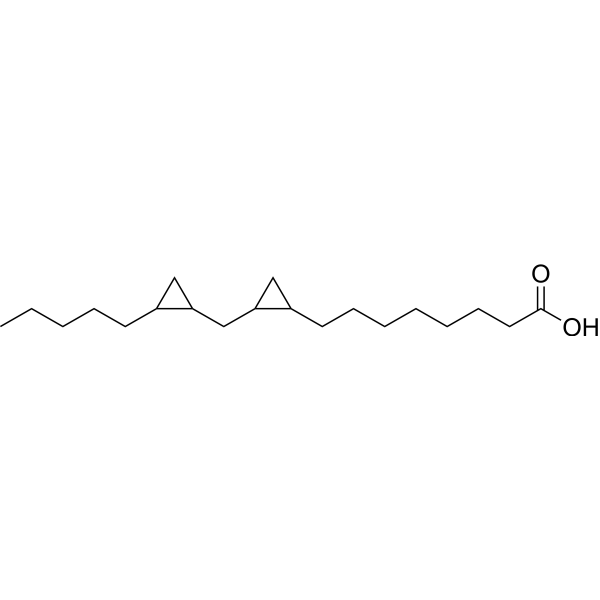
DCP-LA (FR236924), a linoleic acid derivative, selectively and directly activates PKCε. DCP-LA activates Ca( 2+)/calmodulin-dependent protein kinase II (CaMKII) and inhibits protein phosphatase-1 (PP-1) to stimulate AMPA receptor exocytosis. DCP-LA inhibits activation of caspase-3/-9 and protects neurons at least in part from oxidative stress-induced apoptosis [1] .
|
-
-
- HY-108543
-
|
|
Phosphatase
Apoptosis
|
Cancer
|
|
NSC 95397 is a potent, selective Cdc25 dual specificity phosphatase inhibitor (Ki=32 nM (Cdc25A), 96 nM (Cdc25B), 40 nM (Cdc25C); IC50=22.3 nM (human Cdc25A), 56.9 nM (human Cdc25C), 125 nM (Cdc25B)) [1]. NSC 95397 inhibits mitogen-activated protein kinase phosphatase-1 (MKP-1) and suppresses proliferation and induces apoptosis in colon cancer cells through MKP-1 and ERK1/2 pathway .
|
-
-
- HY-15909
-
|
BCIP p-toluidINe salt; X-phosphate p-toluidINe salt
|
Fluorescent Dye
|
Others
|
|
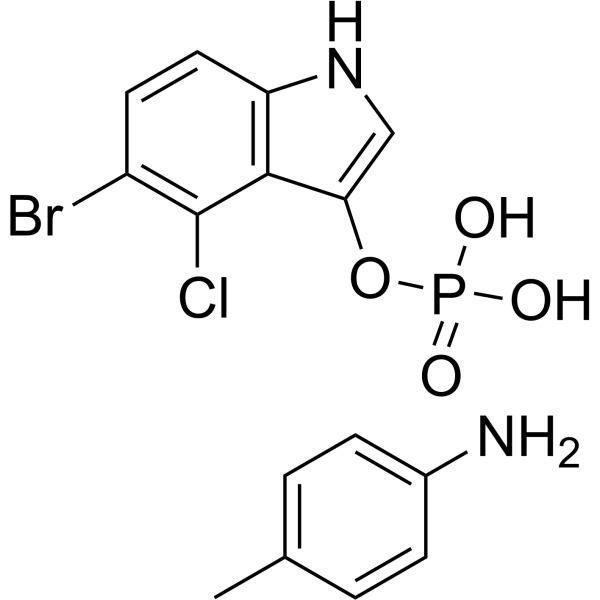
BCIP(BCIP p-toluidine salt; X-phosphate p-toluidine salt) is an artificial chromogenic substrate used for the sensitive colorimetric detection of alkaline phosphatase activity .
|
-
-
- HY-W007599
-
|
|
Drug Derivative
|
Cancer
|
|
(S)-2,6-Bis((tert-butoxycarbonyl)amino)hexanoic acid is a polypeptide derivative, can be used to synthesis multifunctional amphiphilic peptide dendrimer for non-viral gene delivery in cancer research. (S)-2,6-Bis((tert-butoxycarbonyl)amino)hexanoic acid can be used in the preparation of organic substances that enhance the luminescence intensity of alkaline phosphatase substrates .
|
-
-
- HY-109011
-
|
AQX-1125
|
Phosphatase
|
Cancer
|
|
Rosiptor (AQX-1125) is a selective and orally active phosphatase SHIP1 activator with anti-inflammatory effects. Rosiptor (AQX-1125) inhibits Akt phosphorylation, inflammatory mediator production and leukocyte chemotaxis in vitro [1] .
|
-
-
- HY-121515
-
|
|
Phosphatase
|
Metabolic Disease
|
|
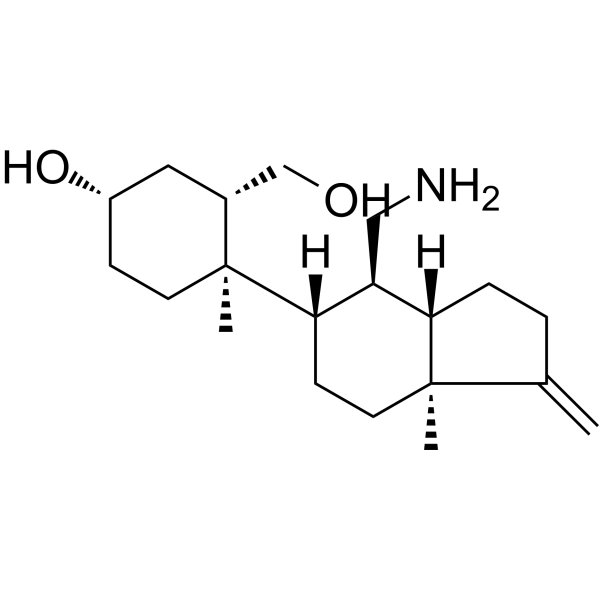
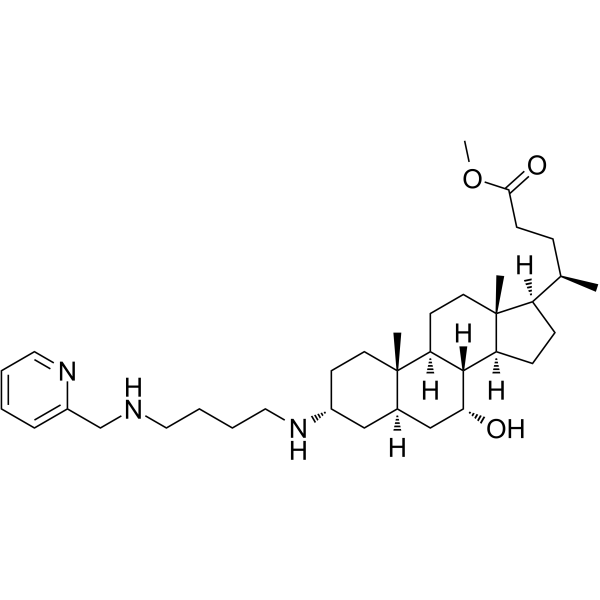
DPM-1001 is a potent, specific, orally active and non-competitive inhibitor of protein-tyrosine phosphatase (PTP1B) with an IC50 of 100 nM. DPM-1001 is an analog of the specific PTP1B inhibitor MSI-1436. DPM-1001 has anti-diabetic property [1].
|
-
-
- HY-123960
-
Raphin1
3 Publications Verification
|
Phosphatase
|
Neurological Disease
|
|
Raphin1 is an orally bioavailable, selective inhibitor of the regulatory phosphatase PPP1R15B (R15B). Raphin1 binds strongly to the R15B-PP1c holophosphatase (Kd=33 nM), and shows ~30-fold selective in binding R15B-PP1c over R15A-PP1c. Raphin1 crosses the blood-brain barrier, and reduces organismal and molecular deficits in a mouse model of a protein misfolding disease [1].
|
-
-
- HY-12833
-
AMZ30
1 Publications Verification
|
Phosphatase
Akt
ERK
|
Others
|
|
AMZ30 is selective protein phosphatase methylesterase-1(PME-1) inhibitor with IC50s of 600 nM and 3.5 µM in human cell lysates and in HEK 293T cells, respectively. AMZ30 shows >100-fold selectivity relative to other serine hydrolases. AMZ30 reduces the demethylated form of PP2A in living cells. AMZ30 attenuates muscle cell differentiation. AMZ30 increases the resistance of U87MG and U251MG glioblastoma cells to t-BHP-induced oxidative stress. AMZ30can be used for the study of glioblastoma [1] .
|
-
-
- HY-15756
-
|
|
Phosphatase
|
Metabolic Disease
|
|
PTP1B-IN-4 is a non-competitive allosteric inhibitor of the protein tyrosine phosphatase PTP1B, with an IC50 of 8 μM. PTP1B-IN-4 is potentail for the research of obesity and diabetes [1] .
|
-
-
- HY-130514
-
|
|
HIV
CDK
|
Infection
|
|
SMAPP1 is an activator of protein phosphatase-1 (PP1). SMAPP1 increases phosphorylation of CDK9’s Ser90 and Thr186 residues, but not Ser175. SMAPP1 induces HIV-1 replication, upregulates HIV-1 transcription that led to the reactivation of latent HIV-1 provirus [1].
|
-
-
- HY-123960A
-
|
|
Phosphatase
|
Neurological Disease
|
|
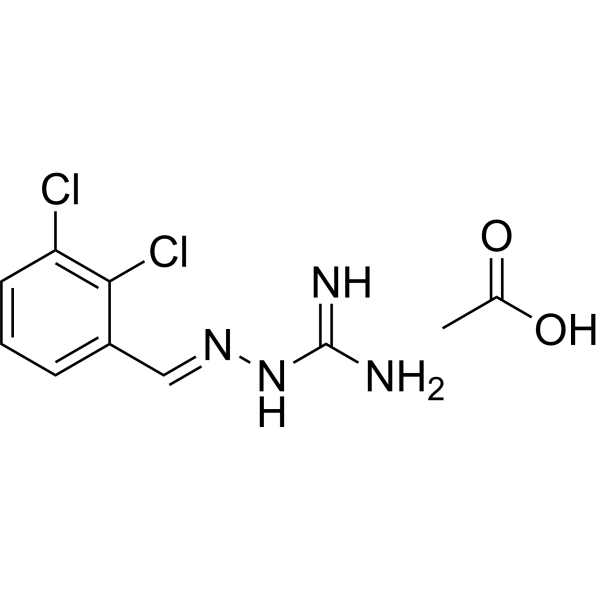
Raphin1 acetate is an orally bioavailable, selective inhibitor of the regulatory phosphatase PPP1R15B (R15B). Raphin1 acetate binds strongly to the R15B-PP1c holophosphatase (Kd=33 nM), and shows ~30-fold selective in binding R15B-PP1c over R15A-PP1c. Raphin1 acetate crosses the blood-brain barrier, and reduces organismal and molecular deficits in a mouse model of a protein misfolding disease [1].
|
-
-
- HY-P2040
-
|
|
Phosphatase
|
Cancer
|
|
Nodularin is a potent hepatotoxin, tumor promoter, and protein phosphatase inhibitor .
|
-
-
- HY-112832
-
|
|
Phosphatase
|
Infection
|
|
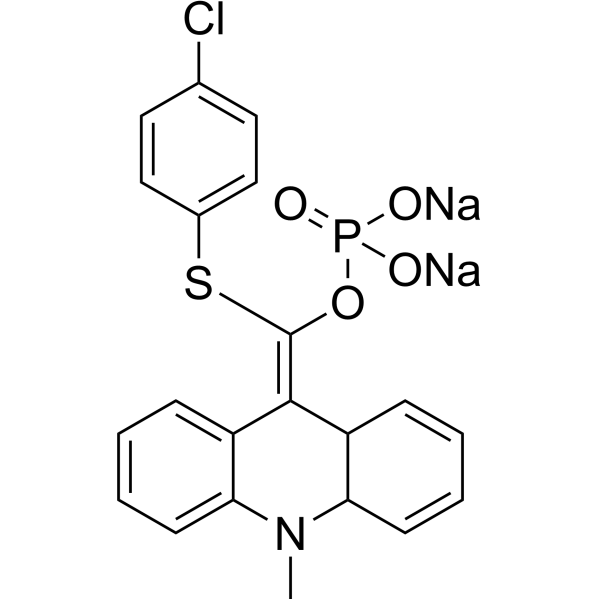
Lumigen APS-5 is a substrate of alkaline phosphatase (ALP). Lumigen APS-5 can be used to assess the activity of alkaline phosphatase (ALP) .
|
-
-
- HY-123846
-
|
|
Phosphatase
|
Cardiovascular Disease
|
|
MLS-0437605 is a selective dual-specificity phosphatase 3 (DUSP3) inhibitor with an IC50 of 3.7 μM. MLS-0437605 is more selective for DUSP3 than DUSP22 and other protein tyrosine phosphatases (PTPs) .
|
-
-
- HY-149492
-
|
|
Phosphatase
Fungal
|
Infection
|
|
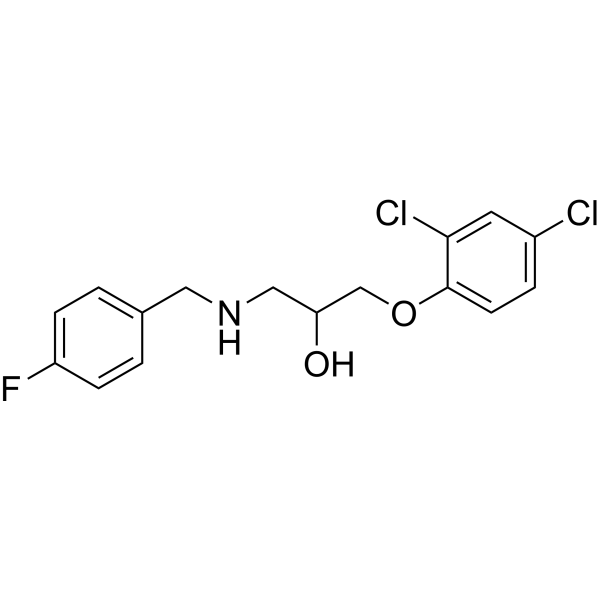
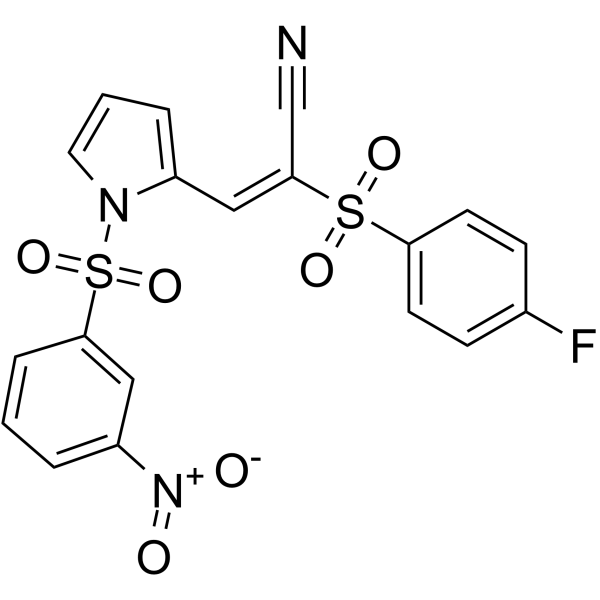
Phosphatase-IN-1 (compound II-8), a propranolol (HY-B0573B) derivative, is a phosphatidate phosphatase (Pah) inhibitor. Phosphatase-IN-1 can binds to MoPah1, with an affinity constant of 19.8 μM. Phosphatase-IN-1 inhibits growth of plant pathogens and shows anti-fungal ability. Phosphatase-IN-1 is not toxic to rice seedlings and wheat heads [1].
|
-
-
- HY-124644
-
|
|
HIV
Phosphatase
|
Infection
|
|
1E7-03, a low MW tetrahydroquinoline derivative targeting protein phosphatase-1, can inhibit HIV-1 transcription [1].
|
-
-
- HY-121515A
-
|
|
Phosphatase
|
Metabolic Disease
|
|
DPM-1001 trihydrochloride is a potent, specific, orally active and non-competitive inhibitor of protein-tyrosine phosphatase (PTP1B) with an IC50 of 100 nM. DPM-1001 trihydrochloride is an analog of the specific PTP1B inhibitor MSI-1436. DPM-1001 trihydrochloride has anti-diabetic property [1].
|
-
-
- HY-133095
-
|
|
STAT
PPAR
|
Inflammation/Immunology
|
|
BML-260 is a potent inhibitor of dual-specific phosphatases JSP-1 and DUSP22. BML-260 can activate UCP1 and thermogenesis in adipocytes in a JSP-1-independent manner. The effect of BML-260 on adipocytes is partially achieved through the activation of CREB, STAT3, and PPAR signaling pathways. BML-260 can be used in the research of inflammatory and proliferative disorders associated with JNK signaling dysfunction as well as obesity [1] .
|
-
-
- HY-136595
-
|
|
Phosphatase
|
Others
|
|
3,5-Difluoro-L-tyrosine is a functional, tyrosinase-resistant mimetic of tyrosine. 3,5-Difluoro-L-tyrosine can be used to analyze the substrate specificity of protein tyrosine phosphatases (PTPs) .
|
-
-
- HY-P0320
-
|
|
Phosphatase
|
Others
|
|
EGF Receptor Substrate 2 (Phospho-Tyr5) acetate, a biologically active peptide, is a tyrosine phosphate substrate. EGF Receptor Substrate 2 (Phospho-Tyr5) acetate can be used to detect protein tyrosine phosphatases activity .
|
-
-
- HY-N2111
-
|
|
Phosphatase
|
Metabolic Disease
|
|
Momordicoside A is isolated from Momordica charantia L. Momordicoside A has the inhibitory effect on protein tyrosine phosphatase (PTP1B) [1].
|
-
-
- HY-W040295
-
|
|
Phosphatase
|
Others
|
|
Fast Red ITR is a nonlinear optical material [1]. Fast Red ITR can be used in alkaline phosphatase histochemistry .
|
-
-
- HY-130913
-
|
|
Phosphatase
|
Others
|
|
5-FAM-Alkyne is a high selective and sensitive fluorescent biosensor for alkaline phosphatase (ALP) . 5-FAM-Alkyne is a click chemistry reagent, it contains an Alkyne group and can undergo copper-catalyzed azide-alkyne cycloaddition (CuAAc) with molecules containing Azide groups.
|
-
-
- HY-113821
-
|
|
Phosphatase
|
Others
|
|
1-Naphthyl phosphate potassium salt is a non-specific phosphatase inhibitor. 1-Naphthyl phosphate potassium salt decreases the splice-correcting effect [1].
|
-
-
- HY-B1474
-
|
|
Fungal
|
Infection
Cancer
|
|
Alexidine, a bis-biguanide, exhibits antifungal and antibiofilm activity against a diverse range of fungal pathogens. Alexidine is an anticancer agent that targets a mitochondrial tyrosine phosphatase, PTPMT1, in mammalian cells and causes mitochondrial apoptosis [1].
|
-
-
- HY-156970
-
|
|
Phosphatase
|
Cancer
|
|
Phosphatase Binder-1 (comppund i-196) provides bifunctional compounds that efficiently dephosphorylate certain phospho-activated target proteins. Phosphatase Binder-1 plays an important role in cancer [1].
|
-
-
- HY-P1984
-
-
-
- HY-115759
-
-
-
- HY-W554649
-
|
|
Phosphatase
|
Others
|
|
p-Aminophenyl phosphate is an alkaline phosphatase substrate, and can be used for the electrochemical measurement of alkaline phosphatase activity .
|
-
-
- HY-127178
-
|
|
Phosphatase
|
Cancer
|
|
ML120 analog 1 (compound 1) is a competitive inhibitor with a Ki of 0.69 μM for Hematopoietic protein tyrosine phosphatase (HePTP) .
|
-
-
- HY-155037
-
|
|
Phosphatase
|
Cancer
|
|
VE-PTP-IN-1 (compound 2) is a weakly acidic and selective inhibitor of vascular endothelial protein tyrosine phosphatase (VE-PTP).VE-PTP-IN-1 is assocaited with vascular homeostasis and angiogenesis.
|
-
-
- HY-149097
-
|
|
Phosphatase
|
Neurological Disease
|
|
ITH12711 is a PP2A ligand. ITH12711 is able to cross the blood-brain barrier (BBB). ITH12711 exerts neuroprotection via restoration of PP2A-phosphatase activity .
|
-
-
- HY-109011A
-
|
AQX-1125 acetate
|
Phosphatase
|
Cancer
|
|
Rosiptor (AQX-1125) acetate is a selective and orally active phosphatase SHIP1 activator with anti-inflammatory effects. Rosiptor acetate (AQX-1125) inhibits Akt phosphorylation, inflammatory mediator production and leukocyte chemotaxis in vitro [1] .
|
-
-
- HY-P0320B
-
|
|
Phosphatase
Biochemical Assay Reagents
|
Others
|
|
EGF Receptor Substrate 2 (Phospho-Tyr5) acetate, a biologically active peptide, is a tyrosine phosphate substrate. EGF Receptor Substrate 2 (Phospho-Tyr5) acetate can be used to detect protein tyrosine phosphatases activity .
|
-
-
- HY-P0320A
-
|
|
Phosphatase
Biochemical Assay Reagents
|
Others
|
|
EGF Receptor Substrate 2 (Phospho-Tyr5) acetate, a biologically active peptide, is a tyrosine phosphate substrate. EGF Receptor Substrate 2 (Phospho-Tyr5) acetate can be used to detect protein tyrosine phosphatases activity .
|
-
-
- HY-108547R
-
|
|
Fungal
Apoptosis
|
Infection
Cancer
|
|
Alexidine (dihydrochloride) (Standard) is the analytical standard of Alexidine (dihydrochloride). This product is intended for research and analytical applications. Alexidine dihydrochloride is an anticancer agent that targets a mitochondrial tyrosine phosphatase, PTPMT1, in mammalian cells and causes mitochondrial apoptosis. Alexidine dihydrochloride has antifungal and antibiofilm activity against a diverse range of fungal pathogens [1].
|
-
-
- HY-N12613
-
|
|
SHP1
Phosphatase
|
Inflammation/Immunology
|
|
Sydowimide A is a potent inhibitor of Src homology region 2 domain-containing phosphatase-1 (SHP1), T-cell protein tyrosine phosphatase (TCPTP) and leukocyte common antigen (CD45), with IC50 values of 1.5, 2.4 and 18.83 μM, respectively [1].
|
-
-
- HY-N11441
-
|
|
Phosphatase
|
Metabolic Disease
|
|
cis-Ferulic acid 4-O-β-D-glucopyranoside (compound 7) is a phenolic glycosid, which can be isolated from Nitraria sibirica.. cis-Ferulic acid 4-O-β-D-glucopyranoside exhibits antioxidant activity and potent inhibitory effect on Phosphatase PTP1B [1].
|
-
-
- HY-15321A
-
|
MK-0663 hydrochloride; L-791456 hydrochloride
|
COX
|
Inflammation/Immunology
|
|
Etoricoxib hydrochloride (MK-0663 hydrochloride) is a synthetic nonsteroidal anti-inflammatory drug with cyclooxygenase-2 inhibitory activity. Etoricoxib hydrochloride can inhibit the conversion of arachidonic acid to prostaglandins, thereby reducing inflammation and pain. Etoricoxib hydrochloride is used to inhibit osteoarthritis and has anti-inflammatory and bone remodeling effects. The formulation of etoricoxib hydrochloride is prepared by emulsion solvent evaporation technology and exhibits good cell compatibility and enhanced alkaline phosphatase activity .
|
-
-
- HY-162480
-
|
|
Glycosidase
Phosphatase
|
Endocrinology
|
PTP1B-IN-27 (Compound 7i) is an inhibitor of protein tyrosine phosphatase 1-B (PTP‐1B)(IC50=8.2 µM). PTP1B-IN-27 also inhibits α-Glucosidase (IC50=120 µM) and shows competitive inhibition (Ki=118 µM) [1].
|
-
-
- HY-D2204
-
|
|
Phosphatase
SHP1
Fluorescent Dye
|
Cancer
|
|
SHP1-IN-1 (compound 5p) is a fluorescent probe for the protein tyrosine phosphatase SHP1 containing the Src homology 2 domain. SHP1-IN-1 has SHP1 inhibitory activity, selectivity for Fe 3+ ions and good fluorescence properties. SHP1-IN-1 exhibits aggregation post-quenching (ACQ) effect, good interference immunity and low detection limit (5.55 μM) [1].
|
-
-
- HY-108599R
-
|
FR236924 (Standard)
|
Reference Standards
PKC
CaMK
Phosphatase
Apoptosis
|
Neurological Disease
|
|
DCP-LA (Standard) is the analytical standard of DCP-LA. This product is intended for research and analytical applications. DCP-LA (FR236924), a linoleic acid derivative, selectively and directly activates PKCε. DCP-LA activates Ca(2+)/calmodulin-dependent protein kinase II (CaMKII) and inhibits protein phosphatase-1 (PP-1) to stimulate AMPA receptor exocytosis. DCP-LA inhibits activation of caspase-3/-9 and protects neurons at least in part from oxidative stress-induced apoptosis[1][2][3].
|
-
-
- HY-B1474S1
-
|
|
Isotope-Labeled Compounds
Fungal
|
Infection
Cancer
|
|
Alexidine-d10 is the deuterium labeled Alexidine (HY-B1474). Alexidine, a bis-biguanide, exhibits antifungal and antibiofilm activity against a diverse range of fungal pathogens. Alexidine is an anticancer agent that targets a mitochondrial tyrosine phosphatase, PTPMT1, in mammalian cells and causes mitochondrial apoptosis [1].
|
-
-
- HY-109041A
-
|
AKB-9778 sodium
|
Phosphatase
Tie
|
Inflammation/Immunology
|
|
Razuprotafib (AKB-9778) sodium is a potent and selective inhibitor of the catalytic activity of VE-PTP (vascular endothelial protein tyrosine phosphatase) with an IC50of 17 pM. Razuprotafib sodium promotes TIE2 activation, enhances ANG1-induced TIE2 activation, and stimulates phosphorylation of signaling molecules in the TIE2 pathway, including AKT, eNOS, and ERK. Razuprotafib sodium inhibits the structurally related phosphatase PTP1B with an IC50 of 780 nM. Razuprotafib sodium shows excellent selectivity for VE-PTP versus a variety of phosphatases, with the exception of HPTPη (IC50=36 pM) and HPTPγ (100 pM) [1].
|
-
-
- HY-108543R
-
|
|
Reference Standards
Phosphatase
Apoptosis
|
Cancer
|
|
NSC 95397 (Standard) is the analytical standard of NSC 95397 (HY-108543). This product is intended for research and analytical applications. NSC 95397 is a potent, selective Cdc25 dual specificity phosphatase inhibitor (Ki=32 nM (Cdc25A), 96 nM (Cdc25B), 40 nM (Cdc25C); IC50=22.3 nM (human Cdc25A), 56.9 nM (human Cdc25C), 125 nM (Cdc25B)) [1]. NSC 95397 inhibits mitogen-activated protein Kinase phosphatase-1 (MKP-1) and suppresses proliferation and induces apoptosis in colon cancer cells through MKP-1 and ERK1/2 pathway .
|
-
-
- HY-109041R
-
|
AKB-9778 (Standard)
|
Reference Standards
Phosphatase
Tie
|
Inflammation/Immunology
|
|
Razuprotafib (Standard) is the analytical standard of Razuprotafib (HY-109041). This product is intended for research and analytical applications. Razuprotafib (AKB-9778) is a potent and selective inhibitor of the catalytic activity of VE-PTP (vascular endothelial protein tyrosine phosphatase) with an IC50of 17 pM. Razuprotafib promotes TIE2 activation, enhances ANG1-induced TIE2 activation, and stimulates phosphorylation of signaling molecules in the TIE2 pathway, including AKT, eNOS, and ERK. Razuprotafib inhibits the structurally related phosphatase PTP1B with an IC50 of 780 nM. Razuprotafib shows excellent selectivity for VE-PTP versus a variety of phosphatases, with the exception of HPTPη (IC50=36 pM) and HPTPγ (100 pM) [1].
|
-
-
-
HY-L081
-
|
|
177 compounds
|
|
Protein phosphorylation is a key post-translational modification underlying the regulation of many cellular processes. Phosphatases and kinases contribute to the regulation of protein phosphorylation homeostasis in the cell. This reversible regulation of protein phosphorylation is critical for the proper control of a wide range of cellular activities, including cell cycle, proliferation and differentiation, metabolism, cell-cell interactions, etc.
Protein phosphatases have evolved in separate families that are structurally and mechanistically distinct. Based on substrate specificity and functional diversity, protein phosphatases are classified into two superfamilies: Protein serine/threonine phosphatases and Protein tyrosine phosphatases. Ser/Thr phosphatases are metalloenzymes belonging to two major gene families termed PPP (phosphoprotein phosphatase) and PPM (metal-dependent protein phosphatases), whereas protein tyrosine phosphatases (PTPs) belong to distinct classes of enzymes that utilize a phospho-cysteine enzyme intermediate as a part of their catalytic action.
MCE supplies a unique collection of 177 phosphatase inhibitors that mainly targeting protein tyrosine phosphatases (PTPs) and serine/threonine-specific protein phosphatases. MCE Phosphatase Inhibitor Library is a useful tool for phosphatase drug discovery and related research.
|
| Cat. No. |
Product Name |
Type |
-
- HY-15909
-
|
BCIP p-toluidINe salt; X-phosphate p-toluidINe salt
|
Fluorescent Dyes
|
|
BCIP(BCIP p-toluidine salt; X-phosphate p-toluidine salt) is an artificial chromogenic substrate used for the sensitive colorimetric detection of alkaline phosphatase activity .
|
-
- HY-D2204
-
|
|
Fluorescent Dyes
|
|
SHP1-IN-1 (compound 5p) is a fluorescent probe for the protein tyrosine phosphatase SHP1 containing the Src homology 2 domain. SHP1-IN-1 has SHP1 inhibitory activity, selectivity for Fe 3+ ions and good fluorescence properties. SHP1-IN-1 exhibits aggregation post-quenching (ACQ) effect, good interference immunity and low detection limit (5.55 μM) [1].
|
| Cat. No. |
Product Name |
Type |
-
- HY-112832
-
|
|
Biochemical Assay Reagents
|
|
Lumigen APS-5 is a substrate of alkaline phosphatase (ALP). Lumigen APS-5 can be used to assess the activity of alkaline phosphatase (ALP) .
|
| Cat. No. |
Product Name |
Target |
Research Area |
-
- HY-W007599
-
|
|
Drug Derivative
|
Cancer
|
|
(S)-2,6-Bis((tert-butoxycarbonyl)amino)hexanoic acid is a polypeptide derivative, can be used to synthesis multifunctional amphiphilic peptide dendrimer for non-viral gene delivery in cancer research. (S)-2,6-Bis((tert-butoxycarbonyl)amino)hexanoic acid can be used in the preparation of organic substances that enhance the luminescence intensity of alkaline phosphatase substrates .
|
-
- HY-P2040
-
|
|
Phosphatase
|
Cancer
|
|
Nodularin is a potent hepatotoxin, tumor promoter, and protein phosphatase inhibitor .
|
-
- HY-P0320
-
|
|
Phosphatase
|
Others
|
|
EGF Receptor Substrate 2 (Phospho-Tyr5) acetate, a biologically active peptide, is a tyrosine phosphate substrate. EGF Receptor Substrate 2 (Phospho-Tyr5) acetate can be used to detect protein tyrosine phosphatases activity .
|
-
- HY-P1984
-
-
- HY-P0320B
-
|
|
Phosphatase
Biochemical Assay Reagents
|
Others
|
|
EGF Receptor Substrate 2 (Phospho-Tyr5) acetate, a biologically active peptide, is a tyrosine phosphate substrate. EGF Receptor Substrate 2 (Phospho-Tyr5) acetate can be used to detect protein tyrosine phosphatases activity .
|
-
- HY-P0320A
-
|
|
Phosphatase
Biochemical Assay Reagents
|
Others
|
|
EGF Receptor Substrate 2 (Phospho-Tyr5) acetate, a biologically active peptide, is a tyrosine phosphate substrate. EGF Receptor Substrate 2 (Phospho-Tyr5) acetate can be used to detect protein tyrosine phosphatases activity .
|
| Cat. No. |
Product Name |
Category |
Target |
Chemical Structure |
| Cat. No. |
Product Name |
Chemical Structure |
-
- HY-B1474S1
-
|
|
|
Alexidine-d10 is the deuterium labeled Alexidine (HY-B1474). Alexidine, a bis-biguanide, exhibits antifungal and antibiofilm activity against a diverse range of fungal pathogens. Alexidine is an anticancer agent that targets a mitochondrial tyrosine phosphatase, PTPMT1, in mammalian cells and causes mitochondrial apoptosis [1].
|
-
| Cat. No. |
Product Name |
|
Classification |
-
- HY-130913
-
|
|
|
Labeling and Fluorescence Imaging
Alkynes
|
|
5-FAM-Alkyne is a high selective and sensitive fluorescent biosensor for alkaline phosphatase (ALP) . 5-FAM-Alkyne is a click chemistry reagent, it contains an Alkyne group and can undergo copper-catalyzed azide-alkyne cycloaddition (CuAAc) with molecules containing Azide groups.
|
Your information is safe with us. * Required Fields.
Inquiry Information
- Product Name:
- Cat. No.:
- Quantity:
- MCE Japan Authorized Agent:

