Search Result
Results for "
Pseudomonas aeruginosa quorum sensing
" in MedChemExpress (MCE) Product Catalog:
-
- HY-111278
-
-
-
- HY-128200
-
|
PQS
|
Bacterial
|
Infection
Inflammation/Immunology
|
|
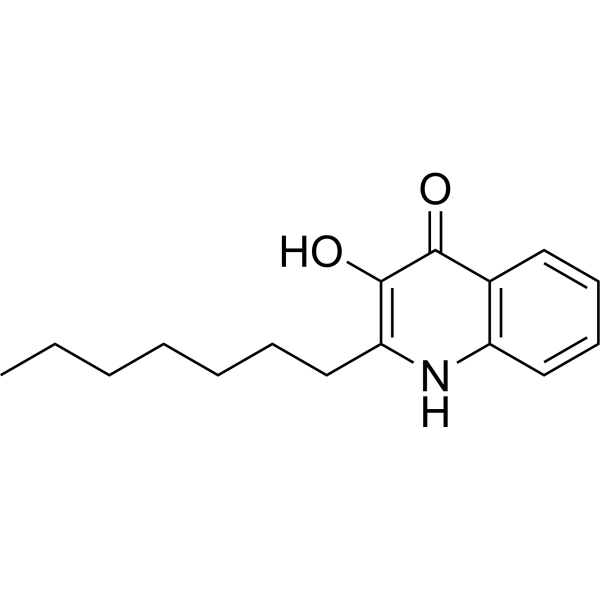
Pseudomonas quinolone signal (PQS) is a quorum-sensing signaling molecule produced by Pseudomonas aeruginosa. The synthesis of Pseudomonas quinolone signal relies on the las quorum-sensing system, and its biological activity is associated with the rhl system. Pseudomonas quinolone signal regulates the expression of the virulence gene lasB. Additionally, Pseudomonas quinolone signal plays roles in iron acquisition, cytotoxicity, outer-membrane vesicle biogenesis, and host immune modulation .
|
-
-
- HY-118697
-
|
C12-HSL
|
Bacterial
|
Infection
|
|
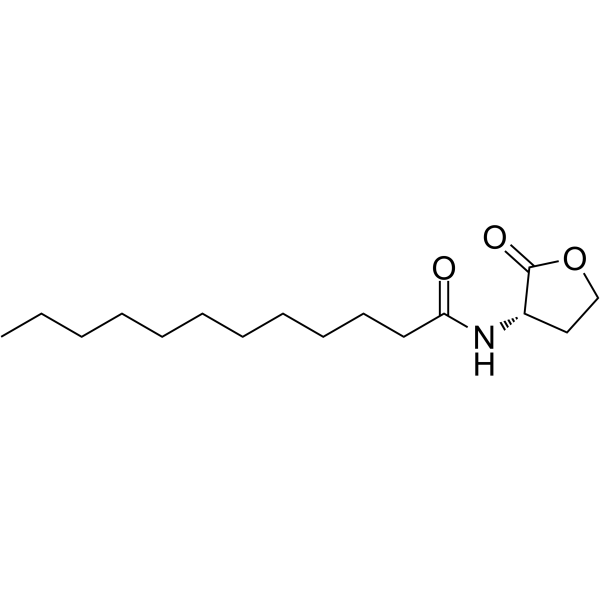
N-dodecanoyl-L-Homoserine lactone (C12-HSL) is a quorum sensing (QS) signaling molecule. N-dodecanoyl-L-Homoserine lactone (C12-HSL) aptamers blocks qurom sensing and inhibits biofilm formation in Pseudomonas aeruginosa .
|
-
-
- HY-B0914
-
-
-
- HY-121362
-
|
|
Bacterial
Endogenous Metabolite
TrxR
|
Infection
Neurological Disease
Inflammation/Immunology
Cancer
|
|
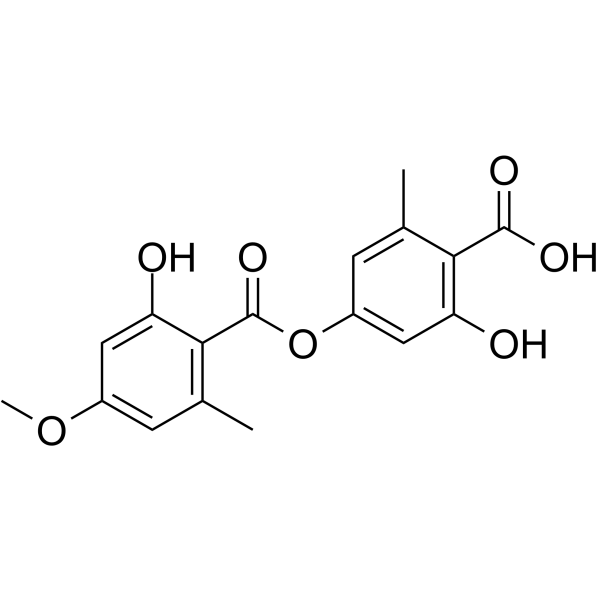
Evernic Acid is an orally active thioredoxin reductase 1 (TrxR1) inhibitor and antiproliferative agent. Evernic Acid inhibits the proliferation and migration of human breast cancer cells. Evernic Acid blocks the NF-κB pathway by inhibiting p65 nuclear translocation and IκBα phosphorylation, thereby suppressing downstream inflammatory mediators. Evernic Acid acts as an antioxidant, anti-inflammatory agent and neuroprotective agent, protects neurons from cell death, mitochondrial dysfunction and oxidative stress damage, reduces astrocyte activation, and ameliorates dopaminergic neuron loss and neuroinflammation. Evernic Acid inhibits enoyl reductases FabI and FabZ of Plasmodium falciparum. Evernic Acid downregulates the expression of lasB and rhlA genes in Pseudomonas aeruginosa, inhibits quorum sensing and biofilm formation, and exerts antibacterial activity against Gram-positive bacteria, Gram-negative bacteria and fungi. Evernic Acid is applicable to research related to breast cancer, Parkinson's disease, bacterial infections and fungal infections .
|
-
-
- HY-B0914A
-
|
Zinc undecylenate
|
Fungal
Bacterial
Amyloid-β
Reactive Oxygen Species (ROS)
Proteasome
|
Infection
Neurological Disease
Endocrinology
Cancer
|
|
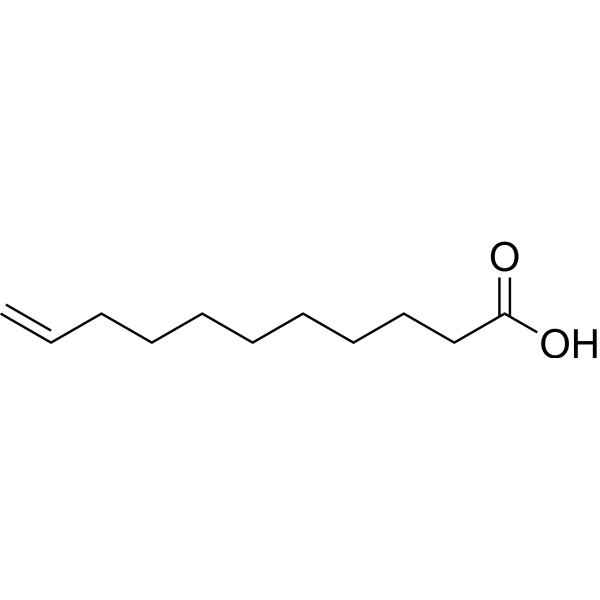
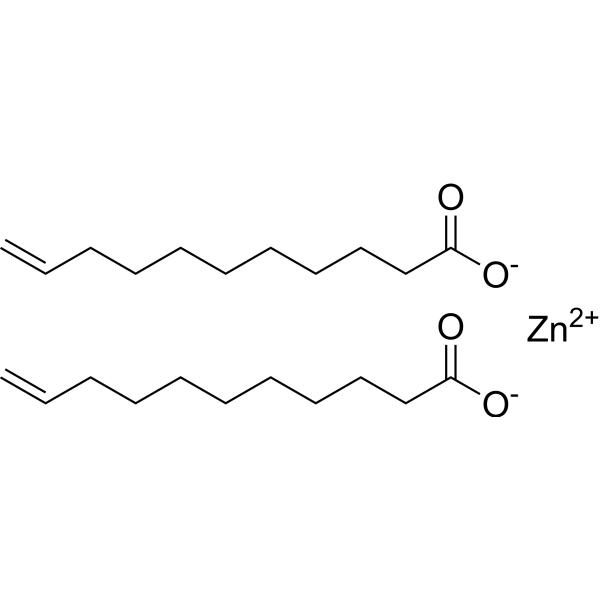
10-Undecenoic acid zinc salt (Undecylenic acid zinc salt) is an antifungal agent. 10-Undecenoic acid zinc salt inhibits Aβ oligomerization, scavenges ROS and inhibits μ-calpain activity. 10-Undecenoic acid zinc salt has neuroprotective effects. 10-Undecenoic acid zinc salt has anticancer effects on a variety of tumors. 10-Undecenoic acid zinc salt inhibits C. albicans biofilm formation and MRSA infection. 10-Undecenoic acid zinc salt inhibits quorum sensing signals of Bacillus subtilis and Pseudomonas aeruginosa .
|
-
-
- HY-W104758
-
|
|
Elastase
Antibiotic
Bacterial
|
Others
|
|
Elastase-IN-3 (Compound 2i) is an Elastase inhibitor of Pseudomonas aeruginosa. Elastase-IN-3 inhibits the quorum sensing system of Pseudomonas aeruginosa by targeting the LasR protein (KD value of 7.04 M), thereby preventing food spoilage caused by Pseudomonas aeruginosa .
|
-

-
- HY-119808
-
-
-
- HY-B0914R
-
|
Undecylenic acid (Standard)
|
Reference Standards
Fungal
Amyloid-β
Reactive Oxygen Species (ROS)
Proteasome
Bacterial
|
Infection
Neurological Disease
Endocrinology
Cancer
|
|
10-Undecenoic acid (Standard) is the analytical standard of 10-Undecenoic acid. This product is intended for research and analytical applications. 10-Undecenoic acid (Undecylenic acid) is an antifungal agent. 10-Undecenoic acid inhibits Aβ oligomerization, scavenges ROS and inhibits μ-calpain activity. 10-Undecenoic acid has neuroprotective effects. 10-Undecenoic acid has anticancer effects on a variety of tumors. 10-Undecenoic acid inhibits C. albicans biofilm formation and MRSA infection. 10-Undecenoic acid inhibits quorum sensing signals of Bacillus subtilis and Pseudomonas aeruginosa .
|
-

-
- HY-W007390
-
|
|
Bacterial
Drug Intermediate
|
Infection
|
|
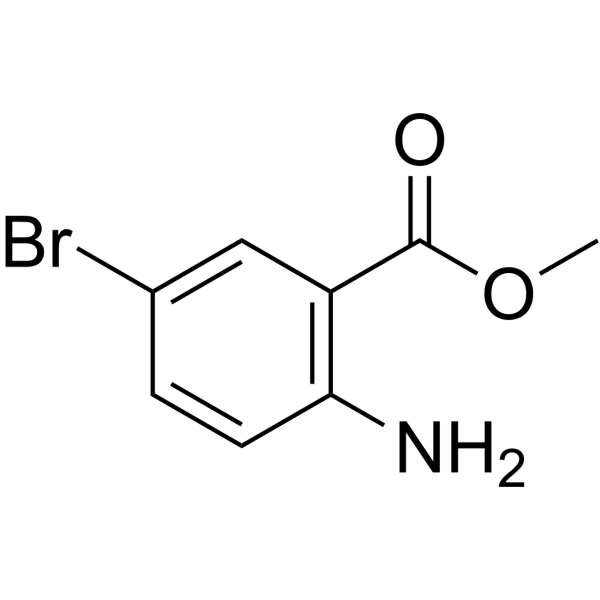
Methyl 2-amino-5-bromobenzoate (Compound 8/12) is a biochemical reagent. Methyl 2-amino-5-bromobenzoate can be used to synthesize 2-benzamidobenzoic acid, a known FabH inhibitor. Derivatives of methyl 2-amino-5-bromobenzoate also inhibit PqsD, the pqs quorum sensing (QS) system, of Pseudomonas aeruginosa .
|
-
-
- HY-118697R
-
|
C12-HSL (Standard)
|
Reference Standards
Bacterial
|
Infection
|
|
N-dodecanoyl-L-Homoserine lactone (Standard) (C12-HSL (Standard)) is the analytical standard of N-dodecanoyl-L-Homoserine lactone (HY-118697). This product is intended for research and analytical applications. N-dodecanoyl-L-Homoserine lactone (C12-HSL) is a quorum sensing (QS) signaling molecule. N-dodecanoyl-L-Homoserine lactone (C12-HSL) aptamers blocks qurom sensing and inhibits biofilm formation in Pseudomonas aeruginosa.
|
-

-
- HY-163508
-
|
|
Bacterial
|
Infection
|
|
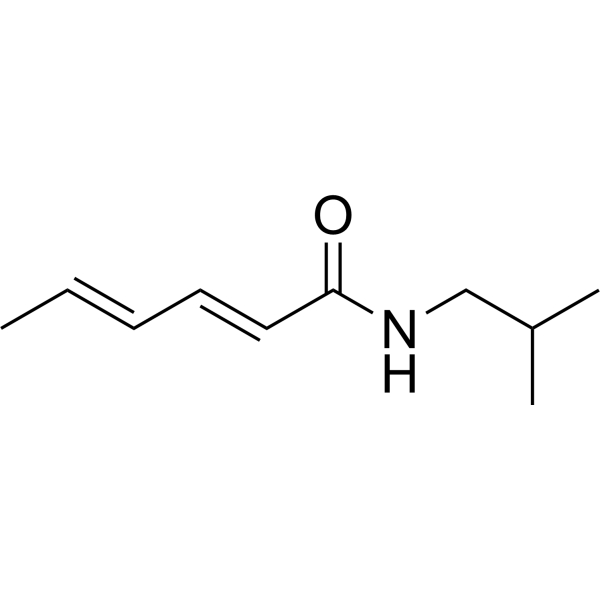
Antibacterial agent 210 (compound A9), an amide derivative, is a Pseudomonas aeruginosa quorum sensing inhibitor (QSI). Antibacterial agent 210 inhibits the quorum sensing systems by binding with LasR and PqsR, especially PqsR .
|
-
-
- HY-158193
-
|
C10-CPA
|
Bacterial
|
Infection
|
|
N-Decanoyl cyclopentylamide (C10-CPA) is a potent inhibitor of quorum sensing in Pseudomonas aeruginosa. N-Decanoyl cyclopentylamide interferes with expression of Pseudomonas aeruginosa virulence factors regulated by the las and rhl quorum-sensing systems. N-Decanoyl cyclopentylamide inhibits production of elastase, pyocyanin, and rhamnolipid and biofilm formation .
|
-

-
- HY-162957
-
|
|
Bacterial
Antibiotic
|
Infection
|
|
LasR-IN-5 (compound 3C) is a LasR antagonist with an IC50 of 1.37 μM, demonstrating a 77% inhibition of biofilm formation in Pseudomonas aeruginosa. LasR-IN-5 also exhibits quorum sensing (QS) inhibition activity and has potential applications in Pseudomonas aeruginosa infection research .
|
-

-
- HY-163838
-
|
|
Bacterial
|
Infection
|
|
Quorum sensing-IN-6 (compound 27) is a quorum sensing (QS) inhibitor with IC50 values of 8 and 106 nM for E.coli and Pyocyanin, respectively .
|
-

-
- HY-111278R
-
-

-
- HY-146304
-
|
|
Bacterial
|
Infection
|
|
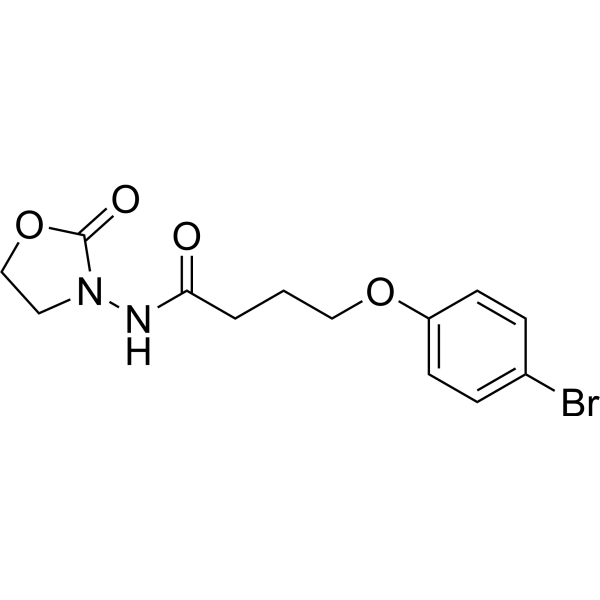
YXL-13 is a potent Pseudomonas aeruginosa (PAO1) inhibitor with an IC50 value of 3.686 μM. YXL-13 can inhibit virulence factors and biofilm formation of PAO1. YXL-13 reduces the pathogenicity and agent resistance of PAO1 by inhibition of the quorum sensing (QS) system. YXL-13 can be used for researching anti-bacteria .
|
-
-
- HY-149479
-
|
|
Bacterial
|
Infection
|
|
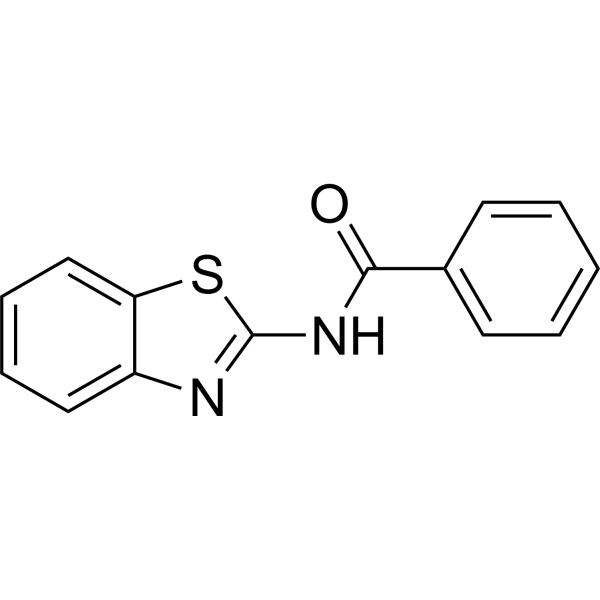
Quorum sensing-IN-3 (Compound 3a) is a quorum sensing inhibitor against pseudomonas aeruginosa. Quorum sensing-IN-3 inhibits biofilm formation .
|
-
-
- HY-168948
-
|
|
Bacterial
|
Infection
|
|
Quorum sensing-IN-9 (Compound 7d) inhibits quorum sensing in Pseudomonas aeruginosa by binding PqsR proteins. Quorum sensing-IN-9 inhibits the expression of quorum sensing systems related genes lasB, rhlA and pqsA, blocks the generation of virulence factors elastase, pyocyanin and rhamnolipid. Quorum sensing-IN-9 destorys the motility of P. aeruginosa, inhibits the biofilm formation, decreasing the virulence and pathogenicity of P. aeruginosa. Quorum sensing-IN-9 exhibits anti-infectious activity in Galleria mellonella larval model .
|
-

-
- HY-181760
-
|
|
Bacterial
|
Infection
|
|
Quorum sensing-IN-11 is a quorum sensining inhibitor and a LasR antagonist with an IC50 of 0.7399 μM. Quorum sensing-IN-11 inhibits biofilm, pyocyanin formation and swimming motility in Pseudomonas aeruginosa. Quorum sensing-IN-11 can be used for the research of Pseudomonas aeruginosa infection .
|
-

-
- HY-172895
-
|
|
Bacterial
|
Infection
Inflammation/Immunology
|
|
Quorum sensing-IN-10 (10p), an antibacterial synergist, shows significant inhibition of P. aeruginosa virulence, biofilm, and motility, with low toxicity. Quorum sensing-IN-10 (10p) can be used in the research for drug-resistant Pseudomonas aeruginosa infections .
|
-

-
- HY-158124
-
|
|
Bacterial
|
Infection
|
|
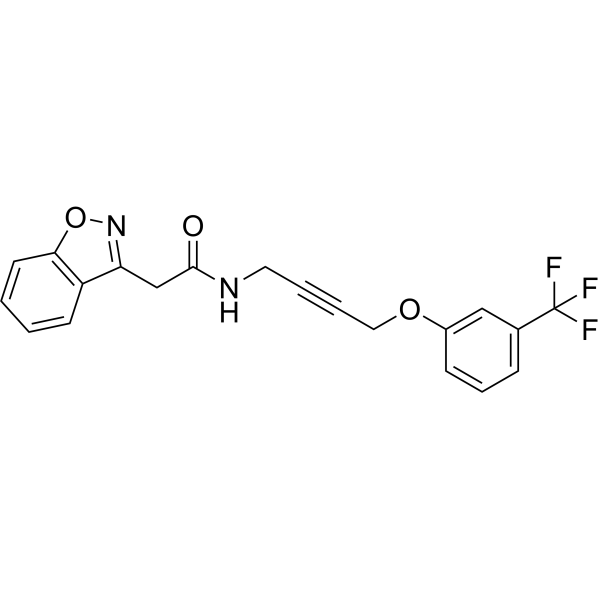
LasR antagonist 1 (Compound 7) is an antagonist for LasR with an IC50 of 0.4 μM, that modulates the quorum sensing (QS) in the opportunistic pathogen Pseudomonas aeruginosa .
|
-
-
- HY-146705
-
|
|
Bacterial
|
Infection
|
|
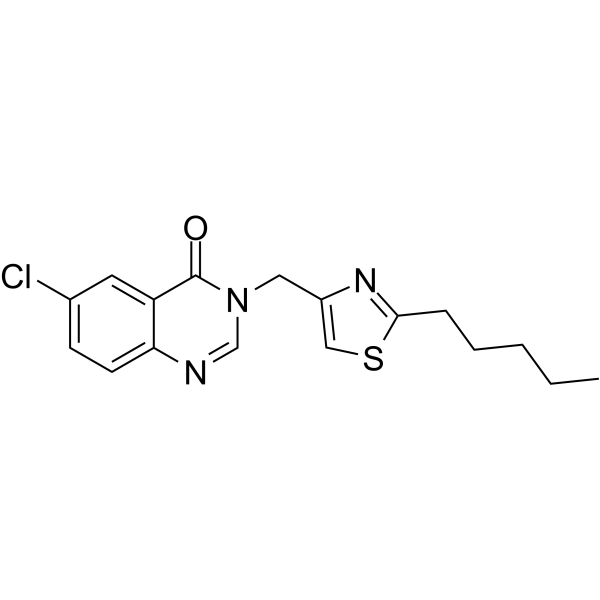
PqsR-IN-1 (Compound 18) is a potent PqsR (Pseudomonas aeruginosa quorum sensing transcriptional regulator) inhibitor. PqsR-IN-1 attenuates pyocyanin production and has very low cytotoxicity .
|
-
-
- HY-146706
-
|
|
Bacterial
|
Infection
|
|
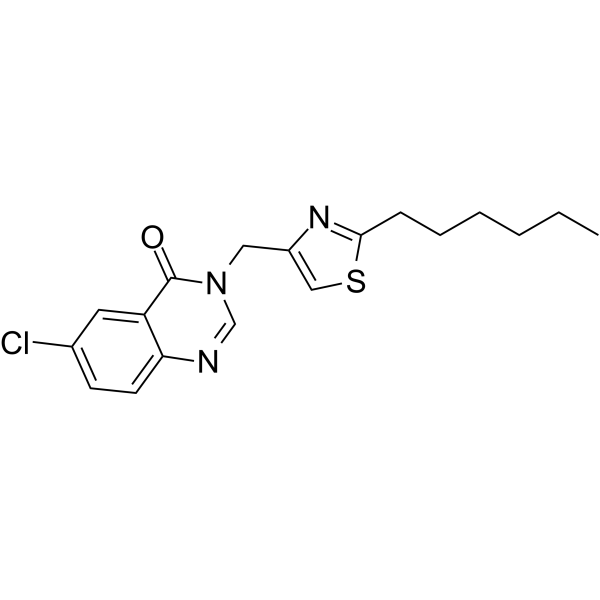
PqsR-IN-2 (Compound 19) is a potent PqsR (Pseudomonas aeruginosa quorum sensing transcriptional regulator) inhibitor. PqsR-IN-1 attenuates pyocyanin production and has very low cytotoxicity .
|
-
-
- HY-122143
-
|
|
Bacterial
|
Infection
|
|
V-06-018 is a potent LasR antagonist with an IC50 value of 5.2 µM. V-06-018 can be used as chemical probes of quorum sensing (QS) in Pseudomonas aeruginosa .
|
-

-
- HY-156439
-
|
|
Bacterial
|
Infection
|
|
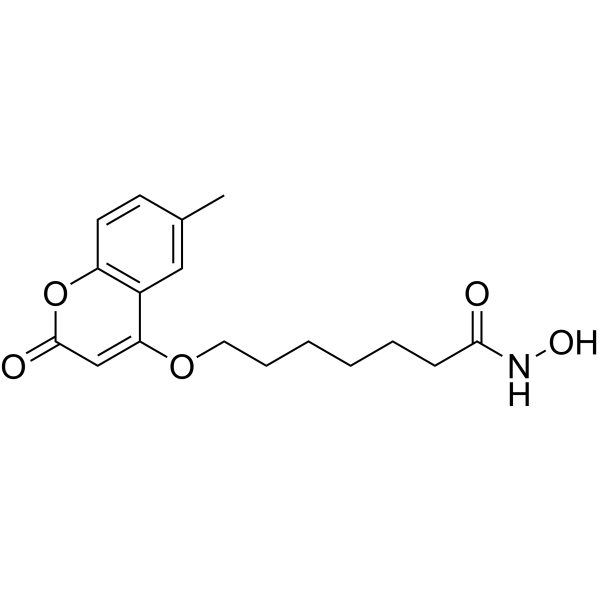
Antibiofilm agent-2 (compound 4T) is a potent biofilm inhibitor with an IC50 of 3.6 μM. Antibiofilm agent-2 inhibits the quorum sensing system and iron homeostasis as antibacterial synergists against Pseudomonas aeruginosa .
|
-
-
- HY-W040220
-
|
|
Bacterial
|
Infection
|
|
N-(3-Hydroxyoctanoyl)-DL-homoserine lactone (Compound 40) is a competitive inhibitor of the quorum sensing receptor LuxR with an IC50 value of 4 μM. N-(3-Hydroxyoctanoyl)-DL-homoserine lactone shows selective inhibition toward quorum sensing systems in Gram-negative bacteria like Pseudomonas aeruginosa. N-(3-Hydroxyoctanoyl)-DL-homoserine lactone is promising for research of bacterial infections .
|
-

-
- HY-175254
-
|
|
Bacterial
|
Infection
|
|
Antibiofilm agent-17 is a dual-action biofilm inhibitor against Pseudomonas aeruginosa (IC50 = 0.33 μM). Antibiofilm agent-17 inhibits biofilm growth by reducing quorum sensing-mediated virulence production and iron ion acquisition. Antibiofilm agent-17 exhibits synergistic antimicrobial effects in a mouse wound infection model. Antibiofilm agent-17 can be used in research on combating Pseudomonas aeruginosa infections .
|
-

-
- HY-N2867
-
|
|
Bacterial
|
Cancer
|
|
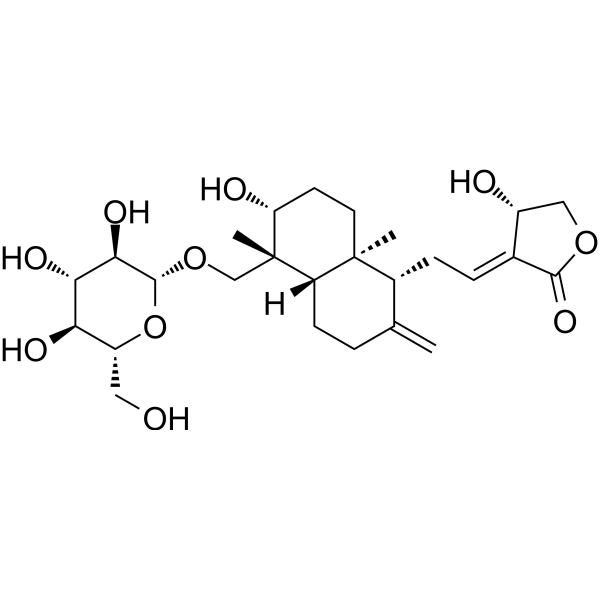
Andrographiside is a labdane diterpenoid glucoside that can be isolated from the leaves of Andrographis paniculata Nees. Andrographiside has antihepatotoxic and antioxidative effects. Andrographiside shows protective effects on mice with hepatotoxicity induced by carbon tetrachloride or tert-butylhydroperoxide (tBHP) . Andrographiside is a novel biofilm inhibitor of Pseudomonas aeruginosa PAO1 by modulating quorum-sensing proteins .
|
-
-
- HY-114773
-
|
|
Biochemical Assay Reagents
|
Others
|
|
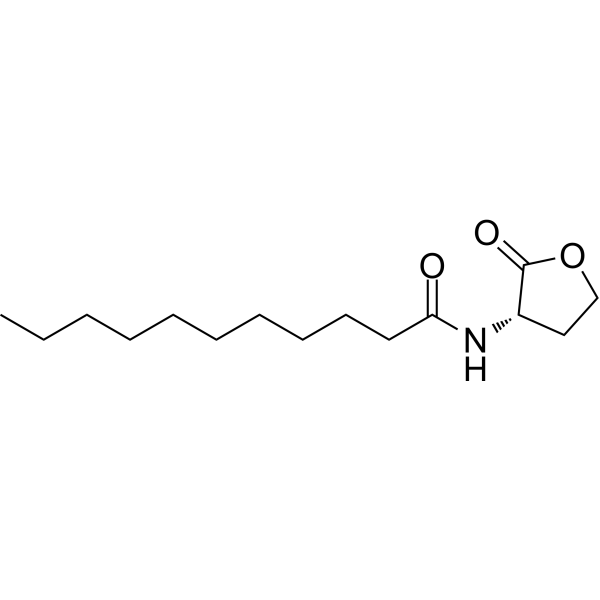
Quorum sensing is a regulatory system used by bacteria to control gene expression in response to increased cell density. This regulatory process manifests itself in a variety of phenotypes, including biofilm formation and virulence factor production. Coordinated gene expression is achieved through the production, release and detection of small diffusible signaling molecules called autoinducers. N-acylated homoserine lactones (AHLs) comprise a class of such autoinducers, each of which generally consists of a fatty acid coupled to a homoserine lactone (HSL). Modulation of bacterial quorum-sensing signaling systems to suppress pathogenesis represents a new approach to antimicrobial research for infectious diseases. AHLs differ in acyl length (C4-C18), C3 substitution (hydrogen, hydroxyl, or oxo group), and the presence or absence of one or more carbon-carbon double bonds in the fatty acid chain. These differences confer signaling specificity through the affinity of the LuxR family of transcriptional regulators. C11-HSL has a rare odd-numbered acyl carbon chain and may be a minor quorum-sensing signaling molecule in Pseudomonas aeruginosa strains.
|
-
-
- HY-B0914B
-
|
Undecylenic acid (copper)
|
Fungal
Bacterial
Amyloid-β
Reactive Oxygen Species (ROS)
Proteasome
|
Infection
Neurological Disease
Endocrinology
Cancer
|
|
10-Undecenoic acid copper (Undecylenic acid copper) is an antifungal agent. 10-Undecenoic acid copper inhibits Aβ oligomerization, scavenges ROS and inhibits μ-calpain activity. 10-Undecenoic acid copper has neuroprotective effects. 10-Undecenoic acid copper has anticancer effects on a variety of tumors. 10-Undecenoic acid copper inhibits C. albicans biofilm formation and MRSA infection. 10-Undecenoic acid copper inhibits quorum sensing signals of Bacillus subtilis and Pseudomonas aeruginosa .
|
-

-
- HY-B0914AR
-
|
Zinc undecylenate (Standard)
|
Reference Standards
Fungal
Amyloid-β
Reactive Oxygen Species (ROS)
Proteasome
Bacterial
|
Infection
Neurological Disease
Endocrinology
Cancer
|
|
10-Undecenoic acid (zinc salt) (Standard) is the analytical standard of 10-Undecenoic acid (zinc salt). This product is intended for research and analytical applications. 10-Undecenoic acid zinc salt (Undecylenic acid zinc salt) is an antifungal agent. 10-Undecenoic acid zinc salt inhibits Aβ oligomerization, scavenges ROS and inhibits μ-calpain activity. 10-Undecenoic acid zinc salt has neuroprotective effects. 10-Undecenoic acid zinc salt has anticancer effects on a variety of tumors. 10-Undecenoic acid zinc salt inhibits C. albicans biofilm formation and MRSA infection. 10-Undecenoic acid zinc salt inhibits quorum sensing signals of Bacillus subtilis and Pseudomonas aeruginosa .
|
-

-
- HY-182942
-
|
|
Bacterial
Elastase
|
Infection
|
|
PV-DPD-19 is an autoinducer-2 (AI-2) quorum sensing inhibitor. PV-DPD-19 reduces AI-2 production and inhibits the expression of multiple MSCRAMMs. In co-culture systems with Staphylococcus aureus, PV-DPD-19 decreases the production of pyocyanin and Elastase in Pseudomonas aeruginosa. PV-DPD-19 impairs the adhesion ability of Staphylococcus aureus to lung epithelial cells. PV-DPD-19 inhibits biofilm formation of Pseudomonas aeruginosa (MBIC50 = 27 μg/mL) and Staphylococcus aureus (MBIC50 = 35 μg/mL). PV-DPD-19 shows no cytotoxicity in both in vitro lung epithelial cell models and in vivo Galleria mellonella larva models .
|
-

-
- HY-W141788
-
|
|
Bacterial
|
Infection
|
|
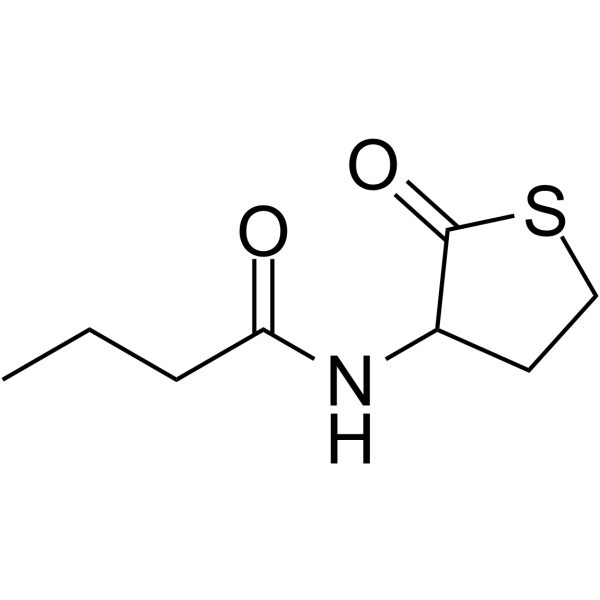
N-Butyryl-DL-homocysteine thiolactone is an N-acyl homoserine lactone (AHL) analogue. AHLs are potent inhibitors of biofilm formation and virulence factors, and has been used for degrading microbial communities, reducing bacterial pathogenicity .
|
-
-
- HY-163508A
-
|
|
Drug Isomer
|
Infection
|
|
(E)-Antibacterial agent 210 is the isomer of Antibacterial agent 210 (HY-163508). Antibacterial agent 210 is a Pseudomonas aeruginosa quorum sensing inhibitor (QSI). Antibacterial agent 210 inhibits the quorum sensing systems by binding with LasR and PqsR, especially PqsR .
|
-

-
- HY-133161
-
|
|
Bacterial
|
Infection
|
|
RhlR agonist-1 is a N-acylated L-homoserine lactone and is a selective quorum sensing receptor RhlR agonist. RhlR agonist-1 can be used for the research of bacterial infections .
|
-

-
- HY-183361
-
|
|
Bacterial
Elastase
|
Infection
|
|
Antibiofilm agent-22 is an FpvA receptor-targeting antibacterial agent. Antibiofilm agent-22 chelates iron, disrupts las, pqs, and rhl pathways, reduces elastase, pyocyanin, and rhamnolipid production, and induces bacterial iron starvation. Antibiofilm agent-22 can be used for the research of Pseudomonas aeruginosa infection .
|
-

-
- HY-114773
-
|
|
生化学アッセイ試薬
|
|
Quorum sensing is a regulatory system used by bacteria to control gene expression in response to increased cell density. This regulatory process manifests itself in a variety of phenotypes, including biofilm formation and virulence factor production. Coordinated gene expression is achieved through the production, release and detection of small diffusible signaling molecules called autoinducers. N-acylated homoserine lactones (AHLs) comprise a class of such autoinducers, each of which generally consists of a fatty acid coupled to a homoserine lactone (HSL). Modulation of bacterial quorum-sensing signaling systems to suppress pathogenesis represents a new approach to antimicrobial research for infectious diseases. AHLs differ in acyl length (C4-C18), C3 substitution (hydrogen, hydroxyl, or oxo group), and the presence or absence of one or more carbon-carbon double bonds in the fatty acid chain. These differences confer signaling specificity through the affinity of the LuxR family of transcriptional regulators. C11-HSL has a rare odd-numbered acyl carbon chain and may be a minor quorum-sensing signaling molecule in Pseudomonas aeruginosa strains.
|
-
- HY-W141788
-
|
|
Bacterial
|
Infection
|
|
N-Butyryl-DL-homocysteine thiolactone is an N-acyl homoserine lactone (AHL) analogue. AHLs are potent inhibitors of biofilm formation and virulence factors, and has been used for degrading microbial communities, reducing bacterial pathogenicity .
|
| 製品番号 |
製品名 |
Category |
Target |
構造式 |
-
- HY-111278
-
-
-
- HY-B0914
-
-
-
- HY-121362
-
|
|
Structural Classification
other families
Classification of Application Fields
Ketones, Aldehydes, Acids
Plants
Disease Research Fields
Inflammation/Immunology
Source Classification
|
Bacterial
Endogenous Metabolite
TrxR
|
|
Evernic Acid is an orally active thioredoxin reductase 1 (TrxR1) inhibitor and antiproliferative agent. Evernic Acid inhibits the proliferation and migration of human breast cancer cells. Evernic Acid blocks the NF-κB pathway by inhibiting p65 nuclear translocation and IκBα phosphorylation, thereby suppressing downstream inflammatory mediators. Evernic Acid acts as an antioxidant, anti-inflammatory agent and neuroprotective agent, protects neurons from cell death, mitochondrial dysfunction and oxidative stress damage, reduces astrocyte activation, and ameliorates dopaminergic neuron loss and neuroinflammation. Evernic Acid inhibits enoyl reductases FabI and FabZ of Plasmodium falciparum. Evernic Acid downregulates the expression of lasB and rhlA genes in Pseudomonas aeruginosa, inhibits quorum sensing and biofilm formation, and exerts antibacterial activity against Gram-positive bacteria, Gram-negative bacteria and fungi. Evernic Acid is applicable to research related to breast cancer, Parkinson's disease, bacterial infections and fungal infections .
|
-
-
- HY-B0914A
-
-
-
- HY-B0914R
-
-
-
- HY-111278R
-
-
-
- HY-N2867
-
-
-
- HY-B0914AR
-
|
Zinc undecylenate (Standard)
|
Structural Classification
Microorganisms
Ketones, Aldehydes, Acids
Source Classification
|
Reference Standards
Fungal
Amyloid-β
Reactive Oxygen Species (ROS)
Proteasome
Bacterial
|
|
10-Undecenoic acid (zinc salt) (Standard) is the analytical standard of 10-Undecenoic acid (zinc salt). This product is intended for research and analytical applications. 10-Undecenoic acid zinc salt (Undecylenic acid zinc salt) is an antifungal agent. 10-Undecenoic acid zinc salt inhibits Aβ oligomerization, scavenges ROS and inhibits μ-calpain activity. 10-Undecenoic acid zinc salt has neuroprotective effects. 10-Undecenoic acid zinc salt has anticancer effects on a variety of tumors. 10-Undecenoic acid zinc salt inhibits C. albicans biofilm formation and MRSA infection. 10-Undecenoic acid zinc salt inhibits quorum sensing signals of Bacillus subtilis and Pseudomonas aeruginosa .
|
-
入力情報は安全に管理されます. ※ 必須入力項目.
Inquiry Information
- 製品名:
- 製品番号:
- 数量:
- MCE 日本正規代理店:





