
1. Search Result
Search Result
Results for "

Thyroxine

" in MedChemExpress (MCE) Product Catalog:

54

Inhibitors & Agonists

1

Screening Libraries

5

Fluorescent Dyes

8

Biochemical Assay Reagents

18

Natural
Products

2

Recombinant Proteins

10

Isotope-Labeled Compounds

Targets Recommended:
Cat. No. Product Name Target Research Areas Chemical Structure
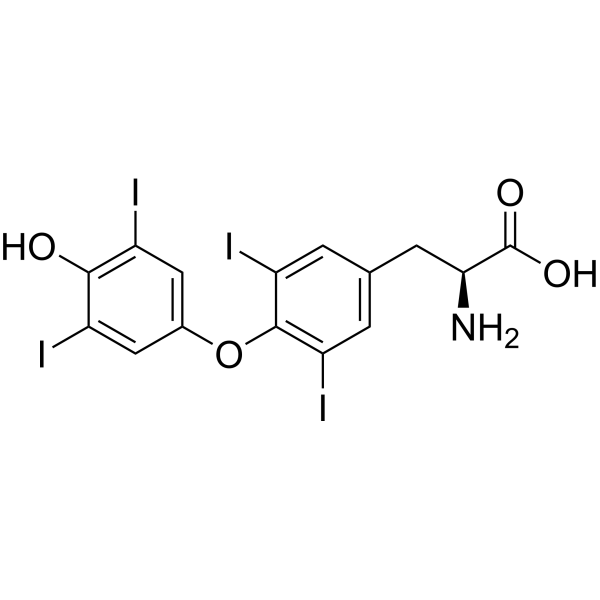
  • HY-18341
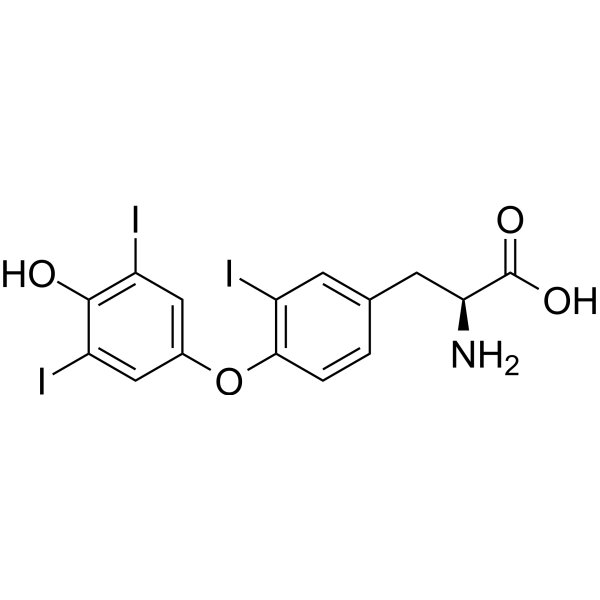
    L-Thyroxine
    Maximum Cited Publications
    13 Publications Verification

    LevoThyroxine; T4

    Thyroid Hormone Receptor Endogenous Metabolite Endocrinology Cancer
    L-Thyroxine (Levothyroxine; T4) is a synthetic hormone for the research of hypothyroidism. DIO enzymes convert biologically active thyroid hormone (Triiodothyronine,T3) from L-Thyroxine (T4) .
    L-Thyroxine
  • HY-107903

    Thyroglobulin from bovine

    Biochemical Assay Reagents Cancer
    Thyroglobulin is a 660 kDa, dimeric glycoprotein produced by the follicular cells of the thyroid and used entirely within the thyroid gland. Thyroglobulin acts as a substrate for the synthesis of the thyroid hormones thyroxine (T4) and triiodothyronine (T3), as well as the storage of the inactive forms of thyroid hormone and iodine within the follicular lumen of a thyroid follicle. Thyroglobulin activates Akt kinase activity in FRTL-5 thyroid cell .
    Thyroglobulin
  • HY-N1957
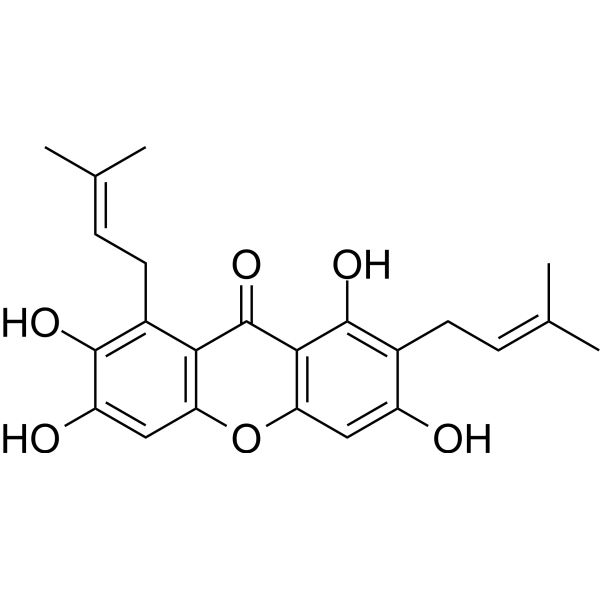
    Gamma-Mangostin
    2 Publications Verification

    γ-Mangostin

    5-HT Receptor COX Transthyretin (TTR) Metabolic Disease Inflammation/Immunology Cancer
    Gamma-Mangostin is a novel competitive 5-hydroxytryptamine 2A (5-HT2A) receptor antagonist and potent epoxidase 2 (COX-2) inhibitor, as well as a transthyroxin protein (TTR) profibrosis inhibitor. Gamma-Mangostin binds to the thyroxine (T4)-binding sites and stabilized the TTR tetramer . Gamma-Mangostin inhibits [3 H] spiperone binding to cultured rat aortic myocytes (IC50=3.5 nM) and reduces The perfusion pressure response of rat coronary artery to 5-HT2A (IC50=0.32 μM). Gamma-Mangostin has anti-inflammatory, antibacterial, antioxidant and anticancer activities, and can be used in the study of metabolic disorders such as diabetes .
    Gamma-Mangostin
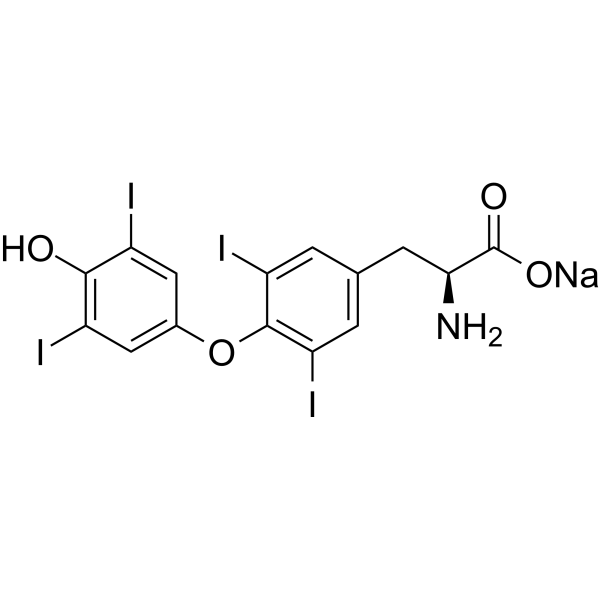
  • HY-18341B
    L-Thyroxine sodium
    10+ Cited Publications

    LevoThyroxine sodium; T4 sodium

    Thyroid Hormone Receptor Endogenous Metabolite Endocrinology Cancer
    L-Thyroxine sodium (Levothyroxine sodium) is a synthetic hormone for the research of hypothyroidism. DIO enzymes convert biologically active thyroid hormone (Triiodothyronine,T3) from L-Thyroxine (T4) .
    L-Thyroxine sodium
  • HY-D0896
    ANS
    1 Publications Verification

    ANSA; 8-Anilino-1-naphthalenesulfonic acid

    Bacterial Infection
    ANS (8-Anilino-1-naphthalenesulfonic acid) is a competitive inhibitor targeting thyroxine binding globulin (TBG) (Ki=2.09×10 6 M -1). ANS is used in radioimmunoassay by displacing bound triiodothyronine (T3) to improve detection sensitivity. ANS can block the protein binding site of T3 and release free T3 for antibody recognition. As a fluorescent probe, ANS can specifically bind to the hydrophobic region of proteins (such as membrane proteins) and monitor the dynamics of protein conformation through changes in fluorescent signals. It is widely used in biochemical research and antibacterial material development .
    ANS
  • HY-W008859
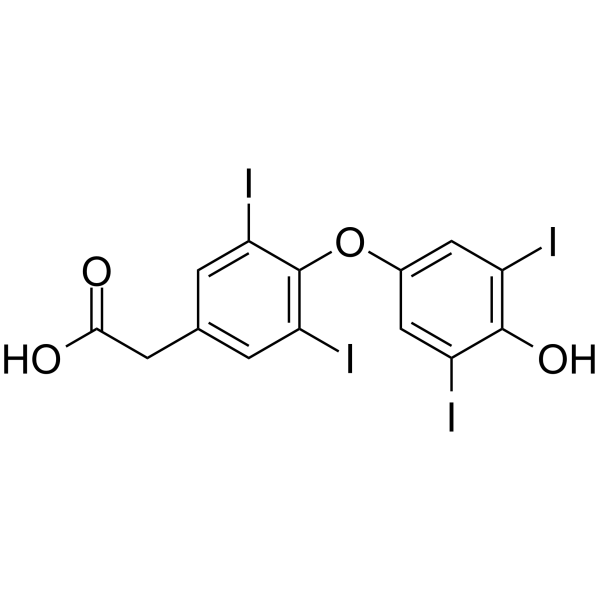
    Tetrac
    1 Publications Verification

    Tetraiodothyroacetic acid; 3,3',5,5'-Tetraiodothyroacetic acid

    Integrin Endogenous Metabolite Cancer
    Tetrac (Tetraiodothyroacetic acid), a derivative of L-thyroxine (T4), is a thyrointegrin receptor antagonist. Tetrac blocks the actions of T4 and 3,5,3'-triiodo-L-thyronine (T3) at the cell surface receptor for thyroid hormone on integrin αvβ3. Tetra has anti-angiogenic and anti-tumor activities .
    Tetrac
  • HY-B1234

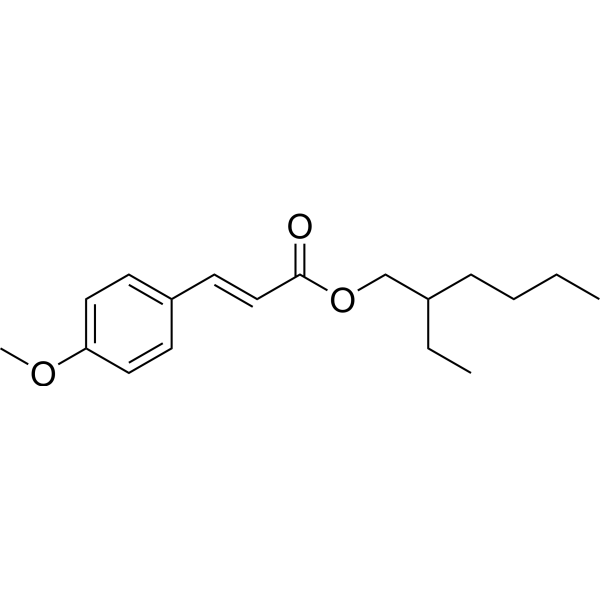
    Octyl methoxycinnamate

    Environmental Pollutants Estrogen Receptor/ERR Androgen Receptor Cytochrome P450 Thyroid Hormone Receptor Metabolic Disease Endocrinology
    Octinoxate (Octyl methoxycinnamate) is a thyroid hormone receptor agonist, reducing the levels of triiodothyronine (T3) and thyroxine (T4) and transcription levels of genes related to type II deiodinase (deio2) in Japanese Medaka. Octinoxate is commonly used as a safe ultraviolet (UV) filter used in the aquatic environment. Octinoxate inhibits CYP1A1 and CYP1B1 to regulate hyaluronan (HA) (HY-B0633A) metabolism in a PI3K pathway-dependent manner in human keratinocytes. Octinoxate also exhibits an anti-estrogenic and anti-androgenic effect in vitro and in vivo .
    Octinoxate
  • HY-W010696
    Reverse T3
    2 Publications Verification

    3′,5′,3-Triiodothyronine

    Thyroid Hormone Receptor Cardiovascular Disease
    Reverse T3 is a thyroid hormone that can be generated by deiodination of the prohormone thyroxine . Reverse T3 inhibits the increase of sodium current generated by other thyroid hormone analogs in neonatal rat myocytes .
    Reverse T3
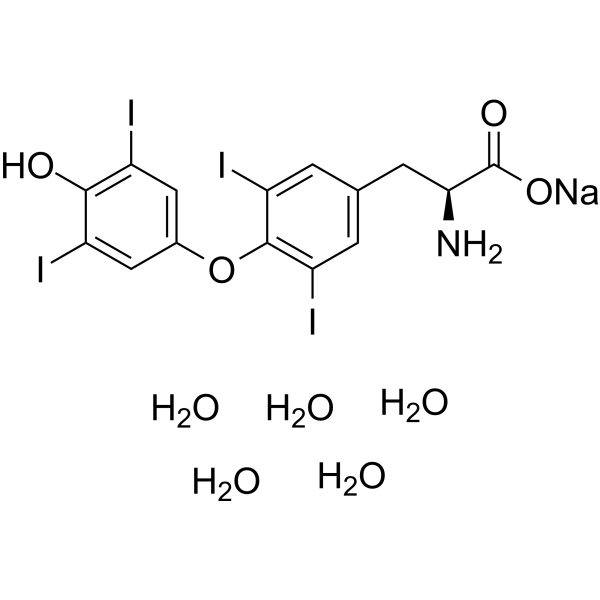
  • HY-18341A

    Sodium levoThyroxine pentahydrate

    Thyroid Hormone Receptor Endogenous Metabolite Endocrinology Cancer
    L-Thyroxine sodium salt pentahydrate (Levothyroxine; T4) is a synthetic hormone for the research of hypothyroidism. DIO enzymes convert biologically active thyroid hormone (Triiodothyronine,T3) from L-Thyroxine (T4) .
    L-Thyroxine sodium salt pentahydrate
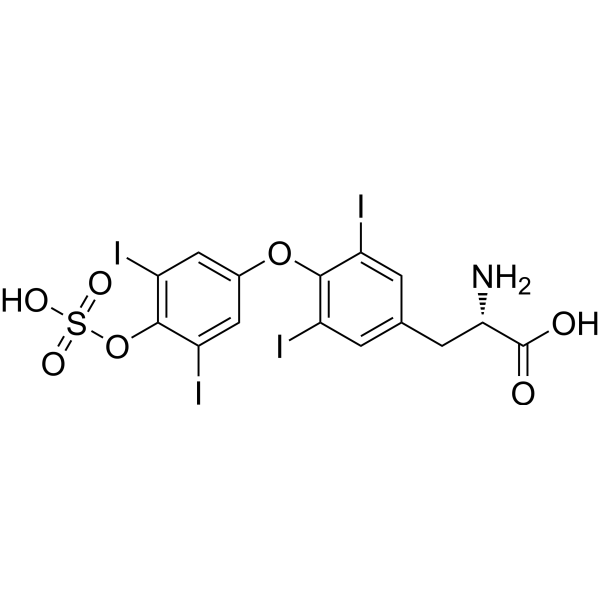
  • HY-101406
    Thyroxine sulfate
    4 Publications Verification

    T4 Sulfate

    Thyroid Hormone Receptor Drug Metabolite Endogenous Metabolite Metabolic Disease Endocrinology
    Thyroxine sulfate is a thyroid hormone metabolite.
    Thyroxine sulfate
  • HY-18341R

    LevoThyroxine (Standard); T4 (Standard)

    Reference Standards Thyroid Hormone Receptor Endogenous Metabolite Endocrinology Cancer
    L-Thyroxine (Standard) is the analytical standard of L-Thyroxine. This product is intended for research and analytical applications. L-Thyroxine (Levothyroxine; T4) is a synthetic hormone for the research of hypothyroidism. DIO enzymes convert biologically active thyroid hormone (Triiodothyronine,T3) from L-Thyroxine (T4) .
    L-Thyroxine (Standard)
  • HY-A0069

    Histamine Receptor Cytochrome P450 Neurological Disease Metabolic Disease
    Doxylamine succinate is a first-generation antihistamine and acts as a histamine H1 receptor antagonist. Doxylamine succinate is orally active, possessing analgesic and hypnotic activities. Doxylamine succinate enhances the activities of CYP2B, CYP2A, CYP3A and thyroxine-glucuronosyltransferase via promoting substrate hydroxylation and thyroxine metabolic pathways. Doxylamine succinate decreases serum thyroxine (T4) level and elevates serum thyroid-stimulating hormone (TSH) level. Doxylamine succinate induces liver enlargement and increases the activities of hepatic microsomal cytochrome P450, cytochrome b5 and NADPH-cytochrome c reductase. Doxylamine succinate can be used for the research of nausea, allergy, insomnia .
    Doxylamine succinate
  • HY-B0558
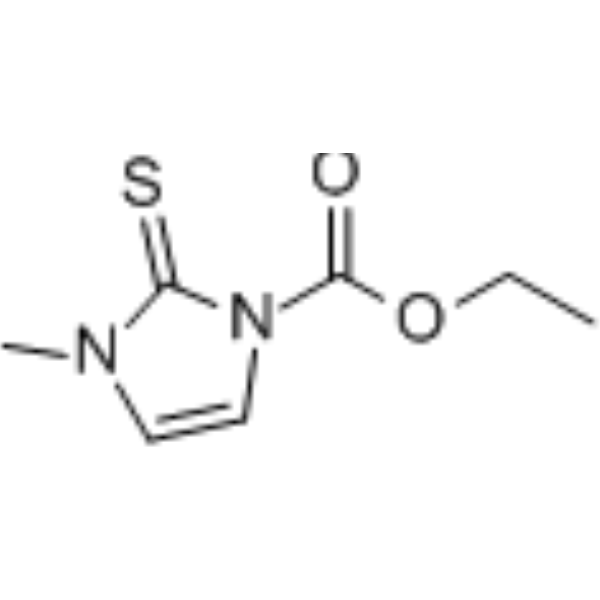
    Carbimazole
    2 Publications Verification

    p38 MAPK Neurological Disease Endocrinology
    Carbimazole is an orally active antithyroid agent which rapidly converts to Methimazole after absorption and prevents thyroid peroxidase enzyme from iodinating and coupling the tyrosine residues on thyroglobulin, hence reducing the production of thyroxine. Carbimazole also displays anti-inflammatory and neuronal-protective activities, suggesting its application for hyperthyroidism and neurological research .
    Carbimazole
  • HY-18341S2

    Thyroid Hormone Receptor Endogenous Metabolite Endocrinology
    L-Thyroxine- 13C6 is the 13C labeled L-Thyroxine . L-Thyroxine (Levothyroxine;T4) is a synthetic hormone for the research of hypothyroidism. DIO enzymes convert biologically active thyroid hormone (Triiodothyronine,T3) from L-Thyroxine (T4) .
    L-Thyroxine-13C6
  • HY-A0152

    D-T4

    Endogenous Metabolite Metabolic Disease
    D-Thyroxine (D-T4) is an orally active thyroid hormone that inhibits the secretion of TSH. D-Thyroxine can inhibit goiter, promote metamorphosis of tadpoles and influence cholesterol metabolism. D-Thyroxine can be used for the study of hypercholesterolemia .
    D-Thyroxine
  • HY-W010669
    L-Thyroxine sodium xhydrate
    Maximum Cited Publications
    11 Publications Verification

    Sodium levoThyroxine

    Thyroid Hormone Receptor Endocrinology
    L-Thyroxine sodium xhydrate (Levothyroxine; T4) is a synthetic hormone in the treatment of hypothyroidism. DIO enzymes convert biologically active hormone (Triiodothyronine,T3) from L-Thyroxine (T4).
    L-Thyroxine sodium xhydrate
  • HY-113082

    Endogenous Metabolite Metabolic Disease
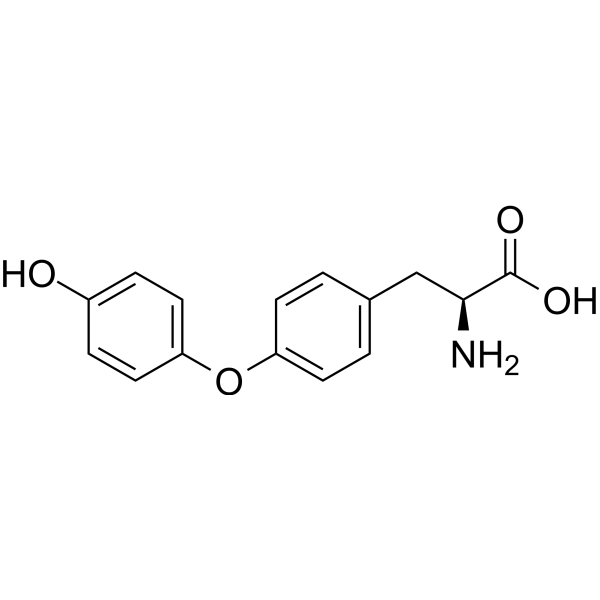
    L-Thyronine is a deiodinated thyroxine.
    L-Thyronine
  • HY-D0896A
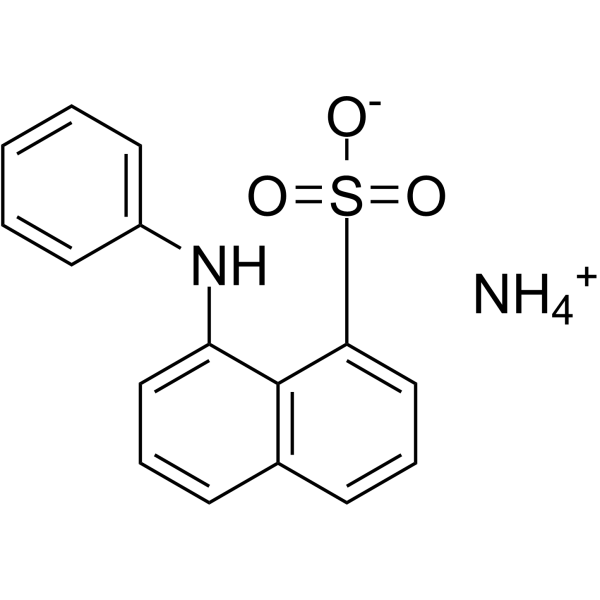
    ANS ammonium
    1 Publications Verification

    NSC 1746 ammonium; Peri acid, phenyl- ammonium; Phenyl peri acid ammonium

    Bacterial Infection
    ANS ammonium is a potent antibacterial agent and a textile dye. ANS ammonium can be used as fluorescence probe. ANS ammonium blocks the binding of triiodothyronine to thyroxine binding globulin in radioimmunoassay of triiodothyronine .
    ANS ammonium
  • HY-131499

    Thyroid Hormone Receptor Endocrinology
    Thyroxine methyl ester is a Thyroxine derivative .
    Thyroxine methyl ester
  • HY-18341F

    Thyroid Hormone Receptor Endogenous Metabolite Endocrinology
    Biotin-(L-Thyroxine) is the biotinylated L-Thyroxine (HY-18341). L-Thyroxine is a synthetic hormone for the research of hypothyroidism. DIO enzymes convert biologically active thyroid hormone (Triiodothyronine,T3) from Biotin-(L-Thyroxine) (T4) .
    Biotin-(L-Thyroxine)
  • HY-18341F1

    Thyroid Hormone Receptor Others
    Biotin-hexanamide-(L-Thyroxine) is biotinylated L-Thyroxine (HY-18341). L-Thyroxine (Levothyroxine; T4) is a synthetic hormone for the research of hypothyroidism .
    Biotin-hexanamide-(L-Thyroxine)
  • HY-W415287

    Monoamine Oxidase Endocrinology
    DL-Thyroxine, a thyroid hormone, is a monoamine oxidase inhibitor .
    DL-Thyroxine
  • HY-B0035B

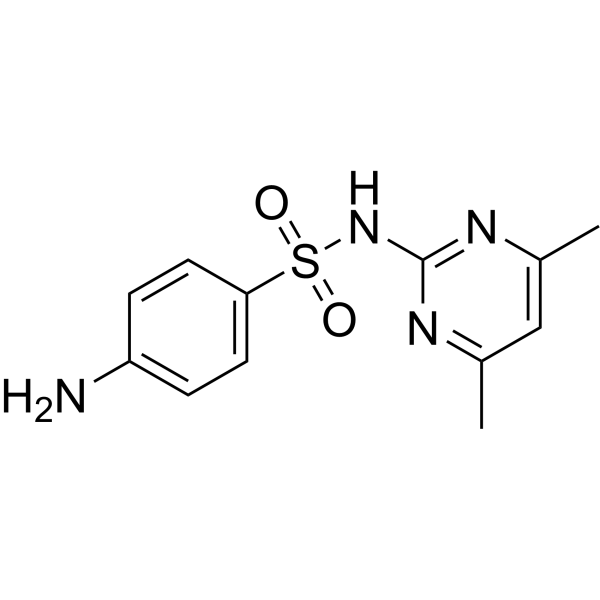
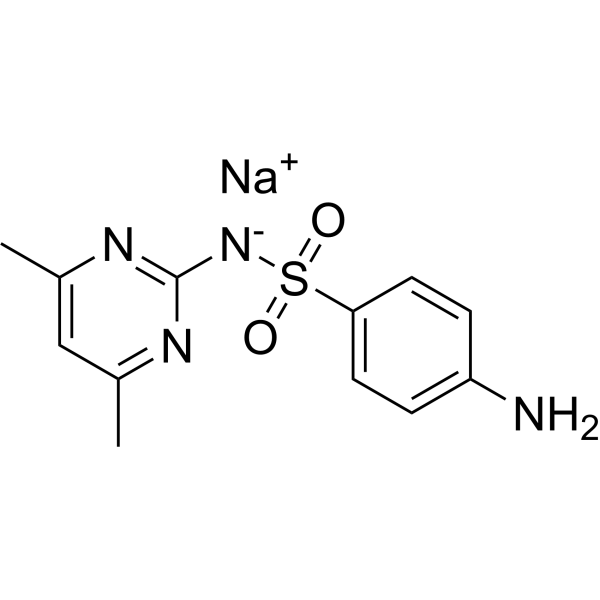
    Sulfadimidine 100 µg/mL in acetonitrile; Sulfadimerazine 100 µg/mL in acetonitrile

    Antibiotic Bacterial Infection
    Sulfamethazine (Sulfadimidine) 100 µg/mL in acetonitrile is a brain-penetrant sulfonamide antibiotic. Sulfamethazine 100 µg/mL in acetonitrile inhibits bacterial growth by blocking the synthesis of folic acid. Sulfamethazine 100 µg/mL in acetonitrile can be used for research on bacterial infections .
    Sulfamethazine 100 µg/mL in acetonitrile
  • HY-161564

    Biochemical Assay Reagents Inflammation/Immunology
    T4/OVA is a conjugate of T4 peptide (thyroxine T4) and ovalbumin. T4/OVA is a altered peptide, which can be used to stimulate OT-I CD8+ T cells .
    T4/OVA
  • HY-W010696R

    3′,5′,3-Triiodothyronine (Standard)

    Reference Standards Thyroid Hormone Receptor Cardiovascular Disease
    Reverse T3 (Standard) is the analytical standard of Reverse T3. This product is intended for research and analytical applications. Reverse T3 is a thyroid hormone that can be generated by deiodination of the prohormone thyroxine . Reverse T3 inhibits the increase of sodium current generated by other thyroid hormone analogs in neonatal rat myocytes .
    Reverse T3 (Standard)
  • HY-W008859R

    Tetraiodothyroacetic acid (Standard); 3,3',5,5'-Tetraiodothyroacetic acid (Standard)

    Reference Standards Integrin Endogenous Metabolite Cancer
    Tetrac (Tetraiodothyroacetic acid), a derivative of L-thyroxine (T4), is a thyrointegrin receptor antagonist. Tetrac blocks the actions of T4 and 3,5,3'-triiodo-L-thyronine (T3) at the cell surface receptor for thyroid hormone on integrin αvβ3. Tetra has anti-angiogenic and anti-tumor activities .
    Tetrac (Standard)
  • HY-W010669R

    Sodium levoThyroxine (Standard)

    Reference Standards Thyroid Hormone Receptor Endocrinology
    L-Thyroxine sodium xhydrate (Standard) is the analytical standard of L-Thyroxine sodium xhydrate. This product is intended for research and analytical applications. L-Thyroxine sodium xhydrate (Levothyroxine; T4) is a synthetic hormone in the treatment of hypothyroidism. DIO enzymes convert biologically active hormone (Triiodothyronine,T3) from L-Thyroxine (T4).
    L-Thyroxine sodium xhydrate (Standard)
  • HY-18341BR

    LevoThyroxine sodium (Standard); T4 sodium (Standard)

    Reference Standards Thyroid Hormone Receptor Endogenous Metabolite Endocrinology Cancer
    L-Thyroxine (sodium) (Standard) is the analytical standard of L-Thyroxine (sodium). This product is intended for research and analytical applications. L-Thyroxine sodium (Levothyroxine sodium) is a synthetic hormone for the research of hypothyroidism. DIO enzymes convert biologically active thyroid hormone (Triiodothyronine,T3) from L-Thyroxine (T4) .
    L-Thyroxine sodium (Standard)
  • HY-18341S1

    LevoThyroxine-13C6; T4-13C6

    Isotope-Labeled Compounds Thyroid Hormone Receptor Endogenous Metabolite Endocrinology
    Thyroxine hydrochloride- 13C6 is the 13C-labeled L-Thyroxine. L-Thyroxine (Levothyroxine; T4) is a synthetic hormone for the research of hypothyroidism. DIO enzymes convert biologically active thyroid hormone (Triiodothyronine,T3) from L-Thyroxine (T4) .
    Thyroxine hydrochloride-13C6
  • HY-18341S4

    LevoThyroxine-13C6-1; T4-13C6-1

    Isotope-Labeled Compounds Endogenous Metabolite Thyroid Hormone Receptor Endocrinology
    L-Thyroxine- 13C6-1 (Levothyroxine- 13C6-1; T4- 13C6-1) is a 13C labeled L-Thyroxine (HY-18341). L-Thyroxine (Levothyroxine; T4) is a synthetic hormone for the research of hypothyroidism. DIO enzymes convert biologically active thyroid hormone (Triiodothyronine,T3) from L-Thyroxine (T4) .
    L-Thyroxine-13C6-1
  • HY-A0069A

    Histamine Receptor Cytochrome P450 Neurological Disease Metabolic Disease
    Doxylamine is a first-generation antihistamine and acts as a histamine H1 receptor antagonist. Doxylamine is orally active, possessing analgesic and hypnotic activities. Doxylamine enhances the activities of CYP2B, CYP2A, CYP3A and thyroxine-glucuronosyltransferase via promoting substrate hydroxylation and thyroxine metabolic pathways. Doxylamine decreases serum thyroxine (T4) level and elevates serum thyroid-stimulating hormone (TSH) level. Doxylamine induces liver enlargement and increases the activities of hepatic microsomal cytochrome P450, cytochrome b5 and NADPH-cytochrome c reductase. Doxylamine can be used for the research of nausea, allergy, insomnia .
    Doxylamine
  • HY-A0069R

    Reference Standards Histamine Receptor Cytochrome P450 Neurological Disease Metabolic Disease
    Doxylamine succinate (Standard) is the analytical standard of Doxylamine succinate (HY-A0069). This product is intended for research and analytical applications. Doxylamine succinate is a first-generation antihistamine and acts as a histamine H1 receptor antagonist. Doxylamine succinate is orally active, possessing analgesic and hypnotic activities. Doxylamine succinate enhances the activities of CYP2B, CYP2A, CYP3A and thyroxine-glucuronosyltransferase via promoting substrate hydroxylation and thyroxine metabolic pathways. Doxylamine succinate decreases serum thyroxine (T4) level and elevates serum thyroid-stimulating hormone (TSH) level. Doxylamine succinate induces liver enlargement and increases the activities of hepatic microsomal cytochrome P450, cytochrome b5 and NADPH-cytochrome c reductase. Doxylamine succinate can be used for the research of nausea, allergy, insomnia .
    Doxylamine succinate (Standard)
  • HY-D0896AR

    NSC 1746 ammonium (Standard); Peri acid, phenyl- ammonium (Standard); Phenyl peri acid ammonium (Standard)

    Bacterial Reference Standards Infection
    ANS (ammonium) (Standard) is the analytical standard of ANS (ammonium). This product is intended for research and analytical applications. ANS ammonium is a potent antibacterial agent and a textile dye. ANS ammonium can be used as fluorescence probe. ANS ammonium blocks the binding of triiodothyronine to thyroxine binding globulin in radioimmunoassay of triiodothyronine .
    ANS ammonium (Standard)
  • HY-157127

    COX Metabolic Disease
    Ketoprofen L-thyroxine ester is a prodrug of Ketoprofen. Ketoprofen L-thyroxine ester reservoir and release ketoprofen slowly in the brain .
    Ketoprofen L-thyroxine ester
  • HY-N1957R

    γ-Mangostin (Standard)

    Reference Standards 5-HT Receptor COX Transthyretin (TTR) Metabolic Disease Inflammation/Immunology Cancer
    Gamma-Mangostin (Standard) is the analytical standard of Gamma-Mangostin. This product is intended for research and analytical applications. Gamma-Mangostin is a novel competitive 5-hydroxytryptamine 2A (5-HT2A) receptor antagonist and potent epoxidase 2 (COX-2) inhibitor, as well as a transthyroxin protein (TTR) profibrosis inhibitor. Gamma-Mangostin binds to the thyroxine (T4)-binding sites and stabilized the TTR tetramer . Gamma-Mangostin inhibits [3H] spiperone binding to cultured rat aortic myocytes (IC50=3.5 nM) and reduces The perfusion pressure response of rat coronary artery to 5-HT2A (IC50=0.32 μM). Gamma-Mangostin has anti-inflammatory, antibacterial, antioxidant and anticancer activities, and can be used in the study of metabolic disorders such as diabetes .
    Gamma-Mangostin (Standard)
  • HY-101406R

    T4 Sulfate (Standard)

    Reference Standards Thyroid Hormone Receptor Drug Metabolite Endogenous Metabolite Metabolic Disease Endocrinology
    Thyroxine sulfate (Standard) is the analytical standard of Thyroxine sulfate. This product is intended for research and analytical applications. Thyroxine sulfate is a thyroid hormone metabolite.
    Thyroxine sulfate (Standard)
  • HY-A0152A

    D-T4 sodium

    Thyroid Hormone Receptor Cardiovascular Disease
    D-thyroxine (D-T4) sodium is an orally active thyroid hormone that inhibits the secretion of TSH. D-thyroxine sodium can inhibit goiter, promote metamorphosis of tadpoles and influence cholesterol metabolism. D-thyroxine sodium can be used for the study of hypercholesterolemia .
    D-Thyroxine sodium
  • HY-A0152R

    D-T4 (Standard)

    Reference Standards Endogenous Metabolite Metabolic Disease
    D-Thyroxine (Standard) is the analytical standard of D-Thyroxine (HY-A0152). This product is intended for research and analytical applications. D-Thyroxine (D-T4) is an orally active thyroid hormone that inhibits the secretion of TSH. D-Thyroxine can inhibit goiter, promote metamorphosis of tadpoles and influence cholesterol metabolism. D-Thyroxine can be used for the study of hypercholesterolemia .
    D-Thyroxine (Standard)
  • HY-18341AR

    Sodium levoThyroxine pentahydrate (Standard)

    Thyroid Hormone Receptor Endogenous Metabolite Reference Standards Endocrinology Cancer
    L-Thyroxine (sodium salt pentahydrate) (Standard) is the analytical standard of L-Thyroxine (sodium salt pentahydrate). This product is intended for research and analytical applications. L-Thyroxine sodium salt pentahydrate (Levothyroxine; T4) is a synthetic hormone for the research of hypothyroidism. DIO enzymes convert biologically active thyroid hormone (Triiodothyronine,T3) from L-Thyroxine (T4) .
    L-Thyroxine sodium salt pentahydrate (Standard)
  • HY-119858

    Thyroid Hormone Receptor Metabolic Disease
    Acetiromate is a thyroxine analogue. Acetiromate is an antilipidemic drug for hyperlipidemia .
    Acetiromate
  • HY-18341S3

    Isotope-Labeled Compounds Others
    L-Thyroxine- 13C9, 15N is the 13C6 ans 15N labeled L-Thyroxine (HY-18341) .
    L-Thyroxine-13C9,15N
  • HY-135956

    Endogenous Metabolite Metabolic Disease
    T3 Acyl glucuronide, an endogenous metabolite, is the acyl glucuronide formation of triiodothyronine (T3) .
    T3 Acyl glucuronide
  • HY-117475

    Thyroid Hormone Receptor Endocrinology
    N-Acetylthyroxine is a thyroid hormone analogue. N-Acetylthyroxine weakly binds to thyroxine-binding globulin (TBG) in isolated human serum .
    N-Acetylthyroxine
  • HY-150162

    T4-Glc

    Drug Metabolite Others
    Thyroxine 4'-O-β-D-glucuronide (T4-Glc) is a conjugate of Thyroxine (T4) and Glucuronic acid. Thyroxine 4'-O-β-D-glucuronide is a major metabolite of Thyroxine (HY-18341) .
    Thyroxine 4'-O-β-D-glucuronide
  • HY-A0069AS

    Isotope-Labeled Compounds Histamine Receptor Cytochrome P450 Neurological Disease Metabolic Disease
    Doxylamine-d5 is deuterium labeled Doxylamine (HY-A0069A). Doxylamine is a first-generation antihistamine and acts as a histamine H1 receptor antagonist. Doxylamine is orally active, possessing analgesic and hypnotic activities. Doxylamine enhances the activities of CYP2B, CYP2A, CYP3A and thyroxine-glucuronosyltransferase via promoting substrate hydroxylation and thyroxine metabolic pathways. Doxylamine decreases serum thyroxine (T4) level and elevates serum thyroid-stimulating hormone (TSH) level. Doxylamine induces liver enlargement and increases the activities of hepatic microsomal cytochrome P450, cytochrome b5 and NADPH-cytochrome c reductase. Doxylamine can be used for the research of nausea, allergy, insomnia .
    Doxylamine-d5
  • HY-A0069S

    Isotope-Labeled Compounds Histamine Receptor Cytochrome P450 Neurological Disease Metabolic Disease
    Doxylamine-d5 succinate is deuterium labeled Doxylamine succinate (HY-A0069A). Doxylamine succinate is a first-generation antihistamine and acts as a histamine H1 receptor antagonist. Doxylamine succinate is orally active, possessing analgesic and hypnotic activities. Doxylamine succinate enhances the activities of CYP2B, CYP2A, CYP3A and thyroxine-glucuronosyltransferase via promoting substrate hydroxylation and thyroxine metabolic pathways. Doxylamine succinate decreases serum thyroxine (T4) level and elevates serum thyroid-stimulating hormone (TSH) level. Doxylamine succinate induces liver enlargement and increases the activities of hepatic microsomal cytochrome P450, cytochrome b5 and NADPH-cytochrome c reductase. Doxylamine succinate can be used for the research of nausea, allergy, insomnia .
    Doxylamine-d5 succinate
  • HY-14998

    MK 185

    β-catenin PPAR Wnt Endocrinology
    Halofenate, structurally akin to clofibrate, was evaluated in hypertriglyceridemic patients over 6-week periods in a controlled, double-blind crossover trial. It effectively reduced serum triglycerides by 50%, with minimal impact on serum cholesterol levels. Additionally, it lowered serum uric acid by 30% and exhibited uricosuric effects independent of glomerular filtration rate. Halofenate was associated with a significant increase in plasma thyroxine (T4), accompanied by a decrease in protein-bound iodine and T4 by column. In vitro studies confirmed its ability to displace T4 from thyroid-binding proteins, suggesting a thyroxine-displacing effect, which could influence thyroid function in vivo .
    Halofenate
  • HY-161528

    Biochemical Assay Reagents Inflammation/Immunology
    T3/OVA is an antigen-adjuvant conjugate formed by conjugating T3 (thyroxine) with ovalbumin (OVA). By conjugating the antigen with protein adjuvants, the production of antigen-specific antibodies in vaccine models can be enhanced. The conjugate does not affect protein folding or disrupt major epitopes, and it can enhance cross-presentation and the generation of antigen-specific T cells.
    T3/OVA
  • HY-W744953

    Isotope-Labeled Compounds p38 MAPK Neurological Disease Endocrinology
    Carbimazole-d3 is deuterium labeled Carbimazole. Carbimazole is an orally active antithyroid agent which rapidly converts to Methimazole after absorption and prevents thyroid peroxidase enzyme from iodinating and coupling the tyrosine residues on thyroglobulin, hence reducing the production of thyroxine. Carbimazole also displays anti-inflammatory and neuronal-protective activities, suggesting its application for hyperthyroidism and neurological research .
    Carbimazole-d3
  • HY-B0558S

    Isotope-Labeled Compounds Neurological Disease Endocrinology
    Carbimazole-d5 is deuterium labeled Carbimazole. Carbimazole is an orally active antithyroid agent which rapidly converts to Methimazole after absorption and prevents thyroid peroxidase enzyme from iodinating and coupling the tyrosine residues on thyroglobulin, hence reducing the production of thyroxine. Carbimazole also displays anti-inflammatory and neuronal-protective activities, suggesting its application for hyperthyroidism and neurological research .
    Carbimazole-d5

Inquiry Online

Your information is safe with us. * Required Fields.

Salutation


Country or Region *

Applicant Name *


Organization Name *

Department *


Email Address *


Product Name *

Cat. No.


Requested quantity *

Phone Number *


Remarks

Inquiry Online

Inquiry Information

Product Name:
Cat. No.:
Quantity:
MCE Japan Authorized Agent:

