Search Result
Results for "
acute+leukemia
" in MedChemExpress (MCE) Product Catalog:
| Cat. No. |
Product Name |
Target |
Research Areas |
Chemical Structure |
-
- HY-136175
-
|
SNDX-5613
|
Epigenetic Reader Domain
|
Cancer
|
|
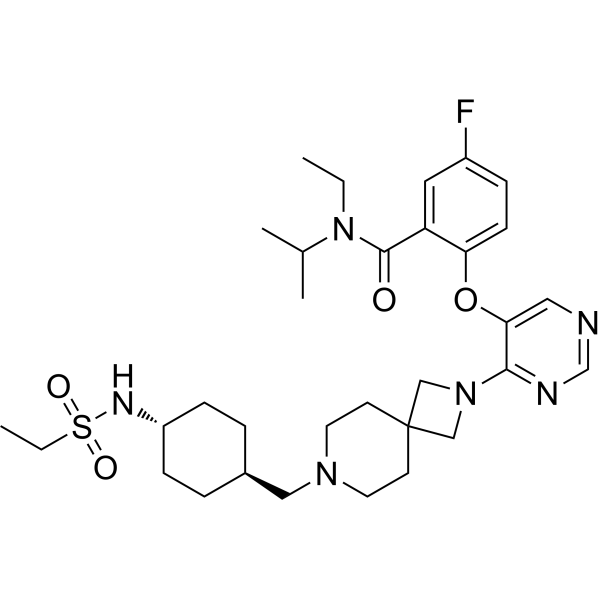
Revumenib (SNDX-5613) is a potent and specific Menin-MLL inhibitor with a binding Ki of 0.149 nM and a cell based IC50 of 10-20 nM. Revumenib can be used for the research of MLL-rearranged (MLL-r) acute leukemias, including acute lymphoblastic leukemia (ALL) and acute myeloid leukemia (AML) .
|
-
-
- HY-12344
-
|
|
FLT3
|
Neurological Disease
Cancer
|
|
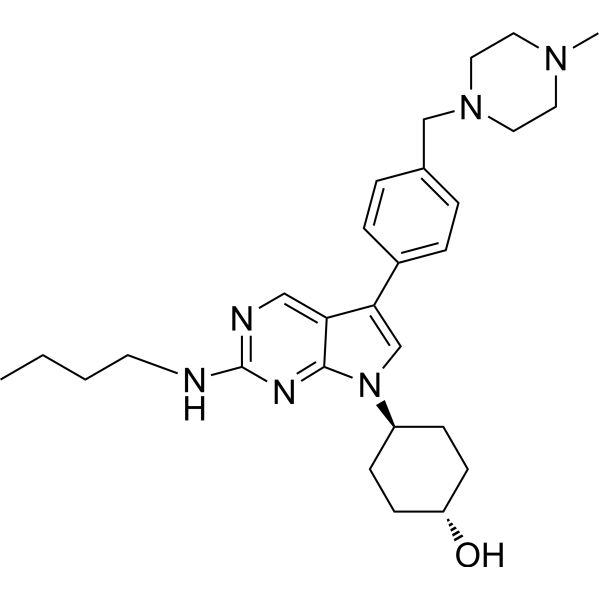
UNC2025 is a potent, ATP-competitive, highly orally active and BBB-permeable Mer/Flt3 inhibitor with IC50 values of 0.74 nM and 0.8 nM, respectively. UNC2025 is >45-fold selectivity for MERTK relative to Axl (IC50= 122 nM; Ki = 13.3 nM). UNC2025 exhibits an excellent PK properties, and can be used for the investigation of acute leukemia .
|
-
-
- HY-106634
-
|
Methylglyoxal-bis(guanylhydrazone); MGBG; Methyl-GAG
|
HIV
Apoptosis
|
Infection
Cancer
|
|
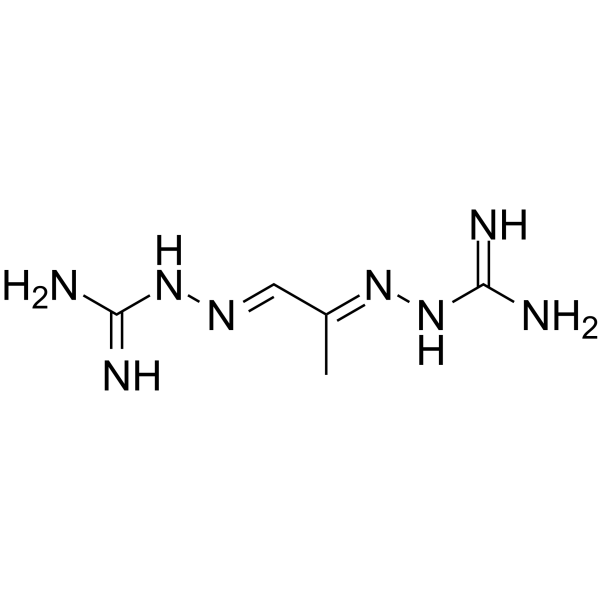
Mitoguazone (Methylglyoxal-bis(guanylhydrazone)) is a synthetic polycarbonyl derivative with potent antineoplastic activity. Mitoguazone is a brain-penetrant and competitive S-adenosyl-methionine decarboxylase (SAMDC) inhibitor that disrupts polyamine biosynthesis. Mitoguazone induces cell apoptosis. Mitoguazone inhibits HIV DNA integration into the cellular DNA in both monocytes and macrophages. Mitoguazone has the potential for acute leukemia, Hodgkin's and non-Hodgkin's lymphoma treatment .
|
-
-
- HY-15222
-
|
|
Epigenetic Reader Domain
Apoptosis
|
Cancer
|
|
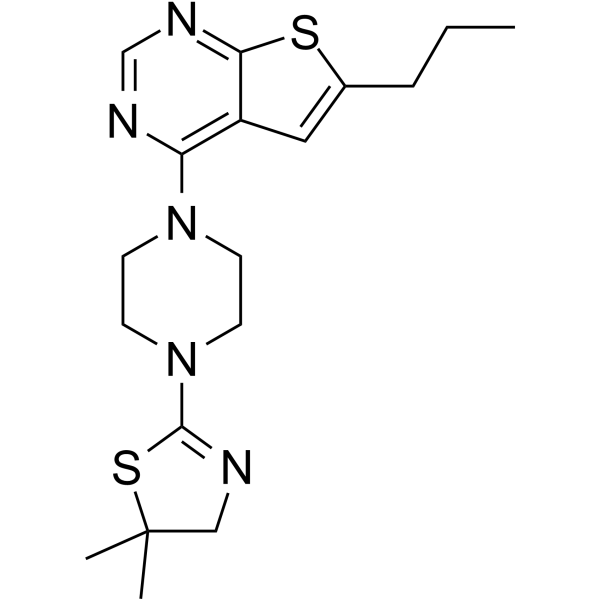
Menin-MLL inhibitor MI-2 is a competitive and selective Menin-MLL interaction inhibitor with an IC50 value of 446 nM and a Ki value of 158 nM. Menin-MLL inhibitor MI-2 downregulates the expression of target genes such as HOXA9 and MEIS1, inhibits proliferation of leukemia cells and induces apoptosis and differentiation. Menin-MLL inhibitor MI-2 is proming for rasearch of MLL-rearranged acute leukemias (e.g., AML, ALL) .
|
-
-
- HY-N0660
-
|
|
Apoptosis
PARP
Caspase
AMPK
Autophagy
VEGFR
Keap1-Nrf2
STING
11β-HSD
Ferroptosis
PI3K
Akt
p38 MAPK
ERK
|
Neurological Disease
Metabolic Disease
Inflammation/Immunology
Cancer
|
|
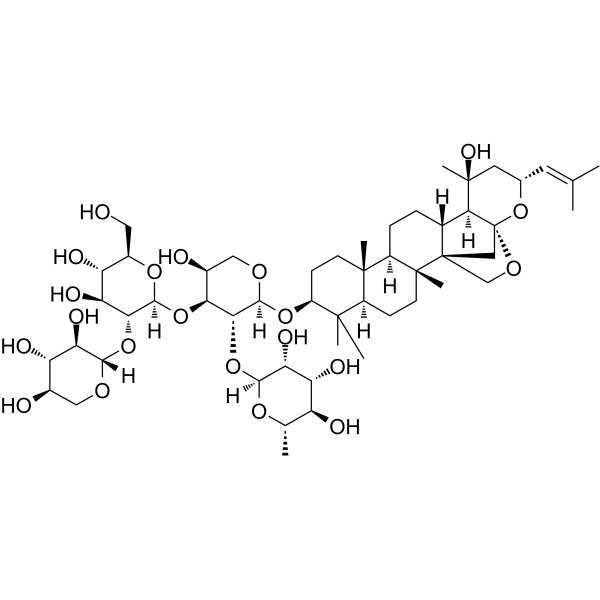
Jujuboside B is a bioactive saponin component isolated from Ziziphi Spinosae Semen (sour jujube seed), with oral efficacy and blood-brain barrier permeability. Jujuboside B induces acute leukemia cell death and drives necroptosis apoptosis by activating the RIPK1/RIPK3/MLKL pathway. Jujuboside B upregulates the expression of NOXA, PARP and caspase-3, activates AMPK, inhibits the proliferation of breast cancer cells, and induces cell apoptosis and autophagy. Jujuboside B inhibits angiogenesis and tumor growth by blocking the VEGFR-2 signaling pathway. Jujuboside B alleviates liver injury in mice by regulating the Nrf2-STING signaling pathway . Jujuboside B alleviates liver injury by regulating anti-inflammatory responses and downregulating the expression of 11β-HSD2. Jujuboside B induces ferroptosis and overcomes radioresistance in non-small cell lung cancer via the PPARγ-ATF3-Gpx4 signaling pathway. Jujuboside B exerts inhibitory effects on platelet aggregation. Jujuboside B inhibits febrile seizures by suppressing the activity of AMPA receptors. Jujuboside B reverses chronic unpredictable mild stress-promoted tumor progression by blocking the PI3K/Akt and MAPK/ERK pathways and dephosphorylating CREB signaling. Jujuboside B is applicable to related studies on acute leukemia, breast cancer, PM2.5-induced lung injury, hepatotoxicity, liver injury, colorectal cancer, non-small cell lung cancer, thromboembolic diseases, cardiovascular diseases associated with high platelet aggregation, febrile seizures, and depressive-like phenotypes .
|
-
-
- HY-145409
-
|
|
Epigenetic Reader Domain
|
Cancer
|
|
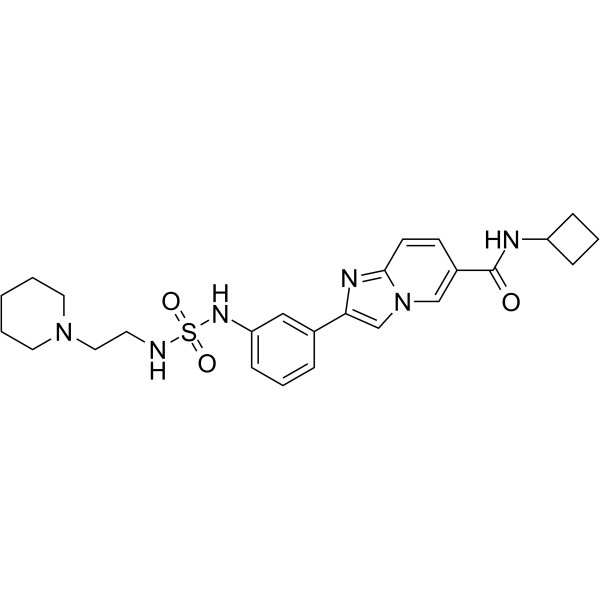
SR-0813 is a potent and selective ENL/AF9 YEATS domain inhibitor. SR-0813 has IC50 and EC50 values of 25 nM and 205 nM for ENL YEATS domain, respectively. SR-0813 has IC50 and EC50 values of 311 nM and 76 nM (CETSA) for AF9 YEATS domain, respectively. SR-0813 binds MAP3K19 with over 100-fold lower affinity (Kd=3.5 μM) than ENL YEATS (Kd=30 nM). SR-0813 can be used for the research of acute leukemia .
|
-
-
- HY-15163
-
|
TG02; SB1317
|
JAK
CDK
FLT3
|
Cancer
|
|
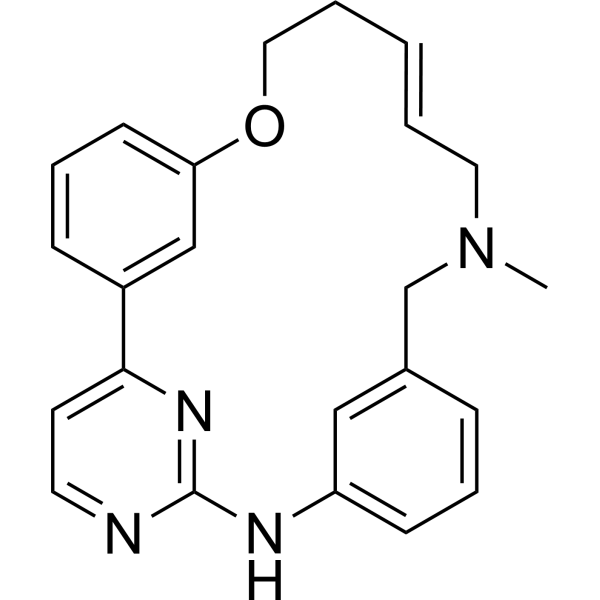
Zotiraciclib (TG02; SB1317) is an orally active JAK2/FLT3/CDK2 inhibitor with IC50 values of 13 nM, 73 nM and 56 nM , respectively. Zotiraciclib inhibits cancer cell proliferation, tumor growth and the activity of CYP2D6. Zotiraciclib exhibits high plasma protein binding rate, Caco-2 permeability and tissue distribution capacity, as well as metabolic stability in human and canine liver microsomes. Zotiraciclib achieves tumor growth inhibition in nude mouse models of colon cancer and lymphoma xenografts. Zotiraciclib can be used for research related to colon cancer, B-cell lymphoma, advanced leukemia, acute leukemia and multiple myeloma .
|
-
-
- HY-154984
-
|
|
Histone Acetyltransferase
PROTACs
|
Cancer
|
|
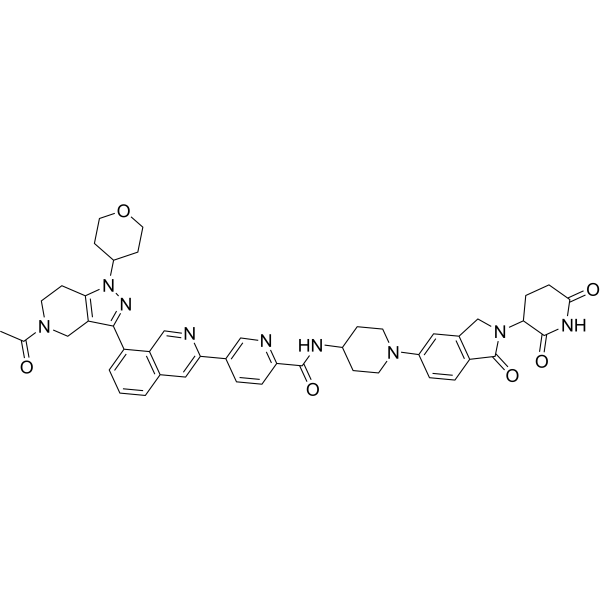
JET-209 is a potent CBP/p300 PROTAC degrader, with DC50 values of 0.05 nM and 0.2 nM for CBP and p300. JET-209 demonstrates remarkable anti-tumor activity against various acute leukemia cell lines and effectively inhibits tumor growth in xenograft tumor models. JET-209 can be used for the study of acute leukemia .
|
-
-
- HY-153996
-
|
|
Deubiquitinase
Apoptosis
Bcr-Abl
STAT
c-Myc
|
Cancer
|
|
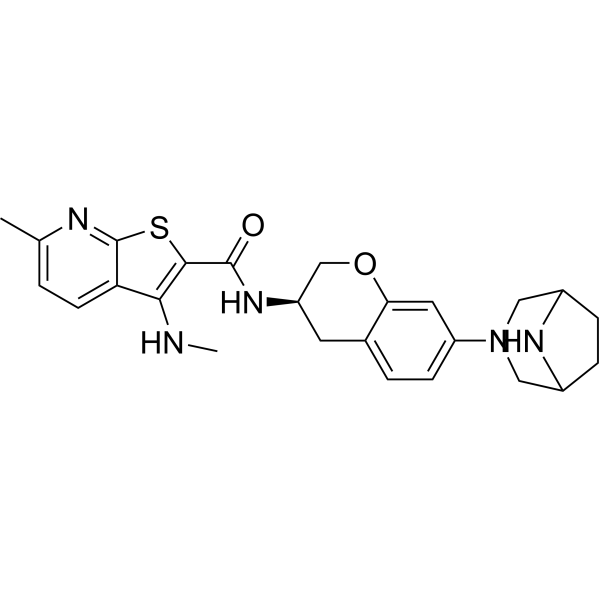
CT1113 is a selective, orally active USP25/USP28 inhibitor. CT1113 inhibits cancer cell proliferation, induces apoptosis, and causes G2/S phase cell cycle arrest. CT1113 reduces the levels of total BCR-ABL1, phosphorylated BCR-ABL1, total STAT5, and phosphorylated STAT5, but does not alter the mRNA level of BCR-ABL1. CT1113 is applicable to research related to pancreatic cancer, colon cancer, and acute leukemia .
|
-
-
- HY-123141
-
|
|
Pim
|
Cancer
|
|
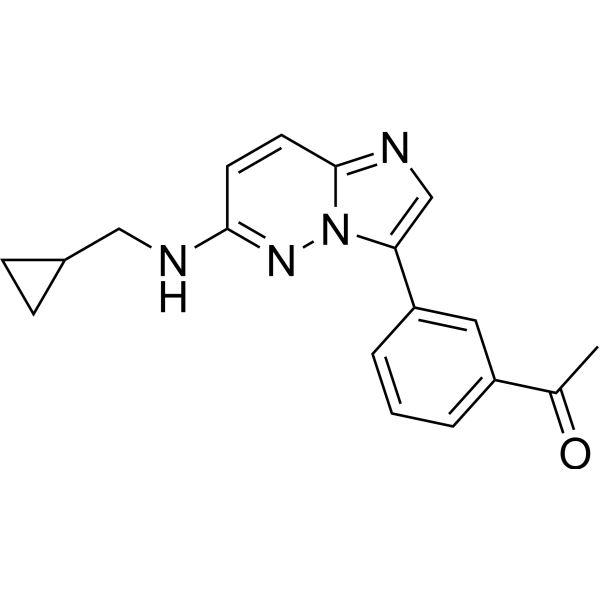
K00135 is a potent and selective inhibitor of PIM kinases. K00135 inhibits survival and clonogenic growth of acute leukemia cells. K00135 inhibits the phosphorylation of PIM downstream targets .
|
-
-
- HY-161920
-
|
|
Sirtuin
Apoptosis
|
Cancer
|
|
SIRT3-IN-1 (compound 17f) is a SIRT3 inhibitor, with IC50 of 0.043 μM. SIRT3-IN-1 can be used in the research of acute leukemia (AML) .
|
-

-
- HY-12344A
-
|
|
FLT3
|
Cancer
|
|
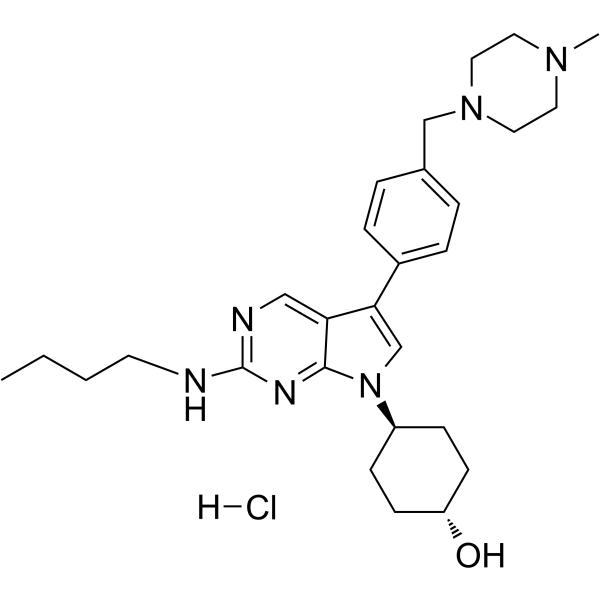
UNC2025 hydrochloride is a potent, ATP-competitive, highly orally active and BBB-permeable Mer/Flt3 inhibitor with IC50 values of 0.74 nM and 0.8 nM, respectively. UNC2025 hydrochloride is >45-fold selectivity for MERTK relative to Axl (IC50= 122 nM; Ki = 13.3 nM). UNC2025 hydrochloride exhibits an excellent PK properties, and can be used for the investigation of acute leukemia .
|
-
-
- HY-159728
-
|
|
PROTACs
Histone Methyltransferase
Apoptosis
Early 2 Factor (E2F)
c-Myc
|
Cancer
|
|
PROTAC PRMT3 degrader 1 is a selective PRMT3 PROTAC degrader with a DC50 of 2.566 μM. PROTAC PRMT3 degrader 1 forms a ternary complex with MDM2 E3 ubiquitin ligase to induce proteasomal and neddylation-dependent degradation of PRMT3. PROTAC PRMT3 degrader 1 activates intrinsic apoptosis, endoplasmic reticulum stress signaling pathways. PROTAC PRMT3 degrader 1 downregulates E2F, MYC, oxidative phosphorylation pathways. PROTAC PRMT3 degrader 1 reduces cellular asymmetric dimethylarginine (ADMA) levels. PROTAC PRMT3 degrader 1 inhibits acute leukemia cell growth. PROTAC PRMT3 degrader 1 acts with glycolysis inhibitor 2-DG to reduce ATP production, induce intrinsic apoptosis, drive synergistic antiproliferative effects. PROTAC PRMT3 degrader 1 can be used for the research of acute leukemia .
|
-

-
- HY-115590
-
|
|
Pim
Caspase
Apoptosis
Necroptosis
PARP
NF-κB
|
Cancer
|
|
JP-11646 is a pan-PIM inhibitor with increased potency against PIM2 (IC50 = 0.5 nM). JP11646 is freely reversible and ATP non-competitive. JP-11646 results in a decrease of PIM1, 2, and 3 mRNA. JP-11646 can effectively inhibit cell viability in small cell lung cancer (SCLC) and large cell neuroendocrine carcinomas of the lung (LCNEC). JP-11646 can cause a decrease in p-4EBP-1 protein, increasing the cleavage of caspases while decreasing caspase-3. JP-11646 induces apoptosis or necroptosis in cells. JP-11646 leads to reductions in MYC paralogs. JP-11646 can be used for the study of SCLC, LCNEC, human acute leukemia (AML), multiple myeloma (MM), and triple-negative breast cancer (TNBC) .
|
-

-
- HY-106556
-
|
Rubidazon; Rubidazone
|
DNA/RNA Synthesis
Topoisomerase
|
Cancer
|
|
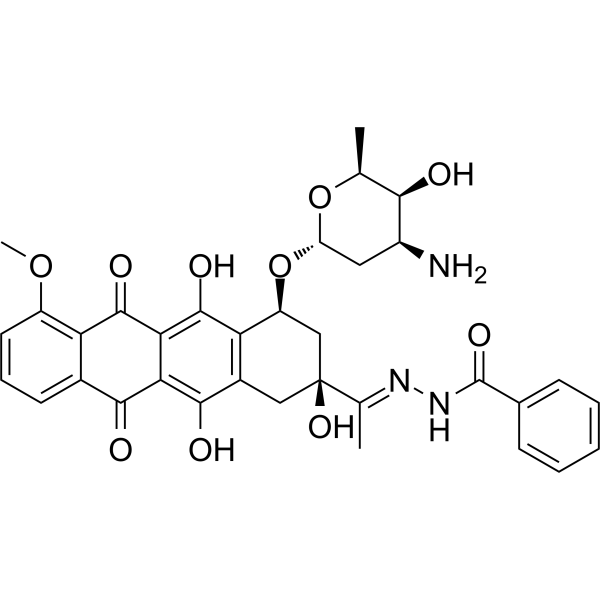
Zorubicin (Rubidazon) is a derivative of Daunorubicin (HY-13062A). Zorubicin interacts with topoisomerase II and inhibits DNA polymerases. Zorubicin can be used for the research of acute leukemias and sarcomas .
|
-
-
- HY-115446A
-
|
Cereblon ligand 1 hydrochloride; E3 ligase Ligand-Linker Conjugates 32 hydrochloride
|
E3 Ligase Ligand-Linker Conjugates
|
Cancer
|
|
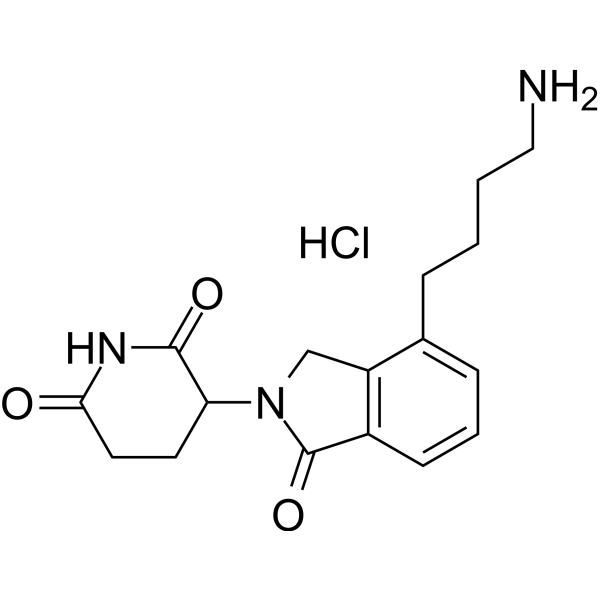
Lenalidomide-C4-NH2 hydrochloride is the Lenalidomide-based Cereblon ligand used in the recruitment of CRBN protein. Lenalidomide-C4-NH2 hydrochloride can be connected to the ligand for protein by a linker to form PROTAC (Compound 24), which has IC50s of 0.98 nM and 13.7 nM in inhibition of RS4;11 and MOLM-13 acute leukemia cell lines growth, respectively .
|
-
-
- HY-174458
-
|
|
PROTACs
MDM-2/p53
IKZF Family
Casein Kinase
|
Cancer
|
|
MD-4251 is an orally active MDM2 PROTAC degrader. MD-4251 potently degrades MDM2 in RS4;11 cells (DC50: 0.2 nM) and actives p53. MD-4251 shows strong antiproliferative activity against acute leukemia cells (wild-type p53) with minimal efficacy in mutant type. MD-4251 induces complete tumor regression in RS4;11 xenograft mice model . Pink: MDM2 ligand (HY-130684); Blue: CRBN ligase ligand (HY-W883326); Black: linker
|
-

-
- HY-106218
-
|
5-Fluorocyclocytidine; 5'-Fluorocyclocytidine
|
Nucleoside Antimetabolite/Analog
|
Cancer
|
|
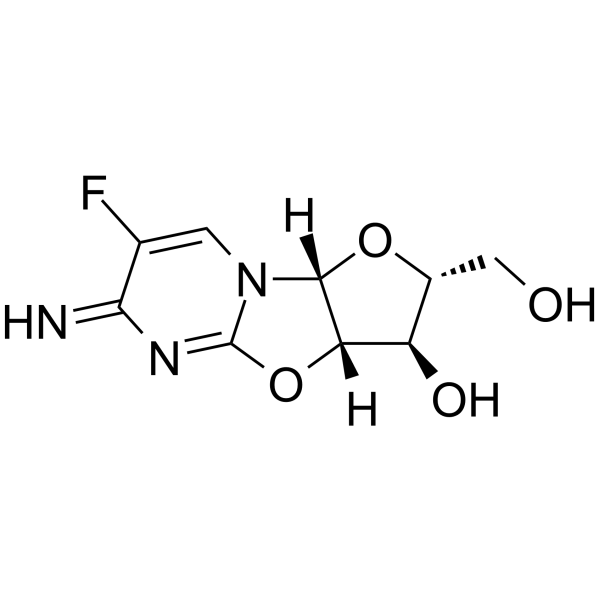
Flurocitabine (5-Fluorocyclocytidine) is a fluorinated anlydride analog of cytosine arabinoside, partially hydrolysecl in vivo into two active antitumor substances (arabinosyl-tluorocytosine (ara-FC) and arabinosyl-fluorouracil (ara-FU)). Flurocitabine (5-Fluorocyclocytidine) has antitumor activity during phase I studies in acute leukemia and solid tumors .
|
-
-
- HY-179157
-
|
|
PROTACs
Checkpoint Kinase (Chk)
DNA/RNA Synthesis
Apoptosis
Bcl-2 Family
Caspase
|
Cancer
|
|
MA203 is a highly efficient and selective PROTAC degrader targeting CHK1. MA203 accelerates CRBN-dependent proteasomal degradation of CHK1 in solid tumor-derived cells and acute leukemia cells. MA203 induces DNA replication stress. MA203 blocks cell cycle progression and triggers tumor cell apoptosis. MA203 does not damage healthy differentiated and primitive hematopoietic cells, stromal cells, and retinal epithelial cells. MA203 can be used for the study of CHK1-dependent cancers .
|
-

-
- HY-161123
-
|
|
WDR5
|
Cancer
|
|
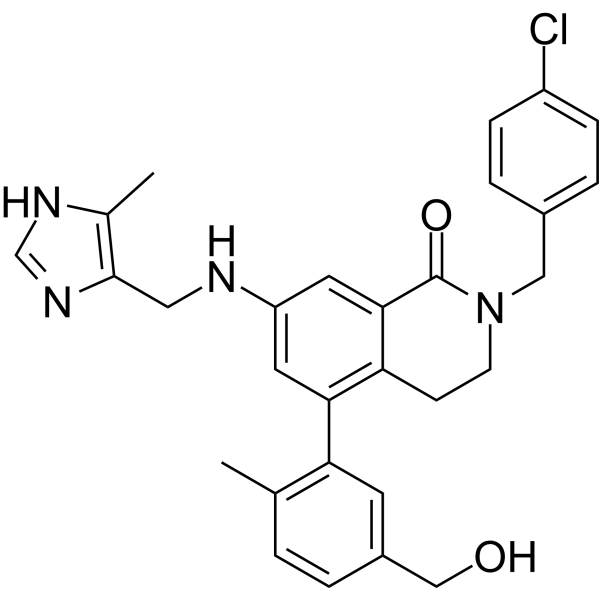
WDR5-IN-8 is a WDR5 inhibitor with IC50 value of 15.5 nM. WDR5-IN-8 shows good anti-proliferative activity in two human acute leukemia cell lines. WDR5-IN-8 has antitumor activity .
|
-
-
- HY-B0166D
-
|
|
Drug Derivative
|
Others
|
|
Niacinamide ascorbate is a micronutrient with radioprotective properties. Niacinamide ascorbate works as an antioxidant along with vitamin C, vitamin E and other compounds to mitigate the risks associated with exposure to ionizing radiation. Niacinamide ascorbate helps reduce the likelihood of radiation-induced diseases such as acute leukemia, breast cancer, thyroid cancer and mutations, thereby protecting the human body from the harmful effects of radiation .
|
-

-
- HY-149595
-
|
|
Histone Demethylase
|
Cancer
|
|
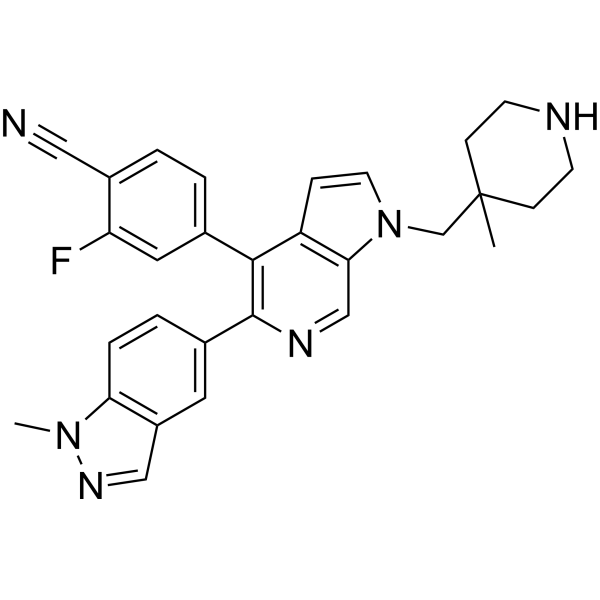
LSD1-UM-109 is a ighly potent and reversible LSD1 inhibitor with an IC50 of 3.1 nM. LSD1-UM-109 inhibits cell growth with IC50 values of 0.6 nM in the MV4;11 acute leukemia cell line and 1.1 nM in the H1417 small-cell lung cancer cell line .
|
-
-
- HY-106634R
-
|
Methylglyoxal-bis(guanylhydrazone) (Standard); MGBG (Standard); Methyl-GAG (Standard)
|
Reference Standards
HIV
Apoptosis
|
Infection
Cancer
|
|
Mitoguazone (Standard) is the analytical standard of Mitoguazone. This product is intended for research and analytical applications. Mitoguazone (Methylglyoxal-bis(guanylhydrazone)) is a synthetic polycarbonyl derivative with potent antineoplastic activity. Mitoguazone is a brain-penetrant and competitive S-adenosyl-methionine decarboxylase (SAMDC) inhibitor that disrupts polyamine biosynthesis. Mitoguazone induces cell apoptosis. Mitoguazone inhibits HIV DNA integration into the cellular DNA in both monocytes and macrophages. Mitoguazone has the potential for acute leukemia, Hodgkin's and non-Hodgkin's lymphoma treatment .
|
-

-
- HY-N0153A
-
|
Naringoside hydrate
|
Cytochrome P450
Apoptosis
Mitophagy
|
Cancer
|
|
Niacinamide ascorbate is a vitamin complex that combines niacinamide (vitamin B3) and ascorbic acid (vitamin C). Niacinamide ascorbate reduces the risk of radiation-induced acute leukemia, breast cancer, thyroid cancer, and other somatic and genetic mutations following exposure to ionizing radiation doses .
|
-

-
- HY-15222A
-
|
|
Epigenetic Reader Domain
Apoptosis
|
Cancer
|
|
Menin-MLL inhibitor MI-2 dihydrochloride is a competitive and selective Menin-MLL interaction inhibitor with an IC50 value of 446 nM and a Ki value of 158 nM. Menin-MLL inhibitor MI-2 dihydrochloride downregulates the expression of target genes such as HOXA9 and MEIS1, inhibits proliferation of leukemia cells and induces apoptosis and differentiation. Menin-MLL inhibitor MI-2 dihydrochloride is proming for rasearch of MLL-rearranged acute leukemias (e.g., AML, ALL) .
|
-

-
- HY-183071
-
-

-
- HY-183073
-
|
|
|
Cancer
|
|
TZ1104 is a PROTAC-based CDK7 degrader, with a DC50 of 0.88 nM. TZ1104 forms a ternary complex with VHL E3 ligase and CDK7 to trigger proteasome-dependent CDK7 degradation, destabilizing the CDK7-cyclin H-MAT1 complex. TZ1104 suppresses phosphorylation of RNA polymerase II CTD Ser5, CDK1 Thr161, and CDK2 Thr160. TZ1104 activates the p53-p21 axis and suppresses oncogenic Myc signaling. TZ1104 induces cell cycle arrest, apoptosis, and differentiation of acute leukemia cells. TZ1104 can be used for the research of acute leukemia .
|
-

-
- HY-117948A
-
|
|
Drug Isomer
Epigenetic Reader Domain
|
Cancer
|
|
(S)-ML399 (Compound 18S) is the enantiomer of ML399 (HY-117948). (S)-ML399 acts as a Menin-MLL interaction inhibitor with an IC50 of 1400 nM. (S)-ML399 can be used to investigate acute leukemias with MLL translocations, including acute myeloid leukemia and acute lymphoblastic leukemia .
|
-

-
- HY-136175B
-
|
cis-SNDX-5613
|
Epigenetic Reader Domain
|
Cancer
|
|
cis-Revumenib (cis-SNDX-5613) is an isomer of Revumenib (HY-136175). Revumenib (SNDX-5613) is a potent and specific Menin-MLL inhibitor with a binding Ki of 0.149 nM and a cell based IC50 of 10-20 nM. Revumenib can be used for the research of MLL-rearranged (MLL-r) acute leukemias, including acute lymphoblastic leukemia (ALL) and acute myeloid leukemia (AML) .
|
-

-
- HY-178712
-
|
|
Apoptosis
|
Cancer
|
|
CT 32228 is an inhibitor of lysophosphatidic acid acyltransferase-β (LPAAT-β). CT 32228 inhibits tumor cell growth. CT 32228 exhibits IC50 values of around 0.1-0.8 μM in various leukemia cell lines. CT 32228 induces caspase activation in DHL-4 and Ramos cells. CT 32228 induces apoptosis when combined with Rituximab (HY-P9913). CT 32228 results in a 50% xenograft growth delay in vivo. CT 32228 can be studied in research on acute leukemia .
|
-

-
- HY-N13800
-
|
|
Phytohormone
|
Infection
Cancer
|
|
3-O-Debenzoylzeylenone is a polyoxygenated cyclohexene plant growth hormone that exists in the leaves of Uvaria purpurea and the aerial parts of Uvaria grandiflora. 3-O-Debenzoylzeylenone is an auxin analog that inhibits root growth and promotes shoot growth of Lactuca sativa seedlings. 3-O-Debenzoylzeylenone exhibits cytotoxicity against various cancer cells and can be used in studies related to lung cancer, melanoma, epidermoid carcinoma, liver cancer, gastric cancer, colon adenocarcinoma, acute leukemia, breast cancer, and prostate cancer .
|
-

-
- HY-183070
-
|
|
PROTACs
CDK
Apoptosis
|
Cancer
|
|
CXJ2080 is a selective PROTAC-based CDK7 degrader with a DC50 of 0.88 nM. CXJ2080 recruits VHL E3 ligase to induce ubiquitin-proteasome-dependent CDK7 degradation, disrupts the CDK7-cyclin H-MAT1 complex, suppresses CDK7-dependent phosphorylation of RNA polymerase II CTD Ser5, CDK1 Thr161, and CDK2 Thr160. CXJ2080 activates the p53-p21 axis, suppresses MYC-driven signaling, induces leukemia cell cycle arrest, apoptosis, and differentiation, reduces CD117 expression, spares platelets and normal PBMCs, maintains sustained CDK7 degradation post-washout. CXJ2080 can be used for the research of acute leukemia .
|
-

-
- HY-N0660R
-
|
|
Reference Standards
ERK
p38 MAPK
Akt
PI3K
11β-HSD
STING
VEGFR
Ferroptosis
Autophagy
Apoptosis
Keap1-Nrf2
Caspase
PARP
AMPK
|
Neurological Disease
Metabolic Disease
Inflammation/Immunology
Cancer
|
|
Jujuboside B (Standard) is the analytical standard of Jujuboside B. This product is intended for research and analytical applications. Jujuboside B is a bioactive saponin component isolated from Ziziphi Spinosae Semen (sour jujube seed), with oral efficacy and blood-brain barrier permeability. Jujuboside B induces acute leukemia cell death and drives necroptosis apoptosis by activating the RIPK1/RIPK3/MLKL pathway. Jujuboside B upregulates the expression of NOXA, PARP and caspase-3, activates AMPK, inhibits the proliferation of breast cancer cells, and induces cell apoptosis and autophagy. Jujuboside B inhibits angiogenesis and tumor growth by blocking the VEGFR-2 signaling pathway. Jujuboside B alleviates liver injury in mice by regulating the Nrf2-STING signaling pathway . Jujuboside B alleviates liver injury by regulating anti-inflammatory responses and downregulating the expression of 11β-HSD2. Jujuboside B induces ferroptosis and overcomes radioresistance in non-small cell lung cancer via the PPARγ-ATF3-Gpx4 signaling pathway. Jujuboside B exerts inhibitory effects on platelet aggregation. Jujuboside B inhibits febrile seizures by suppressing the activity of AMPA receptors. Jujuboside B reverses chronic unpredictable mild stress-promoted tumor progression by blocking the PI3K/Akt and MAPK/ERK pathways and dephosphorylating CREB signaling. Jujuboside B is applicable to related studies on acute leukemia, breast cancer, PM2.5-induced lung injury, hepatotoxicity, liver injury, colorectal cancer, non-small cell lung cancer, thromboembolic diseases, cardiovascular diseases associated with high platelet aggregation, febrile seizures, and depressive-like phenotypes.
|
-

| Cat. No. |
Product Name |
Category |
Target |
Chemical Structure |
-
- HY-N0660
-
|
|
Cardiovascular Disease
Triterpenes
Structural Classification
other families
Classification of Application Fields
Terpenoids
Plants
Disease Research Fields
Source Classification
|
Apoptosis
PARP
Caspase
AMPK
Autophagy
VEGFR
Keap1-Nrf2
STING
11β-HSD
Ferroptosis
PI3K
Akt
p38 MAPK
ERK
|
|
Jujuboside B is a bioactive saponin component isolated from Ziziphi Spinosae Semen (sour jujube seed), with oral efficacy and blood-brain barrier permeability. Jujuboside B induces acute leukemia cell death and drives necroptosis apoptosis by activating the RIPK1/RIPK3/MLKL pathway. Jujuboside B upregulates the expression of NOXA, PARP and caspase-3, activates AMPK, inhibits the proliferation of breast cancer cells, and induces cell apoptosis and autophagy. Jujuboside B inhibits angiogenesis and tumor growth by blocking the VEGFR-2 signaling pathway. Jujuboside B alleviates liver injury in mice by regulating the Nrf2-STING signaling pathway . Jujuboside B alleviates liver injury by regulating anti-inflammatory responses and downregulating the expression of 11β-HSD2. Jujuboside B induces ferroptosis and overcomes radioresistance in non-small cell lung cancer via the PPARγ-ATF3-Gpx4 signaling pathway. Jujuboside B exerts inhibitory effects on platelet aggregation. Jujuboside B inhibits febrile seizures by suppressing the activity of AMPA receptors. Jujuboside B reverses chronic unpredictable mild stress-promoted tumor progression by blocking the PI3K/Akt and MAPK/ERK pathways and dephosphorylating CREB signaling. Jujuboside B is applicable to related studies on acute leukemia, breast cancer, PM2.5-induced lung injury, hepatotoxicity, liver injury, colorectal cancer, non-small cell lung cancer, thromboembolic diseases, cardiovascular diseases associated with high platelet aggregation, febrile seizures, and depressive-like phenotypes .
|
-
-
- HY-N13800
-
|
|
Structural Classification
Uvaria grandiflora Roxb.
Other Phenylpropanoids
Phenylpropanoids
Plants
Annonaceae
Source Classification
|
Phytohormone
|
|
3-O-Debenzoylzeylenone is a polyoxygenated cyclohexene plant growth hormone that exists in the leaves of Uvaria purpurea and the aerial parts of Uvaria grandiflora. 3-O-Debenzoylzeylenone is an auxin analog that inhibits root growth and promotes shoot growth of Lactuca sativa seedlings. 3-O-Debenzoylzeylenone exhibits cytotoxicity against various cancer cells and can be used in studies related to lung cancer, melanoma, epidermoid carcinoma, liver cancer, gastric cancer, colon adenocarcinoma, acute leukemia, breast cancer, and prostate cancer .
|
-
-
- HY-N0660R
-
|
|
Triterpenes
Structural Classification
other families
Terpenoids
Plants
Source Classification
|
Reference Standards
ERK
p38 MAPK
Akt
PI3K
11β-HSD
STING
VEGFR
Ferroptosis
Autophagy
Apoptosis
Keap1-Nrf2
Caspase
PARP
AMPK
|
|
Jujuboside B (Standard) is the analytical standard of Jujuboside B. This product is intended for research and analytical applications. Jujuboside B is a bioactive saponin component isolated from Ziziphi Spinosae Semen (sour jujube seed), with oral efficacy and blood-brain barrier permeability. Jujuboside B induces acute leukemia cell death and drives necroptosis apoptosis by activating the RIPK1/RIPK3/MLKL pathway. Jujuboside B upregulates the expression of NOXA, PARP and caspase-3, activates AMPK, inhibits the proliferation of breast cancer cells, and induces cell apoptosis and autophagy. Jujuboside B inhibits angiogenesis and tumor growth by blocking the VEGFR-2 signaling pathway. Jujuboside B alleviates liver injury in mice by regulating the Nrf2-STING signaling pathway . Jujuboside B alleviates liver injury by regulating anti-inflammatory responses and downregulating the expression of 11β-HSD2. Jujuboside B induces ferroptosis and overcomes radioresistance in non-small cell lung cancer via the PPARγ-ATF3-Gpx4 signaling pathway. Jujuboside B exerts inhibitory effects on platelet aggregation. Jujuboside B inhibits febrile seizures by suppressing the activity of AMPA receptors. Jujuboside B reverses chronic unpredictable mild stress-promoted tumor progression by blocking the PI3K/Akt and MAPK/ERK pathways and dephosphorylating CREB signaling. Jujuboside B is applicable to related studies on acute leukemia, breast cancer, PM2.5-induced lung injury, hepatotoxicity, liver injury, colorectal cancer, non-small cell lung cancer, thromboembolic diseases, cardiovascular diseases associated with high platelet aggregation, febrile seizures, and depressive-like phenotypes.
|
-
Your information is safe with us. * Required Fields.
Inquiry Information
- Product Name:
- Cat. No.:
- Quantity:
- MCE Japan Authorized Agent:








