Search Result
Results for "
adenosine production
" in MedChemExpress (MCE) Product Catalog:
4
Isotope-Labeled Compounds
| Cat. No. |
Product Name |
Target |
Research Areas |
Chemical Structure |
-
- HY-13417
-
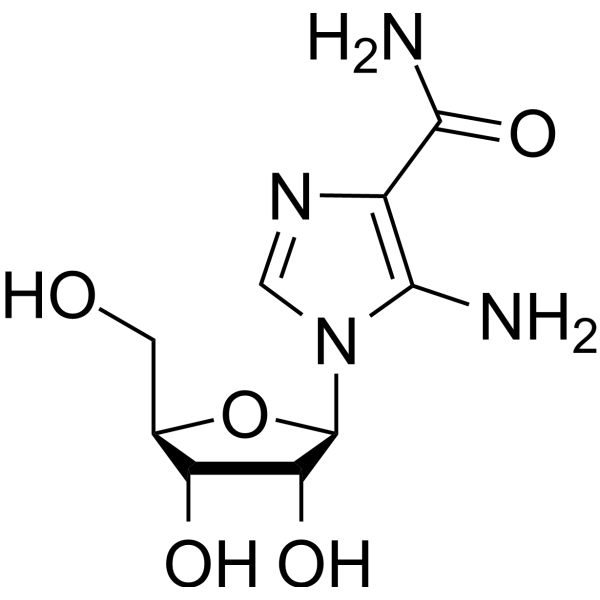
AICAR
Maximum Cited Publications
215 Publications Verification
Acadesine; AICA Riboside
|
AMPK
Autophagy
YAP
Mitophagy
Endogenous Metabolite
|
Cancer
|
|
AICAR (Acadesine) is an adenosine analog and a AMPK activator. AICAR is also an autophagy, YAP and mitophagy inhibitor. AICAR regulates the glucose and lipid metabolism, and inhibits proinflammatory cytokines and iNOS production. AICAR inhibits autophagy through a mechanism independent of AMPK activity .
|
-
-
- HY-13417A
-
|
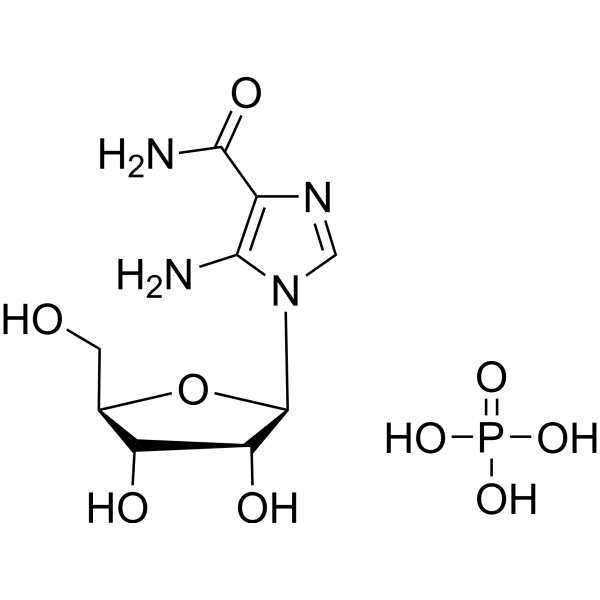
Acadesine phosphate; AICA Riboside phosphate
|
AMPK
Autophagy
YAP
Mitophagy
Endogenous Metabolite
|
Cancer
|
|
AICAR phosphate (Acadesine phosphate) is an adenosine analog and a AMPK activator. AICAR phosphate regulates the glucose and lipid metabolism, and inhibits proinflammatory cytokines and iNOS production. AICAR phosphate is also an autophagy, YAP and mitophagy inhibitor .
|
-
-
- HY-N0113
-
-
-
- HY-118341
-
|
|
Apoptosis
Bcl-2 Family
|
Cancer
|
|
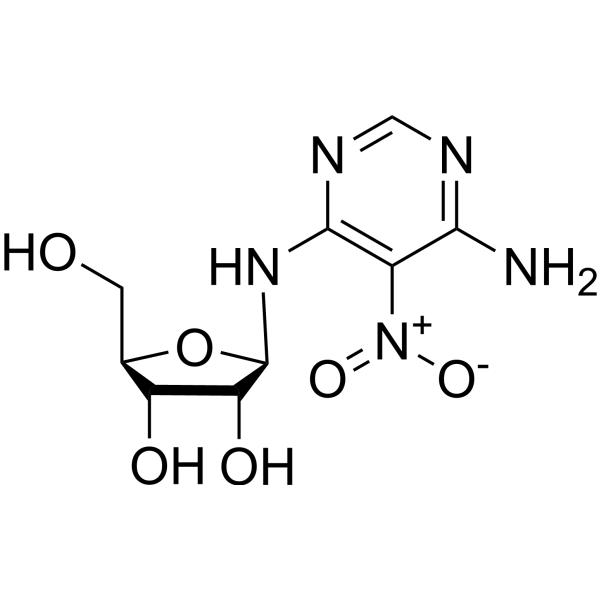
Clitocine, an adenosine nucleoside analog isolated from mushroom, is a potent and efficacious readthrough agent. Clitocine acts as a suppressor of nonsense mutations and can induce the production of p53 protein in cells harboring p53 nonsense-mutated alleles. Clitocine can induce apoptosis in multidrug-resistant human cancer cells by targeting Mcl-1. Anticancer activity .
|
-
-
- HY-B0549A
-
|
Rec-7-0040; DW61
|
Calcium Channel
Adenosine Receptor
mAChR
Dopamine Receptor
Adrenergic Receptor
|
Cardiovascular Disease
Infection
Neurological Disease
Cancer
|
|
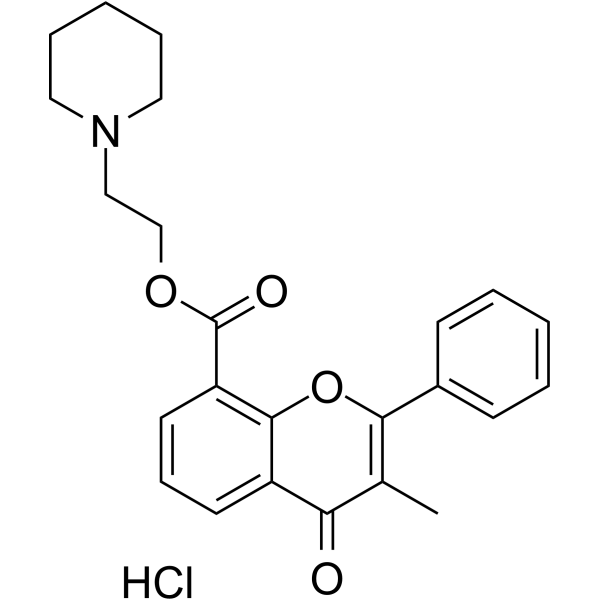
Flavoxate hydrochloride (Rec-7-0040; DW61) is an orally active L-type Ca 2+ channel inhibitor and antispasmodic. Flavoxate hydrochloride inhibits cyclic adenosine monophosphate production by blocking voltage-dependent inward Ba 2+ currents, regulating the brainstem micturition center, and stimulating G protein-coupled receptors. Consequently, Flavoxate hydrochloride induces relaxation of bladder smooth muscle and inhibits isovolumetric rhythmic contractions. Flavoxate hydrochloride effectively increases bladder capacity and alleviates symptoms of urgent urination frequency and pollakiuria caused by overactive bladder. Flavoxate hydrochloride can be used in research on overactive bladder and related voiding dysfunctions .
|
-
-
- HY-13417R
-
|
Acadesine (Standard); AICA Riboside (Standard)
|
Reference Standards
AMPK
Autophagy
YAP
Mitophagy
Endogenous Metabolite
|
Cancer
|
|
AICAR (Standard) is the analytical standard of AICAR. This product is intended for research and analytical applications. AICAR (Acadesine) is an adenosine analog and a AMPK activator. AICAR regulates the glucose and lipid metabolism, and inhibits proinflammatory cytokines and iNOS production. AICAR is also an autophagy, YAP and mitophagy inhibitor .
|
-

-
- HY-W587488
-
|
3′-AMP
|
Nucleoside Antimetabolite/Analog
Cyclic GMP-AMP Synthase
|
Cancer
|
|
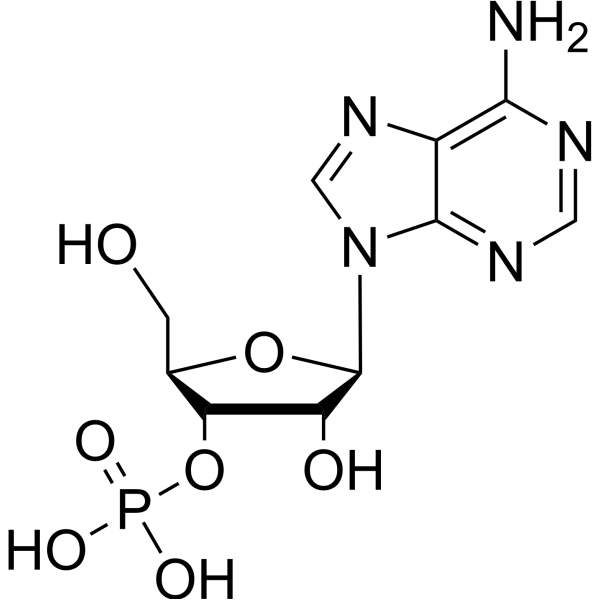
Adenosine 3’-monophosphate (3’-AMP) is a nucleotide. Adenosine 3’-monophosphate is a cyclic AMP production agonist. Adenosine 3’-monophosphate increases cyclic AMP levels concentration-dependently in NG108-15 cells. Adenosine 3’-monophosphate can be used in the determination of acid phosphatase activity of human serum, which is estabilished as a laboratory procedure in the diagnosis of prostate cancer, metastatic mammary cancer and Gaucher’s disease. Adenosine 3’-monophosphate inhibits human aortic and coronary vascular smooth muscle cell proliferation via A2B receptors .
|
-
-
- HY-124151
-
|
2'-AMP; adenosine 2'-phosphate; AMP 2'-phosphate
|
Adenosine Receptor
Endogenous Metabolite
|
Neurological Disease
|
|
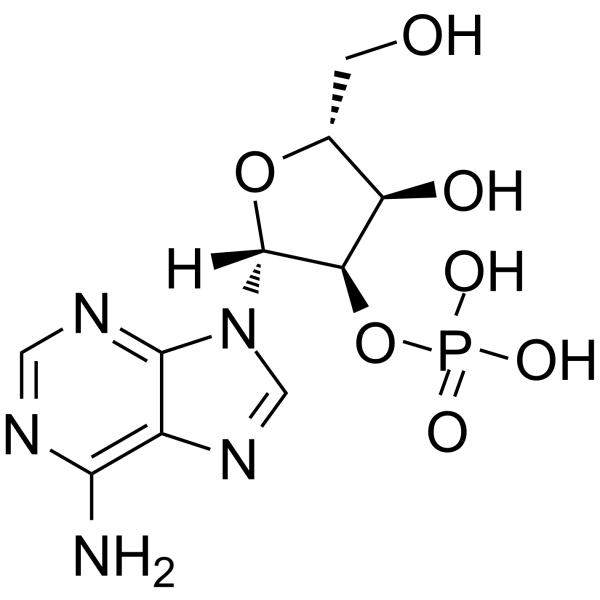
Adenosine-2'-monophosphate (2'-AMP) is converted by extracellular 2’,3'-CAMP. Adenosine-2'-monophosphate is further metabolized to extracellular adenosine (a mechanism called the extracellular 2’,3’-cAMP-adenosine pathway). Adenosine-2'-monophosphate inhibits LPS-induced TNF-α and CXCL10 production via A2A receptor activation .
|
-
-
- HY-160696
-
|
|
CD73
|
Cancer
|
|
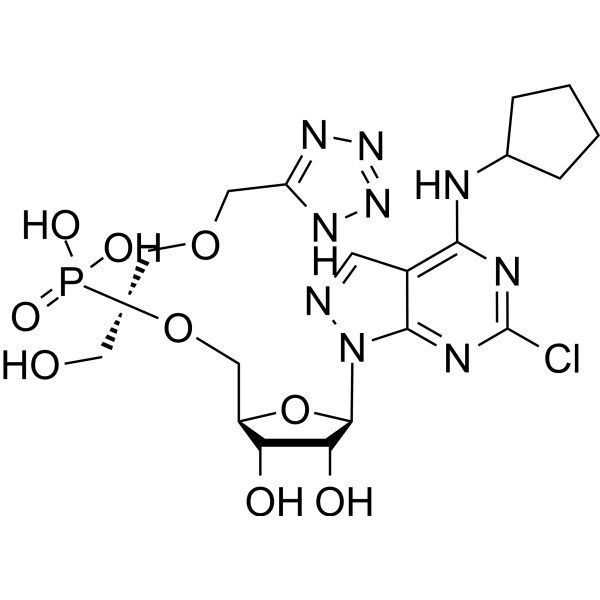
ORIC-533 is an orally active, highly selective, AMP-competitive CD73 inhibitor that potently blocks adenosine production with sub-nanomolar affinity (Ka=0.03 nM). In multiple myeloma, ORIC-533 restores and enhances the cytotoxicity of the immune system against tumor cells through multiple immunological mechanisms, including reversing the immunosuppressive microenvironment, inducing immunogenic cell death, and activating dendritic cells, T cells and NK cells, with no direct toxicity to normal cells. The combination of ORIC-533 with Daratumumab (HY-P9915) synergistically enhances anti-tumor efficacy, significantly increases intratumoral CD8 + T cell infiltration and inhibits tumor growth in vivo .
|
-
-
- HY-160230
-
|
|
Toll-like Receptor (TLR)
|
Infection
|
|
ssRNA41 sodium is a 20-mer phosphothioate protected single-stranded RNA oligonucleotide. It derives from ssRNA40 by replacement of all U nucleotides with adenosine. ssRNA41 sodium is unable to induce the production of type IFNs, and therefore can be used as a negative control for ssRNA40 .
|
-
-
- HY-N0092R
-
|
|
Reference Standards
Adenosine Receptor
Endogenous Metabolite
|
Neurological Disease
Inflammation/Immunology
|
Inosine (Standard) is the analytical standard of Inosine. This product is intended for research and analytical applications. Inosine is an endogenous purine nucleoside produced by catabolism of adenosine. Inosine has anti-inflammatory, antinociceptive, immunomodulatory and neuroprotective effects. Inosine is an agonist for adenosine A1 (A1R) and A2A (A2AR) receptors . In Vitro:Inosine dose-dependently stimulates cAMP production mediated through the A2AR .
Inosine dose-dependently induces hA2AR-mediated ERK1/2 phosphorylation .
Inosine (100 μM; 24 hours) reduces oxidative stress in MES 23.5 cells cultured with astrocytes .
In Vivo:Inosine (10-100 mg/kg; i.p.) exhibits antinociceptive effect in mice .
|
-

-
- HY-173178
-
|
|
Estrogen Receptor/ERR
|
Cancer
|
|
LNS8801 is an orally active agonist of the G protein-coupled estrogen receptor (GPER). By activating GPER, LNS8801 mediates downstream signaling pathways, such as promoting the production of cyclic adenosine monophosphate (cAMP) and activating the cAMP response element-binding protein (CREB) signaling, thereby exerting anti-tumor activities including inhibiting tumor cell proliferation, inducing cell differentiation, and enhancing tumor immunogenicity. LNS8801 can be used in the research of various cancers (e.g., melanoma, pancreatic cancer, colorectal cancer, lung cancer, etc.) and relevant studies exploring the roles of GPER in normal physiological and pathological processes .
|
-

-
- HY-105017
-
|
ATL 313; DE 112
|
Adenosine Receptor
|
Infection
Inflammation/Immunology
|
|
Evodenoson is a selective agonist of the A2A adenosine receptor. Evodenoson’s primary actions include reducing inflammatory responses, decreasing intestinal fluid secretion, edema, tissue damage, and neutrophil infiltration induced by Clostridium difficile toxin A. Evodenoson’s protective effect is achieved by reducing myeloperoxidase (MPO) and adenosine deaminase (ADA) activities, and by lowering the production of tumor necrosis factor-alpha (TNF-α) .
|
-

-
- HY-176296
-
|
SR-8541A
|
Phosphodiesterase (PDE)
STING
|
Cancer
|
|
Vizenpistat (SR-8541A) is an orally active ENPP1 inhibitor. Vizenpistat increases cGAMP levels, blocks 2′3′-cGAMP hydrolysis, inhibits adenosine production, regulates innate immune signaling mediated by the STING pathway, and modulates anti-tumor immune responses. Vizenpistat is applicable to research related to breast cancer and metastatic microsatellite-stable colorectal cancer .
|
-

-
- HY-N0113B
-
|
Ordenina hydrochloride; Peyocactine hydrochloride
|
Bacterial
|
Infection
|
|
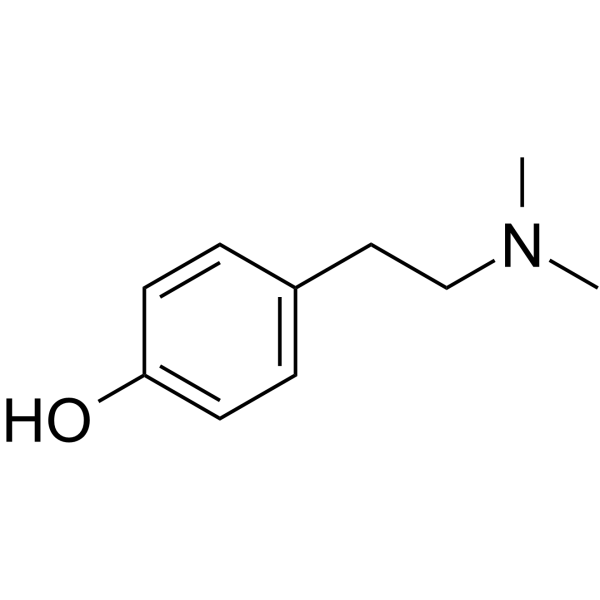
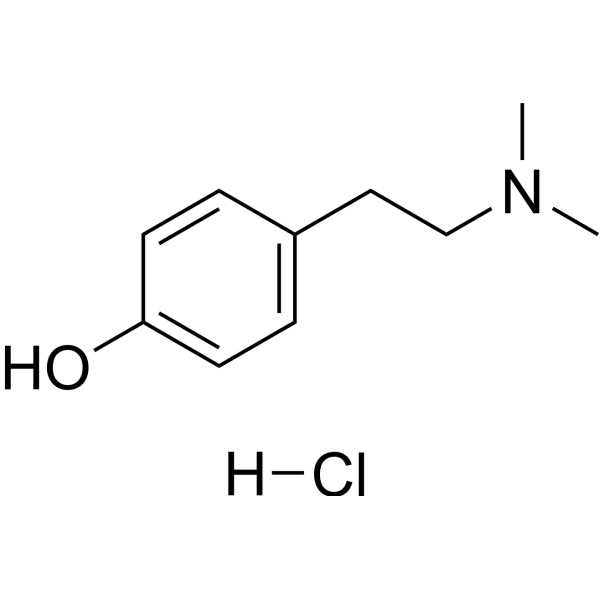
Hordenine (hydrochloride), an alkaloid found in plants, inhibits melanogenesis by suppression of cyclic adenosine monophosphate (cAMP) production .
|
-
-
- HY-N0113S
-
-
-
- HY-103178
-
|
|
Adenosine Receptor
|
Inflammation/Immunology
|
|
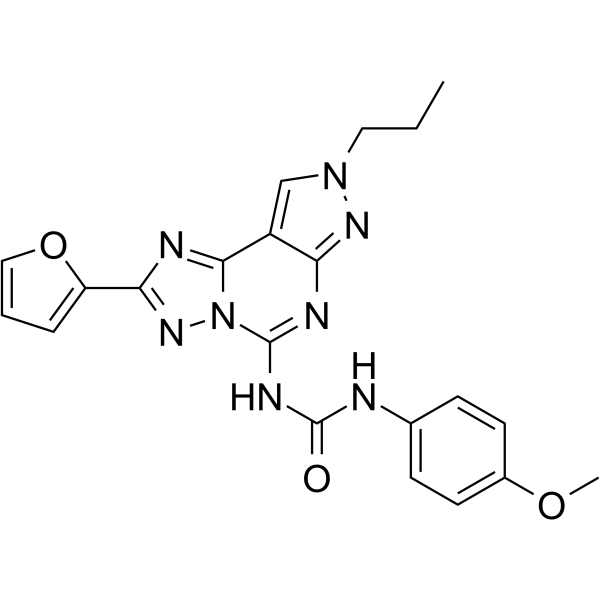
MRE3008F20 is a highly efficient, highly selective and radioactive adenosine A3 receptor (AA3R) antagonist (Ki=1.8 nM). MRE3008F20 effectively antagonises Cl-IB-MECA-induced cAMP production in resting lymphocytes with an IC50 value of 5 nM. MRE3008F20 can be used in the study of AA3R .
|
-
-
- HY-136978
-
|
|
CD73
|
Inflammation/Immunology
Cancer
|
|
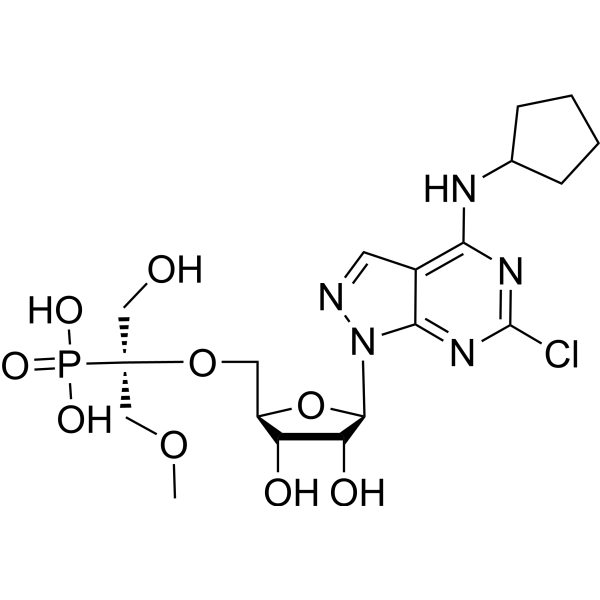
OP-5244 is a potent and orally active inhibitor of CD73, with an IC50 of 0.25 nM. OP-5244 reverses immunosuppression through blocking of adenosine production, and has the potential for the cancer research .
|
-
-
- HY-13417AR
-
|
Acadesine phosphate (Standard); AICA Riboside phosphate (Standard)
|
AMPK
Autophagy
YAP
Mitophagy
Endogenous Metabolite
Reference Standards
|
Cancer
|
|
AICAR (phosphate) (Standard) is the analytical standard of AICAR (phosphate). This product is intended for research and analytical applications. AICAR phosphate (Acadesine phosphate) is an adenosine analog and a AMPK activator. AICAR phosphate regulates the glucose and lipid metabolism, and inhibits proinflammatory cytokines and iNOS production. AICAR phosphate is also an autophagy, YAP and mitophagy inhibitor .
|
-

-
- HY-B0549
-
|
Rec-7-0040 free base; DW61 free base
|
mAChR
Calcium Channel
Adrenergic Receptor
Adenosine Receptor
Dopamine Receptor
|
Neurological Disease
|
|
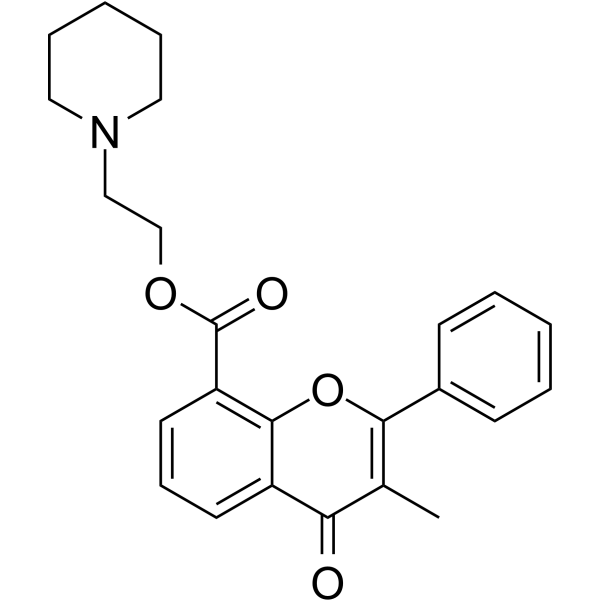
Flavoxate (Rec-7-0040 free base; DW61 free base) is an orally active L-type Ca 2+ channel inhibitor and antispasmodic. Flavoxate inhibits cyclic adenosine monophosphate production by blocking voltage-dependent inward Ba 2+ currents, regulating the brainstem micturition center, and stimulating G protein-coupled receptors. Consequently, Flavoxate induces relaxation of bladder smooth muscle and inhibits isovolumetric rhythmic contractions. Flavoxate effectively increases bladder capacity and alleviates symptoms of urgent urination frequency and pollakiuria caused by overactive bladder. Flavoxate can be used in research on overactive bladder and related voiding dysfunctions .
|
-
-
- HY-B0549AR
-
|
Rec-7-0040 (Standard); DW61 (Standard)
|
Reference Standards
mAChR
Calcium Channel
Adrenergic Receptor
Adenosine Receptor
Dopamine Receptor
|
Neurological Disease
|
|
Flavoxate (hydrochloride) (Standard) is the analytical standard of Flavoxate (hydrochloride). This product is intended for research and analytical applications. Flavoxate hydrochloride (Rec-7-0040; DW61) is an orally active L-type Ca 2+ channel inhibitor and antispasmodic. Flavoxate hydrochloride inhibits cyclic adenosine monophosphate production by blocking voltage-dependent inward Ba 2+ currents, regulating the brainstem micturition center, and stimulating G protein-coupled receptors. Consequently, Flavoxate hydrochloride induces relaxation of bladder smooth muscle and inhibits isovolumetric rhythmic contractions. Flavoxate hydrochloride effectively increases bladder capacity and alleviates symptoms of urgent urination frequency and pollakiuria caused by overactive bladder. Flavoxate hydrochloride can be used in research on overactive bladder and related voiding dysfunctions .
|
-

-
- HY-147590
-
|
|
CD73
|
Inflammation/Immunology
|
|
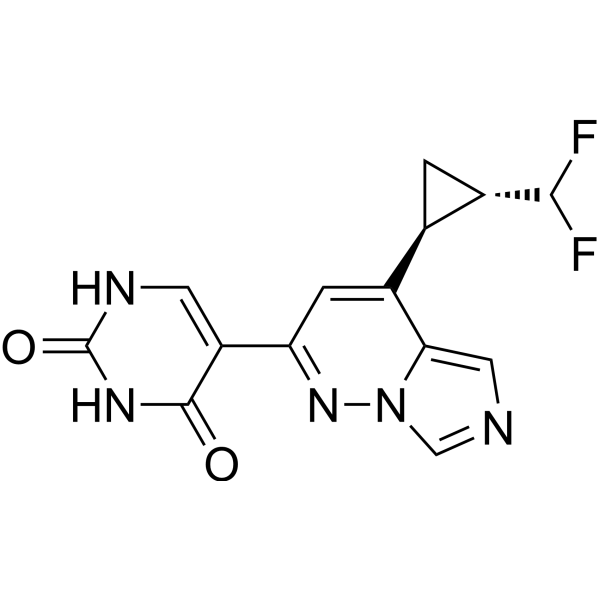
CD73-IN-9 (compound 2) is a potent inhibitor of CD73. CD73 can catalyze the production of adenosine from extracellular 5'-phosphate adenosine (5'-AMP), and adenosine can induce immunosuppressive effects and promote tumor proliferation and/or metastasis. CD73-IN-9 can be used for the study of tumor-related diseases .
|
-
-
- HY-179248
-
|
|
Adenosine Receptor
ERK
JNK
MMP
|
Cancer
|
|
Adenosine receptor antagonist 7 is an orally active triple A1/A2A/A2B adenosine receptor antagonist with Ki values of 1.5, 0.6 and 21 nM. Adenosine receptor antagonist 7 shows potent inhibitory activity (IC50 = 0.8 nM) of cAMP production in A2AR-HEK293 cells. Adenosine receptor antagonist 7 can enhance infiltration of effector T cells and increase the CD8+/Treg ratio companied with Avelumab (HY-108730). Adenosine receptor antagonist 7can be used for the research of cancer, such as colon cancer .
|
-

-
- HY-174986
-
|
|
CGRP Receptor
|
Cardiovascular Disease
|
|
CGRP antagonist 7 is a potent calcitonin gene-related peptide receptor (CGRP) antagonist with a Ki of 0.029 nM. CGRP antagonist 7 Inhibit the production of cyclic adenosine monophosphate (cAMP) with an IC50 of 1.5 nM. CGRP antagonist 7 can be used for the study of migraine .
|
-

-
- HY-13417S
-
|
Acadesine-13C2,15N; AICA Riboside-13C2,15N
|
Isotope-Labeled Compounds
Endogenous Metabolite
YAP
AMPK
Mitophagy
Autophagy
|
Others
|
|
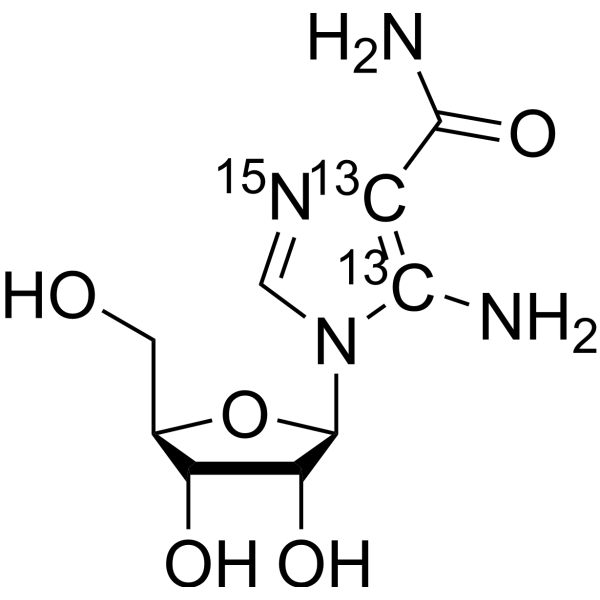
AICAR- 13C2, 15N (Acadesine- 13C2, 15N; AICA Riboside- 13C2, 15N) is the 13C and 15N labeled AICAR (HY-13417) . AICAR (Acadesine) is an adenosine analog and a AMPK activator. AICAR regulates the glucose and lipid metabolism, and inhibits proinflammatory cytokines and iNOS production. AICAR is also an autophagy, YAP and mitophagy inhibitor .
|
-
-
- HY-137370
-
|
HENECA; 2-Hexynyl-NECA
|
Adenosine Receptor
Amyloid-β
|
Neurological Disease
|
|
2-Hexynyl-5′-N-ethylcarboxamidoadenosine (HENECA) is a selective A2A adenosine receptor agonist. 2-Hexynyl-5′-N-ethylcarboxamidoadenosine increases intracellular cAMP level, and inhibits TNFα-evoked MMP-3 release. 2-Hexynyl-5′-N-ethylcarboxamidoadenosine induces Aβ42 production in SH-SY5Y cells .
|
-

-
- HY-N9515
-
|
|
Apoptosis
Reactive Oxygen Species (ROS)
|
Neurological Disease
Metabolic Disease
|
|
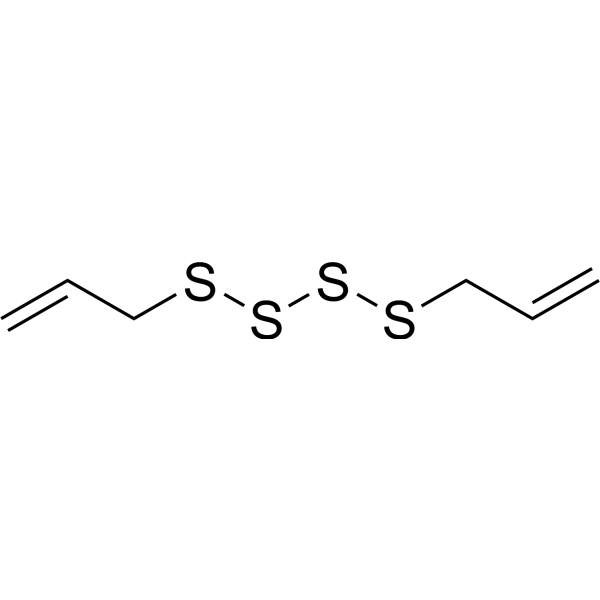
Diallyl tetrasulfide is an orally active diallyl tetrasulfide. Diallyl tetrasulfide ameliorates cadmium-induced changes in acetylcholinesterase and adenosine triphosphatase activities as well as oxidative stress injury in the brain of rats . Diallyl tetrasulfide inhibits lipid peroxidation in rat liver microsomes . Diallyl tetrasulfide ameliorates cadmium-induced oxidative liver injury in rats . Diallyl tetrasulfide protects cells against cadmium-induced loss of cell viability, reduces apoptosis rate and ROS production. Diallyl tetrasulfide is applicable to research related to cadmium-induced neurotoxicity and cadmium-induced oxidative liver injury .
|
-
-
- HY-137717A
-
|
|
CD73
|
Cancer
|
|
COPCP trisodium (Compound 7a) is a potent and selective ecto-5'-nucleotidase CD73 inhibitor. COPCP trisodium blocks CD73-mediated adenosine production, reducing the inhibitory effect of adenosine on immune cells. COPCP trisodium is promising for research of cancers .
|
-

-
- HY-N0113BR
-
|
Ordenina hydrochloride (Standard); Peyocactine hydrochloride (Standard)
|
Reference Standards
Bacterial
|
Infection
|
|
Hordenine (hydrochloride) (Standard) is the analytical standard of Hordenine (hydrochloride). This product is intended for research and analytical applications. Hordenine (hydrochloride), an alkaloid found in plants, inhibits melanogenesis by suppression of cyclic adenosine monophosphate (cAMP) production[1].
|
-

-
- HY-175195
-
|
|
Adenosine Receptor
Interleukin Related
IFNAR
Cytochrome P450
|
Inflammation/Immunology
Cancer
|
|
Adenosine receptor antagonist 6 is an orally active and selective A2A adenosine receptor (A2AAR) antagonist, with a Ki of 19.18 nM. Adenosine receptor antagonist 6 inhibits 5’-N-ethylcarboxamide adenosine (NECA) (HY-103173)-mediated cAMP production (IC50 = 0.089 μM) and immunosuppression, while promoting IL-2 and IFN-γ secretion. Adenosine receptor antagonist 6 abolishes the immunosuppressive effects of adenosine on T-cell activation and cytokine release. Adenosine receptor antagonist 6 inhibits tumor growth in a CT26/MC38 xenograft model. Adenosine receptor antagonist 6 can be used for the study of colon cancer .
|
-

-
- HY-147592
-
|
|
CD73
|
Inflammation/Immunology
Cancer
|
|
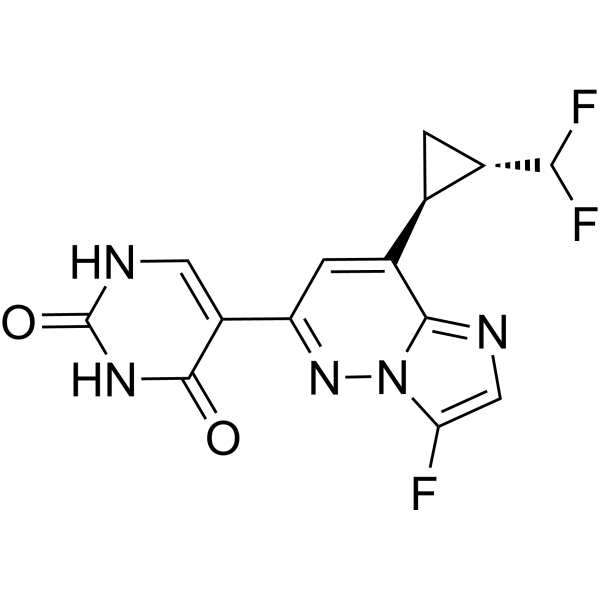
CD73-IN-11 (compound 24) is a potent inhibitor of CD73. CD73 can catalyze the production of adenosine from extracellular 5'-phosphate adenosine (5'-AMP), and adenosine can induce immunosuppressive effects and promote tumor proliferation and/or metastasis. CD73-IN-11 can be used for the study of tumor-related diseases .
|
-
-
- HY-147591
-
|
|
CD73
|
Inflammation/Immunology
Cancer
|
|
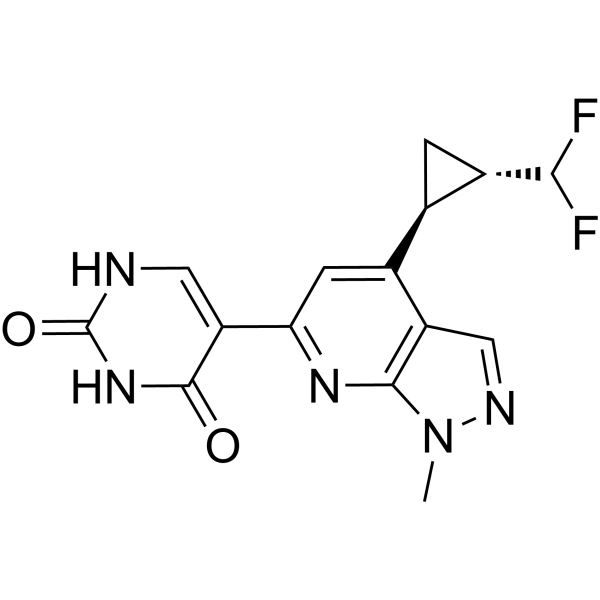
CD73-IN-10 (compound 4) is a potent inhibitor of CD73. CD73 can catalyze the production of adenosine from extracellular 5'-phosphate adenosine (5'-AMP), and adenosine can induce immunosuppressive effects and promote tumor proliferation and/or metastasis. CD73-IN-10 can be used for the study of tumor-related diseases .
|
-
-
- HY-147589
-
|
|
CD73
|
Cancer
|
|
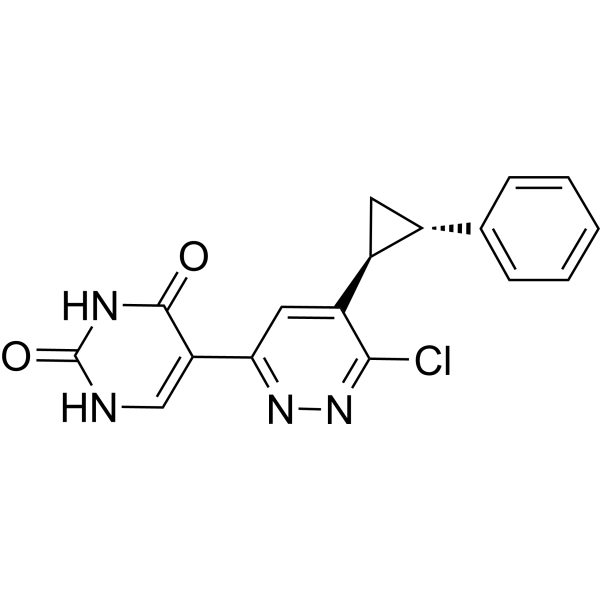
CD73-IN-8 (compound 57) is a potent inhibitor of CD73. CD73 can catalyze the production of adenosine from extracellular 5'-phosphate adenosine (5'-AMP), and adenosine can induce immunosuppressive effects and promote tumor proliferation and/or metastasis. CD73-IN-8 can be used for the study of tumor-related diseases .
|
-
-
- HY-147588
-
|
|
CD73
|
Cancer
|
|
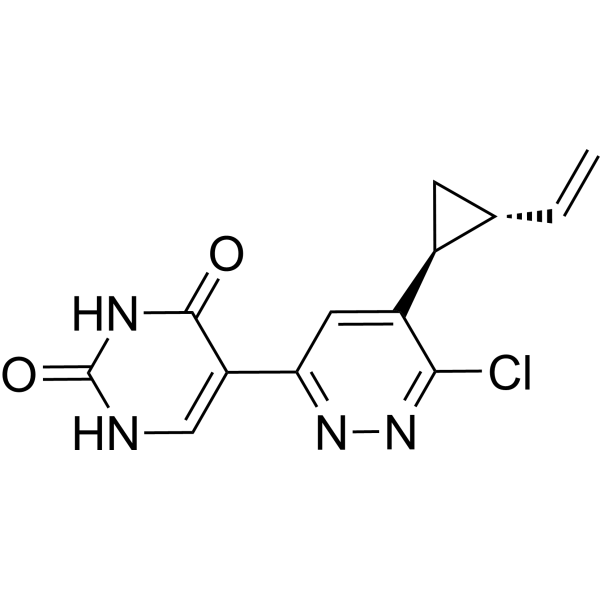
CD73-IN-7 (compound 13) is a potent inhibitor of CD73. CD73 can catalyze the production of adenosine from extracellular 5'-phosphate adenosine (5'-AMP), and adenosine can induce immunosuppressive effects and promote tumor proliferation and/or metastasis. CD73-IN-7 can be used for the study of tumor-related diseases .
|
-
-
- HY-N0113R
-
|
Ordenina (Standard); Peyocactine (Standard)
|
Reference Standards
Bacterial
Antibiotic
|
Infection
Cardiovascular Disease
|
|
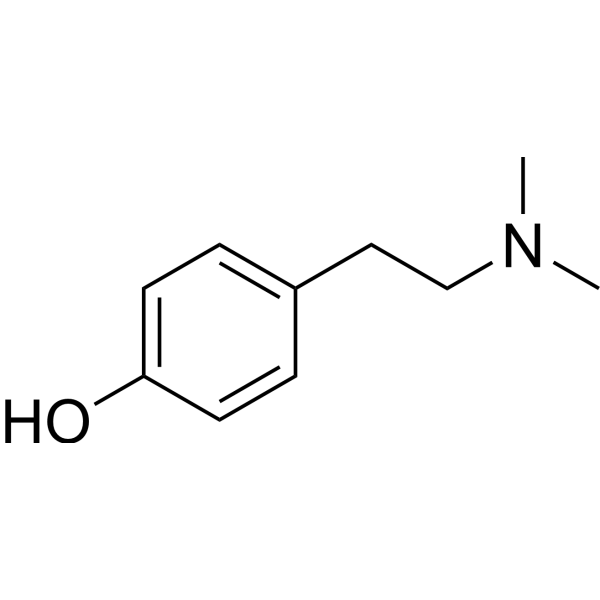
Hordenine (Standard) is the analytical standard of Hordenine. This product is intended for research and analytical applications. Hordenine, an alkaloid found in plants, inhibits melanogenesis by suppression of cyclic adenosine monophosphate (cAMP) production .
|
-
-
- HY-136978A
-
|
|
CD73
|
Inflammation/Immunology
Cancer
|
|
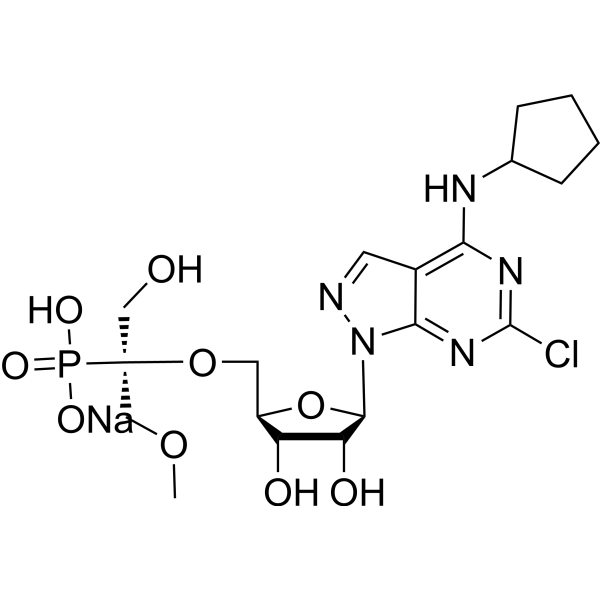
OP-5244 sodium is a potent and orally active inhibitor of CD73, with an IC50 of 0.25 nM. OP-5244 sodium reverses immunosuppression through blocking of adenosine production, and has the potential for the cancer research .
|
-
-
- HY-117569
-
|
|
TNF Receptor
|
Inflammation/Immunology
|
|
KF24345 free base is an orally active adenosine uptake inhibitor. KF24345 free base inhibits adenosine uptake by human, mouse, rabbit and hamster erythrocytes with IC50 values of 59.5, 130.1, 104.2 and 30.9 nM, respectively. KF24345 free base has anti-inflammatory activity and can inhibit LPS-induced TNF-α production and leukopenia in mice .
|
-

-
- HY-14132
-
|
|
CRFR
|
Neurological Disease
|
|
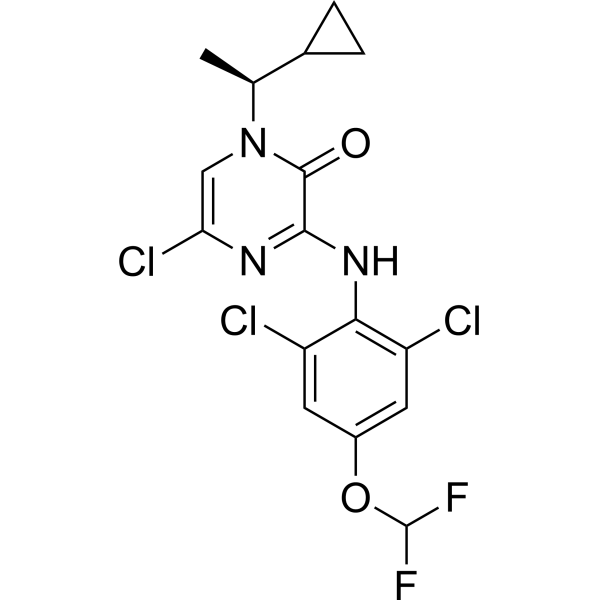
BMS-665053 is a corticotropin-releasing factor-1 (CRF1) receptor antagonist (IC50 = 1.0 nM). BMS-665053)11 is a potent inhibitor of CRF-stimulated cyclic adenosine monophosphate (cAMP) production in human Y-79 retinoblastoma cells (IC50 = 4.9 nM) .
|
-
-
- HY-158180
-
|
|
Adenosine Receptor
|
Inflammation/Immunology
|
|
A3AR agonist 4 is an A3 adenosine receptor (A3AR) agonist (Ki: 1.24 nM for hA3AR). A3AR agonist 4 inhibits cAMP production with an EC50 of 0.17 nM. A3AR agonist 4 can be used for research of inflammation and pain .
|
-

-
- HY-12689C
-
|
AG-348 hydrochloride
|
Pyruvate Kinase
|
Cardiovascular Disease
Metabolic Disease
|
|
Mitapivat (AG-348) hydrochloride is an orally active and selective allosteric pyruvate kinase R (PK-R) activator. Mitapivat hydrochloride accelerates the reaction of PK-R catalyzing the conversion of phosphoenolpyruvate to pyruvate, thereby promoting the glycolytic pathway, increasing the production of adenosine triphosphate (ATP) in red blood cells, and reducing the level of 2,3-diphosphoglycerate (2,3-DPG). Mitapivat hydrochloride is promising for research of pyruvate kinase deficiency and other anemia-related diseases .
|
-

-
- HY-B0549S
-
|
|
Isotope-Labeled Compounds
mAChR
Calcium Channel
Adrenergic Receptor
Adenosine Receptor
Dopamine Receptor
|
Others
|
|
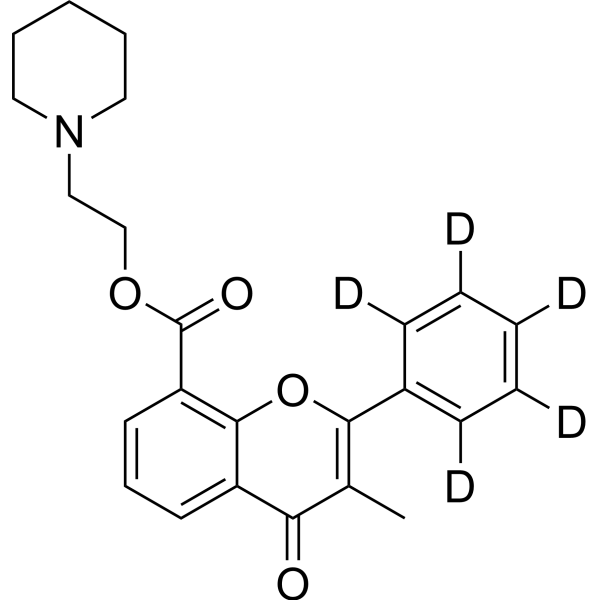
Flavoxate-d5 is deuterium labeled Flavoxate. Flavoxate hydrochloride (Rec-7-0040; DW61) is an orally active L-type Ca 2+ channel inhibitor and antispasmodic. Flavoxate hydrochloride inhibits cyclic adenosine monophosphate production by blocking voltage-dependent inward Ba 2+ currents, regulating the brainstem micturition center, and stimulating G protein-coupled receptors. Consequently, Flavoxate hydrochloride induces relaxation of bladder smooth muscle and inhibits isovolumetric rhythmic contractions. Flavoxate hydrochloride effectively increases bladder capacity and alleviates symptoms of urgent urination frequency and pollakiuria caused by overactive bladder. Flavoxate hydrochloride can be used in research on overactive bladder and related voiding dysfunctions .
|
-
-
- HY-B0549AS
-
|
|
Isotope-Labeled Compounds
mAChR
Calcium Channel
Adrenergic Receptor
Adenosine Receptor
Dopamine Receptor
|
Neurological Disease
|
|
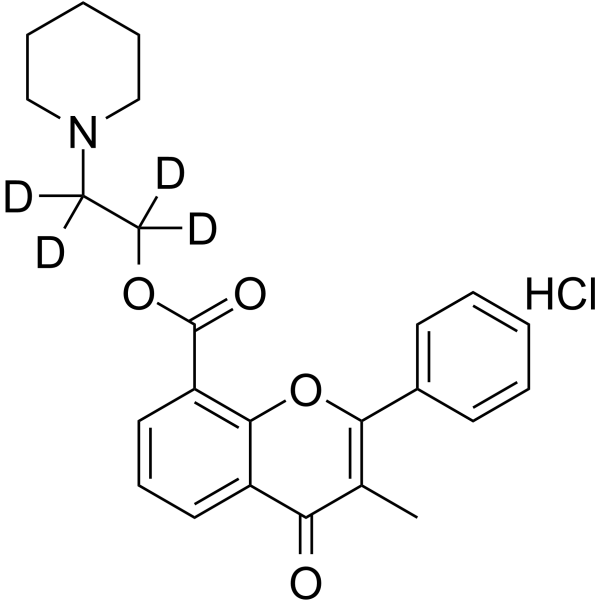
Flavoxate-d4 hydrochloride (Rec-7-0040-d4) is the deuterium labeled Flavoxate hydrochloride. Flavoxate hydrochloride (Rec-7-0040; DW61) is an orally active L-type Ca 2+ channel inhibitor and antispasmodic. Flavoxate hydrochloride inhibits cyclic adenosine monophosphate production by blocking voltage-dependent inward Ba 2+ currents, regulating the brainstem micturition center, and stimulating G protein-coupled receptors. Consequently, Flavoxate hydrochloride induces relaxation of bladder smooth muscle and inhibits isovolumetric rhythmic contractions. Flavoxate hydrochloride effectively increases bladder capacity and alleviates symptoms of urgent urination frequency and pollakiuria caused by overactive bladder. Flavoxate hydrochloride can be used in research on overactive bladder and related voiding dysfunctions .
|
-
-
- HY-182714
-
|
N6-Cyclopentyl-9-methyladenine
|
Adenosine Receptor
|
Cardiovascular Disease
Neurological Disease
|
|
N 0840 is a neutral antagonist of adenosine A1 receptor (A1AR), with a Ki value of 279 nM in rats and 1185 nM in humans. N 0840 modulates adenosine A1 receptor to increase forskolin-induced cyclic 3′,5′-adenosine monophosphate production, with a GTP shift value close to 1. N 0840 can be used in studies of neuroprotection, cardiovascular/renal function[1].
|
-

-
- HY-404647
-
-

-
- HY-P992446
-
|
|
NTPDase
|
Cancer
|
|
PUR001 is a monoclonal antibody targeting NTPDase 1 (CD39). PUR001 blocks the hydrolysis of extracellular ATP and ADP into AMP by inhibiting CD39, reduces the production of immunosuppressive adenosine, and increases extracellular ATP concentration to activate anti-tumor immune responses. PUR001 can be used in studies related to solid tumors .
|
-

-
- HY-183973
-
|
|
Thymidylate Synthase
|
Inflammation/Immunology
Cancer
|
|
MTXPG5 is a long-chain Methotrexate (HY-14519) metabolite and thymidylate synthase inhibitor with a Ki of 0.047 μM. MTXPG5 inhibits 5-aminoimidazole-4-carboxamide ribonucleotide transformylase, interferes with DNA synthesis and immune cell proliferation, and inhibits pro-inflammatory cytokine production via extracellular adenosine accumulation and elevated cAMP levels. MTXPG5 can be used for the research of leukaemia and rheumatoid arthritis .
|
-

-
- HY-182503
-
|
|
Adenosine Kinase
|
Others
Inflammation/Immunology
|
|
GP515 is a potent and selective adenosine kinase inhibitor with a human IC50 of 4 nM. GP515 exerts tissue protective effects, produces long-lasting hepatic microcirculation effects after hemorrhagic shock, and induces dose- and time-related VEGF mRNA and protein expression in normoxic rat myocardial myoblasts, with additive VEGF increases during mild hypoxia and no effect during severe hypoxia. GP515 suppresses IFNγ synthesis and CD69 expression in DSS-induced colitis. GP515 also shows a dose-dependent suppression of TNF-α production with an IC50 of 80 μM and can be reversed in the presence of the cAMP antagonist (Rp)-cAMPS. Combinations of GP515 with either adenosine or rolipram led to an additive inhibition of TNF-α synthesis. GP515 can be used for the research of hemorrhagic shock .
|
-

-
- HY-179724
-
|
|
5-HT Receptor
Dopamine Receptor
MMP
Cytochrome P450
|
Neurological Disease
|
|
PZ-1657 (Compound 57) is an orally active, blood-brain barrier permeable, highly selective, and metabolically stable 5-HT7 receptor inverse agonist with a Ki value of 5 nM. PZ-1657 inhibits constitutive cyclic adenosine monophosphate (cAMP) production mediated by the Gs signaling pathway (EC50 value of 2.93 nM). PZ-1657 inhibits CYP3A4 P450 (IC50 = 12.2 μM) and hERG channels. PZ-1657 reduces 5-HT7 receptor-mediated MMP-9 activity. PZ-1657 reverses Phencyclidine-induced cognitive impairment. PZ-1657 possesses antidepressant properties .
|
-

| Cat. No. |
Product Name |
Target |
Research Area |
Image |
-
- HY-P992446
-
|
|
NTPDase
|
Cancer
|
|
PUR001 is a monoclonal antibody targeting NTPDase 1 (CD39). PUR001 blocks the hydrolysis of extracellular ATP and ADP into AMP by inhibiting CD39, reduces the production of immunosuppressive adenosine, and increases extracellular ATP concentration to activate anti-tumor immune responses. PUR001 can be used in studies related to solid tumors .
|
-

(5)
| Cat. No. |
Product Name |
Category |
Target |
Chemical Structure |
| Cat. No. |
Product Name |
Chemical Structure |
-
- HY-N0113S
-
|
|
|
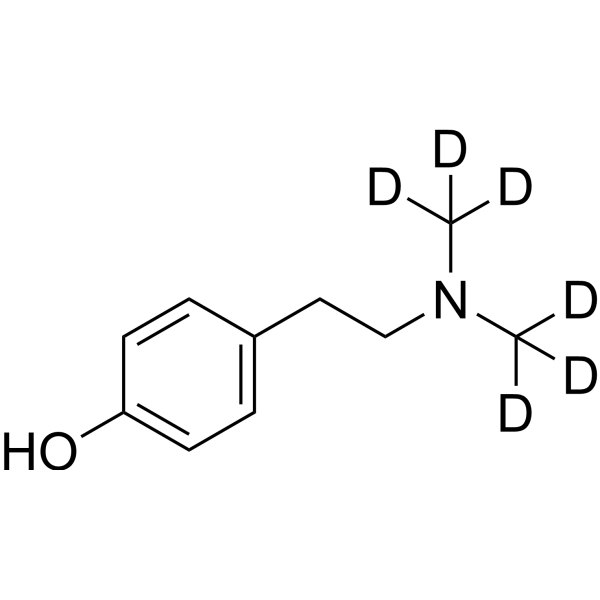
Hordenine-d6 (Ordenina-d6) is the deuterium labeled Hordenine. Hordenine, an alkaloid found in plants, inhibits melanogenesis by suppression of cyclic adenosine monophosphate (cAMP) production .
|
-
-
- HY-13417S
-
|
|
|
AICAR- 13C2, 15N (Acadesine- 13C2, 15N; AICA Riboside- 13C2, 15N) is the 13C and 15N labeled AICAR (HY-13417) . AICAR (Acadesine) is an adenosine analog and a AMPK activator. AICAR regulates the glucose and lipid metabolism, and inhibits proinflammatory cytokines and iNOS production. AICAR is also an autophagy, YAP and mitophagy inhibitor .
|
-
-
- HY-B0549S
-
|
|
|
Flavoxate-d5 is deuterium labeled Flavoxate. Flavoxate hydrochloride (Rec-7-0040; DW61) is an orally active L-type Ca 2+ channel inhibitor and antispasmodic. Flavoxate hydrochloride inhibits cyclic adenosine monophosphate production by blocking voltage-dependent inward Ba 2+ currents, regulating the brainstem micturition center, and stimulating G protein-coupled receptors. Consequently, Flavoxate hydrochloride induces relaxation of bladder smooth muscle and inhibits isovolumetric rhythmic contractions. Flavoxate hydrochloride effectively increases bladder capacity and alleviates symptoms of urgent urination frequency and pollakiuria caused by overactive bladder. Flavoxate hydrochloride can be used in research on overactive bladder and related voiding dysfunctions .
|
-
-
- HY-B0549AS
-
|
|
|
Flavoxate-d4 hydrochloride (Rec-7-0040-d4) is the deuterium labeled Flavoxate hydrochloride. Flavoxate hydrochloride (Rec-7-0040; DW61) is an orally active L-type Ca 2+ channel inhibitor and antispasmodic. Flavoxate hydrochloride inhibits cyclic adenosine monophosphate production by blocking voltage-dependent inward Ba 2+ currents, regulating the brainstem micturition center, and stimulating G protein-coupled receptors. Consequently, Flavoxate hydrochloride induces relaxation of bladder smooth muscle and inhibits isovolumetric rhythmic contractions. Flavoxate hydrochloride effectively increases bladder capacity and alleviates symptoms of urgent urination frequency and pollakiuria caused by overactive bladder. Flavoxate hydrochloride can be used in research on overactive bladder and related voiding dysfunctions .
|
-
| Cat. No. |
Product Name |
|
Classification |
-
- HY-W587488
-
|
3′-AMP
|
|
Nucleotide Analogs
Adenine Nucleotide
|
|
Adenosine 3’-monophosphate (3’-AMP) is a nucleotide. Adenosine 3’-monophosphate is a cyclic AMP production agonist. Adenosine 3’-monophosphate increases cyclic AMP levels concentration-dependently in NG108-15 cells. Adenosine 3’-monophosphate can be used in the determination of acid phosphatase activity of human serum, which is estabilished as a laboratory procedure in the diagnosis of prostate cancer, metastatic mammary cancer and Gaucher’s disease. Adenosine 3’-monophosphate inhibits human aortic and coronary vascular smooth muscle cell proliferation via A2B receptors .
|
Your information is safe with us. * Required Fields.
Inquiry Information
- Product Name:
- Cat. No.:
- Quantity:
- MCE Japan Authorized Agent:








