
1. Search Result
Search Result
Results for "

alcohol dehydrogenases

" in MedChemExpress (MCE) Product Catalog:

41

阻害剤およびアゴニスト

2

生化学アッセイ試薬

2

ペプチド

13

天然物

1

同位体標識化合物

Targets Recommended:
製品番号 製品名 Target 研究分野 構造式
  • HY-B0240
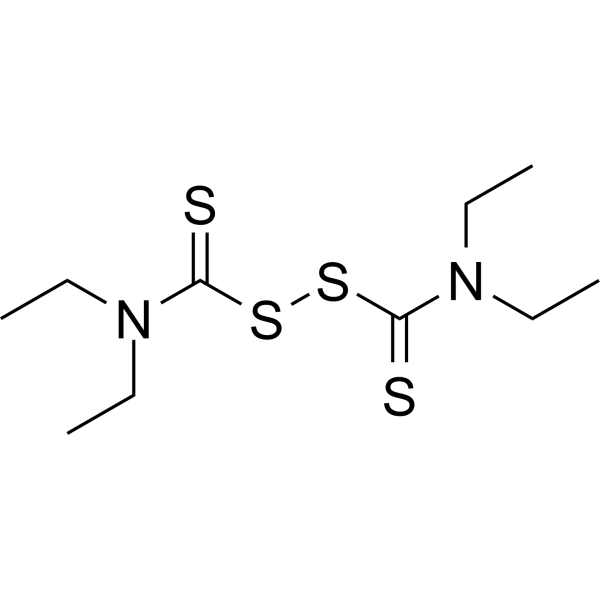
    Disulfiram
    Maximum Cited Publications
    141 Publications Verification

    Tetraethylthiuram disulfide; TETD

    Aldehyde Dehydrogenase (ALDH) Interleukin Related Pyroptosis Apoptosis Cuproptosis Metabolic Disease Cancer
    Disulfiram (Tetraethylthiuram disulfide) is a specific inhibitor of aldehyde-dehydrogenase (ALDH1), used for the treatment of chronic alcoholism by producing an acute sensitivity to alcohol. Disulfiram inhibits gasdermin D (GSDMD) pore formation in liposomes and inflammasome-mediated pyroptosis and IL-1β secretion in human and mouse cells. Disulfiram, a copper ion carrier, with Cu 2+ increases intracellular ROS levels and induces cuproptosis .
    Disulfiram
  • HY-B0876
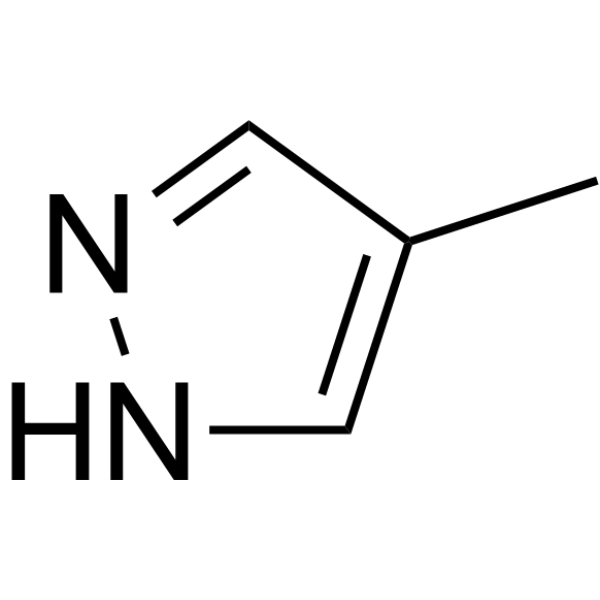
    Fomepizole
    4 Publications Verification

    4-Methylpyrazole

    Cytochrome P450 Metabolic Disease
    Fomepizole (4-Methylpyrazole) is a potent cytochrome P450 (CYP2E1) inhibitor. Fomepizole is a competitive inhibitor of the enzyme alcohol dehydrogenase. Fomepizole blocks further conversion of methanol and ethylene glycol to toxic metabolites. Fomepizole has the potential for an antidote for ethylene glycol or methanol poisoning .
    Fomepizole
  • HY-D0845
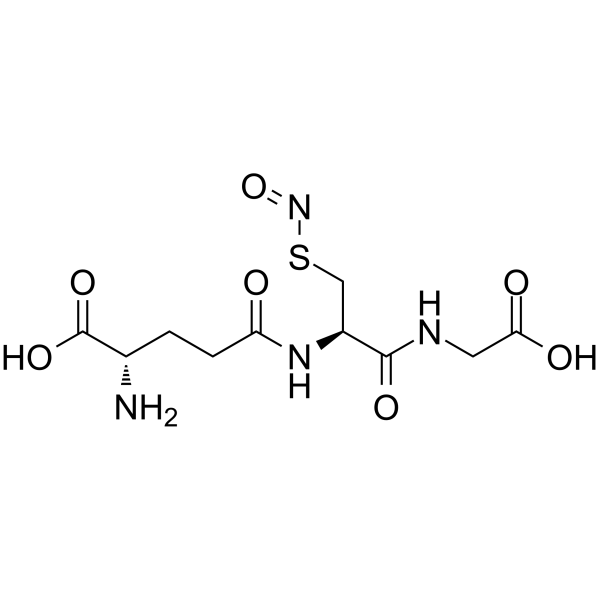
    Nitrosoglutathione
    5+ Cited Publications

    GSNO; RVC-588; S-Nitroso-L-glutathione

    Endogenous Metabolite Angiotensin Receptor Cardiovascular Disease Inflammation/Immunology
    Nitrosoglutathione (GSNO), a exogenous NO donor and a substrate for rat alcohol dehydrogenase class III isoenzyme, inhibits cerebrovascular angiotensin II-dependent and -independent AT1 receptor responses .
    Nitrosoglutathione
  • HY-19801
    CVT-10216
    3 Publications Verification

    Aldehyde Dehydrogenase (ALDH) Neurological Disease
    CVT-10216 is a highly selective, reversible aldehyde dehydrogenase-2 (ALDH-2) inhibitor with an IC50 of 29 nM. CVT-10216 also has inhibitory effect of ALDH-1 with an IC50 of 1.3 μM. CVT-10216 can reduce excessive alcohol drinking in alcohol-preferring rats and exhibit anxiolytic effects .
    CVT-10216
  • HY-N4067

    isoCDCA

    FXR Endogenous Metabolite Metabolic Disease
    Isochenodeoxycholic acid (isoCDCA) is a FXR agonist. Isochenodeoxycholic acid activates the activity of FXR and induces the mRNA expression of FXR target genes (Ostβ and Kng1). Isochenodeoxycholic acid serves as a substrate for the liver class I ADH γγ isozyme-mediated 3β-dehydrogenation reaction .
    Isochenodeoxycholic acid
  • HY-76006

    M-Hydroxybenzaldehyde

    Aldehyde Dehydrogenase (ALDH) NF-κB p38 MAPK Cardiovascular Disease Inflammation/Immunology
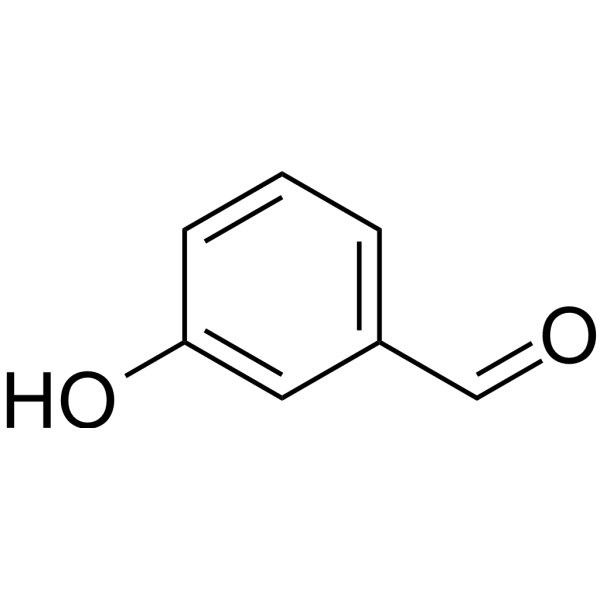
    3-Hydroxybenzaldehyde (3-HBA) is a precursor compound for phenolic compounds like Protocatechuic aldehyde (PCA) (HY-N0295). 3-Hydroxybenzaldehyde, produced by 3-hydroxybenzyl-alcohol dehydrogenase, is a substrate of aldehyde dehydrogenase (ALDH) in rats and humans. 3-Hydroxybenzaldehyde has vasculoprotective effects in vitro and in vivo. 3-Hydroxybenzaldehyde is proming for research of atherosclerosis .
    3-Hydroxybenzaldehyde
  • HY-B1229
    Isovaleramide
    1 Publications Verification

    3-Methylbutanamide

    GABA Receptor Neurological Disease Metabolic Disease
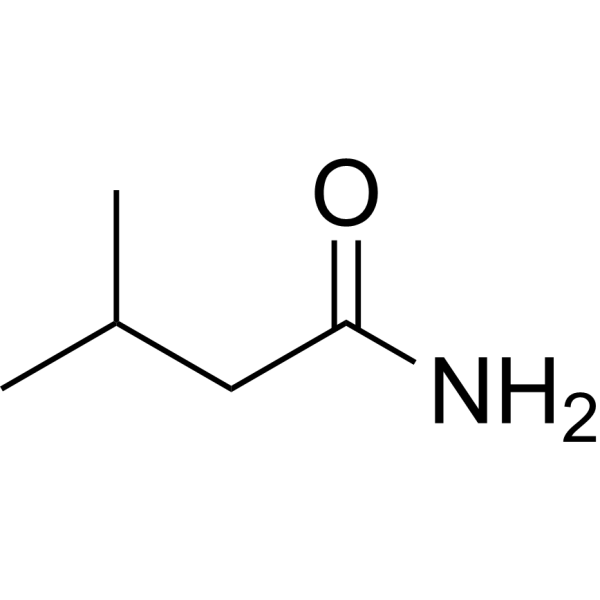
    Isovaleramide (3-Methylbutanamide) is an orally active anticonvulsant. Isovaleramide inhibits alcohol dehydrogenase (ADH) activity and regulates GABAergic system. Isovaleramide reduces acute kidney injury. Isovaleramide has antiepileptic, anxiolytic, sedative and hypnotic effects[1] .
    Isovaleramide
  • HY-76228

    Pyrazole

    Parasite iGluR Infection
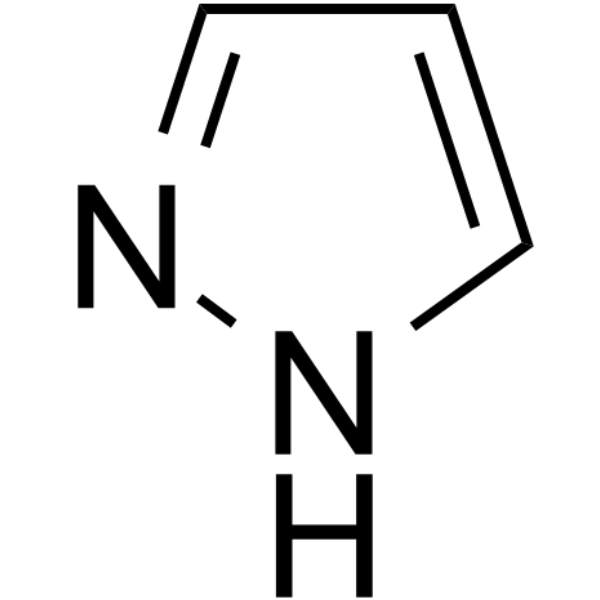
    1H-pyrazole (Pyrazole) is a five-membered heterocyclic compound, and its derivatives are orally effective antimalarial and antileishmanial agents with the potential to modulate targets such as alcohol dehydrogenase and NMDA receptors. 1H-pyrazole derivatives exhibit inhibitory effects on Plasmodium berghei in infected mice and on promastigotes of Leishmania aethiopica, respectively. 1H-pyrazole can be used in research related to malaria and leishmaniasis .
    1H-pyrazole
  • HY-B0240R

    Tetraethylthiuram disulfide (Standard); TETD (Standard)

    Reference Standards Aldehyde Dehydrogenase (ALDH) Interleukin Related Pyroptosis Apoptosis Cuproptosis Metabolic Disease Cancer
    Disulfiram (Standard) is the analytical standard of Disulfiram. This product is intended for research and analytical applications. Disulfiram (Tetraethylthiuram disulfide) is a specific inhibitor of aldehyde-dehydrogenase (ALDH1), used for the treatment of chronic alcoholism by producing an acute sensitivity to alcohol. Disulfiram inhibits gasdermin D (GSDMD) pore formation in liposomes and inflammasome-mediated pyroptosis and IL-1β secretion in human and mouse cells. Disulfiram + Cu 2+ increases intracellular ROS levels triggering apoptosis of ovarian cancer stem cells [1-6].
    Disulfiram (Standard)
  • HY-P2740

    EC 1.1.1.1

    Endogenous Metabolite Metabolic Disease
    Alcohol dehydrogenase, Saccharomyces cerevisiae is a dimeric protein in the cytosol of cells. Alcohol dehydrogenase, the key enzyme for alcohol consumption in the body, is the highest expressed in the liver and participates in the detoxification mechanism of environmental alcohol .
    Alcohol dehydrogenase, Saccharomyces cerevisiae
  • HY-118980

    Aldehyde Dehydrogenase (ALDH) Metabolic Disease
    Sorbitol dehydrogenase-IN-1 is a potent and orally active sorbitol dehydrogenase inhibitor with IC50 s of 4, 5 nM for rat and human, respectively. Sorbitol Dehydrogenase (SDH) is an enzyme that belongs to the zinc-containing alcohol dehydrogenase (ADH) family. ADH and ALDH are enzymes that work together to metabolize alcohol .
    Sorbitol dehydrogenase-IN-1
  • HY-W007330

    Aldehyde Dehydrogenase (ALDH) Microtubule/Tubulin Metabolic Disease
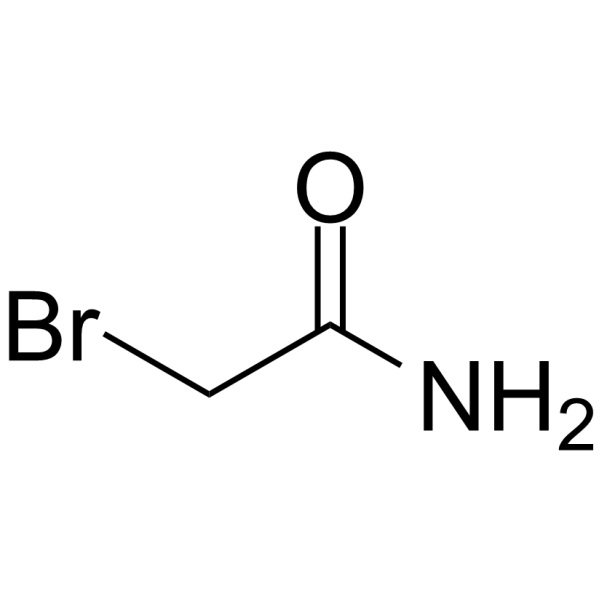
    2-Bromoacetamide is a disinfection byproduct. 2-Bromoacetamide can inactivate liver alcohol dehydrogenase and interfere with microtubule and actin cytoskeletal function. 2-Bromoacetamide is a potent developmental toxicant in animals .
    2-Bromoacetamide
  • HY-15374

    Amyloid-β Inflammation/Immunology
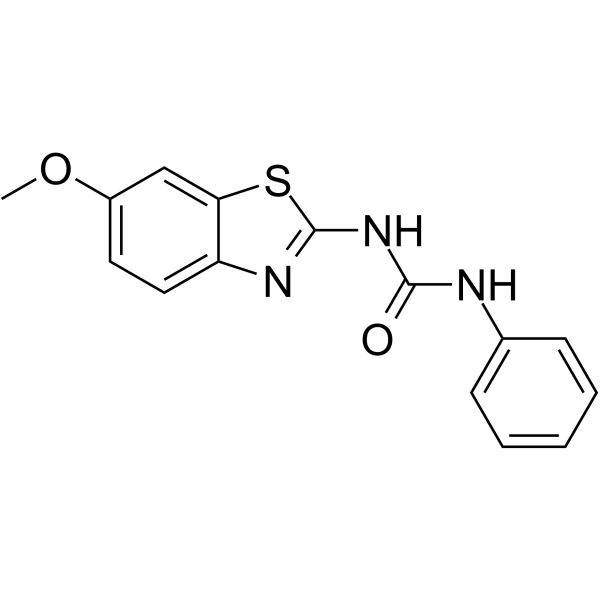
    Frentizole, an FDA-approved immunosuppressant, is a Aβ-ABAD (binding alcohol dehydrogenase) interaction inhibitor with an IC50 value of 200 μM. Frentizole is used in studies of diseases related to rheumatoid arthritis and systemic lupus erythematosus .
    Frentizole
  • HY-107030

    EMD-15700

    Aldehyde Dehydrogenase (ALDH) Metabolic Disease
    Nitrefazole is a 4-nitroimidazole derivative with strong and long lasting inhibition of aldehyde dehydrogenase (ALDH), an enzyme involved in the metabolism of alcohol.
    Nitrefazole
  • HY-W115789

    Environmental Pollutants Reactive Oxygen Species (ROS) Others
    Sodium silicate is a water-soluble silicate. Sodium silicate is widely used as a binder, particularly in the production of detergents, soaps, and cleaners. Sodium silicate promotes the deposition of suberin polyphenols and lignin at wound sites of potato tubers, accelerates callus structure formation, enhances ROS production, and induces the synthesis of total phenols and flavonoids. Sodium silicate reduces the weight loss rate and disease index of wounded potato tubers during storage .
    Sodium silicate
  • HY-B0876A
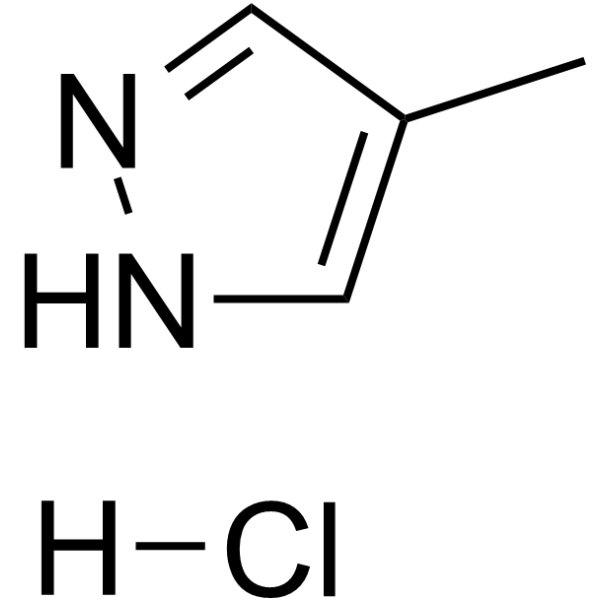
    Fomepizole hydrochloride
    4 Publications Verification

    4-Methylpyrazole hydrochloride

    Cytochrome P450 Metabolic Disease
    Fomepizole (4-Methylpyrazole) hydrochloride is a potent and orally active cytochrome P450 (CYP2E1) inhibitor. Fomepizole hydrochloride is a competitive inhibitor of the enzyme alcohol dehydrogenase. Fomepizole hydrochloride blocks further conversion of methanol and ethylene glycol to toxic metabolites. Fomepizole hydrochloride has the potential for an antidote for ethylene glycol or methanol poisoning .
    Fomepizole hydrochloride
  • HY-164690A

    Endogenous Metabolite Metabolic Disease
    Nicotinamide-guanine dinucleotide sodium, a NAD sodium (HY-B0445A) analog, is an oxidized forms of nicotinamide guanine dinucleotide. Nicotinamide-guanine dinucleotide sodium serves as coenzymes for alcohol dehydrogenase (ADH) in vitro .
    Nicotinamide-guanine dinucleotide sodium
  • HY-W015570

    4-Nitrobenzenemathanol; 4-Nitrobenzyl alcohol

    Biochemical Assay Reagents Others
    4-Nitrobenzyl alcohol (4-Nitrobenzenemathanol) is a nitro compound used as a reactant in drug synthesis. 4-Nitrobenzyl alcohol can be catalyzed to 4-nitrobenzaldehyde by the enzyme encoded by the benzyl alcohol dehydrogenase gene (ntnD) .
    4-Nitrobenzyl alcohol (4-Nitrobenzenemathanol)
  • HY-P2740B

    Endogenous Metabolite Metabolic Disease
    Alcohol dehydrogenase, yeast is an alcohol dehydrogenase expressed in yeast. It can catalyze the conversion between ethanol and acetaldehyde, while also reducing NAD or NADP, and it plays a role in glycolysis and aerobic respiration .
    Alcohol dehydrogenase, yeast
  • HY-N1177

    Aldehyde Dehydrogenase (ALDH) Inflammation/Immunology
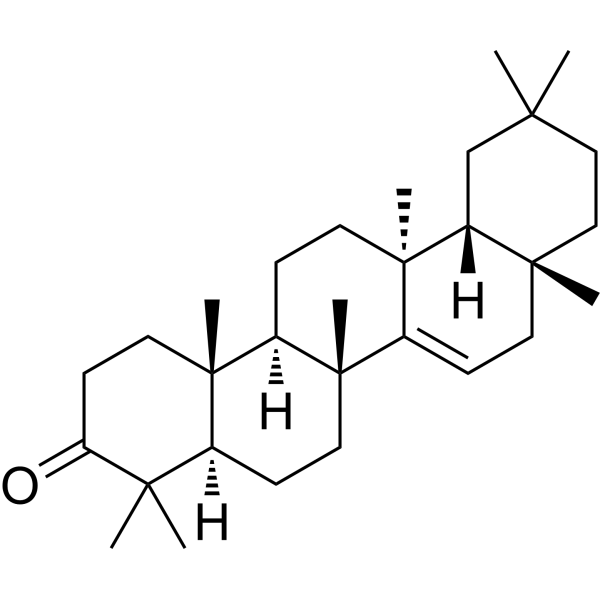
    Taraxerone is isolated from Sedum sarmentosum. Taraxerone enhances effects on alcohol dehydrogenase (ADH) and acetaldehyde dehydrogenase (ALDH) activities with EC50 values of 512.42 and 500.16 μM, respectively .
    Taraxerone
  • HY-148617

    Aldehyde Dehydrogenase (ALDH) Metabolic Disease
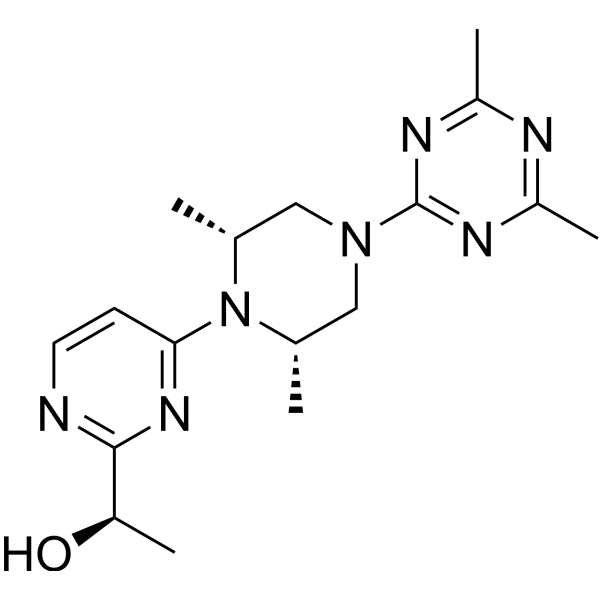
    ALDH2 modulator 1 is a potent and orally active aldehyde dehydrogenase-2 (ALDH2) modulator. ALDH2 modulator 1 reduces blood alcohol levels in mice .
    ALDH2 modulator 1
  • HY-W587751

    Amorpha-4,11-diene-12-ol

    Drug Intermediate Infection
    Arteannuic alcohol (Amorpha-4,11-diene-12-ol) is a precursor substance in the biosynthetic pathway of Artemisinin (HY-B0094). Alcohol dehydrogenase catalyzes the dehydrogenation reaction of chlorogenic alcohol to produce artemisinic aldehyde .
    Arteannuic alcohol
  • HY-Y0943

    Drug Metabolite Cancer
    Aldehyde Dehydrogenase Isobutyramide is an orally active liver alcohol dehydrogenase (LADH2) inhibitor. Isobutyramide inhibits ethanol metabolism and enhances differentiation-related gene expression, inducing cell cycle arrest and significantly reducing the growth rate of prostate cancer cells (LNCaP). Isobutyramide is promising for research of advanced prostate cancer .
    Isobutyramide
  • HY-33914

    Drug Metabolite Metabolic Disease
    4-Hydroxymethylpyrazole is the primary metabolite of Fomepizole (HY-B0876) produced through hepatic oxidative metabolism. 4-Hydroxymethylpyrazole exhibits a plasma concentration that is positively correlated with the administered dosage of Fomepizole, and it demonstrates a relatively short half-life. 4-Hydroxymethylpyrazole demonstrates inhibitory effects on alcohol dehydrogenase (ADH) in both humans and monkeys, but its inhibition constant is significantly higher than that of Fomepizole, rendering its in vivo impact negligible .
    4-Hydroxymethylpyrazole
  • HY-B0876R

    4-Methylpyrazole (Standard)

    Reference Standards Cytochrome P450 Metabolic Disease
    Fomepizole (Standard) is the analytical standard of Fomepizole. This product is intended for research and analytical applications. Fomepizole (4-Methylpyrazole) is a potent cytochrome P450 (CYP2E1) inhibitor. Fomepizole is a competitive inhibitor of the enzyme alcohol dehydrogenase. Fomepizole blocks further conversion of methanol and ethylene glycol to toxic metabolites. Fomepizole has the potential for an antidote for ethylene glycol or methanol poisoning .
    Fomepizole (Standard)
  • HY-107030R

    EMD-15700 (Standard)

    Aldehyde Dehydrogenase (ALDH) Reference Standards Metabolic Disease
    Nitrefazole (Standard) is the analytical standard of Nitrefazole. This product is intended for research and analytical applications. Nitrefazole is a 4-nitroimidazole derivative with strong and long lasting inhibition of aldehyde dehydrogenase (ALDH), an enzyme involved in the metabolism of alcohol.
    Nitrefazole (Standard)
  • HY-N13031

    Bacterial Infection
    Bellericagenin A is a pentacyclic triterpenic acid isolated from the bark of Terminalia bellerica. Bellericagenin A exhibits antimicrobial activity. Bellericagenin A exhibits a high affinity to alcohol dehydrogenase (ADH), which has the potential for ameliorating the alcoholic liver injury .
    Bellericagenin A
  • HY-Z12431

    KMD-3293

    Endogenous Metabolite Metabolic Disease
    Silodosin carboxylic acid impurity (KMD-3293) is an inactive silodosin metabolite. Silodosin carboxylic acid impurity is the major metabolite that can be generated via oxidation by alcohol and aldehyde dehydrogenase. Silodosin carboxylic acid impurity can be studied in research for benign prostatic hyperplasia .
    Silodosin carboxylic acid impurity
  • HY-D0845R

    GSNO (Standard); RVC-588 (Standard); S-Nitroso-L-glutathione (Standard)

    Reference Standards Endogenous Metabolite Angiotensin Receptor Cardiovascular Disease Inflammation/Immunology
    Nitrosoglutathione (Standard) (GSNO (Standard)) is the analytical standard of Nitrosoglutathione (HY-D0845). This product is intended for research and analytical applications. Nitrosoglutathione (GSNO), a exogenous NO donor and a substrate for rat alcohol dehydrogenase class III isoenzyme, inhibits cerebrovascular angiotensin II-dependent and -independent AT1 receptor responses. x
    Nitrosoglutathione (Standard)
  • HY-76006R

    M-Hydroxybenzaldehyde (Standard)

    Reference Standards Aldehyde Dehydrogenase (ALDH) NF-κB p38 MAPK Cardiovascular Disease Inflammation/Immunology
    3-Hydroxybenzaldehyde (Standard) is the analytical standard of 3-Hydroxybenzaldehyde. This product is intended for research and analytical applications. 3-Hydroxybenzaldehyde (3-HBA) is a precursor compound for phenolic compounds like Protocatechuic aldehyde (PCA) (HY-N0295). 3-Hydroxybenzaldehyde, produced by 3-hydroxybenzyl-alcohol dehydrogenase, is a substrate of aldehyde dehydrogenase (ALDH) in rats and humans. 3-Hydroxybenzaldehyde has vasculoprotective effects in vitro and in vivo. 3-Hydroxybenzaldehyde is proming for research of atherosclerosis[1][2][3][4].
    3-Hydroxybenzaldehyde (Standard)
  • HY-76228R

    Pyrazole (Standard)

    Reference Standards Parasite iGluR Infection Inflammation/Immunology
    1H-pyrazole (Standard) is the analytical standard of 1H-pyrazole. This product is intended for research and analytical applications. 1H-pyrazole (Pyrazole) is a five-membered heterocyclic compound, and its derivatives are orally effective antimalarial and antileishmanial agents with the potential to modulate targets such as alcohol dehydrogenase and NMDA receptors. 1H-pyrazole derivatives exhibit inhibitory effects on Plasmodium berghei in infected mice and on promastigotes of Leishmania aethiopica, respectively. 1H-pyrazole can be used in research related to malaria and leishmaniasis .
    1H-pyrazole (Standard)
  • HY-W150407

    Endogenous Metabolite Others
    2-Tridecanol is a metabolite that can be found in extra virgin coconut oil, and serves as a growth substrate for Pseudomonas multivorans. 2-Tridecanol can be metabolized by Pseudomonas multivorans and Pseudomonas aeruginosa to produce 2-tridecanone, undecyl acetate, and 1-undecanol, and acts as a metabolic intermediate in their 2-tridecanone catabolic pathway .
    2-Tridecanol
  • HY-N17378

    Others Others
    Camelliquercetiside B is a natural product. Camelliquercetiside B can be isolated from the leaves of Camellia sinensis. Camelliquercetiside B inhibits alcohol dehydrogenase (Alcohol dehydrogenase), with an IC50 of 13.7 μM against yeast alcohol dehydrogenase. Camelliquercetiside B exhibits scavenging activity against DPPH free radicals .
    Camelliquercetiside B
  • HY-33914R

    Drug Metabolite Reference Standards Metabolic Disease
    4-Hydroxymethylpyrazole (Standard) is an analytical standard for 4-Hydroxymethylpyrazole (HY-33914). This product is intended for research and analytical applications. 4-Hydroxymethylpyrazole is the primary metabolite of fomepizole (HY-B0876) via hepatic oxidative metabolism. 4-Hydroxymethylpyrazole exhibits a plasma concentration that is positively correlated with the administered dosage of Fomepizole, and it demonstrates a relatively short half-life. 4-Hydroxymethylpyrazole inhibits alcohol dehydrogenase (ADH) in humans and monkeys, but the inhibition constant is much higher than that of fomepizole and is therefore negligible in vivo
    4-Hydroxymethylpyrazole (Standard)
  • HY-N17379

    Others Others
    Camelliquercetiside D is a natural product. Camelliquercetiside D can be isolated from the leaves of Camellia sinensis. Camelliquercetiside D inhibits alcohol dehydrogenase, with an IC50 of 41.5 μM against yeast ADH. Camelliquercetiside D exhibits scavenging activity against DPPH .
    Camelliquercetiside D
  • HY-P2740C

    Endogenous Metabolite Metabolic Disease
    Alcohol Dehydrogenase(NADP+ dependent), Thermoanaerobium brockii (EC 1.1.1.2) is involved in the reduction of biogenic and xenobiotic aldehydes and is present in virtually every tissue.
    Alcohol Dehydrogenase(NADP+ dependent), Thermoanaerobium brockii
  • HY-E70398A

    Endogenous Metabolite Metabolic Disease
    Sorbitol dehydrogenase, Sheep (EC 1.1.1.14) is an enzyme in carbohydrate metabolism that converts sorbitol, the sugar alcohol form of glucose, into fructose. Sorbitol dehydrogenase works in conjunction with aldose reductase, enabling the body to utilize glucose to produce fructose without ATP consumption. Sorbitol dehydrogenase uses NAD+ as a cofactor, and zinc ions also participate in the catalytic process.
    Sorbitol Dehydrogenase, Sheep
  • HY-E70931

    Endogenous Metabolite Metabolic Disease
    Aromatic Alcohol Dehydrogenase (NADP+ dependent), Thermoanaerobium sp. (EC 1.1.1.2), is involved in the reduction of both biological and exogenous aldehydes and is present in almost all tissues.
    Aromatic Alcohol Dehydrogenase(NADP+ dependent), Thermoanaerobium sp.
  • HY-P2993B

    Isocitrate Dehydrogenase (IDH) Others
    Isocitrate dehydrogenase (NAD+) , Bacteria (EC 1.1.1.41) is an enzyme that catalyzes the oxidative decarboxylation of Isocitrate, producing alpha-ketoglutarate (α-ketoglutarate) and CO2. This is a two-step process, which involves oxidation of Isocitrate (a secondary alcohol) to oxalosuccinate (a ketone) , followed by the decarboxylation of the carboxyl group beta to the ketone, forming alpha-ketoglutarate.
    Isocitrate dehydrogenase (NAD+), Bacteria
  • HY-N20617

    Drug Metabolite Endogenous Metabolite Cytochrome P450 Infection
    (2E,6E,10E)-12-Hydroxyfarnesol is a metabolite of Farnesol (HY-Y0248A). (2E,6E,10E)-12-Hydroxyfarnesol forms via CYP2E1- and CYP2C19-mediated ω-hydroxylation of Farnesol in mammalian systems, and via CYP2E1-catalyzed selective hydroxylation of Farnesol in mammalian cells. (2E,6E,10E)-12-Hydroxyfarnesol is produced by the endophytic fungus Aspergillus sp. AST0006. When cholesterol synthesis is blocked, (2E,6E,10E)-12-Hydroxyfarnesol acts as a precursor for the formation of α,β-dicarboxylic acid .
    (2E,6E,10E)-12-Hydroxyfarnesol
  • HY-W724345

    4-Methylpyrazole-d2

    Isotope-Labeled Compounds Cytochrome P450 Metabolic Disease
    Fomepizole-d2 (4-Methylpyrazole-d2) is the deuterium labeled Fomepizole (HY-B0876). Fomepizole (4-Methylpyrazole) is a potent cytochrome P450 (CYP2E1) inhibitor. Fomepizole is a competitive inhibitor of the enzyme alcohol dehydrogenase. Fomepizole blocks further conversion of methanol and ethylene glycol to toxic metabolites. Fomepizole has the potential for an antidote for ethylene glycol or methanol poisoning .
    Fomepizole-d2

オンラインお問い合わせ

入力情報は安全に管理されます. 必須入力項目.

タイトル


国或いは地域 *

お名前 *


組纖名 *

デパートメント *


メールアドレス *


製品名 *

製品番号


カスタマ需要量 *

電話番号 *


必ず会社名を記載ください。個人への返信は行いません。

備考

バルクお問い合わせ

Inquiry Information

製品名:
製品番号:
数量:
MCE 日本正規代理店:

