1. Search Result
Search Result
Results for "

alcohol metabolite

" in MedChemExpress (MCE) Product Catalog:

53

Inhibitors & Agonists

22

Natural
Products

10

Isotope-Labeled Compounds

Cat. No. Product Name Target Research Areas Chemical Structure
  • HY-B0876
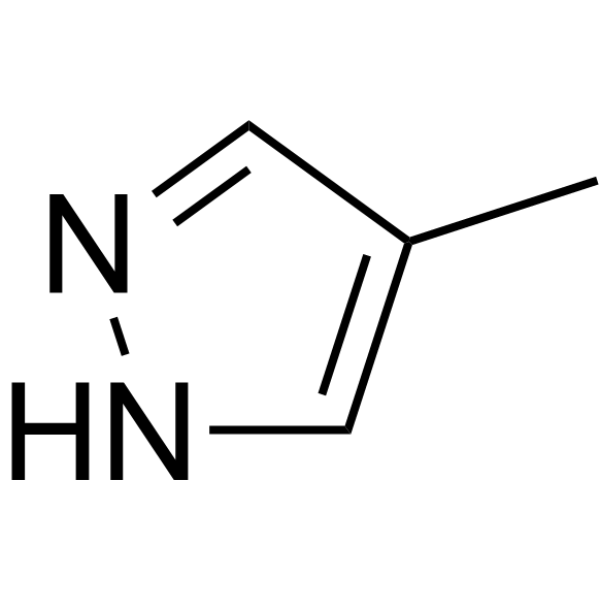
    Fomepizole
    4 Publications Verification

    4-Methylpyrazole

    Cytochrome P450 Metabolic Disease
    Fomepizole (4-Methylpyrazole) is a potent cytochrome P450 (CYP2E1) inhibitor. Fomepizole is a competitive inhibitor of the enzyme alcohol dehydrogenase. Fomepizole blocks further conversion of methanol and ethylene glycol to toxic metabolites. Fomepizole has the potential for an antidote for ethylene glycol or methanol poisoning .
    Fomepizole
  • HY-W010155
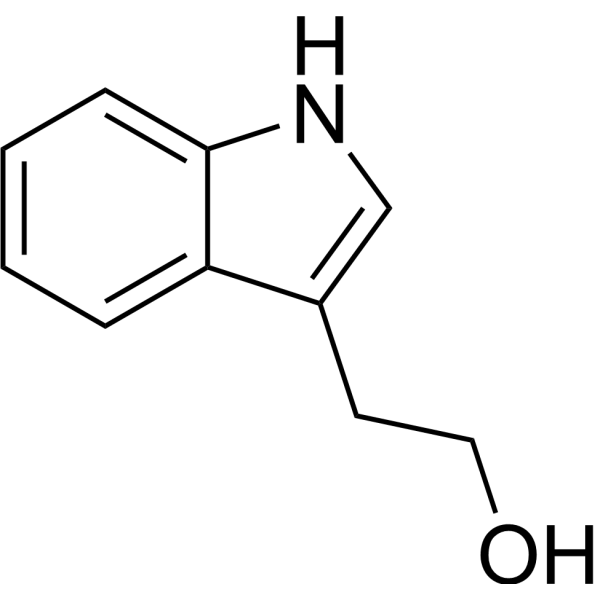
    Tryptophol
    2 Publications Verification

    Indole-3-ethanol

    Endogenous Metabolite Apoptosis Caspase Bacterial Infection Cardiovascular Disease Neurological Disease Metabolic Disease Inflammation/Immunology
    Tryptophol is an aromatic alcohol and secondary metabolite produced by microorganisms. Tryptophol induces apoptosis and cleavage of caspase-8. Tryptophol inhibits Cunninghamella blakesleeana biofilm. Tryptophol has anti-phage infection, biofilm formation regulation, anti-inflammatory, hemolytic, sleep induction, temperature change, seizure susceptibility and immune regulation activities. Tryptophol is used in the research of African trypanosomiasis, sleep disorders, epilepsy .
    Tryptophol
  • HY-N6662

    Environmental Pollutants Endogenous Metabolite Others
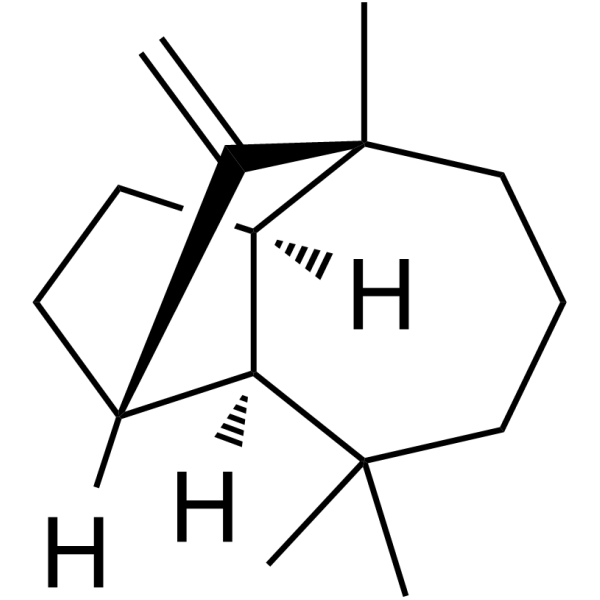
    (+)-Longifolene is a sesquiterpenoid and a metabolite in rabbits. (+)-Longifolen is converted to primary, secondary or tertiary alcohols in rabbits, among which the primary alcohol is predominant .
    (+)-Longifolene
  • HY-113093

    Endogenous Metabolite Toll-like Receptor (TLR) Neurological Disease
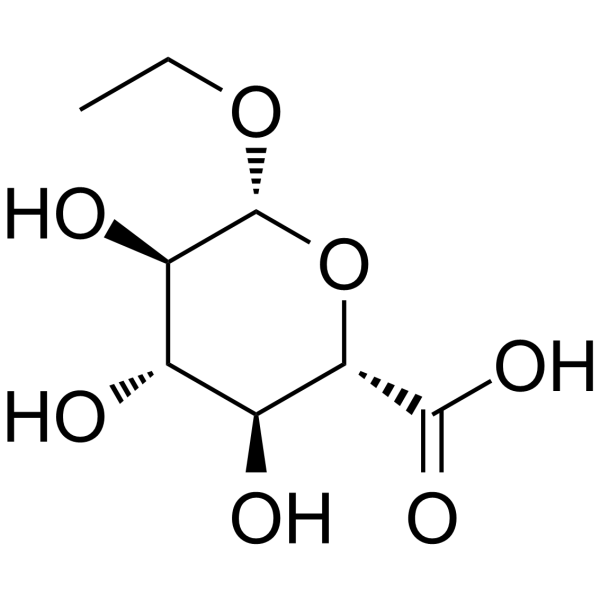
    Ethyl glucuronide is an endogenous metabolite. Ethyl glucuronide is the metabolite of ethanol. Ethyl glucuronide is a biomarker for ethanol exposure that accumulates in hair and reflects the alcohol intake over a time period. Ethyl glucuronide is the agonist for TLR4 .
    Ethyl glucuronide
  • HY-G0022

    13-Dihydroadriamycin hydrochloride

    Drug Metabolite Cancer
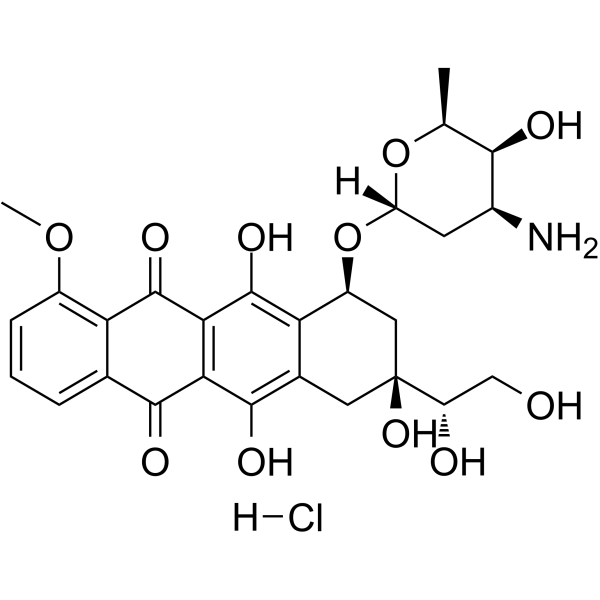
    Doxorubicinol hydrochloride (13-Dihydroadriamycin hydrochloride) is a secondary alcohol metabolite of Doxorubicin .
    Doxorubicinol hydrochloride
  • HY-W041019
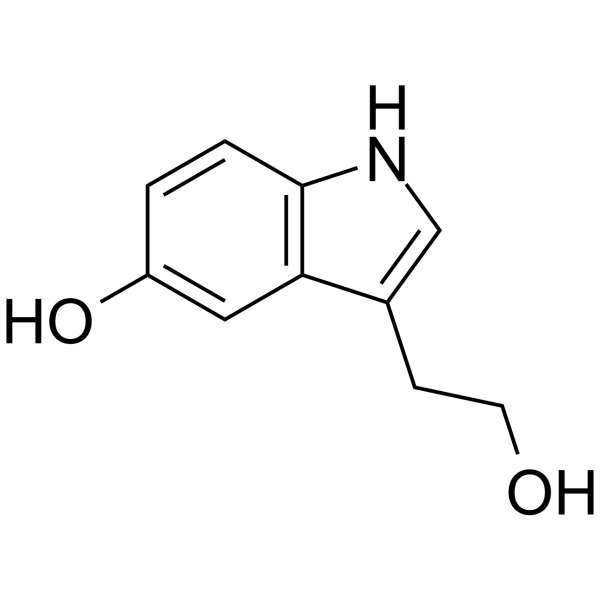
    5-Hydroxytryptophol
    1 Publications Verification

    Endogenous Metabolite Metabolic Disease
    5-Hydroxytryptophol is a mammalian serotonin metabolite that can be used as a sensitive biomarker for recent alcohol intake. 5-Hydroxytryptophol is formed by alcohol-induced changes in the serotonin metabolic pathway and is excreted in the urine as a glucuronic acid conjugate. 5-Hydroxytryptophol is elevated in urine excretion and can be used clinically to monitor alcohol intake in scenarios such as alcohol relapse .
    5-Hydroxytryptophol
  • HY-107858
    Veratryl alcohol
    1 Publications Verification

    3,4-Dimethoxybenzyl alcohol

    Endogenous Metabolite Bacterial Infection
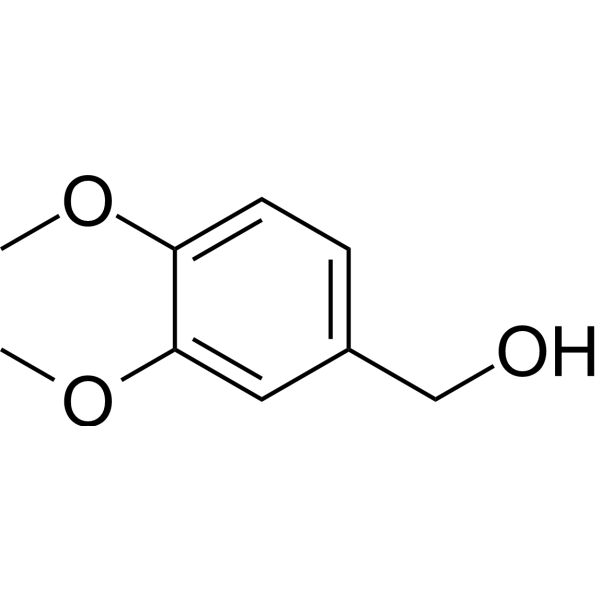
    Veratryl alcohol (3,4-Dimethoxybenzyl alcohol) is a secondary metabolite of lignin-degrading fungi, commonly used as a substrate for lignin peroxidase (LiP) to measure lignin degradation activity. Veratryl alcohol protects LiP from inactivation by H2O2 and prevents the accumulation of LiP III compounds. Veratryl alcohol also acts as a stabilizer for manganese-dependent peroxidases (MnP). Veratryl alcohol is a quorum-sensing inhibitor (QSI) and exhibits antibacterial efficacy .
    Veratryl alcohol
  • HY-N1867

    PPAR Metabolic Disease
    trans-Cinnamyl alcohol is a trans-isomer of Cinnamyl alcohol. Cinnamyl Alcohol is an active component from chestnut flower, inhibits increased PPARγ expression, with anti-obesity activity. trans-Cinnamyl alcohol, belongs to the class of organic compounds known as cinnamyl alcohols, is a primary metabolite .
    trans-Cinnamyl alcohol
  • HY-113093S

    Isotope-Labeled Compounds Endogenous Metabolite Toll-like Receptor (TLR) Neurological Disease
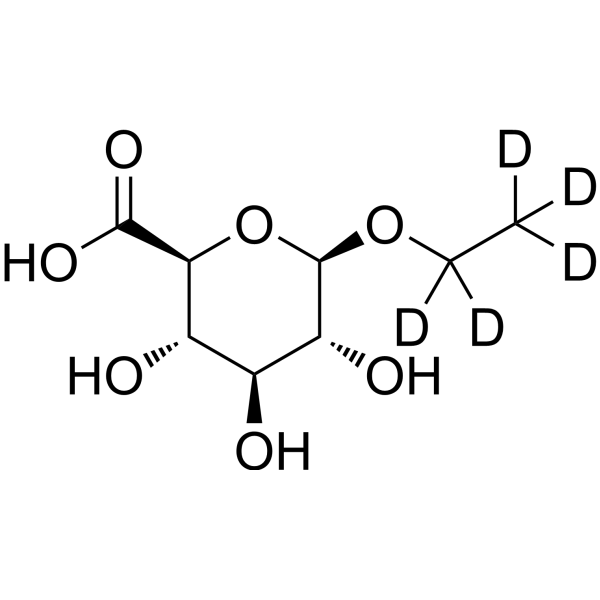
    Ethyl glucuronide-d5 is the deuterium labeled Ethyl glucuronide (HY-113093) . Ethyl glucuronide is an endogenous metabolite. Ethyl glucuronide is the metabolite of ethanol. Ethyl glucuronide is a biomarker for ethanol exposure that accumulates in hair and reflects the alcohol intake over a time period. Ethyl glucuronide is the agonist for TLR4 .
    Ethyl glucuronide-d5
  • HY-N7513

    TNF Receptor Drug Metabolite Cardiovascular Disease
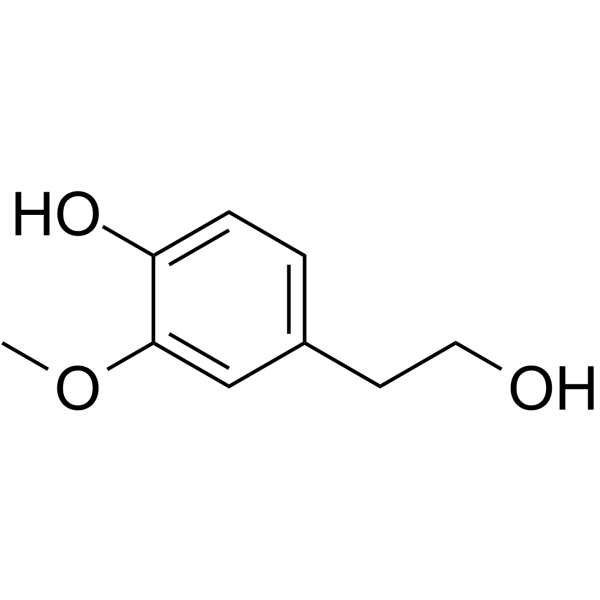
    Homovanillyl alcohol is a biological metabolite of Hydroxytyrosol. Hydroxytyrosol is a phenolic compound that is present in virgin olive oil (VOO) and wine. Homovanillyl alcohol protects red blood cells (RBCs) from oxidative injury and has protective effect on cardiovascular disease .
    Homovanillyl alcohol
  • HY-14572

    SN 27858

    DNA Alkylator/Crosslinker Drug Metabolite Cancer
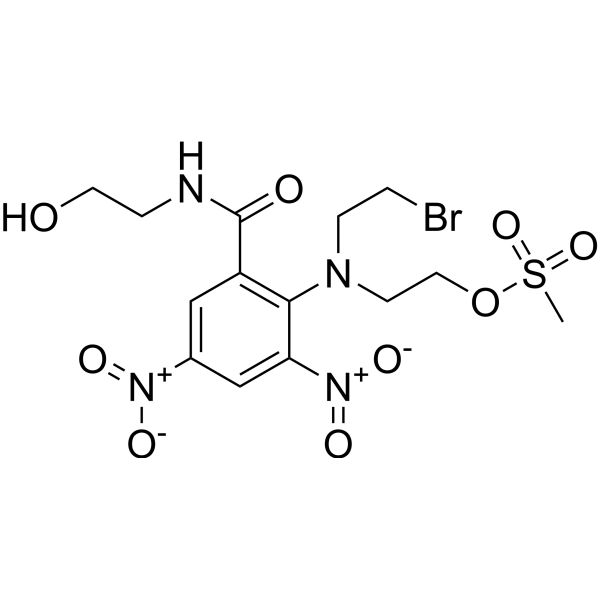
    PR-104A (SN 27858) is the alcohol metabolite of phosphate proagent PR-104. PR-104A is a hypoxia-selective DNA cross-linking agent/DNA-damaging agent and cytotoxin. Antitumor Activity . PR-104A is metabolized under hypoxia by the 1-electron NADPH:cytochrome P450 oxidoreductase. PR-104A can be used for the research of relapsed/refractory T-lineage acute lymphoblastic leukemia (T-ALL) .
    PR-104A
  • HY-136410

    Endogenous Metabolite Metabolic Disease
    4-hydroxy Nonenal Mercapturic Acid is a major urinary metabolite of 4-hydroxy-2-nonenal (4-HNE). 4-hydroxy Nonenal Mercapturic Acid metabolites include reduced alcohols, aldehydes, and carboxylic acids, which further form gamma-lactols and gamma-lactones, resulting in 4-5 final urinary metabolites in vivo. 4-hydroxy Nonenal Mercapturic Acid can be used as a biomarker to assess oxidative stress .
    4-hydroxy Nonenal Mercapturic Acid
  • HY-B0876A
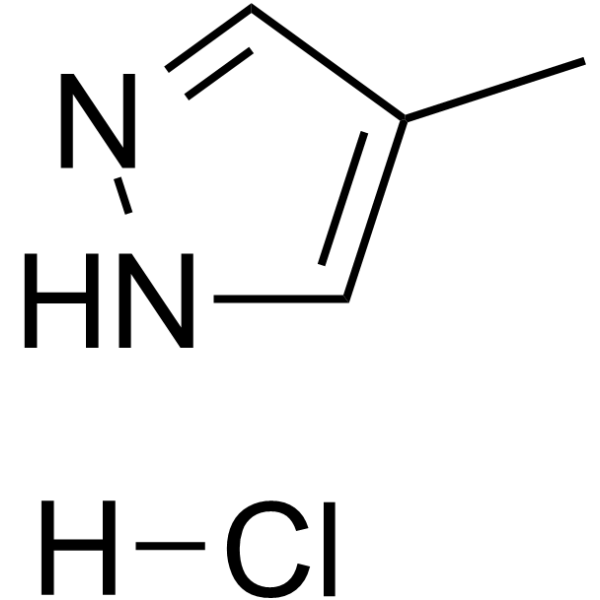
    Fomepizole hydrochloride
    4 Publications Verification

    4-Methylpyrazole hydrochloride

    Cytochrome P450 Metabolic Disease
    Fomepizole (4-Methylpyrazole) hydrochloride is a potent and orally active cytochrome P450 (CYP2E1) inhibitor. Fomepizole hydrochloride is a competitive inhibitor of the enzyme alcohol dehydrogenase. Fomepizole hydrochloride blocks further conversion of methanol and ethylene glycol to toxic metabolites. Fomepizole hydrochloride has the potential for an antidote for ethylene glycol or methanol poisoning .
    Fomepizole hydrochloride
  • HY-W010155R

    Indole-3-ethanol (Standard)

    Reference Standards Endogenous Metabolite Apoptosis Caspase Bacterial Infection Cardiovascular Disease Neurological Disease Metabolic Disease Inflammation/Immunology
    Tryptophol (Standard) (Indole-3-ethanol (Standard)) is an analytical standard of Tryptophol (HY-W010155). This product is intended for use in research and analytical applications.Tryptophol is an aromatic alcohol and secondary metabolite produced by microorganisms. Tryptophol induces Apoptosis and cleavage of caspase-8. Tryptophol inhibits Cunninghamella blakesleeana biofilm. Tryptophol has anti-phage infection, biofilm formation regulation, anti-inflammatory, hemolytic, sleep induction, temperature change, seizure susceptibility and immune regulation activities. Tryptophol is used in the research of African trypanosomiasis, sleep disorders, epilepsy.
    Tryptophol (Standard)
  • HY-W750342

    Indole-3-ethanol-d4

    Isotope-Labeled Compounds Endogenous Metabolite Apoptosis Caspase Bacterial Infection Cardiovascular Disease Neurological Disease Metabolic Disease Inflammation/Immunology
    Tryptophol-d4 (Indole-3-ethanol-d4) is the deuterium labeled Tryptophol (HY-W010155). Tryptophol is an aromatic alcohol and secondary metabolite produced by microorganisms. Tryptophol induces apoptosis and cleavage of caspase-8. Tryptophol inhibits Cunninghamella blakesleeana biofilm. Tryptophol has anti-phage infection, biofilm formation regulation, anti-inflammatory, hemolytic, sleep induction, temperature change, seizure susceptibility and immune regulation activities. Tryptophol is used in the research of African trypanosomiasis, sleep disorders, epilepsy .
    Tryptophol-d4
  • HY-N3102A

    (E)-p-Hydroxycinnamyl alcohol

    Others Inflammation/Immunology
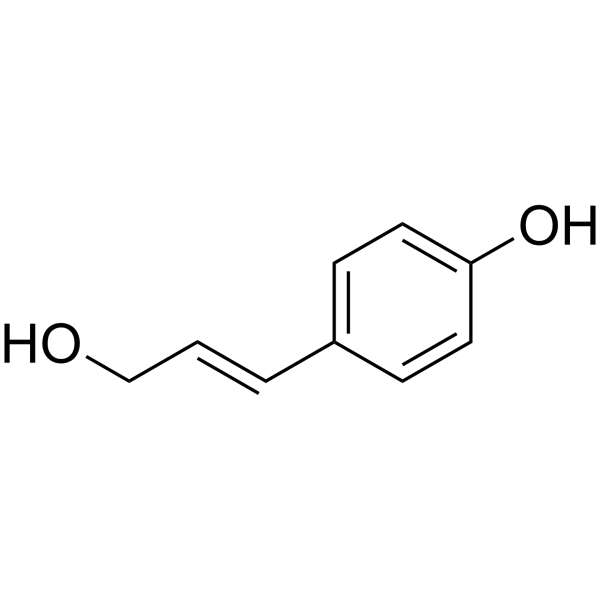
    (E)-p-Coumaryl alcohol is a metabolite of coumarin that has significant cytotoxicity. (E)-p-Coumaryl alcohol can be isolated from Alpinia officinarum and Rhodiola rosea and can be used for inflammation research .
    (E)-p-Coumaryl alcohol
  • HY-W145584

    Endogenous Metabolite Metabolic Disease Cancer
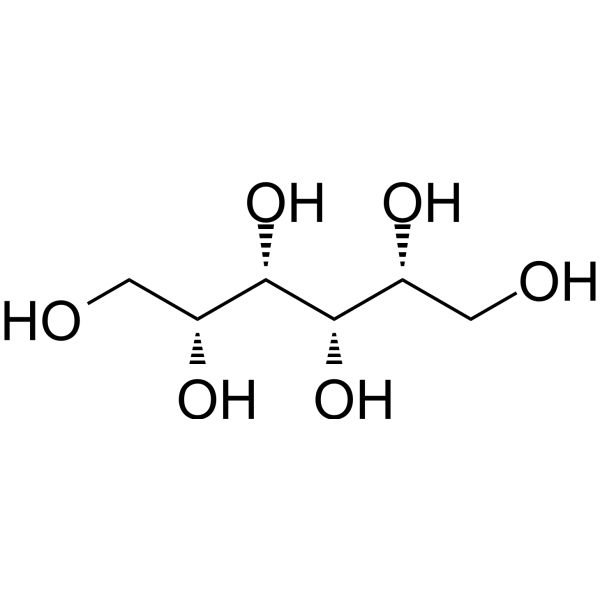
    D-Iditol is a fungal metabolite, a sugar alcohol that accumulates in galactokinase deficiency. D-Iditol may have potential antitumour activity .
    D-Iditol
  • HY-12770

    Mebeverine metabolite Mebeverine alcohol

    Drug Metabolite Neurological Disease
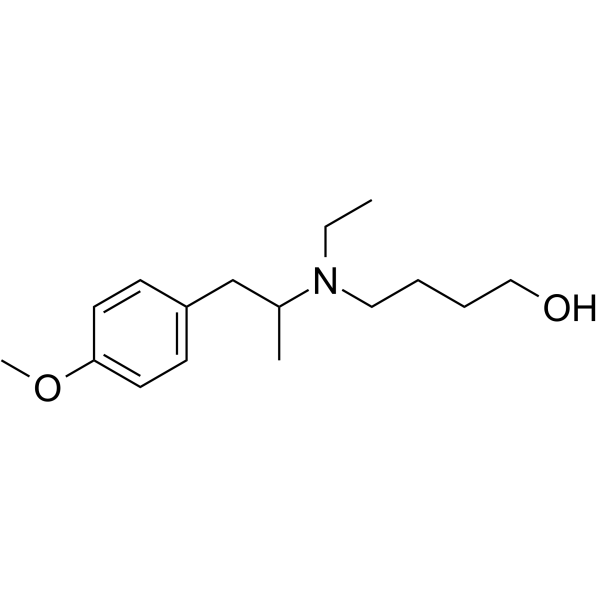
    Mebeverine alcohol is a metabolite of Mebeverine, which is a musculotropic antispasmodic drug.
    Mebeverine alcohol
  • HY-113471

    Apoptosis HSV Infection Inflammation/Immunology Cancer
    Perillic acid is the metabolite of Perillyl alcohol (HY-N7000). Perillic acid induces lung cancer cell cycle arrest and apoptosis. Perillic acid shows anti-HSV-1 and immunomodulatory activities .
    Perillic acid
  • HY-N1753

    Dihydro-p-coumaryl alcohol; 3-(p-Hydroxyphenyl)propyl alcohol

    Endogenous Metabolite Others
    3-(4-Hydroxyphenyl)-1-propanol (Dihydro-p-coumaryl alcohol) is a metabolite. 3-(4-Hydroxyphenyl)-1-propanol can be isolated from P. radiate callus cultures. 3-(4-Hydroxyphenyl)-1-propanol is associated with CAD activity .
    3-(4-Hydroxyphenyl)-1-propanol
  • HY-N7731A

    (R)-Lavandulol

    Others Others
    (-)-Lavandulol is the isomer of (±)-Lavandulol (HY-N7731). (±)-Lavandulol is an irregular monoterpene alcohol. (±)-Lavandulol can be transformed by a fungal strain Rhizopus oryzae into corresponding oxygenated metabolite .
    (-)-Lavandulol
  • HY-W681822

    R,S,S-DHTBZ

    Drug Metabolite Monoamine Transporter Neurological Disease
    (R,S,S)-Dihydrotetrabenazine (R,S,S-DHTBZ) is a kind of discrete isomeric secondary alcohol metabolites of Tetrabenazine (TBZ, HY-B0590), is a poor VMAT2 inhibitor (Ki = 690 nM) .
    (R,S,S)-Dihydrotetrabenazine
  • HY-G0008A

    Mebeverine metabolite O-desmethyl Mebeverine alcohol hydrochloride

    Adrenergic Receptor Drug Metabolite Metabolic Disease
    O-Desmethyl Mebeverine alcohol hydrochloride is a metabolite of Mebeverine, which is a potent α1 repector inhibitor, causing relaxation of the gastrointestinal tract.
    O-Desmethyl Mebeverine alcohol hydrochloride
  • HY-G0008

    Mebeverine metabolite O-desmethyl Mebeverine alcohol

    Adrenergic Receptor Drug Metabolite Metabolic Disease
    O-Desmethyl Mebeverine alcohol is a metabolite of Mebeverine, which is a potent α1 repector inhibitor, causing relaxation of the gastrointestinal tract.
    O-Desmethyl Mebeverine alcohol
  • HY-W588249

    Bacterial Endogenous Metabolite Infection
    Sabinene hydrate is a volatile organic compound of a bicyclic monoterpene alcohol. Sabinene hydrate, as a plant secondary metabolite, is naturally present in various plants and their essential oils. Sabinene hydrate exhibits broad-spectrum but varying-intensity antibacterial activity, with the greatest sensitivity to Gram-positive bacteria, especially Bacillus subtilis (MIC = 0.0312 mg/mL) and Staphylococcus aureus (MIC = 0.0625 mg/mL). Sabinene hydrate also shows certain sensitivity to Escherichia coli and Candida albicans, with MIC values of 0.125 mg/mL for both. Sabinene hydrate can be used in the research of the ecological functions of plant defense substances .
    Sabinene hydrate
  • HY-W041019S

    Endogenous Metabolite Others
    5-Hydroxytryptophol-d4 is the deuterium labeled 5-Hydroxytryptophol. 5-Hydroxytryptophol is a mammalian serotonin metabolite, acting as a marker of acute alcohol consumption.
    5-Hydroxytryptophol-d4
  • HY-12770S1

    Mebeverine metabolite Mebeverine alcohol-d3

    Isotope-Labeled Compounds Neurological Disease
    Mebeverine alcohol-d3 (Mebeverine metabolite Mebeverine alcohol-d3) is deuterium labeled Mebeverine alcohol.
    Mebeverine alcohol-d3
  • HY-19021

    mGluR Neurological Disease
    ADD-17014 is a L-Glu antagonist. ADD-17014 impairs presynaptic excitatory amino acid L-Glu neurotransmission. ADD-17014 is a prodrug of its β-amino alcohol metabolite, and the metabolite acts as a NMDA receptor antagonist by binding to the MK-801 site located inside the NMDA receptor or ion channel. ADD-17014 has an anticonvulsant and anti-ischemic activity. ADD-17014 can be used for neurodegenerative diseases like Parkinson’s disease, Alzheimer’s disease and stroke research .
    ADD-17014
  • HY-33914

    Drug Metabolite Metabolic Disease
    4-Hydroxymethylpyrazole is the primary metabolite of Fomepizole (HY-B0876) produced through hepatic oxidative metabolism. 4-Hydroxymethylpyrazole exhibits a plasma concentration that is positively correlated with the administered dosage of Fomepizole, and it demonstrates a relatively short half-life. 4-Hydroxymethylpyrazole demonstrates inhibitory effects on alcohol dehydrogenase (ADH) in both humans and monkeys, but its inhibition constant is significantly higher than that of Fomepizole, rendering its in vivo impact negligible .
    4-Hydroxymethylpyrazole
  • HY-N1867R

    Reference Standards PPAR Metabolic Disease
    trans-Cinnamyl alcohol is a trans-isomer of Cinnamyl alcohol. Cinnamyl Alcohol is an active component from chestnut flower, inhibits increased PPARγ expression, with anti-obesity activity. trans-Cinnamyl alcohol, belongs to the class of organic compounds known as cinnamyl alcohols, is a primary metabolite .
    trans-Cinnamyl alcohol (Standard)
  • HY-12770R

    Mebeverine metabolite Mebeverine alcohol (Standard)

    Reference Standards Drug Metabolite Neurological Disease
    Mebeverine alcohol (Standard) is an analytical standard for Mebeverine alcohol. This product is intended for research and analytical applications. Eperezolid (PNU-100592) is an orally active protein synthesis inhibitor that targets the bacterial 50S ribosomal subunit. Eperezolid competitively binds to a specific site on the ribosomal 50S subunit (overlapping with the binding sites of Chloramphenicol (HY-B0239) and Lincomycin (HY-117660)) to inhibit the translation initiation stage and exert antibacterial activity. Eperezolid can induce host cell autophagy to enhance the clearance of intracellular mycobacteria, and its MIC90 for Staphylococcus aureus and Enterococcus is 1-4 μg/mL. Eperezolid is mainly used for antibacterial research on infections with Gram-positive bacteria such as methicillin-resistant (HY-121544) Staphylococci and vancomycin-resistant (HY-B0671) Enterococci, as well as infections with intracellular bacteria such as Mycobacterium tuberculosis .
    Mebeverine alcohol (Standard)
  • HY-G0008AR

    Mebeverine metabolite O-desmethyl Mebeverine alcohol hydrochloride (Standard)

    Reference Standards Adrenergic Receptor Drug Metabolite Metabolic Disease
    Diethyl phthalate (Standard) is the analytical standard of Diethyl phthalate. This product is intended for research and analytical applications. Diethyl phthalate is an endocrine disruptor that has the activity of affecting the apoptosis system of PC12 cells. Diethyl phthalate is widely used in a variety of plastics and personal care products. Diethyl phthalate has shown the potential to induce male reproductive toxicity unrelated to androgens in animal experiments .
    O-Desmethyl Mebeverine alcohol hydrochloride (Standard)
  • HY-143826S

    Mebeverine metabolite O-desmethyl Mebeverine alcohol-d5 citrate

    Isotope-Labeled Compounds Others
    O-Desmethyl Mebeverine alcohol-d5 (citrate) is the deuterium labeled O-Desmethyl Mebeverine alcohol citrate .
    O-Desmethyl Mebeverine alcohol-d5 citrate
  • HY-12770S

    Drug Metabolite Isotope-Labeled Compounds Neurological Disease
    Mebeverine alcohol-d5 is the deuterium labeled Mebeverine alcohol, which is a metabolite of Mebeverine.
    Mebeverine alcohol-d5
  • HY-W041019R

    Reference Standards Endogenous Metabolite Metabolic Disease
    5-Hydroxytryptophol is a mammalian serotonin metabolite that can be used as a sensitive biomarker for recent alcohol intake. 5-Hydroxytryptophol is formed by alcohol-induced changes in the serotonin metabolic pathway and is excreted in the urine as a glucuronic acid conjugate. 5-Hydroxytryptophol is elevated in urine excretion and can be used clinically to monitor alcohol intake in scenarios such as alcohol relapse .
    5-Hydroxytryptophol (Standard)
  • HY-W274501

    Endogenous Metabolite Others
    2-Nonyl alcohol is a metabolite that can be isolated from the fermentation product of strain PJ16.
    2-Nonyl alcohol
  • HY-W738271

    3,4-Dimethoxybenzyl alcohol-13C

    Isotope-Labeled Compounds Bacterial Endogenous Metabolite Infection
    Veratryl alcohol- 13C (3,4-Dimethoxybenzyl alcohol- 13C) is the 13C-labeled Veratryl alcohol (HY-107858). Veratryl alcohol (3,4-Dimethoxybenzyl alcohol) is a secondary metabolite of lignin-degrading fungi, commonly used as a substrate for lignin peroxidase (LiP) to measure lignin degradation activity. Veratryl alcohol protects LiP from inactivation by H2O2 and prevents the accumulation of LiP III compounds. Veratryl alcohol also acts as a stabilizer for manganese-dependent peroxidases (MnP). Veratryl alcohol is a quorum-sensing inhibitor (QSI) and exhibits antibacterial efficacy .
    Veratryl alcohol-13C
  • HY-N7731

    Others Others
    (±)-Lavandulol is an irregular monoterpene alcohol. (±)-Lavandulol can be transformed by a fungal strain Rhizopus oryzae into corresponding oxygenated metabolite .
    (±)-Lavandulol
  • HY-Z12431

    KMD-3293

    Endogenous Metabolite Metabolic Disease
    Silodosin carboxylic acid impurity (KMD-3293) is an inactive silodosin metabolite. Silodosin carboxylic acid impurity is the major metabolite that can be generated via oxidation by alcohol and aldehyde dehydrogenase. Silodosin carboxylic acid impurity can be studied in research for benign prostatic hyperplasia .
    Silodosin carboxylic acid impurity
  • HY-N7731R

    Others Reference Standards Others
    (±)-Lavandulol (Standard) is the analytical standard of (±)-Lavandulol. This product is intended for research and analytical applications. (±)-Lavandulol is an irregular monoterpene alcohol. (±)-Lavandulol can be transformed by a fungal strain Rhizopus oryzae into corresponding oxygenated metabolite .
    (±)-Lavandulol (Standard)
  • HY-W145584S

    Isotope-Labeled Compounds Endogenous Metabolite Metabolic Disease Cancer
    D-Iditol- 13C is the 13C labeled D-Iditol. D-Iditol is a fungal metabolite, a sugar alcohol that accumulates in galactokinase deficiency. D-Iditol may have potential antitumour activity .
    D-Iditol-13C
  • HY-N5158B

    Antibiotic Endogenous Metabolite Infection
    (5S)-Neosamine C is an aminocyclic alcohol antibiotic derived from microbial secondary metabolites. (5S)-Neosamine C has a cyclized structure and can be used for biosynthesis of Neomycins (HY-B0470).
    (5S)-Neosamine C
  • HY-116802

    Drug Derivative Herbicide Others
    Bromobutide is an active ingredient in herbicides that kill weeds. Bromobutide has the highest control effect on Scirpus juncoides and Monochloa vaginalis, but has no inhibitory effect on weed seed germination. The main metabolites of bromobutide in rats are alcohol or phenol glucuronides, which enter the enterohepatic circulation .
    Bromobutide
  • HY-B0876R

    4-Methylpyrazole (Standard)

    Reference Standards Cytochrome P450 Metabolic Disease
    Fomepizole (Standard) is the analytical standard of Fomepizole. This product is intended for research and analytical applications. Fomepizole (4-Methylpyrazole) is a potent cytochrome P450 (CYP2E1) inhibitor. Fomepizole is a competitive inhibitor of the enzyme alcohol dehydrogenase. Fomepizole blocks further conversion of methanol and ethylene glycol to toxic metabolites. Fomepizole has the potential for an antidote for ethylene glycol or methanol poisoning .
    Fomepizole (Standard)
  • HY-N1753R

    Dihydro-p-coumaryl alcohol (Standard); 3-(p-Hydroxyphenyl)propyl alcohol (Standard)

    Reference Standards Endogenous Metabolite Others
    3-(4-Hydroxyphenyl)-1-propanol (Standard) is an analytical standard of 3-(4-Hydroxyphenyl)-1-propanol (HY-N1753). This product is intended for research and analytical applications. 3-(4-Hydroxyphenyl)-1-propanol (Dihydro-p-coumaryl alcohol) is a metabolite. 3-(4-Hydroxyphenyl)-1-propanol can be isolated from P. radiate callus cultures. 3-(4-Hydroxyphenyl)-1-propanol is associated with CAD activity .
    3-(4-Hydroxyphenyl)-1-propanol (Standard)
  • HY-N3102AR

    (E)-p-Hydroxycinnamyl alcohol (Standard)

    Others Reference Standards Inflammation/Immunology
    (E)-p-Coumaryl alcohol is a metabolite of coumarin that has significant cytotoxicity. (E)-p-Coumaryl alcohol can be isolated from Alpinia officinarum and Rhodiola rosea and can be used for inflammation research .
    (E)-p-Coumaryl alcohol (Standard)
  • HY-W1121873

    Others Inflammation/Immunology
    β-Caryophyllene alcohol is an active metabolite of β-caryophyllene (HY-N1415) with potent anti-asthma and anti-inflammation activity. β-Caryophyllene alcohol shows significant anti-asthmatic effect in guinea pigs. β-Caryophyllene alcohol can be used for asthma and inflammation research .
    β-Caryophyllene alcohol
  • HY-N6662S

    Isotope-Labeled Compounds Endogenous Metabolite Others
    (+)-Longifolene- 13C,d2 is the 13C- and deuterium labeled (+)-Longifolene (HY-N6662). (+)-Longifolene is a sesquiterpenoid and a metabolite in rabbits. (+)-Longifolen is converted to primary, secondary or tertiary alcohols in rabbits, among which the primary alcohol is predominant .
    (+)-Longifolene-13C,d2
  • HY-W557590

    Drug Metabolite Others
    Nabumetone alcohol is a metabolite of Nabumetone (HY-B0559) . Nabumetone is an orally active non-acidic anti-inflammatory agent, acts as a potent and selective COX-2 inhibitor, and is the proagent of the active metaboliteα-Demethylnaproxen (HY-W086896). Nabumetone can inhibit cancer cells proliferation and relieve gastric ulcers.
    Nabumetone alcohol
  • HY-156196

    Syk Inflammation/Immunology
    BI 894416 is a spleen tyrosine kinase (SYK) inhibitor. BI 894416 has a deuterium-labeled derivative that can be used as an internal standard for bioanalytical studies. BI 894416 is applicable to the research of severe asthma .
    BI 894416

Inquiry Online

Your information is safe with us. * Required Fields.

Salutation


Country or Region *

Applicant Name *


Organization Name *

Department *


Email Address *


Product Name *

Cat. No.


Requested quantity *

Phone Number *


Remarks

Inquiry Online

Inquiry Information

Product Name:
Cat. No.:
Quantity:
MCE Japan Authorized Agent:

