Search Result
Results for "
amino-sugar
" in MedChemExpress (MCE) Product Catalog:
7
Biochemical Assay Reagents
9
Isotope-Labeled Compounds
| Cat. No. |
Product Name |
Target |
Research Areas |
Chemical Structure |
-
- HY-B1125
-
-
-
- HY-N0733
-
|
D-(+)-Glucosamine hydrochloride; Chitosamine hydrochloride
|
Endogenous Metabolite
Reactive Oxygen Species (ROS)
HIF/HIF Prolyl-Hydroxylase
Autophagy
|
Inflammation/Immunology
Cancer
|
|
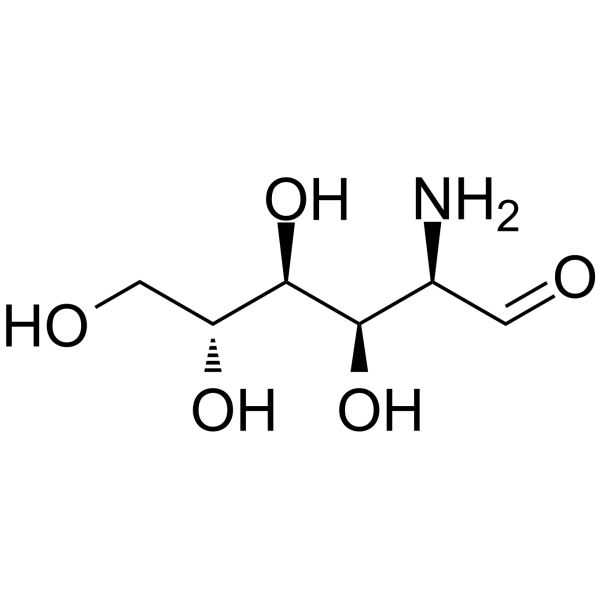
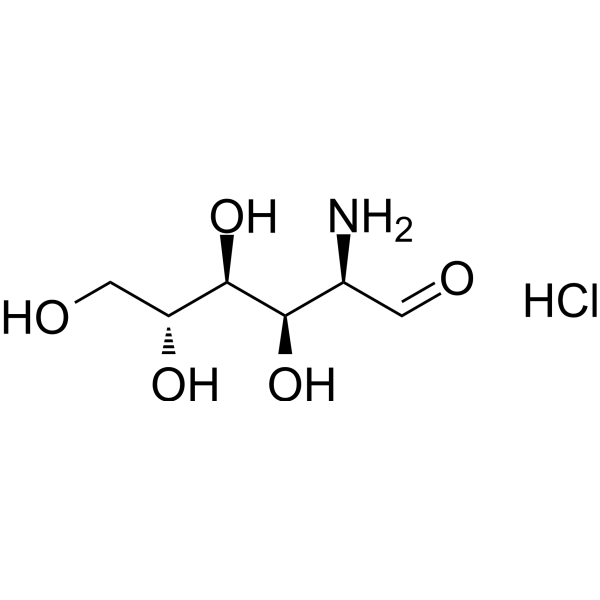
Glucosamine hydrochloride (D-Glucosamine hydrochloride) is an amino sugar and a prominent precursor in the biochemical synthesis of glycosylated proteins and lipids, is used as a dietary supplement. Glucosamine hydrochloride also is a natural constituent of glycosaminoglycans in the cartilage matrix and synovial fluid, which when administered exogenously, exerts pharmacological effects on osteoarthritic cartilage and chondrocytes .
|
-
-
- HY-B0342
-
|
Methylglucamine; Meglumin; Methylglucamin
|
Biochemical Assay Reagents
|
Cancer
|
|
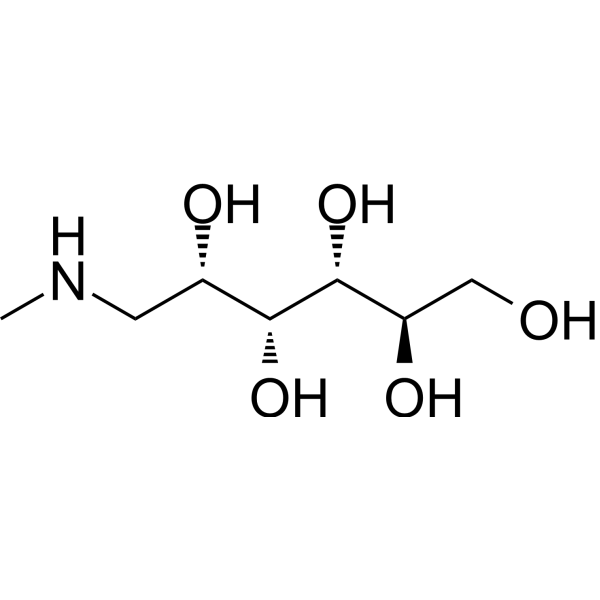
Meglumine (Methylglucamine) is an orally active amino sugar derived from sorbitol. Meglumine has anti-inflammatory and antitumor activity. Meglumine is often used as an excipient in active molecules and with iodinated compounds in contrast agents such as meglumine and meglumine iodide .
|
-
-
- HY-P4070
-
|
|
Insulin Receptor
|
Metabolic Disease
|
|
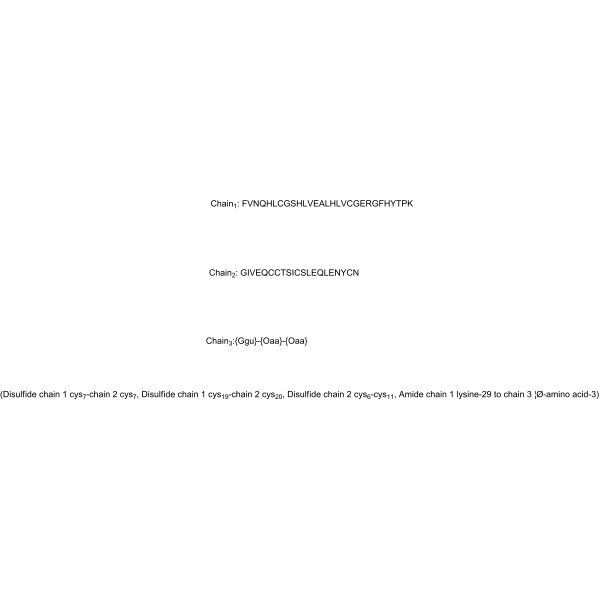
Insulin icodec is an Insulin (HY-P0035) analog that strongly but reversibly binds to albumin. Insulin icodec has long plasma half-life. Insulin icodec modulates insulin receptor activity, controls blood glucose levels, reduces HbA1c levels, and binds reversibly to human serum albumin. Insulin icodec can be used for the research of type 2 diabetes mellitus .
|
-
-
- HY-W016445
-
|
1-amino-1-deoxy-D-glucitol, 98%
|
Biochemical Assay Reagents
|
Others
|
|
D-Glucamine, 98% (1-Amino-1-deoxy-D-glucitol, 98%) is an amino sugar derivative that serves as an excipient in pharmaceutical formulations. D-Glucamine, 98% also acts as a substrate for studies investigating sugar transporter pathways
|
-
-
- HY-N0487
-
-
-
- HY-128852
-
|
|
Galectin
Endogenous Metabolite
|
Others
|
|
N-Acetyl-D-galactosamine (GalNAc) is a terminal essential amino sugar derived from galactose and forms the antigens of blood group A in humans. N-Acetyl-D-galactosamine (GalNAc) interact with Soya bean agglutinin (SBA), hence decreasing the effects of SBA on cellular membrane permeability and tight junction protein expression in piglets .
N-Acetyl-D-galactosamine (GalNAc) inhibits the hemagglutinating activity by the lectin .
|
-
-
- HY-P5362
-
|
|
Radionuclide-Drug Conjugates (RDCs)
Somatostatin Receptor
|
Neurological Disease
Cancer
|
|
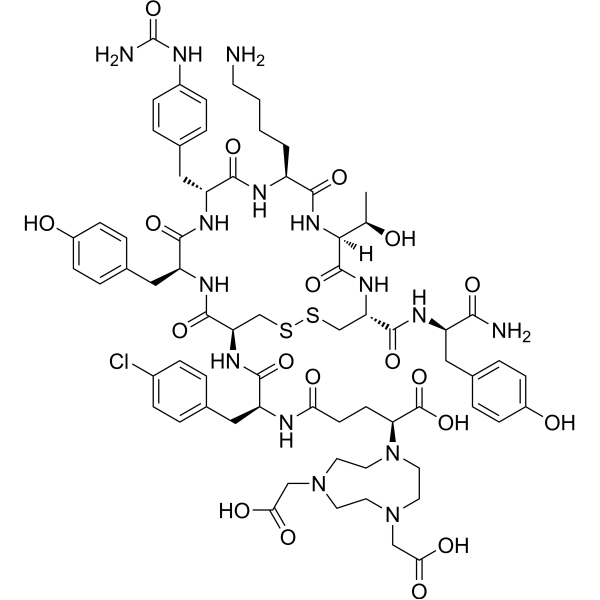
NODAGA-LM3 is a ligand that can cross the blood-brain barrier and targets somatostatin receptor SSTR2 with high affinity (IC50 = 1.3 nM). NODAGA-LM3 does not trigger the internalization of SSTR2 and can inhibit agonist-induced internalization processes. NODAGA-LM3 shows low uptake in normal tissues such as the liver and spleen, but high uptake in the lungs and blood pool. 68Ga-labeled NODAGA-LM3 can serve as a PET imaging agent for well-differentiated neuroendocrine tumors, and is applied in studies related to small cell lung cancer and well-differentiated neuroendocrine tumors .
|
-
-
- HY-W021425
-
|
(2S,3R,4S,5R)-2-amino-3,4,5,6-tetrahydroxyhexanal hydrochloride
|
Drug Derivative
|
Metabolic Disease
|
|
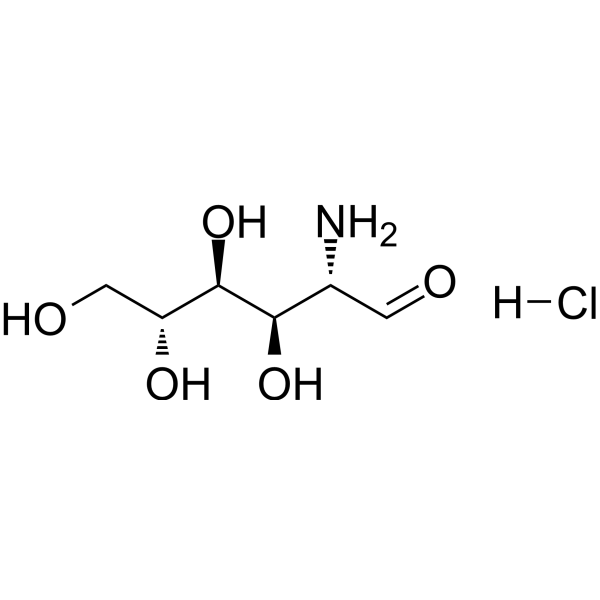
D-Mannosamine ((2S,3R,4S,5R)-2-Amino-3,4,5,6-tetrahydroxyhexanal) hydrochloride is a six-carbon amino sugar and an amino derivative of D-mannose. D-Mannosamine hydrochloride can block mannose receptors .
|
-
-
- HY-P2336A
-
|
|
Melanocortin Receptor
|
Cancer
|
|
CCZ01048 TFA, a α-MSH analogue, exhibits high binding affinity to melanocortin 1 receptor (MC1R) with a Ki of 0.31 nM. CCZ01048 TFA shows rapid internalization into B16F10 melanoma cells and high in vivo stability. CCZ01048 TFA is a promising candidate for PET imaging of malignant melanoma .
|
-
-
- HY-D1056E
-
|
LPS, from Pseudomonas aeruginosa (10)
|
Toll-like Receptor (TLR)
|
Inflammation/Immunology
|
Lipopolysaccharides from P. aeruginosa (Pseudomonas aeruginosa) 10 are lipopolysaccharide endotoxins and TLR4 activators derived from Pseudomonas aeruginosa 10, and are classified as S-type LPS. Lipopolysaccharides from P. aeruginosa 10 exhibit a typical three-part structure: O-antigen, core oligosaccharide, and lipid A. The lipopolysaccharides of P. aeruginosa 10 have a fatty acid composition distinct from common enterobacteria, an exceptionally high degree of phosphorylation (triphosphate residues have been detected), and a unique outer region of the core oligosaccharide. Additionally, their O-specific side chains are typically rich in novel aminosugars. Lipopolysaccharides from P. aeruginosa 10 demonstrate susceptibility to viruses, with the level of susceptibility determined by the content of high molecular weight polysaccharides in their composition. The absence of high molecular weight polysaccharides increases their sensitivity to bacteriophages .
It is recommended to prepare a solution with concentration ≥2 mg/mL. Vortex thoroughly for more than 10 minutes. Due to the adsorption characteristics of LPS, silanized container or low adsorption centrifuge tubes should be used for aliquoting and storage, and mix thoroughly before use.
|
-
-
- HY-N0733S3
-
-
-
- HY-130480
-
|
|
AIM2
|
Inflammation/Immunology
|
|
Fructose-arginine, an amino-sugar, is an AIM2 inflammasome activation inhibitor. Fructose-arginine attenuates the secretion of IL-1β, IL-18, and caspase-1, and Asc pyroptosome formation and Gsdmd cleavage resulting from AIM2 inflammasome activation .
|
-
-
- HY-N0733R
-
|
D-(+)-Glucosamine hydrochloride (Standard); Chitosamine hydrochloride (Standard)
|
Reference Standards
Endogenous Metabolite
Reactive Oxygen Species (ROS)
HIF/HIF Prolyl-Hydroxylase
Autophagy
|
Inflammation/Immunology
Cancer
|
|
Glucosamine (hydrochloride) (Standard) is the analytical standard of Glucosamine (hydrochloride). This product is intended for research and analytical applications. Glucosamine hydrochloride (D-Glucosamine hydrochloride) is an amino sugar and a prominent precursor in the biochemical synthesis of glycosylated proteins and lipids, is used as a dietary supplement. Glucosamine hydrochloride also is a natural constituent of glycosaminoglycans in the cartilage matrix and synovial fluid, which when administered exogenously, exerts pharmacological effects on osteoarthritic cartilage and chondrocytes .
|
-
-
- HY-W142618
-
|
|
Biochemical Assay Reagents
|
Others
|
|
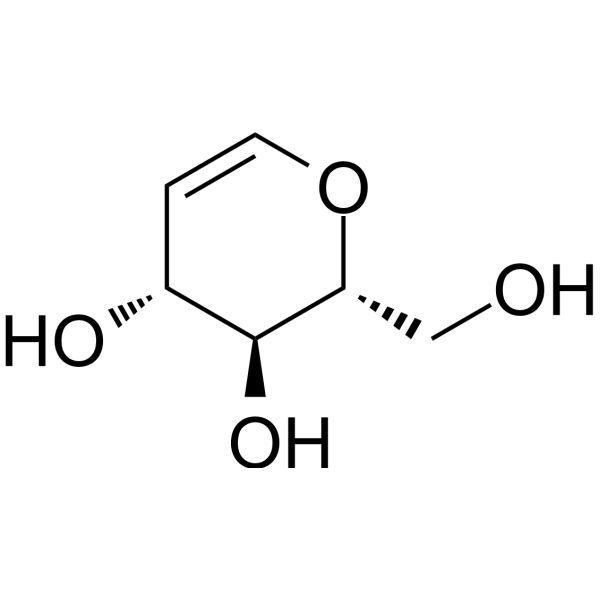
D-Glucal is an organic compound belonging to the family of aldoses, which are monosaccharides containing an aldehyde functional group. It has a six-carbon structure and is derived from glucose by oxidation of the primary alcohol group at carbon 1 to an aldehyde group. D-Glucal is a white crystalline solid that is soluble in water and has a sweet taste. It is an important intermediate in the chemical synthesis of a wide variety of compounds, including pharmaceuticals, agrochemicals, and natural products. D-Glucal can be converted into other carbohydrate derivatives such as glycosides, glycoconjugates and amino sugars. It also plays a role in the study of carbohydrate chemistry, where it is used as a chiral building block for the synthesis of complex structures.
|
-
-
- HY-P10341
-
|
|
GCGR
|
Metabolic Disease
|
|
ZP3022 is a dual agonist of glucagon-like peptide-1 (GLP-1) and gastrin that has the ability to sustainably improve glycemic control. Additionally, ZP3022 can effectively increase β-cell mass, promote β-cell proliferation, and enhance the function of pancreatic islets. ZP3022 can be used in anti-diabetic research .
|
-
-
- HY-N0733S
-
-
-
- HY-113407CR
-
|
|
Reference Standards
Drug Intermediate
|
Metabolic Disease
|
|
D-Fructose-6-phosphate disodium monohydrate (Standard) is the analytical standard of D-Fructose-6-phosphate disodium monohydrate. D-Fructose-6-phosphate is an intermediate of Glycolysis. D-Fructose-6-phosphate is the precursor for the synthesis of amino sugars, such as galactosamine and glucosamine .
|
-
-
- HY-N11848R
-
|
Glucosamine-6-phosphate (Standard)
|
Endogenous Metabolite
Reference Standards
|
Metabolic Disease
|
|
D-Glucosamine 6-phosphate (Glucosamine-6-phosphate; D-GlcN-6-P) (Standard) is an analytical standard for D-Glucosamine 6-phosphate. This product is used for research and analytical applications. D-Glucosamine 6-phosphate is a phosphorylated amino sugar synthesized by glutamine fructose-6-phosphate aminotransferase (GFAT). The expression level of D-Glucosamine 6-phosphate is regulated by glucose and glutamine concentrations .
|
-
-
- HY-105431
-
|
|
Na+/K+ ATPase
|
Cardiovascular Disease
|
|
ASI-222 is an aminosugar cardiac glycoside. ASI-222 can inhibit Na+/K+ ATPase and show positive inotropic effect. ASI-222 can be used for the research of cardiovascular disease .
|
-
-
- HY-N0733S4
-
-
-
- HY-N0733S1
-
-
-
- HY-N0733S2
-
-
-
- HY-N0733S5
-
-
-
- HY-139207
-
-
-
- HY-N0487R
-
|
D-Glucosamine sulfate (Standard)
|
Endogenous Metabolite
Reactive Oxygen Species (ROS)
HIF/HIF Prolyl-Hydroxylase
Autophagy
Reference Standards
|
Inflammation/Immunology
Cancer
|
|
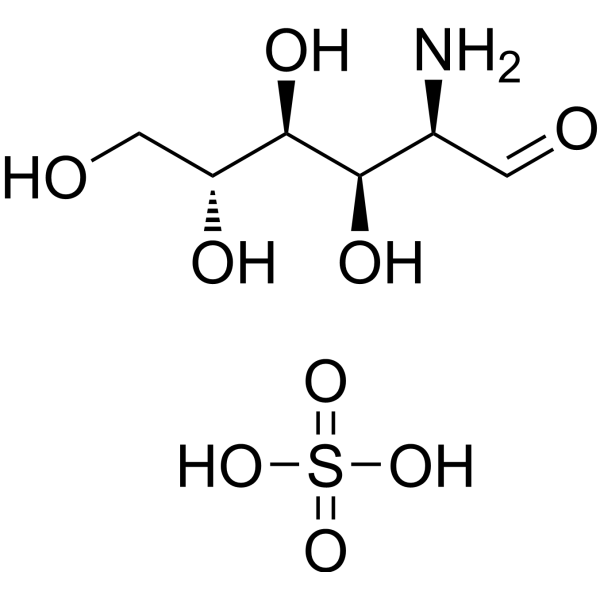
Glucosamine (sulfate) (Standard) is the analytical standard of Glucosamine (sulfate). This product is intended for research and analytical applications. Glucosamine sulfate (D-Glucosamine sulfate) is an amino sugar and a prominent precursor in the biochemical synthesis of glycosylated proteins and lipids, is used as a dietary supplement. Glucosamine sulfate also is a natural constituent of glycosaminoglycans in the cartilage matrix and synovial fluid, which when administered exogenously, exerts pharmacological effects on osteoarthritic cartilage and chondrocytes .
|
-
-
- HY-P11004
-
|
|
Bacterial
Antibiotic
|
Infection
|
|
A3-APO is an antimicrobial peptide. A3-APO has a significant antimicrobial activity by a dual mode of action with both membrane disintegration and intracellular target inhibition. A3-APO can deactivate bacterial toxins and increase the expression of anti-inflammatory cytokines (such as IL-4 and IL-10), without antimicrobial resistance. A3-APO accelerates burn wounds healing in mice infection model of Acinetobacter baumannii and Staphylococcus aureus .
|
-
-
- HY-P10472
-
|
|
GnRH Receptor
|
Endocrinology
|
|
Azaline B is an antagonist for gonadotropin-releasing hormone (GnRH) with IC50 of 1.37 nM, Azaline B can be used in research of sex hormone-related pathological states, ovulation induction and male contraception .
|
-
-
- HY-P4757
-
|
|
Parasite
|
Others
|
|
N1-Glutathionyl-spermidine disulfide is a substrate of trypanothione reductase .
|
-
-
- HY-P11243
-
|
|
Ephrin Receptor
|
Neurological Disease
|
|
EphA4 agonist compound 23 is a novel EphA4 agonist peptide mimic. EphA4 agonist compound 23 exhibits high affinity, high selectivity, and significant receptor activation ability. EphA4 agonist compound 23 is commonly used in the study of neurodegenerative diseases .
|
-
-
- HY-P2434
-
|
|
Somatostatin Receptor
|
Neurological Disease
Metabolic Disease
Cancer
|
|
AP102 is a dual SSTR2/SSTR5-specific somatostatin analog (SSA). AP102 is a disulfide-bridged octapeptide SSA containing synthetic iodinated amino acids. AP102 binds with subnanomolar affinity to SSTR2 and SSTR5 (IC50: 0.63 and 0.65 nM, respectively). AP102 does not bind to SSTR1 or SSTR3. AP102 can be used for acromegaly and neuroendocrine tumors research .
|
-
-
- HY-P5362A
-
|
|
Radionuclide-Drug Conjugates (RDCs)
Somatostatin Receptor
|
Cancer
|
|
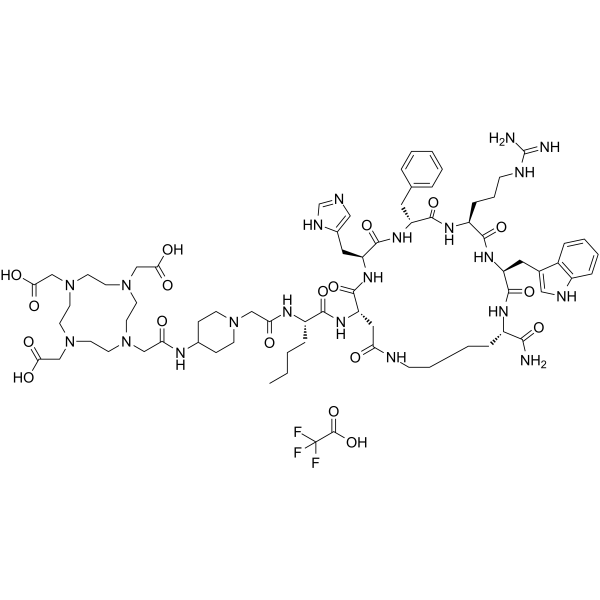
NODAGA-LM3 TFA is a ligand that can cross the blood-brain barrier and targets somatostatin receptor SSTR2 with high affinity (IC50 = 1.3 nM). NODAGA-LM3 TFA does not trigger the internalization of SSTR2 and can inhibit agonist-induced internalization processes. NODAGA-LM3 TFA shows low uptake in normal tissues such as the liver and spleen, but high uptake in the lungs and blood pool. 68Ga-labeled NODAGA-LM3 TFA can serve as a PET imaging agent for well-differentiated neuroendocrine tumors, and is applied in studies related to small cell lung cancer and well-differentiated neuroendocrine tumors .
|
-
-
- HY-105168
-
|
|
Endothelin Receptor
|
Cardiovascular Disease
|
|
TAK 044 is an antagonist of Endothelin Receptor. TAK 044 strongly inhibits ET-induced deterioration in various animal models. TAK 044 can be used in study ET-related diseases such as acute myocardial infarction,acute renal failure, acute hepatic malfunction, and subarachnoid hemorrhage .
|
-
-
- HY-N15740
-
|
|
Endogenous Metabolite
|
Others
|
|
Chondrosamine, 6-phosphate is an amino sugar phosphate compound that participates in sugar metabolism and amino sugar metabolic pathways .
|
-
-
- HY-139207A
-
-
-
- HY-B0342R
-
|
Methylglucamine (Standard); Meglumin (Standard); Methylglucamin (Standard)
|
Biochemical Assay Reagents
Reference Standards
|
Cancer
|
|
Meglumine (Standard) is the analytical standard of Meglumine. This product is intended for research and analytical applications. Meglumine (Methylglucamine) is an orally active amino sugar derived from sorbitol. Meglumine has anti-inflammatory and antitumor activity. Meglumine is often used as an excipient in active molecules and with iodinated compounds in contrast agents such as meglumine and meglumine iodide .
|
-
-
- HY-B1125S
-
-
-
- HY-B0342GL
-
|
Methylglucamine (GMP Like); Meglumin (GMP Like); Methylglucamin (GMP Like)
|
Biochemical Assay Reagents
|
Cancer
|
|
Meglumine (GMP Like) (Methylglucamine (GMP Like)) is the GMP Like class Meglumine (HY-B0342) that can be used as pharmaceutical excipients. Meglumine (Methylglucamine) is an orally active amino sugar derived from sorbitol. Meglumine has anti-inflammatory and antitumor activity. Meglumine is often used as an excipient in active molecules and with iodinated compounds in contrast agents such as meglumine and meglumine iodide .
|
-
-
- HY-113002
-
|
|
Phosphomannose Isomerase (PMI)
|
Infection
Metabolic Disease
|
|
α-D-Glucose 1,6-bisphosphate is an activator of PMM2 and phosphoglucomutase. α-D-Glucose 1,6-bisphosphate regulates glycogen metabolism, glycolysis, amino sugar synthesis, as well as the formation of bacterial cell walls and capsules. α-D-Glucose 1,6-bisphosphate can be used in studies related to pmm2-cdg (cdg-1a or Jaeken syndrome) .
|
-
-
- HY-P2075
-
|
|
Renin
|
Endocrinology
|
|
EMD 55068 is a renin antagonist. EMD 55068 inhibits the uptake of taurocholate .
|
-
-
- HY-W021425S1
-
|
(2S,3R,4S,5R)-2-amino-3,4,5,6-tetrahydroxyhexanal-d2 hydrochloride
|
Isotope-Labeled Compounds
Drug Derivative
|
Metabolic Disease
|
|
D-Mannosamine-d2 (2S,3R,4S,5R)-2-Amino-3,4,5,6-tetrahydroxyhexanal-d2) hydrochloride is a deuterium labeled D-Mannosamine hydrochloride (HY-W021425). D-Mannosamine ((2S,3R,4S,5R)-2-Amino-3,4,5,6-tetrahydroxyhexanal) hydrochloride is a six-carbon amino sugar and an amino derivative of D-mannose. D-Mannosamine hydrochloride can block mannose receptors.
|
-
-
- HY-P10876
-
|
|
Amyloid-β
|
Neurological Disease
|
|
mcK6A1 is an inhibitor for the aggregation of amyloid-β (Aβ), that selectively binds to the 16KLVFFA21 segment of Aβ42, forms an extended β-folded structure, and inhibits the formation of Aβ42 oligomers. mcK6A1 can be used in research of Alzheimer's disease and other amyloid-related diseases .
|
-
-
- HY-113407C
-
|
|
Drug Intermediate
|
Metabolic Disease
|
|
D-Fructose-6-phosphate disodium monohydrate is an intermediate of Glycolysis. D-Fructose-6-phosphate disodium monohydrate is the precursor for the synthesis of amino sugars, such as galactosamine and glucosamine .
|
-
-
- HY-D3049
-
|
|
Fluorescent Dye
|
Others
|
|
5(6)-carbonylated rhodamine 110 NHS ester is a reactive ester fluorescent reagent based on 5(6)-carbonylated rhodamine 110. NHS ester is a highly reactive ester capable of covalently coupling with primary amine groups in molecules such as proteins, peptides, amino sugars, and nucleic acids to form stable amide bonds (Ex/Em = 502/527 nm).
|
-
-
- HY-D3050
-
|
|
Fluorescent Dye
|
Others
|
|
5(6)-carbonylated rhodamine 110 X NHS ester is a reactive ester fluorescent reagent based on 5(6)-carbonylated rhodamine 110 X. NHS ester is a highly reactive ester capable of covalently coupling with primary amine groups in molecules such as proteins, peptides, amino sugars, and nucleic acids to form stable amide bonds (Ex/Em = 496/522 nm).
|
-
-
- HY-D3053
-
|
|
Fluorescent Dye
|
Others
|
|
5(6)-Rhodamine 6G NHS ester is a reactive ester fluorescent reagent based on Rhodamine 6G (HY-D0309). NHS ester is a highly reactive ester capable of covalently coupling with primary amine groups in molecules such as proteins, peptides, amino sugars, and nucleic acids to form stable amide bonds (Ex/Em = 526/547 nm).
|
-
-
- HY-113407CS
-
|
|
Isotope-Labeled Compounds
Drug Intermediate
|
Metabolic Disease
|
|
D-Fructose-6-phosphate disodium monohydrate- 13C6 is the 13C-labeled D-Fructose-6-phosphate disodium monohydrate (HY-113407C). D-Fructose-6-phosphate disodium monohydrate is an intermediate of Glycolysis. D-Fructose-6-phosphate disodium monohydrate is the precursor for the synthesis of amino sugars, such as galactosamine and glucosamine .
|
-
-
- HY-W021425R
-
|
(2S,3R,4S,5R)-2-amino-3,4,5,6-tetrahydroxyhexanal hydrochloride (Standard)
|
Drug Derivative
Reference Standards
|
Metabolic Disease
|
|
D-Mannosamine (hydrochloride) (Standard) is the analytical standard of D-Mannosamine (hydrochloride) (HY-W021425). This product is intended for research and analytical applications. D-Mannosamine ((2S,3R,4S,5R)-2-Amino-3,4,5,6-tetrahydroxyhexanal) hydrochloride is a six-carbon amino sugar and an amino derivative of D-mannose. D-Mannosamine hydrochloride can block mannose receptors .
|
-
-
- HY-P11488
-
|
|
Radionuclide-Drug Conjugates (RDCs)
Somatostatin Receptor
PSMA
|
Cancer
|
|
JR11-PEG3-DOTA-PSMA-03 (Compound 2) is an RDC-related compound containing the chelating agent DOTA (HY-W053583), the JR11 peptide (SSTR2 antagonist), and the PSMA ligand. JR11-PEG3-DOTA-PSMA-03 shows SSTR2-binding affinities and PSMA-binding affinities, with IC50 s of 94.0 nM, 81.8 nM, respectively. JR11-PEG3-DOTA-PSMA-03 can be radiolabeled with [ 68Ga]. [ 68Ga] radiolabeled JR11-PEG3-DOTA-PSMA-03 can be used in diagnostic studies of neuroendocrine differentiated prostate cancer .
|
-
-
- HY-P11485
-
|
|
Radionuclide-Drug Conjugates (RDCs)
Somatostatin Receptor
PSMA
|
Cancer
|
|
JR11-PEG3-HBED-CC-PSMA-03 (Compound 1) is an RDC-related compound containing the chelating agent HBED-CC, the JR11 peptide (SSTR2 antagonist), and the PSMA ligand. JR11-PEG3-HBED-CC-PSMA-03 shows SSTR2-binding affinities and PSMA-binding affinities, with IC50 s of 59.2 nM, 57.0 nM, respectively. JR11-PEG3-HBED-CC-PSMA-03 can be radiolabeled with [ 68Ga]. [ 68Ga] radiolabeled JR11-PEG3-HBED-CC-PSMA-03 can be used in diagnostic studies of neuroendocrine differentiated prostate cancer .
|
-
| Cat. No. |
Product Name |
Type |
-
- HY-B0342GL
-
|
Methylglucamine (GMP Like); Meglumin (GMP Like); Methylglucamin (GMP Like)
|
Fluorescent Dyes
|
|
Meglumine (GMP Like) (Methylglucamine (GMP Like)) is the GMP Like class Meglumine (HY-B0342) that can be used as pharmaceutical excipients. Meglumine (Methylglucamine) is an orally active amino sugar derived from sorbitol. Meglumine has anti-inflammatory and antitumor activity. Meglumine is often used as an excipient in active molecules and with iodinated compounds in contrast agents such as meglumine and meglumine iodide .
|
-
- HY-D3049
-
|
|
Fluorescent Dyes
|
|
5(6)-carbonylated rhodamine 110 NHS ester is a reactive ester fluorescent reagent based on 5(6)-carbonylated rhodamine 110. NHS ester is a highly reactive ester capable of covalently coupling with primary amine groups in molecules such as proteins, peptides, amino sugars, and nucleic acids to form stable amide bonds (Ex/Em = 502/527 nm).
|
-
- HY-D3050
-
|
|
Fluorescent Dyes
|
|
5(6)-carbonylated rhodamine 110 X NHS ester is a reactive ester fluorescent reagent based on 5(6)-carbonylated rhodamine 110 X. NHS ester is a highly reactive ester capable of covalently coupling with primary amine groups in molecules such as proteins, peptides, amino sugars, and nucleic acids to form stable amide bonds (Ex/Em = 496/522 nm).
|
-
- HY-D3053
-
|
|
Fluorescent Dyes
|
|
5(6)-Rhodamine 6G NHS ester is a reactive ester fluorescent reagent based on Rhodamine 6G (HY-D0309). NHS ester is a highly reactive ester capable of covalently coupling with primary amine groups in molecules such as proteins, peptides, amino sugars, and nucleic acids to form stable amide bonds (Ex/Em = 526/547 nm).
|
| Cat. No. |
Product Name |
Type |
-
- HY-W016445
-
|
1-amino-1-deoxy-D-glucitol, 98%
|
Biochemical Assay Reagents
|
|
D-Glucamine, 98% (1-Amino-1-deoxy-D-glucitol, 98%) is an amino sugar derivative that serves as an excipient in pharmaceutical formulations. D-Glucamine, 98% also acts as a substrate for studies investigating sugar transporter pathways
|
-
- HY-128852
-
|
|
Biochemical Assay Reagents
|
|
N-Acetyl-D-galactosamine (GalNAc) is a terminal essential amino sugar derived from galactose and forms the antigens of blood group A in humans. N-Acetyl-D-galactosamine (GalNAc) interact with Soya bean agglutinin (SBA), hence decreasing the effects of SBA on cellular membrane permeability and tight junction protein expression in piglets .
N-Acetyl-D-galactosamine (GalNAc) inhibits the hemagglutinating activity by the lectin .
|
-
- HY-D1056E
-
|
LPS, from Pseudomonas aeruginosa (10)
|
Biochemical Assay Reagents
|
Lipopolysaccharides from P. aeruginosa (Pseudomonas aeruginosa) 10 are lipopolysaccharide endotoxins and TLR4 activators derived from Pseudomonas aeruginosa 10, and are classified as S-type LPS. Lipopolysaccharides from P. aeruginosa 10 exhibit a typical three-part structure: O-antigen, core oligosaccharide, and lipid A. The lipopolysaccharides of P. aeruginosa 10 have a fatty acid composition distinct from common enterobacteria, an exceptionally high degree of phosphorylation (triphosphate residues have been detected), and a unique outer region of the core oligosaccharide. Additionally, their O-specific side chains are typically rich in novel aminosugars. Lipopolysaccharides from P. aeruginosa 10 demonstrate susceptibility to viruses, with the level of susceptibility determined by the content of high molecular weight polysaccharides in their composition. The absence of high molecular weight polysaccharides increases their sensitivity to bacteriophages .
It is recommended to prepare a solution with concentration ≥2 mg/mL. Vortex thoroughly for more than 10 minutes. Due to the adsorption characteristics of LPS, silanized container or low adsorption centrifuge tubes should be used for aliquoting and storage, and mix thoroughly before use.
|
-
- HY-W142618
-
|
|
Biochemical Assay Reagents
|
|
D-Glucal is an organic compound belonging to the family of aldoses, which are monosaccharides containing an aldehyde functional group. It has a six-carbon structure and is derived from glucose by oxidation of the primary alcohol group at carbon 1 to an aldehyde group. D-Glucal is a white crystalline solid that is soluble in water and has a sweet taste. It is an important intermediate in the chemical synthesis of a wide variety of compounds, including pharmaceuticals, agrochemicals, and natural products. D-Glucal can be converted into other carbohydrate derivatives such as glycosides, glycoconjugates and amino sugars. It also plays a role in the study of carbohydrate chemistry, where it is used as a chiral building block for the synthesis of complex structures.
|
-
- HY-139207
-
|
|
Biochemical Assay Reagents
|
|
Glucosamine sulfate potassium chloride is an amino sugar and a prominent precursor in the biochemical synthesis of glycosylated proteins and lipids, is used as a dietary supplement. Glucosamine sulfate potassium chloride also is a natural constituent of glycosaminoglycans in the cartilage matrix and synovial fluid, which when administered exogenously, exerts pharmacological effects on osteoarthritic cartilage and chondrocytes .
|
-
- HY-139207A
-
|
|
Biochemical Assay Reagents
|
|
Glucosamine sulfate sodium chloride is an amino sugar and a prominent precursor in the biochemical synthesis of glycosylated proteins and lipids, is used as a dietary supplement. Glucosamine sulfate sodium chloride also is a natural constituent of glycosaminoglycans in the cartilage matrix and synovial fluid, which when administered exogenously, exerts pharmacological effects on osteoarthritic cartilage and chondrocytes .
|
-
- HY-B0342GL
-
|
Methylglucamine (GMP Like); Meglumin (GMP Like); Methylglucamin (GMP Like)
|
Biochemical Assay Reagents
|
|
Meglumine (GMP Like) (Methylglucamine (GMP Like)) is the GMP Like class Meglumine (HY-B0342) that can be used as pharmaceutical excipients. Meglumine (Methylglucamine) is an orally active amino sugar derived from sorbitol. Meglumine has anti-inflammatory and antitumor activity. Meglumine is often used as an excipient in active molecules and with iodinated compounds in contrast agents such as meglumine and meglumine iodide .
|
| Cat. No. |
Product Name |
Target |
Research Area |
-
- HY-P4070
-
|
|
Insulin Receptor
|
Metabolic Disease
|
|
Insulin icodec is an Insulin (HY-P0035) analog that strongly but reversibly binds to albumin. Insulin icodec has long plasma half-life. Insulin icodec modulates insulin receptor activity, controls blood glucose levels, reduces HbA1c levels, and binds reversibly to human serum albumin. Insulin icodec can be used for the research of type 2 diabetes mellitus .
|
-
- HY-105055
-
|
|
Peptides
|
Cancer
|
|
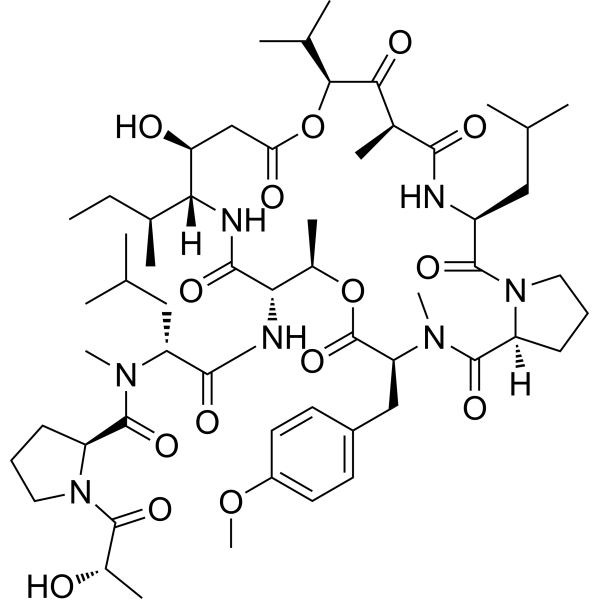
Didemnin B is a depsipeptide extracted from the marine tunicate Trididemnin cyanophorum. Didemnin B can be used for the research of cancer .
|
-
- HY-P5362
-
|
|
Radionuclide-Drug Conjugates (RDCs)
Somatostatin Receptor
|
Neurological Disease
Cancer
|
|
NODAGA-LM3 is a ligand that can cross the blood-brain barrier and targets somatostatin receptor SSTR2 with high affinity (IC50 = 1.3 nM). NODAGA-LM3 does not trigger the internalization of SSTR2 and can inhibit agonist-induced internalization processes. NODAGA-LM3 shows low uptake in normal tissues such as the liver and spleen, but high uptake in the lungs and blood pool. 68Ga-labeled NODAGA-LM3 can serve as a PET imaging agent for well-differentiated neuroendocrine tumors, and is applied in studies related to small cell lung cancer and well-differentiated neuroendocrine tumors .
|
-
- HY-P2336A
-
|
|
Melanocortin Receptor
|
Cancer
|
|
CCZ01048 TFA, a α-MSH analogue, exhibits high binding affinity to melanocortin 1 receptor (MC1R) with a Ki of 0.31 nM. CCZ01048 TFA shows rapid internalization into B16F10 melanoma cells and high in vivo stability. CCZ01048 TFA is a promising candidate for PET imaging of malignant melanoma .
|
-
- HY-P10341
-
|
|
GCGR
|
Metabolic Disease
|
|
ZP3022 is a dual agonist of glucagon-like peptide-1 (GLP-1) and gastrin that has the ability to sustainably improve glycemic control. Additionally, ZP3022 can effectively increase β-cell mass, promote β-cell proliferation, and enhance the function of pancreatic islets. ZP3022 can be used in anti-diabetic research .
|
-
- HY-P11004
-
|
|
Bacterial
Antibiotic
|
Infection
|
|
A3-APO is an antimicrobial peptide. A3-APO has a significant antimicrobial activity by a dual mode of action with both membrane disintegration and intracellular target inhibition. A3-APO can deactivate bacterial toxins and increase the expression of anti-inflammatory cytokines (such as IL-4 and IL-10), without antimicrobial resistance. A3-APO accelerates burn wounds healing in mice infection model of Acinetobacter baumannii and Staphylococcus aureus .
|
-
- HY-P10472
-
|
|
GnRH Receptor
|
Endocrinology
|
|
Azaline B is an antagonist for gonadotropin-releasing hormone (GnRH) with IC50 of 1.37 nM, Azaline B can be used in research of sex hormone-related pathological states, ovulation induction and male contraception .
|
-
- HY-P4757
-
|
|
Parasite
|
Others
|
|
N1-Glutathionyl-spermidine disulfide is a substrate of trypanothione reductase .
|
-
- HY-P11243
-
|
|
Ephrin Receptor
|
Neurological Disease
|
|
EphA4 agonist compound 23 is a novel EphA4 agonist peptide mimic. EphA4 agonist compound 23 exhibits high affinity, high selectivity, and significant receptor activation ability. EphA4 agonist compound 23 is commonly used in the study of neurodegenerative diseases .
|
-
- HY-P2434
-
|
|
Somatostatin Receptor
|
Neurological Disease
Metabolic Disease
Cancer
|
|
AP102 is a dual SSTR2/SSTR5-specific somatostatin analog (SSA). AP102 is a disulfide-bridged octapeptide SSA containing synthetic iodinated amino acids. AP102 binds with subnanomolar affinity to SSTR2 and SSTR5 (IC50: 0.63 and 0.65 nM, respectively). AP102 does not bind to SSTR1 or SSTR3. AP102 can be used for acromegaly and neuroendocrine tumors research .
|
-
- HY-P5362A
-
|
|
Radionuclide-Drug Conjugates (RDCs)
Somatostatin Receptor
|
Cancer
|
|
NODAGA-LM3 TFA is a ligand that can cross the blood-brain barrier and targets somatostatin receptor SSTR2 with high affinity (IC50 = 1.3 nM). NODAGA-LM3 TFA does not trigger the internalization of SSTR2 and can inhibit agonist-induced internalization processes. NODAGA-LM3 TFA shows low uptake in normal tissues such as the liver and spleen, but high uptake in the lungs and blood pool. 68Ga-labeled NODAGA-LM3 TFA can serve as a PET imaging agent for well-differentiated neuroendocrine tumors, and is applied in studies related to small cell lung cancer and well-differentiated neuroendocrine tumors .
|
-
- HY-105168
-
|
|
Endothelin Receptor
|
Cardiovascular Disease
|
|
TAK 044 is an antagonist of Endothelin Receptor. TAK 044 strongly inhibits ET-induced deterioration in various animal models. TAK 044 can be used in study ET-related diseases such as acute myocardial infarction,acute renal failure, acute hepatic malfunction, and subarachnoid hemorrhage .
|
-
- HY-P2075
-
|
|
Renin
|
Endocrinology
|
|
EMD 55068 is a renin antagonist. EMD 55068 inhibits the uptake of taurocholate .
|
-
- HY-P10876
-
|
|
Amyloid-β
|
Neurological Disease
|
|
mcK6A1 is an inhibitor for the aggregation of amyloid-β (Aβ), that selectively binds to the 16KLVFFA21 segment of Aβ42, forms an extended β-folded structure, and inhibits the formation of Aβ42 oligomers. mcK6A1 can be used in research of Alzheimer's disease and other amyloid-related diseases .
|
-
- HY-P11488
-
|
|
Radionuclide-Drug Conjugates (RDCs)
Somatostatin Receptor
PSMA
|
Cancer
|
|
JR11-PEG3-DOTA-PSMA-03 (Compound 2) is an RDC-related compound containing the chelating agent DOTA (HY-W053583), the JR11 peptide (SSTR2 antagonist), and the PSMA ligand. JR11-PEG3-DOTA-PSMA-03 shows SSTR2-binding affinities and PSMA-binding affinities, with IC50 s of 94.0 nM, 81.8 nM, respectively. JR11-PEG3-DOTA-PSMA-03 can be radiolabeled with [ 68Ga]. [ 68Ga] radiolabeled JR11-PEG3-DOTA-PSMA-03 can be used in diagnostic studies of neuroendocrine differentiated prostate cancer .
|
-
- HY-P11485
-
|
|
Radionuclide-Drug Conjugates (RDCs)
Somatostatin Receptor
PSMA
|
Cancer
|
|
JR11-PEG3-HBED-CC-PSMA-03 (Compound 1) is an RDC-related compound containing the chelating agent HBED-CC, the JR11 peptide (SSTR2 antagonist), and the PSMA ligand. JR11-PEG3-HBED-CC-PSMA-03 shows SSTR2-binding affinities and PSMA-binding affinities, with IC50 s of 59.2 nM, 57.0 nM, respectively. JR11-PEG3-HBED-CC-PSMA-03 can be radiolabeled with [ 68Ga]. [ 68Ga] radiolabeled JR11-PEG3-HBED-CC-PSMA-03 can be used in diagnostic studies of neuroendocrine differentiated prostate cancer .
|
-
- HY-K1046
-
|
|
|
L-glutamine is an important amino acid supplement commonly added to mammalian cell culture media. L-glutamine serves as an auxiliary energy source, especially when cells are rapidly dividing. L-glutamine is also important in the production of purine and pyrimidine nucleotides, amino sugars, glutathione, L-glutamate, other amino acids, and plays a role in protein synthesis and glucose production.
|
| Cat. No. |
Product Name |
Category |
Target |
Chemical Structure |
-
- HY-B1125
-
-
-
- HY-N0733
-
-
-
- HY-N0487
-
-
-
- HY-105055
-
-
-
- HY-128852
-
-
-
- HY-W021425
-
|
(2S,3R,4S,5R)-2-amino-3,4,5,6-tetrahydroxyhexanal hydrochloride
|
Classification of Application Fields
Metabolic Disease
Endogenous metabolite
Disease Research Fields
Saccharides
Source Classification
|
Drug Derivative
|
|
D-Mannosamine ((2S,3R,4S,5R)-2-Amino-3,4,5,6-tetrahydroxyhexanal) hydrochloride is a six-carbon amino sugar and an amino derivative of D-mannose. D-Mannosamine hydrochloride can block mannose receptors .
|
-
-
- HY-N0733R
-
-
-
- HY-113407CR
-
-
-
- HY-N11848R
-
-
-
- HY-N0487R
-
-
-
- HY-N15740
-
-
-
- HY-W021425R
-
|
(2S,3R,4S,5R)-2-amino-3,4,5,6-tetrahydroxyhexanal hydrochloride (Standard)
|
Structural Classification
Endogenous metabolite
Saccharides
Source Classification
|
Drug Derivative
Reference Standards
|
|
D-Mannosamine (hydrochloride) (Standard) is the analytical standard of D-Mannosamine (hydrochloride) (HY-W021425). This product is intended for research and analytical applications. D-Mannosamine ((2S,3R,4S,5R)-2-Amino-3,4,5,6-tetrahydroxyhexanal) hydrochloride is a six-carbon amino sugar and an amino derivative of D-mannose. D-Mannosamine hydrochloride can block mannose receptors .
|
-
| Cat. No. |
Product Name |
Chemical Structure |
-
- HY-N0733S3
-
|
|
|
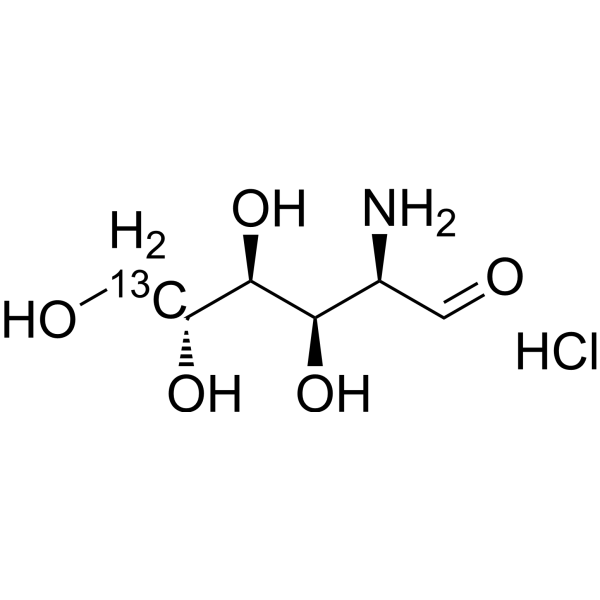
Glucosamine-6- 13C (hydrochloride) is the 13C labeled Glucosamine hydrochloride. Glucosamine hydrochloride (D-Glucosamine hydrochloride) is an amino sugar and a prominent precursor in the biochemical synthesis of glycosylated proteins and lipids, is used as
|
-
-
- HY-N0733S
-
|
|
|
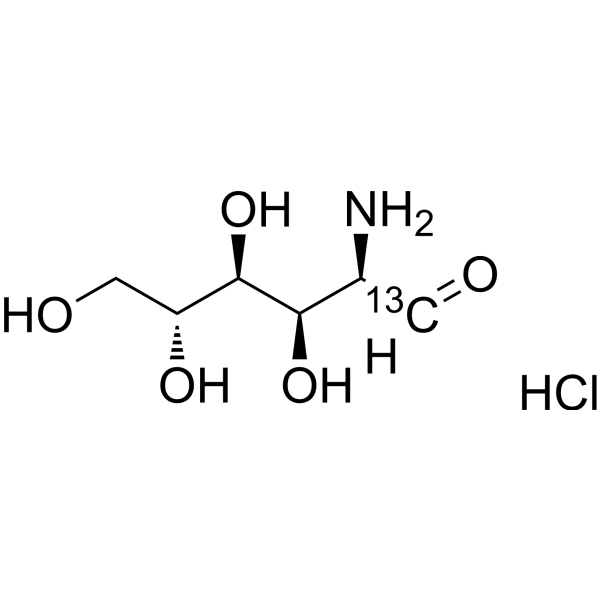
Glucosamine- 13C (hydrochloride) is the 13C labeled Glucosamine hydrochloride. Glucosamine hydrochloride (D-Glucosamine hydrochloride) is an amino sugar and a prominent precursor in the biochemical synthesis of glycosylated proteins and lipids, is used as a
|
-
-
- HY-N0733S4
-
|
|
|
Glucosamine- 15N (hydrochloride) is the 15N labeled Glucosamine hydrochloride. Glucosamine hydrochloride (D-Glucosamine hydrochloride) is an amino sugar and a prominent precursor in the biochemical synthesis of glycosylated proteins and lipids, is used as a
|
-
-
- HY-N0733S1
-
|
|
|
Glucosamine-2- 13C (hydrochloride) is the 13C labeled Glucosamine hydrochloride. Glucosamine hydrochloride (D-Glucosamine hydrochloride) is an amino sugar and a prominent precursor in the biochemical synthesis of glycosylated proteins and lipids, is used as
|
-
-
- HY-N0733S2
-
|
|
|
Glucosamine- 13C, 15N (hydrochloride) is the 13C and 15N labeled Glucosamine hydrochloride. Glucosamine hydrochloride (D-Glucosamine hydrochloride) is an amino sugar and a prominent precursor in the biochemical synthesis of glycosylated proteins and lipids, i
|
-
-
- HY-N0733S5
-
|
|
|
Glucosamine- 13C6, 15N hydrochloride is the 13C and 15N labeled Glucosamine hydrochloride. Glucosamine hydrochloride (D-Glucosamine hydrochloride) is an amino sugar and a prominent precursor in the biochemical synthesis of glycosylated proteins and lipids.
|
-
-
- HY-B1125S
-
|
|
|
Glucosamine- 13C6 (D-Glucosamine- 13C6) is 13C labeled Glucosamine. Glucosamine (D-Glucosamine) is an amino sugar and a prominent precursor in the biochemical synthesis of glycosylated proteins and lipids, is used as a dietary supplement. Glucosamine also is a natural constituent of glycosaminoglycans in the cartilage matrix and synovial fluid, which when administered exogenously, exerts pharmacological effects on osteoarthritic cartilage and chondrocytes .
|
-
-
- HY-W021425S1
-
|
|
|
D-Mannosamine-d2 (2S,3R,4S,5R)-2-Amino-3,4,5,6-tetrahydroxyhexanal-d2) hydrochloride is a deuterium labeled D-Mannosamine hydrochloride (HY-W021425). D-Mannosamine ((2S,3R,4S,5R)-2-Amino-3,4,5,6-tetrahydroxyhexanal) hydrochloride is a six-carbon amino sugar and an amino derivative of D-mannose. D-Mannosamine hydrochloride can block mannose receptors.
|
-
-
- HY-113407CS
-
|
|
|
D-Fructose-6-phosphate disodium monohydrate- 13C6 is the 13C-labeled D-Fructose-6-phosphate disodium monohydrate (HY-113407C). D-Fructose-6-phosphate disodium monohydrate is an intermediate of Glycolysis. D-Fructose-6-phosphate disodium monohydrate is the precursor for the synthesis of amino sugars, such as galactosamine and glucosamine .
|
-
| Cat. No. |
Product Name |
Target |
Research Areas |
Chemical Structure |
-
- HY-B0342GL
-
|
Methylglucamine (GMP Like); Meglumin (GMP Like); Methylglucamin (GMP Like)
|
Biochemical Assay Reagents
|
Cancer
|
|
Meglumine (GMP Like) (Methylglucamine (GMP Like)) is the GMP Like class Meglumine (HY-B0342) that can be used as pharmaceutical excipients. Meglumine (Methylglucamine) is an orally active amino sugar derived from sorbitol. Meglumine has anti-inflammatory and antitumor activity. Meglumine is often used as an excipient in active molecules and with iodinated compounds in contrast agents such as meglumine and meglumine iodide .
|
-
Your information is safe with us. * Required Fields.
Inquiry Information
- Product Name:
- Cat. No.:
- Quantity:
- MCE Japan Authorized Agent:

