Search Result
Results for "
breast cancer metastasis model
" in MedChemExpress (MCE) Product Catalog:
| Cat. No. |
Product Name |
Target |
Research Areas |
Chemical Structure |
-
- HY-10201
-
Sorafenib
Maximum Cited Publications
283 Publications Verification
Bay 43-9006
|
Raf
VEGFR
FLT3
Autophagy
Apoptosis
STAT
Akt
MMP
Cadherin
p38 MAPK
ERK
MEK
PI3K
PARP
Bcl-2 Family
|
Infection
Neurological Disease
Metabolic Disease
Inflammation/Immunology
Cancer
|
|
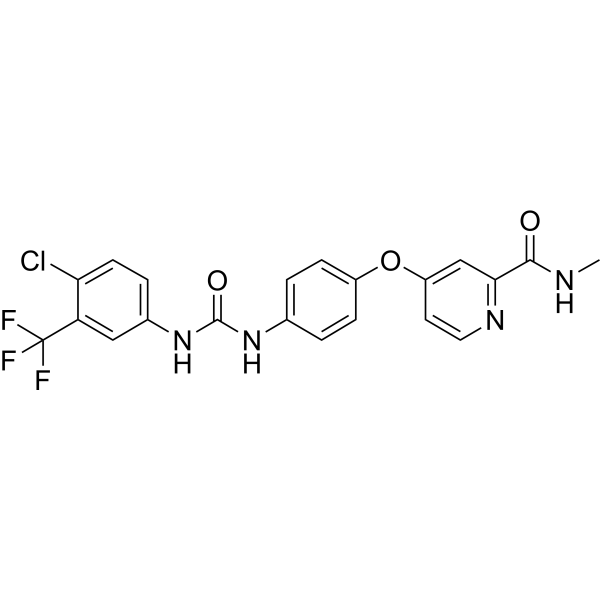
Sorafenib (Bay 43-9006) is a potent oral active multikinase inhibitor. Sorafenib blocks autophosphorylation and activity of receptor tyrosine kinases (VEGFR-2, VEGFR-3) and RAF family kinases, thereby suppressing the RAF/MEK/ERK and PI3K/Akt pathways, inhibiting STAT3 phosphorylation, and selectively inhibiting the MAPK pathway in cancer cells. Sorafenib induces cell cycle arrest, autophagy, apoptosis, and PARP cleavage, reduces Bcl-2, Bcl-XL, cyclin D1 levels, and activates Bak and Bax. Sorafenib inhibits tumor growth and metastasis in mouse and rat models. Sorafenib can be used for cancer research, such as colon, breast, non-small-cell lung cancer (NSCLC), ovarian, pancreatic, melanoma, colorectal and hepatocellular carcinoma .
|
-
-
- HY-10201A
-
|
Bay 43-9006 tosylate
|
Raf
VEGFR
FLT3
Autophagy
Apoptosis
STAT
Akt
MMP
Cadherin
p38 MAPK
ERK
MEK
PI3K
PARP
Bcl-2 Family
|
Infection
Neurological Disease
Metabolic Disease
Inflammation/Immunology
Cancer
|
|
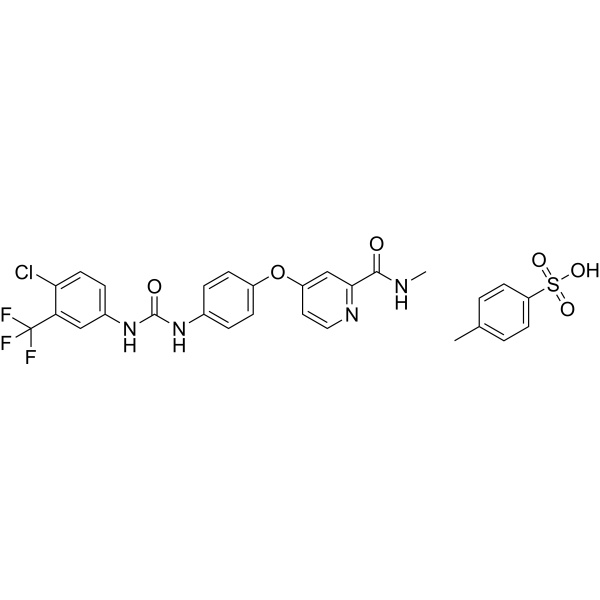
Sorafenib (Bay 43-9006) tosylate is a potent oral active multikinase inhibitor. Sorafenib blocks autophosphorylation and activity of receptor tyrosine kinases (VEGFR-2, VEGFR-3) and RAF family kinases, thereby suppressing the RAF/MEK/ERK and PI3K/Akt pathways, inhibiting STAT3 phosphorylation, and selectively inhibiting the MAPK pathway in cancer cells. Sorafenib tosylate induces cell cycle arrest, autophagy, apoptosis, and PARP cleavage, reduces Bcl-2, Bcl-XL, cyclin D1 levels, and activates Bak and Bax. Sorafenib tosylate inhibits tumor growth and metastasis in mouse and rat models. Sorafenib tosylate can be used for cancer research, such as colon, breast, non-small-cell lung cancer (NSCLC), ovarian, pancreatic, melanoma, colorectal and hepatocellular carcinoma .
|
-
-
- HY-N0841
-
|
Dihydrobrusatol; NSC310616
|
Parasite
NF-κB
p38 MAPK
Phosphatase
Apoptosis
|
Infection
Cancer
|
|
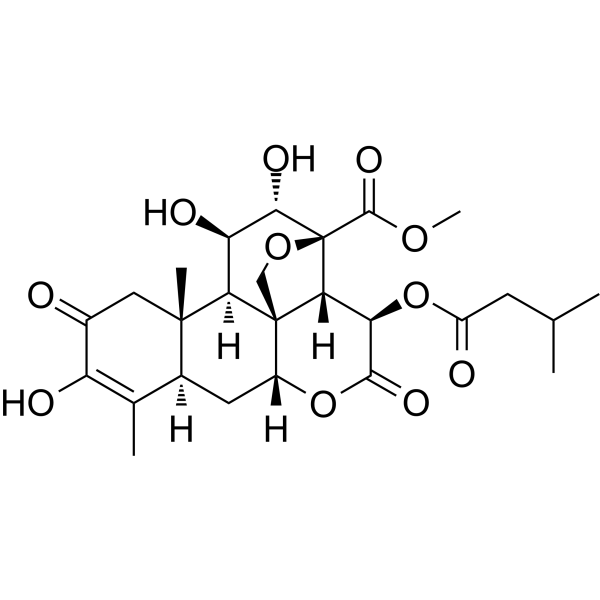
Bruceine A (Dihydrobrusatol) is a natural quassinoid. Bruceine A is an inhibitor of parasites, NF-κB, and PFKFB4 (Kd: 44 nM). Bruceine A is an activator of P38α MAPK. Bruceine A has antiparasitic activity. Bruceine A has antitumor activity and inhibits cancer cell migration. Bruceine A blocks the cell cycle and induces apoptosis. Bruceine A can be used in parasites, pancreatic cancer, and breast cancer research .
|
-
-
- HY-12875
-
|
|
Ras
|
Cancer
|
|
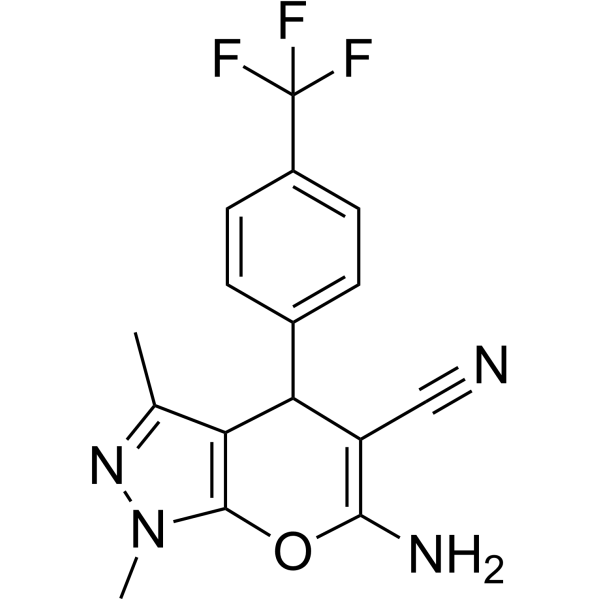
BQU57 is a selective inhibitor of RalA/RalB small GTPases, with a binding potency (Kb) of 7.7 μM for RalB-GDP. BQU57 can block its interaction with effector proteins (such as SEC5 and EXO84), inhibiting tumor cell migration, invasion and non-adherent growth. BQU57 downregulates the NF-κB signaling pathway, reduces the expression of IL-6, IL-8 and MMP-13, and inhibits apoptosis by regulating the Bcl-2/Bax balance. BQU57 also protects the extracellular matrix by inhibiting the Ral/NF-κB pathway and can be used for the study of degenerative diseases. BQU57 exhibits significant antitumor activity in triple-negative breast cancer (TNBC) models, inhibiting orthotopic tumor growth and lung metastasis and enhancing paclitaxel chemotherapy sensitivity .
|
-
-
- HY-138657
-
|
|
Phosphatase
|
Cancer
|
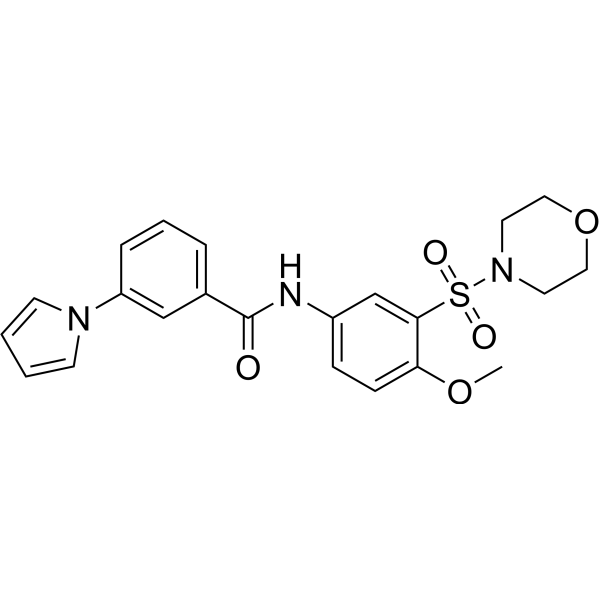
NCGC00378430 is a potent SIX1/EYA2 interaction inhibitor. NCGC00378430 partially reverses transcriptional and metabolic profiles mediated by SIX1 overexpression and reverses SIX1-induced TGF-β signaling and epithelial-mesenchymal transition (EMT). NCGC00378430 inhibits SIX1-mediated breast cancer metastasis in a mouse model .
|
-
-
- HY-173496
-
|
|
Sialyltransferase
Integrin
VEGFR
Akt
|
Cancer
|
|
ST6GAL1-IN-1 is an orally active selective ST6GAL1 inhibitor (IC50 = 20 μM). ST6GAL1-IN-1 exhibits high antimetastatic potential, effectively inhibiting the migration of MDA-MB-231 cells at noncytotoxic concentrations. ST6GAL1-IN-1 can disrupt integrin sialylation in MDA-MB-231 cells. ST6GAL1-IN-1 inhibits tumor angiogenesis and cancer metastasis via the Integrin/VEGFR2-mediated signaling pathway. ST6GAL1-IN-1 effectively suppresses both tumor growth and cancer metastasis on the MDA-MB-231 xenograft model. ST6GAL1-IN-1 can be used for the study of Triple-negative breast cancer (TNBC) .
|
-

-
- HY-120548
-
|
|
TGF-β Receptor
Integrin
Raf
RIP kinase
ERK
|
Cancer
|
|
KBU2046 is an orally active transforming growth factor-β (TGF-β1) inhibitor. KBU2046 reduces integrin family protein expression, decreases Raf, RIPK1 and ERK phosphorylation to deactivate the ERK signaling pathway, and down-regulates genes linked to TGF-β1 maturation. KBU2046 suppresses tumor cell motility, impedes cancer invasion and metastasis, and inhibits human ESCC growth and metastasis in a murine model. KBU2046 can be used for the researches of triple-negative breast cancer and esophageal squamous cell carcinoma .
|
-
-
- HY-124632
-
WJ460
3 Publications Verification
|
Ferroptosis
Autophagy
|
Cancer
|
|
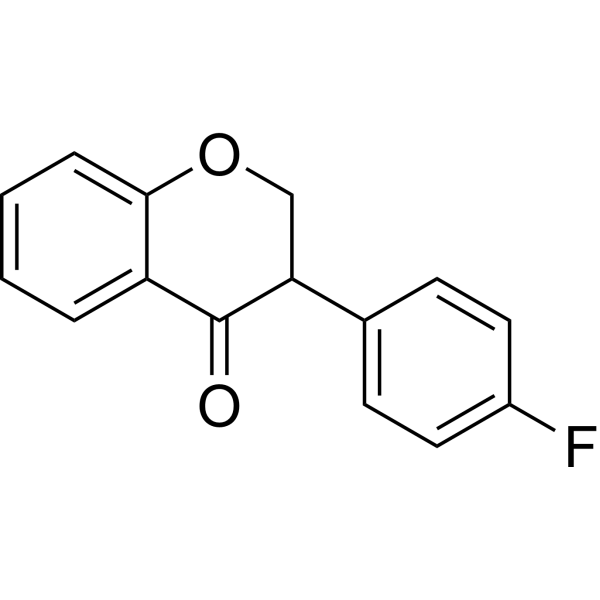
WJ460 is a potent inhibitor of myoferlin (MYOF) that interacts directly with MYOF. WJ460 inhibits the migration and growth, induces cell cycle arrest, mitochondrial autophagy, lipid peroxidation and ferroptosis in tumor cells. WJ460 has anti-tumor activity .
|
-

-
- HY-101481
-
|
|
COX
Apoptosis
MEK
ERK
PPAR
AMPK
NF-κB
Interleukin Related
TNF Receptor
STAT
Wnt
|
Neurological Disease
Inflammation/Immunology
Cancer
|
|
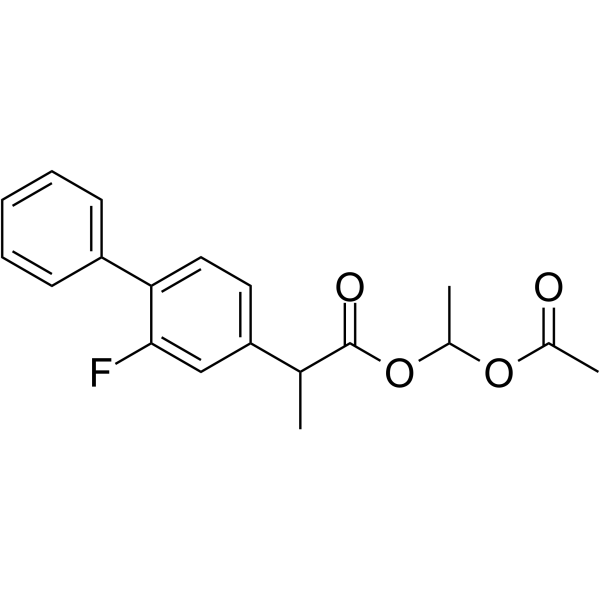
Flurbiprofen axetil is a non-selective COX inhibitor and a nonsteroidal anti-inflammatory agent with anti-inflammatory and analgesic effects. Flurbiprofen axetil inhibits basal-like breast cancer metastasis by inhibiting the MEK/ERK signaling pathway. Flurbiprofen axetil can promote neuroprotection after focal cerebral ischemia in rats by partially activating PPAR-γ. Flurbiprofen axetil alleviates cerebral ischemia/reperfusion injury by reducing inflammation in a transient global cerebral ischemia/reperfusion rat model. Flurbiprofen axetil can alleviate inflammatory responses and cognitive function in a mild cognitive impairment (MCI) SD rat model through the AMPKα/NF-κB signaling pathway .
|
-
-
- HY-P10427
-
|
|
CXCR
Dengue Virus
|
Neurological Disease
Inflammation/Immunology
Cancer
|
|
DV1 is a CXCR4 inhibitor with anti-proteolytic properties that specifically blocks the binding of SDF-1α to its receptor. DV1 inhibits the migration of breast cancer cells and enables the targeted delivery of avidin-PLGA nanoparticles to CXCR4-expressing cancer cells. DV1 not only effectively suppresses the progression of metastatic breast cancer in mouse models, but also preferentially accumulates in brain tumor tissues rather than normal brain tissues, showing potential for inhibiting intracranial tumor metastasis. As a humoral immune stimulant, DV1 induces the production of specific IgG, neutralizing antibodies and cellular immune responses, thereby providing the host with protection against lethal challenges. DV1 has been applied to studies on CXCR4-expressing cancers, glioblastoma, dengue fever and other related diseases .
|
-

-
- HY-N7694
-
|
|
TGF-β Receptor
JAK
STAT
Apoptosis
|
Inflammation/Immunology
Cancer
|
|
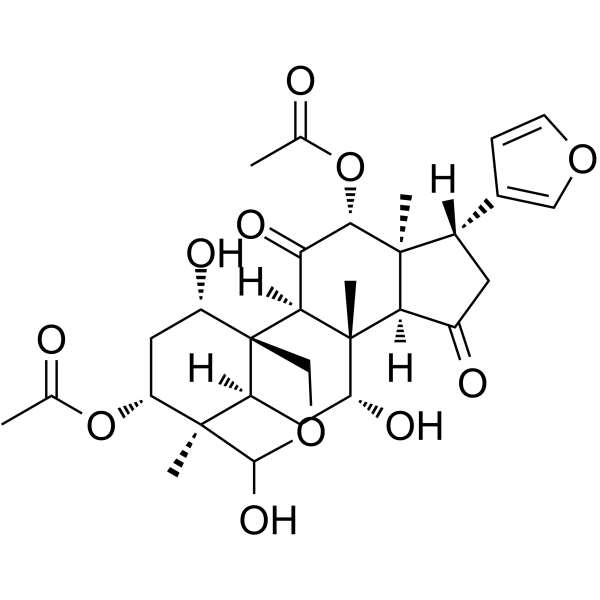
Isotoosendanin is an orally active TGFβR1 inhibitor and abrogating its kinase activity (IC50 = 6732 nM). Isotoosendanin inhibits the JAK/STAT3 signaling pathway by directly targeting SHP-2, enhancing its stability, and reducing its ubiquitination. Isotoosendanin inhibits TGF-β-induced reduces the migration, invasion, and metastasis in triple-negative breast cancer (TNBC) cells. Isotoosendanin exhibits anti-tumor efficacy in TNBC xenograft models and A549 xenograft tumors. Isotoosendanin exhibits significant anti-inflammatory effects in acetic acid-induced vascular permeability and λ-carrageenan-induced hind paw edema tests. Isotoosendanin can be used for the study of non-small cell lung cancer (NSCLC), TNBC and inflammation .
|
-
-
- HY-P991646
-
|
heMab
|
Transmembrane Glycoprotein
|
Cancer
|
|
ING-1 (heMab) is a high-affinity humanized monoclonal antibody against epithelial cell adhesion molecule (Ep-CAM). ING-1 is a transmembrane glycoprotein mediating Ca 2+. ING-1 binds to Ep-CAM on tumor cells and exhibits potent in vitro activity, targeting and inhibiting tumor growth and metastasis in mouse cancer models. ING-1 is useful in the research of breast, colorectal, and lung cancers, among other cancers .
|
-

-
- HY-P10427A
-
|
|
CXCR
Dengue Virus
|
Infection
|
|
DV1 TFA is a CXCR4 inhibitor with anti-proteolytic properties that specifically blocks the binding of SDF-1α to its receptor. DV1 TFA inhibits the migration of breast cancer cells and enables the targeted delivery of avidin-PLGA nanoparticles to CXCR4-expressing cancer cells. DV1 TFA not only effectively suppresses the progression of metastatic breast cancer in mouse models, but also preferentially accumulates in brain tumor tissues rather than normal brain tissues, showing potential for inhibiting intracranial tumor metastasis. As a humoral immune stimulant, DV1 TFA induces the production of specific IgG, neutralizing antibodies and cellular immune responses, thereby providing the host with protection against lethal challenges. DV1 TFA has been applied to studies on CXCR4-expressing cancers, glioblastoma, dengue fever and other related diseases .
|
-

-
- HY-164429
-
|
|
Integrin
Elastase
|
Cancer
|
|
VIP236 is a small-molecule drug conjugate targeting αvβ3 integrin. VIP236 achieves tumor homing via specific binding to αvβ3 integrin and delivers its payload to the tumor microenvironment. The linker of VIP236 is cleavable by neutrophil elastase, which is highly expressed in the tumor microenvironment, to release the payload 7-ethylcamptothecin. This payload induces DNA damage by inhibiting topoisomerase 1, thereby exerting anti-tumor effects. VIP236 exhibits excellent plasma stability and tumor targeting property, with a tumor/plasma payload ratio 10-fold higher than that of the single administration. It effectively induces tumor regression, reduces metastasis formation, and shows good tolerance in mouse models. VIP236 has been used in studies related to non-small cell lung cancer, clear cell renal cell carcinoma, colon cancer, triple-negative breast cancer, small cell lung cancer, and metastatic solid tumors .
|
-

-
- HY-P991660
-
|
|
c-Met/HGFR
|
Cancer
|
|
ARGX-111 is an anti-MET antibody. ARGX-111 blocks HGF-dependent and -independent signaling, downregulating MET expression on the tumor cell surface. ARGX-111 depletes MET-expressing circulating tumor cells through enhanced antibody-dependent cell-mediated cytotoxicity (ADCC), thereby inhibiting tumor metastasis. ARGX-111 depletes circulating tumor cells and inhibits bone and lung metastasis in an orthotopic mouse model of metastatic breast cancer. ARGX-111 is promising for research in breast cancer and other cancers .
|
-

-
- HY-179578
-
|
|
Enolase
AMPK
Autophagy
Apoptosis
mTOR
Caspase
|
Metabolic Disease
Cancer
|
|
SU212 is a podophyllotoxin-derived ENO1 inhibitor and AMPK activator. SU212 can selectively induce oxidative phosphorylation, reduce glycolysis activity and glucose uptake in tumor cells, and directly bind to ENO1 without affecting these pathways in normal cells. SU212 induces apoptosis and promotes ENO1 degradation via proteasomal and autophagic pathways without inhibiting the catalytic activity. SU212 leads to mitotic arrest and apoptosis in TNBC (triple-negative breast cancer) cells by activating AMPK, demonstrating potent anti-tumor activity in vitro. SU212 inhibits tumor growth and metastasis in syngeneic, xenograft, and diabetic mouse models, exhibiting an excellent safety profile. SU212 can be used in research on t TNBC, diabetes, and fatty liver disease .
|
-

-
- HY-170453
-
|
|
Epigenetic Reader Domain
|
Cancer
|
|
iHAC is an inhibitor HSP90-anchoring chimera, that covalently binds BRD4 ligand (+)-JQ-1 to HSP90, and inhibits the proliferation of cancer cells. iHAC activates the anti-tumor immune response, inhibits the recurrence and metastasis of 4T1 breast cancer in mouse models .
|
-

-
- HY-P11018
-
|
|
Peptide-Drug Conjugates (PDCs)
Ephrin Receptor
|
Cancer
|
|
(123B9)2-L2-PTX is an EphA2-agonistic peptide-drug conjugate (PDC). (123B9)2-L2-PTX consists of a dimeric 123B9 (HY-P10579) and Paclitaxel (HY-B0015). (123B9)2-L2-PTX significantly reduces circulating tumor cells and inhibits lung tumor metastasis in breast-cancer-Metastasis mice model. (123B9)2-L2-PTX can be used for cancers research, such as melanomas and ovarian and breast cancers .
|
-

-
- HY-P10947
-
|
|
Epigenetic Reader Domain
YAP
|
Cancer
|
|
MACTIDE-V is an orally active and selective peptide-drug conjugate targeting CD206. MACTIDE-V delivers Verteporfin (HY-B0146) to CD206 + tumor-associated macrophages (TAM) to inhibit the YAP/TAZ signaling pathway, prompting YAP exclusion from the nucleus, inducing TAM polarization toward an anti-tumoral phenotype with enhanced phagocytosis and antigen presentation, and boosting T cell infiltration and NK cell activity. MACTIDE-V suppresses primary tumor growth and lung metastasis in triple-negative breast cancer (TNBC) mouse models .
|
-

-
- HY-161577
-
|
|
Bcl-2 Family
|
Cancer
|
|
BFC1103 is a small-molecule compound whose primary mechanism of action involves interaction with a specific domain of Bcl-2, particularly its loop domain. This interaction induces a conformational change in Bcl-2, exposing its BH3 (Bcl-2 homology 3) domain, thereby switching Bcl-2's function from anti-apoptotic to pro-apoptotic. The cell death induced by BFC1103 is dependent on the presence of Bax or Bak, both of which are key proteins involved in the intrinsic apoptotic pathway mediated by mitochondria. BFC1103 has successfully inhibited lung metastasis of triple-negative breast cancer in mouse models. It can be utilized in studying the roles of Bcl-2 family proteins in cancer development and how they impact the survival and proliferation of cancer cells .
|
-

-
- HY-155251
-
|
|
Apoptosis
Bcl-2 Family
|
Cancer
|
|
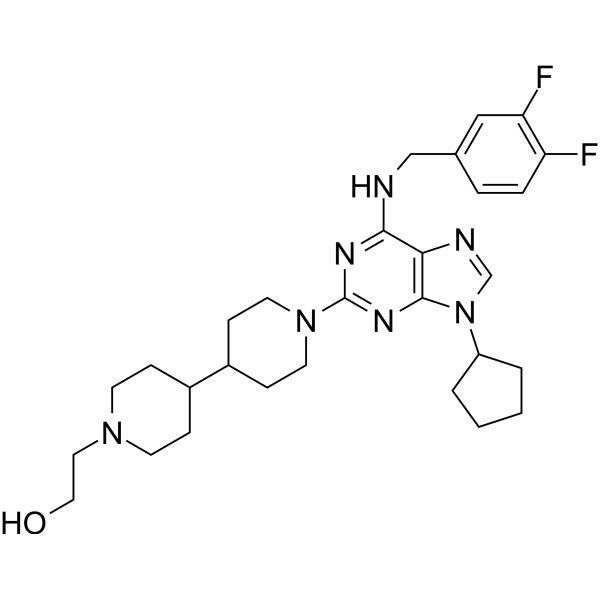
anti-TNBC agent-3 (compound 3g) is an apoptosis inducer with anti-cancer cell proliferation activity. anti-TNBC agent-3 inhibits tumor growth and metastasis in triple-negative breast cancer (TNBC) xenograft models .
|
-
-
- HY-156077
-
|
|
Apoptosis
DNA/RNA Synthesis
|
Cancer
|
|
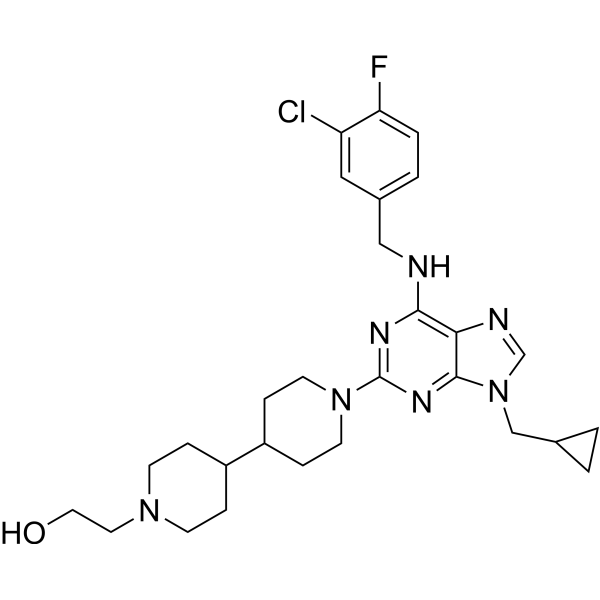
anti-TNBC agent-2 (3j) an anti-Triple negative breast cancer (TNBC) purine derivative. anti-TNBC agent-2 induces MDA-MB-231 cells apoptosis, and inhibits its migration and angiogenesis. anti-TNBC agent-2 inhibits tumor growth and metastasis and reduces the expression of Ki67 and CD31 protein in TNBC xenograft models. anti-TNBC agent-2 can be used for Triple negative breast cancer (TNBC) research .
|
-
-
- HY-175820
-
|
|
VEGFR
ERK
Apoptosis
EGFR
|
Cancer
|
|
AGW-11 is a potent dual inhibitor of EGFR (IC50 = 556 nM) and VEGFR2 (IC50 = 289.7 nM). AGW-11 induces apoptosis and suppresses phosphorylation of EGFR, VEGFR2, and ERK1/2 in HUVECs. AGW-11 effectively inhibits cancer cell growth, reduces HUVEC proliferation, tube formation, and invasion, thereby blocking angiogenesis. AGW-11 significantly suppresses tumor growth and decreases lung metastasis in a 4T1 xenograft mouse model. AGW-11 can be used for the study of breast cancer .
|
-

-
- HY-170948
-
|
|
Adenosine Receptor
|
Cancer
|
|
A2AR modulator-1 (Compound 45) is a selective negative allosteric adenosine A2a receptor (A2aR) modulator with an IC50 value of 9 nM. A2AR modulator-1 reduces the affinity of endogenous adenosine for the receptor and inhibits cAMP signaling pathway activation. A2AR modulator-1 potently restores pCREB phosphorylation in CD4 + T cells, reversing immunosuppression in the tumor microenvironment, and shows potential to suppress tumor growth and metastasis in triple-negative breast cancer models .
|
-

-
- HY-101481R
-
|
|
Reference Standards
COX
Apoptosis
MEK
ERK
PPAR
AMPK
NF-κB
Interleukin Related
TNF Receptor
STAT
Wnt
|
Neurological Disease
Inflammation/Immunology
Cancer
|
|
Flurbiprofen axetil (Standard) is the analytical standard of Flurbiprofen axetil. This product is intended for research and analytical applications. Flurbiprofen axetil is a non-selective COX inhibitor and a nonsteroidal anti-inflammatory agent with anti-inflammatory and analgesic effects. Flurbiprofen axetil inhibits basal-like breast cancer metastasis by inhibiting the MEK/ERK signaling pathway. Flurbiprofen axetil can promote neuroprotection after focal cerebral ischemia in rats by partially activating PPAR-γ. Flurbiprofen axetil alleviates cerebral ischemia/reperfusion injury by reducing inflammation in a transient global cerebral ischemia/reperfusion rat model. Flurbiprofen axetil can alleviate inflammatory responses and cognitive function in a mild cognitive impairment (MCI) SD rat model through the AMPKα/NF-κB signaling pathway .
|
-

-
- HY-160740
-
|
|
Others
|
Cancer
|
|
Antitumor agent-148 (Example 1) is an anti-cancer agent. Antitumor agent-148 effectively inhibits the growth, migration and invasion of cancer cells. Antitumor agent-148 significantly inhibits the lymphatic metastasis of breast cancer cells in mouse models. Antitumor agent-148 can be used for the study of malignant tumors such as breast cancer, lung cancer and gastric cancer .
|
-

-
- HY-15150C
-
|
(R)-R428; (R)-BGB324
|
Drug Isomer
|
Cancer
|
|
(R)-Bemcentinib ((R)-R428) is the R-isomer of Bemcentinib (HY-15150). Bemcentinib (R428) is a selective, orally active Axl inhibitor with an IC50 of 14 nM. Bemcentinib blocks tumor metastasis and prolongs survival in metastatic breast cancer models .
|
-

-
- HY-183784
-
|
|
P2X Receptor
FAK
MMP
|
Cancer
|
|
P2X7R antagonist-1 is an orally active P2X7 receptor antagonist with an IC50 of 3.57 μM. P2X7R antagonist-1 inhibits the proliferation, invasion and metastasis abilities of cancer cells. P2X7R antagonist-1 downregulates the expression of FAK and MMP-9. P2X7R antagonist-1 suppresses tumor growth and metastasis in a mouse breast cancer model. P2X7R antagonist-1 promotes the activation of CD4 and CD8 T cells. P2X7R antagonist-1 can be used in breast cancer-related research .
|
-

-
- HY-182743
-
|
|
AMPK
MARK
YAP
|
Cancer
|
|
OICR19451 is an orally active dual NUAK1/NUAK2 and MARK2/MARK3 kinase inhibitor, with IC50 values of 12 nM and 10 nM against NUAK1 and NUAK2, and 101 nM and 124 nM against MARK2 and MARK3, respectively. OICR19451 modulates the Hippo signaling pathway, increases the phosphorylation level of YAP, enhances the cytoplasmic localization of YAP/TAZ, and inhibits the expression of oncogenes. OICR19451 inhibits cancer cell growth, reduces metastasis, promotes tumor capsule formation, and improves mouse survival in an orthotopic breast cancer model. OICR19451 can be used for research related to triple-negative breast cancer .
|
-

-
- HY-182506
-
|
BM 12.531
|
Biochemical Assay Reagents
|
Inflammation/Immunology
Cancer
|
|
Azimexon (BM 12.531) is an orally active immunomodulator with radioprotective and antitumor activities. Azimexon prolongs survival in multiple mouse models, enhances immunity and hematopoiesis, and alleviates radiation injury and tumor metastasis. Azimexon causes reversible hemolytic anemia in rats and dogs, and exerts therapeutic activity against adjuvant-induced arthritis in rats. Azimexon can be used for the research of lung carcinoma, leukemia, multiple myeloma, lung tumor, arthritis, breast cancer and AIDS‑related complex .
|
-

-
- HY-182380
-
|
|
STAT
NOD-like Receptor (NLR)
Apoptosis
|
Others
Neurological Disease
Inflammation/Immunology
Cancer
|
|
ODZ10117 is a STAT3 and NLRP3 inhibitor with a human STAT3 SH2 domain IC50 of 7.5 μM. ODZ10117 binds to the STAT3 SH2 domain, suppressing tyrosine phosphorylation, dimerization, nuclear translocation, and transcriptional activity. ODZ10117 binds to NLRP3, impairs NEK7 interaction, prevents inflammasome formation, and inhibits caspase-1 and IL-1β cleavage.ODZ10117 reduces MSU (HY-B2130A)-induced IL-1β release, lowers LPS (HY-D1056)-induced sepsis mortality, and exhibits anti-inflammatory effects. ODZ10117 induces apoptosis, suppresses breast cancer cell migration and invasion, reduces tumor growth and lung metastasis, and extends survival in breast cancer models. ODZ10117 can be used for the research of Monosodium urate (HY-B2130A)-induced peritonitis, LPS-induced sepsis, breast cancer, glioblastoma, and Alzheimer's disease .
|
-

-
- HY-183246
-
|
|
PAK
Cdc42-binding kinase
|
Cancer
|
|
Rac/Cdc42-IN-1, the major phase I metabolite of the oral Rac/Cdc42 inhibitor MBQ-167 (HY-112842) in vivo, is a selective Rac inhibitor. Rac/Cdc42-IN-1 functions by blocking the GTP-binding activation of Rac1, targeting the autophosphorylation of Thr 423/Thr 402/Thr 436 and Ser 141/Ser 144/Ser 154 in downstream PAK1/2/3, with an inhibitory effect superior to that of MBQ-167. Rac/Cdc42-IN-1 significantly inhibits cell migration, and suppresses tumor growth and distant metastasis to the lung, liver and kidney in HER2+ breast cancer mouse models. Rac/Cdc42-IN-1 can be used for targeted research on metastatic breast cancer .
|
-

| Cat. No. |
Product Name |
Target |
Research Area |
-
- HY-P10427
-
|
|
CXCR
Dengue Virus
|
Neurological Disease
Inflammation/Immunology
Cancer
|
|
DV1 is a CXCR4 inhibitor with anti-proteolytic properties that specifically blocks the binding of SDF-1α to its receptor. DV1 inhibits the migration of breast cancer cells and enables the targeted delivery of avidin-PLGA nanoparticles to CXCR4-expressing cancer cells. DV1 not only effectively suppresses the progression of metastatic breast cancer in mouse models, but also preferentially accumulates in brain tumor tissues rather than normal brain tissues, showing potential for inhibiting intracranial tumor metastasis. As a humoral immune stimulant, DV1 induces the production of specific IgG, neutralizing antibodies and cellular immune responses, thereby providing the host with protection against lethal challenges. DV1 has been applied to studies on CXCR4-expressing cancers, glioblastoma, dengue fever and other related diseases .
|
-
- HY-P10427A
-
|
|
CXCR
Dengue Virus
|
Infection
|
|
DV1 TFA is a CXCR4 inhibitor with anti-proteolytic properties that specifically blocks the binding of SDF-1α to its receptor. DV1 TFA inhibits the migration of breast cancer cells and enables the targeted delivery of avidin-PLGA nanoparticles to CXCR4-expressing cancer cells. DV1 TFA not only effectively suppresses the progression of metastatic breast cancer in mouse models, but also preferentially accumulates in brain tumor tissues rather than normal brain tissues, showing potential for inhibiting intracranial tumor metastasis. As a humoral immune stimulant, DV1 TFA induces the production of specific IgG, neutralizing antibodies and cellular immune responses, thereby providing the host with protection against lethal challenges. DV1 TFA has been applied to studies on CXCR4-expressing cancers, glioblastoma, dengue fever and other related diseases .
|
-
- HY-P11018
-
|
|
Peptide-Drug Conjugates (PDCs)
Ephrin Receptor
|
Cancer
|
|
(123B9)2-L2-PTX is an EphA2-agonistic peptide-drug conjugate (PDC). (123B9)2-L2-PTX consists of a dimeric 123B9 (HY-P10579) and Paclitaxel (HY-B0015). (123B9)2-L2-PTX significantly reduces circulating tumor cells and inhibits lung tumor metastasis in breast-cancer-Metastasis mice model. (123B9)2-L2-PTX can be used for cancers research, such as melanomas and ovarian and breast cancers .
|
-
- HY-P10947
-
|
|
Epigenetic Reader Domain
YAP
|
Cancer
|
|
MACTIDE-V is an orally active and selective peptide-drug conjugate targeting CD206. MACTIDE-V delivers Verteporfin (HY-B0146) to CD206 + tumor-associated macrophages (TAM) to inhibit the YAP/TAZ signaling pathway, prompting YAP exclusion from the nucleus, inducing TAM polarization toward an anti-tumoral phenotype with enhanced phagocytosis and antigen presentation, and boosting T cell infiltration and NK cell activity. MACTIDE-V suppresses primary tumor growth and lung metastasis in triple-negative breast cancer (TNBC) mouse models .
|
| Cat. No. |
Product Name |
Target |
Research Area |
Image |
-
- HY-P991646
-
|
heMab
|
Transmembrane Glycoprotein
|
Cancer
|
|
ING-1 (heMab) is a high-affinity humanized monoclonal antibody against epithelial cell adhesion molecule (Ep-CAM). ING-1 is a transmembrane glycoprotein mediating Ca 2+. ING-1 binds to Ep-CAM on tumor cells and exhibits potent in vitro activity, targeting and inhibiting tumor growth and metastasis in mouse cancer models. ING-1 is useful in the research of breast, colorectal, and lung cancers, among other cancers .
|
-

(5)
-
- HY-P991660
-
|
|
c-Met/HGFR
|
Cancer
|
|
ARGX-111 is an anti-MET antibody. ARGX-111 blocks HGF-dependent and -independent signaling, downregulating MET expression on the tumor cell surface. ARGX-111 depletes MET-expressing circulating tumor cells through enhanced antibody-dependent cell-mediated cytotoxicity (ADCC), thereby inhibiting tumor metastasis. ARGX-111 depletes circulating tumor cells and inhibits bone and lung metastasis in an orthotopic mouse model of metastatic breast cancer. ARGX-111 is promising for research in breast cancer and other cancers .
|
-
(5)
| Cat. No. |
Product Name |
Category |
Target |
Chemical Structure |
| Cat. No. |
Product Name |
|
Classification |
-
- HY-157411
-
|
|
|
Alkynes
|
|
anti-TNBC agent-5 (compound 10C) is a triple-negative breast cancer (TNBC) inhibitor with good stability and pharmacokinetic properties. anti-TNBC agent-5 exhibits antiproliferative activity against a variety of cancer cells. anti-TNBC agent-5 can also effectively inhibit TNBC lung metastasis activity in the MDA-MB-231 xenograft model. anti-TNBC agent-5 can be used in cancer research .
|
Your information is safe with us. * Required Fields.
Inquiry Information
- Product Name:
- Cat. No.:
- Quantity:
- MCE Japan Authorized Agent:








