
1. Search Result
Search Result
Results for "

burkitt lymphoma

" in MedChemExpress (MCE) Product Catalog:

30

Inhibitors & Agonists

2

Peptides

8

Inhibitory Antibodies

2

Natural
Products

2

Isotope-Labeled Compounds

4

Antibodies

Cat. No. Product Name Target Research Areas Chemical Structure
  • HY-158105
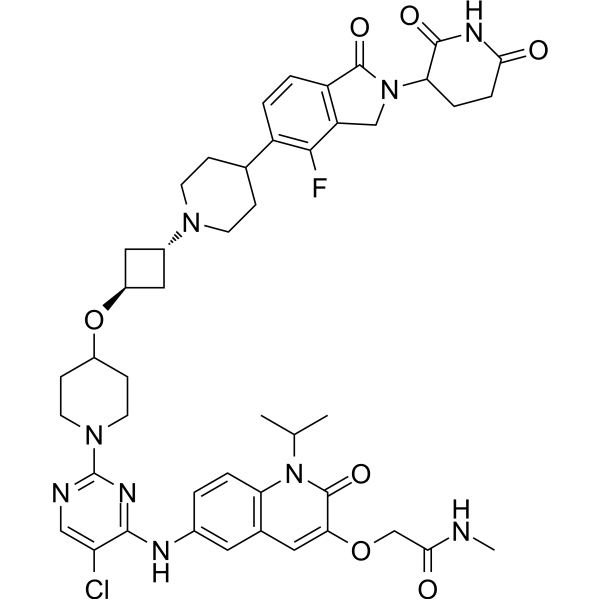
    ARV-393
    1 Publications Verification

    PROTACs BCL6 Cancer
    ARV-393 is a potent and orally active BCL6 PROTAC degrader. ARV-393 induces ubiquitination of BCL6 and its subsequent degradation by the proteasome. ARV-393 has the potential for the research of advanced non-hodgkin lymphoma .
    ARV-393
  • HY-P991028

    AZD0486; TNB-486

    CD3 CD19 Interleukin Related TNF Receptor IFNAR Cancer
    Surovatamig (AZD0486; TNB-486) is a fully human anti-CD19/CD3 IgG4 bispecific antibody. Surovatamig triggers T cell activation, releases cytotoxic granules, and induces T cell-dependent cellular cytotoxicity and tumor cell lysis. Surovatamig can reduces release of pro-inflammatory cytokines including IL-2, IFNγ, TNF. Surovatamig can be used for the research of cancer, such as B cell non-Hodgkin lymphoma .
    Surovatamig
  • HY-W013724

    IDP disodium; Inosine-5'-diphosphoric acid disodium

    c-Myc Apoptosis Cardiovascular Disease Inflammation/Immunology Cancer
    Inosine-5'-diphosphate disodium (IDP disodium) is a decoy substrate of NM23-H2. Inosine-5'-diphosphate disodium has a superior bond capacity on GDP-binding pocket of NM23-H2 (KD: 5.0 μM). Inosine-5'-diphosphate disodium abrogates c-MYC transcription, induces apoptosis and G2/M cell cycle arrest by disrupting NM23-H2-Pu27-GQ interactions without affecting NM23-H2-mediated kinase properties. Inosine-5'-diphosphate disodium has antihypoxic, antihyperthermic and antiarrhythmic activity and protects animals against the noxious effects of γ-irradiation. Inosine-5'-diphosphate disodium can be used for cancers like Burkitt's lymphoma and cardiovascular diseases research .
    Inosine-5'-diphosphate disodium
  • HY-P99273

    TNF Receptor Cancer
    Vorsetuzumab (Anti-Human CD70 Recombinant Antibody) is a human anti-CD70 antibody. Vorsetuzumab enhances macrophage-related phagocytosis of renal carcinoma cells, shows inhibitory efficacy against Burkitt’s lymphoma .
    Vorsetuzumab
  • HY-149101

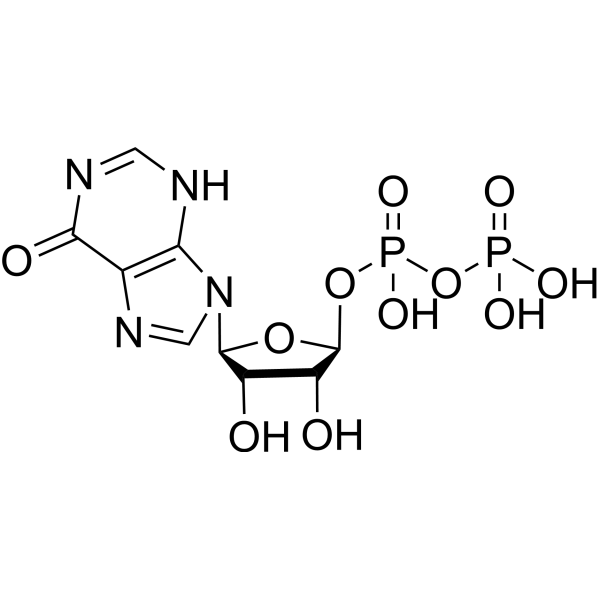
    IDP; Inosine-5'-diphosphoric acid

    c-Myc Apoptosis Cardiovascular Disease Inflammation/Immunology Cancer
    Inosine-5'-diphosphate (IDP) is a decoy substrate of NM23-H2. Inosine-5'-diphosphate has a superior bond capacity on GDP-binding pocket of NM23-H2 (KD: 5.0 μM). Inosine-5'-diphosphate abrogates c-MYC transcription, induces apoptosis and G2/M cell cycle arrest by disrupting NM23-H2-Pu27-GQ interactions without affecting NM23-H2-mediated kinase properties. Inosine-5'-diphosphate has antihypoxic, antihyperthermic and antiarrhythmic activity and protects animals against the noxious effects of γ-irradiation. Inosine-5'-diphosphate can be used for cancers like Burkitt's lymphoma and cardiovascular diseases research .
    Inosine-5'-diphosphate
  • HY-133121

    Apoptosis WDR5 Cancer
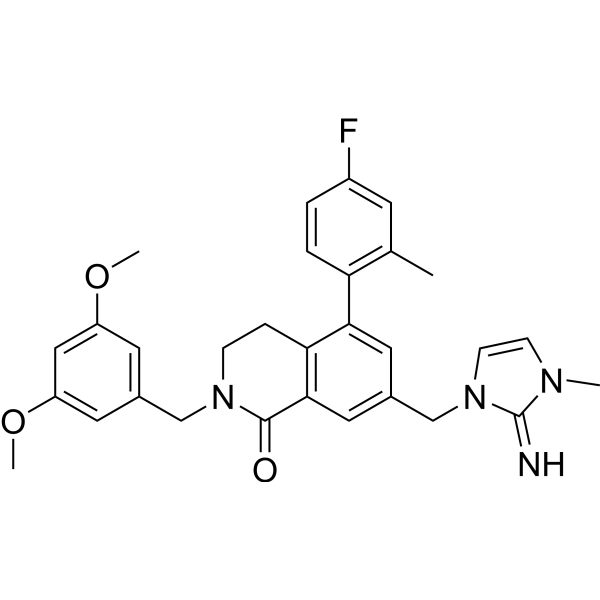
    WDR5-IN-1 is a potent and selective WD repeat domain 5 (WDR5) inhibitor, with a Kd of <0.02 nM. WDR5-IN-1 inhibits MLL1 histone methyltransferase (HMT) activity with an IC50 of 2.2 nM. WDR5-IN-1 diminishes MYC recruitment at WDR5-displaced genes and exhibits potent anti-proliferative effects in CHP-134 (neuroblastoma) and Ramos (Burkitt’s lymphoma) lines .
    WDR5-IN-1
  • HY-156209

    Biochemical Assay Reagents Cardiovascular Disease Cancer
    Gb3 (d18:1/16:0) (Compound 1) is the P k antigen of the P blood group system. Gb3 (d18:1/16:0) acts as a cell surface receptor. Gb3 (d18:1/16:0) is used for research on Burkitt's lymphoma, teratocarcinoma, embryonal carcinoma, and Fabry's disease .
    Gb3(d18:1/16:0)
  • HY-50055

    ERK Cancer
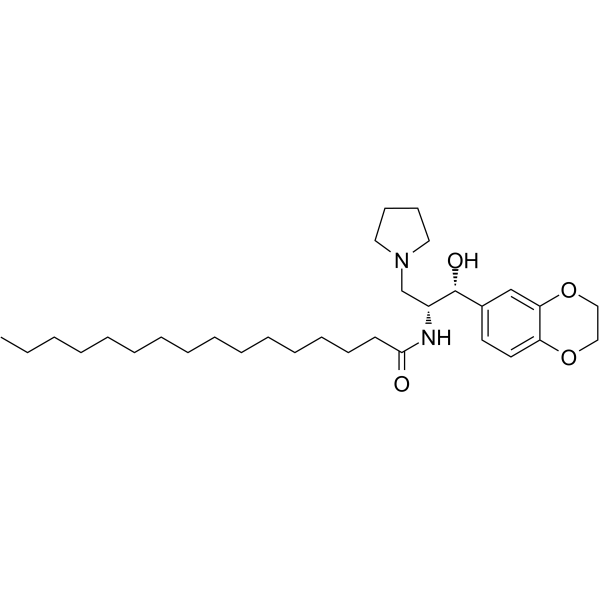
    EtDO-P4 is a nanomolar inhibitor of glycosphingolipid (GSL) synthesis. EtDO-P4 suppresses activation of the EGFR-induced ERK pathway and various receptor tyrosine kinases (RTKs). EtDO-P4 can be used for various types of cancer, including Burkitt’s lymphoma .
    EtDO-P4
  • HY-10984A

    (S)-CC-4047

    Endogenous Metabolite Cancer
    (S)-Pomalidomide ((S)-CC-4047) is an angiogenesis-inhibiting drug with growth-inhibitory activity against B-cell tumors. (S)-Pomalidomide can induce complete tumor regression in BurKitt lymphoma cells. (S)-Pomalidomide serves as an immunomodulator with potential applications in inhibiting hematological malignancies .
    (S)-Pomalidomide
  • HY-P991057

    CD47 Cancer
    STI-6643 is a fully human IgG4 antibody that targets CD47. STI-6643 blocks CD47-SIRPα interaction, and enables macrophage-mediated phagocytosis of tumor cells. STI-6643 shows anti-tumor activity in mouse lymphoma xenograft models. STI-6643 can be used for the research of Burkitt's lymphoma, solid tumors, relapsed or refractory tumors, and lymphoma. The isotype control for STI-6643 can refer to Human IgG4 (S228P) kappa, Isotype Control (HY-P99003) .
    STI-6643
  • HY-177872

    NSC 338258

    Drug Derivative c-Myc Apoptosis Cancer
    GQC-05 (NSC338258), Ellipticine (HY-15753) derivative, is potent and selective c-Myc G-quadruplex ( c-Myc G4) stabilizer with KD values of 0.1-1.43 μM. GQC-05 can reduce Myc expression and induce cancer cells apoptosis. GQC-05 can be used for the research of cancer, such as Burkitt lymphoma .
    GQC-05
  • HY-156209S

    Isotope-Labeled Compounds Biochemical Assay Reagents Cardiovascular Disease Cancer
    Gb3(d18:1/16:0)-d9 is deuterium labeled Gb3(d18:1/16:0) (HY-156209). Gb3 (d18:1/16:0) (Compound 1) is the P k antigen of the P blood group system. Gb3 (d18:1/16:0) acts as a cell surface receptor. Gb3 (d18:1/16:0) is used for research on Burkitt's lymphoma, teratocarcinoma, embryonal carcinoma, and Fabry's disease .
    Gb3(d18:1/16:0)-d9
  • HY-N3055

    Apoptosis AMPK Platelet-activating Factor Receptor (PAFR) Caspase Neurological Disease Metabolic Disease Cancer
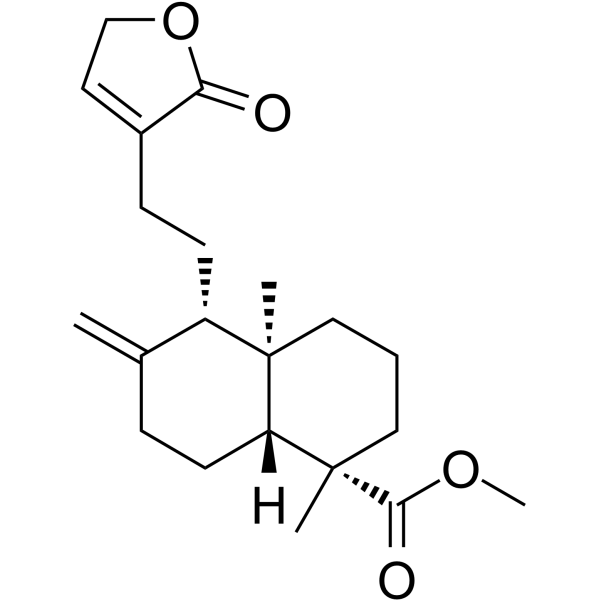
    Pinusolide is an AMPK activator and PAF receptor antagonist. Pinusolide activates AMPK, phosphorylates ACC, enhances IRS-1 tyrosine phosphorylation, boosts glucose uptake, and modulates insulin signaling. Pinusolide inhibits caspase-3/7 activation, intracellular calcium elevation, reactive oxygen species overproduction, lipid peroxidation, and tumor cell proliferation. Pinusolide stabilizes superoxide dismutase activity, reduces apoptotic hallmarks, induces mitochondrial pathway apoptosis, and triggers DNA fragmentation. Pinusolide can be used for the research of type 2 diabetes, neurodegenerative diseases, acute lymphoblastic leukemia, acute myeloid leukemia, and Burkitt lymphoma .
    Pinusolide
  • HY-151808

    Btk Neurological Disease Inflammation/Immunology Cancer
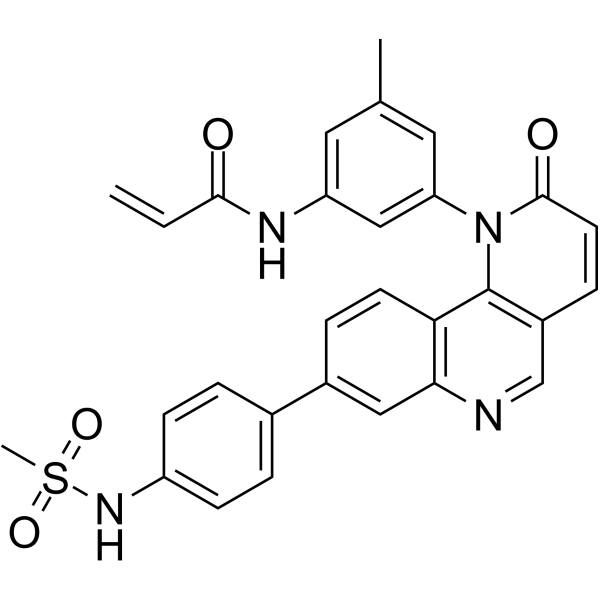
    JS25 is a selective and covalent inhibitor of BTK that inactivates BTK with an IC50 value of 5.8 nM by chelating Tyr551. JS25 inhibits cancer cells proliferation, pronounces cell death, and promotes murine xenograft model of Burkitt’s lymphoma. JS25 effectively crosses the blood-brain barrier .
    JS25
  • HY-157159

    Btk Cancer
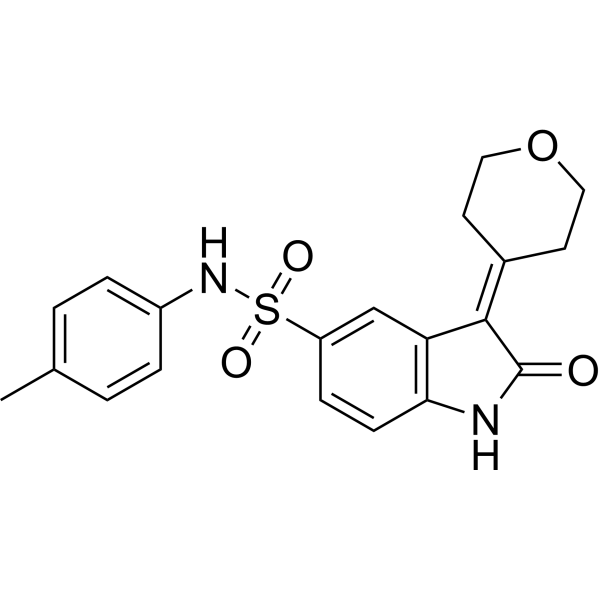
    BTK-IN-28 (compound PID-4) is a potent BTK inhibitor with anticancer activity. BTK-IN-28 has inhibitory effects on BTK and downstream signaling cascades and selectively inhibits Burkitt lymphoma RAMOS proliferation. BTK-IN-28 has no significant cytotoxicity towards non-tumor cells .
    BTK-IN-28
  • HY-122213

    Glucocorticoid Receptor Endocrinology
    RU-25055 is a potent antiglucocorticoid. RU-25055 inhibits early antigen production of the EpsteinBarr virus (EBV) by dexamethasone .
    RU-25055
  • HY-W013724S

    IDP-15N4 dilithium; Inosine-5'-diphosphoric acid-15N4 disodium

    Isotope-Labeled Compounds c-Myc Apoptosis Cardiovascular Disease Inflammation/Immunology Cancer
    Inosine-5'-diphosphate- 15N4 dilithium (IDP- 15N4 dilithium) is 15N labeled Inosine-5'-diphosphate dilithium. Inosine-5'-diphosphate (IDP) is a decoy substrate of NM23-H2. Inosine-5'-diphosphate has a superior bond capacity on GDP-binding pocket of NM23-H2 (KD: 5.0 μM). Inosine-5'-diphosphate abrogates c-MYC transcription, induces apoptosis and G2/M cell cycle arrest by disrupting NM23-H2-Pu27-GQ interactions without affecting NM23-H2-mediated kinase properties. Inosine-5'-diphosphate has antihypoxic, antihyperthermic and antiarrhythmic activity and protects animals against the noxious effects of γ-irradiation. Inosine-5'-diphosphate can be used for cancers like Burkitt's lymphoma and cardiovascular diseases research .
    Inosine-5'-diphosphate-15N4 dilithium
  • HY-181833

    ADC Payload PI3K Cancer
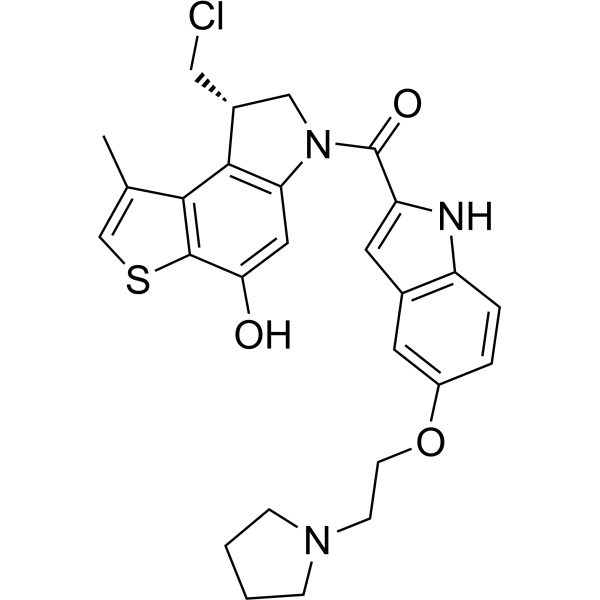
    PI3K/PIKK-IN-1 is a PI3K and PIKK inhibitor that serves as a payload for antibody-drug conjugates (ADC) to prepare ADC. PI3K/PIKK-IN-1 is applicable to research related to breast cancer, multiple myeloma, Burkitt lymphoma, diffuse large B-cell lymphoma, and non-small cell lung cancer .
    PI3K/PIKK-IN-1
  • HY-183643

    DNA/RNA Synthesis Cancer
    RUVBL1/2-IN-1 is an orally active RUVBL1/2 complex inhibitor with an EC50 of 0.012 μM against human targets. RUVBL1/2-IN-1 impairs ATPase-related functions, thereby reducing nuclear MYC protein levels, impairing DNA damage response and inhibiting cancer cell proliferation. In a MYC-dependent Burkitt's lymphoma xenograft model, RUVBL1/2-IN-1 effectively inhibits tumor growth and suppresses the activity of RUVBL1 R117H mutant cells. RUVBL1/2-IN-1 has been applied in research related to MYC-dependent Burkitt's lymphoma .
    RUVBL1/2-IN-1
  • HY-182246

    PARP Neurological Disease Inflammation/Immunology Cancer
    MC2050 is a selective PARP-1 inhibitor with an IC50 of 119 nM. MC2050 functionally inhibits PARP-1 activity, including hyperactivation induced by oxidative stress, and reduces the poly (ADP-ribosyl) ation level of histone H1. MC2050 protects neuroblastoma cells from oxidative stress-mediated cell death induced by hydrogen peroxide. MC2050 is applicable to research related to neuroblastoma and Burkitt lymphoma .
    MC2050
  • HY-W017411

    Environmental Pollutants Bacterial Infection Cancer
    Tris (hydroxymethyl) nitromethane is a fungicide and slime control agent. Tris (hydroxymethyl) nitromethane exhibits cytotoxicity against EBV-transformed human Burkitt's lymphoma cells. Tris (hydroxymethyl) nitromethane also serves as an important raw material and intermediate in organic synthesis .
    Tris(hydroxymethyl)nitromethane
  • HY-106021

    ILX651 free base

    Microtubule/Tubulin Prolyl Endopeptidase (PREP) Cancer
    Tasidotin (ILX651 free base) is a tubulin inhibitor and competitive Prolyl Endopeptidase (PREP) inhibitor, with an IC50 of 10 μM against bovine tubulin. Tasidotin exhibits high cerebrospinal fluid penetration in non-human primates. Tasidotin antagonizes microtubule assembly and induces an extended assembly lag phase, thereby inhibiting mitosis and cell proliferation, and exerts cytotoxic and oncolytic effects on cancer cells. Tasidotin is metabolized into polypeptides and proline inside cells, and its in vivo metabolism is mediated by prolyl endopeptidase. Tasidotin can be applied in research related to Burkitt's lymphoma, breast cancer, leukemia, melanoma, central nervous system malignancies and various solid tumors .
    Tasidotin
  • HY-P992349

    CD20 Apoptosis Cancer
    DXL625 is an autophilic CD20-targeting agent. DXL625 triggers downstream apoptosis signaling pathways dependent on intact lipid rafts and extracellular Ca 2+. DXL625 induces caspase-mediated apoptosis in cancer cells and selectively targets cells in the actively proliferative S phase. DXL625 mediates complement-dependent cytotoxicity in cancer cells and primary B lymphocytes. DXL625 can be used in research related to Burkitt's lymphoma and B-cell lymphoma .
    DXL625
  • HY-182774

    CXCR Cancer
    YU241279 is an orally active CXCR5 inhibitor. YU241279 inhibits CXCL13-mediated Gαq-dependent calcium influx and Gαi2-dependent cAMP reduction in CXCR5-expressing cells. YU241279 inhibits the proliferation of CXCR5-expressing lymphoma cells. YU241279 reduces tumor burden in the peripheral blood and bone marrow of mice implanted with lymphoma tissues. YU241279 is well tolerated during oral administration in mice, maintains stable plasma drug concentrations, and shows no metabolic changes. YU241279 can be used in the research of angioimmunoblastic T-cell lymphoma and Burkitt B-cell lymphoma .
    YU241279
  • HY-P992211

    Fc Receptor (FcR) Cancer
    Anti-CD32b/FCGR2B Antibody (2B6) is a human monoclonal antibody targeting CD32B. Anti-CD32b/FCGR2B Antibody (2B6) can be used for research on B-cell lymphoma .
    Anti-CD32b/FCGR2B Antibody (2B6)
  • HY-P992176

    CD47 Cancer
    ADU-1805 is a humanized monoclonal IgG2 antibody, a selective, pan-allelic anti-SIRPα antibody, with a Kd value of 11.0 × 10 -9 M for hSIRPαV1. ADU-1805 binds to all known hSIRPα alleles. ADU-1805 blocks the SIRPα-CD47 interaction, promotes phagocytosis of cells, and enhances trogocytosis of cells. ADU-1805 can be used in research related to Burkitt lymphoma .
    ADU-1805
  • HY-P992406

    MMP IFNAR Cancer
    MEDI-3622 is a human monoclonal antibody against ADAM17. MEDI-3622 blocks the ADAM17-mediated shedding of CD16A and CD62L on NK cells, and binds with high specificity to a surface loop unique to the metalloprotease catalytic domain of ADAM17. MEDI-3622 enhances IFNγ production by NK cells when they bind to antibody-coated tumor cells. MEDI-3622 can be used in the research of ovarian cancer, Burkitt lymphoma, head and neck cancer, and colorectal cancer .
    MEDI-3622
  • HY-P11779

    Drug-Linker Conjugates for ADC Microtubule/Tubulin Cancer
    Ac-RKAA-PABC-MMAE is a Drug-Linker Conjugates for ADC. Ac-RKAA-PABC-MMAE consists of the ADC Cytotoxin MMAE (HY-15162) and a linker. Ac-RKAA-PABC-MMAE can be used for synthesis of ADCs .
    Ac-RKAA-PABC-MMAE
  • HY-P11779A

    Drug-Linker Conjugates for ADC Microtubule/Tubulin Cancer
    Ac-RKAA-PABC-MMAE TFA is a Drug-Linker Conjugates for ADC. Ac-RKAA-PABC-MMAE TFA consists of the ADC Cytotoxin MMAE (HY-15162) and a linker. Ac-RKAA-PABC-MMAE TFA can be used for synthesis of ADCs .
    Ac-RKAA-PABC-MMAE TFA
  • HY-P991935

    Apoptosis Cancer
    ANT1034 is humanized anti-CD52 antibody. ANT1034 directs antibody dependent and complement dependent cell cytotoxicity, induces Apoptosis when cross-linked or in the presence of a cross-linking antibody. ANT1034 leads to increased survival in a SCID CD52 tumour xenograft model. ANT1034 can be used for the research of B cell malignancies .
    ANT1034

Inquiry Online

Your information is safe with us. * Required Fields.

Salutation


Country or Region *

Applicant Name *


Organization Name *

Department *


Email Address *


Product Name *

Cat. No.


Requested quantity *

Phone Number *


Remarks

Inquiry Online

Inquiry Information

Product Name:
Cat. No.:
Quantity:
MCE Japan Authorized Agent:

