
Search Result
Results for "
calcium mobilization inducer
" in MedChemExpress (MCE) Product Catalog:
1
Biochemical Assay Reagents
| Cat. No. |
Product Name |
Target |
Research Areas |
Chemical Structure |
-
- HY-P1852
-
|
|
Adenylate Cyclase
PTHR
|
Neurological Disease
|
|
TIP 39, Tuberoinfundibular Neuropeptide is an endogenous PTH2 receptor agonist and antihypertensive agent. TIP 39, Tuberoinfundibular Neuropeptide selectively activates the PTH2 receptor with no activity on the PTH1 receptor, stimulates cAMP production, activates adenylate cyclase, and elevates intracellular calcium levels via mobilization from intracellular stores. TIP 39, Tuberoinfundibular Neuropeptide is highly conserved in humans, mice, and rats. TIP 39, Tuberoinfundibular Neuropeptide is applicable to research related to nociception and inflammation-induced pain .
|
-
-
- HY-P0172
-
|
|
CXCR
|
Inflammation/Immunology
Endocrinology
Cancer
|
|
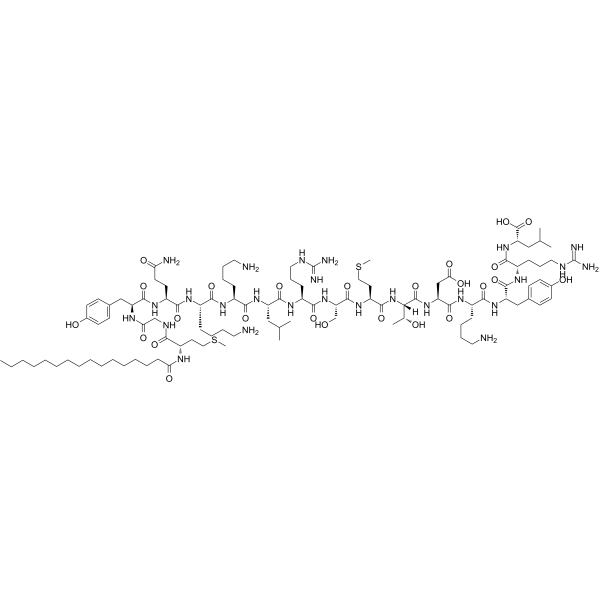
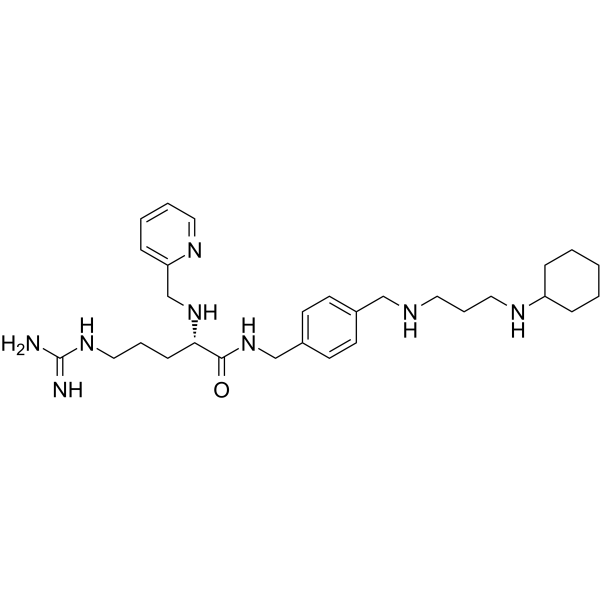
ATI-2341 is a potent and functionally selective allosteric agonist of C-X-C chemokine receptor type 4 (CXCR4), which functions as a biased ligand, favoring Gαi activation over Gα13. ATI-2341 activates the inhibitory heterotrimeric G protein (Gi) to promote inhibition of cAMP production and induce calcium mobilization. ATI-2341 is a potent and efficacious mobilizer of bone marrow polymorphonuclear neutrophils (PMNs) and hematopoietic stem and progenitor cells (HSPCs) .
|
-
-
- HY-50688
-
SB-265610
Maximum Cited Publications
6 Publications Verification
|
CXCR
|
Inflammation/Immunology
|
|
SB-265610 is a selective, competitive, nonpeptide and allosteric CXCR2 antagonist. SB-265610 blocks rat cytokine-induced neutrophil chemoattractant-1 (CINC-1)-induced calcium mobilization and neutrophil chemotaxis with IC50s of 3.7 nM and 70 nM, respectively .
|
-
-
- HY-13628
-
|
LY293111; VML 295
|
Leukotriene Receptor
Apoptosis
|
Inflammation/Immunology
Cancer
|
|
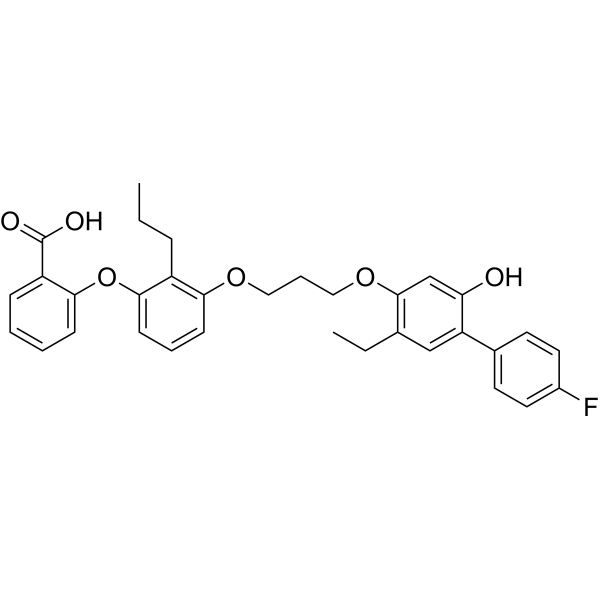
Etalocib (LY293111), an orally active leukotriene B4 receptor antagonist, inhibits the binding of [ 3H]LTB4, with a Ki of 25 nM. Etalocib (LY293111) prevents LTB4-induced calcium mobilization with an lC50 of 20 nM. Etalocib (LY293111) induces apoptosis .
|
-
-
- HY-P0172A
-
|
|
CXCR
|
Inflammation/Immunology
Endocrinology
Cancer
|
|
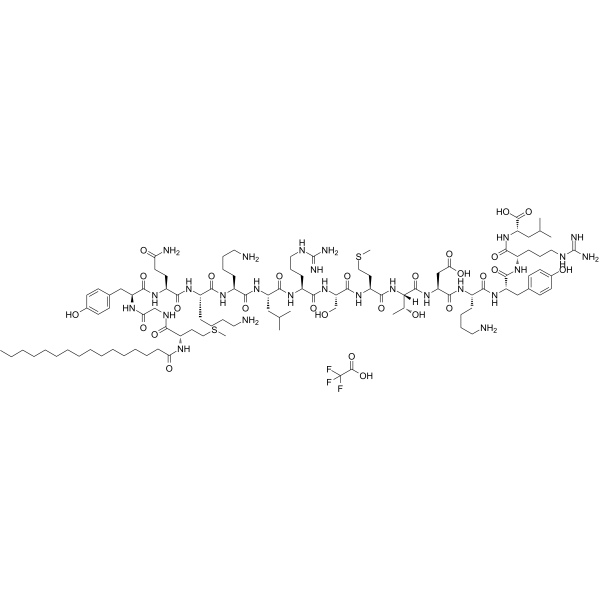
ATI-2341 is a potent and functionally selective allosteric agonist of C-X-C chemokine receptor type 4 (CXCR4), which functions as a biased ligand, favoring Gαi activation over Gα13. ATI-2341 activates the inhibitory heterotrimeric G protein (Gi) to promote inhibition of cAMP production and induce calcium mobilization. ATI-2341 is a potent and efficacious mobilizer of bone marrow polymorphonuclear neutrophils (PMNs) and hematopoietic stem and progenitor cells (HSPCs) .
|
-
-
- HY-N7690
-
|
|
Calcium Channel
|
Cardiovascular Disease
Metabolic Disease
|
|
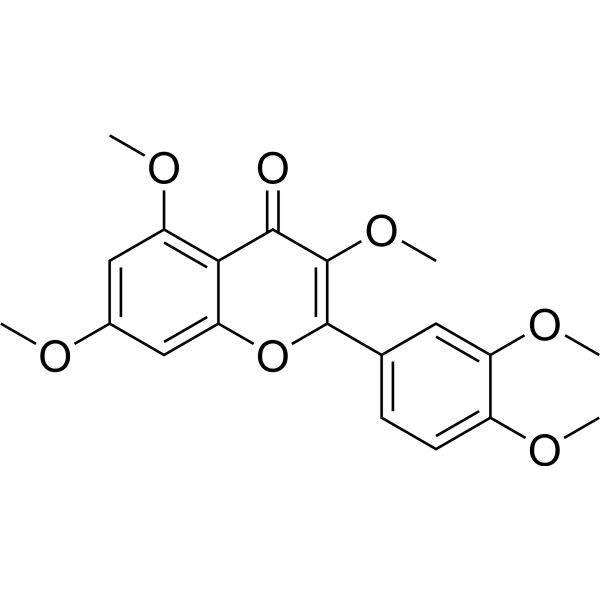
3,5,7,3’,4’-Pentamethoxyflavone is a Ca 2+ channel inhibitor. 3,5,7,3’,4’-Pentamethoxyflavone can protect DNA from oxidative damage. 3,5,7,3’,4’-Pentamethoxyflavone can induce relaxation of the human corpus cavernosum through calcium mobilization-related mechanisms. 3,5,7,3’,4’-Pentamethoxyflavone can promote the expression of eNOS and cystathionine gamma lyase CSE proteins in middle-aged male rats and regulate vascular function. 3,5,7,3’,4’-Pentamethoxyflavone can be used in research related to diabetes and cardiovascular diseases .
|
-
-
- HY-132184
-
|
5,6-EET; (±)5,6-EpETrE
|
Adrenergic Receptor
Calcium Channel
|
Endocrinology
|
|
5,6-Epoxyeicosatrienoic acid (5,6-EET; (±)5,6-EpETrE) is a fully racemic version of the enantiomeric forms biosynthesized from arachidonic acid by cytochrome P450 enzymes. In solution, 5,6-Epoxyeicosatrienoic acid degrades into 5,6-DiHET and 5,6-δ-lactone, which can be converted to 5,6-DiHET and quantified by GC-MS. In neuroendocrine cells, such as the anterior pituitary and pancreatic islets, 5,6-Epoxyeicosatrienoic acid has been implicated in the mobilization of calcium and hormone secretion. 5,6-Epoxyeicosatrienoic acid is an inhibitor of T-type voltage-gated calcium channels (Cav3) that inhibits isoforms Cav3.1, Cav3.2 (IC50=0.54 μM), and Cav3. and decreases nifedipine-resistant phenylephrine-induced vasoconstriction in isolated mouse mesenteric arteries via Cav3.2 blockade when used at a concentration of 3 μM. In addition, it is a substrate of COX-1 and COX-2.
|
-
-
- HY-N0805A
-
|
|
Epoxide Hydrolase
CaMK
Autophagy
Apoptosis
|
Metabolic Disease
Inflammation/Immunology
Cancer
|
|
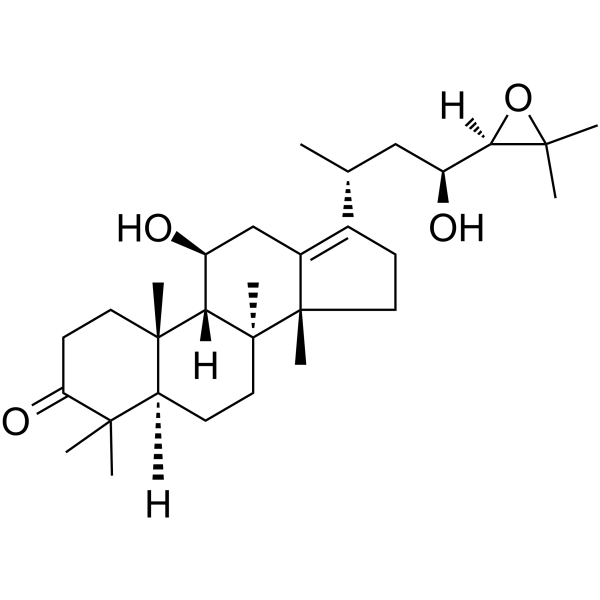
Alisol B is a triterpene with diverse biological activities. Alisol B binds human soluble epoxide hydrolase (sEH) with a Ki of 5.97 μM and reduces sEH activity. Alisol B inhibits RANKL-induced JNK phosphorylation, NFATc1 and c-Fos expression, osteoclast formation, mature osteoclast pit-forming and actin ring activity, and SERCA pump activity. Alisol B induces calcium mobilization, CaMKK-AMPK-mTOR pathway activation, autophagic flux, autophagosome formation, G1 phase cell cycle arrest, endoplasmic reticulum stress, unfolded protein responses, and cancer cell apoptosis. Alisol B can be used for the research of hypercalcemia, osteoporosis, rheumatoid arthritis, periodontitis, acute kidney injury, and breast cancer .
|
-
-
- HY-123763
-
|
|
CCR
|
Inflammation/Immunology
|
|
MLN3126 is an orally active and potent CCR9 antagonist. MLN3126 inhibits CCL25-induced calcium mobilization and chemotaxis of mouse primary thymocytes, wiht an IC50 value of 6.3 nM for calcium influx .
|
-
-
- HY-116326
-
|
|
Leukotriene Receptor
|
Inflammation/Immunology
|
|
BayCysLT2, an isophthalic acid derivative, is a selective and potent cysteinyl leukotriene 2 (CysLT2) receptor antagonist with an IC50 value of 53 nM. BayCysLT2 inhibits calcium mobilization induced by leukotriene D4 in HEK293 cells expressing human CysLT2 receptors. BayCysLT2 reverses LTC4-induced increases in coronary artery perfusion pressure and decreases in contractility in isolated perfused guinea pig hearts .
|
-
-
- HY-147222
-
SAE-14
1 Publications Verification
GPR183 antagonist-1
|
EBI2/GPR183
|
Neurological Disease
Inflammation/Immunology
|
|
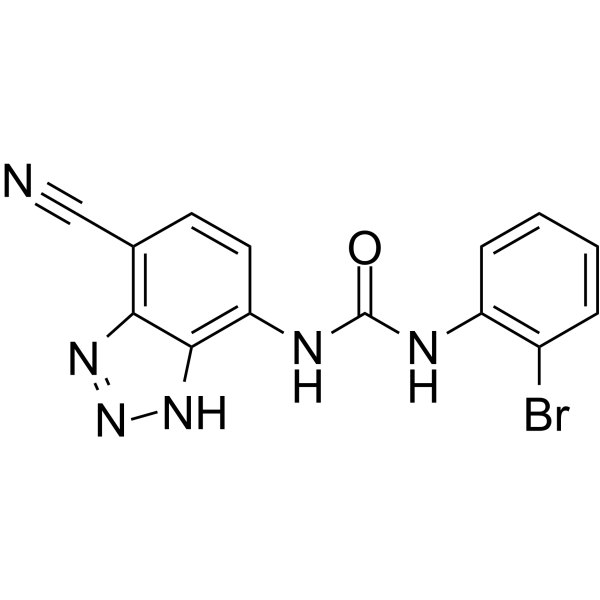
SAE-14 (compound SAE-14) is a potent, specific GPR183 antagonist with an IC50 value of 28.5 nM, can antagonize 7α, 25-OHC–induced calcium mobilization with IC50 value below 50 nM in HL-60 cells. GPR183 antagonist-1 can reverse allodynia in mice .
|
-
-
- HY-134299
-
|
8-(4-Chlorophenylthio)-cAMP-AM
|
Ras
PKA
|
Cardiovascular Disease
Metabolic Disease
Cancer
|
|
8-CPT-cAMP-AM (8-(4-Chlorophenylthio)-cAMP-AM) is an Epac/PKA activator. 8-CPT-cAMP-AM potentiates glucose-dependent first- and second-phase insulin secretion, induces β-cell depolarization, modulates intracellular calcium via influx and ryanodine-sensitive store mobilization, and facilitates calcium-induced calcium release resistant to PKA inhibition. 8-CPT-cAMP-AM can be used for the research of cardiac hypertrophy, diabetic cardiomyopathy, and melanoma .
|
-
-
- HY-137325A
-
|
|
Calcium Channel
|
Metabolic Disease
|
|
2-Chloro-ATP sodium (2-Chloro ATP) is an adenine nucleotide and an analog of ATP. It is an antagonist of the purinergic P2Y1 receptor and inhibits intracellular calcium mobilization induced by ADP (HY-W010918) in Jurkat cells expressing the human receptor (Ki=2.3 μM). 2-Chloro-ATP sodium is an agonist of the purinergic P2X receptor and induces inward currents in HEK293 cells expressing human bladder smooth muscle or rat PC12 forms of the receptor (EC50=0.5 and 2.5 μM). 2-Chloro-ATP sodium induces relaxation of precontracted guinea pig cecal strips in a concentration-dependent manner. 2-Chloro-ATP sodium has been used to study the substrate specificity of cyclic nucleotide-dependent protein kinases such as protein kinase A (PKA) and PKG.
|
-
-
- HY-167862A
-
|
|
LPL Receptor
|
Neurological Disease
|
|
UCM-05194 (ammonium) is a lysophosphatidic acid receptor 1 (LPA1) agonist. UCM-05194 (ammonium) induces calcium mobilization in LPA1-expressing RH7777 cells (EC50 = 0.24 µM). UCM-05194 (ammonium) induces neurite retraction and migration in LPA1-overexpressing B103 rat neuroblastoma cells. UCM-05194 (ammonium) attenuates acetic acid-induced writhing and hind paw mechanical hypersensitivity in mice .
|
-
-
- HY-177094
-
-
-
- HY-144347
-
|
|
CXCR
|
Infection
Cancer
|
|
HF51116 is a potent antagonist of CXCR4. HF51116 strongly antagonizes SDF-1α-induced cell migration, calcium mobilization, and CXCR4 internalization. HF51116 inhibits HIV-1 infection via CXCR4. HF51116 has the potential for the research of HIV-1 infection, hematopoietic stem cell mobilization, and cancer metastasis .
|
-
-
- HY-103572
-
|
|
mGluR
|
Neurological Disease
|
|
MNI137 is a potent and selective negative allosteric modulator for group II mGluRs. MNI137 has IC50s values of 8.3 and 12.6 nM for human and rat mGlu2 inhibition of glutamate-induced calcium mobilization .
|
-
-
- HY-107614G
-
|
1-Oleoyl-sn-glycero-3-phosphate sodium; 1-Oleoyl-LPA sodium
|
LPL Receptor
ROCK
TGF-beta/Smad
TGF-β Receptor
|
Neurological Disease
Cancer
|
|
1-Oleoyl lysophosphatidic acid sodium (GMP) is the GMP-grade form of 1-Oleoyl lysophosphatidic acid sodium (HY-107614). GMP-grade small molecules serve as auxiliary reagents in cell therapy. 1-Oleoyl lysophosphatidic acid sodium is a bioactive lipid signaling molecule. 1-Oleoyl lysophosphatidic acid sodium inhibits lysoPLD-catalyzed hydrolysis of lysophosphatidylcholine and FS-3. 1-Oleoyl lysophosphatidic acid sodium activates LPA1 and LPA2, thereby triggering calcium mobilization, NFATc1 translocation, Rho/ROCK activation, Smad2/3 phosphorylation and c-Fos expression. 1-Oleoyl lysophosphatidic acid sodium induces anxiety-like, depression-like and hypoactivity phenotypes, regulates osteoclast cytoskeleton and viability, reduces osteoclast bone resorptive activity, and drives mesenchymal stem cell differentiation into myofibroblast-like cells. 1-Oleoyl lysophosphatidic acid sodium stimulates the secretion of transforming growth factor-β1 and stromal cell-derived factor-1. 1-Oleoyl lysophosphatidic acid sodium is applicable to research related to anxiety, depression and ovarian cancer .
|
-
-
- HY-N7690R
-
|
|
Reference Standards
Calcium Channel
|
Cardiovascular Disease
Metabolic Disease
|
|
3,5,7,3’,4’-Pentamethoxyflavone is a Ca2+ channel inhibitor. 3,5,7,3’,4’-Pentamethoxyflavone can protect DNA from oxidative damage. 3,5,7,3’,4’-Pentamethoxyflavone can induce relaxation of the human corpus cavernosum through calcium mobilization-related mechanisms. 3,5,7,3’,4’-Pentamethoxyflavone can promote the expression of eNOS and cystathionine gamma lyase CSE proteins in middle-aged male rats and regulate vascular function. 3,5,7,3’,4’-Pentamethoxyflavone can be used in research related to diabetes and cardiovascular diseases .
|
-
-
- HY-172321
-
|
Nicotinic acid 1,N6-ethenoadenine dinucleotide phosphate sodium
|
Fluorescent Dye
|
Others
|
|
Etheno-NAADP (Nicotinic acid 1,N6-ethenoadenine dinucleotide phosphate) sodium is a fluorescent product of NAADP (HY-103317). Etheno-NAADP sodium could activate Ca 2+ release from sea urchin egg homogenates with an EC50 of 5 µM (Ex/Em = 275/410 nm) .
|
-
-
- HY-101607A
-
|
|
Calcium Channel
|
Cardiovascular Disease
|
|
KT-362 free acid is an intracellular calcium antagonist with antiarrhythmic and vasodilatory effects. KT-362 free acid shows an antagonistic effect against norepinephrine (NE) induced vasoconstriction response, achieved by reducing inositol phospholipid hydrolysis, thereby reducing intracellular calcium mobilization. KT-362 free acid can be used to study the contraction and relaxation mechanisms of vascular smooth muscle, especially in exploring the role of intracellular calcium mobilization and inositol phospholipid hydrolysis in vascular contraction .
|
-
-
- HY-13628A
-
|
LY293111 sodium; VML 295 sodium
|
Leukotriene Receptor
Apoptosis
|
Inflammation/Immunology
Cancer
|
|
Etalocib (LY293111) sodium, an orally active leukotriene B4 receptor antagonist, inhibits the binding of [ 3H]LTB4, with a Ki of 25 nM. Etalocib sodium prevents LTB4-induced calcium mobilization with an lC50 of 20 nM. Etalocib sodium induces apoptosis .
|
-
-
- HY-125717
-
|
|
mGluR
|
Neurological Disease
|
|
VU0029251 is a mGluR5 partial antagonist (Ki: 1.07 μM). VU0029251 inhibits glutamate induced calcium mobilization in HEK293 cell membranes expressing rat mGluR5 (IC50: 1.7 μM) .
|
-
-
- HY-130358
-
|
|
Calcium Channel
|
Neurological Disease
|
|
PDDHV is a calcium absorption inducer and may achieve 45Ca 2+ influx by stimulating vanillic acid receptor VR1. PDDHV induces 45Ca 2+ uptake (EC50: 70 nM) in rat dorsal root ganglion neurons (expressing native vanilloid receptors) and calcium mobilization (EC50: 125 nM) in VR1-transfected CHO cells. PDDHV also inhibits [3H]-resiniferatoxin (RTX) binding to the dorsal root ganglion membrane in rats .
|
-
-
- HY-13628R
-
|
LY293111 (Standard); VML 295 (Standard)
|
Leukotriene Receptor
Apoptosis
Reference Standards
|
Inflammation/Immunology
Cancer
|
|
Etalocib (Standard) is the analytical standard of Etalocib. This product is intended for research and analytical applications. Etalocib (LY293111), an orally active leukotriene B4 receptor antagonist, inhibits the binding of [3H]LTB4, with a Ki of 25 nM. Etalocib (LY293111) prevents LTB4-induced calcium mobilization with an lC50 of 20 nM. Etalocib (LY293111) induces apoptosis .
|
-
-
- HY-118285
-
|
|
mGluR
|
Neurological Disease
|
|
Ro4491533 is a selective, negative allosteric mGluR2/3 receptor modulator that is equally effective on both subtypes. Ro4491533 can completely block glutamate-induced calcium mobilization and glutamate-induced [35S]GTPγS binding accumulation. Ro4491533 has good pharmacokinetic properties in mice and rats, high oral bioavailability, and can pass through the blood-brain barrier. Ro4491533 can also reverse the motor inhibition effect of LY379268 in mice and show antidepressant activity in the forced swim test and tail suspension test.
|
-
-
- HY-123357
-
|
|
Apoptosis
|
Neurological Disease
|
|
IMM-H004, a coumarin derivative, possesses neuroprotective and potent free radical scavenging abilities. IMM-H004 significantly inhibits amyloid-β (Aβ)-induced cytotoxicity and apoptosis, offering potential value for research into neurodegenerative diseases such as Alzheimer's disease. Additionally, IMM-H004 is also capable of effectively blocking the calcium mobilization and chemotaxis induced by CKLF1-C27 (HY-P3418), thereby alleviating asthmatic pathological changes in the lung tissue of CKLF1 transgenic mice .
|
-
-
- HY-P2055
-
|
|
Endogenous Metabolite
|
Endocrinology
|
|
A-57696 is a cholecystokinin antagonist with selective activity at cortical CCK-B receptors (IC50 = 25 nM). A-57696 behaves as a competitive antagonist in reversing CCK8-stimulated pancreatic alpha-amylase secretion and phosphatidylinositol degradation. A-57696 fails to induce gallbladder contraction and inhibits CCK8-induced contraction. A-57696 behaves as a partial agonist at CCK-B/gastrin receptors on NCI-H345 cells, achieving 80% of the maximal CCK8 response. A-57696 and CCK8 inhibit each other in a calcium mobilization assay .
|
-
-
- HY-116295
-
|
|
P2Y Receptor
p38 MAPK
Calcium Channel
|
Cardiovascular Disease
|
|
MRS2690 is a selective P2Y14 receptor agonist. MRS2690 inhibits adenylyl cyclase activity, thereby reducing intracellular cAMP levels and mediating concentration-dependent vasoconstriction of porcine coronary arteries. MRS2690 induces intracellular calcium mobilization, activates P38 and stimulates [ 35S]GTPγS binding to RBL-2H3 cell membranes. MRS2690 enhances antigen (NP-BSA)-, C3a-induced β-hexosaminidase (β-Hex) release. MRS2690can be used for ischemic heart disease .
|
-
-
- HY-116295A
-
|
|
P2Y Receptor
p38 MAPK
Calcium Channel
|
Cardiovascular Disease
|
|
MRS2690 disodium is a selective P2Y14 receptor agonist. MRS2690 disodium inhibits adenylyl cyclase activity, thereby reducing intracellular cAMP levels and mediating concentration-dependent vasoconstriction of porcine coronary arteries. MRS2690 disodium induces intracellular calcium mobilization, activates P38 and stimulates [ 35S]GTPγS binding to RBL-2H3 cell membranes. MRS2690 enhances antigen (NP-BSA)-, C3a-induced β-hexosaminidase (β-Hex) release. MRS2690 disodium can be used for ischemic heart disease .
|
-
-
- HY-126638
-
|
NSC 324645
|
Parasite
|
Infection
|
|
Marcfortine A is an indole alkaloid originally isolated from P. roqueforti. It has nematocidal activity against the parasitic nematode H. contortus (LD99=0.06 μg/mL) and inhibits motility of adult worms (EC50=2 μM). Marcfortine A eliminates H. contortus, T. colubriformis, and O. ostertagi from experimentally infected jirds (ED95s=0.33, 0.11, and 2.5 mg/animal, respectively). It dose-dependently inhibits nicotine-induced calcium mobilization in SH-SY5Y and TE-671 cells expressing α3 subunit-containing human nicotinic acetylcholine receptors (nAChRs) and muscle-type nAChRs, respectively.
|
-
-
- HY-N0805AR
-
|
|
Reference Standards
Epoxide Hydrolase
CaMK
Autophagy
Apoptosis
|
Metabolic Disease
Inflammation/Immunology
Cancer
|
|
Alisol B (Standard) is the analytical standard of Alisol B (HY-N0805A). This product is intended for research and analytical applications. Alisol B is a triterpene with diverse biological activities. Alisol B binds human soluble epoxide hydrolase (sEH) with a Ki of 5.97 μM and reduces sEH activity. Alisol B inhibits RANKL-induced JNK phosphorylation, NFATc1 and c-Fos expression, osteoclast formation, mature osteoclast pit-forming and actin ring activity, and SERCA pump activity. Alisol B induces calcium mobilization, CaMKK-AMPK-mTOR pathway activation, autophagic flux, autophagosome formation, G1 phase cell cycle arrest, endoplasmic reticulum stress, unfolded protein responses, and cancer cell apoptosis. Alisol B can be used for the research of hypercalcemia, osteoporosis, rheumatoid arthritis, periodontitis, acute kidney injury, and breast cancer.
|
-
-
- HY-167160
-
|
|
TRP Channel
|
Neurological Disease
|
|
AZ12099548 is a TRPV1 antagonist. AZ12099548 inhibits both Capsaicin (HY-10448)- and low pH-induced calcium mobilization .
|
-
-
- HY-P11769
-
|
|
CGRP Receptor
|
Cancer
|
|
RM2 is a GRPr antagonist. RM2 selectively binds to GRPr, blocks agonist-induced receptor internalization, and inhibits agonist-triggered intracellular calcium mobilization. RM2 can be used in studies related to prostate cancer .
|
-
-
- HY-182587
-
|
|
mAChR
|
Neurological Disease
|
|
VU0415248 is a selective muscarinic acetylcholine receptor 1 (M1) inhibitor. VU0415248 inhibits acetylcholine-induced calcium mobilization in cells expressing human and rat M1 muscarinic acetylcholine receptors, with an IC50 of 0.4 and 0.18 μM, respectively. VU0415248 is applicable to the research of Parkinson's disease, movement disorders and fragile X syndrome .
|
-
-
- HY-103572R
-
|
|
Reference Standards
mGluR
|
Neurological Disease
|
|
MNI137 (Standard) is the analytical standard of MNI137 (HY-103572). This product is intended for research and analytical applications. MNI137 is a potent and selective negative allosteric modulator for group II mGluRs. MNI137 has IC50s values of 8.3 and 12.6 nM for human and rat mGlu2 inhibition of glutamate-induced calcium mobilization .
|
-
-
- HY-121621
-
|
|
Endogenous Metabolite
|
Inflammation/Immunology
|
|
RO5101576 is a potent LTB4 receptor antagonist with activity to inhibit LTB4-induced calcium mobilization and chemotaxis of human neutrophils. RO5101576 significantly attenuated LTB4-induced pulmonary eosinophilia in guinea pigs. RO5101576 inhibited allergen- and ozone-induced pulmonary neutrophilia in nonhuman primates with efficacy comparable to that of budesonide. RO5101576 had no effect on LPS-induced neutrophilia in guinea pigs and cigarette smoke-induced neutrophilia in mice and rats. RO5101576 performed well in toxicology studies and was well tolerated .
|
-
-
- HY-186042
-
|
|
Prostaglandin Receptor
|
Cardiovascular Disease
|
|
TPα/β antagonist-1 is a TXA2 receptor α (TPα) and TPβ antagonist with IC50s of 1.52 nM and 0.79 nM, respectively. TPα/β antagonist-1 inhibits U-46619 (HY-108566)-induced intracellular calcium mobilization, and imhibits platelet aggregation. TPα/β antagonist-1 can be used for the research of cardiovascular disease .
|
-
-
- HY-110391
-
|
VUF 2274
|
CCR
|
Neurological Disease
Inflammation/Immunology
|
|
BX-513 is a highly potent and selective CCR1 antagonist. BX-513 effectively inhibits the binding of radiolabeled MIP-1α and RANTES to CCR1, with Ki values of 40 nM and 60 nM, respectively. BX-513 suppresses MIP-1α-induced extracellular acidification, MIP-1α- and RANTES-induced intracellular calcium mobilization, as well as MIP-1α- and RANTES-induced migration of peripheral blood mononuclear cells. BX-513 can be used for the research of rheumatoid arthritis and multiple sclerosis .
|
-
-
- HY-182573
-
|
|
Protease Activated Receptor (PAR)
|
Cardiovascular Disease
|
|
RWJ-58259 is a selective PAR-1 inhibitor with an IC50 value of 0.15 μM. RWJ-58259 binds selectively to PAR-1, blocks the binding of tethered ligands, interferes with calcium mobilization and PAR-1-related cellular functions, and exhibits no PAR-1 agonist activity or thrombin proteolytic inhibitory activity. RWJ-58259 inhibits thrombin-induced platelet aggregation, calcium signaling and vascular smooth muscle cell proliferation, reduces neointimal thickness and arterial stenosis, and alleviates vascular occlusion and platelet deposition. RWJ-58259 can be used in the research of thrombotic diseases and vascular injury associated with acute coronary intervention .
|
-
-
- HY-P1650
-
|
B 9870
|
Bradykinin Receptor
ERK
|
Cancer
|
|
Breceptin (B 9870) is an antagonist of the bradykinin B1/B2 receptor (B1/B2R). Breceptin exhibits an irreversible antagonist effect on B2R, inhibiting the vasodilation induced by Bradykinin (HY-P0206) in the rabbit carotid vein contraction experiment. B-9870 shows partial agonist properties in HEK 293 cells with high expression of B2R, and can activate ERK1/2 phosphorylation, calcium ion mobilization, arachidonic acid release, and receptor internalization. Breceptin can be used in research to inhibit breast cancer and non-small cell lung cancer .
|
-
-
- HY-182905
-
|
|
Somatostatin Receptor
G protein-coupled Bile Acid Receptor 1
|
Metabolic Disease
|
|
SSTR5/TGR5-modulator-1 is an orally active and dual-target small molecule, balanced in vitro activity at human TGR5 and human SSTR5. SSTR5/TGR5-modulator-1 activates human TGR5 to promote cAMP accumulation. SSTR5/TGR5-modulator-1 blocks human SSTR5 to inhibit agonist-induced calcium mobilization. SSTR5/TGR5-modulator-1 improves glucose tolerance in mice. SSTR5/TGR5-modulator-1 alleviates gallbladder filling in mice at pharmacologically relevant doses. SSTR5/TGR5-modulator-1 has suboptimal physicochemical and metabolic properties.SSTR5/TGR5-modulator-1 can be used for the research of type 2 diabetes mellitus .
|
-
| Cat. No. |
Product Name |
Type |
-
- HY-107614G
-
|
1-Oleoyl-sn-glycero-3-phosphate sodium; 1-Oleoyl-LPA sodium
|
Fluorescent Dyes
|
|
1-Oleoyl lysophosphatidic acid sodium (GMP) is the GMP-grade form of 1-Oleoyl lysophosphatidic acid sodium (HY-107614). GMP-grade small molecules serve as auxiliary reagents in cell therapy. 1-Oleoyl lysophosphatidic acid sodium is a bioactive lipid signaling molecule. 1-Oleoyl lysophosphatidic acid sodium inhibits lysoPLD-catalyzed hydrolysis of lysophosphatidylcholine and FS-3. 1-Oleoyl lysophosphatidic acid sodium activates LPA1 and LPA2, thereby triggering calcium mobilization, NFATc1 translocation, Rho/ROCK activation, Smad2/3 phosphorylation and c-Fos expression. 1-Oleoyl lysophosphatidic acid sodium induces anxiety-like, depression-like and hypoactivity phenotypes, regulates osteoclast cytoskeleton and viability, reduces osteoclast bone resorptive activity, and drives mesenchymal stem cell differentiation into myofibroblast-like cells. 1-Oleoyl lysophosphatidic acid sodium stimulates the secretion of transforming growth factor-β1 and stromal cell-derived factor-1. 1-Oleoyl lysophosphatidic acid sodium is applicable to research related to anxiety, depression and ovarian cancer .
|
| Cat. No. |
Product Name |
Type |
-
- HY-107614G
-
|
1-Oleoyl-sn-glycero-3-phosphate sodium; 1-Oleoyl-LPA sodium
|
Biochemical Assay Reagents
|
|
1-Oleoyl lysophosphatidic acid sodium (GMP) is the GMP-grade form of 1-Oleoyl lysophosphatidic acid sodium (HY-107614). GMP-grade small molecules serve as auxiliary reagents in cell therapy. 1-Oleoyl lysophosphatidic acid sodium is a bioactive lipid signaling molecule. 1-Oleoyl lysophosphatidic acid sodium inhibits lysoPLD-catalyzed hydrolysis of lysophosphatidylcholine and FS-3. 1-Oleoyl lysophosphatidic acid sodium activates LPA1 and LPA2, thereby triggering calcium mobilization, NFATc1 translocation, Rho/ROCK activation, Smad2/3 phosphorylation and c-Fos expression. 1-Oleoyl lysophosphatidic acid sodium induces anxiety-like, depression-like and hypoactivity phenotypes, regulates osteoclast cytoskeleton and viability, reduces osteoclast bone resorptive activity, and drives mesenchymal stem cell differentiation into myofibroblast-like cells. 1-Oleoyl lysophosphatidic acid sodium stimulates the secretion of transforming growth factor-β1 and stromal cell-derived factor-1. 1-Oleoyl lysophosphatidic acid sodium is applicable to research related to anxiety, depression and ovarian cancer .
|
| Cat. No. |
Product Name |
Target |
Research Area |
-
- HY-P1852
-
|
|
Adenylate Cyclase
PTHR
|
Neurological Disease
|
|
TIP 39, Tuberoinfundibular Neuropeptide is an endogenous PTH2 receptor agonist and antihypertensive agent. TIP 39, Tuberoinfundibular Neuropeptide selectively activates the PTH2 receptor with no activity on the PTH1 receptor, stimulates cAMP production, activates adenylate cyclase, and elevates intracellular calcium levels via mobilization from intracellular stores. TIP 39, Tuberoinfundibular Neuropeptide is highly conserved in humans, mice, and rats. TIP 39, Tuberoinfundibular Neuropeptide is applicable to research related to nociception and inflammation-induced pain .
|
-
- HY-P0172
-
|
|
CXCR
|
Inflammation/Immunology
Endocrinology
Cancer
|
|
ATI-2341 is a potent and functionally selective allosteric agonist of C-X-C chemokine receptor type 4 (CXCR4), which functions as a biased ligand, favoring Gαi activation over Gα13. ATI-2341 activates the inhibitory heterotrimeric G protein (Gi) to promote inhibition of cAMP production and induce calcium mobilization. ATI-2341 is a potent and efficacious mobilizer of bone marrow polymorphonuclear neutrophils (PMNs) and hematopoietic stem and progenitor cells (HSPCs) .
|
-
- HY-P0172A
-
|
|
CXCR
|
Inflammation/Immunology
Endocrinology
Cancer
|
|
ATI-2341 is a potent and functionally selective allosteric agonist of C-X-C chemokine receptor type 4 (CXCR4), which functions as a biased ligand, favoring Gαi activation over Gα13. ATI-2341 activates the inhibitory heterotrimeric G protein (Gi) to promote inhibition of cAMP production and induce calcium mobilization. ATI-2341 is a potent and efficacious mobilizer of bone marrow polymorphonuclear neutrophils (PMNs) and hematopoietic stem and progenitor cells (HSPCs) .
|
-
- HY-P2055
-
|
|
Endogenous Metabolite
|
Endocrinology
|
|
A-57696 is a cholecystokinin antagonist with selective activity at cortical CCK-B receptors (IC50 = 25 nM). A-57696 behaves as a competitive antagonist in reversing CCK8-stimulated pancreatic alpha-amylase secretion and phosphatidylinositol degradation. A-57696 fails to induce gallbladder contraction and inhibits CCK8-induced contraction. A-57696 behaves as a partial agonist at CCK-B/gastrin receptors on NCI-H345 cells, achieving 80% of the maximal CCK8 response. A-57696 and CCK8 inhibit each other in a calcium mobilization assay .
|
-
- HY-P11769
-
|
|
CGRP Receptor
|
Cancer
|
|
RM2 is a GRPr antagonist. RM2 selectively binds to GRPr, blocks agonist-induced receptor internalization, and inhibits agonist-triggered intracellular calcium mobilization. RM2 can be used in studies related to prostate cancer .
|
| Cat. No. |
Product Name |
Category |
Target |
Chemical Structure |
-
- HY-N7690
-
|
|
Flavonoids
Classification of Application Fields
Flavones
Metabolic Disease
Plants
Disease Research Fields
Zingiberaceae
|
Calcium Channel
|
|
3,5,7,3’,4’-Pentamethoxyflavone is a Ca 2+ channel inhibitor. 3,5,7,3’,4’-Pentamethoxyflavone can protect DNA from oxidative damage. 3,5,7,3’,4’-Pentamethoxyflavone can induce relaxation of the human corpus cavernosum through calcium mobilization-related mechanisms. 3,5,7,3’,4’-Pentamethoxyflavone can promote the expression of eNOS and cystathionine gamma lyase CSE proteins in middle-aged male rats and regulate vascular function. 3,5,7,3’,4’-Pentamethoxyflavone can be used in research related to diabetes and cardiovascular diseases .
|
-
-
- HY-N0805A
-
|
|
Triterpenes
Structural Classification
Alisma plantago-aquatica Linn.
Classification of Application Fields
Terpenoids
Metabolic Disease
Alismataceae
Plants
Disease Research Fields
Source Classification
|
Epoxide Hydrolase
CaMK
Autophagy
Apoptosis
|
|
Alisol B is a triterpene with diverse biological activities. Alisol B binds human soluble epoxide hydrolase (sEH) with a Ki of 5.97 μM and reduces sEH activity. Alisol B inhibits RANKL-induced JNK phosphorylation, NFATc1 and c-Fos expression, osteoclast formation, mature osteoclast pit-forming and actin ring activity, and SERCA pump activity. Alisol B induces calcium mobilization, CaMKK-AMPK-mTOR pathway activation, autophagic flux, autophagosome formation, G1 phase cell cycle arrest, endoplasmic reticulum stress, unfolded protein responses, and cancer cell apoptosis. Alisol B can be used for the research of hypercalcemia, osteoporosis, rheumatoid arthritis, periodontitis, acute kidney injury, and breast cancer .
|
-
-
- HY-N7690R
-
|
|
Structural Classification
Flavonoids
Flavones
Plants
Zingiberaceae
|
Reference Standards
Calcium Channel
|
|
3,5,7,3’,4’-Pentamethoxyflavone is a Ca2+ channel inhibitor. 3,5,7,3’,4’-Pentamethoxyflavone can protect DNA from oxidative damage. 3,5,7,3’,4’-Pentamethoxyflavone can induce relaxation of the human corpus cavernosum through calcium mobilization-related mechanisms. 3,5,7,3’,4’-Pentamethoxyflavone can promote the expression of eNOS and cystathionine gamma lyase CSE proteins in middle-aged male rats and regulate vascular function. 3,5,7,3’,4’-Pentamethoxyflavone can be used in research related to diabetes and cardiovascular diseases .
|
-
-
- HY-126638
-
|
NSC 324645
|
Human Gut Microbiota Metabolites
Microorganisms
Endogenous metabolite
Source Classification
|
Parasite
|
|
Marcfortine A is an indole alkaloid originally isolated from P. roqueforti. It has nematocidal activity against the parasitic nematode H. contortus (LD99=0.06 μg/mL) and inhibits motility of adult worms (EC50=2 μM). Marcfortine A eliminates H. contortus, T. colubriformis, and O. ostertagi from experimentally infected jirds (ED95s=0.33, 0.11, and 2.5 mg/animal, respectively). It dose-dependently inhibits nicotine-induced calcium mobilization in SH-SY5Y and TE-671 cells expressing α3 subunit-containing human nicotinic acetylcholine receptors (nAChRs) and muscle-type nAChRs, respectively.
|
-
-
- HY-N0805AR
-
|
|
Triterpenes
Structural Classification
Alisma plantago-aquatica Linn.
Terpenoids
Alismataceae
Plants
Source Classification
|
Reference Standards
Epoxide Hydrolase
CaMK
Autophagy
Apoptosis
|
|
Alisol B (Standard) is the analytical standard of Alisol B (HY-N0805A). This product is intended for research and analytical applications. Alisol B is a triterpene with diverse biological activities. Alisol B binds human soluble epoxide hydrolase (sEH) with a Ki of 5.97 μM and reduces sEH activity. Alisol B inhibits RANKL-induced JNK phosphorylation, NFATc1 and c-Fos expression, osteoclast formation, mature osteoclast pit-forming and actin ring activity, and SERCA pump activity. Alisol B induces calcium mobilization, CaMKK-AMPK-mTOR pathway activation, autophagic flux, autophagosome formation, G1 phase cell cycle arrest, endoplasmic reticulum stress, unfolded protein responses, and cancer cell apoptosis. Alisol B can be used for the research of hypercalcemia, osteoporosis, rheumatoid arthritis, periodontitis, acute kidney injury, and breast cancer.
|
-
| Cat. No. |
Product Name |
Target |
Research Areas |
Chemical Structure |
-
- HY-107614G
-
|
1-Oleoyl-sn-glycero-3-phosphate sodium; 1-Oleoyl-LPA sodium
|
LPL Receptor
ROCK
TGF-beta/Smad
TGF-β Receptor
|
Neurological Disease
Cancer
|
|
1-Oleoyl lysophosphatidic acid sodium (GMP) is the GMP-grade form of 1-Oleoyl lysophosphatidic acid sodium (HY-107614). GMP-grade small molecules serve as auxiliary reagents in cell therapy. 1-Oleoyl lysophosphatidic acid sodium is a bioactive lipid signaling molecule. 1-Oleoyl lysophosphatidic acid sodium inhibits lysoPLD-catalyzed hydrolysis of lysophosphatidylcholine and FS-3. 1-Oleoyl lysophosphatidic acid sodium activates LPA1 and LPA2, thereby triggering calcium mobilization, NFATc1 translocation, Rho/ROCK activation, Smad2/3 phosphorylation and c-Fos expression. 1-Oleoyl lysophosphatidic acid sodium induces anxiety-like, depression-like and hypoactivity phenotypes, regulates osteoclast cytoskeleton and viability, reduces osteoclast bone resorptive activity, and drives mesenchymal stem cell differentiation into myofibroblast-like cells. 1-Oleoyl lysophosphatidic acid sodium stimulates the secretion of transforming growth factor-β1 and stromal cell-derived factor-1. 1-Oleoyl lysophosphatidic acid sodium is applicable to research related to anxiety, depression and ovarian cancer .
|
-
Your information is safe with us. * Required Fields.
Inquiry Information
- Product Name:
- Cat. No.:
- Quantity:
- MCE Japan Authorized Agent:

