1. Search Result
Search Result
Results for "

central neurodegenerative

" in MedChemExpress (MCE) Product Catalog:

24

Inhibitors & Agonists

5

Screening Libraries

2

Biochemical Assay Reagents

3

Natural
Products

1

Isotope-Labeled Compounds

Cat. No. Product Name Target Research Areas Chemical Structure
  • HY-13010
    Laquinimod
    2 Publications Verification

    ABR-215062

    NF-κB Apoptosis Inflammation/Immunology
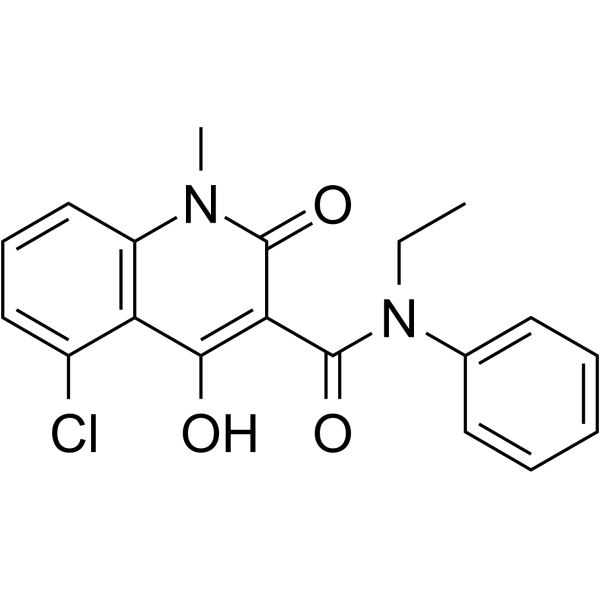
    Laquinimod (ABR-215062), an orally available carboxamide derivative, is a potent immunomodulator which prevents neurodegeneration and inflammation in the central nervous system. Laquinimod reduces astrocytic NF-κB activation to protect from Cuprizone-induced demyelination. Laquinimod has the potential for relapsing remitting (RR) and chronic progressive (CP) forms of multiple sclerosis (MS; RRMS or CPMS) as well as neurodegenerative diseases research .
    Laquinimod
  • HY-W015236

    Triglycine

    Biochemical Assay Reagents Others
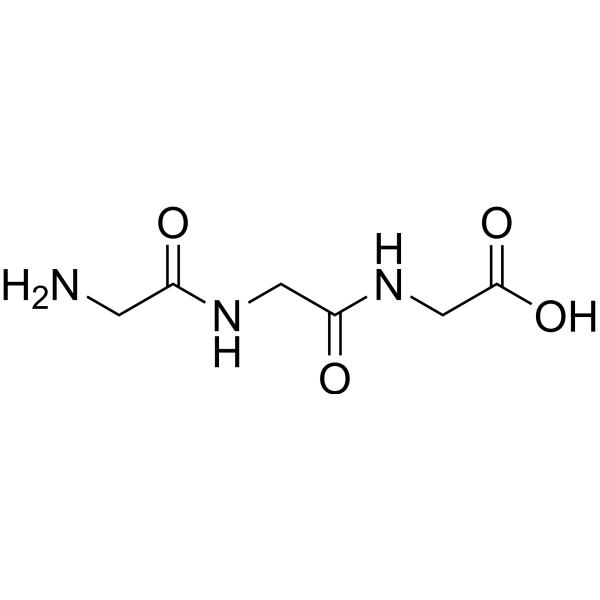
    H-Gly-Gly-Gly-OH, also known as Triglycine, is a tripeptide composed of glycine, glycine and glycine, which are linked by peptide bonds. Often used as a model compound in the study of protein structure and function. Glycylglycylglycine also acts as a neurotransmitter in the central nervous system and has been shown to have antioxidant properties. Furthermore, it may have potential research roles in various diseases such as cancer, diabetes and neurodegenerative diseases.
    H-Gly-Gly-Gly-OH
  • HY-149555

    Eukaryotic Initiation Factor (eIF) Neurological Disease
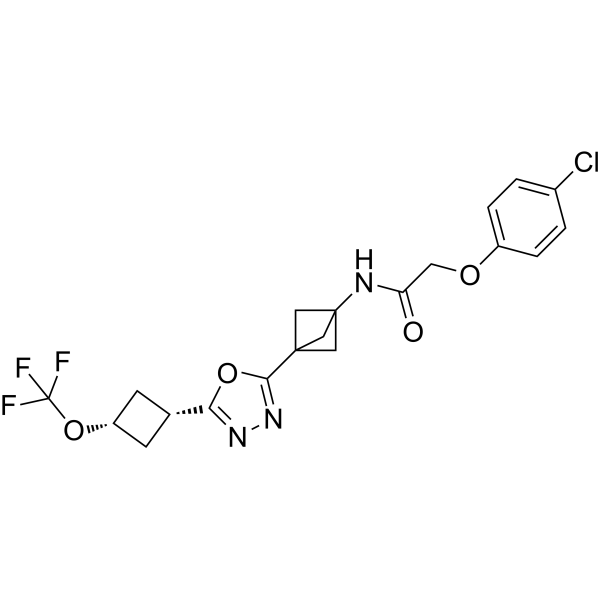
    DNL343 is a potent, selective, orally active and brain-penetrant activator of eukaryotic initiation factor eIF2B. DNL343 inhibits the activity of the integrated stress response (ISR) in the central nervous system (CNS) and reverses neurodegeneration and neuroinflammation. DNL343 also prevents motor dysfunction and premature death in eIF2B loss-of-function (LOF) mutant mice. DNL343 can be used in the study of neurodegenerative diseases .
    DNL343
  • HY-129411

    ACT-519276; OGT2378

    Glucosylceramide Synthase (GCS) Metabolic Disease
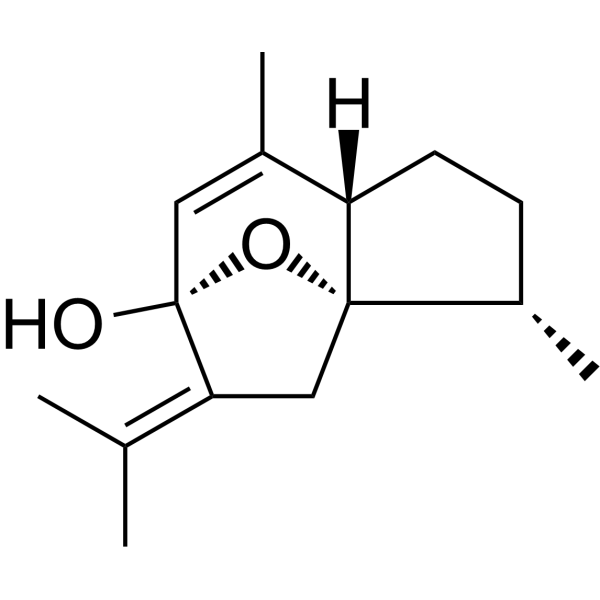
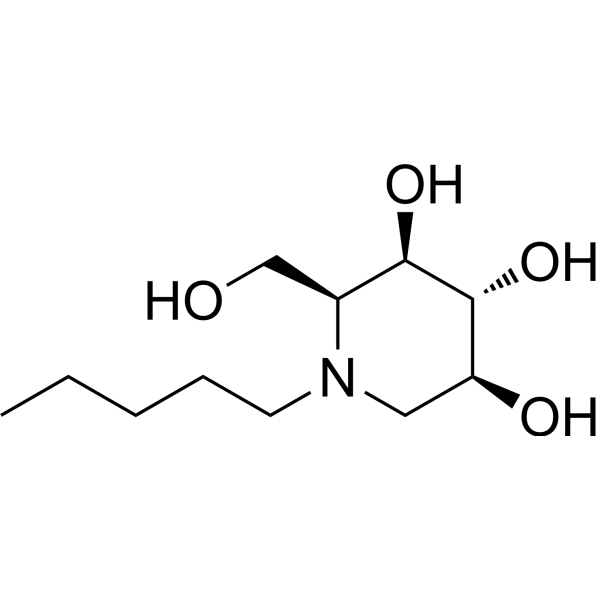
    Sinbaglustat (OGT2378) is a dual inhibitor of glucosylceramide synthase (GCS) and non-lysosomal glucosyl ceramidase (GBA2). Sinbaglustat is an orally available N-alkyl iminosugar that crosses the blood-brain barrier. Sinbaglustat can be used for the research of central neurodegenerative diseases associated with lysosomal dysfunctions .
    Sinbaglustat
  • HY-142026

    (+)-Vitisin A

    Caspase ERK NF-κB Influenza Virus PAK LDLR PPAR PCSK9 Androgen Receptor Keap1-Nrf2 Monoamine Oxidase Cholinesterase (ChE) IKK Wnt β-catenin Reactive Oxygen Species (ROS) Apoptosis Cuproptosis Infection Neurological Disease Metabolic Disease Inflammation/Immunology Cancer
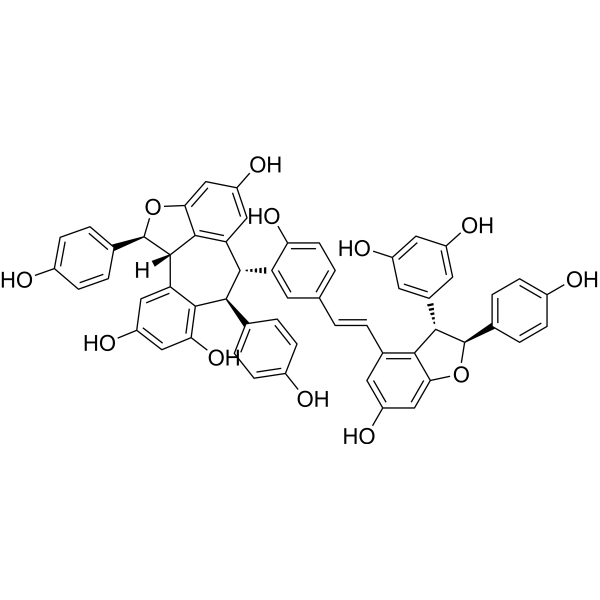
    Vitisin A ((+)-Vitisin A) is an orally active natural product with multiple pharmacological activities including anti-inflammatory, anti-tumor, anti-oxidant, anti-pathogenic microorganism, hypoglycemic and lipid-regulating, anti-osteoporotic, neuroprotective and cardiovascular protective effects. Vitisin A exhibits inhibitory effects on human AChE and MAO-B with IC50 values of 1.29 µM and 4.94 µM, respectively. Vitisin A inhibits the ERK, MAPK, NF-κB, STAT1, HMGCR and TRAF6 pathways, downregulates the related phosphorylation and protein expression, while activates the Nrf2/HO-1 pathway and upregulates p21 expression. Vitisin A induces tumor cell apoptosis and cell cycle arrest, inhibits adipogenesis and lipid accumulation, while alleviates oxidative stress, suppresses inflammatory responses, blocks hepatic fibrosis, Cuproptosis and cholesterol synthesis, and increases the expression levels of central BDNF and TrkB. Vitisin A can be used in the research of tumors, infectious diseases, metabolic diseases, bone and joint diseases, liver diseases, skin injuries, as well as neurodegenerative and cognitive dysfunction-related diseases .
    Vitisin A
  • HY-13456

    iGluR Neurological Disease
    LY-404187 is a potent, selective and centrally active positive allosteric modulator of AMPA receptors, with the EC50s of 5.65, 0.15, 1.44, 1.66 and 0.21 µM for GluR1i, GluR2i, GluR2o, GluR3i and GluR4i, respectively. LY-404187 has therapeutic potential in a number of psychiatric disorders and neurodegenerative diseases .
    LY-404187
  • HY-174335

    Cannabinoid Receptor Neurological Disease
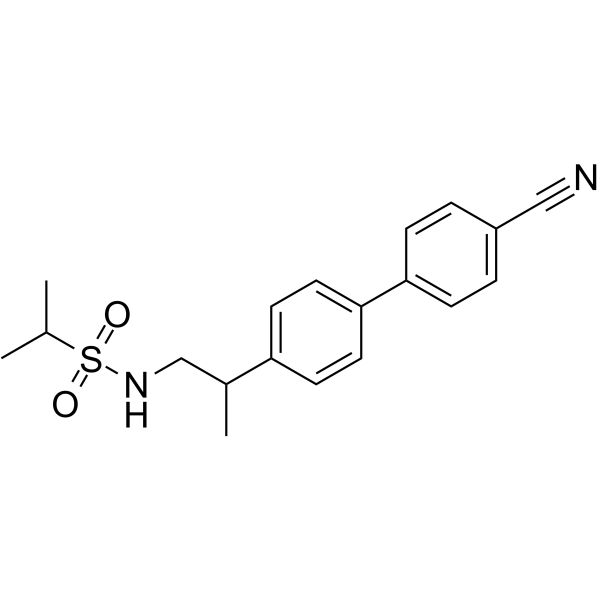
    UVI3502 is a cannabinoid receptor 1 (CB1) antagonist with an IC50 value of 4641 nM for CB1 and approximately 16200 nM for CB2. UVI3502 blocks Gi/o protein coupling induced by the agonist CP55,940. UVI3502 is promising for research of endocannabinoid system-related diseases in the central nervous system (such as cognitive impairment and neurodegenerative diseases) .
    UVI3502
  • HY-E70684

    CDK Neurological Disease Cancer
    CDK5 can be mapped to chromosome 7q36 and its expression is upregulated by the transcription factors Fos and CREB through the MEK/ERK pathway and by δFosB. CDK5 plays a vital role in the central nervous system but has functions in other cell types. CDK5 has recently been implicated in diseases, including the development and progression of cancer and neurodegenerative diseases. CDK5/p25NCK Recombinant Human Active Protein Kinase is an ortholog of CDK5 .
    CDK5/p25NCK Recombinant Human Active Protein Kinase
  • HY-E70685

    CDK Neurological Disease Cancer
    CDK5 can be mapped to chromosome 7q36 and its expression is upregulated by the transcription factors Fos and CREB through the MEK/ERK pathway and by δFosB. CDK5 plays a vital role in the central nervous system but has functions in other cell types. CDK5 has recently been implicated in diseases, including the development and progression of cancer and neurodegenerative diseases. CDK5/p35NCK Recombinant Human Active Protein Kinase is an ortholog of CDK5 .
    CDK5/p35NCK Recombinant Human Active Protein Kinase
  • HY-163543

    Epigenetic Reader Domain Neurological Disease
    Progranulin modulator-2 (compound 18A) is a bromodomain and extra-terminal domain (BET) inhibitor. Progranulin modulator-2 enhances PGRN expression by targeting members of the BET protein family. Progranulin modulator-2 can be used to study the role of BET protein in neurodevelopment, neuroplasticity and neurodegeneration .
    Progranulin modulator-2
  • HY-172129

    HDAC Neurological Disease
    HDAC6-IN-52 (EX.1) is a potent inhibitor of HDAC6, with the inhibitory rate of 100% at 10 μM. HDAC6-IN-52 plays an important role in central nervous system diseases including neurodegenerative diseases such as Alzheimer’s disease andprogressive supranuclear palsy .
    HDAC6-IN-52
  • HY-131293

    mGluR Neurological Disease
    MGS0008 is an orally active and brain-penetrant metabotropic glutamate receptor 2/3 (mGlu2/3) agonist with EC50 values of 29.4 nM and 45.4 nM for mGluR2 and mGluR3, respectively. MGS0008 is promising for research of central nervous system disorders, including schizophrenia, anxiety, and neurodegenerative diseases .
    MGS0008
  • HY-W062904

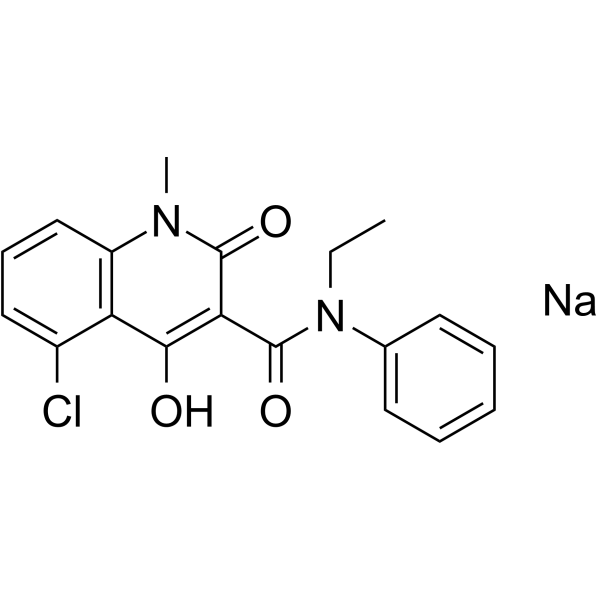
    ABR-215062 sodium

    NF-κB Apoptosis Neurological Disease Inflammation/Immunology
    Laquinimod (ABR-215062) sodium, an orally available carboxamide derivative, is a potent immunomodulator which prevents neurodegeneration and inflammation in the central nervous system. Laquinimod sodium reduces astrocytic NF-κB activation to protect from Cuprizone-induced demyelination. Laquinimod sodium has the potential for relapsing remitting (RR) and chronic progressive (CP) forms of multiple sclerosis (MS; RRMS or CPMS) as well as neurodegenerative diseases research .
    Laquinimod sodium
  • HY-153127

    AV-133

    Biochemical Assay Reagents Neurological Disease
    Florbenazine (AV-133) is a diagnostic imaging agent targeting the central nervous system monoamine transporter VMAT2, and its F-18 labeled form can be used for PET scanning. The biodistribution of [18F]Florbenazine in mice shows a high striatum/cerebellum ratio (0.48), which can be used for the diagnostic research of neurodegenerative diseases (including dementia with Lewy bodies and Parkinson's disease) .
    Florbenazine
  • HY-13010S

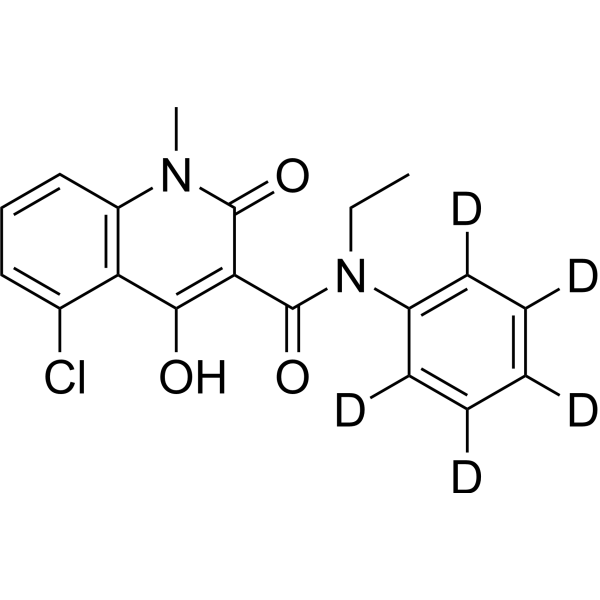
    ABR-215062-d5

    Isotope-Labeled Compounds Apoptosis NF-κB Inflammation/Immunology
    Laquinimod-d5 (ABR-215062-d5) is deuterium labeled Laquinimod. Laquinimod (ABR-215062), an orally available carboxamide derivative, is a potent immunomodulator that prevents neurodegeneration and inflammation in the central nervous system. Laquinimod reduces astrocytic NF-κB activation to protect from Cuprizone-induced demyelination. Laquinimod has the potential for relapsing-remitting (RR) and chronic progressive (CP) forms of multiple sclerosis (MS; RRMS or CPMS) as well as neurodegenerative diseases research .
    Laquinimod-d5
  • HY-13010R

    ABR-215062 (Standard)

    Reference Standards NF-κB Apoptosis Inflammation/Immunology
    Laquinimod (Standard) is the analytical standard of Laquinimod. This product is intended for research and analytical applications. Laquinimod (ABR-215062), an orally available carboxamide derivative, is a potent immunomodulator which prevents neurodegeneration and inflammation in the central nervous system. Laquinimod reduces astrocytic NF-κB activation to protect from Cuprizone-induced demyelination. Laquinimod has the potential for relapsing remitting (RR) and chronic progressive (CP) forms of multiple sclerosis (MS; RRMS or CPMS) as well as neurodegenerative diseases research .
    Laquinimod (Standard)
  • HY-W015236R

    Triglycine (Standard)

    Biochemical Assay Reagents Reference Standards Others
    H-Gly-Gly-Gly-OH (Standard) is the analytical standard of H-Gly-Gly-Gly-OH. This product is intended for research and analytical applications. H-Gly-Gly-Gly-OH, also known as Triglycine, is a tripeptide composed of glycine, glycine and glycine, which are linked by peptide bonds. Often used as a model compound in the study of protein structure and function. Glycylglycylglycine also acts as a neurotransmitter in the central nervous system and has been shown to have antioxidant properties. Furthermore, it may have potential research roles in various diseases such as cancer, diabetes and neurodegenerative diseases.
    H-Gly-Gly-Gly-OH (Standard)
  • HY-118700AR

    Guanidinobiotin hydrobromide (Standard)

    Reference Standards NO Synthase Neurological Disease
    H-Gly-Gly-Gly-OH (Standard) is the analytical standard of H-Gly-Gly-Gly-OH. This product is intended for research and analytical applications. H-Gly-Gly-Gly-OH, also known as Triglycine, is a tripeptide composed of glycine, glycine and glycine, which are linked by peptide bonds. Often used as a model compound in the study of protein structure and function. Glycylglycylglycine also acts as a neurotransmitter in the central nervous system and has been shown to have antioxidant properties. Furthermore, it may have potential research roles in various diseases such as cancer, diabetes and neurodegenerative diseases.
    2-Iminobiotin hydrobromide (Standard)
  • HY-183204

    nAChR Neurological Disease
    TC-2559 is an orally active, selective central nervous system Nicotinic acetylcholine receptor agonist with a Ki value of 5 nM. TC-2559 activates central nervous system receptors selectively over peripheral nervous system receptors. TC-2559 improves scopolamine (HY-N0296)-induced cognitive impairment and enhances radial arm maze performance. TC-2559 can be used in the research of neurodegenerative diseases .
    TC-2559
  • HY-N18341

    GABA Receptor Drug Derivative Neurological Disease
    Ginkgolide M (GM) is a ginkgolide that can be isolated from Ginkgo biloba. Ginkgolide M acts as an inhibitor of ligand-gated ion channels in the central nervous system and exerts inhibitory effects on the GABAA receptor. Ginkgolide M can be used for the research of neurodegenerative diseases such as Alzheimer's disease .
    Ginkgolide M
  • HY-171052

    5-HT Receptor Neurological Disease Metabolic Disease
    5-HT6R antagonist 5 (compound 1.2.12(4)) is a potent competitive 5-HT6R antagonist with an IC50 of 4.19 nM. 5-HT6R antagonist 5 can be used for research in various central nervous system (CNS) diseases, cognitive and neurodegenerative diseases .
    5-HT6R antagonist 5
  • HY-N18471

    5,7-DHP

    Monoamine Oxidase 5-HT Receptor Cardiovascular Disease Neurological Disease
    5,7-Dihydroxytryptamine (5,7-DHP) is an autofluorescent (λex≈365 nm), selective neurotoxin and a transport substrate for MAO-A and 5-HT. 5,7-Dihydroxytryptamine can specifically target and damage central and peripheral 5-HTergic neurons, while affecting 5-HT-related pathways and neurotransmitter balance. 5,7-Dihydroxytryptamine can be used to establish 5-HTergic neuron injury models for studies on neural development, neurodegenerative diseases, as well as mechanisms related to platelet function and retinal neurons .
    5,7-Dihydroxytryptamine
  • HY-N18471A

    5,7-DHP hydrobromide

    Monoamine Oxidase 5-HT Receptor Neurological Disease
    5,7-Dihydroxytryptamine (5,7-DHT) hydrobromide is an autofluorescent (Ex ≈ 365 nm), selective neurotoxin and a transport substrate for MAO-A and 5-HT. 5,7-Dihydroxytryptamine hydrobromide can specifically target and damage central and peripheral 5-HTergic neurons, while affecting 5-HT-related pathways and neurotransmitter balance. 5,7-Dihydroxytryptamine hydrobromide can be used to establish 5-HTergic neuron injury models for studies on neural development, neurodegenerative diseases, as well as mechanisms related to platelet function and retinal neurons .
    5,7-Dihydroxytryptamine hydrobromide
  • HY-N18471B

    5,7-DHP creatinine sulfate

    Monoamine Oxidase 5-HT Receptor Cardiovascular Disease Neurological Disease
    5,7-Dihydroxytryptamine creatinine sulfate (5,7-DHT) is an autofluorescent (Ex ≈ 365 nm), selective neurotoxin and a transport substrate for MAO-A and 5-HT. 5,7-Dihydroxytryptamine creatinine sulfate can specifically target and damage central and peripheral 5-HTergic neurons, while affecting 5-HT-related pathways and neurotransmitter balance. 5,7-Dihydroxytryptamine creatinine sulfate can be used to establish 5-HTergic neuron injury models for studies on neural development, neurodegenerative diseases, as well as mechanisms related to platelet function and retinal neurons .
    5,7-Dihydroxytryptamine creatinine sulfate

Inquiry Online

Your information is safe with us. * Required Fields.

Salutation


Country or Region *

Applicant Name *


Organization Name *

Department *


Email Address *


Product Name *

Cat. No.


Requested quantity *

Phone Number *


Remarks

Inquiry Online

Inquiry Information

Product Name:
Cat. No.:
Quantity:
MCE Japan Authorized Agent:

