
1. Search Result
Search Result
Results for "

coronaviruses

" in MedChemExpress (MCE) Product Catalog:

41

Inhibitors & Agonists

1

Biochemical Assay Reagents

3

Peptides

2

Inhibitory Antibodies

2

Natural
Products

1

Isotope-Labeled Compounds

1

Click Chemistry

Cat. No. Product Name Target Research Areas Chemical Structure
  • HY-135853
    Molnupiravir
    Maximum Cited Publications
    71 Publications Verification

    EIDD-2801; MK-4482

    SARS-CoV Influenza Virus Infection
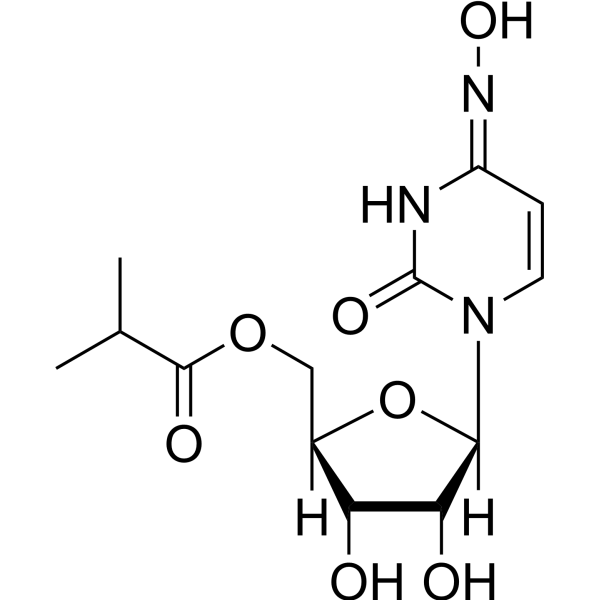
    Molnupiravir (EIDD-2801) is an orally bioavailable proagent of the ribonucleoside analog EIDD-1931. Molnupiravir has broad spectrum antiviral activity against influenza virus and multiple coronaviruses, such as SARS-CoV-2, MERS-CoV, SARS-CoV. Molnupiravir has the potential for the research of COVID-19, and seasonal and pandemic influenza .
    Molnupiravir
  • HY-U00434
    3BDO
    20+ Cited Publications

    mTOR Autophagy Apoptosis Infection Inflammation/Immunology
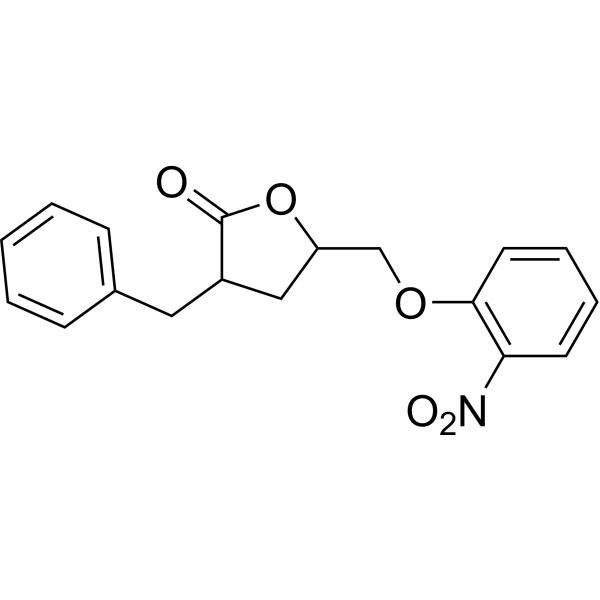
    3BDO is a IFITM3 modulator and mTOR activator with antiviral and autophagy-inhibiting effects. 3BDO exhibits inhibitory activity against porcine coronaviruses. 3BDO increases the protein abundance of IFITM3, inhibits virus-cell membrane fusion, and blocks viral entry. 3BDO inhibits the entry of transmissible gastroenteritis virus, porcine epidemic diarrhea virus, and porcine respiratory coronavirus into host cells. 3BDO can be used for research on porcine coronavirus infection .
    3BDO
  • HY-138794
    XL177A
    5 Publications Verification

    Deubiquitinase Histone Demethylase SARS-CoV Cancer
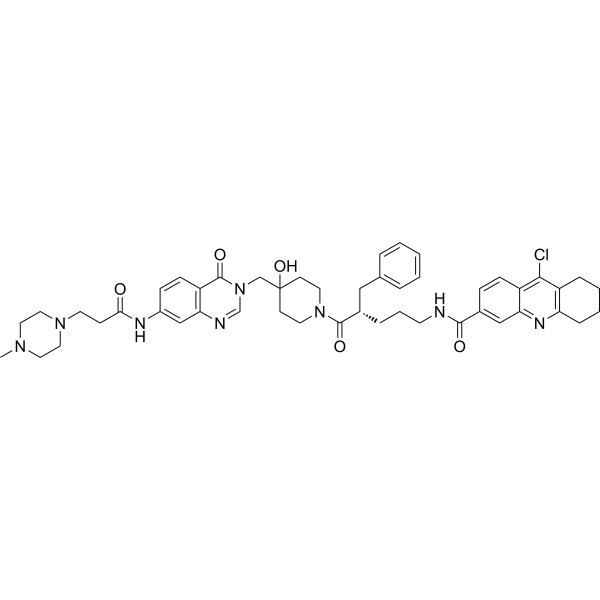
    XL177A is a covalent USP7 inhibitor that blocks the deubiquitinase activity of USP7. XL177A destabilizes non-canonical PRC1 complexes or KDM6A and reduces chromatin deposition of H2AK119Ub, thereby relieving the repression of neuronal differentiation programs. Meanwhile, XL177A also regulates the ELOF1-UVSSA-USP7-nuclear β-catenin axis, decreasing the transcription levels of related proteins and the accumulation of nuclear β-catenin. XL177A exerts antiviral effects by reducing the expression levels of coronavirus receptors, and exhibits inhibitory activity against APC-mutated colorectal cancer cells, neuroblastoma, and coronaviruses including SARS-CoV-2 variants. XL177A is mainly used in studies related to colorectal cancer, neuroblastoma, and coronavirus infections .
    XL177A
  • HY-P99423
    Adintrevimab
    2 Publications Verification

    ADG 20

    SARS-CoV Infection
    Adintrevimab (ADG 20) is a human IgG1 monoclonal SARS-CoV (SARS-CoV) antibody. Adintrevimab inhibits SARS-CoV-2 variants and other SARS-like coronaviruses with pandemic potential .
    Adintrevimab
  • HY-169092

    SARS-CoV Virus Protease Infection
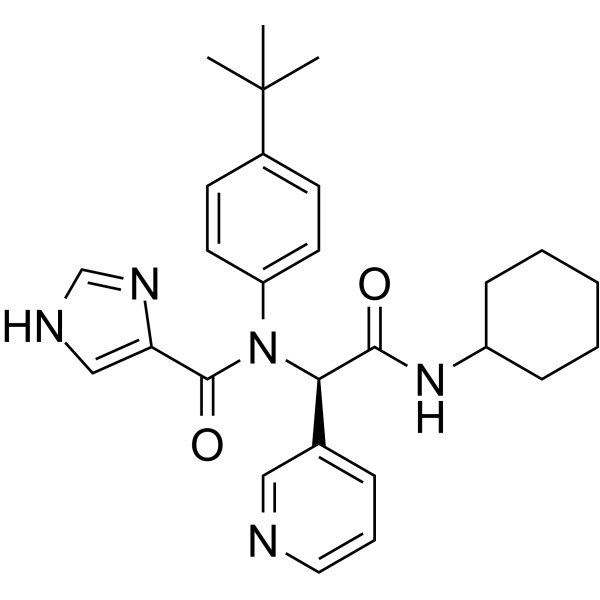
    PF-07957472 (Compound 4) is an orally active and selective SARS-CoV-2 papain-like protease (PLpro) inhibitor, with a Ki of 2 nM against SARS-CoV-2 PLpro. PF-07957472 reduces SARS-CoV-2 viral titers in the lungs of infected mice and inhibits SARS-CoV-2-induced cytopathic effects in cells. PF-07957472 can be used for the research of COVID-19 .
    PF-07957472
  • HY-139010
    Merafloxacin
    1 Publications Verification

    CI-934

    SARS-CoV Infection
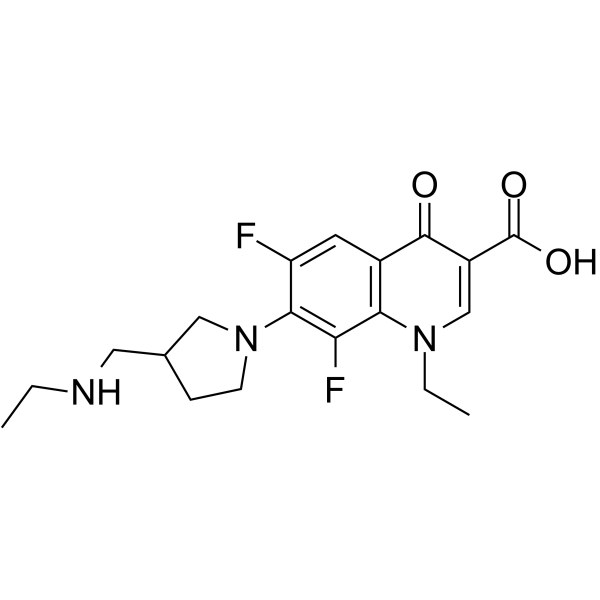
    Merafloxacin (CI-934), a fluoroquinolone antibacterial agent, is a selective programmed -1 ribosomal frameshifting (-1 PRF) inhibitor of beta coronaviruses. Merafloxacin exhibits in vitro activity against gram-positive and gram-negative bacteria .
    Merafloxacin
  • HY-136298A

    SARS-CoV Infection
    X77 is a potent non-covalent inhibitor of the main protease of SARS-CoV-2 (SARS-CoV-2 M pro) . X77 binds to SARS-CoV-2 M pro with a Kd value of 0.057 μM .
    X77
  • HY-W739985

    7α-Thiomethylspironolactone

    SARS-CoV Estrogen Receptor/ERR Infection
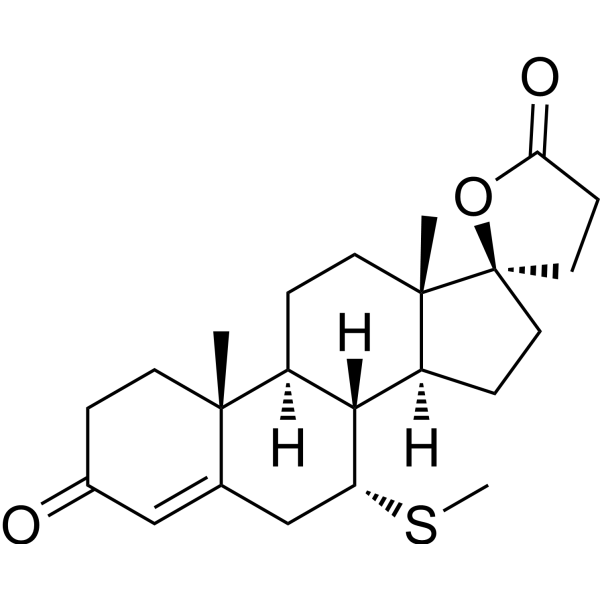
    7α-(Thiomethyl)spironolactone is a nuclear steroid receptor antagonist that can be used for the research of coronaviruses .
    7α-(Thiomethyl)spironolactone
  • HY-117813

    Nucleoside Antimetabolite/Analog DNA/RNA Synthesis Dengue Virus Flavivirus CHIKV SARS-CoV Infection
    2-Thiouridine is an orally active modified nucleobase. 2-Thiouridine stabilizes U:A base pairs and destabilizes U:G wobble base pairs. 2-Thiouridine significantly improves the efficiency and accuracy of nonenzymatic replication of mixed-sequence A/U-containing RNA templates. 2-Thiouridine exhibits antiviral activity against multiple positive-sense single-stranded RNA viruses (DENV2, ZIKV, YFV, JEV, WNV, CHIKV, human coronaviruses ( [HCoV]-229E, HCoV-OC43, SARS-CoV), and MERS-CoV) .
    2-Thiouridine
  • HY-149535

    WU-04

    SARS-CoV Infection
    Iscartrelvir (WU-04) is a non-covalent inhibitor of SARS-CoV-2, targeting the 3CLpro protein. Iscartrelvir has high inhibitory effect on the 3CLpro protein of 6 SARS-CoV-2 variants (Alpha, Beta, Gamma, Delta, Lambda and Omicron) and 2 coronaviruses (SARS-CoV and MERS-CoV) .
    Iscartrelvir
  • HY-135853S

    EIDD-2801-d7; MK-4482-d7

    SARS-CoV Influenza Virus Inflammation/Immunology
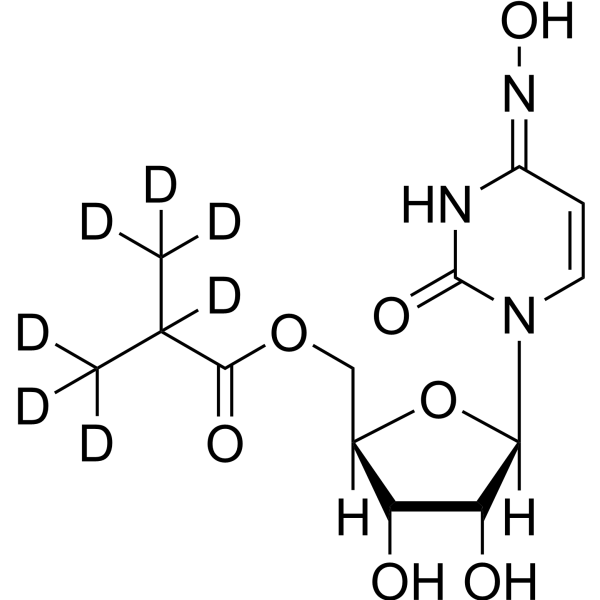
    Molnupiravir-d7 is the deuterium labeled Molnupiravir. Molnupiravir (EIDD-2801) is an orally bioavailable prodrug of the ribonucleoside analog EIDD-1931. Molnupiravir has broad spectrum antiviral activity against influenza virus and multiple coronaviruses, such as SARS-CoV-2, MERS-CoV, SARS-CoV. Molnupiravir has the potential for the research of COVID-19, and seasonal and pandemic influenza .
    Molnupiravir-d7
  • HY-136298

    SARS-CoV Infection
    (Rac)-X77?is a racemate of X77. X77 is a potent non-covalent inhibitor of the main protease of SARS-CoV-2 (SARS-CoV-2 M pro) . X77 binds to SARS-CoV-2 M pro with a Kd value of 0.057 μM .
    (Rac)-X77
  • HY-N12697A

    SARS-CoV Virus Protease Influenza Virus Fungal Infection
    Polycarpine hydrochloride (1a) is a broad-spectrum Mpro inhibitor (IC50 = 30 nM) that can be isolated from the Polycarpa aurata and also serves as an anti-coronaviral agent. Polycarpine hydrochloride possesses antiviral and antifungal activities, with IC50 values of 30.0 nM and 0.12 μM against SARS-CoV-2 Mpro and PEDV Mpro, respectively .
    Polycarpine hydrochloride
  • HY-170524

    SARS-CoV DNA Methyltransferase Cytochrome P450 Infection
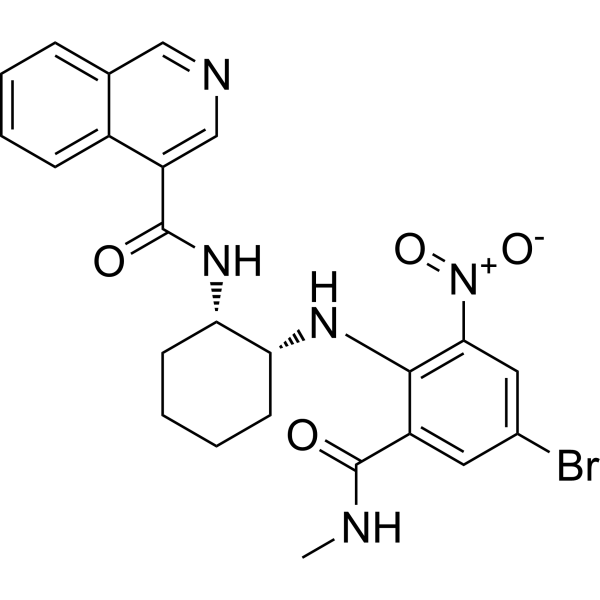
    TDI-015051 is a highly selective, orally active antiviral agent that targets the coronavirus NSP14 guanine-N7 methyltransferase. TDI-015051 binds to substrates in a non-competitive manner and forms a stable ternary complex, precisely blocking the capping and methylation processes of viral mRNA. TDI-015051 potently inhibits a variety of coronaviruses (including SARS-CoV-2 and MERS). By impairing viral replication and translation and inducing a moderate type I interferon-mediated immune response, it significantly reduces pulmonary viral load and exhibits a synergistic effect with Nirmatrelvir (HY-138687). In addition, TDI-015051 does not inhibit non-coronavirus methyltransferases, and the drug-resistant mutations it induces impair viral fitness, demonstrating excellent antiviral properties and safety. TDI-015051 can be used for research on COVID-19 and the replication mechanism of coronaviruses .The IC50 values of TDI-015051 against SARS-CoV-2, α-hCoV-NL63, α-hCoV-229E, β-hCoV-MERS are 0.15 nM, 1.7 nM, 2.6 nM and 3.6 nM, respectively, and the Ka value against SARS-CoV-2 is 0.061 nM .
    TDI-015051
  • HY-P11012

    SARS-CoV Infection
    EK1 is a peptide-based fusion inhibitor of coronaviruses (CoVs) with broad spectrum inhibition to a number of CoV species. EK1 shows substantially improved pan-CoV fusion inhibitory activity. EK1 potently inhibits SARS-CoV-2. EK1 can form a stable six-helix bundle (6HB) structure with both short α-hCoV and long β-hCoV N-terminal heptad repeats .
    EK1
  • HY-163783

    Casein Kinase Infection
    CSNK2-IN-1 is a potent and selective CSNK2 inhibitor with IC50 of 1.7 nM and 0.66 nM for CSNK2A1 and CSNK2A2, respectively. CSNK2-IN-1 has antiviral activity against beta-coronaviruses such as SARS-CoV-2 and MHV. CSNK2-IN-1 has good solubility, metabolic stability, and low cytotoxicity, but its plasma concentration in vivo decreases rapidly and is insufficient to achieve pharmacological effects. CSNK2-IN-1 can be used in the research of antiviral drug development .
    CSNK2-IN-1
  • HY-138794A

    Deubiquitinase Cancer
    (Rac)-XL177A is the racemic isomer of XL177A (HY-138794). XL177A is a covalent USP7 inhibitor that blocks the deubiquitinase activity of USP7. XL177A destabilizes non-canonical PRC1 complexes or KDM6A and reduces chromatin deposition of H2AK119Ub, thereby relieving the repression of neuronal differentiation programs. Meanwhile, XL177A also regulates the ELOF1-UVSSA-USP7-nuclear β-catenin axis, decreasing the transcription levels of related proteins and the accumulation of nuclear β-catenin. XL177A exerts antiviral effects by reducing the expression levels of coronavirus receptors, and exhibits inhibitory activity against APC-mutated colorectal cancer cells, neuroblastoma, and coronaviruses including SARS-CoV-2 variants. XL177A is mainly used in studies related to colorectal cancer, neuroblastoma, and coronavirus infections .
    (Rac)-XL177A
  • HY-136149A

    SARS-CoV Virus Protease Infection
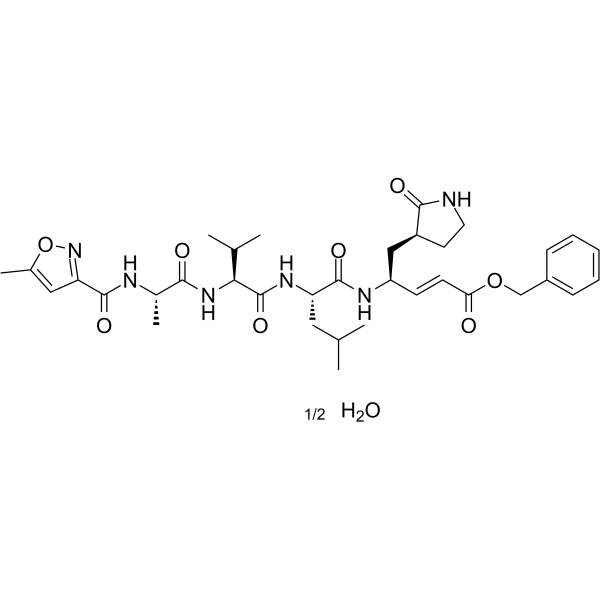
    Mpro inhibitor N3 hemihydrate is a potent inhibitor of SARS-CoV-2 Mpro with an EC50 of 16.77 μM for SARS-CoV-2. Mpro inhibitor N3 hemihydrate specifically inhibits Mpro from multiple coronaviruses, including SARS-CoV and MERS-CoV. Mpro inhibitor N3 hemihydrate displays inhibition against HCoV-229E, FIPV, and MHV-A59 with individual IC50 of 4.0 μM, 8.8 μM, and 2.7 μM, respectively .
    Mpro inhibitor N3 hemihydrate
  • HY-135853R

    EIDD-2801 (Standard); MK-4482 (Standard)

    Reference Standards SARS-CoV Influenza Virus Infection
    Molnupiravir (Standard) is the analytical standard of Molnupiravir. This product is intended for research and analytical applications. Molnupiravir (EIDD-2801) is an orally bioavailable proagent of the ribonucleoside analog EIDD-1931. Molnupiravir has broad spectrum antiviral activity against influenza virus and multiple coronaviruses, such as SARS-CoV-2, MERS-CoV, SARS-CoV. Molnupiravir has the potential for the research of COVID-19, and seasonal and pandemic influenza .
    Molnupiravir (Standard)
  • HY-161371

    Ser/Thr Protease Cancer
    VD5123 is a serine protease inhibitor. VD5123 inhibits TMPRS2, HGFA, matriptase, hepsin with IC50s of 15, 3980, 140, 37 nM respectively. VD5123 can be used for antiviral research, such as SARS-CoV-2 and broad panel of coronaviruses and influenza viruses .
    VD5123
  • HY-175029

    SARS-CoV Virus Protease Infection
    ALG-097558 is an orally active 3CLpro inhibitor. ALG-097558 demonstrates pan-coronavirus activity against various SARS-CoV-2 variants as well as other human coronaviruses (HCoVs) such as SARS-CoV-1, α-HCoV 229E, and β-HCoV OC43. ALG-097558 demonstrates potent inhibition with IC50s of 2 nM (SARS-CoV-2 3CLpro) and 6 nM (229E 3CLpro). ALG-097558 demonstrates antiviral activity in the SARS-CoV-2 hamster infection model. ALG-097558 can be used for the study of viral infections[1].
    ALG-097558
  • HY-175344

    SARS-CoV Virus Protease Ser/Thr Protease Infection Inflammation/Immunology
    TMP1 is an orally active bispecific inhibitor of M pro (IC50 = 312.5 nM)/TMPRSS2 (IC50 = 1.28 μM, KD = 10.10 μM). TMP1 exhibits broad protection against different SARS-CoV-2 variants in vitro. TMP1 cross-protects against highly pathogenic coronaviruses (SARS-CoV-1, SARS-CoV-2, and MERS-CoV) in vivo and effectively blocks the transmission of SARS-CoV-2. TMP1 can inhibit infection by SARS-CoV-2 escape mutants that are resistant to Nivolumab (HY-P9903). TMP1 can be used in coronavirus research .
    TMP1
  • HY-P10975

    SARS-CoV Influenza Virus Enterovirus Infection
    P9R is an antiviral peptide. P9R has broad-spectrum antiviral activities against the coronaviruses (SARS-CoV-2, MERS-CoV and SARS-CoV), A(H1N1)pdm09, A(H7N9) virus, and rhinovirus. P9R directly binds to viruses and inhibits virus-host endosomal acidification. P9R significantly protects mice from A(H1N1)pdm09 infection without generating drug-resistant virus. P9R can be used for pH-dependent respiratory viruses research .
    P9R
  • HY-P10689

    SARS-CoV Infection
    NQK-A8 peptide is an immunodominant peptide of seasonal coronaviruses HKU1-CoV and OC43-CoV .
    NQK-A8 peptide
  • HY-172960

    SARS-CoV Virus Protease Infection Inflammation/Immunology
    SARS-CoV-2 Mpro-IN-44 (Compound 25) is a broad-spectrum coronavirus main protease (Mpro) inhibitor. SARS-CoV-2 Mpro-IN-44 has inhibitory activity against a variety of high-risk coronaviruses (including SARS-CoV-2 and PEDV, etc.) (IC50: < 0.6 μM). SARS-CoV-2 Mpro-IN-44 achieves broad-spectrum inhibition of coronaviruses by enhancing the interaction with the conserved sites of Mpro. SARS-CoV-2 Mpro-IN-44 can be used for anti-coronavirus drug development .
    SARS-CoV-2 Mpro-IN-44
  • HY-105747A

    N-(3-Phenoxypropyl)guanidine nitrate; (3-Phenoxypropyl)guanidine nitrate

    Endogenous Metabolite Infection Neurological Disease
    Guanoxyfen (N-(3-Phenoxypropyl)guanidine) nitrate is a compound that exhibits potent inhibitory activity against the serine protease enzyme TMPRSS2, which plays a crucial role in the infectivity of coronaviruses. Guanoxyfen nitrate is also an effective inhibitor of vasoconstrictor responses to sympathetic nerve stimulation.
    Guanoxyfen nitrate
  • HY-161789

    PROTACs SARS-CoV Virus Protease Infection
    PROTAC SARS-CoV-2 Mpro degrader-3 (Compound P2) exhibits antiviral activity through the degradation of the main protease (Mpro) of human coronaviruses (HCoVs) (DC50=27 μM). PROTAC SARS-CoV-2 Mpro degrader-3 inhibits the viral replication, with EC50 of 4.6 μM, 4.6 μM, and 0.71 μM, for human coronaviruses HCoV-229E, HCoV-OC43 and SARS-CoV-2, respectively. (Pink: ligand for target protein Mpro ligand 2 (HY-161791); Black: linker (HY-161792); Blue: ligand for E3 ligase (S,R,S)-AHPC (HY-125845)) .
    PROTAC SARS-CoV-2 Mpro degrader-3
  • HY-178291

    SARS-CoV Infection
    2-Chloro-2′-deoxyadenosine monophosphate is an anticoronavirus agent. It exhibits significant inhibitory effects against wild-type novel coronavirus, novel coronavirus variants (Beta, Delta, and Omicron strains), and other coronaviruses such as human coronavirus 229E, human coronavirus OC43, human coronavirus NL63, and mouse coronavirus MHV .
    2-Chloro-2′-deoxyadenosine monophosphate
  • HY-172214

    SARS-CoV Virus Protease Infection
    AB-343 is a selective covalent inhibitor of SARS-CoV-2 Mpro, with an IC50 of 8 nM and a Ki of 2.8 nM. AB-343 can effectively inhibit the main proteases of SARS-CoV-2 and many other coronaviruses, and is also active against some resistant variants. AB-343 can be used in the research of treating coronavirus infection-related diseases .
    AB-343
  • HY-144833

    SARS-CoV Infection
    SARS-CoV-2 3CLpro-IN-1 (Compound 14c) is a potent inhibitor of SARS-CoV-2 3CL pro. 3CL pro (main coronaviruses cysteine-protease) has been identified as a promising target for the development of antiviral agents. SARS-CoV-2 3CLpro-IN-1 has the potential for the research of infection diseases .
    SARS-CoV-2 3CLpro-IN-1
  • HY-161342

    Cathepsin SARS-CoV Infection Inflammation/Immunology
    CTSL/CAPN1-IN-2 (Compound 14b) is an orally active inhibitor of both CTSL and CAPN1, with IC50 values of 6.88 nM and 347.6 nM, respectively. CTSL/CAPN1-IN-2 possesses anti-inflammatory properties and favorable pharmacokinetic characteristics. CTSL/CAPN1-IN-2 exhibits broad-spectrum antiviral activity against coronaviruses by blocking viral entry .
    CTSL/CAPN1-IN-2
  • HY-175015

    SARS-CoV Infection
    SARS-CoV-2 Mpro-IN-46 (Compound 12) is a SARS-CoV-2 main protease inhibitor with an IC50 of ∼25 μM. SARS-CoV-2 Mpro-IN-46 has potent antiviral activity with low cytotoxicity against SARS-CoV-2 (IC50: 7.4 μM). SARS-CoV-2 Mpro-IN-46 can be used for coronaviruses COVID-19 research .
    SARS-CoV-2 Mpro-IN-46
  • HY-174320

    SARS-CoV Infection
    SARS-CoV-2-IN-112 (Compound 6f) is an orally active and non-peptidic SARS-CoV-2 main protease inhibitor with an IC50 of 6.48 μM. SARS-CoV-2-IN-11 has potent antiviral activity with low cytotoxicity against WI-38 cells (IC50: 53.81 μM). SARS-CoV-2-IN-112 can be used for coronaviruses COVID-19 research .
    SARS-CoV-2-IN-112
  • HY-174439

    SARS-CoV Virus Protease Drug Metabolite Infection
    Nsp12-IN-2 (Compound 8), the triphosphate metabolite of 4'-thiouridine (HY-W113081), is a SARS-CoV-2 Nsp12 inhibitor. Nsp12-IN-2 inhibits the RNA-dependent RNA polymerase (RdRp) activity of the SARS-CoV-2 Nsp12-Nsp7-Nsp8 complex, terminates RNA synthesis and also blocks the RNAylation and NMPylation of Nsp9. Nsp12-IN-2 is promising for research of infections caused by SARS-CoV-2, other coronaviruses, and other RNA viruses .
    Nsp12-IN-2
  • HY-179630

    Deubiquitinase SARS-CoV VISTA Infection Cancer
    MS102 is an orally active ubiquitin specific peptidase 2 (USP2) inhibitor with an IC50 of 5.46 μM. MS102 has viable antiviral activity against ACE2-dependent coronaviruses. MS102 significantly reduces V-domain Ig suppressor of T cell activation (VISTA) protein abundance in vitro and in vivo. MS102 can be used for the study of SARS-CoV-2. MS102 can be used in combination with anti-PD-1 immunotherapy to enhance the anti-tumor immune response .
    MS102
  • HY-178027

    SARS-CoV Infection
    SARS-CoV-2 nsp14-IN-6 (Compound 35) is a SARS-CoV-2 Nsp14 MTase inhibitor with an IC50 of 0.24  μM. SARS-CoV-2 nsp14-IN-6 has potent antiviral activity against SARS-CoV-2 replication. SARS-CoV-2 nsp14-IN-6 increases lipophilicity, further improving cell permeability. SARS-CoV-2 nsp14-IN-6 can be used for human coronaviruses research .
    SARS-CoV-2 nsp14-IN-6
  • HY-178027A

    SARS-CoV Infection
    SARS-CoV-2 nsp14-IN-6 (Compound 35) ammonium is a SARS-CoV-2 Nsp14 MTase inhibitor with an IC50 of 0.24  μM. SARS-CoV-2 nsp14-IN-6 ammonium has potent antiviral activity against SARS-CoV-2 replication. SARS-CoV-2 nsp14-IN-6 ammonium increases lipophilicity, further improving cell permeability. SARS-CoV-2 nsp14-IN-6 ammonium can be used for human coronaviruses research .
    SARS-CoV-2 nsp14-IN-6 ammonium
  • HY-P992281

    SARS-CoV Infection
    Anti-Nucleocapsid Antibody (N-18) is an antibody targeting Nucleocapsid, a structural protein of coronaviruses. Anti-Nucleocapsid Antibody (N-18) is applicable to studies on SARS-CoV-2 infection .
    Anti-Nucleocapsid Antibody (N-18)
  • HY-181033

    Virus Protease SARS-CoV Infection
    (M)-AVI-4773 is an orally active, blood-brain barrier permeable coronaviruses M Pro inhibitor with an IC50 of 2.5 nM aginst SARS-CoV-2 M Pro. (M)-AVI-4773 produces a rapid onset antiviral effect in mouse models of MERS-CoV and SARS-CoV-2 infection .
    (M)-AVI-4773
  • HY-183761

    SARS-CoV Infection
    Antiviral agent 86 is an anti-coronavirus agent. Antiviral agent 86 acts as a binder of coronavirus non-structural protein 15 (nsp15), with a Ka value of 67 μM against human targets. Antiviral agent 86 inhibits the replication of HCoV-229E and SARS-CoV-2. Antiviral agent 86 exerts inhibitory effects at the post-entry lifecycle stage of coronaviruses in host cells and inhibits the formation of viral double-stranded RNA (dsRNA). Antiviral agent 86 exhibits an additive antiviral effect when used in combination with GS-441524. Antiviral agent 86 can be used in studies related to coronavirus infections .
    Antiviral agent 86
  • HY-178696

    Virus Protease Cathepsin SARS-CoV Infection
    UAWJ9-36-3 is a M pro and cathepsin L (IC50: 1.81 μM) inhibitor. UAWJ9-36-3 shows potent binding and enzymatic inhibition against the M pros from SARS-CoV-2, SARS-CoV, MERS-CoV, HCoV-OC43, HCoV-NL63, HCoV-229E, and HCoV-HKU1. UAWJ9-36-3 demonstrates broad-spectrum antiviral activity against not only SARS-CoV-2, but also the common human coronaviruses HCoV-OC43, HCoV-NL63, and HCoV-229E .
    UAWJ9-36-3

Inquiry Online

Your information is safe with us. * Required Fields.

Salutation


Country or Region *

Applicant Name *


Organization Name *

Department *


Email Address *


Product Name *

Cat. No.


Requested quantity *

Phone Number *


Remarks

Inquiry Online

Inquiry Information

Product Name:
Cat. No.:
Quantity:
MCE Japan Authorized Agent:

