Search Result
Results for "
glycogen synthesis
" in MedChemExpress (MCE) Product Catalog:
2
Biochemical Assay Reagents
4
Isotope-Labeled Compounds
| Cat. No. |
Product Name |
Target |
Research Areas |
Chemical Structure |
-
- HY-15424
-
|
NSC 113939; 5-ITu
|
Adenosine Kinase
|
Cancer
|
|
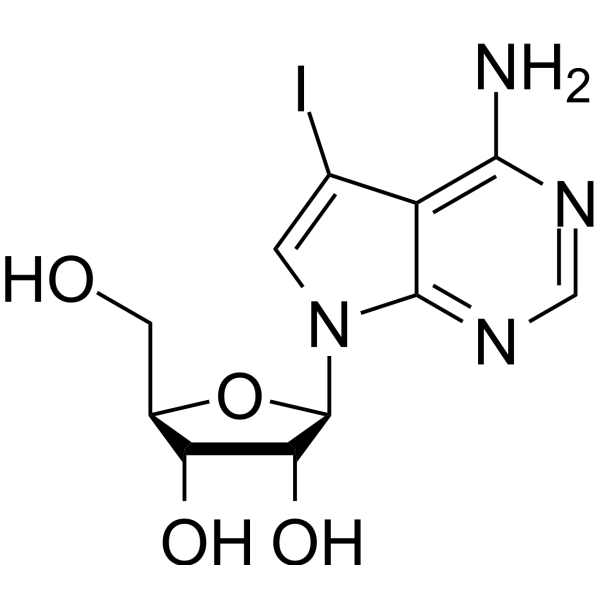
5-Iodotubercidin (NSC 113939), an ATP mimetic, is a potent adenosine kinase inhibitor with an IC50 of 26 nM. 5-Iodotubercidin (NSC 113939) initiates glycogen synthesis in isolated hepatocytes by causing inactivation of phosphorylase and activation of glycogen synthase. 5-Iodotubercidin (NSC 113939) also inhibits CK1, insulin receptor tyrosine kinase, phosphorylase kinase, PKA, CK2, PKC and Haspin .
|
-
-
- HY-N0143
-
Phlorizin
Maximum Cited Publications
15 Publications Verification
Floridzin
|
Caspase
JAK
GLUT
STAT
Apoptosis
Bacterial
SGLT
mTOR
Akt
NF-κB
PI3K
DNA/RNA Synthesis
|
Infection
Neurological Disease
Metabolic Disease
Cancer
|
|
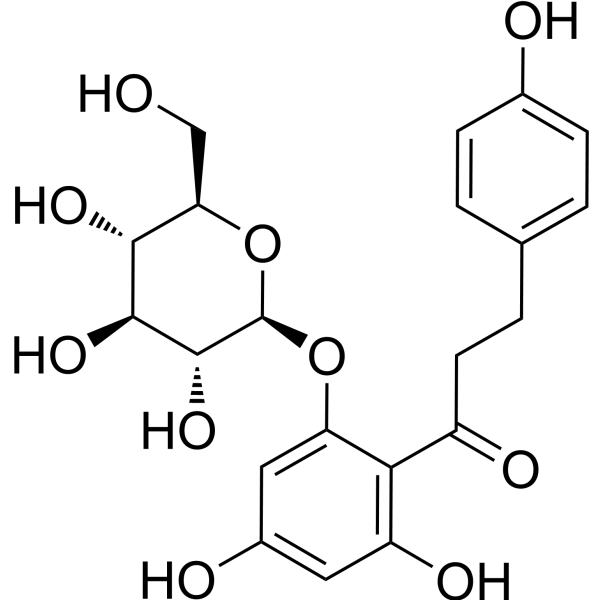
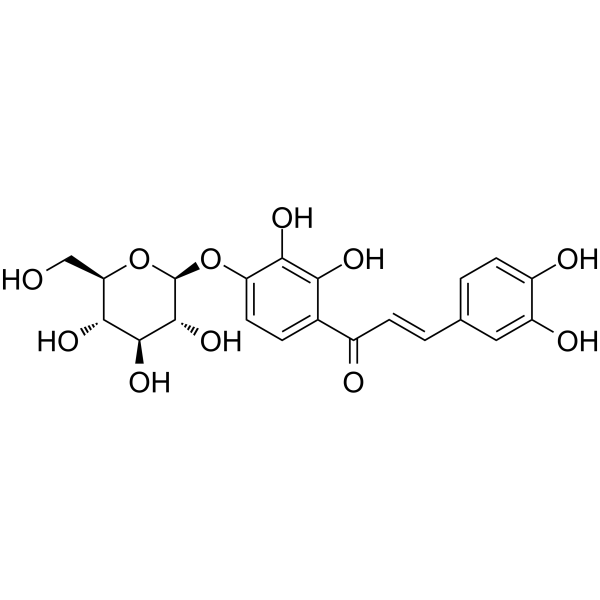
Phlorizin (Floridzin) is an orally active non-selective sodium-glucose cotransporter (SGLT) inhibitor, with an IC50 of 0.04 μM and a Ki of 39 nM against hSGLT2, and an IC50 of 0.17 μM and a Ki of 0.31 μM against hSGLT1. Phlorizin promotes GLUT4 translocation, inhibits gluconeogenesis and promotes glycogen synthesis by activating the PI3K/Akt/mTOR pathway. Phlorizin reduces DNA damage and apoptosis (apoptosis) by inhibiting the NF-κB inflammatory pathway. Phlorizin induces apoptosis via activating the Caspase pathway by antagonizing the JAK/STAT3 and PCK pathways. Phlorizin also exhibits antibacterial, anti-inflammatory and neuroprotective activities .
|
-
-
- HY-112537
-
|
|
Endogenous Metabolite
mTOR
|
Cardiovascular Disease
Metabolic Disease
|
|
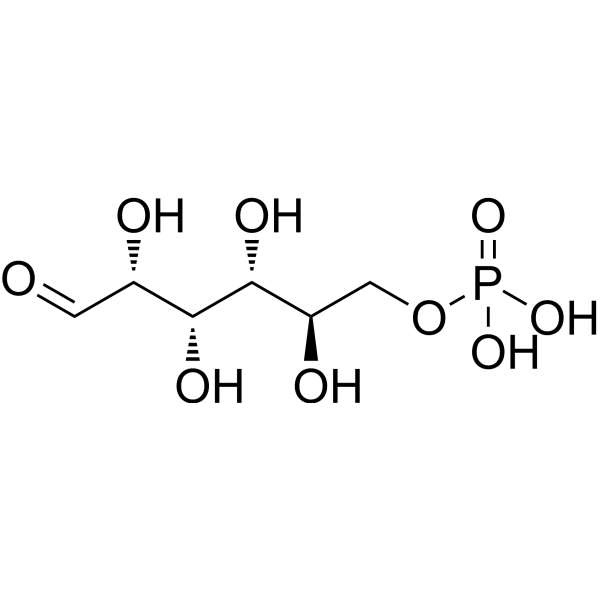
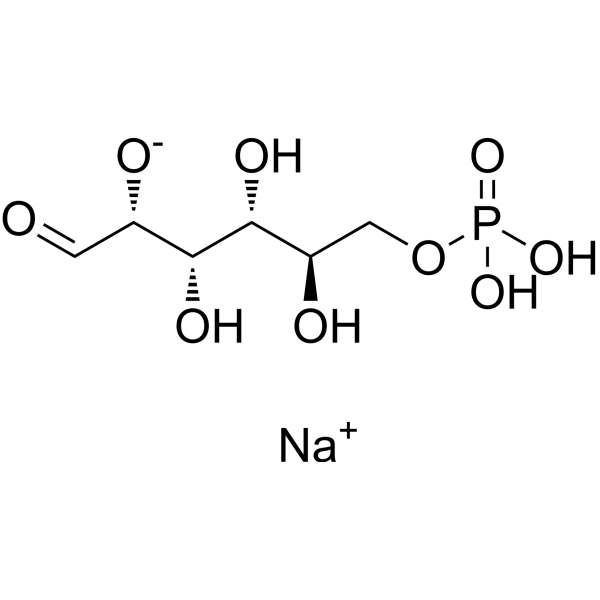
D-Glucose 6-phosphate is a key central node metabolite in glucose metabolism. It serves as the initiating metabolite for glycolysis and the pentose phosphate pathway, as well as a substrate for glycogen synthesis. D-Glucose 6-phosphate acts as a metabolic stress signal, which activates the mTOR pathway to promote protein synthesis, especially when phosphoglucose isomerase (PGI) is inhibited, thereby participating in cardiac remodeling processes. D-Glucose 6-phosphate can be used in research related to non-insulin-dependent diabetes mellitus and heart failure .
|
-
-
- HY-42680
-
|
D-(-)-Tagatose
|
Endogenous Metabolite
|
Metabolic Disease
Inflammation/Immunology
Cancer
|
|
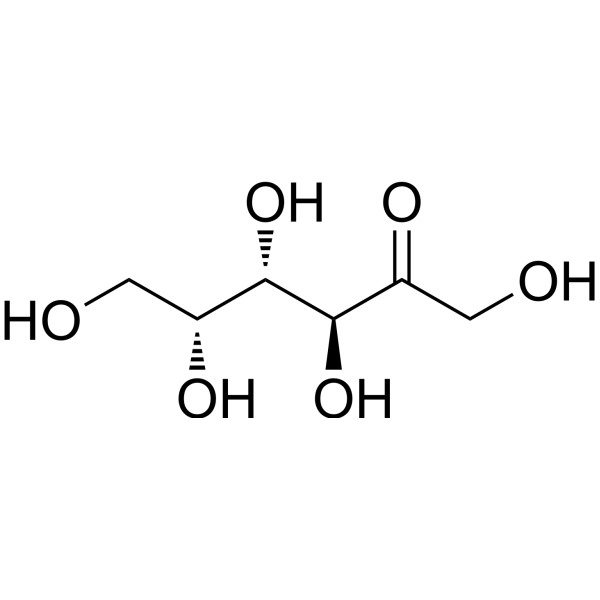
D-Tagatose (D-(-)-Tagatose) is a natural low-calorie rare sugar. D-Tagatose inhibits the activities of sucrase, maltase and intestinal disaccharidases, reduces the digestion of sucrose and starch, and blocks the absorption of sucrose, maltose and glucose. D-Tagatose promotes glucokinase activity and inhibits glycogen phosphorylase activity via tagatose-1-phosphate, regulates the synthesis and decomposition of hepatic glycogen, reduces postprandial and fasting blood glucose levels, and improves hyperinsulinemia. D-Tagatose regulates lipid profiles, stimulates GLP-1 secretion, and exhibits prebiotic effects. D-Tagatose is a bulking sweetener. D-Tagatose can be used in research related to diabetes, hyperlipidemia, dental caries, atherosclerosis and type 2 diabetes .
|
-
-
- HY-41121
-
|
Boc-Ala-OH
|
Amino Acid Derivatives
|
Cancer
|
|
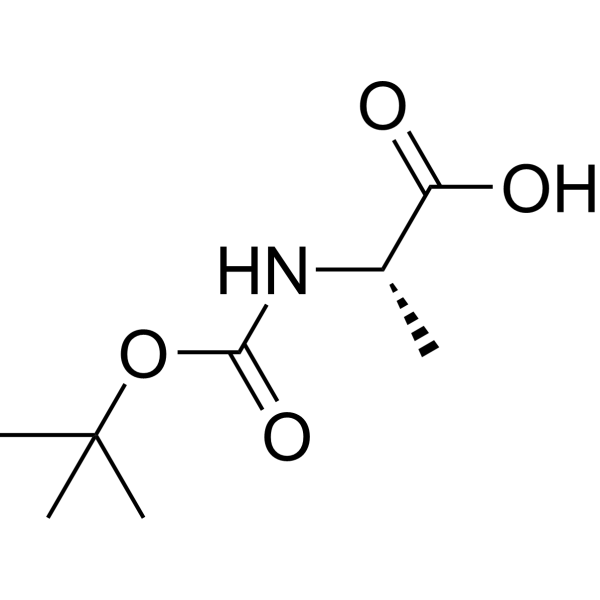
Boc-L-Ala-OH (Boc-Ala-OH) is a single N-protected amino acid ligand and a protected L-alanine derivative. Boc-L-Ala-OH promotes Pd (II)-catalyzed enantioselective C-H alkenylation and kinetic resolution. Boc-L-Ala-OH serves as a coupling reagent for the synthesis of liver-targeted glycogen phosphorylase inhibitors and P6A metabolites, and also acts as a negative control in synthesis studies of betulinic acid amino acid esters. Boc-L-Ala-OH is applicable to research on epidermoid squamous cell carcinoma .
|
-
-
- HY-112537S1
-
|
|
Isotope-Labeled Compounds
Endogenous Metabolite
mTOR
|
Cardiovascular Disease
Metabolic Disease
|
|
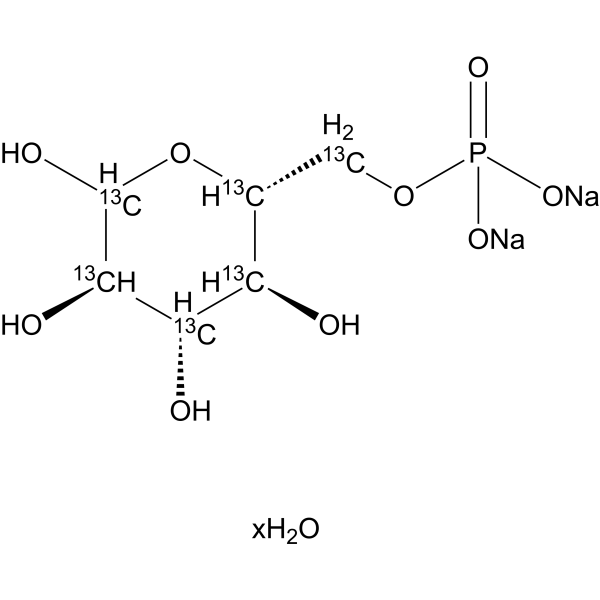
D-Glucose 6-Phosphate- 13C6 disodium xhydrate is a 13C-labeled D-Glucose 6-phosphate disodium xhydrate. D-Glucose 6-phosphate disodium xhydrate is a key central node metabolite in sugar metabolism, serving as the initial metabolite of glycolysis and pentose phosphate pathway, and also a substrate for glycogen synthesis. D-Glucose 6-phosphate disodium xhydrate can act as a metabolic stress signal, especially when phosphoglucomutase (PGI) is inhibited, activating the mTOR pathway, promoting protein synthesis, and thereby participating in the remodeling process of the heart. D-Glucose 6-phosphate disodium xhydrate can be used in research related to non-insulin-dependent diabetes and heart failure.
|
-
-
- HY-N7676
-
Marein
3 Publications Verification
|
AMPK
HDAC
|
Cardiovascular Disease
Neurological Disease
Metabolic Disease
|
|
Marein has the neuroprotective effect due to a reduction of damage to mitochondria function and activation of the AMPK signal pathway. Marein improves insulin resistance induced by high glucose in HepG2 cells through CaMKK/AMPK/GLUT1 to promote glucose uptake, through IRS/Akt/GSK-3β to increase glycogen synthesis, and through Akt/FoxO1 to decrease gluconeogenesis. Marein is a HDAC inhibitor with an IC50 of 100 μM. Marein has beneficial antioxidative, antihypertensive, antihyperlipidemic and antidiabetic effects .
|
-
-
- HY-N0143A
-
|
Floridzin dihydrate
|
SGLT
PI3K
Akt
GLUT
NF-κB
JAK
STAT
Caspase
Apoptosis
DNA/RNA Synthesis
mTOR
Bacterial
|
Infection
Neurological Disease
Metabolic Disease
Cancer
|
|
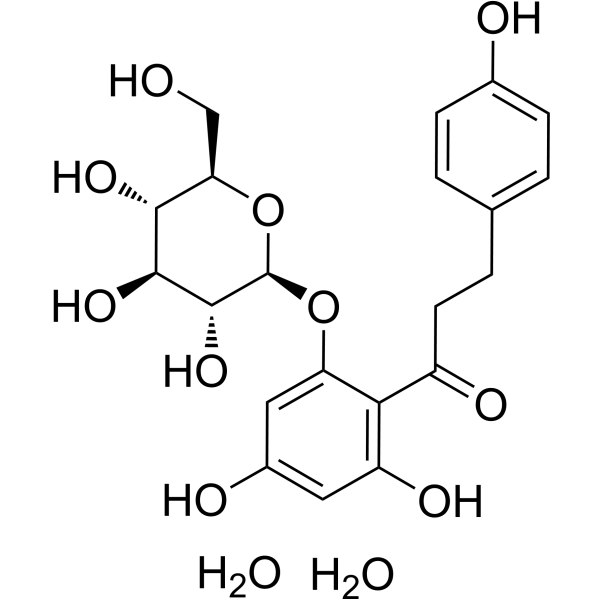
Phlorizin (Floridzin) dihydrate is an orally active non-selective sodium-glucose cotransporter (SGLT) inhibitor, with an IC50 of 0.04 μM and a Ki of 39 nM against hSGLT2, and an IC50 of 0.17 μM and a Ki of 0.31 μM against hSGLT1. Phlorizin dihydrate promotes GLUT4 translocation, inhibits gluconeogenesis and promotes glycogen synthesis by activating the PI3K/Akt/mTOR pathway. Phlorizin dihydrate reduces DNA damage and apoptosis (apoptosis) by inhibiting the NF-κB inflammatory pathway. Phlorizin dihydrate induces apoptosis via activating the Caspase pathway by antagonizing the JAK/STAT3 and PCK pathways. Phlorizin dihydrate also exhibits antibacterial, anti-inflammatory and neuroprotective activities .
|
-
-
- HY-P4685
-
|
|
Angiotensin Receptor
|
Metabolic Disease
|
|
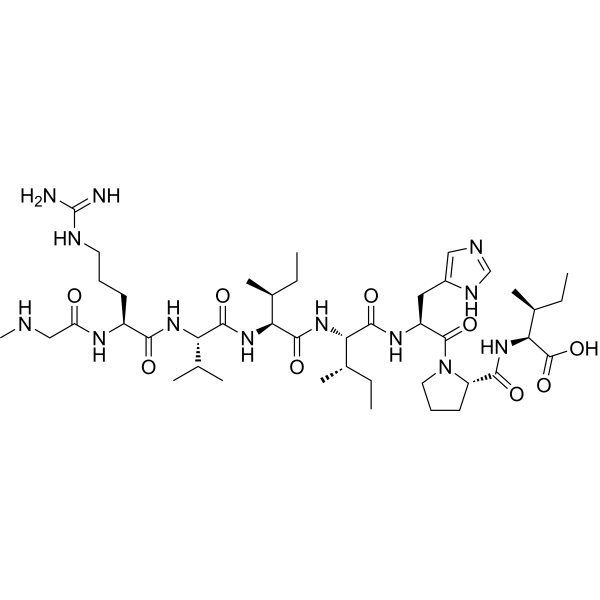
(Sar1,Ile4,8)-Angiotensin II is a functionally selective angiotensin II type 1 receptor (AT1R) agonist. (Sar1,Ile4,8)-Angiotensin II potentiates insulin-stimulated insulin receptor (IR) signaling and glycogen synthesis. (Sar1,Ile4,8)-Angiotensin II potentiates insulin-stimulated phosphorylation of Akt and GSK3α/β .
|
-
-
- HY-112537S2
-
|
|
Isotope-Labeled Compounds
Endogenous Metabolite
mTOR
|
Others
|
|
D-Glucose 6-phosphate- 13C is 13C labeled D-Glucose 6-phosphate (HY-112537). D-Glucose 6-phosphate is a key central node metabolite in glucose metabolism. It serves as the initiating metabolite for glycolysis and the pentose phosphate pathway, as well as a substrate for glycogen synthesis. D-Glucose 6-phosphate acts as a metabolic stress signal, which activates the mTOR pathway to promote protein synthesis, especially when phosphoglucose isomerase (PGI) is inhibited, thereby participating in cardiac remodeling processes. D-Glucose 6-phosphate can be used in research related to non-insulin-dependent diabetes mellitus and heart failure.
|
-
-
- HY-15424R
-
|
NSC 113939 (Standard); 5-ITu (Standard)
|
Adenosine Kinase
Reference Standards
|
Cancer
|
|
5-Iodotubercidin (Standard) is the analytical standard of 5-Iodotubercidin. This product is intended for research and analytical applications. 5-Iodotubercidin (NSC 113939), an ATP mimetic, is a potent adenosine kinase inhibitor with an IC50 of 26 nM. 5-Iodotubercidin (NSC 113939) initiates glycogen synthesis in isolated hepatocytes by causing inactivation of phosphorylase and activation of glycogen synthase. 5-Iodotubercidin (NSC 113939) also inhibits CK1, insulin receptor tyrosine kinase, phosphorylase kinase, PKA, CK2, PKC and Haspin .
|
-
-
- HY-W400427
-
|
|
Biochemical Assay Reagents
|
Others
|
|
α-D-Glucose-1-phosphate is an important intermediate in sugar metabolism, functioning as a glycosyl donor in glycosyl transfer reactions and participating in glycogen synthesis and degradation through the action of phosphorylases .
|
-
-
- HY-112537A
-
|
|
Endogenous Metabolite
mTOR
|
Cardiovascular Disease
Metabolic Disease
|
|
D-Glucose 6-phosphate dipotassium is a key central node metabolite in glucose metabolism. It serves as the initiating metabolite for glycolysis and the pentose phosphate pathway, as well as a substrate for glycogen synthesis. D-Glucose 6-phosphate dipotassium acts as a metabolic stress signal, which activates the mTOR pathway to promote protein synthesis, especially when phosphoglucose isomerase (PGI) is inhibited, thereby participating in cardiac remodeling processes. D-Glucose 6-phosphate dipotassium can be used in research related to non-insulin-dependent diabetes mellitus and heart failure .
|
-
-
- HY-42680S1
-
|
D-(-)-Tagatose-13C-1
|
Isotope-Labeled Compounds
Endogenous Metabolite
|
Cardiovascular Disease
Metabolic Disease
Cancer
|
|
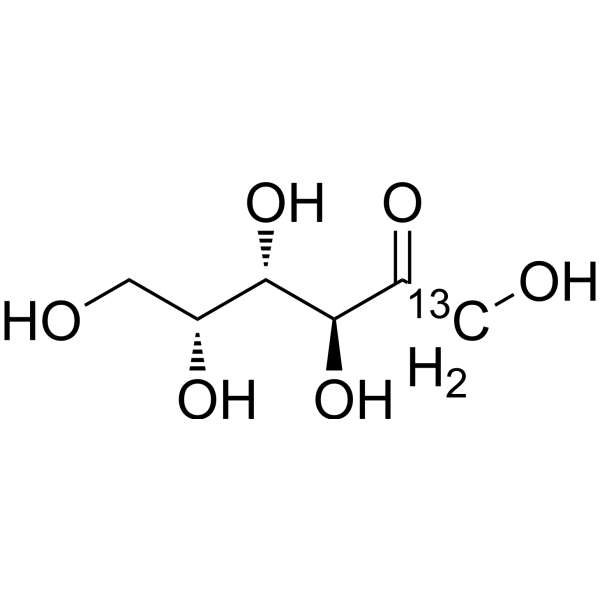
D-Tagatose- 13C-1 is the 13C labeled D-Tagatose (HY-42680). D-Tagatose (D-(-)-Tagatose) is a natural low-calorie rare sugar. D-Tagatose inhibits the activities of sucrase, maltase and intestinal disaccharidases, reduces the digestion of sucrose and starch, and blocks the absorption of sucrose, maltose and glucose. D-Tagatose promotes glucokinase activity and inhibits glycogen phosphorylase activity via tagatose-1-phosphate, regulates the synthesis and decomposition of hepatic glycogen, reduces postprandial and fasting blood glucose levels, and improves hyperinsulinemia. D-Tagatose regulates lipid profiles, stimulates GLP-1 secretion, and exhibits prebiotic effects. D-Tagatose is a bulking sweetener. D-Tagatose can be used in research related to diabetes, hyperlipidemia, dental caries, atherosclerosis and type 2 diabetes.
|
-
-
- HY-42680R
-
|
D-(-)-Tagatose (Standard)
|
Reference Standards
Endogenous Metabolite
|
Cardiovascular Disease
Metabolic Disease
Cancer
|
|
D-Tagatose (Standard) is the analytical standard of D-Tagatose (HY-42680). This product is intended for research and analytical applications. D-Tagatose (D-(-)-Tagatose) is a natural low-calorie rare sugar. D-Tagatose inhibits the activities of sucrase, maltase and intestinal disaccharidases, reduces the digestion of sucrose and starch, and blocks the absorption of sucrose, maltose and glucose. D-Tagatose promotes glucokinase activity and inhibits glycogen phosphorylase activity via tagatose-1-phosphate, regulates the synthesis and decomposition of hepatic glycogen, reduces postprandial and fasting blood glucose levels, and improves hyperinsulinemia. D-Tagatose regulates lipid profiles, stimulates GLP-1 secretion, and exhibits prebiotic effects. D-Tagatose is a bulking sweetener. D-Tagatose can be used in research related to diabetes, hyperlipidemia, dental caries, atherosclerosis and type 2 diabetes.
|
-
-
- HY-42680S
-
|
D-(-)-Tagatose-13C
|
Isotope-Labeled Compounds
Endogenous Metabolite
|
Cardiovascular Disease
Metabolic Disease
Cancer
|
|
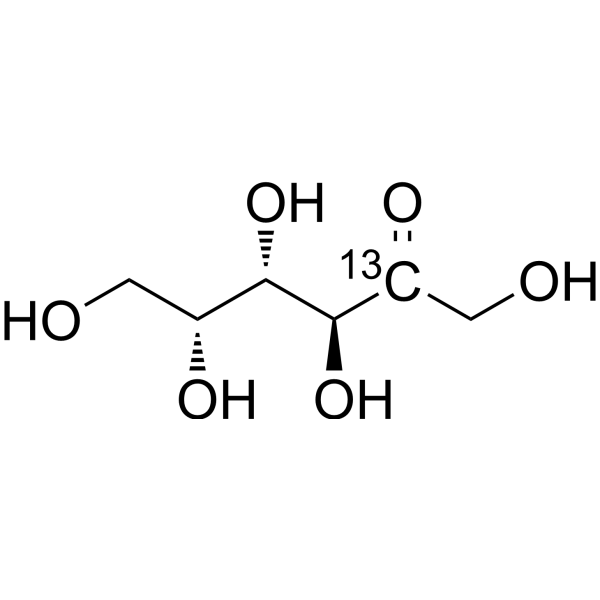
D-Tagatose- 13C is the 13C labeled D-Tagatose (HY-42680). D-Tagatose (D-(-)-Tagatose) is a natural low-calorie rare sugar. D-Tagatose inhibits the activities of sucrase, maltase and intestinal disaccharidases, reduces the digestion of sucrose and starch, and blocks the absorption of sucrose, maltose and glucose. D-Tagatose promotes glucokinase activity and inhibits glycogen phosphorylase activity via tagatose-1-phosphate, regulates the synthesis and decomposition of hepatic glycogen, reduces postprandial and fasting blood glucose levels, and improves hyperinsulinemia. D-Tagatose regulates lipid profiles, stimulates GLP-1 secretion, and exhibits prebiotic effects. D-Tagatose is a bulking sweetener. D-Tagatose can be used in research related to diabetes, hyperlipidemia, dental caries, atherosclerosis and type 2 diabetes.
|
-
-
- HY-113002
-
|
|
Phosphomannose Isomerase (PMI)
|
Infection
Metabolic Disease
|
|
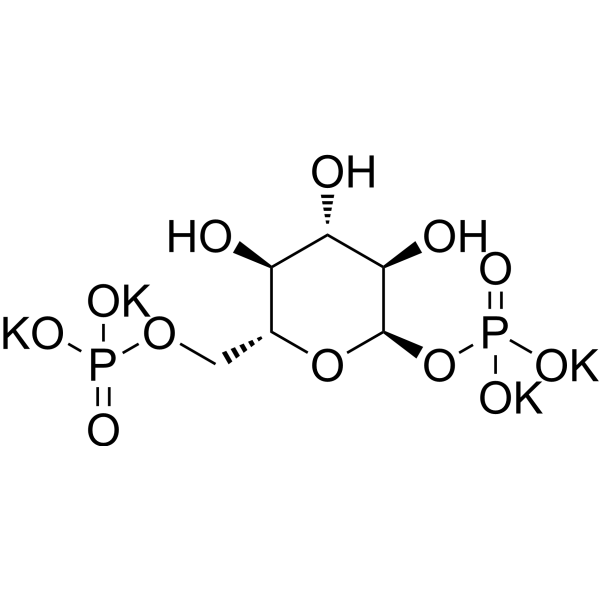
α-D-Glucose 1,6-bisphosphate is an activator of PMM2 and phosphoglucomutase. α-D-Glucose 1,6-bisphosphate regulates glycogen metabolism, glycolysis, amino sugar synthesis, as well as the formation of bacterial cell walls and capsules. α-D-Glucose 1,6-bisphosphate can be used in studies related to pmm2-cdg (cdg-1a or Jaeken syndrome) .
|
-
-
- HY-N3628
-
-
-
- HY-N0143R
-
|
Floridzin (Standard)
|
Reference Standards
Caspase
JAK
GLUT
STAT
Apoptosis
Bacterial
SGLT
mTOR
Akt
NF-κB
PI3K
DNA/RNA Synthesis
|
Infection
Neurological Disease
Metabolic Disease
Cancer
|
|
Phlorizin (Floridzin) (Standard) is the analytical standard of Phlorizin. This product is intended for research and analytical applications. Phlorizin is an orally active non-selective sodium-glucose cotransporter (SGLT) inhibitor, with an IC50 of 0.04 μM and a Ki of 39 nM against hSGLT2, and an IC50 of 0.17 μM and a Ki of 0.31 μM against hSGLT1. Phlorizin promotes GLUT4 translocation, inhibits gluconeogenesis and promotes glycogen synthesis by activating the PI3K/Akt/mTOR pathway. Phlorizin reduces DNA damage and apoptosis (apoptosis) by inhibiting the NF-κB inflammatory pathway. Phlorizin induces apoptosis via activating the Caspase pathway by antagonizing the JAK/STAT3 and PCK pathways. Phlorizin also exhibits antibacterial, anti-inflammatory and neuroprotective activities .
|
-
-
- HY-P2032
-
|
|
Endogenous Metabolite
|
Infection
Cancer
|
|
Cyclochlorotine is a mycotoxin that can be extracted from the yellow rice infectant Penicillium islandicum Sopp. Cyclochlorotine promotes glycogenolysis, inhibits glycogen synthesis, affects fat synthesis and protein synthesis in liver cells. Cyclochlorotine exhibits chronic toxicity in liver that induces liver fibrosis and cirrhosis in mouse models. Cyclochlorotine exhibits carcinogenicity .
|
-
-
- HY-E71212
-
|
|
Biochemical Assay Reagents
|
Others
|
|
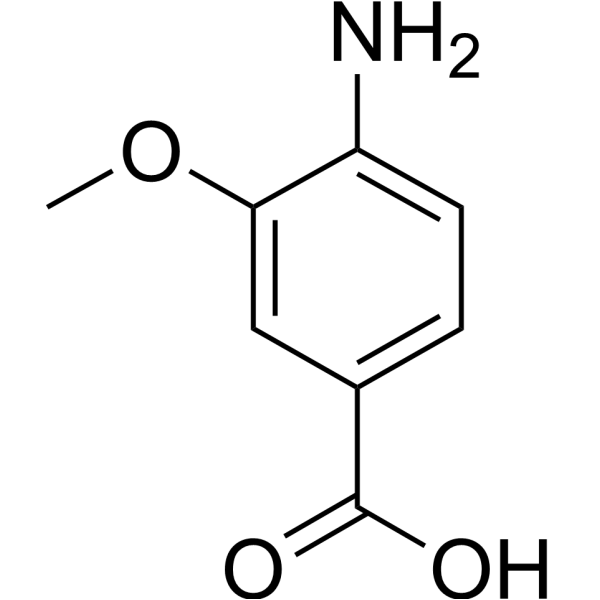
α-1,4-Glucan-protein synthase (ADP-forming) (EC 2.4.1.113) builds up α-1,4-Glucan chains covalently bound to protein, thus acting as an initiator of glycogen synthesis.
|
-
-
- HY-183148
-
|
|
NAMPT
ATP Synthase
|
Neurological Disease
|
|
NAMPT activator-10 (Compound B11) is an orally active NAMPT activator with a target Kd value of 0.64 μM. NAMPT activator-10 activates the rate-limiting enzyme in NAD + biosynthesis and promotes intracellular NAD + synthesis. NAMPT activator-10 reduces lactate accumulation, enhances glycogen storage in the liver and muscle, increases tissue ATP production, improves exercise endurance and muscle strength, and exerts a protective effect against fatigue-induced muscle damage in mouse fatigue models. NAMPT activator-10 can be used in studies related to muscle fatigue .
|
-
-
- HY-182978
-
|
|
E3 Ligase Ligand-Linker Conjugates
|
Others
|
|
Pomalidomide-C3-O-C4-O-C3-NH2 is an E3 ligase ligand-linker conjugate that contains Pomalidomide (HY-10984). Pomalidomide-C3-O-C4-O-C3-NH2 can be used for the synthesis of PROTACs targeting glycogen synthase kinase 3β (GSK-3β), such as PROTAC GSK-3β Degrader-1 (HY-149845) .
|
-
-
- HY-W207669
-
|
|
Insulin Receptor
|
Metabolic Disease
|
|
Centpiperalone is an orally active hypoglycemic agent. Centpiperalone mainly achieves its hypoglycemic effect by promoting the release of insulin by pancreatic β cells. Centpiperalone can effectively lower blood sugar levels in both normal and diabetic animals. Centpiperalone can be used in research on diabetes .
|
-
| Cat. No. |
Product Name |
Type |
-
- HY-N0143A
-
|
Floridzin dihydrate
|
Biochemical Assay Reagents
|
|
Phlorizin (Floridzin) dihydrate is an orally active non-selective sodium-glucose cotransporter (SGLT) inhibitor, with an IC50 of 0.04 μM and a Ki of 39 nM against hSGLT2, and an IC50 of 0.17 μM and a Ki of 0.31 μM against hSGLT1. Phlorizin dihydrate promotes GLUT4 translocation, inhibits gluconeogenesis and promotes glycogen synthesis by activating the PI3K/Akt/mTOR pathway. Phlorizin dihydrate reduces DNA damage and apoptosis (apoptosis) by inhibiting the NF-κB inflammatory pathway. Phlorizin dihydrate induces apoptosis via activating the Caspase pathway by antagonizing the JAK/STAT3 and PCK pathways. Phlorizin dihydrate also exhibits antibacterial, anti-inflammatory and neuroprotective activities .
|
-
- HY-112537A
-
|
|
Biochemical Assay Reagents
|
|
D-Glucose 6-phosphate dipotassium is a key central node metabolite in glucose metabolism. It serves as the initiating metabolite for glycolysis and the pentose phosphate pathway, as well as a substrate for glycogen synthesis. D-Glucose 6-phosphate dipotassium acts as a metabolic stress signal, which activates the mTOR pathway to promote protein synthesis, especially when phosphoglucose isomerase (PGI) is inhibited, thereby participating in cardiac remodeling processes. D-Glucose 6-phosphate dipotassium can be used in research related to non-insulin-dependent diabetes mellitus and heart failure .
|
| Cat. No. |
Product Name |
Target |
Research Area |
-
- HY-41121
-
|
Boc-Ala-OH
|
Amino Acid Derivatives
|
Cancer
|
|
Boc-L-Ala-OH (Boc-Ala-OH) is a single N-protected amino acid ligand and a protected L-alanine derivative. Boc-L-Ala-OH promotes Pd (II)-catalyzed enantioselective C-H alkenylation and kinetic resolution. Boc-L-Ala-OH serves as a coupling reagent for the synthesis of liver-targeted glycogen phosphorylase inhibitors and P6A metabolites, and also acts as a negative control in synthesis studies of betulinic acid amino acid esters. Boc-L-Ala-OH is applicable to research on epidermoid squamous cell carcinoma .
|
-
- HY-P4685
-
|
|
Angiotensin Receptor
|
Metabolic Disease
|
|
(Sar1,Ile4,8)-Angiotensin II is a functionally selective angiotensin II type 1 receptor (AT1R) agonist. (Sar1,Ile4,8)-Angiotensin II potentiates insulin-stimulated insulin receptor (IR) signaling and glycogen synthesis. (Sar1,Ile4,8)-Angiotensin II potentiates insulin-stimulated phosphorylation of Akt and GSK3α/β .
|
-
- HY-P2032
-
|
|
Endogenous Metabolite
|
Infection
Cancer
|
|
Cyclochlorotine is a mycotoxin that can be extracted from the yellow rice infectant Penicillium islandicum Sopp. Cyclochlorotine promotes glycogenolysis, inhibits glycogen synthesis, affects fat synthesis and protein synthesis in liver cells. Cyclochlorotine exhibits chronic toxicity in liver that induces liver fibrosis and cirrhosis in mouse models. Cyclochlorotine exhibits carcinogenicity .
|
| Cat. No. |
Product Name |
Category |
Target |
Chemical Structure |
-
- HY-N0143
-
-
-
- HY-112537
-
-
-
- HY-42680
-
|
D-(-)-Tagatose
|
Structural Classification
Classification of Application Fields
Metabolic Disease
Endogenous metabolite
Disease Research Fields
Sweeteners
Saccharides
Monosaccharides
Source Classification
Food Research
|
Endogenous Metabolite
|
|
D-Tagatose (D-(-)-Tagatose) is a natural low-calorie rare sugar. D-Tagatose inhibits the activities of sucrase, maltase and intestinal disaccharidases, reduces the digestion of sucrose and starch, and blocks the absorption of sucrose, maltose and glucose. D-Tagatose promotes glucokinase activity and inhibits glycogen phosphorylase activity via tagatose-1-phosphate, regulates the synthesis and decomposition of hepatic glycogen, reduces postprandial and fasting blood glucose levels, and improves hyperinsulinemia. D-Tagatose regulates lipid profiles, stimulates GLP-1 secretion, and exhibits prebiotic effects. D-Tagatose is a bulking sweetener. D-Tagatose can be used in research related to diabetes, hyperlipidemia, dental caries, atherosclerosis and type 2 diabetes .
|
-
-
- HY-N7676
-
-
-
- HY-42680R
-
|
D-(-)-Tagatose (Standard)
|
Structural Classification
Microorganisms
Endogenous metabolite
Saccharides
Monosaccharides
Source Classification
|
Reference Standards
Endogenous Metabolite
|
|
D-Tagatose (Standard) is the analytical standard of D-Tagatose (HY-42680). This product is intended for research and analytical applications. D-Tagatose (D-(-)-Tagatose) is a natural low-calorie rare sugar. D-Tagatose inhibits the activities of sucrase, maltase and intestinal disaccharidases, reduces the digestion of sucrose and starch, and blocks the absorption of sucrose, maltose and glucose. D-Tagatose promotes glucokinase activity and inhibits glycogen phosphorylase activity via tagatose-1-phosphate, regulates the synthesis and decomposition of hepatic glycogen, reduces postprandial and fasting blood glucose levels, and improves hyperinsulinemia. D-Tagatose regulates lipid profiles, stimulates GLP-1 secretion, and exhibits prebiotic effects. D-Tagatose is a bulking sweetener. D-Tagatose can be used in research related to diabetes, hyperlipidemia, dental caries, atherosclerosis and type 2 diabetes.
|
-
-
- HY-N3628
-
-
-
- HY-N0143R
-
-
-
- HY-P2032
-
|
|
Microorganisms
Cyclopeptides
Source Classification
|
Endogenous Metabolite
|
|
Cyclochlorotine is a mycotoxin that can be extracted from the yellow rice infectant Penicillium islandicum Sopp. Cyclochlorotine promotes glycogenolysis, inhibits glycogen synthesis, affects fat synthesis and protein synthesis in liver cells. Cyclochlorotine exhibits chronic toxicity in liver that induces liver fibrosis and cirrhosis in mouse models. Cyclochlorotine exhibits carcinogenicity .
|
-
| Cat. No. |
Product Name |
Chemical Structure |
-
- HY-112537S1
-
|
|
|
D-Glucose 6-Phosphate- 13C6 disodium xhydrate is a 13C-labeled D-Glucose 6-phosphate disodium xhydrate. D-Glucose 6-phosphate disodium xhydrate is a key central node metabolite in sugar metabolism, serving as the initial metabolite of glycolysis and pentose phosphate pathway, and also a substrate for glycogen synthesis. D-Glucose 6-phosphate disodium xhydrate can act as a metabolic stress signal, especially when phosphoglucomutase (PGI) is inhibited, activating the mTOR pathway, promoting protein synthesis, and thereby participating in the remodeling process of the heart. D-Glucose 6-phosphate disodium xhydrate can be used in research related to non-insulin-dependent diabetes and heart failure.
|
-
-
- HY-112537S2
-
|
|
|
D-Glucose 6-phosphate- 13C is 13C labeled D-Glucose 6-phosphate (HY-112537). D-Glucose 6-phosphate is a key central node metabolite in glucose metabolism. It serves as the initiating metabolite for glycolysis and the pentose phosphate pathway, as well as a substrate for glycogen synthesis. D-Glucose 6-phosphate acts as a metabolic stress signal, which activates the mTOR pathway to promote protein synthesis, especially when phosphoglucose isomerase (PGI) is inhibited, thereby participating in cardiac remodeling processes. D-Glucose 6-phosphate can be used in research related to non-insulin-dependent diabetes mellitus and heart failure.
|
-
-
- HY-42680S1
-
|
|
|
D-Tagatose- 13C-1 is the 13C labeled D-Tagatose (HY-42680). D-Tagatose (D-(-)-Tagatose) is a natural low-calorie rare sugar. D-Tagatose inhibits the activities of sucrase, maltase and intestinal disaccharidases, reduces the digestion of sucrose and starch, and blocks the absorption of sucrose, maltose and glucose. D-Tagatose promotes glucokinase activity and inhibits glycogen phosphorylase activity via tagatose-1-phosphate, regulates the synthesis and decomposition of hepatic glycogen, reduces postprandial and fasting blood glucose levels, and improves hyperinsulinemia. D-Tagatose regulates lipid profiles, stimulates GLP-1 secretion, and exhibits prebiotic effects. D-Tagatose is a bulking sweetener. D-Tagatose can be used in research related to diabetes, hyperlipidemia, dental caries, atherosclerosis and type 2 diabetes.
|
-
-
- HY-42680S
-
|
|
|
D-Tagatose- 13C is the 13C labeled D-Tagatose (HY-42680). D-Tagatose (D-(-)-Tagatose) is a natural low-calorie rare sugar. D-Tagatose inhibits the activities of sucrase, maltase and intestinal disaccharidases, reduces the digestion of sucrose and starch, and blocks the absorption of sucrose, maltose and glucose. D-Tagatose promotes glucokinase activity and inhibits glycogen phosphorylase activity via tagatose-1-phosphate, regulates the synthesis and decomposition of hepatic glycogen, reduces postprandial and fasting blood glucose levels, and improves hyperinsulinemia. D-Tagatose regulates lipid profiles, stimulates GLP-1 secretion, and exhibits prebiotic effects. D-Tagatose is a bulking sweetener. D-Tagatose can be used in research related to diabetes, hyperlipidemia, dental caries, atherosclerosis and type 2 diabetes.
|
-
| Cat. No. |
Product Name |
|
Classification |
-
- HY-182978
-
|
|
|
PROTAC Synthesis
|
|
Pomalidomide-C3-O-C4-O-C3-NH2 is an E3 ligase ligand-linker conjugate that contains Pomalidomide (HY-10984). Pomalidomide-C3-O-C4-O-C3-NH2 can be used for the synthesis of PROTACs targeting glycogen synthase kinase 3β (GSK-3β), such as PROTAC GSK-3β Degrader-1 (HY-149845) .
|
Your information is safe with us. * Required Fields.
Inquiry Information
- Product Name:
- Cat. No.:
- Quantity:
- MCE Japan Authorized Agent:

