Search Result
Results for "
human+hepatocytes
" in MedChemExpress (MCE) Product Catalog:
| Cat. No. |
Product Name |
Target |
Research Areas |
Chemical Structure |
-
- HY-N2334
-
|
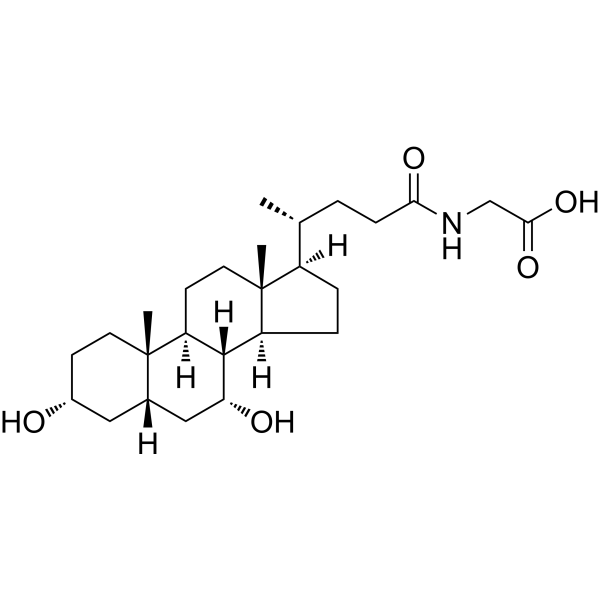
Chenodeoxycholylglycine
|
Endogenous Metabolite
Apoptosis
STAT
BCL6
Interleukin Related
Caspase
|
Metabolic Disease
Cancer
|
|
Glycochenodeoxycholic acid (Chenodeoxycholylglycine) is a relatively toxic bile salt generated in the liver from chenodeoxycholic acid and glycine. Glycochenodeoxycholic acid inhibits Autophagosome formation and impairs lysosomal function by inhibiting lysosomal proteolysis and increasing lysosomal pH in human normal liver cells, leading to the Apoptosis of human hepatocyte cells. Glycochenodeoxycholic acid induces stemness and chemoresistance via activating STAT3 signaling pathway in hepatocellular carcinoma cells (HCC). Glycochenodeoxycholic acid is promising for research in the field of cholestasis desease, hepatocellular carcinoma and primary sclerosing cholangitis (PSC) .
|
-
-
- HY-N2334A
-
|
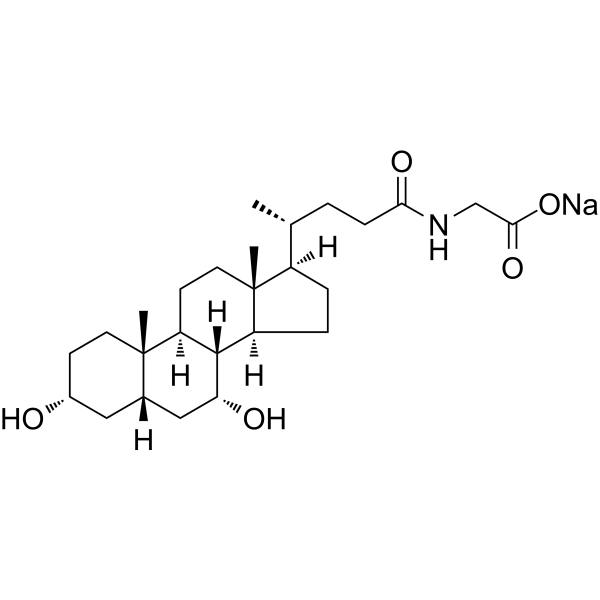
Chenodeoxycholylglycine sodium salt; Sodium glycochenodeoxycholate
|
Endogenous Metabolite
Apoptosis
STAT
BCL6
Interleukin Related
Caspase
|
Metabolic Disease
Cancer
|
|
Glycochenodeoxycholic acid sodium salt (Sodium glycochenodeoxycholate) is a relatively toxic bile salt generated in the liver from chenodeoxycholic acid and glycine. Glycochenodeoxycholic acid sodium salt inhibits Autophagosome formation and impairs lysosomal function by inhibiting lysosomal proteolysis and increasing lysosomal pH in human normal liver cells, leading to the Apoptosis of human hepatocyte cells. Glycochenodeoxycholic acid sodium salt induces stemness and chemoresistance via activating STAT3 signaling pathway in hepatocellular carcinoma cells (HCC). Glycochenodeoxycholic acid sodium salt is promising for research in the field of cholestasis desease, hepatocellular carcinoma and primary sclerosing cholangitis (PSC) .
|
-
-
- HY-B0822
-
|
|
Environmental Pollutants
Cytochrome P450
GABA Receptor
Apoptosis
|
Neurological Disease
|
|
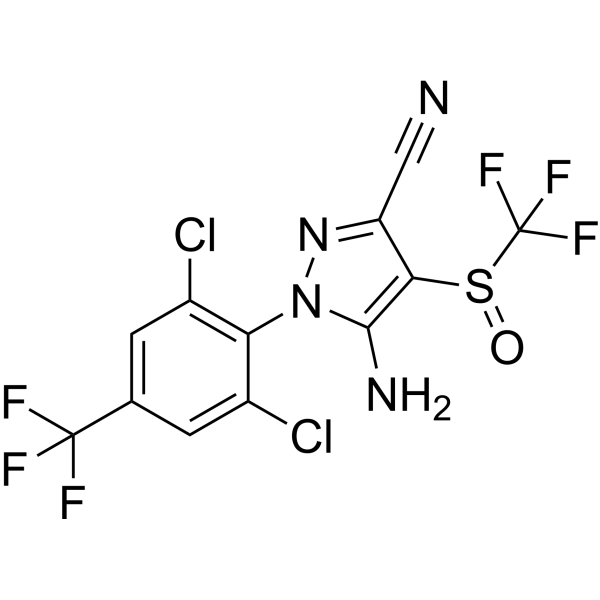
Fipronil is a broad-spectrum insecticide effective against Lepidoptera species as well as thrips, locusts, ants, cockroaches, fleas and ticks. Fipronil selectively inhibits GABA receptor with IC50s of 30 nM and 1600 nM for cockroach and rat GABA receptors, respectively. Glutamate-gated chloride channels (GluCls), which are present in cockroaches but not in mammals, are sensitive to the blocking effect of Fipronil. Fipronil also induces apoptosis in HepG2 cells and promotes the expression of CYP1A1 and CYP3A4 mRNA in human hepatocytes .
|
-
-
- HY-12281
-
-
-
- HY-177022
-
|
|
HBV
|
Infection
|
|
ALG-001075, a capsid assembly modulator (CAM), is an orally active HBV inhibitor. ALG-001075 effectively blocks not only HBV DNA production but also extracellular HBsAg/HBeAg and intracellular HBV RNA in primary human hepatocytes. ALG-001075 shows pronounced reductions of circulating HBV DNA in the AAV-HBV mouse model. ALG-001075 can be used for the study of Chronic hepatitis B (CHB) .
|
-

-
- HY-P99196
-
|
|
c-Met/HGFR
|
Cancer
|
|
Ficlatuzumab is a monoclonal antibody (McAb) targeting human hepatocyte growth factor (HGF). Ficlatuzumab blocks the activation of the HGF/c-Met signaling pathway, and inhibits c-Met receptor-mediated cancer cell proliferation, migration, and invasion .
|
-

-
- HY-120103
-
|
|
Sodium Channel
|
Metabolic Disease
|
|
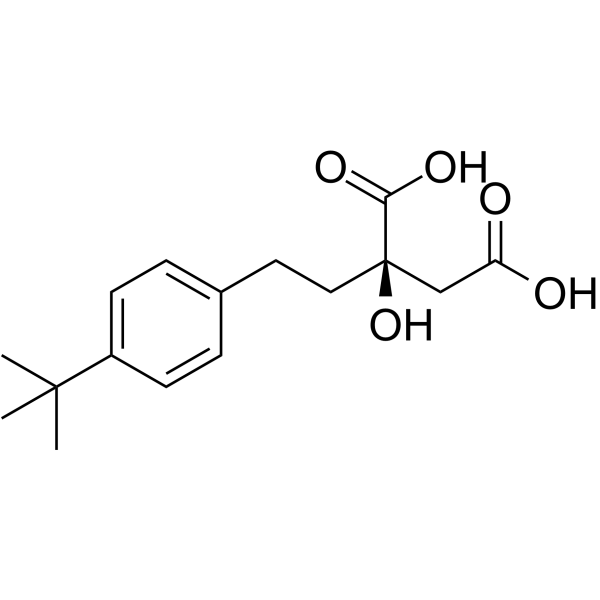
PF-06649298 is a sodium-coupled citrate transporter (NaCT or SLC13A5) inhibitor. PF-06649298 specifically interacts with NaCT with an IC50 value of 16.2 μM to inhibits the transport of citrate in human hepatocytes. PF-06649298 can be used for the research of regulating glucose metabolism and lipid metabolism .
|
-
-
- HY-100590
-
|
BRD6125
|
Cytochrome P450
|
Others
|
|
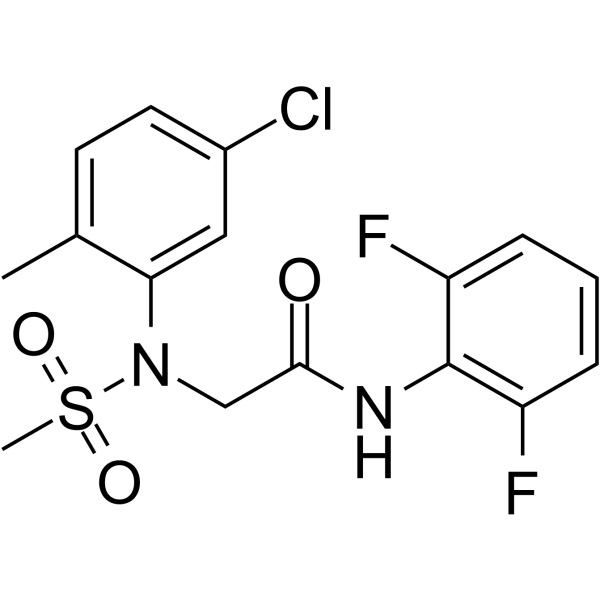
FPH1(BRD-6125) increases the number and activity of primary human hepatocytes in vitro and promotes the differentiation of iPS cells towards a hepatic lineage .
|
-
-
- HY-B0822R
-
|
|
Reference Standards
GABA Receptor
Cytochrome P450
Apoptosis
|
Neurological Disease
|
|
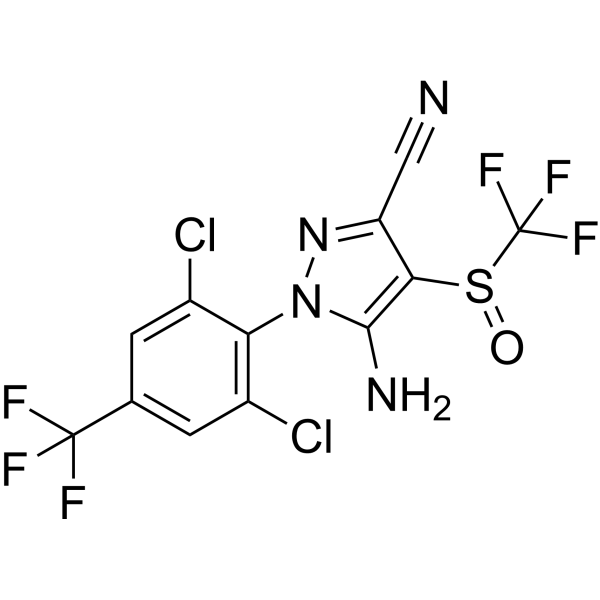
Fipronil (Standard) is the analytical standard of Fipronil. This product is intended for research and analytical applications. Fipronil is a broad-spectrum insecticide effective against Lepidoptera species as well as thrips, locusts, ants, cockroaches, fleas and ticks. Fipronil selectively inhibits GABA receptor with IC50s of 30 nM and 1600 nM for cockroach and rat GABA receptors, respectively. Glutamate-gated chloride channels (GluCls), which are present in cockroaches but not in mammals, are sensitive to the blocking effect of Fipronil. Fipronil also induces apoptosis in HepG2 cells and promotes the expression of CYP1A1 and CYP3A4 mRNA in human hepatocytes .
|
-
-
- HY-137397
-
|
8-OH-EFV
|
Apoptosis
JNK
|
Cancer
|
|
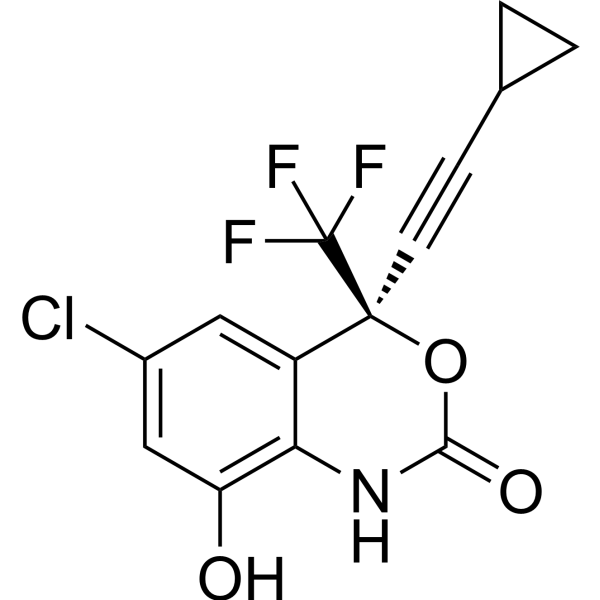
8-Hydroxyefavirenz (8-OH-EFV) is a primary metabolite of (HY-10572). 8-Hydroxyefavirenz induces apoptosis via a JNK- and BimEL-dependent mechanism in primary human hepatocytes. 8-Hydroxyefavirenz can be used in research of cancer . 8-Hydroxyefavirenz is a click chemistry reagent, it contains an Alkyne group and can undergo copper-catalyzed azide-alkyne cycloaddition (CuAAc) with molecules containing Azide groups.
|
-
-
- HY-N2334R
-
|
Chenodeoxycholylglycine (Standard)
|
Reference Standards
Endogenous Metabolite
Apoptosis
STAT
BCL6
Interleukin Related
Caspase
|
Metabolic Disease
Cancer
|
|
Glycochenodeoxycholic acid (Standard) is the analytical standard of Glycochenodeoxycholic acid. This product is intended for research and analytical applications. Glycochenodeoxycholic acid (Chenodeoxycholylglycine) is a relatively toxic bile salt generated in the liver from chenodeoxycholic acid and glycine. Glycochenodeoxycholic acid inhibits Autophagosome formation and impairs lysosomal function by inhibiting lysosomal proteolysis and increasing lysosomal pH in human normal liver cells, leading to the Apoptosis of human hepatocyte cells. Glycochenodeoxycholic acid induces stemness and chemoresistance via activating STAT3 signaling pathway in hepatocellular carcinoma cells (HCC). Glycochenodeoxycholic acid is promising for research in the field of cholestasis desease, hepatocellular carcinoma and primary sclerosing cholangitis (PSC)[1][2][3][4].
|
-

-
- HY-N2334AR
-
|
Chenodeoxycholylglycine sodium salt (Standard); Sodium glycochenodeoxycholate (Standard)
|
Reference Standards
Endogenous Metabolite
Apoptosis
STAT
BCL6
Interleukin Related
Caspase
|
Metabolic Disease
Cancer
|
|
Glycochenodeoxycholic acid sodium salt (Standard) is the analytical standard of Glycochenodeoxycholic acid sodium salt. This product is intended for research and analytical applications. Glycochenodeoxycholic acid sodium salt (Sodium glycochenodeoxycholate) is a relatively toxic bile salt generated in the liver from chenodeoxycholic acid and glycine. Glycochenodeoxycholic acid sodium salt inhibits Autophagosome formation and impairs lysosomal function by inhibiting lysosomal proteolysis and increasing lysosomal pH in human normal liver cells, leading to the Apoptosis of human hepatocyte cells. Glycochenodeoxycholic acid sodium salt induces stemness and chemoresistance via activating STAT3 signaling pathway in hepatocellular carcinoma cells (HCC). Glycochenodeoxycholic acid sodium salt is promising for research in the field of cholestasis desease, hepatocellular carcinoma and primary sclerosing cholangitis (PSC) .
|
-

-
- HY-N7790
-
|
|
Others
|
Cancer
|
|
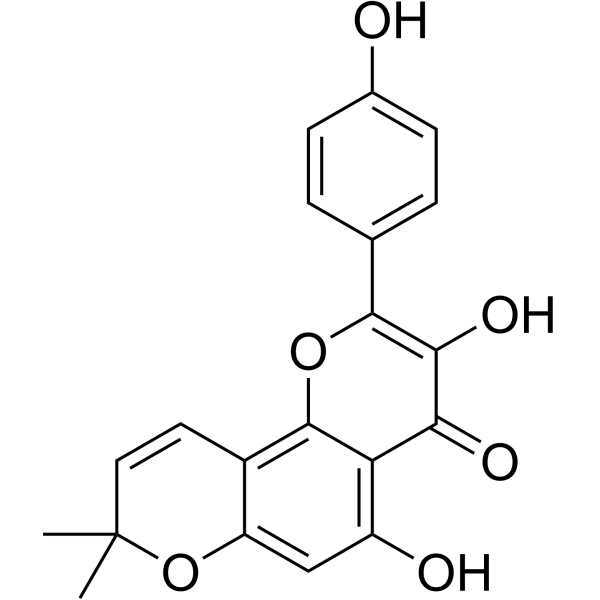
Citrusinol is a natural product isolated from D. caudatum. Citrusinol has anticancer activity and inhibits the proliferation and migration of human hepatocytes HepG 2 .
|
-
-
- HY-W100410
-
|
p-Cresyl Acetate
|
Environmental Pollutants
|
Others
|
|
p-Tolyl Acetate (p-Cresyl Acetate) is a synthetic fragrance chemical with high metabolic stability in trout and human hepatocytes .
|
-

-
- HY-14391
-
|
GS-558093
|
HCV
|
Infection
|
|
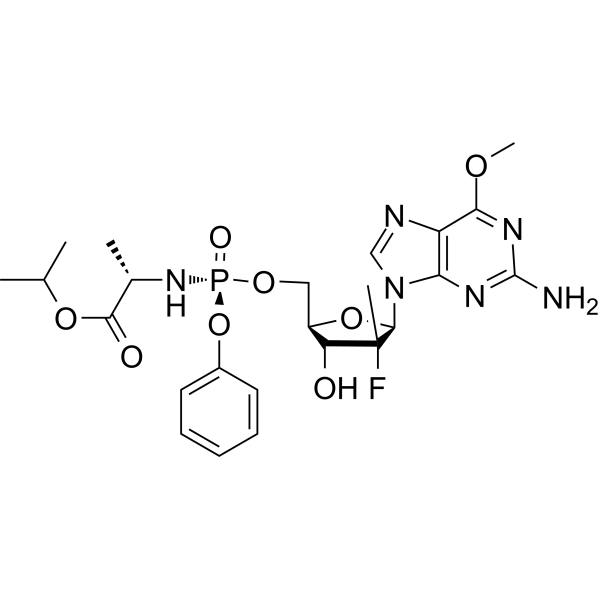
PSI-353661 (GS-558093) is a purine nucleotide NS5B polymerase inhibitor against HCV infection. PSI-353661 shows EC90s of 8 nM and 11 nM for wild type and S282T resistant replicons of HCV. PSI-353661 can produce high concentrations of the active triphosphate in primary human hepatocytes .
|
-
-
- HY-N16513
-
|
|
Others
|
Metabolic Disease
|
|
Muurol-4-ene-3,8-dione (Compound 2), a sesquiterpene, is one of the main hepatotoxic components in Eupatorium adenophorum. Muurol-4-ene-3,8-dione has an inhibitory effect on the growth of both the normal human hepatocyte cell L02 and the human hepatocellular carcinoma cell HepG2 with IC50 values of 87.52 and 104.48 μM .
|
-

-
- HY-170973
-
|
|
Opioid Receptor
|
|
|
KOR agonist 4 (compound 39) is an agonist of Kappa Opioid Receptor. KOR agonist 4 is an activator of G-protein signaling. KOR agonist 4 binds with GTPγS with an EC50 of 14 nM and with an Emax of 83 %. KOR agonist 4 demonstrates moderate to high intrinsic clearance in human hepatocytes. KOR agonist 4 exhibits 60- and 810-fold selectivities versus the related mu (MOR) and delta (DOR) opioid receptors. KOR agonist 4 is potential for central nervous system (CNS) disorders research .
|
-

-
- HY-P11334
-
|
|
Aminopeptidase
Phosphatase
Angiotensin-converting Enzyme (ACE)
DNA/RNA Synthesis
|
Cancer
|
|
Cyanostatin B, a cyanobacterial lipopeptide, is a leucine aminopeptidase M (LAP) inhibitor (IC50 = 12 ng/mL). Cyanostatin B is a weak inhibitor of protein phosphatase (PP2A) and also exhibits weak inhibitory activity against angiotensin-converting enzyme (ACE), with an IC50 value of 130 μg/mL. Cyanostatin B demonstrates both cytotoxic and genotoxic effects on human hepatocytes, although non-toxic to Artemia salina. Cyanostatin B inhibits the proliferation of HepG2 cells, induces DNA single-strand breaks, and causes genomic instability. .
|
-

-
- HY-173033
-
|
|
Pregnane X Receptor (PXR)
Constitutive Androstane Receptor
Cytochrome P450
|
Metabolic Disease
|
|
MI-883 is the orally active agonist for Constitutive Androstane Receptor (CAR, EC50=73 nM) and the antagonist for Pregnane X Receptor (PXR, IC50=0.1 μM). MI-883 stimulates CAR LBD assembly (EC50=0.38 µM) and CAR3 variant activation (EC50=0.074 µM), induces CYP2B6 mRNA expression in HepaRG and primary human hepatocytes. MI-883 inhibits basal PXR activity IC50=2.03 µM) in transiently transfected HepG2 cells, blocks CYP3A4 mRNA expression in HepG2. MI-883 regulates cholesterol metabolism and bile acid excretion, improves hypercholesterolemia in mouse models .
|
-

-
- HY-149392
-
|
|
HBV
|
Infection
|
|
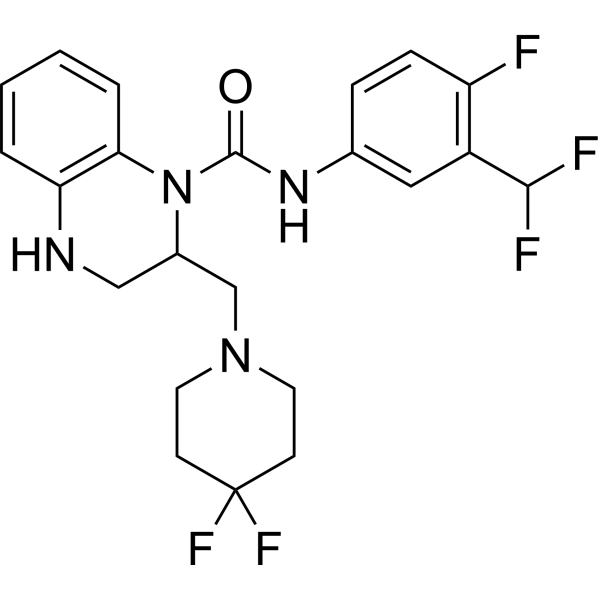
HBV-IN-35 (Compound 88) is a HBV inhibitor. HBV-IN-35 has anti-HBV activities in mouse and human hepatocytes (EC50: 100 nM and 400 nM respectively) .
|
-
-
- HY-174670
-
|
|
mRNA
|
Cancer
|
|
Human HGF mRNA encodes the human hepatocyte growth factor (HGF) protein, a protein that binds to the hepatocyte growth factor receptor to regulate cell growth, cell motility and morphogenesis in numerous cell and tissue types. It also plays a role in angiogenesis, tumorogenesis, and tissue regeneration.
|
-

-
- HY-173278
-
|
|
HBV
Potassium Channel
|
Infection
|
|
AIC263282 is a potent Hepatitis B Virus (HBV) capsid assembly modulator with an EC50 of 3.8 nM. AIC263282 shows an IC50 of 61 nM for hERG. AIC263282 exhibits activity against viral replication and hepatitis B surface antigen (HBsAG) on primary human hepatocytes .
|
-

-
- HY-163131
-
|
|
Glucosylceramide Synthase (GCS)
|
Neurological Disease
|
|
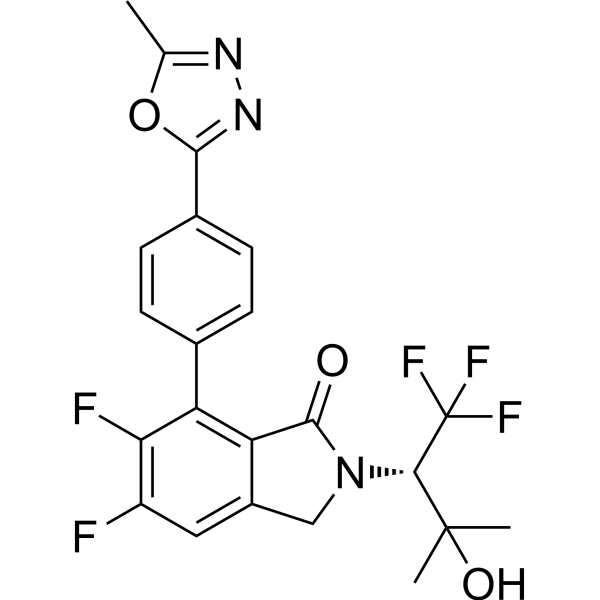
Glucosylceramide synthase-IN-4 (compound 12) is a potent glucosylceramide synthase (GCS) inhibitor, with an IC50 of 6.8 nM. Glucosylceramide synthase-IN-4 shows excellent PK properties and stability in human hepatocytes. Glucosylceramide synthase-IN-4 has good CNS penetration and acceptable PXR selectivity .
|
-
-
- HY-145713
-
|
HBV-IN-19
|
HBV
|
Infection
|
|
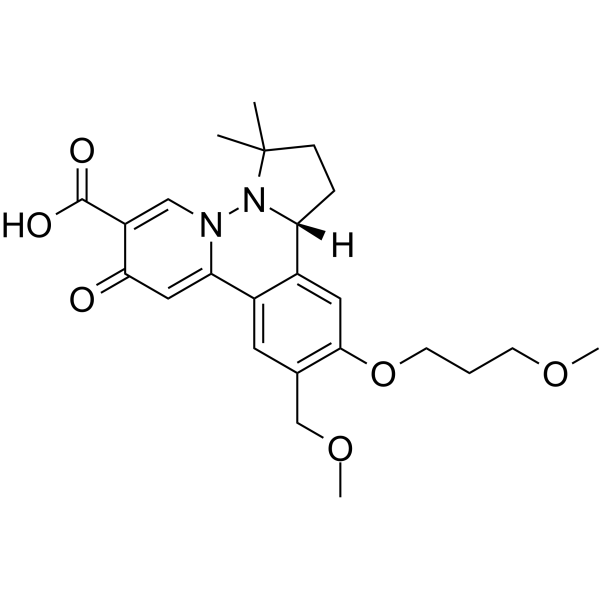
GS-8873 is an orally active inhibitor for the production of hepatitis B virus (HBV) surface antigen (HBsAg) with an EC50 of 4 nM. GS-8873 exhibits good pharmacokinetic characters in rats and metabolic stability in human hepatocytes. GS-8873 causes neurofunctional deficits in rats and cynomolgus monkeys .
|
-
-
- HY-128103
-
|
|
GCGR
Adenylate Cyclase
|
Metabolic Disease
|
|
Glucagon receptor antagonist-7 (Compound 1) is an antagonist for hGCGR, that inhibits the binding of 125I-labeled glucagon to the human glucagon receptor (hGCGR) with IC50 of 181 nM. Glucagon receptor antagonist-7 activates glucagon-stimulated adenylyl cyclase with a KDB of 81 nM in CHO cell. Glucagon receptor antagonist-7 inhibits glucagon-mediated glycogenolysis in human hepatocytes, and lowers blood glucose levels .
|
-

-
- HY-124364
-
|
|
HBV
Cytochrome P450
|
Infection
Metabolic Disease
|
|
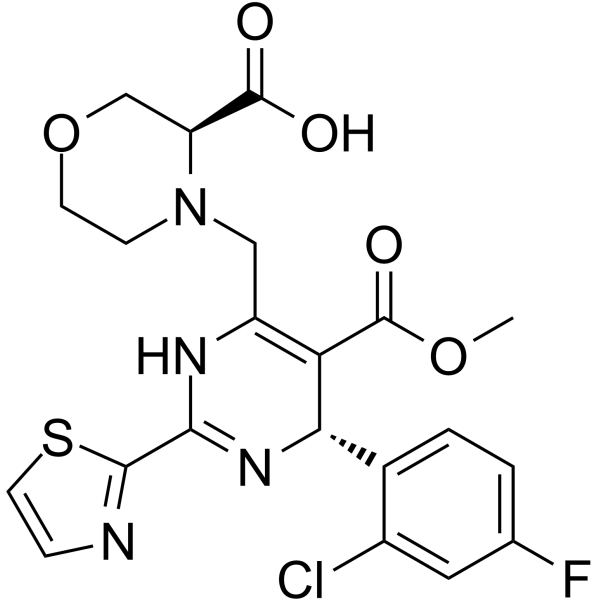
RO6889678 is a highly potent HBV capsid formation inhibitor with a complex absorption, distribution, metabolism, and excretion (ADME) profile. RO6889678 is a potent inducer of CYP3A4 and coregulated proteins in human hepatocytes. RO6889678 is metabolized by a combination of CYP3A4-mediated oxidation and UDP-glucuronosyltransferase UGT1A3- and UGT1A1-mediated direct glucuronidation .
|
-
-
- HY-145713A
-
|
HBV-IN-19 TFA
|
HBV
|
Infection
|
|
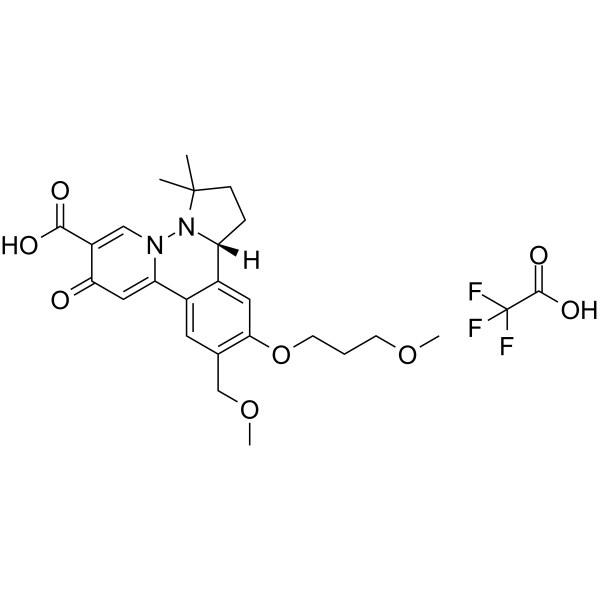
GS-8873 TFA is the TFA salt form of GS-8873 (HY-145713). GS-8873 TFA is an orally active inhibitor for the production of hepatitis B virus (HBV) surface antigen (HBsAg) with an EC50 of 4 nM. GS-8873 TFA exhibits good pharmacokinetic characters in rats and metabolic stability in human hepatocytes. GS-8873 TFA causes neurofunctional deficits in rats and cynomolgus monkeys .
|
-
-
- HY-138813R
-
|
SU-12662 hydrochloride (Standard)
|
Reference Standards
Drug Metabolite
|
Cancer
|
|
Glycochenodeoxycholic acid sodium salt (Standard) is the analytical standard of Glycochenodeoxycholic acid sodium salt. This product is intended for research and analytical applications. Glycochenodeoxycholic acid sodium salt (Sodium glycochenodeoxycholate) is a relatively toxic bile salt generated in the liver from chenodeoxycholic acid and glycine. Glycochenodeoxycholic acid sodium salt inhibits Autophagosome formation and impairs lysosomal function by inhibiting lysosomal proteolysis and increasing lysosomal pH in human normal liver cells, leading to the Apoptosis of human hepatocyte cells. Glycochenodeoxycholic acid sodium salt induces stemness and chemoresistance via activating STAT3 signaling pathway in hepatocellular carcinoma cells (HCC). Glycochenodeoxycholic acid sodium salt is promising for research in the field of cholestasis desease, hepatocellular carcinoma and primary sclerosing cholangitis (PSC) .
|
-

-
- HY-100590R
-
|
BRD6125 (Standard)
|
Cytochrome P450
Reference Standards
|
Others
|
|
FPH1 (Standard) is the analytical standard of FPH1 (HY-100590). This product is intended for research and analytical applications. FPH1(BRD-6125) increases the number and activity of primary human hepatocytes in vitro and promotes the differentiation of iPS cells towards a hepatic lineage .
|
-

| Cat. No. |
Product Name |
Target |
Research Area |
-
- HY-P11334
-
|
|
Aminopeptidase
Phosphatase
Angiotensin-converting Enzyme (ACE)
DNA/RNA Synthesis
|
Cancer
|
|
Cyanostatin B, a cyanobacterial lipopeptide, is a leucine aminopeptidase M (LAP) inhibitor (IC50 = 12 ng/mL). Cyanostatin B is a weak inhibitor of protein phosphatase (PP2A) and also exhibits weak inhibitory activity against angiotensin-converting enzyme (ACE), with an IC50 value of 130 μg/mL. Cyanostatin B demonstrates both cytotoxic and genotoxic effects on human hepatocytes, although non-toxic to Artemia salina. Cyanostatin B inhibits the proliferation of HepG2 cells, induces DNA single-strand breaks, and causes genomic instability. .
|
-
- HY-K3030
-
|
|
|
Ham’s F-12K Medium was originally designed for the culture of primary human hepatocytes and differentiated rat and chicken cells. It is particularly suitable for single-cell cloning of Chinese hamster ovary (CHO) cells under serum-free conditions. When supplemented with serum, it can also be used for the culture of various other mammalian cell types, including chondrocytes and rat prostate epithelial cells.
|
| Cat. No. |
Product Name |
Target |
Research Area |
Image |
-
- HY-P99196
-
|
|
c-Met/HGFR
|
Cancer
|
|
Ficlatuzumab is a monoclonal antibody (McAb) targeting human hepatocyte growth factor (HGF). Ficlatuzumab blocks the activation of the HGF/c-Met signaling pathway, and inhibits c-Met receptor-mediated cancer cell proliferation, migration, and invasion .
|
-

(5)
| Cat. No. |
Product Name |
Category |
Target |
Chemical Structure |
-
- HY-N2334
-
-
-
- HY-N2334A
-
|
Chenodeoxycholylglycine sodium salt; Sodium glycochenodeoxycholate
|
Classification of Application Fields
Endogenous metabolite
Disease Research Fields
Steroids
Source Classification
Cancer
|
Endogenous Metabolite
Apoptosis
STAT
BCL6
Interleukin Related
Caspase
|
|
Glycochenodeoxycholic acid sodium salt (Sodium glycochenodeoxycholate) is a relatively toxic bile salt generated in the liver from chenodeoxycholic acid and glycine. Glycochenodeoxycholic acid sodium salt inhibits Autophagosome formation and impairs lysosomal function by inhibiting lysosomal proteolysis and increasing lysosomal pH in human normal liver cells, leading to the Apoptosis of human hepatocyte cells. Glycochenodeoxycholic acid sodium salt induces stemness and chemoresistance via activating STAT3 signaling pathway in hepatocellular carcinoma cells (HCC). Glycochenodeoxycholic acid sodium salt is promising for research in the field of cholestasis desease, hepatocellular carcinoma and primary sclerosing cholangitis (PSC) .
|
-
-
- HY-N2334R
-
|
Chenodeoxycholylglycine (Standard)
|
Structural Classification
Microorganisms
Endogenous metabolite
Steroids
Source Classification
|
Reference Standards
Endogenous Metabolite
Apoptosis
STAT
BCL6
Interleukin Related
Caspase
|
|
Glycochenodeoxycholic acid (Standard) is the analytical standard of Glycochenodeoxycholic acid. This product is intended for research and analytical applications. Glycochenodeoxycholic acid (Chenodeoxycholylglycine) is a relatively toxic bile salt generated in the liver from chenodeoxycholic acid and glycine. Glycochenodeoxycholic acid inhibits Autophagosome formation and impairs lysosomal function by inhibiting lysosomal proteolysis and increasing lysosomal pH in human normal liver cells, leading to the Apoptosis of human hepatocyte cells. Glycochenodeoxycholic acid induces stemness and chemoresistance via activating STAT3 signaling pathway in hepatocellular carcinoma cells (HCC). Glycochenodeoxycholic acid is promising for research in the field of cholestasis desease, hepatocellular carcinoma and primary sclerosing cholangitis (PSC)[1][2][3][4].
|
-
-
- HY-N2334AR
-
|
Chenodeoxycholylglycine sodium salt (Standard); Sodium glycochenodeoxycholate (Standard)
|
Structural Classification
Endogenous metabolite
Steroids
Source Classification
|
Reference Standards
Endogenous Metabolite
Apoptosis
STAT
BCL6
Interleukin Related
Caspase
|
|
Glycochenodeoxycholic acid sodium salt (Standard) is the analytical standard of Glycochenodeoxycholic acid sodium salt. This product is intended for research and analytical applications. Glycochenodeoxycholic acid sodium salt (Sodium glycochenodeoxycholate) is a relatively toxic bile salt generated in the liver from chenodeoxycholic acid and glycine. Glycochenodeoxycholic acid sodium salt inhibits Autophagosome formation and impairs lysosomal function by inhibiting lysosomal proteolysis and increasing lysosomal pH in human normal liver cells, leading to the Apoptosis of human hepatocyte cells. Glycochenodeoxycholic acid sodium salt induces stemness and chemoresistance via activating STAT3 signaling pathway in hepatocellular carcinoma cells (HCC). Glycochenodeoxycholic acid sodium salt is promising for research in the field of cholestasis desease, hepatocellular carcinoma and primary sclerosing cholangitis (PSC) .
|
-
-
- HY-N7790
-
-
-
- HY-N16513
-
-
| Cat. No. |
Product Name |
|
Classification |
-
- HY-174670
-
|
|
|
mRNA
|
|
Human HGF mRNA encodes the human hepatocyte growth factor (HGF) protein, a protein that binds to the hepatocyte growth factor receptor to regulate cell growth, cell motility and morphogenesis in numerous cell and tissue types. It also plays a role in angiogenesis, tumorogenesis, and tissue regeneration.
|
Your information is safe with us. * Required Fields.
Inquiry Information
- Product Name:
- Cat. No.:
- Quantity:
- MCE Japan Authorized Agent:








