Search Result
Results for "
hydrolyzed product
" in MedChemExpress (MCE) Product Catalog:
10
Biochemical Assay Reagents
| Cat. No. |
Product Name |
Target |
Research Areas |
Chemical Structure |
-
- HY-NP003
-
|
Collagen
|
Collagen
|
Inflammation/Immunology
|
|
Collagen, Type II, from bovine snout membrane is a type II collagen that can be used for cell culture . This product is enzymatically hydrolyzed collagen peptides.
|
-

-
- HY-P2738
-
|
|
MMP
|
Inflammation/Immunology
|
|
Collagen, Type I, from bovine achilles tendon are extracellular matrix proteins and show many applications in food, cosmetic, pharmaceutical and biomedical industries. This product is enzymatically hydrolyzed collagen peptide .
|
-

-
- HY-77956
-
|
Deoxyribose
|
Endogenous Metabolite
|
Metabolic Disease
|
|
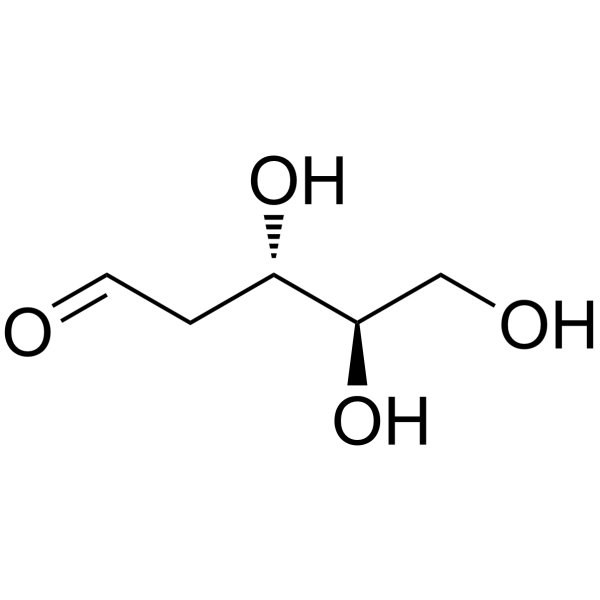
Thyminose is a natural product, a 2-deoxyaldopentose, that can be obtained by hydrolyzing the nucleosides that make up thym nucleic acid .
|
-
-
- HY-P2857
-
|
Amyloglucosidase, Aspergillus niger
|
Endogenous Metabolite
|
Metabolic Disease
|
|
Amyloglucosidase, Aspergillus niger (Amyloglucosidase, Aspergillus niger) is a starch-hydrolyzing enzyme with high catalytic efficiency towards soluble starch and raw starch. Amyloglucosidase, Aspergillus niger hydrolyzes α-1,4 and α-1,6 glycosidic linkages in starch and similar substrates, and primarily releases β-glucose molecules from the non-reducing ends. Amyloglucosidase, Aspergillus niger participates in glycogen metabolism and is associated with type II glycogen storage disease. Amyloglucosidase, Aspergillus niger converts starch into glucose, and is applicable to the industrial production of high-fructose syrup, ethanol and other fermented products .
|
-

-
- HY-137276
-
|
Bluo-Gal
|
Fluorescent Dye
Glycosidase
|
Others
|
|
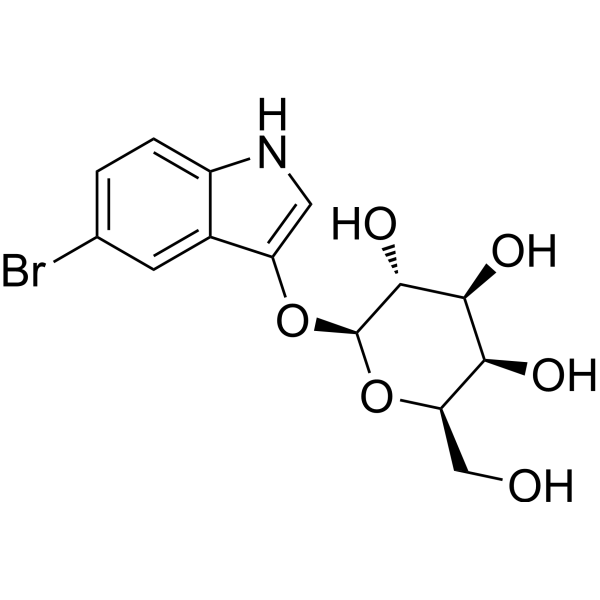
5-Bromo-3-indolyl β-D-galactopyranoside (Bluo-Gal) is a chromogenic substrate for β-galactosidase. 5-Bromo-3-indolyl β-D-galactopyranoside is hydrolyzed by the enzyme to generate a 5-bromoindole intermediate, which is further oxidized to form an insoluble blue precipitate. 5-Bromo-3-indolyl β-D-galactopyranoside can specifically recognize bacterial β-galactosidases (such as the product of the Escherichia coli lacZ gene) and reacts at pH 7.4, making it suitable for light and electron microscopic observations. 5-Bromo-3-indolyl β-D-galactopyranoside can be used in histochemical detection of reporter gene expression in transgenic organisms, such as the localization analysis of β-galactosidase activity in mouse embryos or muscle tissues .
|
-
-
- HY-134434
-
|
|
Cathepsin
Fluorescent Dye
|
Others
|
|
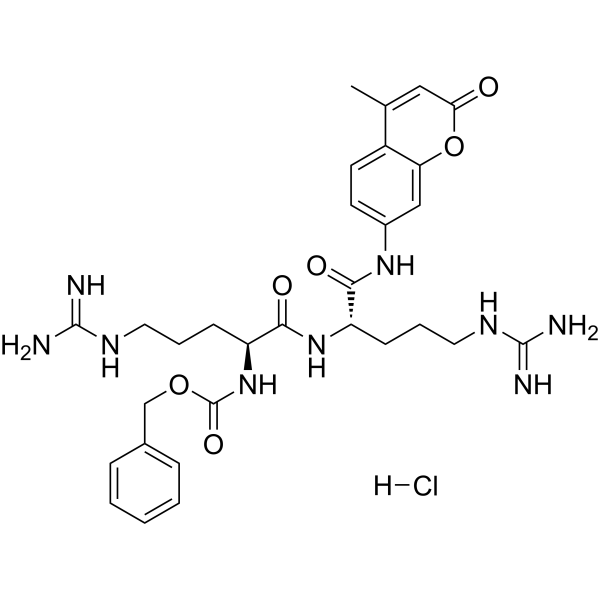
Z-Arg-Arg-AMC hydrochloride is a highly selective fluorescent Cathepsin B substrate. Z-Arg-Arg-AMC hydrochloride can be hydrolyzed by Cathepsin B to produce a fluorescent product for enzyme activity detection .
|
-
-
- HY-106991A
-
|
S-303 dihydrochloride
|
HIV
Bacterial
CHIKV
|
Infection
|
|
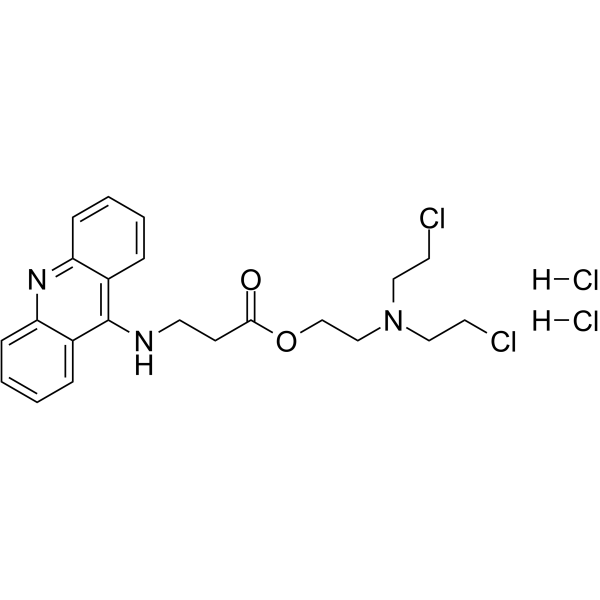
Amustaline (S-303) dihydrochloride, a nucleic acid-targeted alkylator, is an efficient pathogen inactivation agent for blood components containing red blood cells. Amustaline dihydrochloride has three components: an acridine anchor (an intercalator that targets nucleic acids non-covalently), an effector (a bis-alkylator group that reacts with nucleophiles), and a linker (a small flexible carbon chain containing a labile ester bond that hydrolyzes at neutral pH to yield non-reactive breakdown products) .
|
-
-
- HY-P2857A
-
|
Amyloglucosidase, Rhizopus sp.
|
Endogenous Metabolite
|
Metabolic Disease
|
|
Glucoamylase, Rhizopus sp. (Amyloglucosidase, Rhizopus sp.) is a starch-hydrolyzing enzyme with high catalytic efficiency towards soluble starch and raw starch. Glucoamylase, Rhizopus sp. hydrolyzes α-1,4 and α-1,6 glycosidic linkages in starch and similar substrates, and primarily releases β-glucose molecules from the non-reducing ends. Glucoamylase, Rhizopus sp. participates in glycogen metabolism and is associated with type II glycogen storage disease. Glucoamylase, Rhizopus sp. converts starch into glucose, and is applicable to the industrial production of high-fructose syrup, ethanol and other fermented products .
|
-

-
- HY-137249
-
|
|
Biochemical Assay Reagents
|
Others
|
|
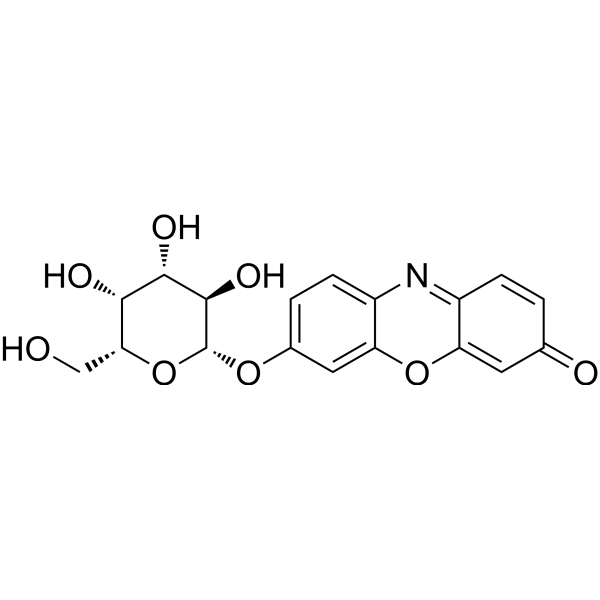
Resorufin-β-D-galactopyranoside is a commonly used substrate in various biochemical assays to measure the activity of β-galactosidase, an important enzyme involved in lactose metabolism and regulation of gene expression. Resorufin-β-D-galactopyranoside has unique chemical properties and can be hydrolyzed by β-galactosidase to form a red fluorescent product called resorufin. This makes it a useful tool for detecting and quantifying β-galactosidase activity in biological samples such as bacteria or mammalian cells.
|
-
-
- HY-P3188
-
|
|
Biochemical Assay Reagents
|
Others
|
|
Nitrilase is able to hydrolyze nitriles into their corresponding carboxylic acids and ammonia. Nitrilase is a green biocatalyst for the production of high value-added products .
|
-

-
- HY-P2738A
-
|
|
MMP
|
Inflammation/Immunology
|
|
Type I collagen peptide is a fibrillar form of collagen that promotes the activation and growth of epithelial cells . This product is an enzymatically hydrolyzed collagen short peptide.
|
-

-
- HY-P4406
-
|
|
Fluorescent Dye
|
Others
|
|
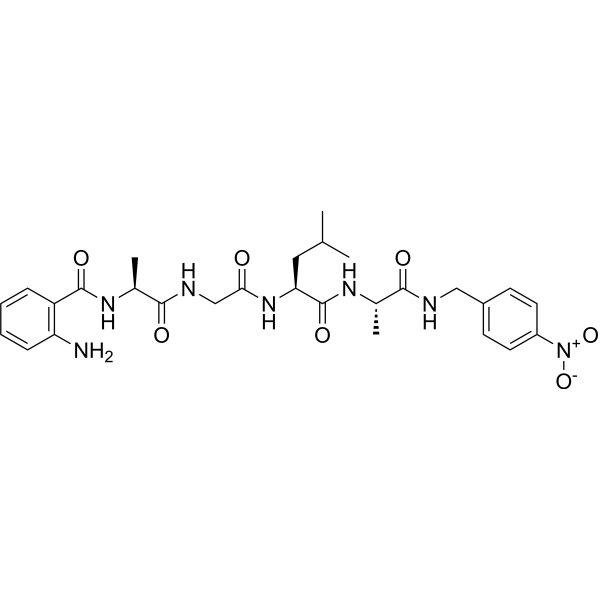
Abz-AGLA-Nba is a fluorogenic substrate for the determination of protease activity. Abz-AGLA-Nba is hydrolyzed to release aminoacyl benzimide (Abz-AGLA) and 2-naphthylaminoacyl (Nba). The product Abz-AGLA produced by this hydrolysis reaction is fluorescent under ultraviolet light and can emit a fluorescent signal .
|
-
-
- HY-P10143
-
|
Ac-Pro-Leu-Gly-[(S)-2-mercapto-4-methyl-pentanoyl]-Leu-Gly-OEt
|
MMP
|
Others
|
|
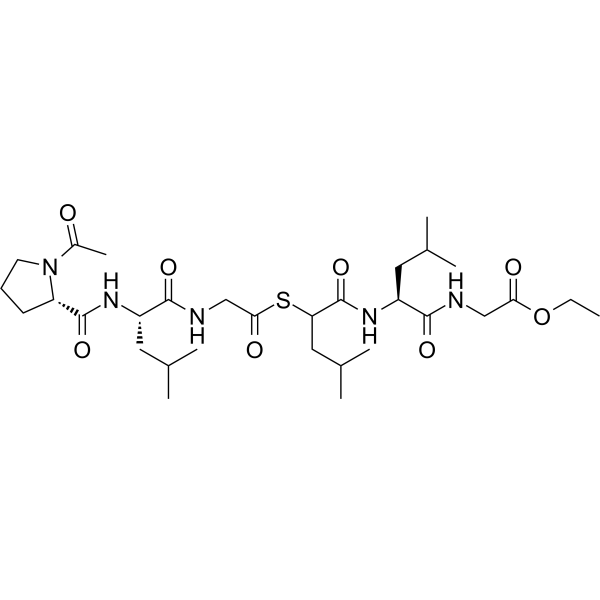
MMP-2/MMP-9 Substrate (Ac-Pro-Leu-Gly-[(S)-2-mercapto-4-methyl-pentanoyl]-Leu-Gly-OEt) is a synthetic chromogenic polypeptide substrate whose core structure mimics the cleavage sites of MMP-2 and MMP-9 (gelatinase A and B) in collagen. After being hydrolyzed by collagenase, MMP-2/MMP-9 Substrate reacts with 4,4'-dithiodipyridine or Ellman's Reagent via its thiol fragment to produce a product with ultraviolet absorption properties .
|
-
-
- HY-D0889R
-
|
Gly-Gly (Standard); H-Gly-Gly-OH (Standard)
|
Reference Standards
Endogenous Metabolite
|
Metabolic Disease
|
|
Glycylglycine (Standard) is the analytical standard of Glycylglycine (HY-D0889). This product is intended for research and analytical applications. Glycylglycine is a non-selective glycylglycine dipeptidase substrate and iNOS inhibitor. Glycylglycine can cross the cell membrane by passive diffusion and is hydrolyzed to glycine in the cell, participating in energy metabolism and antioxidant processes. Glycylglycine promotes spermatogonial stem cells (SSCs) proliferation, inhibits astrocyte overactivation and reduces nitric oxide (NO) release, while upregulating the expression of neurotrophic factors (such as PDGFA, FGF2, CNTF) to support nerve myelin repair. Glycylglycine can be used to study male reproductive biology (such as SSCs proliferation regulation) and neurodegenerative diseases (such as neuroprotective mechanisms in multiple sclerosis) .
|
-

-
- HY-137815
-
|
|
Biochemical Assay Reagents
|
Metabolic Disease
|
|
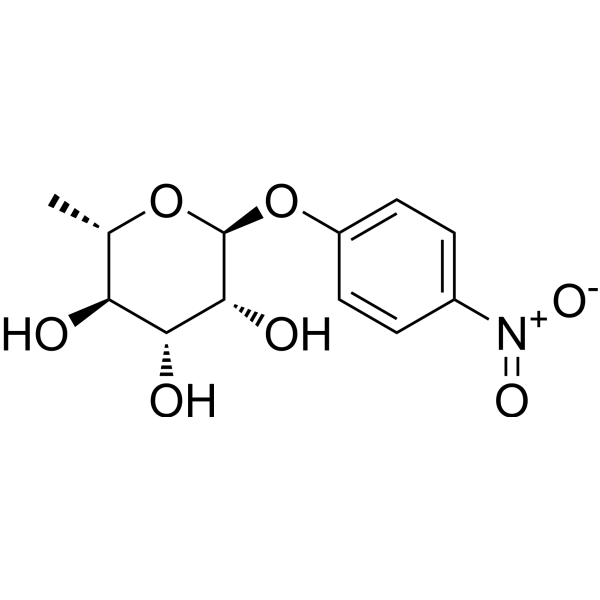
4-Nitrophenyl α-L-rhamnopyranoside is a commonly used substrate in various biochemical assays to measure the activity of enzymes that hydrolyze rhamnose, such as α-L-rhamnosidase. 4-Nitrophenyl α-L-rhamnopyranoside has unique chemical properties that allow it to be hydrolyzed by these enzymes to form a yellow product called p-nitrophenol. This makes it a useful tool for detecting and quantifying rhamnohydrolase activity in biological samples or microbial cultures.
|
-
-
- HY-153101
-
|
|
Biochemical Assay Reagents
|
Others
|
|
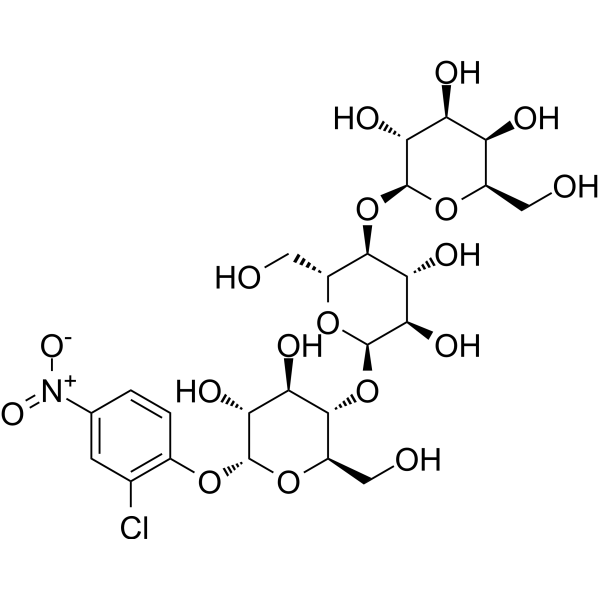
Gal-G2-CNP is a galactopyranosyl maltoside. Gal-G2-CNP is an amylase substrate specific to salivary amylase, which produces a yellow hydrolyzate upon decomposition. Gal-G2-CNP can serve as a matrix for the assays of novel amylases and pancreatic amylases .
|
-
-
- HY-W015495R
-
|
|
Reference Standards
Endogenous Metabolite
Dihydroorotate Dehydrogenase
|
Others
|
|
L-Dihydroorotic acid (Standard) is an analytical reference standard for L-Dihydroorotic acid. This product is used for research and analytical applications. L-Dihydroorotic acid is an important intermediate in the metabolism of orotic acid and a substrate of dihydroorotate dehydrogenase (DHODH). L-Dihydroorotic acid can reversibly hydrolyze to yield the acyclic L-ureidosuccinic acid by dihydrowhey enzyme .
|
-

-
- HY-130767A
-
|
|
Biochemical Assay Reagents
|
Cancer
|
|
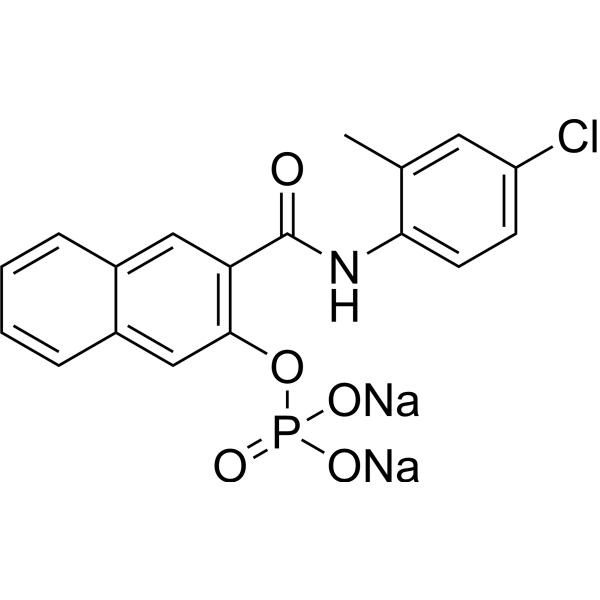
Naphthol AS-TR Phosphate disodium is a water-soluble dye commonly used as an enzymatic substrate in various biochemical assays to detect alkaline phosphatase activity. Naphthol AS-TR Phosphate disodium has unique chemical properties that allow it to be hydrolyzed by alkaline phosphatase, forming a colored product that can be detected spectrophotometrically. This makes it a useful tool for monitoring enzyme activity in biological samples such as serum or urine.
|
-
-
- HY-N6730
-
|
Aminopentol
|
Apoptosis
|
Neurological Disease
|
|
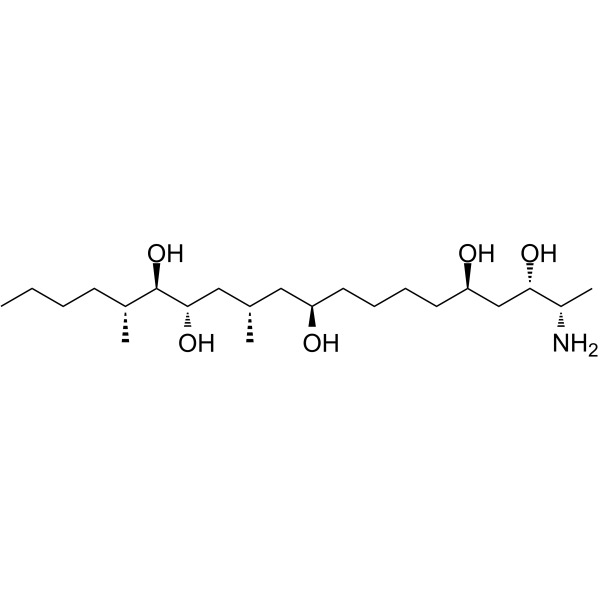
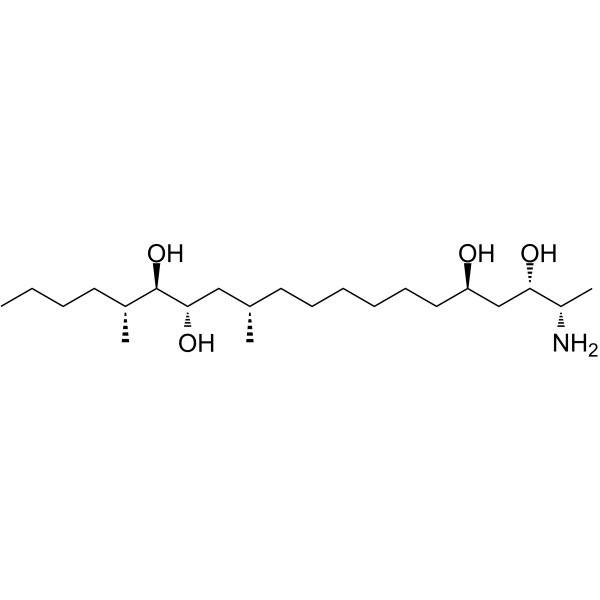
Hydrolyzed Fumonisin B1 (Aminopentol) is the backbone and main hydrolysis product of the mycotoxin Fumonisin B1 (HY-N6719). Hydrolyzed Fumonisin B1 can weakly inhibit ceramide synthase .
|
-
-
- HY-P2738B
-
|
|
MMP
|
Inflammation/Immunology
|
|
Collagen petide Type II is an extracellular matrix proteins and show many applications in food, cosmetic, pharmaceutical and biomedical industries. This product is enzymatically hydrolyzed collagen peptide .
|
-

-
- HY-P4406A
-
|
|
Fluorescent Dye
|
Others
|
|
Abz-AGLA-Nba TFA is a fluorogenic substrate for the determination of protease activity. Abz-AGLA-Nba TFA is hydrolyzed to release aminoacyl benzimide (Abz-AGLA) and 2-naphthylaminoacyl (Nba). The product Abz-AGLA produced by this hydrolysis reaction is fluorescent under ultraviolet light and can emit a fluorescent signal .
|
-

-
- HY-P4443
-
|
|
Fluorescent Dye
|
Others
|
|
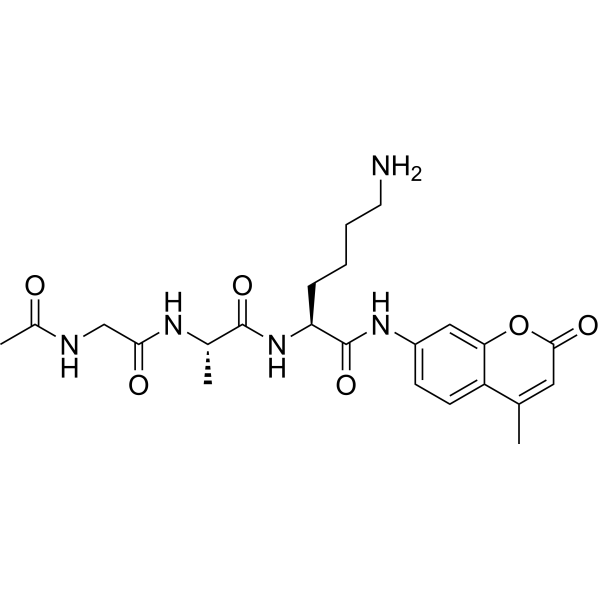
Ac-GAK-AMC is a fluorescent substrate that can be used to measure protease activity. AMC (7-amino-4-methylcoumarin) is a fluorescent group. In the presence of protease, the protease will hydrolyze Ac-GAK-AMC into a fluorescent product .
|
-
-
- HY-N10866
-
|
|
Others
|
Cancer
|
|
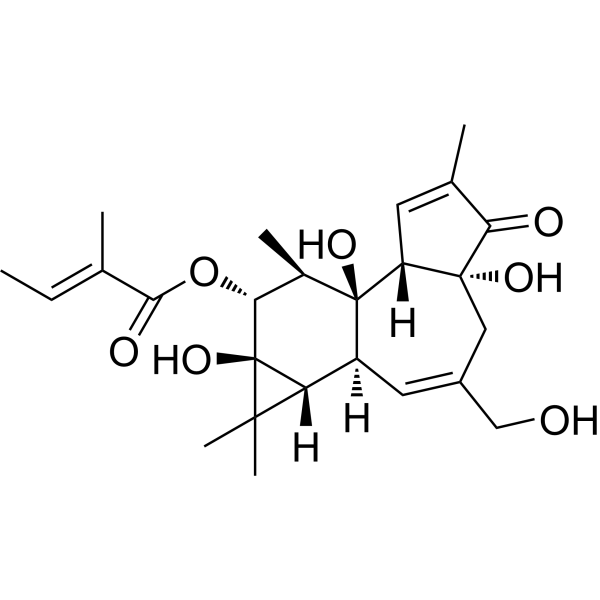
Phorbol 12-tiglate is a derivative of Phorbol (HY-N2147). Phorbol, a hydrolyzed product of Croton oil, promotes tumor development by activating protein kinase C. Phorbol and its derivatives can be used to construct carcinogenic models in biomedical research .
|
-
-
- HY-138959
-
|
p-Nitrophenyl caprylate
|
Lipase
|
Others
|
|
4-Nitrophenyl octanoate (p-Nitrophenyl caprylate) is an aromatic ester compound which can be used as a substrate for pancreatic lipase.
4-Nitrophenyl octanoate contains an ester bond that can be hydrolyzed under the action of lipase, releasing p-nitrophenol as a yellow product.
4-Nitrophenyl octanoate can be used to assay the activities of lipases and esterases .
|
-

-
- HY-108913R
-
|
|
Beta-lactamase
Reference Standards
Antibiotic
|
Infection
|
|
Nitrocefin (Standard) is the analytical standard of Nitrocefin. This product is intended for research and analytical applications. Nitrocefin is a chromogenic β-lactamase substrate that undergoes a distinctive color change from yellow to red as the amide bond in the β-lactam ring is hydrolyzed by β-lactamase. Nitrocefin is used in competitive inhibition studies in developmental work on β-lactamase-resistant antibiotics .
|
-

-
- HY-19518R
-
|
NCX116 (Standard); LBN (Standard)
|
Reference Standards
Prostaglandin Receptor
|
Neurological Disease
|
|
Latanoprostene bunod (NCX116; LBN) (Standard) is the analytical standard of Latanoprostene bunod. This product is intended for research and analytical applications. Latanoprostene bunod is a nitric oxide-releasing prostaglandin F2α analog. Latanoprostene bunod is a prodrug that, upon instillation into the eye, is hydrolyzed by corneal esterases into two active metabolites: Latanoprost (HY-B0577) and NO. Latanoprost activates the prostaglandin FP receptor to increase the outflow of aqueous humor through the uveoscleral pathway. NO increases aqueous humor drainage through the trabecular meshwork pathway, achieving synergistic enhancement targeting the dual pathways of aqueous humor outflow. Latanoprostene bunod can be used in research related to open-angle glaucoma and ocular hypertension.
|
-

-
- HY-N6731
-
|
|
Others
|
Infection
|
|
Hydrolyzed Fumonisin B2 (HFB2) is a hydrolysis product of fumonisins (HF), which retains biological activity. Hydrolyzed Fumonisin B2 (HFB2) exhibits phytotoxicity .
|
-
-
- HY-W283889
-
|
|
Biochemical Assay Reagents
|
Others
|
|
Blue caprate is a chromogenic enzyme substrate typically used to detect lipase activity. It is hydrolyzed by lipase to produce a blue-purple product (biosynth: EB04034).
|
-

-
- HY-77956R
-
|
Deoxyribose (Standard)
|
Reference Standards
Endogenous Metabolite
|
Metabolic Disease
|
|
Thyminose (Standard) is the analytical standard of Thyminose. This product is intended for research and analytical applications. Thyminose is a natural product, a 2-deoxyaldopentose, that can be obtained by hydrolyzing the nucleosides that make up thym nucleic acid[1].
|
-

-
- HY-B1323R
-
|
Dipivefrine hydrochloride (Standard)
|
Reference Standards
Endogenous Metabolite
|
Neurological Disease
|
|
Dipivefrin (hydrochloride) (Standard) is the analytical standard of Dipivefrin (hydrochloride). This product is intended for research and analytical applications. Dipivefrin hydrochloride (Dipivefrine hydrochloride) is an antiglaucoma proagent that is hydrolyzed to the active compound, epinephrine, by esterases in the cornea .
|
-

-
- HY-101541R
-
|
Methyl docosahexaenoate (Standard); all cis-DHA methyl ester (Standard)
|
Drug Intermediate
Reference Standards
|
Neurological Disease
|
|
Docosahexaenoic acid methyl ester (Standard) is the analytical standard of Docosahexaenoic acid methyl ester. This product is intended for research and analytical applications. Docosahexaenoic Acid methyl ester is a methylated docosahexaenoic acid analog which can be intercalated into membrane phospholipids without being oxidized or hydrolyzed.
|
-

-
- HY-D1769
-
|
|
Fluorescent Dye
|
Others
|
|
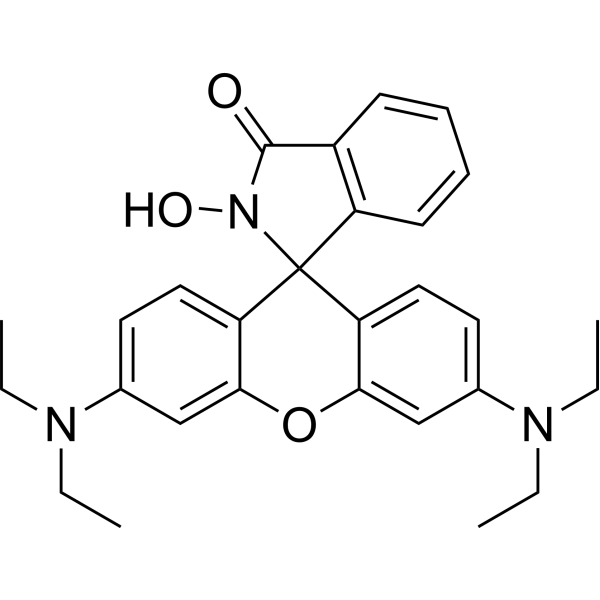
N-hydroxy Rhodamine B amide is a ClO - indicator, which is hydrolyzed to prduce fluorescence in the presence of ClO -. The fluorescence intensity of N-hydroxy Rhodamine B amide is proportional to the product, thus can be used to quantify ClO -.
|
-
-
- HY-B1731R
-
|
|
Reference Standards
Bacterial
|
Neurological Disease
|
|
Phenyl salicylate (Standard) is the analytical standard of Phenyl salicylate. This product is intended for research and analytical applications. Phenyl salicylate (PS) has antibacterial activity when hydrolyzed in small intestine and is often used as nervous system inhibitor and intestinal preservative .
|
-

-
- HY-12824R
-
|
|
Reference Standards
Antibiotic
Bacterial
|
Infection
|
|
Phenyl salicylate (Standard) is the analytical standard of Phenyl salicylate. This product is intended for research and analytical applications. Phenyl salicylate (PS) has antibacterial activity when hydrolyzed in small intestine and is often used as nervous system inhibitor and intestinal preservative .
|
-

-
- HY-W550259
-
|
Coumaphos oxon
|
Cholinesterase (ChE)
|
Others
|
|
Coroxon (Coumaphos oxon) is an oxidative metabolite of the organophosphate insecticide Coumaphos (HY-W653717) and an active AChE inhibitor with insecticidal and acaricidal properties. Coroxon can be hydrolyzed by phosphotriesterases of microorganisms such as Nocardia asteroides to produce the fluorescent product Chlorferon .
|
-

-
- HY-116022B
-
|
p-Nitrophenyl phosphate ditromethamine
|
Biochemical Assay Reagents
|
Others
|
|
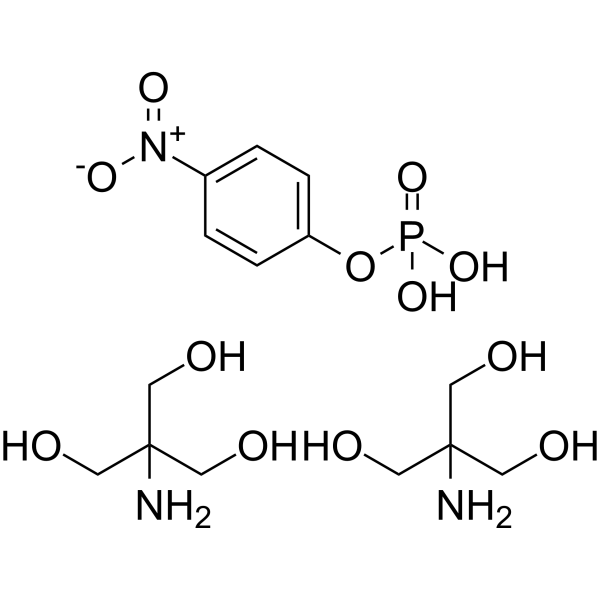
4-Nitrophenyl phosphate ditromethamine is an enzyme substrate commonly used in biochemical assays to measure the activity of various phosphatases, including alkaline phosphatase. 4-Nitrophenylphosphate has unique chemical properties that allow it to be hydrolyzed by phosphatases, releasing a yellow product that can be detected spectrophotometrically.
|
-
-
- HY-B0378AR
-
|
RS-10085 (Standard)
|
Reference Standards
Angiotensin-converting Enzyme (ACE)
Apoptosis
|
Cardiovascular Disease
|
|
Moexipril (hydrochloride) (Standard) is the analytical standard of Moexipril (hydrochloride). This product is intended for research and analytical applications. Moexipril hydrochloride (RS-10085) is an orally active inhibitor of angiotensin-converting enzyme (ACE), and becomes effective by being hydrolyzed to moexiprila (hydrochloride). Moexipril hydrochloride exhibits antihypertensive and neuroprotective effects - .
|
-

-
- HY-P2753
-
|
SP
|
Endogenous Metabolite
|
Others
Cancer
|
|
Sucrose phosphorylase is a bacterial transglucosidase that catalyzes the conversion of sucrose and phosphate into α-D-glucose-1-phosphate and D-fructose. The glucosylated Sucrose phosphorylase can also be hydrolyzed into α-D-glucose, or transfer the glucoyl to the hydroxyl group of the receptor, and then decomposed into new α-D-glucoside products. The enzymatic activity of base phosphorylase to substrate and product is weak .
|
-
-
- HY-121657R
-
|
Ro 11-2616 (Standard)
|
Parasite
Bacterial
Reference Standards
|
Others
|
|
Ornidazole diol (Standard) is an analytical standard for Ornidazole diol. This product is used for research and analytical applications. Ornidazole diol (Ro 11-2616) is the diol of Ornidazole (HY-B0508) which is rapidly hydrolyzed in alkaline solution. Ornidazole (Ro 7-0207) is a 5-nitroimidazole derivative that is antiprotozoan and anaerobic.
|
-

-
- HY-W053519R
-
|
|
Drug Intermediate
Reference Standards
|
Infection
|
|
DL-Pantolactone (Standard) is the analytical standard of DL-Pantolactone (HY-W053519). This product is intended for research and analytical applications. DL-Pantolactone is a γ-lactone that can be hydrolyzed to Pantoic acid (HY-W399035) by the lactonohydrolase of Fusarium oxysporum. DL-Pantolactone also can be used in the preparation of 3,5-dinitrobenzoyl-DL-pantolactone.
|
-

-
- HY-P4404
-
|
|
Cathepsin
|
Others
|
|
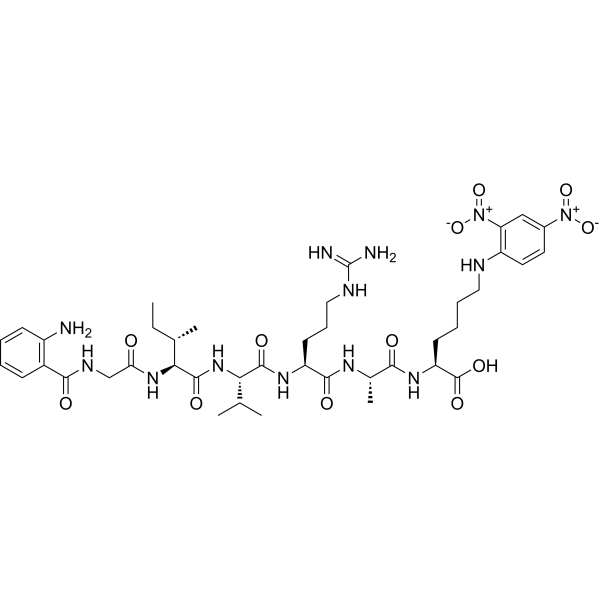
Abz-GIVRAK(Dnp) is the most efficient substrate for cathepsin B and is highly selective for this enzyme among lysosomal cysteine proteases. After Abz-GIVRAK(Dnp) is hydrolyzed, aminoacylbenziminosulfosuccinic acid (Abz-SAS) is released, and dinitrobenzoyl (Dnp) is also released. The product of this hydrolysis reaction, Abz-SAS, is fluorescent under ultraviolet light and can emit a fluorescent signal .
|
-
-
- HY-130767
-
|
|
Biochemical Assay Reagents
|
Others
|
|
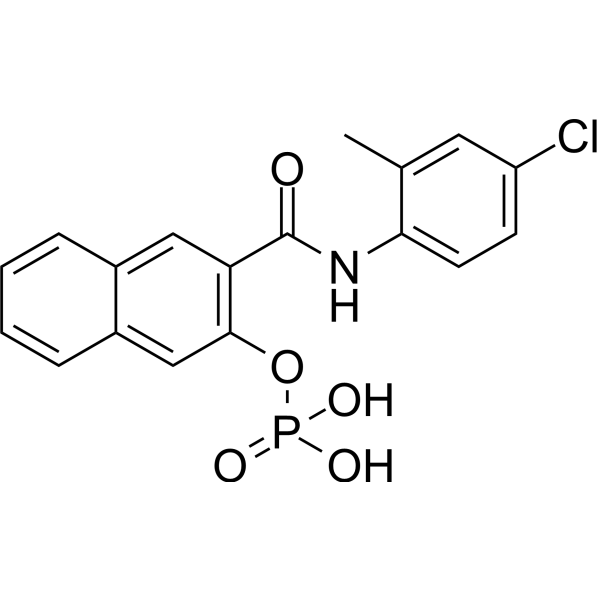
Naphthol AS-TR Phosphate is a water-soluble dye commonly used as an enzyme substrate in various biochemical assays to detect alkaline phosphatase activity. Naphthol AS-TR Phosphate has unique chemical properties that allow it to be hydrolyzed by alkaline phosphatase to form a colored product that can be detected spectrophotometrically. This makes it a useful tool for monitoring enzyme activity in biological samples such as serum or urine.
|
-
-
- HY-116016AR
-
|
L-DOPA ethyl ester hydrochloride (Standard); Levodopa ethyl ester hydrochloride (Standard)
|
Reference Standards
Dopamine Receptor
Drug Metabolite
|
Neurological Disease
|
|
Etilevodopa (hydrochloride) (Standard) is the analytical standard of Etilevodopa (hydrochloride). This product is intended for research and analytical applications. Etilevodopa (L-Dopa ethyl ester) hydrochloride, an ethyl-ester proagent of Levodopa, is rapidly hydrolyzed to Levodopa and ethanol by nonspecific esterases in the gastrointestinal tract. Etilevodopa hydrochloride is used for the treatment of Parkinson disease (PD). Levodopa is the direct precursor of dopamine and is a suitable proagent as it facilitates CNS penetration and delivers dopamine[1][2][3].
|
-

-
- HY-106991AR
-
|
S-303 dihydrochloride (Standard)
|
HIV
Bacterial
Reference Standards
CHIKV
|
Infection
|
|
Amustaline (dihydrochloride) (Standard) is the analytical standard of Amustaline (dihydrochloride). This product is intended for research and analytical applications. Amustaline (S-303) dihydrochloride, a nucleic acid-targeted alkylator, is an efficient pathogen inactivation agent for blood components containing red blood cells. Amustaline dihydrochloride has three components: an acridine anchor (an intercalator that targets nucleic acids non-covalently), an effector (a bis-alkylator group that reacts with nucleophiles), and a linker (a small flexible carbon chain containing a labile ester bond that hydrolyzes at neutral pH to yield non-reactive breakdown products) .
|
-

-
- HY-B1599R
-
|
|
Reference Standards
Bacterial
Antibiotic
|
Infection
|
|
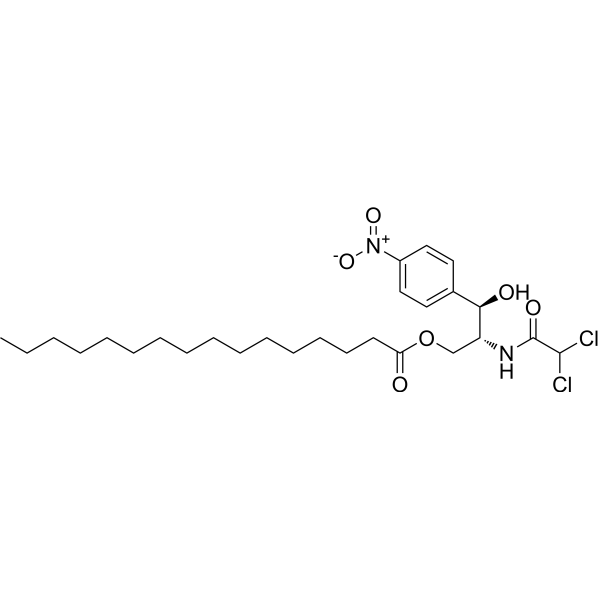
Chloramphenicol palmitate (Standard) is the analytical standard of Chloramphenicol palmitate (HY-B1599). This product is intended for research and analytical applications. Chloramphenicol palmitate is an orally active prodrug of Chloramphenicol (HY-B0239), obtained from the esterification reaction between the agent and Palmitic acid (HY-N0830). Chloramphenicol palmitate is rapidly and completely hydrolyzed by intestinal esterase, releasing Chloramphenicol. Chloramphenicol is an orally effective broad-spectrum antibiotic .
|
-
-
- HY-128525R
-
|
|
Bacterial
Reference Standards
Reactive Oxygen Species (ROS)
|
Infection
Inflammation/Immunology
|
|
Enterobactin (Standard) is the analytical standard of Enterobactin. This product is intended for research and analytical applications. Enterobactin is a siderophore produced by Gram-negative bacteria and has an extremely high affinity for iron. During the process of Salmonella typhimurium infecting macrophages, Enterobactin can not only help bacteria uptake iron but also reduce the antibacterial activity of macrophages. In addition, Enterobactin is also involved in the oxidative stress response of Escherichia coli. Enterobactin can be hydrolyzed by Fes in the cell and exert antioxidant effects by scavenging free radicals .
|
-

-
- HY-B0867R
-
|
|
Herbicide
Reference Standards
Environmental Pollutants
|
Others
|
|
2,4-D Butyl ester (Standard) is the analytical standard of 2,4-D Butyl ester (HY-B0867). This product is intended for research and analytical applications. 2,4-D Butyl ester is a phenoxyacetic acid herbicide used to control woody broadleaf weeds. 2,4-D Butyl ester shows high toxicity to fish and aquatic invertebrates. In animals, 2,4-D Butyl ester hydrolyzes to produce n-butanol, which further induces neurobehavioral toxicity such as ataxia in rats .
|
-

-
- HY-B1149AR
-
|
|
Reference Standards
Drug Derivative
Bacterial
Antibiotic
|
Infection
|
|
Bacampicillin (hydrochloride) (Standard) is the analytical standard of Bacampicillin hydrochloride (HY-B1149A). This product is intended for research and analytical applications. Bacampicillin hydrochloride is an orally active semi-synthetic aminopenicillin derivative, prodrug and bactericide that is readily inactivated by β-lactamases. Bacampicillin hydrochloride is hydrolyzed by carboxylester hydrolases and non-specific esterases in the gastrointestinal wall and plasma to form Ampicillin (HY-B0522), and produces higher levels of Ampicillin in rodents in vivo. Bacampicillin hydrochloride exhibits bactericidal activity against Gram-positive and Gram-negative bacteria. Bacampicillin hydrochloride can be used in studies related to bacterial infections .
|
-

-
- HY-B2015R
-
|
|
Reference Standards
Parasite
Insecticide
Cholinesterase (ChE)
|
Infection
|
|
Carbosulfan (Standard) is the analytical standard of Carbosulfan. This product is intended for research and analytical applications. Carbosulfan is an orally active AChE inhibitor that hydrolyzes to Carbofuran in organisms to exert insecticidal effects. Carbosulfan exhibits broad-spectrum insecticidal activity, and it also induces severe oxidative stress by enhancing lipid peroxidation and impairing the antioxidant defense system. Carbosulfan causes reproductive toxicity in male rats and developmental disorders in their offspring. Carbosulfan shows persistence in paddy field environments and potential hazards to non-target organisms, and it is commonly used in studies related to reproductive toxicity and environmental risk assessment .
|
-

-
- HY-N6660R
-
|
Tricaprin (Standard); Glyceryl tridecanoate (Standard)
|
Reference Standards
Endogenous Metabolite
Androgen Receptor
|
Metabolic Disease
|
|
Trisdecanoin (Standard) is the analytical standard of Trisdecanoin. This product is intended for research and analytical applications. Trisdecanoin (Tricaprin; Glyceryl tridecanoate) is an orally available precursor of decanoic acid (DA precursor) that can be hydrolyzed to decanoic acid. Trisdecanoin and its metabolite capric acid not only provide the body with a quick source of energy, but can also affect lipid metabolism. Trisdecanoin is a major component of medium chain triglycerides (MCT), which has preventive or inhibitory properties for abdominal aortic aneurysms (AAA), inhibition of cardiovascular disease, and anti-androgen (NSAA) and anti-hyperglycemic properties. Trisdecanoin can be used as an additive in food, medicine and cosmetics .
|
-

- HY-17431R
-
|
GW433908G (Standard)
|
Reference Standards
Drug Intermediate
HIV
HIV Protease
|
Infection
|
|
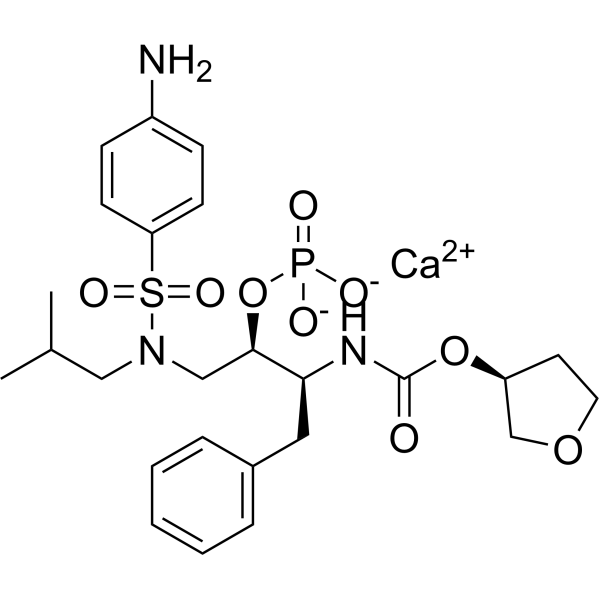
Fosamprenavir Calcium Salt (GW433908G) (Standard) is the analytical standard of Fosamprenavir Calcium Salt (HY-17431R). This product is intended for research and analytical applications. Fosamprenavir Calcium Salt (GW433908G) is an orally active inhibitor targeting HIV-1 protease and is a prodrug of Amprenavir (HY-17430). Fosamprenavir Calcium Salt is hydrolyzed into Amprenavir (VX-478) by cell phosphatases in the intestinal epithelium. Amprenavir binds to the active site of HIV-1 protease, preventing the processing of viral gag and gag-pol polyprotein precursors, thereby inhibiting the formation of mature infectious virus particles and exerting anti-HIV-1 infection activity. Fosamprenavir Calcium Salt can be used for the study of human immunodeficiency virus (HIV-1) infection .
|
-
- HY-E70918
-
|
|
Endogenous Metabolite
|
Metabolic Disease
|
|
N-Methylhydantoinase (ATP-hydrolyzing), Arthrobacter sp., belongs to the hydrolase family and acts on carbon-nitrogen bonds other than peptide bonds, especially the carbon-nitrogen bonds in cyclic amides. N-Methylhydantoinase (ATP-hydrolyzing) is involved in the metabolism of arginine, creatinine, and proline. Its three substrates are ATP, N-methylimidazolidine-2,4-dione, and water, while its three products are ADP, phosphate, and N-carbamoylsarcosine.
|
-

- HY-E70896
-
|
|
Biochemical Assay Reagents
|
Metabolic Disease
|
|
Xyloglucanase, Clostridium thermocellum (EC 3.2.1.151) belongs to the hydrolase family and is a glycosidase that hydrolyzes O- and S-glycosidic compounds. The two substrates of Xyloglucanase, Clostridium thermocellum are xyloglucan and water, and its product is a xyloglucan oligosaccharide.
|
-

- HY-E70101B
-
|
|
Endogenous Metabolite
|
Metabolic Disease
|
|
α-Glucuronidase, Cellvibrio japonicus (EC 3.2.1.139), is a glycosidase that hydrolyzes O- and S-glycosides. Its two substrates are α-D-glucuronide and water, and its two products are an alcohol and D-glucuronic acid.
|
-

- HY-E70101A
-
|
|
Endogenous Metabolite
|
Metabolic Disease
|
|
α-Glucuronidase, Opitutus terrae PB90-1 (EC 3.2.1.139), is a glycosidase that hydrolyzes O- and S-glycosides. Its two substrates are α-D-glucuronide and water, and its two products are an alcohol and D-glucuronic acid.
|
-

- HY-132177K
-
|
|
Biochemical Assay Reagents
|
Metabolic Disease
|
|
α-L-Fucosidase, Bovine (EC 3.2.1.51) is a glycosidase that hydrolyzes O- and S-glycosides, participating in the degradation of N-glycans and the degradation of glycan structures. The two substrates of α-L-Fucosidase, Bovine (EC 3.2.1.51) are α-L-fucoside and water, while its two products are L-fucose and alcohol.
|
-

- HY-P2863A
-
|
|
Endogenous Metabolite
|
Metabolic Disease
|
|
Deoxyribonuclease II, Bovine (EC 3.1.22.1) hydrolyzes deoxyribonucleotide linkages in native and denatured DNA yielding products with 3'-phosphates. In vitro, its optimum pH range is 4.5-5.0. Deoxyribonuclease II, Bovine (EC 3.1.22.1) also acts upon p-nitrophenyl-phosphodiesters at pH 5.6-5.9.
|
-

- HY-E70898
-
|
|
Endogenous Metabolite
|
Metabolic Disease
|
|
Trehalose-6-phosphate hydrolase, Escherichia coli (EC 3.2.1.93), belongs to the hydrolase family and is a glycosidase that hydrolyzes O- and S-glycoside compounds. Trehalose-6-phosphate hydrolase participates in the metabolism of starch and sucrose. Its substrates are α,α'-trehalose-6-phosphate and water, and its products are D-glucose and D-glucose-6-phosphate.
|
-

- HY-E70898A
-
|
|
Endogenous Metabolite
|
Metabolic Disease
|
|
Trehalose-6-phosphate hydrolase, Bacillus subtilis (EC 3.2.1.93), belongs to the hydrolase family and is a glycosidase that hydrolyzes O- and S-glycoside compounds. Trehalose-6-phosphate hydrolase participates in the metabolism of starch and sucrose. Its substrates are α,α'-trehalose-6-phosphate and water, and its products are D-glucose and D-glucose-6-phosphate.
|
-

- HY-164999
-
|
|
Endogenous Metabolite
|
Cancer
|
|
N,N'-Bis(2,3-Dihydroxybenzoyl)-O-L-seryl-L-serine is a enterochelin hydrolyzed product. N,N'-Bis(2,3-Dihydroxybenzoyl)-O-L-seryl-L-serine can inhibit the invasion of murine colon cancer cells 26-L5 with an IC50 of 2.7 μM, and has anti-tumor effect. In addition, N,N'-Bis(2,3-Dihydroxybenzoyl)-O-L-seryl-L-serine has no appreciable antimicrobial activities against Micrococcus luteus, Escherichia coli and Candida albicans .
|
-

- HY-D3189
-
|
|
Fluorescent Dye
PSMA
|
Cancer
|
|
5GluAF-2MeTG is an activatable fluorescent probe targeting the glutamate carboxypeptidase (CP) activity of PSMA (Ex/Em=490/500-600 nm). After being hydrolyzed by PSMA, 5GluAF-2MeTG releases a cell membrane-permeable fluorescent product, and achieves fluorescence activation by disrupting donor-excited photoinduced electron transfer (d-PeT). 5GluAF-2MeTG enables fluorescence imaging of live PSMA-expressing prostate cancer cells in vitro and visualizes the carboxypeptidase activity of PSMA. 5GluAF-2MeTG can be used to detect prostate cancer regions in preclinical excised tissue specimens .
|
-

| Cat. No. |
Product Name |
Type |
-
- HY-D1769
-
|
|
Fluorescent Dyes
|
|
N-hydroxy Rhodamine B amide is a ClO - indicator, which is hydrolyzed to prduce fluorescence in the presence of ClO -. The fluorescence intensity of N-hydroxy Rhodamine B amide is proportional to the product, thus can be used to quantify ClO -.
|
-
- HY-D3189
-
|
|
Fluorescent Dyes
|
|
5GluAF-2MeTG is an activatable fluorescent probe targeting the glutamate carboxypeptidase (CP) activity of PSMA (Ex/Em=490/500-600 nm). After being hydrolyzed by PSMA, 5GluAF-2MeTG releases a cell membrane-permeable fluorescent product, and achieves fluorescence activation by disrupting donor-excited photoinduced electron transfer (d-PeT). 5GluAF-2MeTG enables fluorescence imaging of live PSMA-expressing prostate cancer cells in vitro and visualizes the carboxypeptidase activity of PSMA. 5GluAF-2MeTG can be used to detect prostate cancer regions in preclinical excised tissue specimens .
|
| Cat. No. |
Product Name |
Type |
-
- HY-NP003
-
|
Collagen
|
Biochemical Assay Reagents
|
|
Collagen, Type II, from bovine snout membrane is a type II collagen that can be used for cell culture . This product is enzymatically hydrolyzed collagen peptides.
|
-
- HY-P2738
-
|
|
Biochemical Assay Reagents
|
|
Collagen, Type I, from bovine achilles tendon are extracellular matrix proteins and show many applications in food, cosmetic, pharmaceutical and biomedical industries. This product is enzymatically hydrolyzed collagen peptide .
|
-
- HY-137249
-
|
|
Biochemical Assay Reagents
|
|
Resorufin-β-D-galactopyranoside is a commonly used substrate in various biochemical assays to measure the activity of β-galactosidase, an important enzyme involved in lactose metabolism and regulation of gene expression. Resorufin-β-D-galactopyranoside has unique chemical properties and can be hydrolyzed by β-galactosidase to form a red fluorescent product called resorufin. This makes it a useful tool for detecting and quantifying β-galactosidase activity in biological samples such as bacteria or mammalian cells.
|
-
- HY-P2738A
-
|
|
Biochemical Assay Reagents
|
|
Type I collagen peptide is a fibrillar form of collagen that promotes the activation and growth of epithelial cells . This product is an enzymatically hydrolyzed collagen short peptide.
|
-
- HY-137815
-
|
|
Biochemical Assay Reagents
|
|
4-Nitrophenyl α-L-rhamnopyranoside is a commonly used substrate in various biochemical assays to measure the activity of enzymes that hydrolyze rhamnose, such as α-L-rhamnosidase. 4-Nitrophenyl α-L-rhamnopyranoside has unique chemical properties that allow it to be hydrolyzed by these enzymes to form a yellow product called p-nitrophenol. This makes it a useful tool for detecting and quantifying rhamnohydrolase activity in biological samples or microbial cultures.
|
-
- HY-153101
-
|
|
Biochemical Assay Reagents
|
|
Gal-G2-CNP is a galactopyranosyl maltoside. Gal-G2-CNP is an amylase substrate specific to salivary amylase, which produces a yellow hydrolyzate upon decomposition. Gal-G2-CNP can serve as a matrix for the assays of novel amylases and pancreatic amylases .
|
-
- HY-P2738B
-
|
|
Biochemical Assay Reagents
|
|
Collagen petide Type II is an extracellular matrix proteins and show many applications in food, cosmetic, pharmaceutical and biomedical industries. This product is enzymatically hydrolyzed collagen peptide .
|
-
- HY-W283889
-
|
|
Biochemical Assay Reagents
|
|
Blue caprate is a chromogenic enzyme substrate typically used to detect lipase activity. It is hydrolyzed by lipase to produce a blue-purple product (biosynth: EB04034).
|
-
- HY-116022B
-
|
p-Nitrophenyl phosphate ditromethamine
|
Biochemical Assay Reagents
|
|
4-Nitrophenyl phosphate ditromethamine is an enzyme substrate commonly used in biochemical assays to measure the activity of various phosphatases, including alkaline phosphatase. 4-Nitrophenylphosphate has unique chemical properties that allow it to be hydrolyzed by phosphatases, releasing a yellow product that can be detected spectrophotometrically.
|
-
- HY-130767
-
|
|
Biochemical Assay Reagents
|
|
Naphthol AS-TR Phosphate is a water-soluble dye commonly used as an enzyme substrate in various biochemical assays to detect alkaline phosphatase activity. Naphthol AS-TR Phosphate has unique chemical properties that allow it to be hydrolyzed by alkaline phosphatase to form a colored product that can be detected spectrophotometrically. This makes it a useful tool for monitoring enzyme activity in biological samples such as serum or urine.
|
| Cat. No. |
Product Name |
Target |
Research Area |
-
- HY-134434
-
|
|
Cathepsin
Fluorescent Dye
|
Others
|
|
Z-Arg-Arg-AMC hydrochloride is a highly selective fluorescent Cathepsin B substrate. Z-Arg-Arg-AMC hydrochloride can be hydrolyzed by Cathepsin B to produce a fluorescent product for enzyme activity detection .
|
-
- HY-P4406
-
|
|
Fluorescent Dye
|
Others
|
|
Abz-AGLA-Nba is a fluorogenic substrate for the determination of protease activity. Abz-AGLA-Nba is hydrolyzed to release aminoacyl benzimide (Abz-AGLA) and 2-naphthylaminoacyl (Nba). The product Abz-AGLA produced by this hydrolysis reaction is fluorescent under ultraviolet light and can emit a fluorescent signal .
|
-
- HY-P10143
-
|
Ac-Pro-Leu-Gly-[(S)-2-mercapto-4-methyl-pentanoyl]-Leu-Gly-OEt
|
MMP
|
Others
|
|
MMP-2/MMP-9 Substrate (Ac-Pro-Leu-Gly-[(S)-2-mercapto-4-methyl-pentanoyl]-Leu-Gly-OEt) is a synthetic chromogenic polypeptide substrate whose core structure mimics the cleavage sites of MMP-2 and MMP-9 (gelatinase A and B) in collagen. After being hydrolyzed by collagenase, MMP-2/MMP-9 Substrate reacts with 4,4'-dithiodipyridine or Ellman's Reagent via its thiol fragment to produce a product with ultraviolet absorption properties .
|
-
- HY-D0889R
-
|
Gly-Gly (Standard); H-Gly-Gly-OH (Standard)
|
Reference Standards
Endogenous Metabolite
|
Metabolic Disease
|
|
Glycylglycine (Standard) is the analytical standard of Glycylglycine (HY-D0889). This product is intended for research and analytical applications. Glycylglycine is a non-selective glycylglycine dipeptidase substrate and iNOS inhibitor. Glycylglycine can cross the cell membrane by passive diffusion and is hydrolyzed to glycine in the cell, participating in energy metabolism and antioxidant processes. Glycylglycine promotes spermatogonial stem cells (SSCs) proliferation, inhibits astrocyte overactivation and reduces nitric oxide (NO) release, while upregulating the expression of neurotrophic factors (such as PDGFA, FGF2, CNTF) to support nerve myelin repair. Glycylglycine can be used to study male reproductive biology (such as SSCs proliferation regulation) and neurodegenerative diseases (such as neuroprotective mechanisms in multiple sclerosis) .
|
-
- HY-P4406A
-
|
|
Fluorescent Dye
|
Others
|
|
Abz-AGLA-Nba TFA is a fluorogenic substrate for the determination of protease activity. Abz-AGLA-Nba TFA is hydrolyzed to release aminoacyl benzimide (Abz-AGLA) and 2-naphthylaminoacyl (Nba). The product Abz-AGLA produced by this hydrolysis reaction is fluorescent under ultraviolet light and can emit a fluorescent signal .
|
-
- HY-P4443
-
|
|
Fluorescent Dye
|
Others
|
|
Ac-GAK-AMC is a fluorescent substrate that can be used to measure protease activity. AMC (7-amino-4-methylcoumarin) is a fluorescent group. In the presence of protease, the protease will hydrolyze Ac-GAK-AMC into a fluorescent product .
|
-
- HY-P4404
-
|
|
Cathepsin
|
Others
|
|
Abz-GIVRAK(Dnp) is the most efficient substrate for cathepsin B and is highly selective for this enzyme among lysosomal cysteine proteases. After Abz-GIVRAK(Dnp) is hydrolyzed, aminoacylbenziminosulfosuccinic acid (Abz-SAS) is released, and dinitrobenzoyl (Dnp) is also released. The product of this hydrolysis reaction, Abz-SAS, is fluorescent under ultraviolet light and can emit a fluorescent signal .
|
| Cat. No. |
Product Name |
Category |
Target |
Chemical Structure |
-
- HY-77956
-
-
-
- HY-P2857
-
|
Amyloglucosidase, Aspergillus niger
|
Structural Classification
Natural Products
Microorganisms
Animals
Classification of Application Fields
Metabolic Disease
Disease Research Fields
Source Classification
|
Endogenous Metabolite
|
|
Amyloglucosidase, Aspergillus niger (Amyloglucosidase, Aspergillus niger) is a starch-hydrolyzing enzyme with high catalytic efficiency towards soluble starch and raw starch. Amyloglucosidase, Aspergillus niger hydrolyzes α-1,4 and α-1,6 glycosidic linkages in starch and similar substrates, and primarily releases β-glucose molecules from the non-reducing ends. Amyloglucosidase, Aspergillus niger participates in glycogen metabolism and is associated with type II glycogen storage disease. Amyloglucosidase, Aspergillus niger converts starch into glucose, and is applicable to the industrial production of high-fructose syrup, ethanol and other fermented products .
|
-
-
- HY-D0889R
-
|
Gly-Gly (Standard); H-Gly-Gly-OH (Standard)
|
Structural Classification
Ketones, Aldehydes, Acids
Endogenous metabolite
Source Classification
|
Reference Standards
Endogenous Metabolite
|
|
Glycylglycine (Standard) is the analytical standard of Glycylglycine (HY-D0889). This product is intended for research and analytical applications. Glycylglycine is a non-selective glycylglycine dipeptidase substrate and iNOS inhibitor. Glycylglycine can cross the cell membrane by passive diffusion and is hydrolyzed to glycine in the cell, participating in energy metabolism and antioxidant processes. Glycylglycine promotes spermatogonial stem cells (SSCs) proliferation, inhibits astrocyte overactivation and reduces nitric oxide (NO) release, while upregulating the expression of neurotrophic factors (such as PDGFA, FGF2, CNTF) to support nerve myelin repair. Glycylglycine can be used to study male reproductive biology (such as SSCs proliferation regulation) and neurodegenerative diseases (such as neuroprotective mechanisms in multiple sclerosis) .
|
-
-
- HY-W015495R
-
-
-
- HY-N6730
-
-
-
- HY-N10866
-
-
-
- HY-N6731
-
-
-
- HY-77956R
-
-
-
- HY-B1323R
-
-
-
- HY-W053519R
-
-
-
- HY-128525R
-
|
|
Microorganisms
Phenols
Polyphenols
Source Classification
|
Bacterial
Reference Standards
Reactive Oxygen Species (ROS)
|
|
Enterobactin (Standard) is the analytical standard of Enterobactin. This product is intended for research and analytical applications. Enterobactin is a siderophore produced by Gram-negative bacteria and has an extremely high affinity for iron. During the process of Salmonella typhimurium infecting macrophages, Enterobactin can not only help bacteria uptake iron but also reduce the antibacterial activity of macrophages. In addition, Enterobactin is also involved in the oxidative stress response of Escherichia coli. Enterobactin can be hydrolyzed by Fes in the cell and exert antioxidant effects by scavenging free radicals .
|
-
-
- HY-N6660R
-
|
Tricaprin (Standard); Glyceryl tridecanoate (Standard)
|
Ketones, Aldehydes, Acids
umbellularia californica
Plants
Lauraceae
Source Classification
|
Reference Standards
Endogenous Metabolite
Androgen Receptor
|
|
Trisdecanoin (Standard) is the analytical standard of Trisdecanoin. This product is intended for research and analytical applications. Trisdecanoin (Tricaprin; Glyceryl tridecanoate) is an orally available precursor of decanoic acid (DA precursor) that can be hydrolyzed to decanoic acid. Trisdecanoin and its metabolite capric acid not only provide the body with a quick source of energy, but can also affect lipid metabolism. Trisdecanoin is a major component of medium chain triglycerides (MCT), which has preventive or inhibitory properties for abdominal aortic aneurysms (AAA), inhibition of cardiovascular disease, and anti-androgen (NSAA) and anti-hyperglycemic properties. Trisdecanoin can be used as an additive in food, medicine and cosmetics .
|
-
-
- HY-17431R
-
|
GW433908G (Standard)
|
Structural Classification
Natural Products
Endogenous metabolite
Source Classification
|
Reference Standards
Drug Intermediate
HIV
HIV Protease
|
|
Fosamprenavir Calcium Salt (GW433908G) (Standard) is the analytical standard of Fosamprenavir Calcium Salt (HY-17431R). This product is intended for research and analytical applications. Fosamprenavir Calcium Salt (GW433908G) is an orally active inhibitor targeting HIV-1 protease and is a prodrug of Amprenavir (HY-17430). Fosamprenavir Calcium Salt is hydrolyzed into Amprenavir (VX-478) by cell phosphatases in the intestinal epithelium. Amprenavir binds to the active site of HIV-1 protease, preventing the processing of viral gag and gag-pol polyprotein precursors, thereby inhibiting the formation of mature infectious virus particles and exerting anti-HIV-1 infection activity. Fosamprenavir Calcium Salt can be used for the study of human immunodeficiency virus (HIV-1) infection .
|
-
Your information is safe with us. * Required Fields.
Inquiry Information
- Product Name:
- Cat. No.:
- Quantity:
- MCE Japan Authorized Agent:








