1. Search Result
Search Result
Results for "

hypoxia and reoxygenation

" in MedChemExpress (MCE) Product Catalog:

18

Inhibitors & Agonists

7

Natural
Products

Targets Recommended:
Cat. No. Product Name Target Research Areas Chemical Structure
  • HY-18731
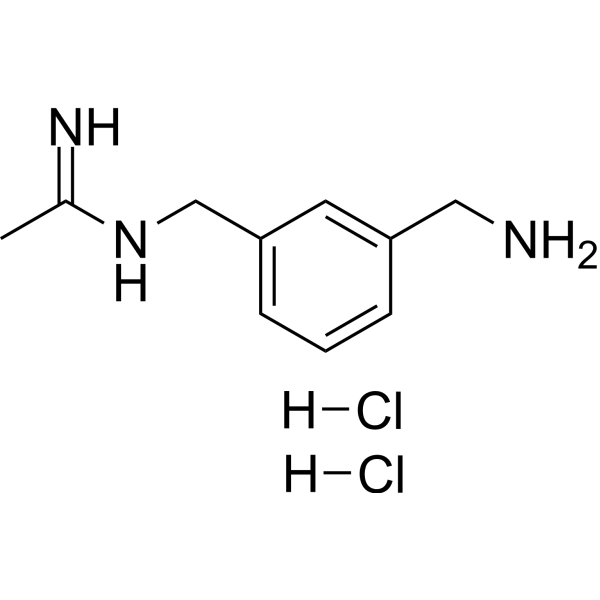
    1400W Dihydrochloride
    Maximum Cited Publications
    28 Publications Verification

    NO Synthase Apoptosis Cardiovascular Disease Inflammation/Immunology Cancer
    1400W dihydrochloride is the dihydrochloride form of 1400W (HY-18730). 1400W is a slow, tight binding, and highly selective inducible nitric-oxide synthase (iNOS) inhibitor, with a Kd value ≤ 7 nM. 1400W inhibits iNOS induction in microglial cells, and reduces generation of NO, thereby mitigating oxidative stress and neuronal cell apoptosis in the rat cerebral cortex, and improving the spatial memory dysfunction caused by acute hypobaric hypoxia-reoxygenation .
    1400W Dihydrochloride
  • HY-N0272
    Eleutheroside E
    2 Publications Verification

    Apoptosis NF-κB Neurological Disease Inflammation/Immunology
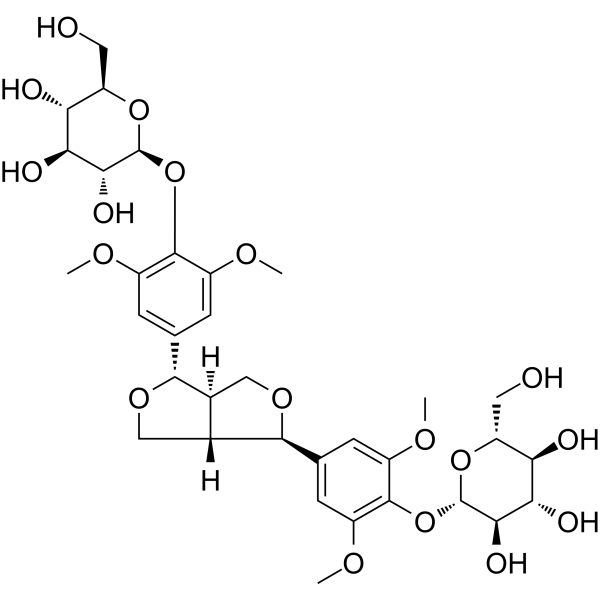
    Eleutheroside E is an important component of ginseng that can be taken orally. Eleutheroside E has anti-inflammatory and antioxidant properties, and it helps reduce apoptosis in heart cells caused by hypoxia-reoxygenation (H/R) damage. Eleutheroside E can improve type 2 diabetes, enhance cognitive function, and has neuroprotective effects .
    Eleutheroside E
  • HY-18730
    1400W
    Maximum Cited Publications
    28 Publications Verification

    W1400

    NO Synthase Apoptosis Cardiovascular Disease Inflammation/Immunology Cancer
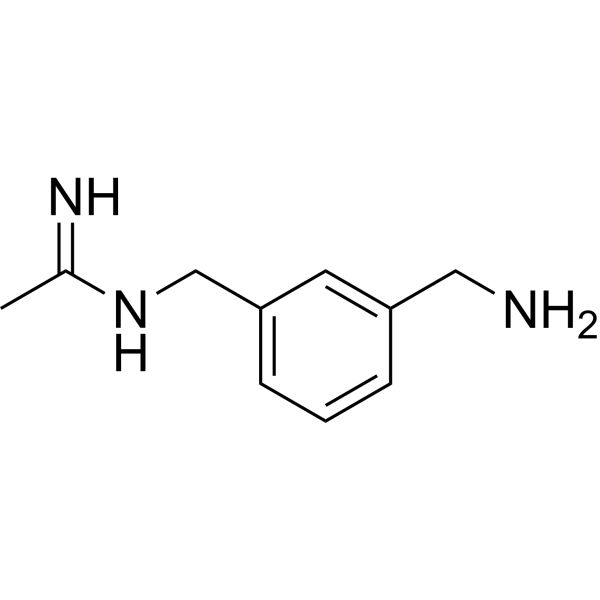
    1400W is a slow, tight binding, and highly selective inducible nitric-oxide synthase (iNOS) inhibitor, with a Kd value ≤ 7 nM. 1400W inhibits iNOS induction in microglial cells, and reduces generation of NO, thereby mitigating oxidative stress and neuronal cell apoptosis in the rat cerebral cortex, and improving the spatial memory dysfunction caused by acute hypobaric hypoxia-reoxygenation .
    1400W
  • HY-148226

    Apoptosis Reactive Oxygen Species (ROS) Cardiovascular Disease
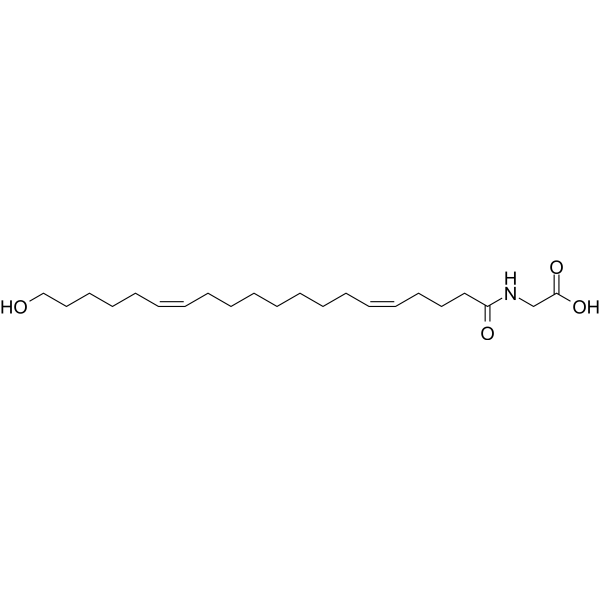
    20-5,14-HEDGE is a 20-HETE analog. 20-5,14-HEDGE induces cell death in organotypic hippocampal slice cultures (OHSCs). 20-5,14-HEDGE enhances ROS production and reduces hypoxia-reoxygenation (HR)-induced apoptosis in ex vivo rat lung slices. 20-5,14-HEDGE protects against lung ischemic reperfusion injury in rats. 20-5,14-HEDGE can be used for the study of pulmonary vascular signaling and lung injury-related research .
    20-5,14-HEDGE
  • HY-157088

    Caspase Apoptosis Cyclophilin Others
    C105SR is a cyclophilin D (CypD) inhibitor targeting to peptidyl-prolylcis-trans isomerase (PPIase). C105SR inhibits mitochondrial permeability transition opening (mPTP) with an IC 50 of 5 nM. C105SR inhibits hypoxia and reoxygenation inudced hepatocyte apoptosis and increases the level of calcium retention capacity (CRC). C105SR exhibits hepaprotective effect in ischaemia-reperfusion injury (IRI) mouse model .
    C105SR
  • HY-N2506

    Others Cardiovascular Disease
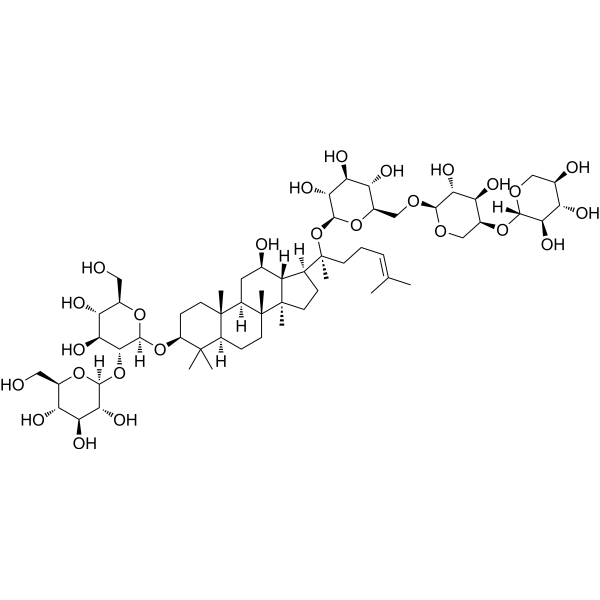
    Ginsenoside Ra1 is a component from ginseng, inhibits protein tyrosine kinase (PTK) activation induced by hypoxia/reoxygenation .
    Ginsenoside Ra1
  • HY-N5073

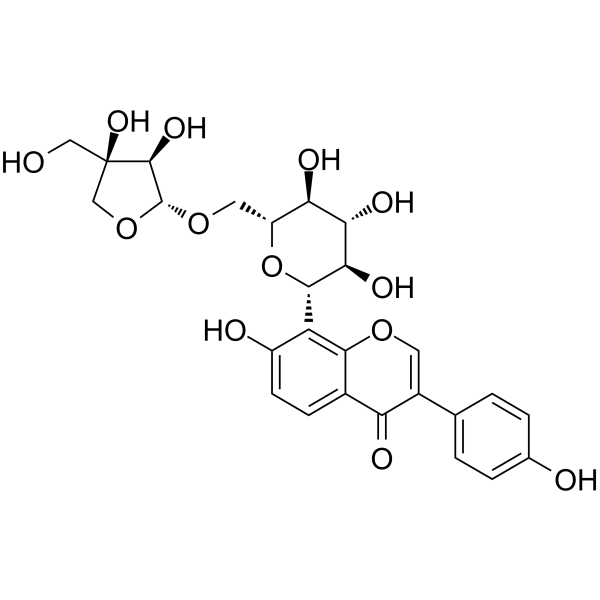
    4''-O-Glucosylvitexin

    JNK p38 MAPK Interleukin Related TNF Receptor Caspase Lactate Dehydrogenase Apoptosis Cardiovascular Disease Metabolic Disease
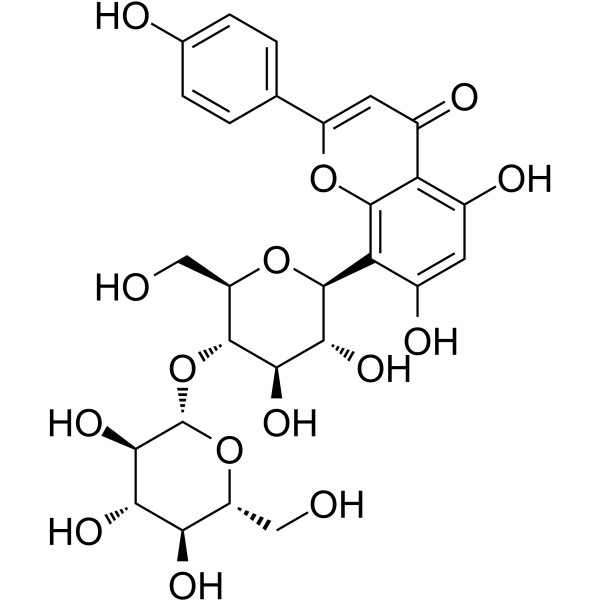
    Vitexin-4''-O-glucoside (4''-O-Glucosylvitexin) is an orally active natural flavonoid component with multiple pharmacological effects including antioxidation, anti-inflammation, cytoprotection and anti-apoptosis. Vitexin-4''-O-glucoside regulates the MAPK signaling pathway by downregulating the phosphorylation levels of JNK and p38, thereby blocking endoplasmic reticulum stress responses. Vitexin-4''-O-glucoside alleviates oxidative stress by reducing MDA content and upregulating the activities of SOD and CAT, attenuates inflammation by downregulating the expressions of inflammatory factors TNF-α, IL-1β and IL-6, and also reduces LDH release and inhibits caspase-3 activation. Vitexin-4''-O-glucoside effectively improves drug-induced acute liver injury and exerts significant protective effects against myocardial hypoxia/reoxygenation injury. Vitexin-4''-O-glucoside can be used in studies on acute liver injury, cardiovascular diseases and myocardial hypoxia-reoxygenation injury .
    Vitexin-4''-O-glucoside
  • HY-136182A

    Na+/Ca2+ Exchanger Cardiovascular Disease Neurological Disease
    YM-244769 is a potent, selective and orally active Na +/Ca 2+ exchanger (NCX) inhibitor. YM-244769 preferentially inhibits NCX3 and suppresses the unidirectional outward NCX current (Ca 2+ entry mode), with IC50s of 18 nM and 50 nM, respectively. YM-244769 efficiently protects against hypoxia/reoxygenation-induced SH-SY5Y neuronal cell damage. YM-244769 can also increase urine volume and urinary excretion of electrolytes in mice .
    YM-244769
  • HY-136182

    Na+/Ca2+ Exchanger Cardiovascular Disease Neurological Disease
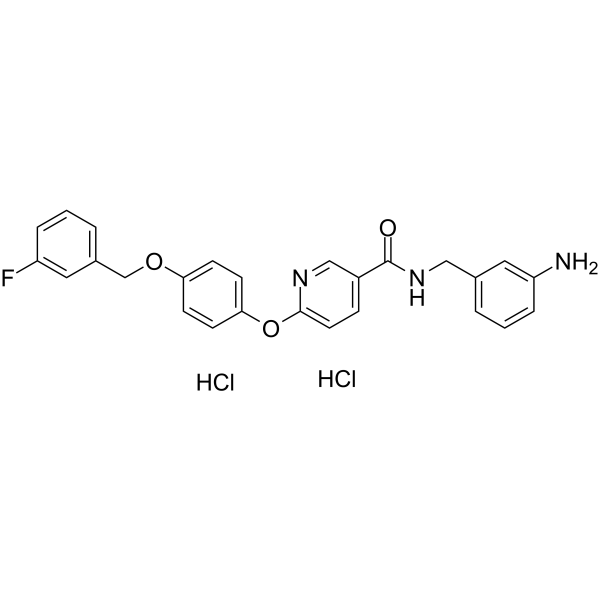
    YM-244769 dihydrochloride is a potent, selective and orally active Na +/Ca 2+ exchanger (NCX) inhibitor. YM-244769 dihydrochloride preferentially inhibits NCX3 and suppresses the unidirectional outward NCX current (Ca 2+ entry mode), with IC50s of 18 nM and 50 nM, respectively. YM-244769 dihydrochloride efficiently protects against hypoxia/reoxygenation-induced SH-SY5Y neuronal cell damage. YM-244769 dihydrochloride can also increase urine volume and urinary excretion of electrolytes in mice .
    YM-244769 dihydrochloride
  • HY-107659

    Na+/Ca2+ Exchanger Cardiovascular Disease Neurological Disease
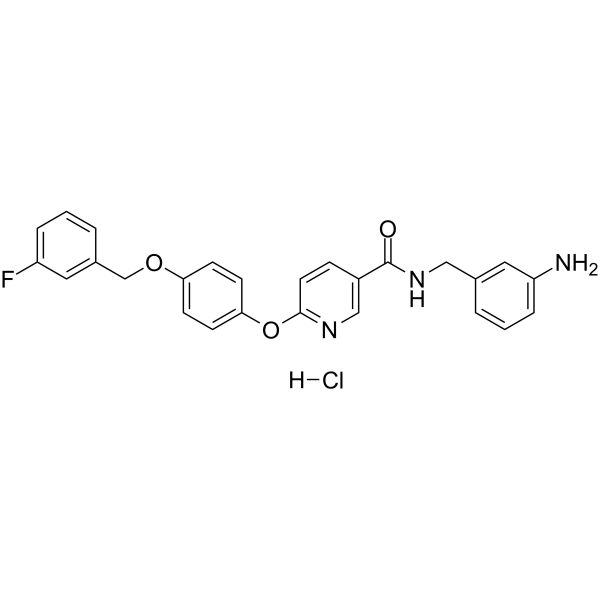
    YM-244769 hydrochloride is a potent, selective and orally active Na +/Ca 2+ exchanger (NCX) inhibitor. YM-244769 hydrochloride preferentially inhibits NCX3 and suppresses the unidirectional outward NCX current (Ca 2+ entry mode), with IC50s of 18 nM and 50 nM, respectively. YM-244769 hydrochloride efficiently protects against hypoxia/reoxygenation-induced SH-SY5Y neuronal cell damage. YM-244769 hydrochloride can also increase urine volume and urinary excretion of electrolytes in mice .
    YM-244769 hydrochloride
  • HY-127022

    Daturamine; α-Hydroxyscopolamine

    mAChR Calcium Channel Reactive Oxygen Species (ROS) Neurological Disease
    Anisodine (Daturamine) is a neuroprotective compound that reduces exacerbated M1, M2, M4, and M5 receptor expression in brain tissues under hypoxia/reoxygenation conditions. Anisodine inhibits calcium ion influx and reactive oxygen species (ROS)levels. Anisodine leads to decreased aspartate levels during hypoxia .
    Anisodine
  • HY-127022A

    Daturamine hydrobromide; α-Hydroxyscopolamine hydrobromide

    mAChR Calcium Channel Reactive Oxygen Species (ROS) Neurological Disease
    Anisodine (Daturamine) hydrobromide is a neuroprotective compound that reduces exacerbated M1, M2, M4, and M5 receptor expression in brain tissues under hypoxia/reoxygenation conditions. Anisodine hydrobromide inhibits calcium ion influx and reactive oxygen species (ROS)levels. Anisodine hydrobromide leads to decreased aspartate levels during hypoxia .
    Anisodine hydrobromide
  • HY-N2638

    Apoptosis Cardiovascular Disease
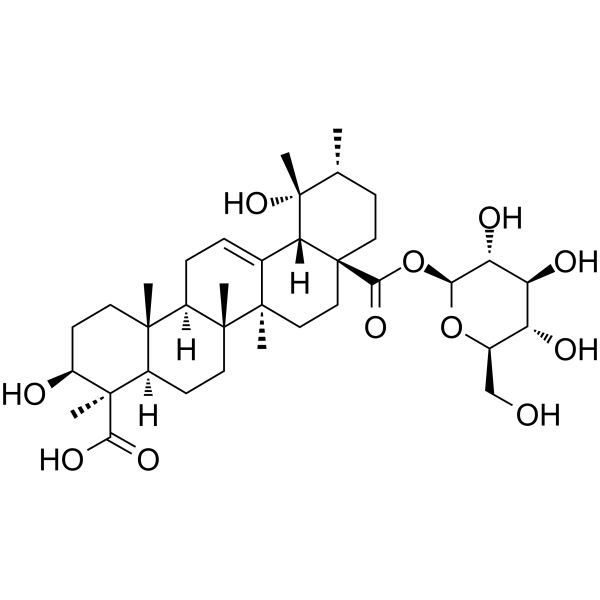
    Ilexsaponin A, isolated from the root of Ilex pubescens, attenuates ischemia-reperfusion-induced myocardial injury through anti-apoptotic pathway. Ilexsaponin A can reduce myocardial infarct size, lower the serum levels of LDH, AST and CK-MB, increase cellular viability and inhibit apoptosis in hypoxia/reoxygenation cardiomyocytes .
    Ilexsaponin A
  • HY-A0113

    Ro 31-3113

    Angiotensin-converting Enzyme (ACE) Cardiovascular Disease
    Cilazaprilat is an inhibitor of angiotensin-converting enzyme (ACE; IC50=0.7 nM for the rat enzyme) and an active metabolite of Cilazapril (HY-A0043). It decreases creatine kinase release in primary neonatal rat cardiac myocytes in an in vitro model of ischemia-reperfusion injury induced by hypoxia and reoxygenation when used at a concentration of 10 μM.3 Intra-arterial administration of cilazaprilat (3 μg/kg per minute) increases coronary blood flow and fractional shortening in a dog model of coronary hypoperfusion-induced myocardial ischemia.
    Cilazaprilat
  • HY-N0712R

    Reference Standards Autophagy Cardiovascular Disease Inflammation/Immunology
    Typhaneoside (Standard) is the analytical standard of Typhaneoside. This product is intended for research and analytical applications. Typhaneoside, extracted from Typha angustifolia L., Typhaneoside can inhibit the excessive autophagy of hypoxia/reoxygenation cells and increase the phosphorylation of Akt and mTOR. Typhaneoside has certain effects on the cardiovascular system, including lowering blood lipid levels, promoting antiatherosclerosis activities, as well as improving immune and coagulation function .
    Typhaneoside (Standard)
  • HY-N2638R

    Reference Standards Apoptosis Cardiovascular Disease
    Ilexsaponin A (Standard) is the analytical standard of Ilexsaponin A. This product is intended for research and analytical applications. Ilexsaponin A, isolated from the root of Ilex pubescens, attenuates ischemia-reperfusion-induced myocardial injury through anti-apoptotic pathway. Ilexsaponin A can reduce myocardial infarct size, lower the serum levels of LDH, AST and CK-MB, increase cellular viability and inhibit apoptosis in hypoxia/reoxygenation cardiomyocytes .
    Ilexsaponin A (Standard)
  • HY-18731R

    NO Synthase Apoptosis Cardiovascular Disease Inflammation/Immunology Cancer
    1400W (Dihydrochloride) (Standard) is the analytical standard of 1400W (Dihydrochloride). This product is intended for research and analytical applications. 1400W dihydrochloride is the dihydrochloride form of 1400W (HY-18730). 1400W is a slow, tight binding, and highly selective inducible nitric-oxide synthase (iNOS) inhibitor, with a Kd value ≤ 7 nM. 1400W inhibits iNOS induction in microglial cells, and reduces generation of NO, thereby mitigating oxidative stress and neuronal cell apoptosis in the rat cerebral cortex, and improving the spatial memory dysfunction caused by acute hypobaric hypoxia-reoxygenation .
    1400W Dihydrochloride (Standard)
  • HY-107659R

    Reference Standards Na+/Ca2+ Exchanger Cardiovascular Disease Neurological Disease
    YM-244769 hydrochloride (Standard) is the analytical standard of YM-244769 (hydrochloride) (HY-107659). This product is intended for research and analytical applications. YM-244769 hydrochloride is a potent, selective and orally active Na+/Ca2+ exchanger (NCX) inhibitor. YM-244769 hydrochloride preferentially inhibits NCX3 and suppresses the unidirectional outward NCX current (Ca2+ entry mode), with IC50s of 18 nM and 50 nM, respectively. YM-244769 hydrochloride efficiently protects against hypoxia/reoxygenation-induced SH-SY5Y neuronal cell damage. YM-244769 hydrochloride can also increase urine volume and urinary excretion of electrolytes in mice .
    YM-244769 hydrochloride (Standard)

Inquiry Online

Your information is safe with us. * Required Fields.

Salutation


Country or Region *

Applicant Name *


Organization Name *

Department *


Email Address *


Product Name *

Cat. No.


Requested quantity *

Phone Number *


Remarks

Inquiry Online

Inquiry Information

Product Name:
Cat. No.:
Quantity:
MCE Japan Authorized Agent:

