



1400W Dihydrochloride
Based on 31 publication(s) in Google Scholar
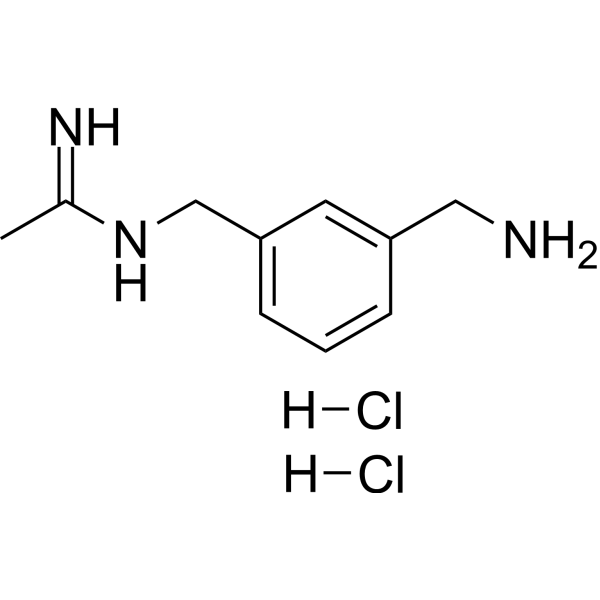
1400W dihydrochloride is the dihydrochloride form of 1400W (HY-18730). 1400W is a slow, tight binding, and highly selective inducible nitric-oxide synthase (iNOS) inhibitor, with a Kd value ≤ 7 nM. 1400W inhibits iNOS induction in microglial cells, and reduces generation of NO, thereby mitigating oxidative stress and neuronal cell apoptosis in the rat cerebral cortex, and improving the spatial memory dysfunction caused by acute hypobaric hypoxia-reoxygenation.
For research use only. We do not sell to patients.
- Purity : 99.94%
- CAS No.: 214358-33-5
- Formula: C10H17Cl2N3
- Molecular Weight:250.17
-
Storage:
4°C, sealed storage, away from moisture
* In solvent : -80°C, 6 months; -20°C, 1 month (sealed storage, away from moisture)

To place orders, for customer services and technical support, please contact: MedChemExpress USA
Tel: 609-228-6898 E-mail: [email protected] [email protected]


-
 Biological Activity
-
Chemical Information
-
Solvent & Solubility
- Protocols
- Purity & Documentation
- References
-
 Help & FAQs


-
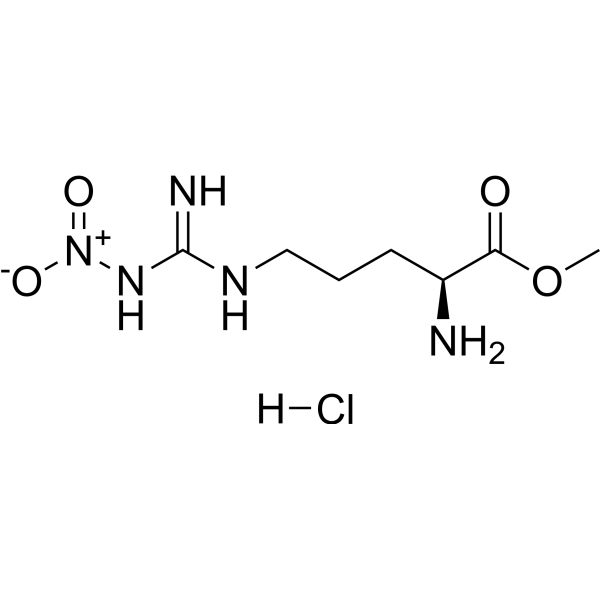
HY-18729A
L-NAME hydrochlorideNO Synthase Inhibitor -
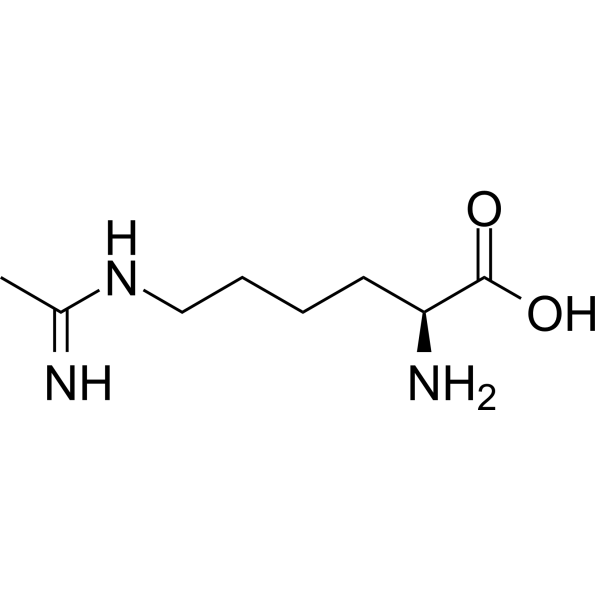
HY-12116
L-NILNO Synthase Inhibitor -
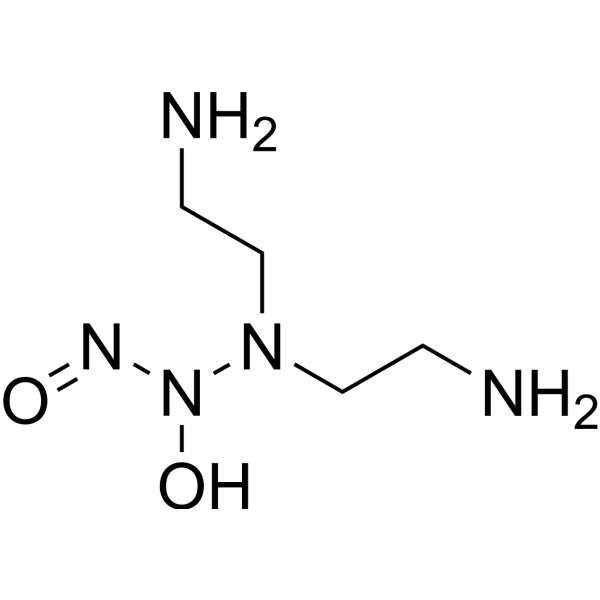
HY-136278
DETA NONOateNO Donor -
HY-18732A
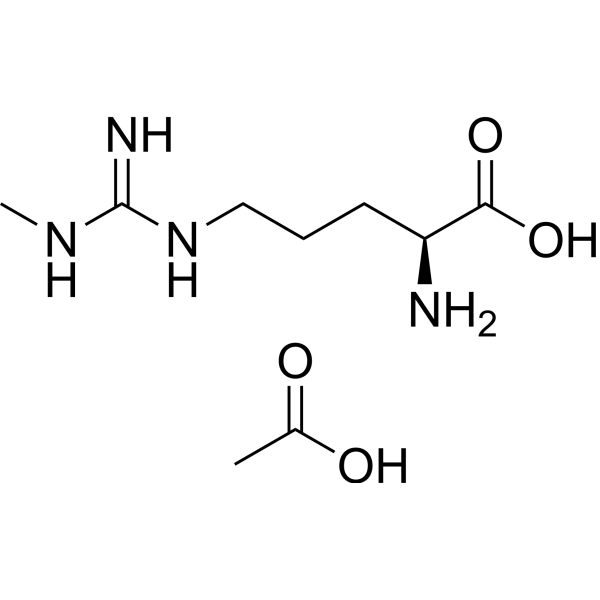
L-NMMA acetateEndogenous Metabolite -
HY-100965
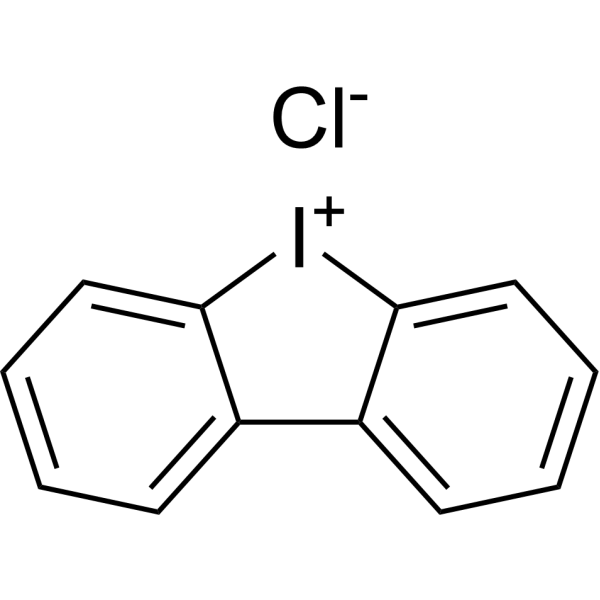
Diphenyleneiodonium chlorideNOX Inhibitor -
HY-69019
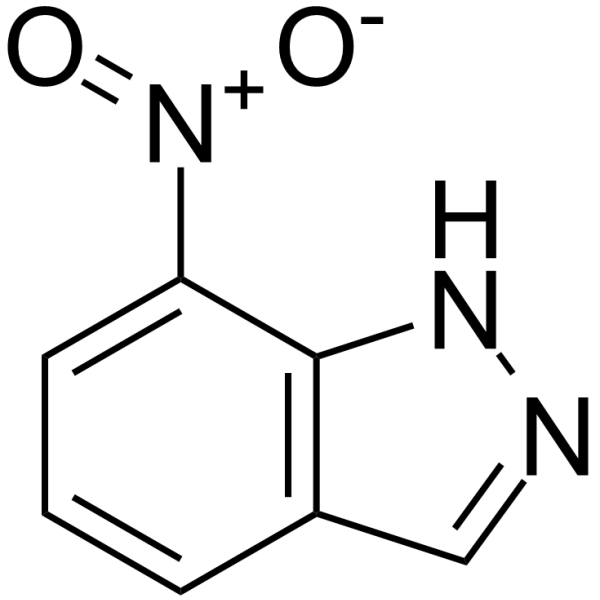
7-NitroindazoleNOS Inhibitor -
HY-12119
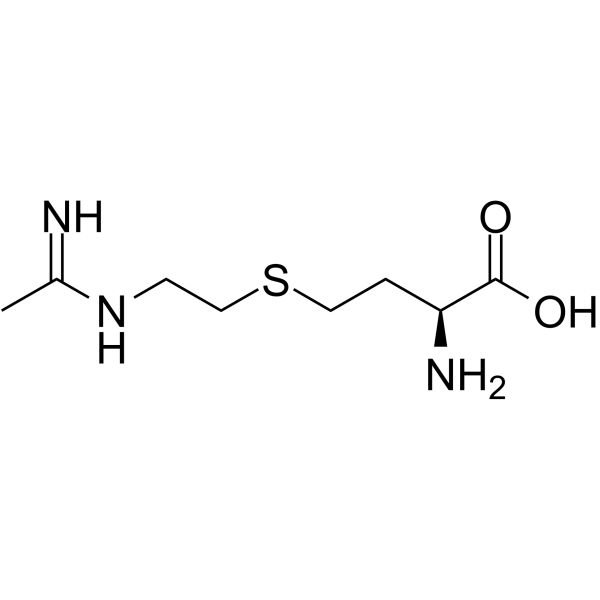
GW274150iNOS Inhibitor -
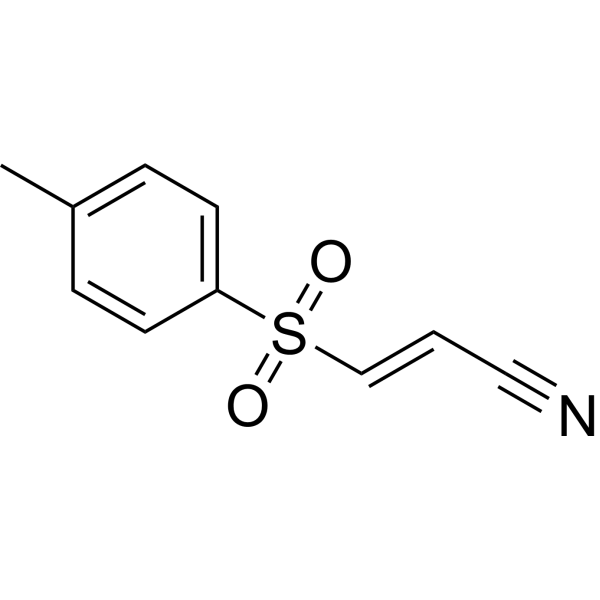
HY-13453
BAY 11-7082IκBα/NF-κB Inhibitor -
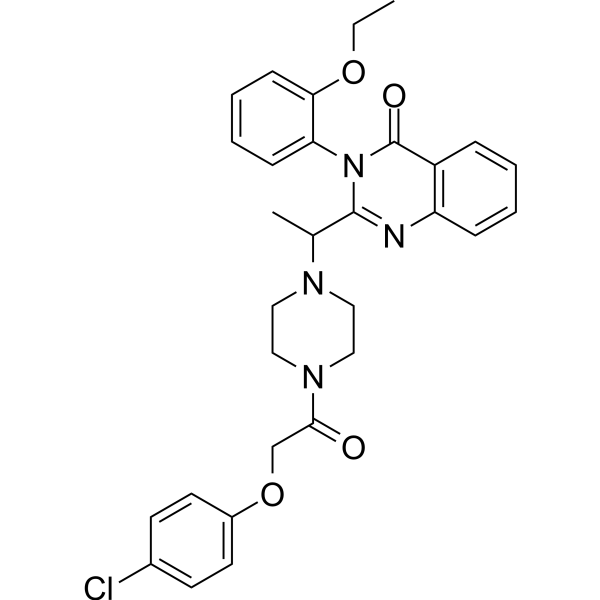
HY-15763
ErastinFerroptosis Inducer -
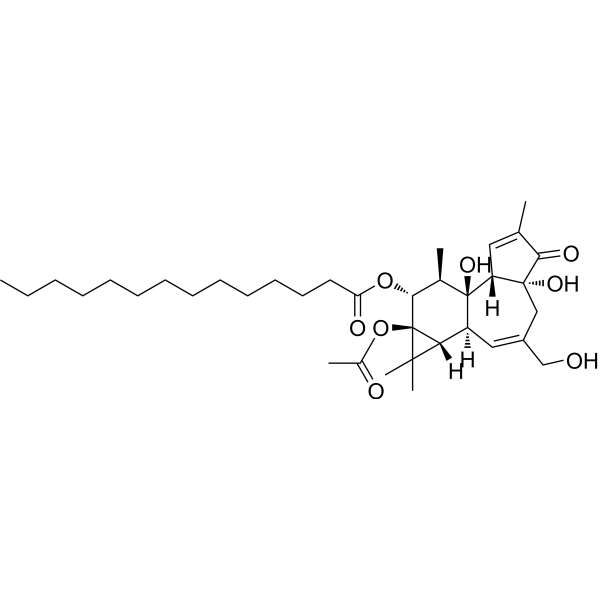
HY-18739
Phorbol 12-myristate 13-acetatePKC Activator -
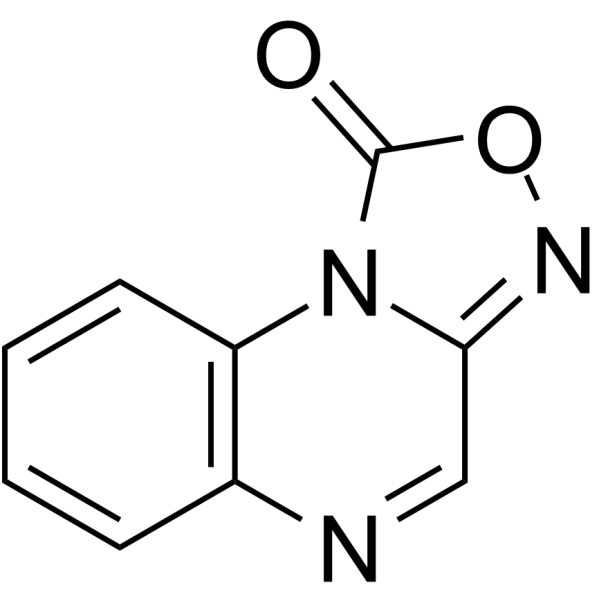
HY-101255
ODQsGC Inhibitor -

HY-Y0320
Dimethyl sulfoxide, meets analytical specification of Ch.P.Aprotic Solvent
Publications Citing Use of MedChemExpress (MCE) 1400W Dihydrochloride
More- Signal Transduct Target Ther. 2025 Jul 3;10(1):209. [Abstract]
- Cell Metab. 2025 Jan 7;37(1):291-304.e9. [Abstract]
- Nat Commun. 2025 Dec 3;17(1):255. [Abstract]
- ACS Nano. 2025 Mar 11;19(9):9390-9411. [Abstract]
- Redox Biol. 2023 Nov:67:102905. [Abstract]
- Mol Cell. 2020 Jan 2;77(1):95-107.e5. [Abstract]
- Int J Biol Sci. 2020 Mar 5;16(9):1563-1574. [Abstract]
- ISME J. 2024 Jan 8;18(1):wrae014. [Abstract]
- J Transl Med. 2023 Nov 25;21(1):852. [Abstract]
- Hum Reprod Open. 2026 Feb 17;2026(2):hoag013. [Abstract]
- Cancer Immunol Res. 2026 May 4;14(5):875-891. [Abstract]
- Aging Cell. 2025 May;24(5):e14502. [Abstract]
- Cell Rep. 2022 Feb 15;38(7):110391. [Abstract]
- Emerg Microbes Infect. 2026 Dec;15(1):2693364.
- Int Immunopharmacol. 2026 Mar 1:172:116240. [Abstract]
- Mucosal Immunol. 2024 Apr;17(2):288-302. [Abstract]
- Neuropharmacology. 2025 Dec 1:280:110662. [Abstract]
- Mol Cell Biochem. 2025 Aug 3. [Abstract]
- J Physiol. 2024 Jul 26. [Abstract]
- iScience. 2023 Jul 10;26(8):107353. [Abstract]
- Skelet Muscle. 2022 Jul 29;12(1):19. [Abstract]
- Microvasc Res. 2023 Mar:146:104468. [Abstract]
- Biochem Biophys Res Commun. 2025 Feb 16:749:151345. [Abstract]
- Cytotechnology. 2026 Aug;78(4):163.
- Int J Ophthalmol. 2022 Jul 18;15(7):1053-1061. [Abstract]
- bioRxiv. 2026 Jun 4.
- bioRxiv. 2025 Feb 17.
- University of Jena. 2023 Dec.
- Biomed Pharmacother. 2022 Sep;153:113532. [Abstract]
- Biomed Pharmacother. 2022 Jul;151:113098. [Abstract]
- Sci Total Environ. 2020 Jan 1:698:134294. [Abstract]
 Customer Validation & Images

-
Cell Proliferation/Viability Assay
-
WB
-
Flow Cytometry
-
WB
-
WB


Biological Activity
Description
IC50 & Target
|
iNOS |
In Vitro
In Vivo
MedChemExpress (MCE) has not independently confirmed the accuracy of these methods. They are for reference only.


Chemical Information
-
CAS No. 214358-33-5
-
Appearance Solid
-
Molecular Weight 250.17
-
Formula C10H17Cl2N3
-
Color White to pink
-
SMILES
CC(NCC1=CC=CC(CN)=C1)=N.[H]Cl.[H]Cl
-
Shipping
Room temperature in continental US; may vary elsewhere.
-
Storage
4°C, sealed storage, away from moisture
* In solvent : -80°C, 6 months; -20°C, 1 month (sealed storage, away from moisture)


Publications (31)
-
Journal Impact Factor
-
Most Recent
-
Signal Transduct Target Ther
Oleic acid restores the impaired antitumor immunity of γδ-T cells induced by palmitic acid. [Abstract]2025 Jul 3;10(1):209. PMID: 40603316
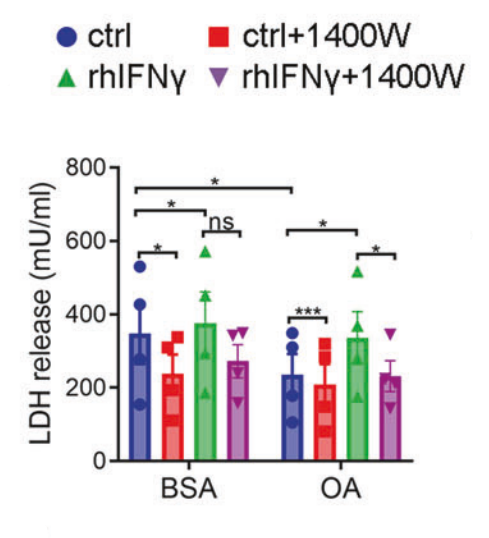
1400W Dihydrochloride purchased from MedChemExpress. Usage Cited in: Signal Transduct Target Ther. 2025 Jul 3;10(1):209. [Abstract]
1400W dihydrochloride inhibited PA-induced LDH release in Vγ9Vδ2-T cells.
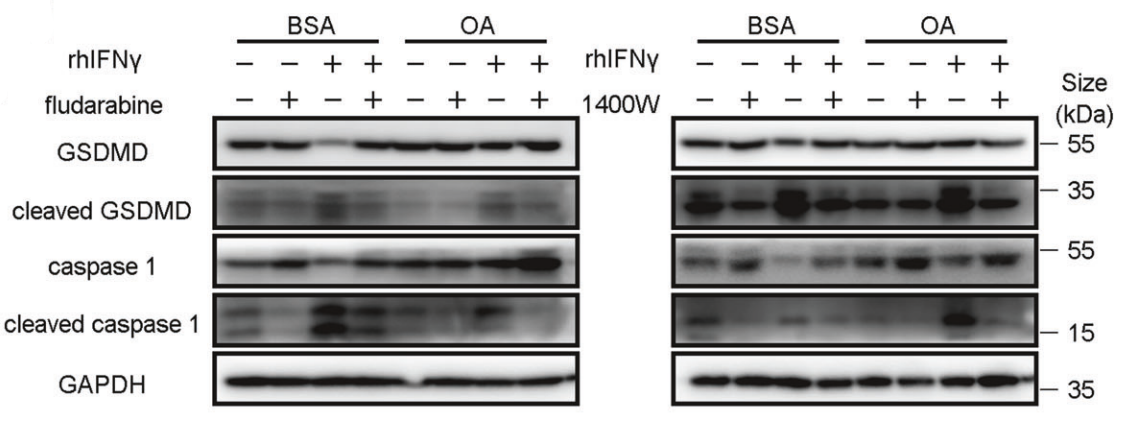
1400W Dihydrochloride purchased from MedChemExpress. Usage Cited in: Signal Transduct Target Ther. 2025 Jul 3;10(1):209. [Abstract]
1400W dihydrochloride treatment effectively suppressed the induction of GSDMD cleavage and caspase 1 activation of Vγ9Vδ2-T cells following rhIFNγ stimulation under BSA or OA conditions.
-
Cell Metab
Lighting up arginine metabolism reveals its functional diversity in physiology and pathology. [Abstract]2025 Jan 7;37(1):291-304.e9. PMID: 39413790
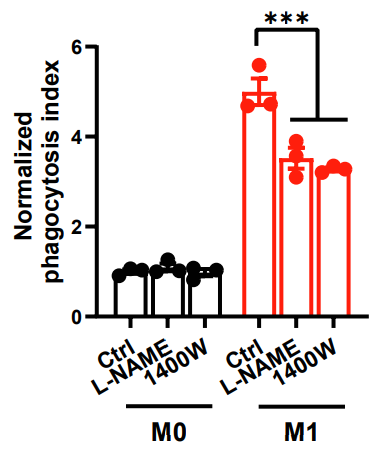
1400W Dihydrochloride purchased from MedChemExpress. Usage Cited in: Cell Metab. 2025 Jan 7;37(1):291-304.e9. [Abstract]
Effects of NOS inhibitors on phagocytosis efficiency in M0 and M1 BMDMs. The results showed that treatment with the NOS inhibitor 1400W dihydrochloride suppressed the phagocytic efficiency of activated M1 BMDMs, implying that NOS‑mediated arginine metabolism was crucial for macrophage phagocytosis.
-
Nat Commun
USP16 S-nitrosylation aggravates coronary microembolization-induced myocardial injury via repressing KDM1A-mediated glutathione homeostasis. [Abstract]2025 Dec 3;17(1):255. PMID: 41339351 -
ACS Nano
Microneedles Loaded with Nitric-Oxide Driven Nanomotors Improve Force-Induced Efferocytosis Impairment and Sterile Inflammation by Revitalizing Macrophage Energy Metabolism. [Abstract]2025 Mar 11;19(9):9390-9411. PMID: 40025734 -
Redox Biol
VEO-IBD NOX1 variant highlights a structural region essential for NOX/DUOX catalytic activity. [Abstract]2023 Nov:67:102905. PMID: 37820403 -
Mol Cell
PTPS Facilitates Compartmentalized LTBP1 S-Nitrosylation and Promotes Tumor Growth under Hypoxia. [Abstract]2020 Jan 2;77(1):95-107.e5. PMID: 31628042
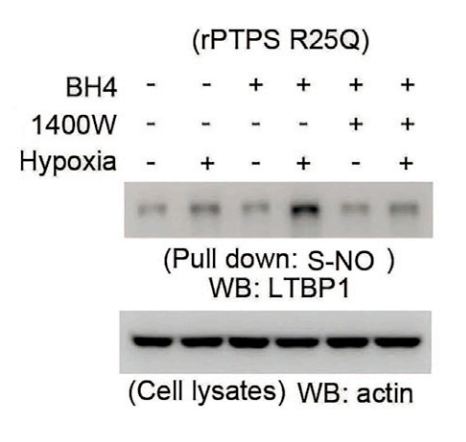
1400W Dihydrochloride purchased from MedChemExpress. Usage Cited in: Mol Cell. 2020 Jan 2;77(1):95-107.e5. [Abstract]
HT29 cells with depleted PTPS and reconstituted expression of rPTPS R25Q were cultured for 12 h under hypoxia and were treated with the indicated concentration of exogenous BH4 in the presence or absence of 1400W Dihydrochloride (100 μM). The S-nitrosylation detection assay was performed. Addition of a high dosage of exogenous BH4 led to an increased LTBP1 S-nitrosylation under hypoxia in HT29 cells with expression of PTPS R25Q. The effects of exogenous BH4 found here were abolished when cells were treated with the iNOS inhibitor 1400W Dihydrochloride.
1400W Dihydrochloride purchased from MedChemExpress. Usage Cited in: Mol Cell. 2020 Jan 2;77(1):95-107.e5. [Abstract]
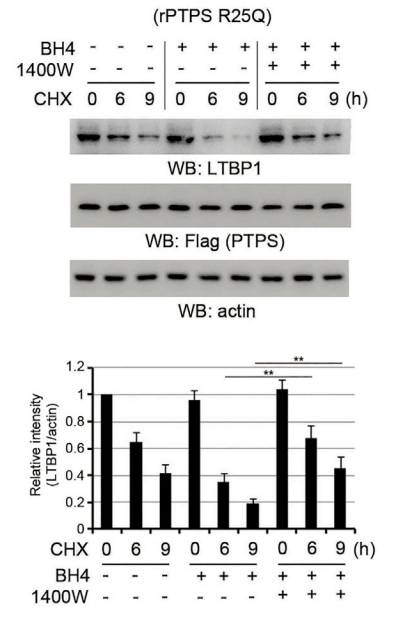
HT29 cells with depleted PTPS and reconstituted expression of rPTPS R25Q were cultured for 12 h under hypoxia and were added with indicated concentrations of exogenous BH4 in the presence or absence of 1400W Dihydrochloride (100 mM). Cells were treated with cycloheximide (CHX; 30 mg/mL) for the indicated length of time at 6 h under hypoxia treatment. Immunoblotting and relative intensities of LTBP1 to beta-actin were analyzed. Addition of a high dosage of exogenous BH4 led to decreased LTBP1 stability and increased LTBP1 ubiquitination. The effects of exogenous BH4 were abolished when cells were treated with the iNOS inhibitor 1400W Dihydrochloride.
-
Int J Biol Sci
Downregulation of Nitric Oxide Collaborated with Radiotherapy to Promote Anti-Tumor Immune Response via Inducing CD8+ T Cell Infiltration. [Abstract]2020 Mar 5;16(9):1563-1574. PMID: 32226302 -
ISME J
Protozoan predation enhances stress resistance and antibiotic tolerance in Burkholderia cenocepacia by triggering the SOS response. [Abstract]2024 Jan 8;18(1):wrae014. PMID: 38366016 -
J Transl Med
Paneth cell-derived iNOS is required to maintain homeostasis in the intestinal stem cell niche. [Abstract]2023 Nov 25;21(1):852. PMID: 38007452 -
Hum Reprod Open
Impaired PIEZO1 function drives uterine hypercontractility in adenomyosis-associated dysmenorrhea. [Abstract]2026 Feb 17;2026(2):hoag013. PMID: 41836349 -
Cancer Immunol Res
CLK1 Promotes Myeloid-Derived Suppressor Cell Trafficking and Reprograms the Tumor Microenvironment by Activating Hippo/YAP Signaling in Colorectal Cancer. [Abstract]2026 May 4;14(5):875-891. PMID: 41686262 -
Aging Cell
Aging-Associated Liver Sinusoidal Endothelial Cells Dysfunction Aggravates the Progression of Metabolic Dysfunction-Associated Steatotic Liver Disease. [Abstract]2025 May;24(5):e14502. PMID: 39912563 -
Cell Rep
2022 Feb 15;38(7):110391. PMID: 35172156 -
-
Int Immunopharmacol
A novel triazole derivative ameliorates ethanol-induced gastric ulcer via a NOS2-centered inhibition of the AGE-RAGE pathway. [Abstract]2026 Mar 1:172:116240. PMID: 41576570 -
Mucosal Immunol
Deficiency of immunoglobulin IgSF6 enhances antibacterial effects by promoting ER stress and the inflammatory response in intestinal macrophages. [Abstract]2024 Apr;17(2):288-302. PMID: 38387824 -
Neuropharmacology
Microglial-derived nitric oxide regulates amygdala synaptic plasticity to drive chronic pain and depression induced by lumbar disc herniation. [Abstract]2025 Dec 1:280:110662. PMID: 40887007 -
Mol Cell Biochem
Nitric oxide induces apoptosis of human primary melanocytes by regulating calcium homeostasis via VDAC1. [Abstract]2025 Aug 3. PMID: 40753527 -
J Physiol
The protective effect of 1400W against ischaemia and reperfusion injury is countered by transient medullary kidney endothelial dysregulation. [Abstract]2024 Jul 26. PMID: 39057844 -
iScience
2023 Jul 10;26(8):107353. PMID: 37529099 -
Skelet Muscle
Oxidative stress-induced premature senescence and aggravated denervated skeletal muscular atrophy by regulating progerin-p53 interaction. [Abstract]2022 Jul 29;12(1):19. PMID: 35906707 -
Microvasc Res
Hypoglycaemia aggravates impaired endothelial-dependent vasodilation in diabetes by suppressing endothelial nitric oxide synthase activity and stimulating inducible nitric oxide synthase expression. [Abstract]2023 Mar:146:104468. PMID: 36513147 -
Biochem Biophys Res Commun
A novel genetically encoded indicator for deciphering cytosolic and mitochondrial nitric oxide in live cells. [Abstract]2025 Feb 16:749:151345. PMID: 39862720 -
-
Int J Ophthalmol
Dynamic changes of inducible nitric oxide synthase expression in rat's retina and its role on blood-retinal barrier injury after acute high intraocular pressure. [Abstract]2022 Jul 18;15(7):1053-1061. PMID: 35919326 -
-
-
-
Biomed Pharmacother
Oridonin attenuates lung inflammation and fibrosis in silicosis via covalent targeting iNOS. [Abstract]2022 Sep;153:113532. PMID: 36076611 -
Biomed Pharmacother
Dendrobium officinale polysaccharides attenuate uropathogenic Escherichia coli (UPEC)-induced pyroptosis in macrophage cells. [Abstract]2022 Jul;151:113098. PMID: 35594714 -
Sci Total Environ
Manganese induces autophagy dysregulation: The role of S-nitrosylation in regulating autophagy related proteins in vivo and in vitro. [Abstract]2020 Jan 1:698:134294. PMID: 31783459


Solvent & Solubility
In Vitro:
H2O : 100 mg/mL (399.73 mM; Need ultrasonic)
DMSO : 20 mg/mL (79.95 mM; Need ultrasonic; Hygroscopic DMSO has a significant impact on the solubility of product, please use newly opened DMSO)
Please refer to the solubility information to select the appropriate solvent. Once prepared, please aliquot and store the solution to prevent product inactivation from repeated freeze-thaw cycles.
Storage method and period of stock solution: -80°C, 6 months; -20°C, 1 month (sealed storage, away from moisture). When stored at -80°C, please use it within 6 months. When stored at -20°C, please use it within 1 month.
* Note: If you choose water as the stock solution, please dilute it to the working solution, then filter and sterilize it with a 0.22 μm filter before use.
Please refer to the solubility information to select the appropriate solvent. Once prepared, please aliquot and store the solution to prevent product inactivation from repeated freeze-thaw cycles.
Storage method and period of stock solution: -80°C, 6 months; -20°C, 1 month (sealed storage, away from moisture). When stored at -80°C, please use it within 6 months. When stored at -20°C, please use it within 1 month.
* Note: If you choose water as the stock solution, please dilute it to the working solution, then filter and sterilize it with a 0.22 μm filter before use.
Concentration (start) × Volume (start) = Concentration (final) × Volume (final)
In Vivo:
Select the appropriate dissolution method based on your experimental animal and administration route.
- For the following dissolution methods, please ensure to first prepare a clear stock solution using an In Vitro approach and then sequentially add co-solvents:
- To ensure reliable experimental results, the clarified stock solution can be appropriately stored based on storage conditions. As for the working solution for In Vivo experiments, it is recommended to prepare freshly and use it on the same day.
- The percentages shown for the solvents indicate their volumetric ratio in the final prepared solution. If precipitation or phase separation occurs during preparation, heat and/or sonication can be used to aid dissolution.
Add each solvent one by one: 10% DMSO 40% PEG300 5% Tween-80 45% Saline
Solubility: ≥ 2 mg/mL (7.99 mM); Clear solution
This protocol yields a clear solution of ≥ 2 mg/mL (saturation unknown).
Taking 1 mL working solution as an example, add 100 μL DMSO stock solution (20.0 mg/mL) to 400 μL PEG300, and mix evenly; then add 50 μL Tween-80 and mix evenly; then add 450 μL Saline to adjust the volume to 1 mL.
Preparation of Saline: Dissolve 0.9 g sodium chloride in ddH₂O and dilute to 100 mL to obtain a clear Saline solution.
Add each solvent one by one: 10% DMSO 90% (20% SBE-β-CD in Saline)
Solubility: ≥ 2 mg/mL (7.99 mM); Clear solution
This protocol yields a clear solution of ≥ 2 mg/mL (saturation unknown).
Taking 1 mL working solution as an example, add 100 μL DMSO stock solution (20.0 mg/mL) to 900 μL 20% SBE-β-CD in Saline, and mix evenly.
Preparation of 20% SBE-β-CD in Saline (4°C, storage for one week): 2 g SBE-β-CD powder is dissolved in 10 mL Saline, completely dissolve until clear.
For the following dissolution methods, please prepare the working solution directly:
It is recommended to prepare fresh solutions and use them promptly within a short period of time.
The percentages shown for the solvents indicate their volumetric ratio in the final prepared solution. If precipitation or phase separation occurs during preparation, heat and/or sonication can be used to aid dissolution.
Add each solvent one by one: PBS
Solubility: 100 mg/mL (399.73 mM); Clear solution; Need ultrasonic
In Vivo Dissolution Calculator
Please enter the basic information of animal experiments:
-
-
-
-
Recommended: Prepare an additional quantity of animals to account for potential losses during experiments.
Working solution concentration: 0.22 mg/mL
This product has good water solubility, please refer to the measured solubility data in water/PBS/Saline for details.

Protocols
-
Apoptosis
Apoptosis, also called programmed cell death, is generally characterized by distinct morphological characteristics.
-
TUNEL staining for apoptotic DNA fragmentation
TUNEL staining detects DNA strand breaks by using terminal deoxynucleotidyl transferase to add labeled nucleotides to exposed 3′-OH DNA termini, generating either microscopic staining in fixed cells or tissue sections, or fluorescence/cytometric signal in cell suspensions. TUNEL positivity reflects DNA fragmentation but should not be interpreted alone as definitive apoptosis, because TUNEL can also label necrotic, autolytic, mechanically damaged, or DNA-repair-associated DNA breaks.
-
Annexin V plus membrane-impermeant dye apoptosis staining
Annexin V-based apoptosis assays rely on the detection of phosphatidylserine (PS) externalization from the inner leaflet of the plasma membrane to the outer leaflet, an early biochemical hallmark of apoptosis. Fluorescently labeled Annexin V binds PS in a calcium-dependent manner, enabling identification of early apoptotic cells by flow cytometry or fluorescence microscopy. When combined with a membrane-impermeant DNA-binding dye (e. g. , propidium iodide), this approach allows discrimination between viable (Annexin V−/dye−), early apoptotic (Annexin V+/dye−), and late apoptotic or necrotic (Annexin V+/dye+) cell populations by assessing membrane integrity and PS exposure.
-
ROS/oxidative-stress fluorescent staining
ROS/oxidative-stress fluorescent staining uses cell-permeant fluorogenic probes that become fluorescent after oxidation inside cells or tissues; commonly used examples include DCFH-DA/DCFDA for broad cellular oxidant detection, DHE for superoxide-related signal detection, MitoSOX for mitochondrial superoxide-related signal detection, and CellROX probes for oxidative-stress-associated fluorescence readouts. The assay detects probe oxidation rather than a single ROS species unless the probe and analysis method have been chemically validated for that species. DCFH-DA enters cells, is deacetylated by intracellular esterases to DCFH, and produces fluorescent DCF after oxidation, so the readout is used as an operational measure of total cellular oxidative stress rather than a species-specific ROS measurement. DHE and MitoSOX can report superoxide-related oxidation, but red fluorescence alone can include non-specific ethidium-like oxidation products; HPLC or optimized spectral approaches are
-
Protocol for Water Maze
The Morris Water Maze is a rodent spatial learning and memory assay in which a mouse or rat swims in opaque water to find an escape platform; in the hidden-platform version, the animal cannot see the platform and must use distal extra-maze cues to learn its fixed spatial location. The assay primarily measures hippocampus-dependent spatial learning during acquisition trials and spatial reference memory during probe trials after platform removal; readouts include escape latency, swim path length, swim speed, quadrant occupancy, platform-site crossings, and proximity to the former platform location.
-
Apoptosis Solutions
Apoptosis is a regulated, generally non-lytic cell-death pathway that removes unwanted, damaged, infected, or abnormal cells through coordinated morphological changes, caspase activation, DNA fragmentation, and membrane remodeling. The intrinsic apoptosis pathway is controlled mainly by mitochondrial outer membrane permeabilization, BCL-2 family proteins, cytochrome c release, apoptosome formation, caspase-9 activation, and downstream executioner caspase-3/7 activation. The extrinsic apoptosis pathway is initiated by death receptors such as Fas, TNFR, and TRAIL receptors, which recruit adaptor proteins and activate caspase-8 before engaging executioner caspases or mitochondrial amplification through BID cleavage. Apoptosis is linked to many phenotypes, including cancer cell killing, tissue homeostasis, immune regulation, neurodegeneration, infection response, and treatment-induced cytotoxicity; unresolved questions include how apoptosis interacts with necroptosis, pyroptosis, ferroptos


Purity & Documentation
-
Data Sheet (274 KB)
-
SDS (394 KB)
- English - EN (394 KB)
- Français - FR (394 KB)
- Deutsch - DE (394 KB)
- Norwegian - NO (394 KB)
- Español - ES (394 KB)
- Swedish - SV (394 KB)
- Italian - IT (394 KB)
- Korean - KR (394 KB)
- Portuguese - PT (394 KB)
-
Handling Instructions (2659 KB)
References
[1]. Garvey EP, et al. 1400W is a slow, tight binding, and highly selective inhibitor of inducible nitric-oxide synthase in vitro and in vivo. J Biol Chem. 1997 Feb 21;272(8):4959-63. [Content Brief]
[2]. Shi Q, et al. 1400W ameliorates acute hypobaric hypoxia/reoxygenation-induced cognitive deficits by suppressing the induction of inducible nitric oxide synthase in rat cerebral cortex microglia. Behav Brain Res. 2017 Feb 15;319:188-199. [Content Brief]


Complete Stock Solution Preparation Table
Please refer to the solubility information to select the appropriate solvent. Once prepared, please aliquot and store the solution to prevent product inactivation from repeated freeze-thaw cycles.
Storage method and period of stock solution: -80°C, 6 months; -20°C, 1 month (sealed storage, away from moisture). When stored at -80°C, please use it within 6 months. When stored at -20°C, please use it within 1 month.
| Optional Solvent | Concentration Solvent Mass | 1 mg | 5 mg | 10 mg | 25 mg |
|---|---|---|---|---|---|
| DMSO / H2O | 1 mM | 3.9973 mL | 19.9864 mL | 39.9728 mL | 99.9320 mL |
| 5 mM | 0.7995 mL | 3.9973 mL | 7.9946 mL | 19.9864 mL | |
| 10 mM | 0.3997 mL | 1.9986 mL | 3.9973 mL | 9.9932 mL | |
| 15 mM | 0.2665 mL | 1.3324 mL | 2.6649 mL | 6.6621 mL | |
| 20 mM | 0.1999 mL | 0.9993 mL | 1.9986 mL | 4.9966 mL | |
| 25 mM | 0.1599 mL | 0.7995 mL | 1.5989 mL | 3.9973 mL | |
| 30 mM | 0.1332 mL | 0.6662 mL | 1.3324 mL | 3.3311 mL | |
| 40 mM | 0.0999 mL | 0.4997 mL | 0.9993 mL | 2.4983 mL | |
| 50 mM | 0.0799 mL | 0.3997 mL | 0.7995 mL | 1.9986 mL | |
| 60 mM | 0.0666 mL | 0.3331 mL | 0.6662 mL | 1.6655 mL | |
| H2O | 80 mM | 0.0500 mL | 0.2498 mL | 0.4997 mL | 1.2492 mL |
| 100 mM | 0.0400 mL | 0.1999 mL | 0.3997 mL | 0.9993 mL |
* Note: If you choose water as the stock solution, please dilute it to the working solution, then filter and sterilize it with a 0.22 μm filter before use.


1400W Dihydrochloride Related Classifications
HY-18731 Related Classifications
 Powered by Bioz